The May Pest That Can Destroy Texas Squash Overnight
Texas squash growers have a recurring nightmare that plays out in gardens across the state every May, and it follows almost the same script every single time.
The plants look incredible one day, full of vigor and promising a great harvest, and then within what feels like no time at all something has gone catastrophically wrong.
Stems collapse, leaves wilt despite adequate water, and what was a thriving squash plant is suddenly beyond saving with no obvious explanation sitting on the surface.
The culprit responsible for this kind of overnight destruction is one of the most frustrating pests in the Texas vegetable garden, not because it’s impossible to deal with, but because it does its worst damage completely out of sight until the plant is already in serious trouble.
It moves fast, it’s deceptively hard to spot before the damage is done, and May is precisely when it becomes most dangerous to Texas squash. Knowing what you’re dealing with before it shows up is the only real advantage a Texas gardener has against this one.
The Tiny Garden Pest Behind Sudden Squash Collapse
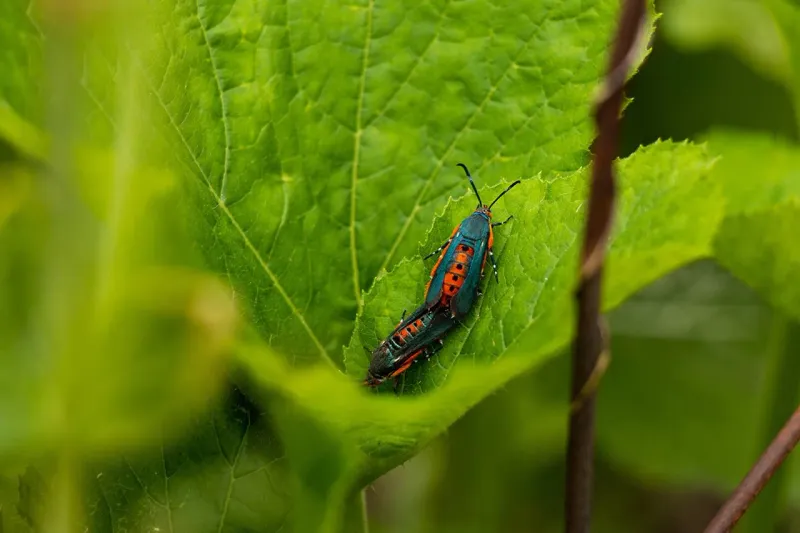
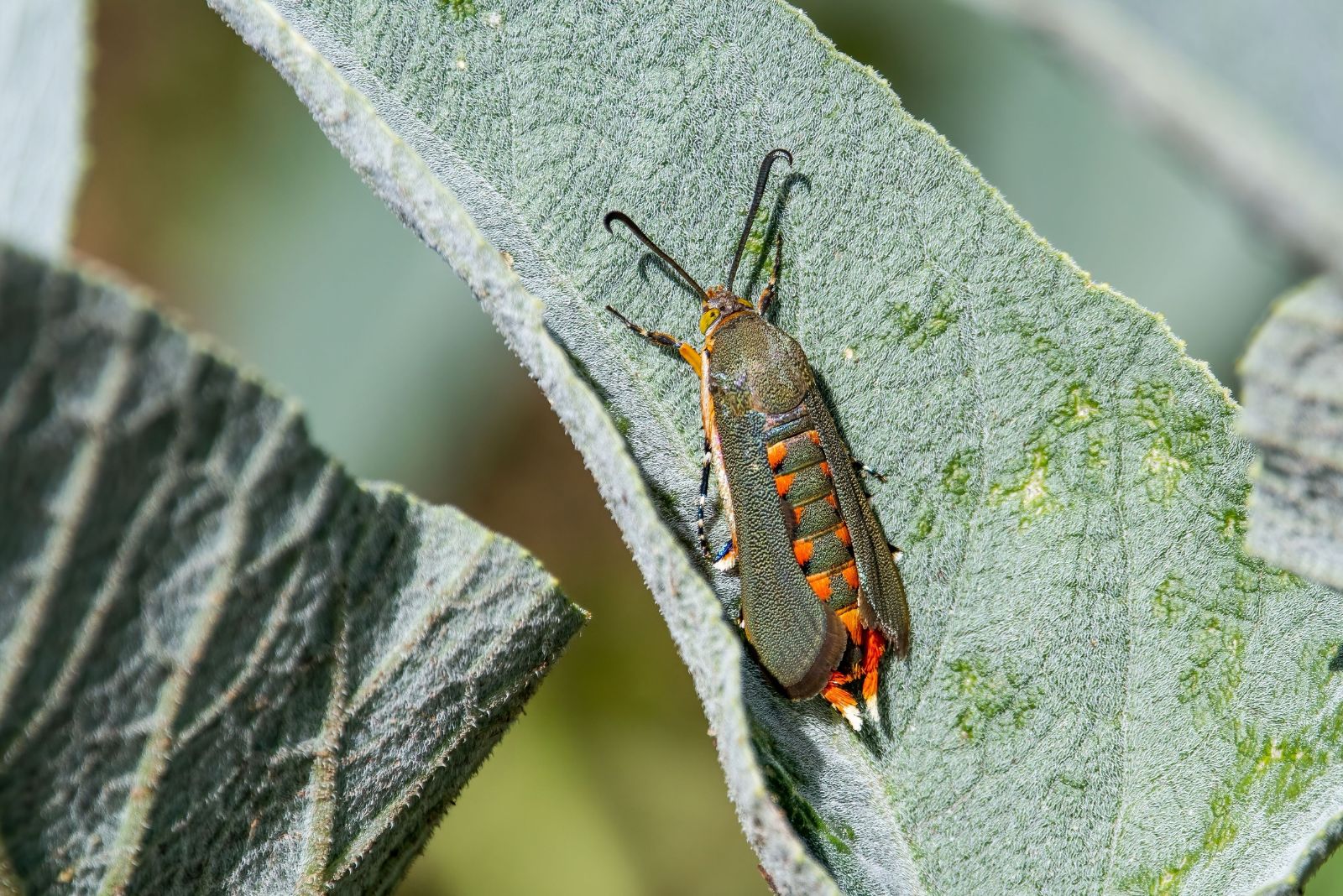
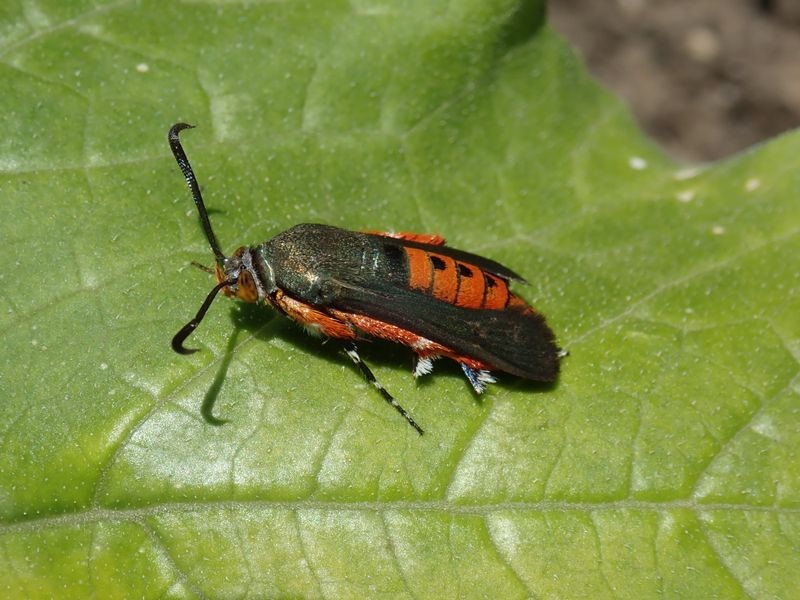
Most Texas gardeners have never actually seen the pest responsible for wiping out their squash plants. The Squash Vine Borer is a moth that looks surprisingly like a wasp.
It has a bright red and black body, and it flies during the day, which makes it unusual compared to most moths. Many gardeners walk right past it without a second thought.
The adult moth lays flat, reddish-brown eggs near the base of squash stems, usually in late April and May. Once those eggs hatch, tiny larvae bore directly into the vine.
From that moment on, the damage begins fast. Texas gardeners often describe the destruction as happening overnight because the visible wilting appears so suddenly.
Squash and zucchini are the most vulnerable crops in Texas. Butternut squash and pumpkins can also be affected, but Cucurbita pepo varieties like yellow crookneck and zucchini are highly susceptible.
Once larvae get inside the stem, they feed on the inner tissue, cutting off the plant’s ability to move water and nutrients.
In Texas, the warm spring climate creates ideal conditions for early moth activity. Gardeners across the state, from Houston to San Antonio to the Hill Country, often notice sudden plant collapse in May without knowing why.
Understanding that this specific pest is behind the damage is the first step toward protecting your garden. Catching the problem early gives you a real shot at saving your plants before too much harm is done.
How Squash Vine Borers Actually Destroy Healthy Plants
Picture a healthy squash plant with big green leaves and bright yellow flowers. Now imagine that same plant completely collapsed just two days later, even though it had plenty of water and sunlight.
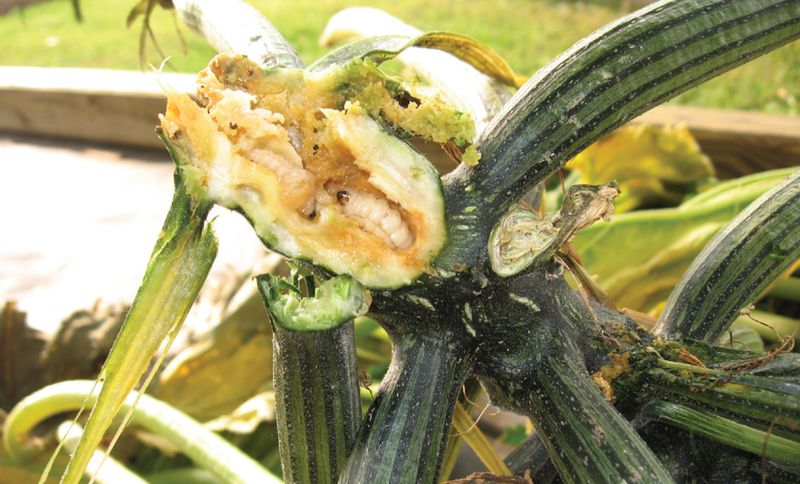
That is exactly what happens when Squash Vine Borer larvae go to work inside the stem. Once a larva hatches, it chews its way into the base of the vine. It then tunnels upward through the soft interior tissue of the stem.
Your Texas Garden Changes Every Week. Your Plan Should Too.
Gardening in Texas changes quickly throughout the season. Every Friday you’ll receive a simple weekly plan showing exactly what to plant, prune, fertilize, harvest, and protect so you never miss the right timing.
As it feeds, it blocks the vascular system of the plant. That system is responsible for carrying water from the roots up to the leaves. When it gets blocked, the plant wilts no matter how moist the soil is.
Texas gardeners often make the mistake of watering more when they see wilting. But extra water cannot fix the problem because the damage is inside the stem, not in the soil.
The roots may be perfectly healthy while the upper plant collapses. This is one reason why the damage feels so confusing and sudden.
A single larva can cause significant harm to a young plant. Older and larger plants may support several larvae at once, with each one tunneling deeper and feeding more aggressively as it grows.
By the time most Texas gardeners notice the wilting, the larva may already be deep inside the stem.
The warm May temperatures in Texas speed up larval development, which means the window between egg hatching and serious plant damage can be surprisingly short, sometimes just a few days.
The Early Warning Signs Most Gardeners Miss
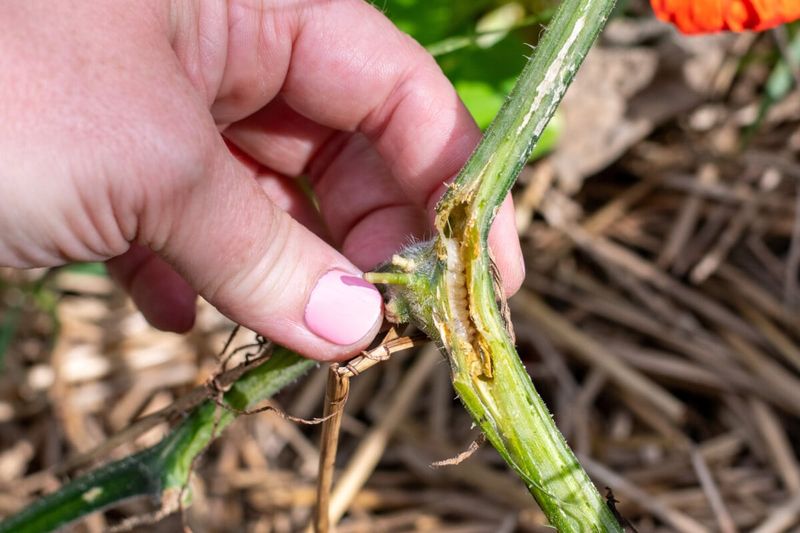
Catching a Squash Vine Borer infestation early is the single most powerful thing a Texas gardener can do. The problem is that most of the early warning signs are easy to overlook. Knowing exactly what to look for can save your entire squash crop before it is too late.
One of the first signs is a tiny hole near the base of the stem. It is about the size of a pinhole and may have a small amount of greenish or yellowish frass around it.
Frass is the waste material that larvae push out as they tunnel through the stem. It looks like fine sawdust or wet crumbs and often collects right at the base of the plant.
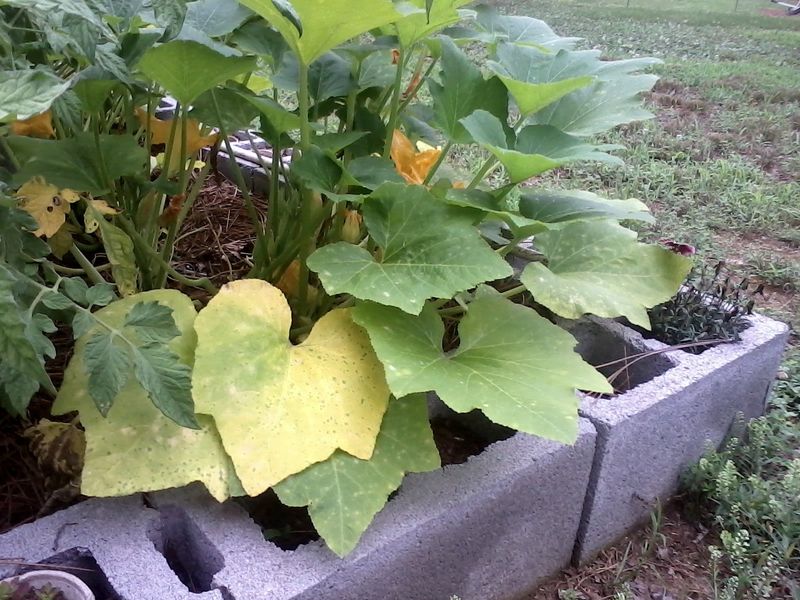
Another early clue is wilting leaves during the hottest part of the day. Many Texas gardeners assume this is just heat stress, which is completely understandable given the intense summer temperatures across the state.
But if the wilting happens even when the soil is moist, that is a red flag worth investigating. Sudden yellowing of leaves and stem collapse are later-stage symptoms. By the time you see these signs, the larva has likely been feeding for several days.
Do not wait for yellowing to start your inspection. Make it a habit to check the base of every squash stem every few days starting in early May.
Look for frass, small holes, and any unusual softness in the stem. Checking plants in the morning, before the heat of the Texas day sets in, makes it easier to spot subtle changes in leaf texture and plant posture.
Why May Is Prime Time For Problems In Texas
May in Texas is a beautiful time for gardening. Temperatures are warming up, plants are growing fast, and the garden is full of energy.
But that same warm weather is exactly what Squash Vine Borer moths love. Adult moths become most active when daytime temperatures climb consistently above 70 degrees Fahrenheit, which happens reliably across Texas by early May.
The timing is not random. Adult moths emerge from the soil after overwintering as pupae. Warmer soil temperatures in spring trigger that emergence. In Texas, this happens earlier than in most northern states, which means Texas gardeners face the threat sooner in the season.
Areas like Austin, Dallas, and the Gulf Coast region can see adult moth activity as early as late April.
Texas growing conditions also help the pest spread quickly. Long warm days, minimal frost risk, and abundant host plants create an environment where moth populations can build up over multiple generations in a single season.
Unlike northern gardeners who may only deal with one generation per year, Texas gardeners can sometimes face two rounds of infestation.
Early-season monitoring is especially important because of this compressed timeline. Waiting until you see obvious damage in June means you have already missed your best window for prevention.
Starting your stem inspections in late April and continuing through May gives you the advantage.
Setting a simple reminder to walk through your Texas garden every three to four days during this period can make a real difference in how your squash crop performs through the rest of the growing season.
What Texas Gardeners Can Do Before It Gets Worse
Good news: there are real, practical steps Texas gardeners can take to protect their squash plants from Squash Vine Borers. Acting early and staying consistent gives you the best chance of keeping your crop healthy through the season.
Start with regular stem inspections. Every few days, crouch down and look closely at the base of each squash plant.
Check for frass, tiny holes, or any soft spots in the stem. If you catch an infestation early enough, you can use a clean, thin knife to carefully cut a small slit in the stem, remove the larva, and then bury that section of stem under moist soil. The plant can sometimes recover if the damage is not too extensive.
Row covers are one of the most effective preventive tools available to Texas gardeners. Placing floating row covers over young plants before moths begin laying eggs can block adult access entirely.
Just remember to remove the covers when flowers appear so pollinators can do their job. Timing the covers correctly is key, so start them in late April for best results across most parts of Texas.
Removing heavily damaged vines quickly is also important. Leaving them in the garden gives larvae a chance to complete their development and return to the soil as future pupae.
Pulling out and bagging damaged plant material reduces the next generation of moths. Encouraging vigorous plant growth through proper watering, fertilizing, and spacing also helps. Healthy plants are more resilient and better able to handle minor pest pressure.
Strong plants in well-amended Texas soil have a better chance of surviving even a light infestation.
How To Keep Squash Producing Through Summer
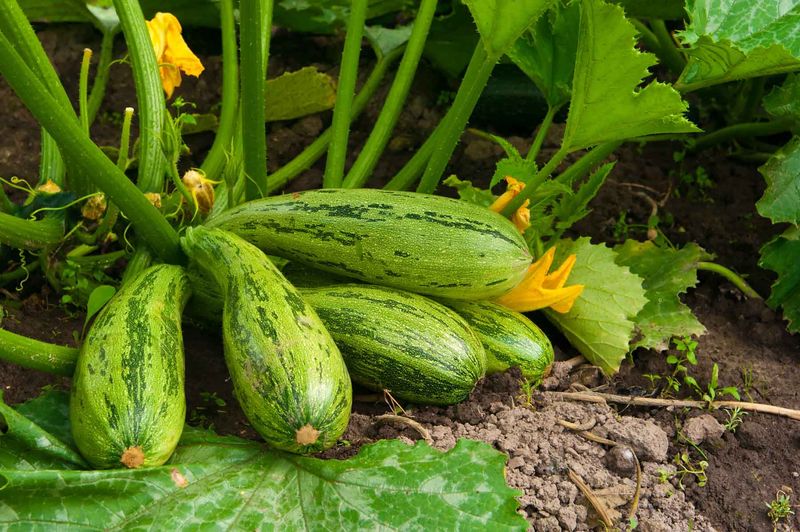
One of the smartest strategies Texas gardeners use against Squash Vine Borers is succession planting. Instead of planting all your squash at once, stagger your plantings every two to three weeks.
Early plantings often produce a full harvest before peak moth activity. Later plantings may miss the worst of the infestation window entirely.
Spreading out your planting dates gives you a better chance of having productive plants at any given time.
Choosing resistant varieties when possible is another solid move. While no squash variety is completely immune, some are less attractive to Squash Vine Borers than others.
Butternut squash and cushaw varieties tend to have harder, thicker stems that larvae find more difficult to penetrate. In Texas, where the pest pressure is high, choosing these varieties for at least part of your garden can reduce overall damage.
Building simple habits throughout the season also pays off over time. Clean up all plant debris at the end of the growing season because vine borer pupae overwinter in the soil and in old plant material.
Rotating your squash to a different part of your Texas garden each year disrupts the pest cycle. Tilling the soil after harvest can expose pupae to birds and other natural predators.
Acting early really does make the biggest difference. Texas gardeners who start monitoring in late April, use row covers from the start, and stay consistent with inspections throughout May tend to have far better outcomes than those who wait and react.
A little attention each week during the critical spring window can keep your squash garden producing well into the Texas summer.