Florida Native Plants To Replace Your Liriope Borders (They Look Better And Need Less Water)
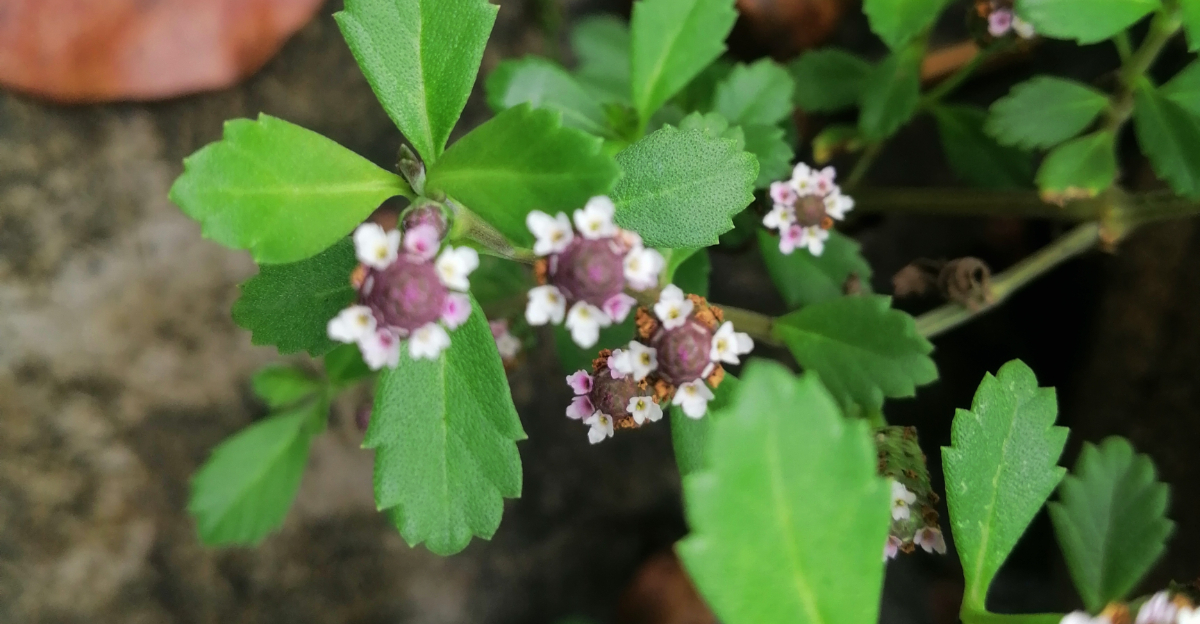
Liriope had a good run, but Florida yards have officially outgrown it. That same dark green border showing up on every street, every subdivision, every cookie-cutter landscape in the state is starting to look tired, and homeowners are catching on fast.
The funny thing is, the plants replacing it are not just easier on the eyes, they are easier on the wallet, the hose, and your entire Saturday morning routine.
Florida natives have been sitting on the bench for decades while Liriope hogged the spotlight, and that is a crying shame because the alternatives blow it clean out of the water.
We are talking color, texture, wildlife activity, and borders that practically take care of themselves once they get their footing. Your yard could look completely different in one season without breaking a sweat.
Ready to send Liriope packing for good? The replacements are better than anything you have tried before.
1. Swap Liriope For Sunshine Mimosa In Sunny Borders
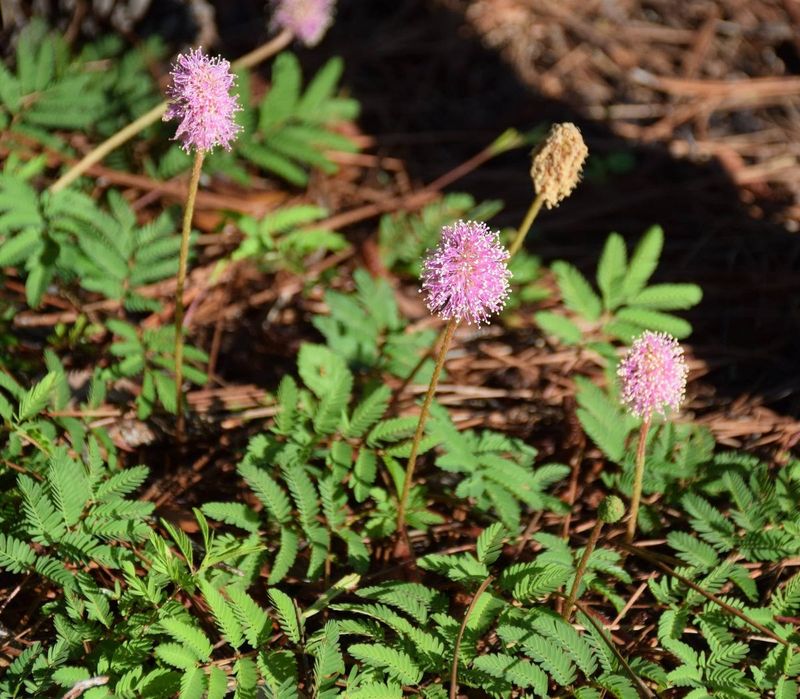
Walk past a sunshine mimosa border on a warm Florida morning and you will likely stop to look twice. Those puffy pink blooms sitting just above a carpet of feathery green leaves are hard to ignore, and pollinators seem to agree.
Bees and butterflies visit the flowers regularly, making this groundcover a lively swap for a plain liriope edge.
Sunshine mimosa, known botanically as Mimosa strigillosa, is a Florida native that spreads by creeping stems along the ground. It works well along driveways, sunny path edges, and low borders where there is plenty of direct sun and well-drained soil.
Sandy Florida soil suits it nicely. UF/IFAS notes that it is low-growing and can tolerate mowing once established, which makes it practical for homeowners who want a neat but natural look.
Give it regular water during the first growing season to help it settle in, then pull back as it establishes. Once rooted, it handles dry spells much better than turf grass.
It spreads at a moderate pace and can fill gaps over time. Heavily shaded spots or formal beds that need a stiff upright edge are not the best match.
Sunshine mimosa performs well across much of Florida, but check with your local UF/IFAS Extension office to confirm it suits your specific site, soil drainage, and sun exposure before planting.
2. Use Frogfruit Where You Want A Softer Living Edge
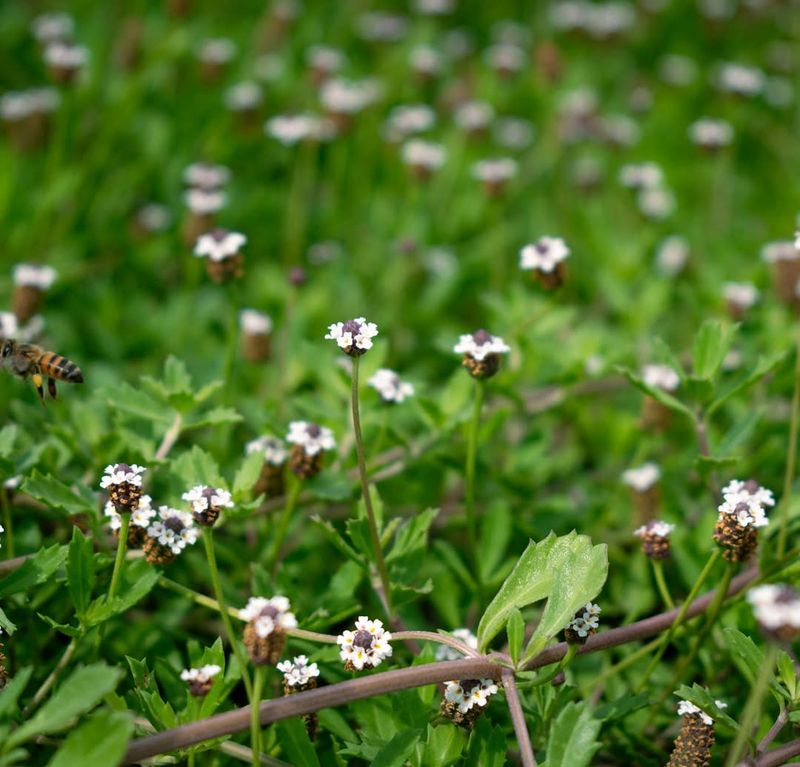
Imagine a border that hums quietly with tiny bees and skipper butterflies all season long. Frogfruit, or Phyla nodiflora, earns that kind of attention without demanding much in return.
It grows low to the ground, spreads outward in a loose mat, and produces small white to lavender flowers that pollinators seek out consistently.
For homeowners who find liriope a little too stiff and uniform, frogfruit offers a softer, more relaxed living edge. It works well along informal bed borders, pollinator strips, and even between stepping stones where foot traffic stays light.
UF/IFAS and the Florida Wildflower Foundation both recognize it as a Florida native with solid pollinator value, particularly for butterflies that use it as a larval host plant.
Your Florida Garden Changes Every Week. Your Plan Should Too.
Gardening in Florida changes quickly throughout the season. Every Friday you’ll receive a simple weekly plan showing exactly what to plant, prune, fertilize, harvest, and protect so you never miss the right timing.
Frogfruit performs best in full sun to part shade and tolerates a range of soil moisture levels, including spots that stay slightly damp after summer rain.
It will not give you the same clumping upright silhouette as liriope, so it is better suited to casual, naturalistic borders than formal, rigid edges.
Spread can be vigorous in good conditions, so plan for some occasional trimming to keep it where you want it.
Regional performance can vary, so ask your local UF/IFAS Extension office whether frogfruit is a reliable fit for your county, sun exposure, and drainage situation before you plant.
3. Plant Coontie For A Bold Border That Stays Polished
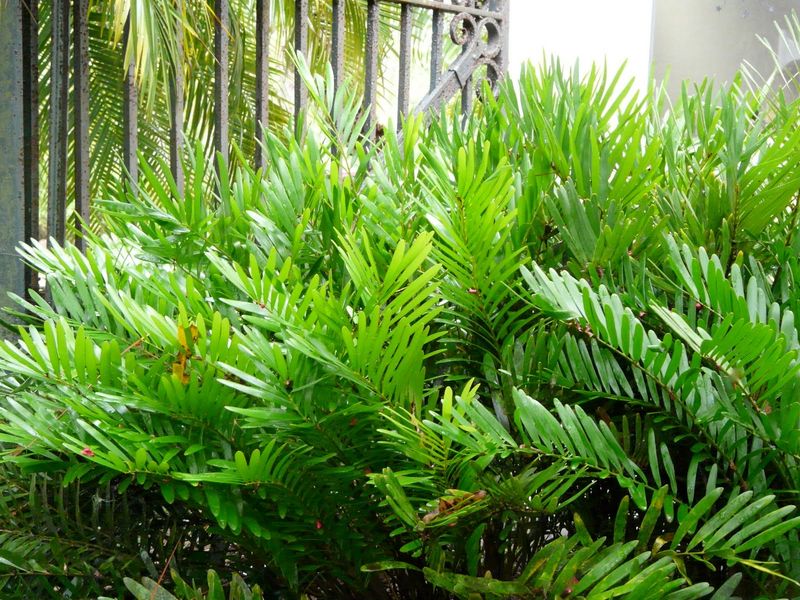
Coontie has a quiet confidence that most border plants simply cannot match. Its dark, glossy, fern-like fronds stay green year-round, hold their shape through summer heat and winter cold, and give any border a structured, polished look that ages well.
For homeowners who want a native replacement for liriope but still need a tidy, formal edge, coontie is one of the strongest candidates in the Florida native plant palette.
Zamia integrifolia is Florida’s only native cycad and has deep roots in Florida’s natural landscape. It is the sole larval host plant for the Atala butterfly, a striking species that has made a comeback in South Florida and some coastal areas.
Planting coontie where Atala butterflies occur can directly support that recovery. UF/IFAS and the Florida Native Plant Society both highlight its drought tolerance once established and its adaptability to sandy, well-drained soil.
Coontie grows slowly and stays relatively compact, typically reaching one to three feet tall, which makes spacing important if you want a full, connected border. It handles sun to part shade but prefers good drainage and does not like standing water.
It is not a soft groundcover you can walk across, so keep it in beds rather than high-traffic zones. Coontie is best suited to Central and South Florida, though it can grow in North Florida with proper site selection.
Always verify regional suitability with your local Extension office.
4. Try Dwarf Fakahatchee Grass For A Native Liriope Look
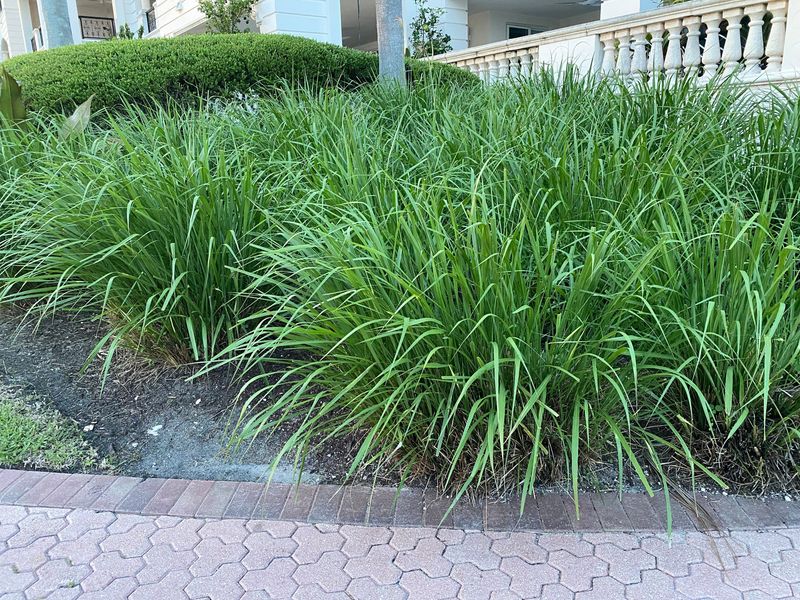
If the main reason you have kept liriope this long is the look of those tidy clumping rows, dwarf fakahatchee grass might be the native plant that finally wins you over.
It has a grassy, arching form that reads as clean and textured from a distance, making it one of the closest visual substitutes for liriope in the Florida native plant world.
Tripsacum floridanum, the dwarf fakahatchee grass, is a compact version of the larger Fakahatchee grass. That size difference matters a lot when you are shopping at a nursery.
The full-size species can reach four to five feet and will overwhelm a narrow walkway border, while the dwarf form stays much more manageable at around two feet. Always confirm the label before purchasing so you end up with the right plant for your space.
Dwarf fakahatchee grass grows well in full sun to part shade and tolerates a range of Florida soil conditions, including sandy and occasionally moist soils. It is generally adaptable across much of the state, though performance can shift by region and site.
Spacing plants about two feet apart in a border allows them to fill in without crowding. Occasional trimming can refresh the clumps if they begin to look ragged.
Check with your local UF/IFAS Extension office for specific guidance on spacing, timing, and whether this grass is a reliable fit for your county and growing conditions.
5. Use Beach Sunflower Along Hot Dry Walkways
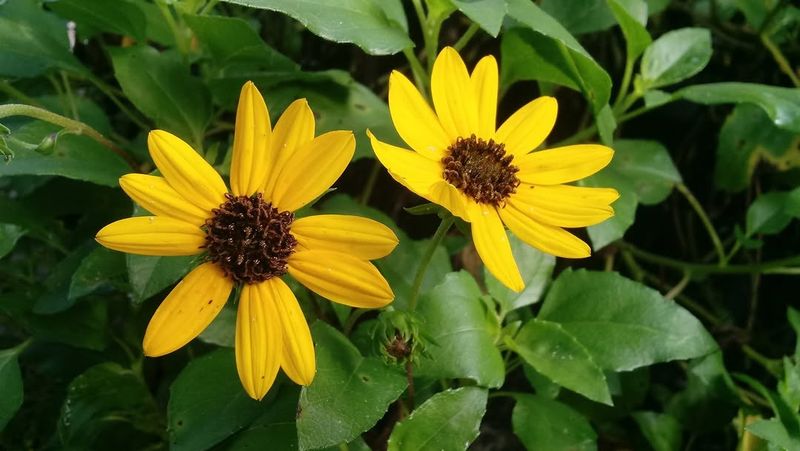
Few Florida native plants bring as much cheerful energy to a hot, dry border as beach sunflower. The bright yellow blooms pop against sandy soil, attract bees and butterflies, and keep coming back with very little encouragement once the plant settles in.
Along a sun-baked walkway or driveway edge where liriope often struggles to look its best, beach sunflower can genuinely shine.
Helianthus debilis is native to Florida’s coastal and sandy inland areas and is well adapted to full sun and well-drained soil. The Florida Wildflower Foundation recognizes it as a reliable native groundcover with strong pollinator value.
It spreads by trailing stems and can cover ground quickly in the right conditions, which is great for filling a long border but means occasional trimming may be needed to keep it from spilling too far.
Salt tolerance has been noted in coastal plantings, making it a practical option for yards near the Gulf or Atlantic coast, though you should verify this for your specific site with local Extension guidance.
Beach sunflower tends to perform well across Central and South Florida and along coastal areas of North Florida.
Inland North Florida gardeners should check local suitability before planting. It is not the right choice for shady spots, heavy clay soil, or locations that stay wet.
For formal, rigid borders, the sprawling habit may feel too loose, but for relaxed, sunny edges it brings real color and life.
6. Plant Muhly Grass Where The Border Needs Drama
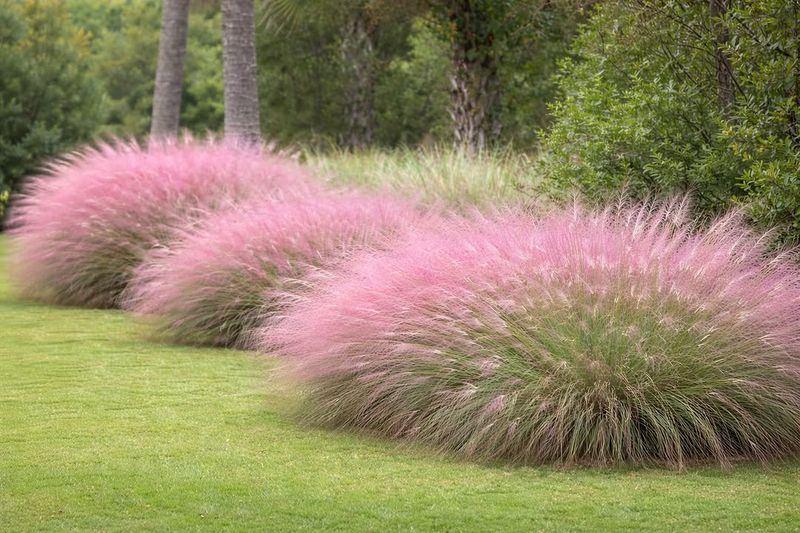
A row of muhly grass in full fall bloom stops people in their tracks. The soft, rosy-pink plumes catch the light and move with the slightest breeze, turning an ordinary driveway border into something that actually looks designed.
For homeowners who have stared at the same flat line of liriope for years, muhly grass offers a completely different kind of border experience.
Muhlenbergia capillaris is a Florida native ornamental grass that UF/IFAS highlights for its drought tolerance once established, its full sun preference, and its need for well-drained soil. It does not stay low like liriope.
Mature clumps can reach two to four feet tall with plumes extending even higher in fall, so it works best in wider borders, along driveways with room to spread, at mailbox plantings, or in larger foundation beds where height reads as an asset rather than a problem.
Narrow walkway edges where clearance is tight are not the best match for muhly grass. Give each clump enough space, roughly two to three feet apart, so they can fill out without crowding.
Cutting clumps back in late winter or early spring helps keep them tidy and encourages fresh growth. Muhly grass grows well across North, Central, and South Florida in sunny, well-drained sites.
Regional timing for bloom and trimming can vary, so connecting with your county Extension office for local advice is always a smart move before planting.
7. Choose Swamp Fern For Shady Moist Edges
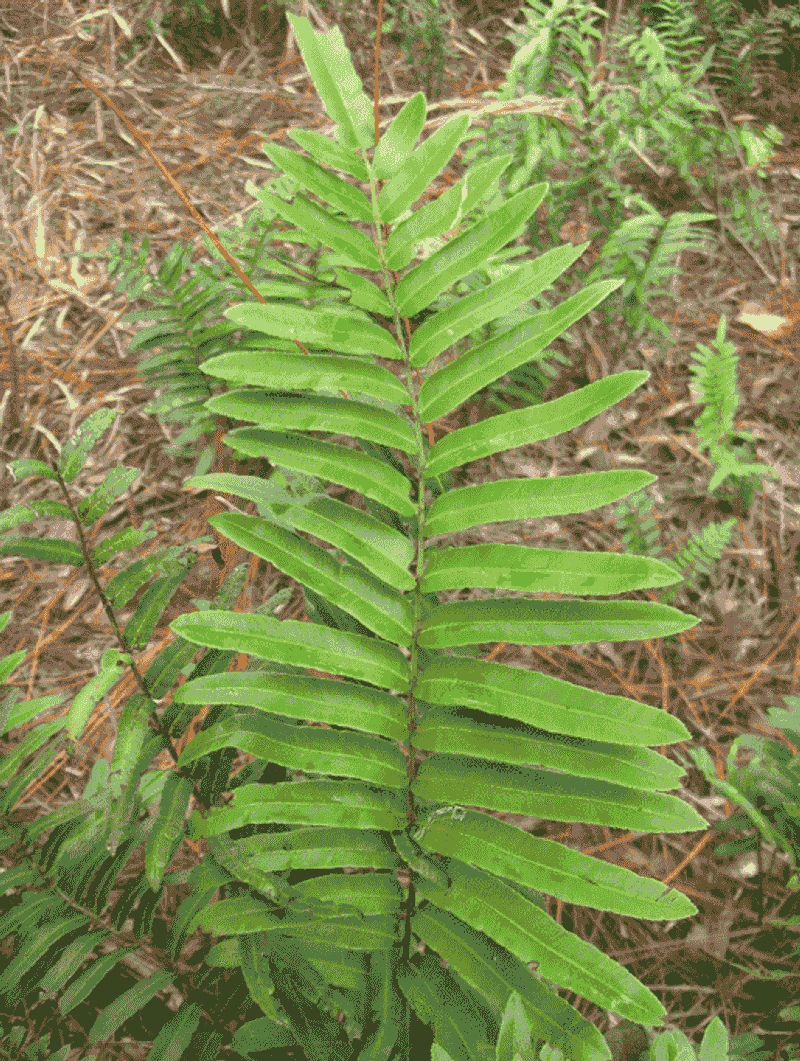
Not every border gets full sun. Oak canopy, house overhangs, and fence lines create shaded, sometimes damp corners that liriope handles passably but that swamp fern can truly own.
The broad, arching green fronds bring a lush, layered texture to spots where most sun-loving replacements would struggle from the start.
Blechnum serrulatum, commonly called swamp fern or toothed midsorus fern, is a Florida native that UF/IFAS recognizes as well suited to moist, shaded, and part-shaded environments.
It grows naturally in wet flatwoods, swamp edges, and shaded low areas across much of the state.
Rain garden edges, damp corners of foundation beds, and shaded borders near downspouts are all places where swamp fern can settle in and fill space naturally over time.
Swamp fern is not a drought-tolerant plant and should not be used in hot, dry, or exposed borders. Putting it in the wrong spot, such as a sunny, sandy strip by the driveway, will lead to a plant that never looks its best.
Moisture and shade are non-negotiable for good performance. It can spread by rhizomes and may need occasional thinning as it fills in.
Regional performance is generally solid across Central and South Florida, with North Florida gardeners advised to check local Extension guidance on cold hardiness and site suitability. Match it to its needs and it can create a genuinely beautiful shaded edge.
8. Plant Twinflower For A Low Native Border With Charm
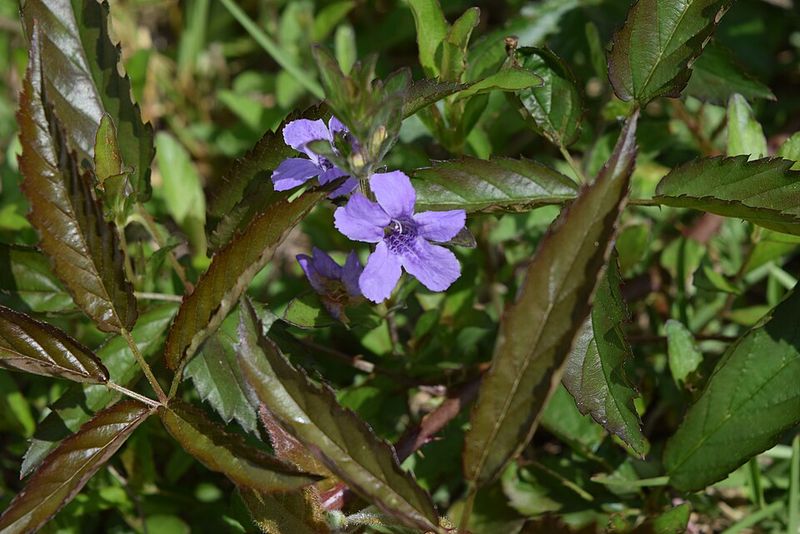
Twinflower tends to fly under the radar at native plant nurseries, which is a shame because it brings real personality to a low border.
The small lavender-purple blooms appear on short stems above a mat of fine-textured foliage, giving a sunny or partly sunny bed a relaxed, wildflower feel that no strip of liriope can replicate.
Dyschoriste oblongifolia is native to Florida’s sandy upland habitats and is recognized by the Florida Native Plant Society for its value to pollinators, particularly native bees.
It grows low, typically under a foot tall, and spreads gently over time without becoming aggressive.
That modest spread makes it well suited to homeowners who want a low-maintenance native border that fills in gradually rather than taking over the yard.
Twinflower performs best in full sun to light shade and well-drained, sandy soil, which matches many Florida yards naturally.
Once established, it handles dry periods reasonably well, though newly planted specimens benefit from regular watering through the first season.
It does not create the same stiff, evergreen line as liriope, so gardeners who want a rigid, formal edge may find it too soft and informal.
For anyone who prefers a more relaxed native border with seasonal bloom color and wildlife value, it is a genuinely charming option.
Check with your local UF/IFAS Extension office to confirm regional suitability, especially for North Florida sites where cold snaps can affect performance.