How And When To Fertilize Clematis In Texas For Colorful Flowers
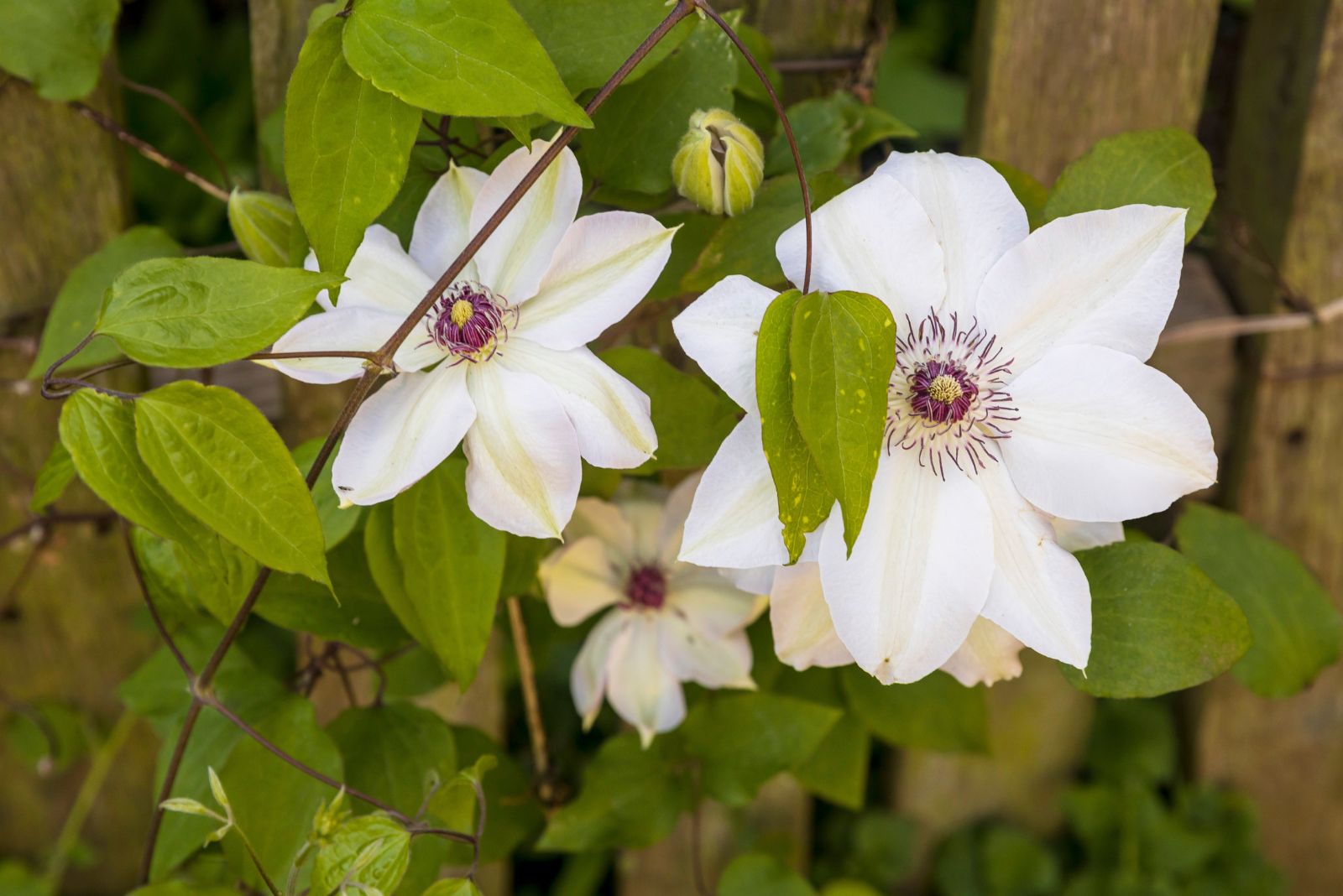
Clematis is one of those vines that makes a Texas garden look like it belongs in a magazine when it’s performing well, and deeply frustrating when it isn’t.
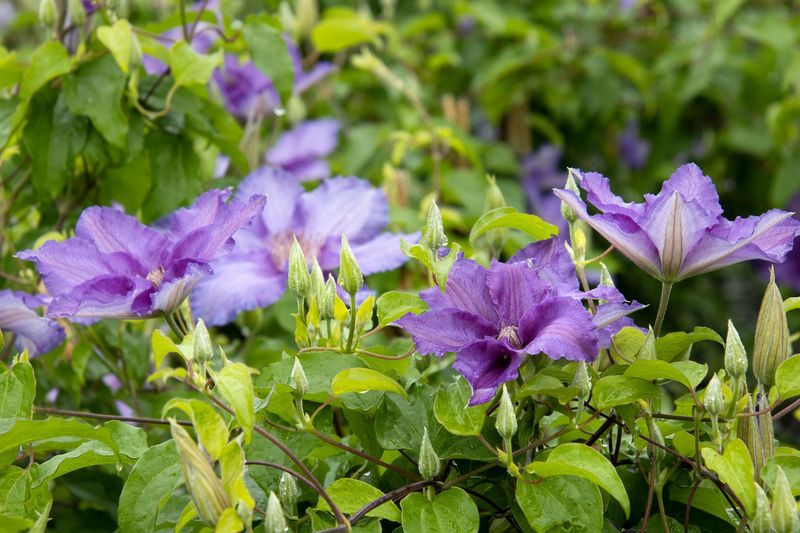
The potential is obvious from the start – those large, dramatic flowers in rich purples, pinks, and whites climbing up a trellis or fence are exactly the kind of visual payoff that gets gardeners excited about growing it in the first place.
Getting clematis to consistently deliver that kind of color in Texas comes down to several factors, and fertilizing is one of the most important ones that doesn’t always get the attention it deserves.
Too little and the plant puts out weak, sparse blooms that never reach their potential. The wrong type at the wrong time and you end up with vigorous foliage and almost no flowers, which is one of the more disappointing outcomes in the garden.
Understanding exactly what clematis needs in Texas, and when it needs it, is what turns a mediocre vine into a genuine showstopper.
1. Why Clematis Needs The Right Feeding Schedule In Texas
Texas is not exactly easy on plants. The heat builds fast, the sun is intense, and dry spells can show up without much warning.
Clematis is a beautiful vine, but it needs consistent care to survive and bloom well in this climate. Without a smart feeding schedule, the plant can struggle to produce those big, colorful flowers that make it so popular.
Proper fertilizing gives clematis the nutrients it needs to grow strong stems, healthy leaves, and plenty of blooms. Think of it like giving the plant a steady supply of energy.
When the nutrients run low, the flowers get smaller, fewer, and less vibrant. In Texas, where the growing season is long and the heat is relentless, keeping up with feeding is especially important.
Timing matters just as much as the type of fertilizer you use. Feeding too late in the season, or during a heat wave, can actually stress the plant more.
Overfeeding is also a real problem. Too many nutrients at once can push the plant to grow lots of leaves but very few flowers.
A balanced, well-timed schedule gives clematis exactly what it needs without overwhelming it.
Texas gardeners who follow a thoughtful feeding routine almost always see better results than those who fertilize randomly or skip it altogether. Getting this right from the start sets up your clematis for a long, colorful season.
2. The Best Time To Fertilize Clematis In Texas
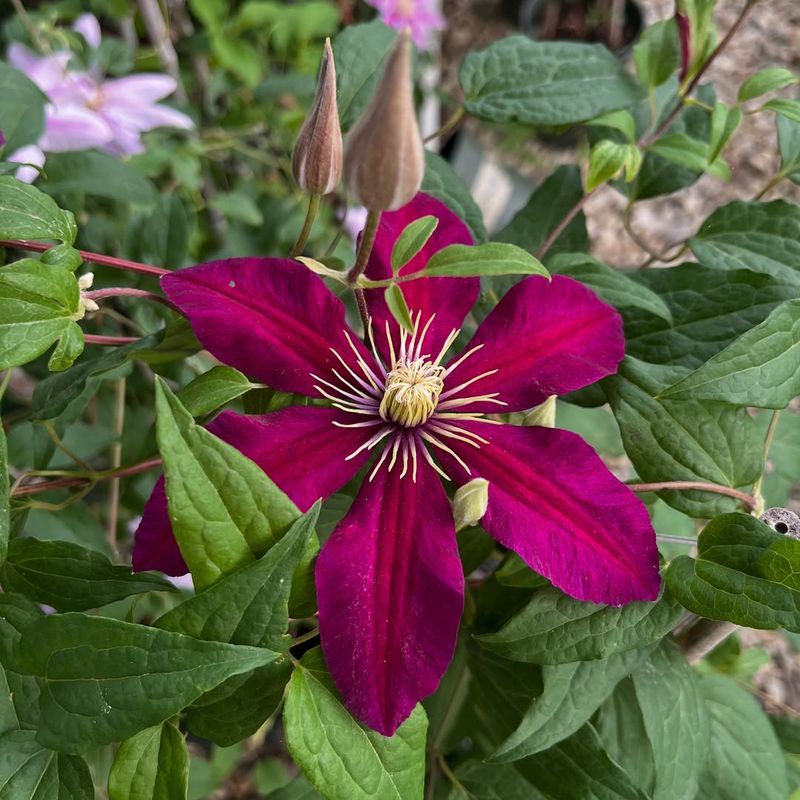
Spring is the most important time to start feeding clematis in Texas. As soon as you see new growth pushing out from the base of the plant, usually in late February or early March depending on where you are in Texas, that is your signal to begin fertilizing.
The plant is waking up and ready to use those nutrients to fuel early growth. A second light feeding just before the plant hits its peak blooming period helps support those big, showy flowers. For most Texas gardeners, this falls sometime in April or May.
Your Texas Garden Changes Every Week. Your Plan Should Too.
Gardening in Texas changes quickly throughout the season. Every Friday you’ll receive a simple weekly plan showing exactly what to plant, prune, fertilize, harvest, and protect so you never miss the right timing.
You do not need to go heavy with the fertilizer at this point. A lighter dose encourages blooming without pushing too much leafy growth at the wrong time.
Once summer heat really kicks in, it is time to pull back. Fertilizing clematis during extreme heat, especially in July and August in Texas, can stress the roots and actually slow down flower production.
The plant is already working hard just to stay cool. Giving it a heavy dose of fertilizer during a heat wave adds to that stress.
A good rule of thumb is to stop regular feeding by mid-June in most parts of Texas and pick it back up in early fall if temperatures cool down enough for the plant to put out another round of blooms. Knowing when to feed and when to pause is just as valuable as the fertilizer itself.
3. Choosing The Right Fertilizer For More Flowers
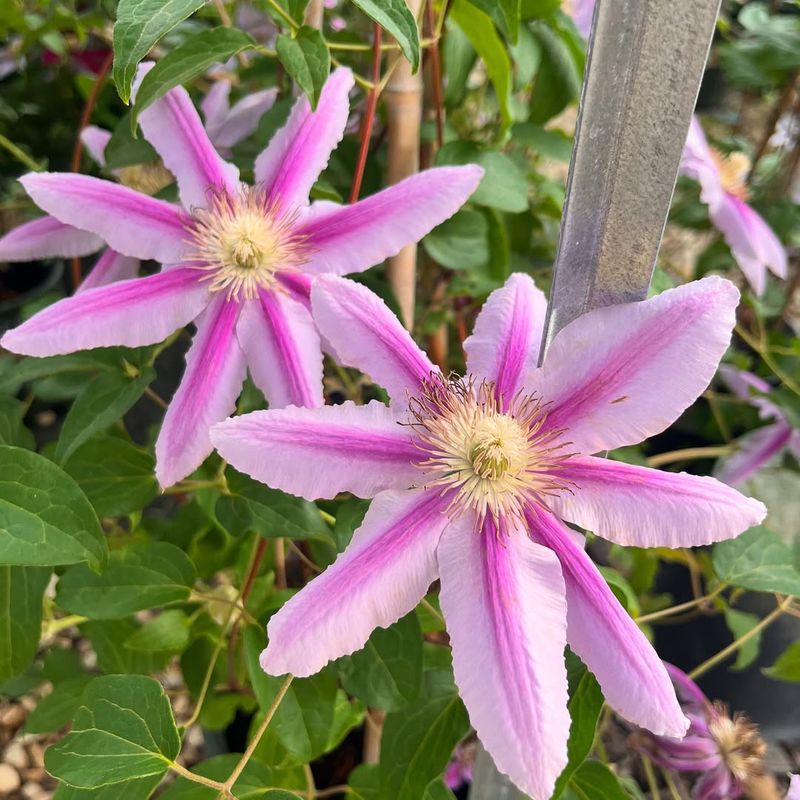
Not all fertilizers are created equal, and choosing the wrong one can leave your clematis full of leaves but short on blooms.
For the most colorful flowers, look for a fertilizer that is either balanced or leans slightly toward phosphorus and potassium. These two nutrients are key players in flower development and root strength.
Too much nitrogen is one of the most common mistakes Texas gardeners make with clematis. Nitrogen is great for green, leafy growth, but when you overdo it, the plant puts all its energy into leaves instead of flowers.
A fertilizer with a high first number, like a 30-10-10, is probably not the best choice for a vine you want blooming all season long. Something closer to a 10-10-10 balanced blend, or even a bloom booster like 5-10-10, tends to work much better.
Organic options like compost, fish emulsion, or slow-release granular fertilizers are popular with Texas gardeners who want a gentler approach. They feed the plant slowly and steadily, which reduces the risk of burning the roots during hot weather.
Synthetic fertilizers can work well too, but they need to be applied carefully and always with plenty of water. Either way, reading the label and following the recommended dosage is essential.
Using more than the package suggests does not mean better results. For clematis in Texas, steady and measured feeding wins over heavy and infrequent every time.
4. How To Fertilize Clematis Without Damaging The Plant
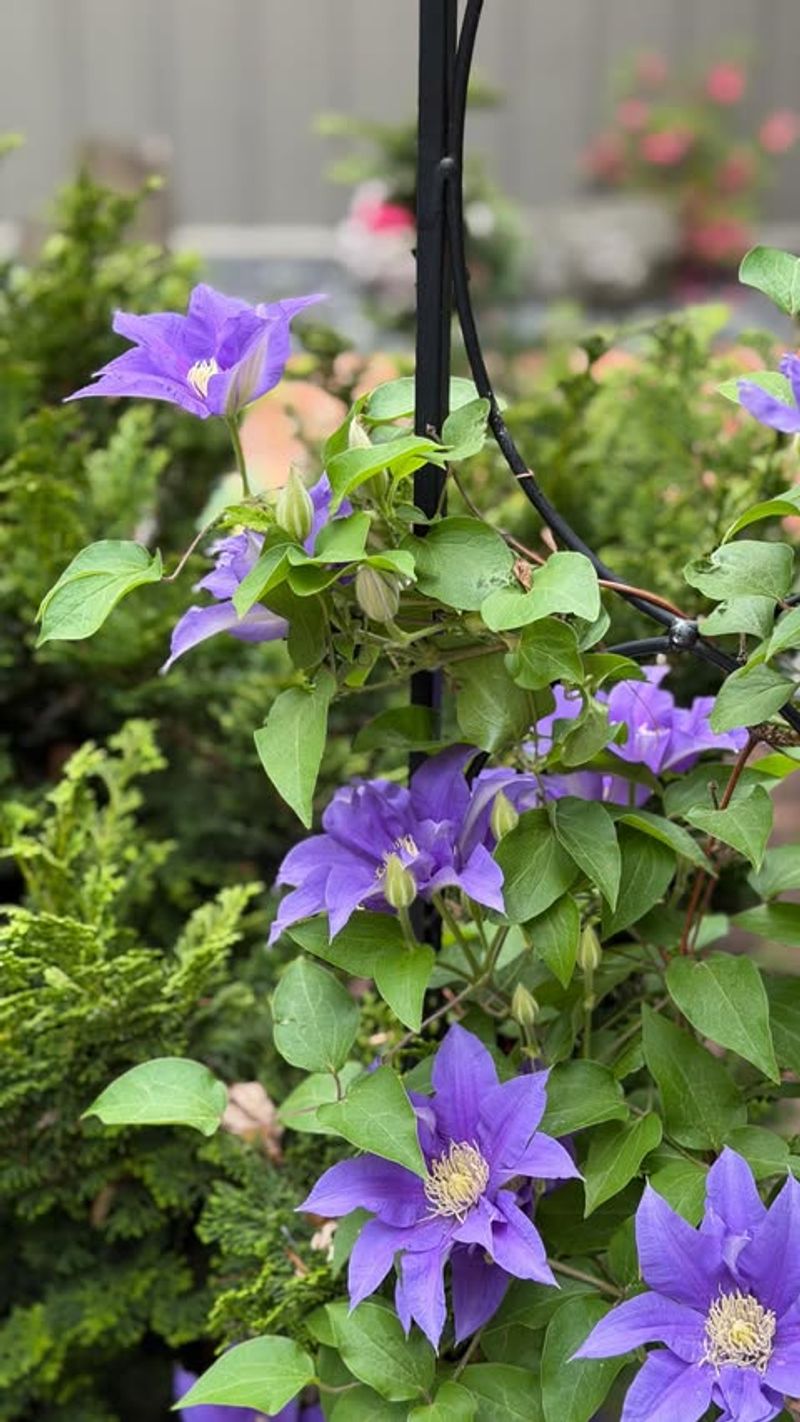
Even the best fertilizer can cause problems if it is applied the wrong way. One of the most important things to know is where to put it.
Always spread fertilizer around the outer edge of the root zone, not right up against the stem. The roots spread outward, so placing the fertilizer further out helps the plant absorb it more effectively and avoids burning the base of the vine.
Watering after you fertilize is not optional, it is essential. Water helps carry the nutrients down into the soil where the roots can reach them.
It also dilutes the concentration of fertilizer so it does not sit too strong against the roots. In Texas, where the soil can dry out quickly, skipping this step is a quick way to end up with fertilizer burn, which shows up as brown, crispy leaf edges and wilting stems.
During the hotter months, fertilizer burn becomes an even bigger risk. The combination of heat, dry soil, and concentrated nutrients can shock the root system fast.
If the soil feels dry before you plan to fertilize, water it thoroughly first and wait a day before applying any feed. Morning is the best time to fertilize in Texas because temperatures are cooler and the plant has the whole day to absorb moisture before the heat peaks.
Small, careful steps like these protect your clematis and keep it producing those gorgeous blooms you planted it for in the first place.
5. The Soil And Mulch Trick Clematis Loves In Texas
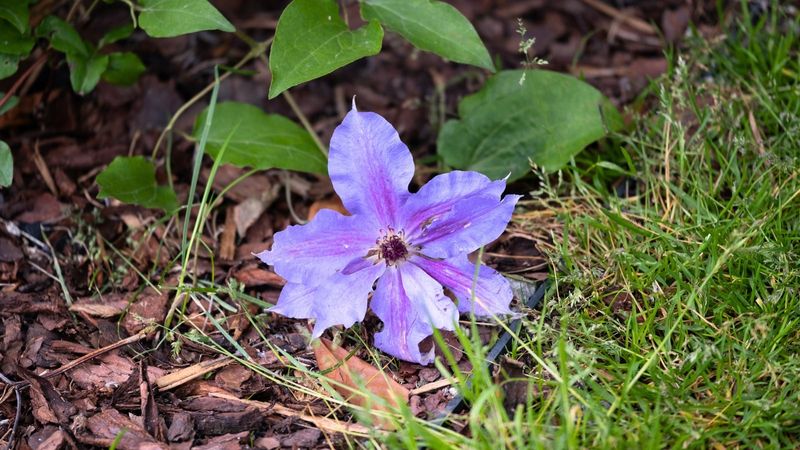
There is a saying among experienced clematis growers: keep the roots cool and let the vine reach for the sun. That idea captures exactly what clematis needs to thrive, especially in a place like Texas where summer temperatures can push well past 100 degrees.
The plant loves warm sunshine on its leaves and flowers, but the roots perform best when they stay cool and moist.
Mulch is one of the best tools a Texas gardener has for making this happen. A thick layer of mulch, around two to three inches deep, spread around the base of the plant does several things at once.
It holds moisture in the soil, keeps root temperatures lower during heat waves, and slowly breaks down to add organic matter that feeds the soil over time. Wood chips, shredded bark, and pine straw all work well for clematis in Texas.
Soil drainage is just as important as keeping things cool. Clematis does not like sitting in soggy soil.
Roots that stay too wet for too long can develop rot and the plant will stop blooming. If your Texas garden has heavy clay soil, mixing in some compost or coarse sand before planting helps improve drainage significantly.
Raised beds are another smart option in areas where drainage is a consistent problem. Getting the soil and mulch situation right creates the ideal environment for your fertilizer to actually work, giving your clematis the best possible foundation for strong, colorful blooms all season long.
6. Common Fertilizing Mistakes That Reduce Blooms
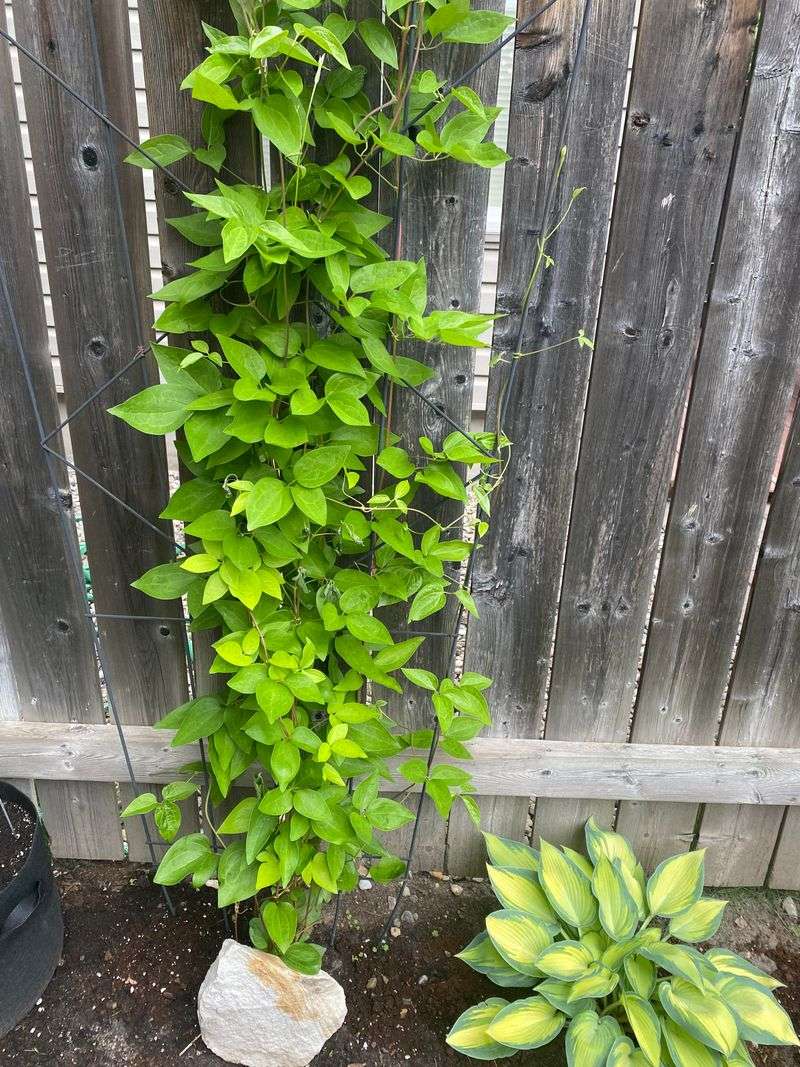
Even well-meaning gardeners can accidentally reduce their clematis blooms by making a few common fertilizing mistakes. Overfeeding is probably the most widespread problem.
When too much fertilizer is applied, the plant shifts its focus to producing lush green growth rather than flowers. If your clematis looks bushy and full but has very few blooms, too much nitrogen is often the reason.
Fertilizing during extreme heat is another mistake that shows up a lot in Texas gardens. When temperatures are soaring in July and August, the plant is already under stress.
Adding fertilizer at that point does not help it bloom more. Instead, it can push the roots into overdrive trying to process nutrients they cannot use efficiently in the heat.
The result is often a stressed, struggling plant that produces fewer flowers and may take longer to recover once cooler weather arrives.
Ignoring soil moisture before fertilizing is a mistake that catches many gardeners off guard. Applying fertilizer to dry soil concentrates the nutrients too close to the roots without enough water to dilute them properly.
This can cause root burn, which weakens the plant over time and reduces its ability to produce blooms. Always check the soil before feeding.
If it feels dry more than an inch below the surface, water it well first. Paying attention to these small details makes a noticeable difference in how your Texas clematis performs throughout the growing season and how consistently it rewards you with color.
7. Simple Ways To Keep Clematis Blooming Longer
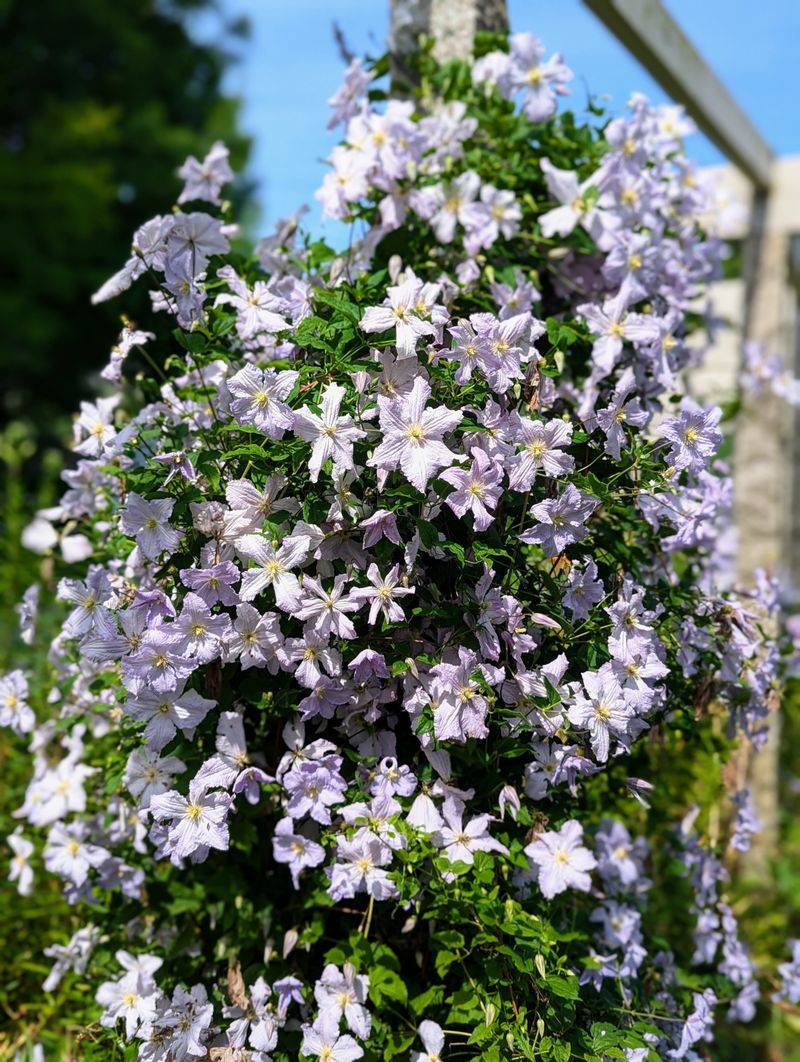
Getting clematis to bloom is one thing, but keeping those blooms going as long as possible takes a little extra effort. Deadheading, which means removing spent flowers before they go to seed, is one of the easiest ways to encourage the plant to keep producing new blooms.
When a flower fades, the plant naturally shifts energy toward making seeds. Snipping off those old flowers redirects that energy back into making more blooms instead.
Consistent watering is another big factor. Clematis in Texas needs regular moisture, especially during dry spells.
Uneven watering, where the soil goes from bone dry to soaking wet and back again, stresses the plant and can interrupt blooming cycles. Aim for deep, steady watering sessions rather than frequent shallow ones.
Deep watering encourages roots to grow down where the soil stays cooler, which helps the plant handle Texas heat much better.
Pairing your fertilizing routine with the right pruning timing can also extend your bloom season significantly. Different clematis varieties have different pruning needs, so knowing which group your plant belongs to helps you avoid accidentally cutting off next season’s flower buds.
In Texas, light pruning after the first flush of blooms often encourages a second round of flowers in fall when temperatures cool back down. Supporting the vines with a sturdy trellis or fence also keeps the plant healthy by improving airflow and reducing disease pressure.
All of these habits work together to give your Texas clematis the longest, most colorful bloom season possible.