Here’s Exactly When Michigan Gardeners Should Fertilize Lavender For Its Best Bloom Season
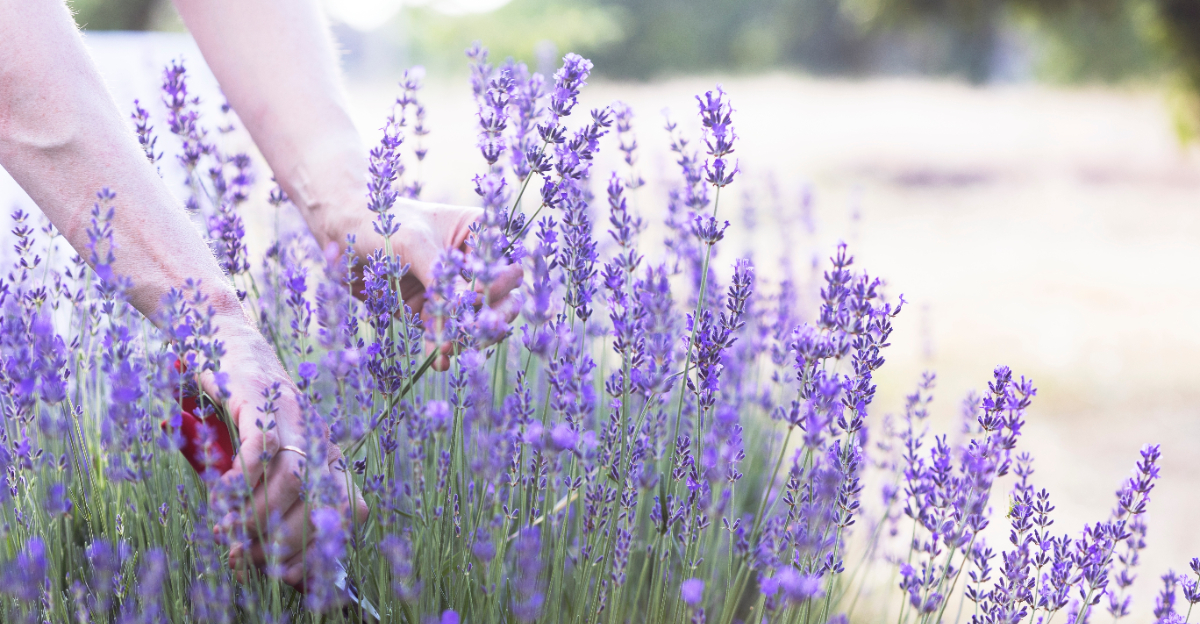
Lavender has a reputation for being low maintenance, and in the right conditions that reputation holds up. What trips up a lot of Michigan gardeners is assuming low maintenance means no maintenance, especially when it comes to feeding.
Fertilizing lavender on the wrong schedule or with the wrong product can push the plant toward lush leafy growth while blooms become sparse and the overall structure gets floppy and difficult to manage.
Michigan’s shorter growing season makes timing even more critical here than in warmer climates, because lavender has a compressed window to do its best work before conditions shift.
Feeding at the right moment supports strong stem development, better flower density, and a plant that heads into winter in genuinely good shape rather than stressed and depleted. Get the timing wrong and the effects show up clearly in bloom quality.
Get it right and lavender in a Michigan garden rewards you with the kind of fragrant, full flowering season that makes it one of the most satisfying plants in the yard.
1. Lavender Needs Very Little Fertilizer
Here is something that surprises many first-time lavender growers in Michigan: lavender actually thrives on neglect.
Native to the rocky, nutrient-poor hillsides of the Mediterranean, lavender evolved to survive in soils that most other plants would struggle in.
Feeding it too much is one of the most common mistakes Michigan gardeners make every single year.
When you overfertilize lavender, the plant responds by pushing out lots of soft, leafy green growth. That might sound good, but it is actually a problem.
More leaves mean fewer flowers, and the blooms you do get tend to be weak, floppy, and less fragrant than they should be. The plant puts its energy into foliage instead of the beautiful purple spikes everyone loves.
The two most popular types grown in Michigan are Lavandula angustifolia and Lavandula x intermedia. Both prefer lean, well-drained soil with low to moderate fertility.
Think of fertilizer as an occasional light snack rather than a full meal. Michigan gardeners who resist the urge to over-feed their lavender almost always end up with healthier, more compact, and more fragrant plants than those who fertilize on a regular schedule.
Less truly is more when it comes to keeping lavender happy in the Great Lakes region.
2. Early Spring Is The Best Fertilizing Window In Michigan
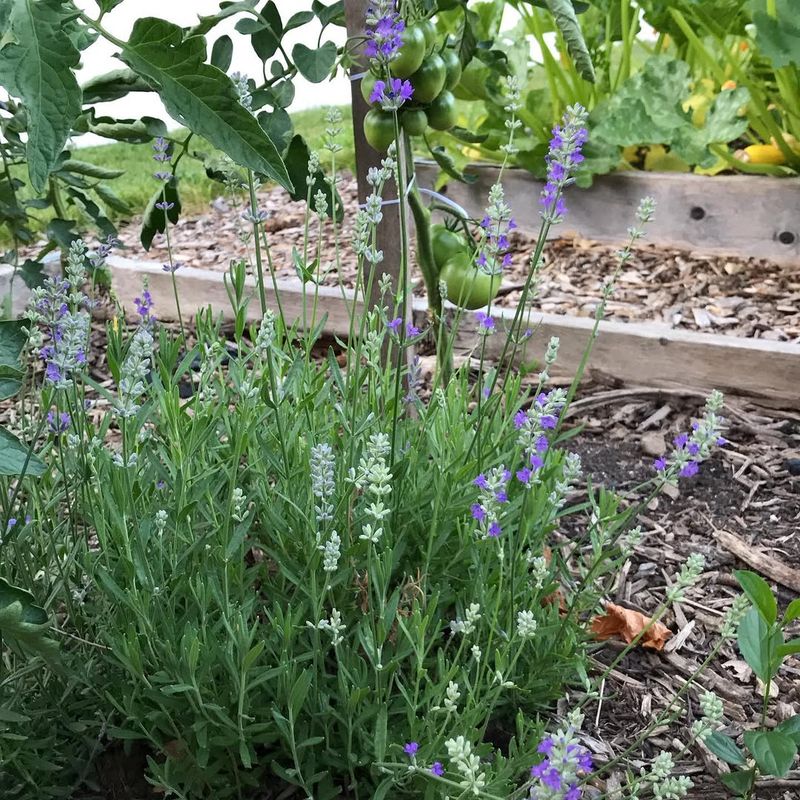
Timing is everything when it comes to fertilizing lavender in Michigan, and early spring is the golden window. As the ground thaws and temperatures start climbing in April, lavender slowly wakes up from its winter rest.
You will notice tiny new shoots of silvery-green growth emerging near the base of the plant, and that is your signal to act if fertilizing is needed at all.
A light application of a low-nitrogen, balanced fertilizer or a thin layer of finished compost applied in April through early May gives the plant a gentle nudge at just the right moment.
The roots are active and ready to absorb nutrients, and the plant can use that energy to build strong stems and set up a solid flowering season.
Your Michigan Garden Changes Every Week. Your Plan Should Too.
Gardening in Michigan changes quickly throughout the season. Every Friday you’ll receive a simple weekly plan showing exactly what to plant, prune, fertilize, harvest, and protect so you never miss the right timing.
Michigan’s spring weather can be unpredictable, so watching your plants closely matters more than following a strict calendar date.
Gardeners in northern Michigan may find that new growth does not appear until early May, while those in the southern Lower Peninsula might see it in late March or early April.
Adjust your timing based on what your plants are actually doing rather than what the calendar says.
Feeding lavender during active growth means the nutrients go exactly where they are needed most, helping your garden produce the kind of full, fragrant blooms that make Michigan summers unforgettable.
3. Do Not Fertilize Late In Summer
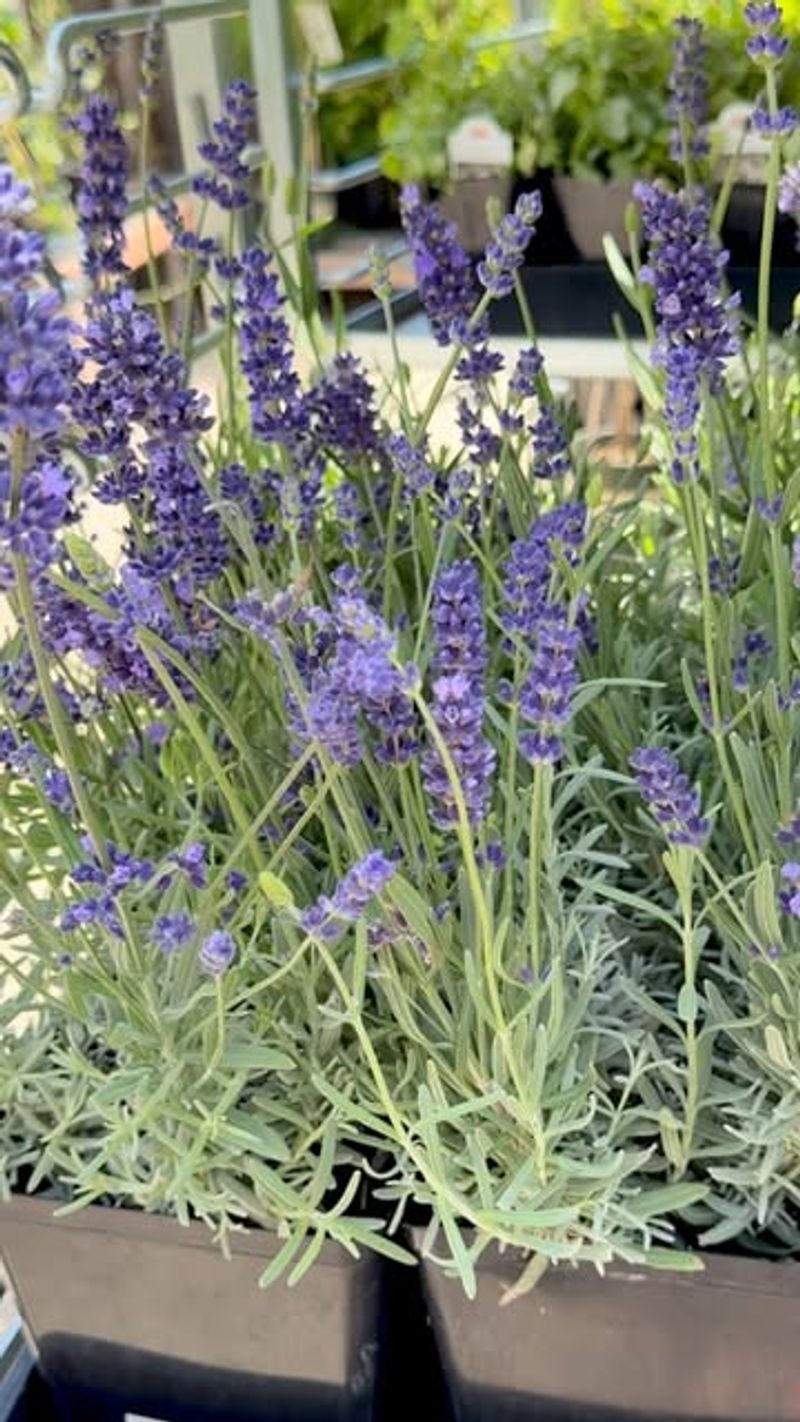
One of the biggest mistakes Michigan lavender growers make is reaching for the fertilizer bag in late summer, thinking a boost will extend the bloom season. Unfortunately, that extra feeding can cause serious problems heading into fall.
Late fertilizing pushes the plant to produce soft, tender new growth at exactly the wrong time of year.
Lavender needs to slow down and harden off before Michigan’s harsh winters arrive. When new growth appears in August or September, it simply does not have enough time to toughen up before the cold sets in.
Soft, immature stems are far more vulnerable to freeze damage than older, woody growth that has had the whole season to mature and strengthen.
Michigan winters are not forgiving, and lavender that goes into cold weather in a soft, lush state often struggles to bounce back the following spring.
The general rule most experienced Michigan gardeners follow is to stop any fertilizing by mid-June at the absolute latest. After that point, the plant should be winding down its growth cycle naturally and focusing its energy on storing resources for winter.
Pruning lightly after the first bloom flush and simply leaving the plant alone through late summer is far better for long-term health than trying to squeeze out extra growth.
Patience and restraint in late summer pay off with a stronger, more resilient lavender plant the following year.
4. Compost Is Usually Better Than Strong Fertilizer
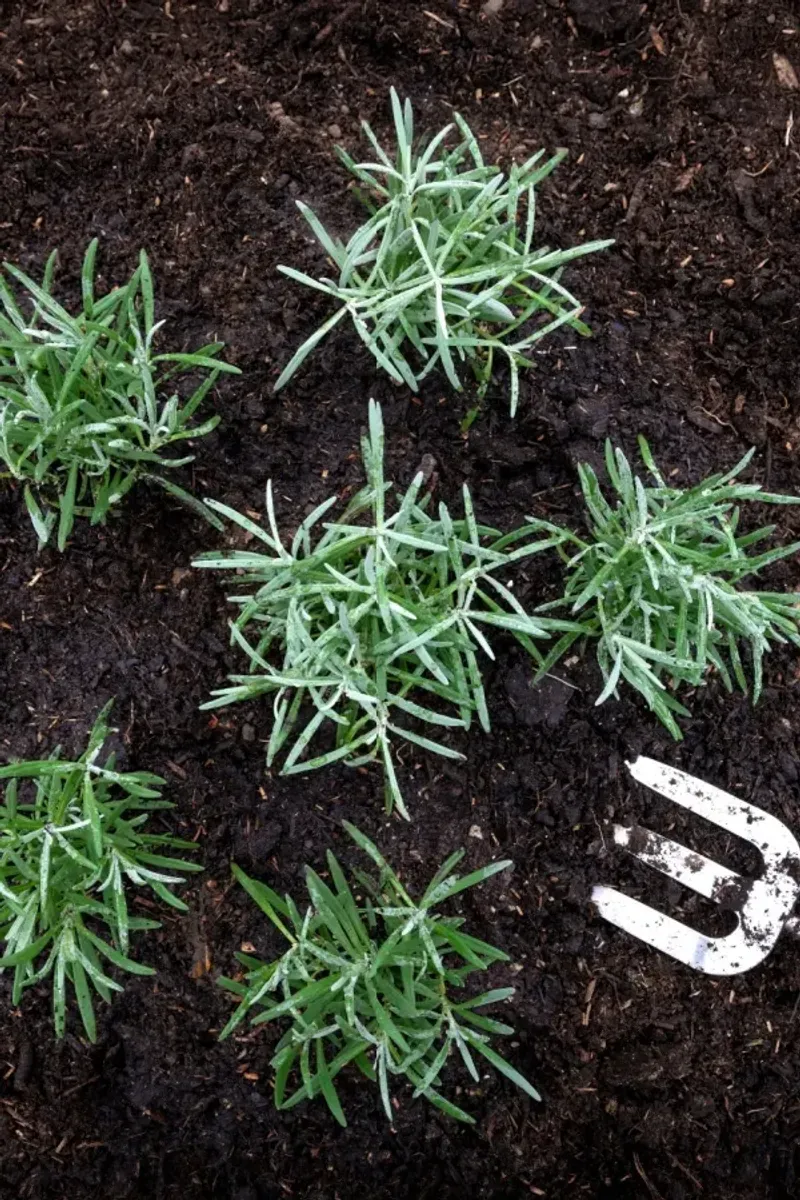
Forget the brightly colored fertilizer bags for a moment and consider something far simpler: a thin layer of finished compost.
For most Michigan lavender growers, compost is honestly the best feeding option available, and it works in a way that synthetic fertilizers just cannot match. Compost releases nutrients slowly and gently, which is exactly what lavender needs.
Unlike concentrated fertilizers that can shock the roots or trigger a burst of leafy growth, compost feeds the soil rather than force-feeding the plant.
It improves drainage in Michigan’s heavier clay soils, adds beneficial microbial activity, and provides a balanced mix of nutrients at low levels that lavender genuinely appreciates.
A one to two inch topdressing applied around the base of the plant in early spring is usually all that is needed to support a full season of healthy growth and blooming.
Homemade compost works beautifully, and so does bagged compost from a garden center. Just make sure it is fully finished and not still actively breaking down, since fresh compost can be too rich and may introduce weed seeds.
Michigan gardeners who make the switch from synthetic fertilizers to compost often notice their lavender becomes more compact, more fragrant, and more reliably winter-hardy over time.
Simple, organic, and effective, compost is a low-effort solution that consistently delivers impressive results in the garden without any guesswork involved.
5. Avoid High-Nitrogen Fertilizers
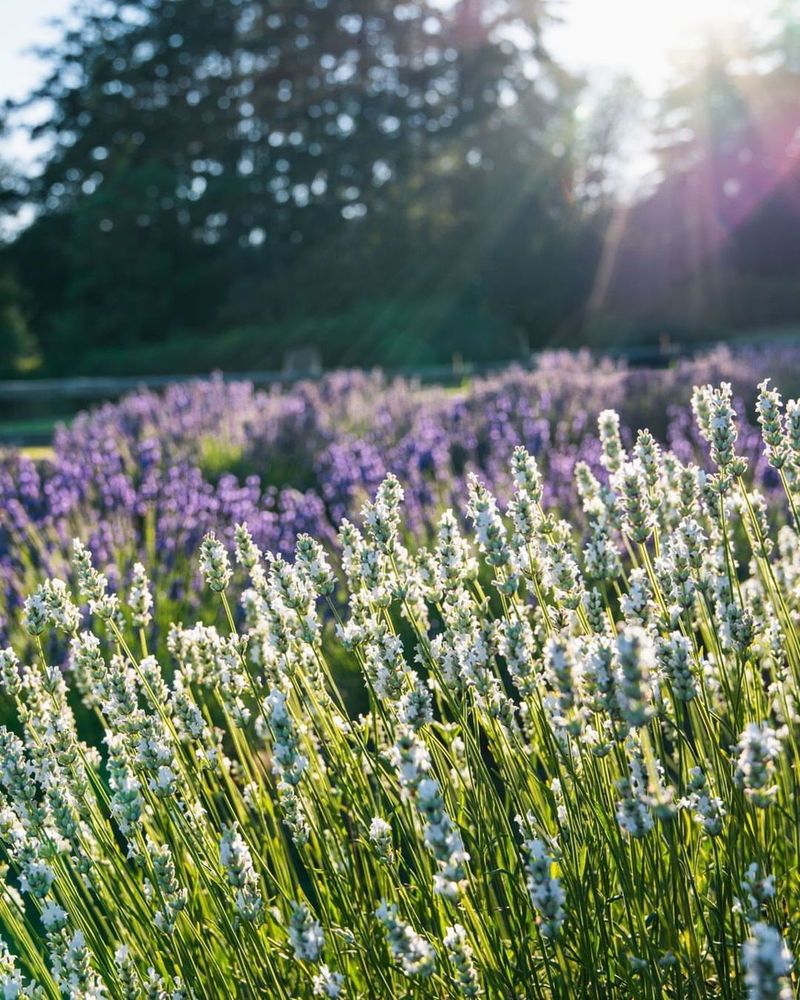
Walk down any garden center aisle in Michigan and you will find fertilizers with big numbers on the bag promising lush, explosive plant growth. For most garden plants, high nitrogen sounds great.
For lavender, it is a recipe for disappointment. Nitrogen is the nutrient most responsible for leafy, vegetative growth, and lavender simply does not need or want large amounts of it.
Too much nitrogen causes lavender to produce oversized, floppy stems with dark green leaves instead of the compact, silvery, aromatic growth that makes lavender so beautiful and useful.
The plant looks lush at first glance, but the bloom count drops significantly and the fragrance weakens too.
On top of that, all that soft, nitrogen-fueled growth is especially vulnerable to Michigan’s cold winters, increasing the risk of winter injury and overall plant stress.
If you do choose to use a fertilizer product on your lavender, look for one with a low first number in the N-P-K ratio, which represents nitrogen.
A product labeled something like 5-10-10 or similar low-nitrogen formulas is far more appropriate than a general-purpose lawn or garden fertilizer.
Better yet, skip the synthetic products altogether and rely on compost or a light application of lime if your Michigan soil is too acidic. Keeping nitrogen levels low keeps lavender looking exactly the way it should: tidy, fragrant, and absolutely covered in blooms.
6. Container Lavender May Need Slightly More Feeding
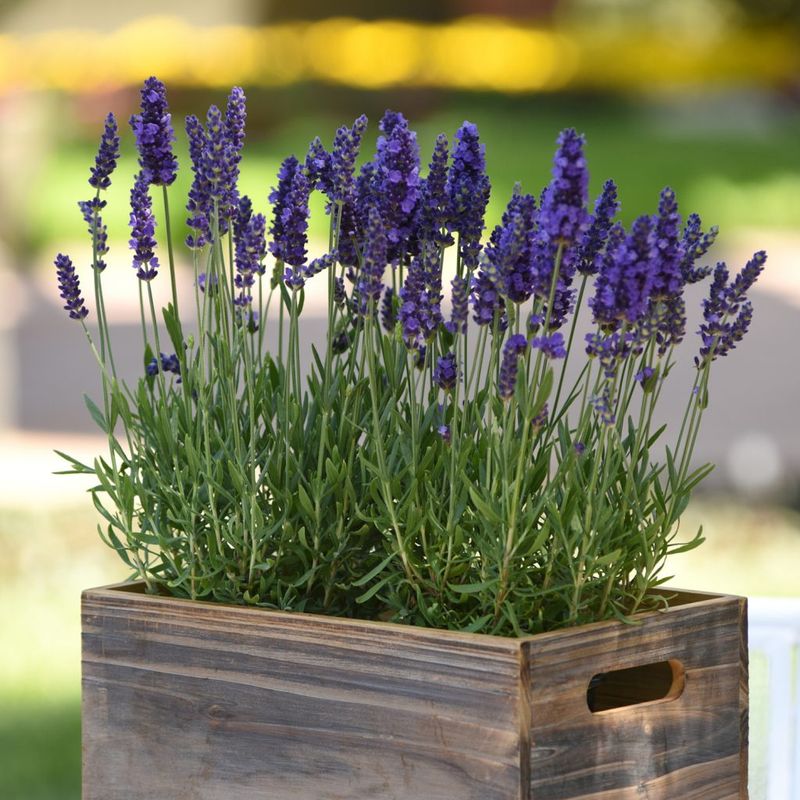
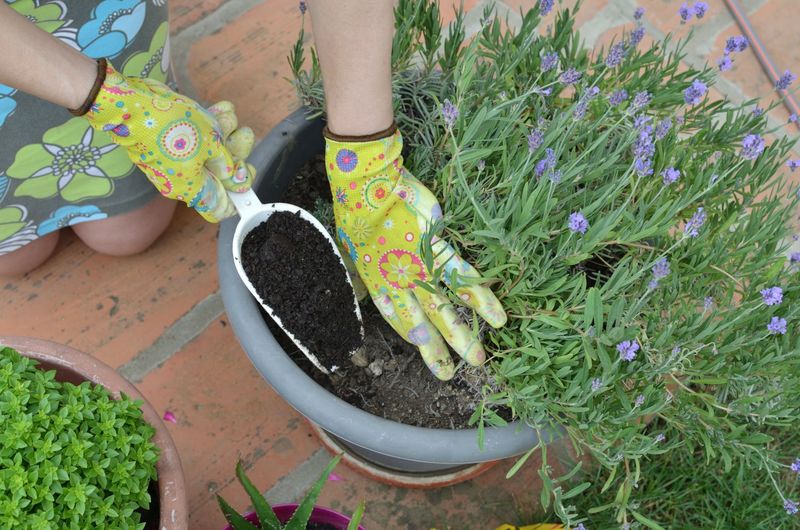
Growing lavender in containers is a popular choice for Michigan gardeners who want flexibility or who deal with heavy clay soil in their yard. Potted lavender looks stunning on a porch, deck, or patio and can be moved around to follow the best sun exposure.
However, container growing does change the fertilizing equation in one important way.
Nutrients in potted soil wash out much faster than in garden beds, especially with regular watering. Over time, the growing mix in a container becomes depleted, and lavender grown in pots may show signs of low fertility like pale foliage or reduced blooming.
A very light feeding once in early spring is usually enough to refresh the nutrients without pushing too much leafy growth. Using a slow-release, low-nitrogen granular fertilizer at half the recommended rate works well for most container lavender in Michigan.
Choosing the right potting mix matters just as much as feeding. Lavender in containers does best in a fast-draining mix, often a blend of standard potting soil and perlite or coarse sand to prevent waterlogging.
Even with slightly more feeding than in-ground plants, the key word is still light. Overwatering and overfertilizing are the two fastest ways to stress potted lavender.
Keep feedings minimal, drainage excellent, and sunlight plentiful, and your container lavender will absolutely thrive through Michigan’s warm growing months with beautiful, fragrant results.
7. Poor Drainage Hurts Lavender More Than Low Fertility
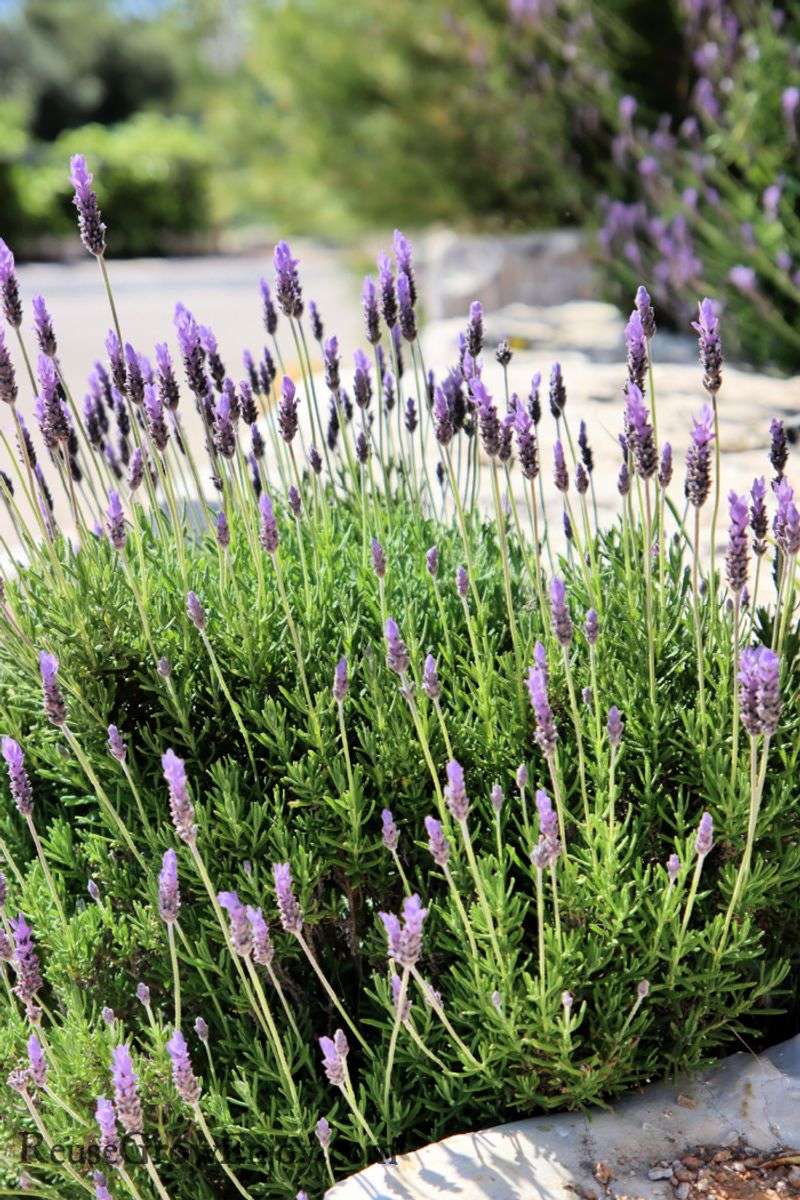
Ask any experienced Michigan lavender grower what kills their plants most often and the answer almost never involves fertilizer. It is almost always drainage.
Michigan’s heavy clay soils and wet spring conditions create the kind of soggy, waterlogged environment that lavender absolutely cannot tolerate for long. Roots that sit in standing water quickly begin to rot, and no amount of fertilizer can fix that problem once it starts.
Lavender roots need oxygen just as much as they need water and nutrients. When soil stays wet for extended periods, oxygen cannot reach the root zone, and the plant struggles badly.
Michigan winters make this even worse because frozen, waterlogged soil heaves and compresses around the roots in ways that cause significant damage before spring even arrives.
Gardeners who improve their drainage before worrying about fertility almost always have better luck with lavender long-term.
Raised beds are one of the best solutions for Michigan gardeners dealing with clay-heavy soils. Elevating the planting area by just six to eight inches dramatically improves drainage and gives lavender roots the loose, airy environment they crave.
Adding coarse sand, pea gravel, or grit to native soil also helps considerably. If your lavender is struggling and you are tempted to reach for fertilizer, take a closer look at your soil drainage first.
Fixing that one issue will do far more for your plants than any fertilizing schedule ever could in Michigan’s challenging growing conditions.
8. Healthy Lavender Should Stay Compact, Not Lush
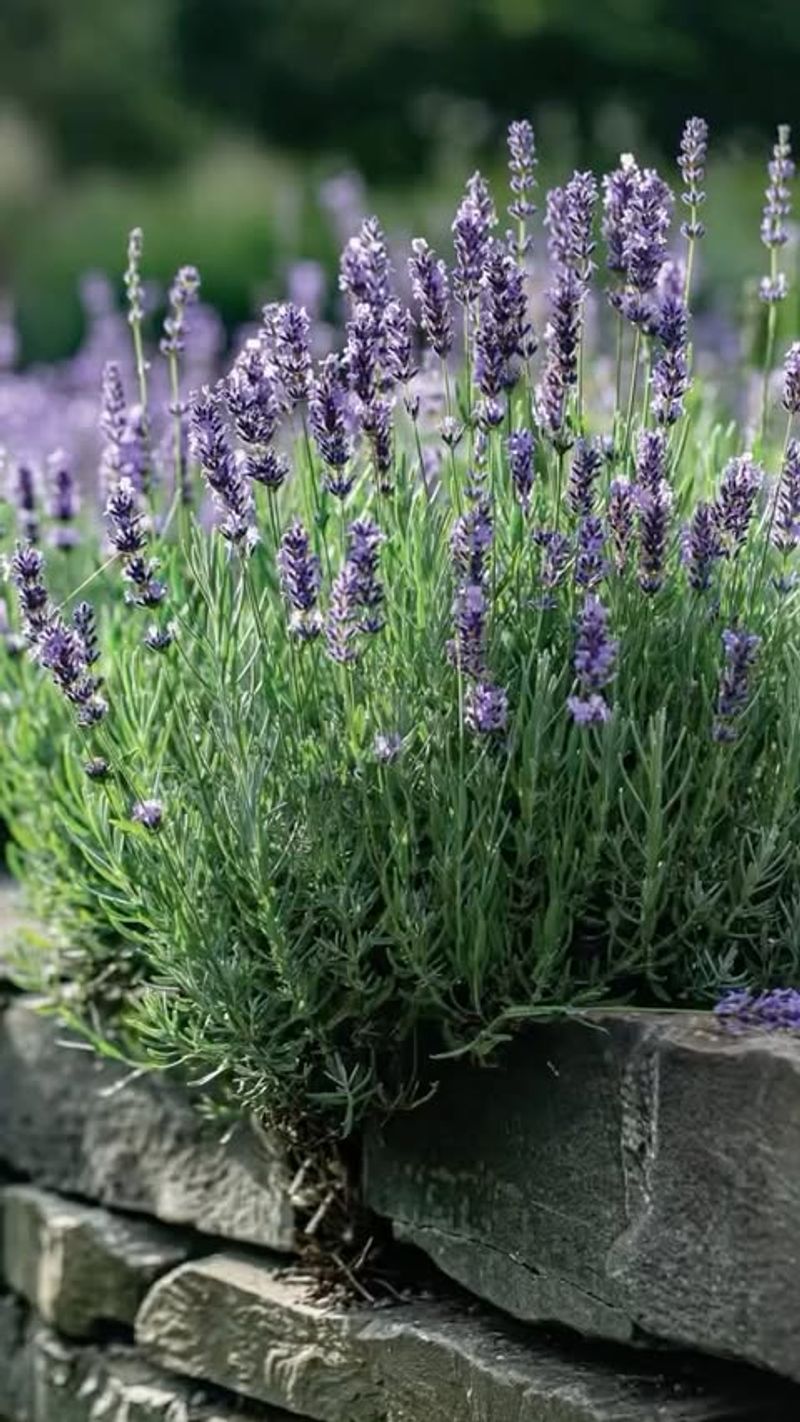
There is a certain look that well-grown lavender has, and once you know it, you will recognize it instantly. The plant should be dense and mounded, with silvery or gray-green foliage that looks almost dusty in the sun.
The stems should be firm and upright, not floppy. The whole plant should have a slightly lean, restrained quality that signals it is growing in the right conditions.
Lavender that looks oversized, dark green, or lush is usually a sign that something is off, often too much nitrogen, too much water, or both.
That kind of growth might look impressive at first, but it typically comes with fewer flowers, weaker fragrance, and much less winter hardiness in Michigan’s cold climate.
The plant is putting energy into the wrong places instead of building the compact, resilient structure it needs to thrive year after year.
Michigan gardeners who aim for that compact, silvery look rather than chasing lush green growth end up with lavender that blooms more reliably, smells more intensely, and survives Michigan winters far better.
Annual light pruning in early spring, minimal fertilizing, excellent drainage, and full sun are the four ingredients that consistently produce the most beautiful lavender in the state.
When your lavender looks a little lean and restrained, that is not a problem to fix. That is exactly the goal, and it means your garden is on the right track for a spectacular bloom season ahead.