8 Native Ohio Shrubs To Plant In May For Fast Privacy
Privacy in an Ohio yard does not have to mean a fence debate with the neighbors or a cedar wall that costs a small fortune. Native shrubs planted in May hit the ground running, and eight of them in particular can fill in a fence line faster than most homeowners expect.
May is actually the sweet spot on Ohio’s planting calendar, warm enough for roots to take hold quickly, cool enough that new plants are not immediately fighting for survival against brutal summer heat.
These are not fussy, high maintenance shrubs that need babying through every season either.
Ohio natives are built for Ohio, the clay soil, the temperature swings, the wet springs, all of it. They bulk up, fill out, and start pulling their weight without a lot of hand holding.
Your yard gets the privacy you have been after and the local birds and pollinators get a habitat worth showing up for. Everybody wins on this one.
1. Build A Fast Screen With Ninebark
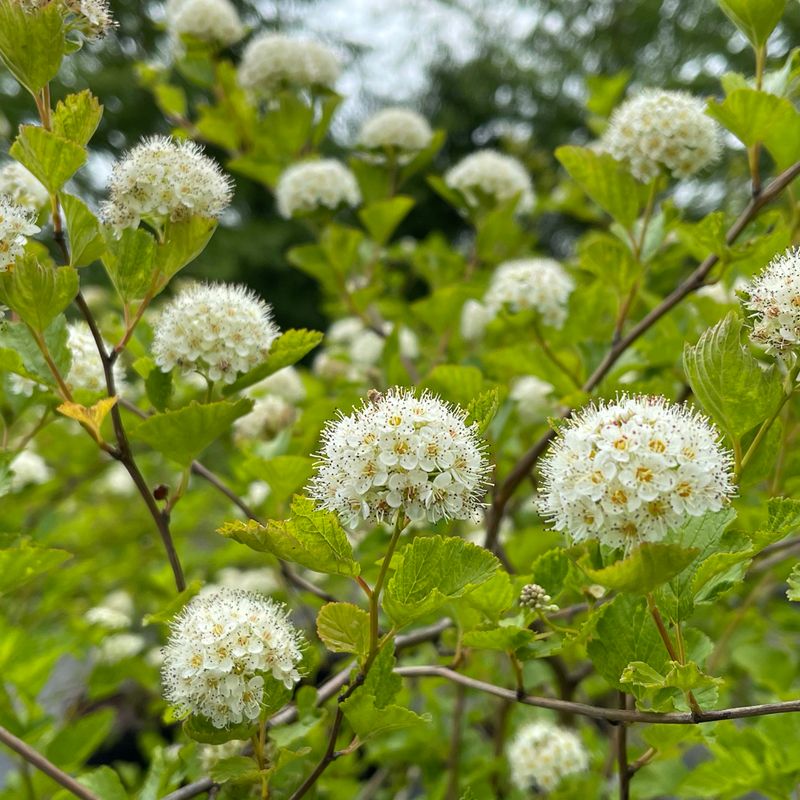
Few native shrubs match ninebark, Physocarpus opulifolius, when it comes to speed, toughness, and sheer screening power in an Ohio yard. This arching, multi-stemmed shrub can grow into a wide, dense mass that blocks sightlines without any fussy care.
It earns its name from the papery, peeling layers of bark that add winter interest long after the leaves have dropped.
In spring, ninebark covers itself in clusters of small white to pinkish flowers that attract native bees and other pollinators. By summer, the foliage creates a thick leafy curtain.
Birds use the dense branching for nesting cover and shelter throughout the year.
Ninebark performs well in full sun to part shade, which makes it adaptable across many Ohio property types. It handles a range of soil conditions once established, including clay-heavy Ohio soils, though it prefers good drainage.
When planting in May, dig a hole twice as wide as the root ball, water deeply right after planting, and spread two to three inches of mulch around the base without piling it against the stems.
Spacing matters more than most people expect. Plant based on the mature width of the variety you choose, not the size of the nursery pot.
Cultivars with dark or golden foliage are widely available, but the straight native species offers the strongest wildlife value. Give ninebark room to arch outward and it will reward you with a fast, full privacy screen.
2. Fill Gaps Quickly With Gray Dogwood
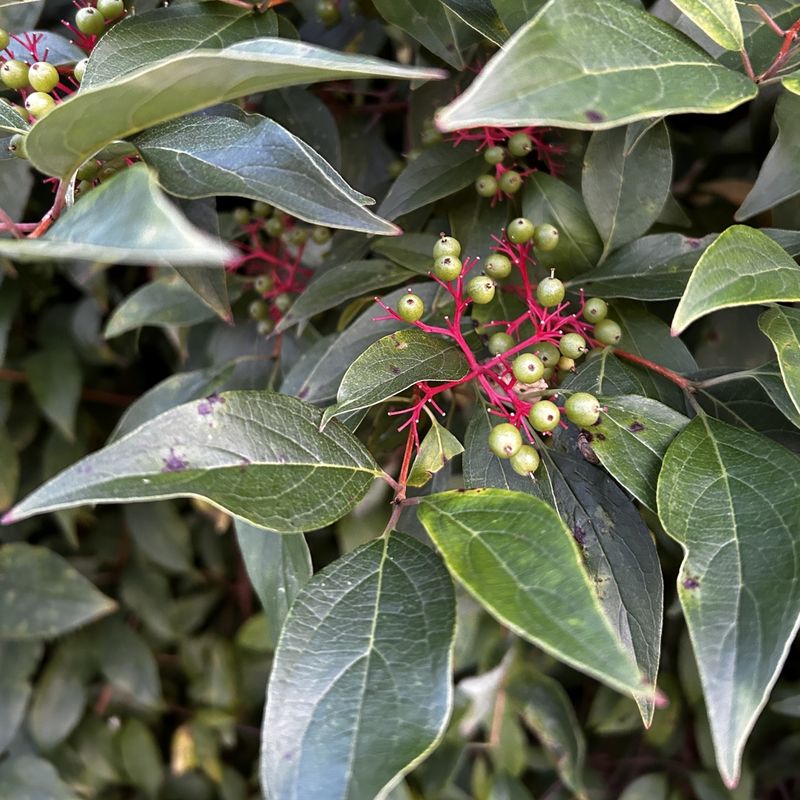
A property line with gaps in the screen is an invitation for neighbors and passersby to look straight through. Gray dogwood, Cornus racemosa, is a native Ohio shrub that fills those gaps faster than almost any other option on this list.
Its spreading, thicket-forming habit means it naturally colonizes open space and creates a dense visual barrier over time.
Spring brings clusters of small white flowers that pollinators love. By late summer, the shrub produces white berries held on showy red stems, and those berries are eaten by many bird species, including robins, bluebirds, and cedar waxwings.
Your Ohio Garden Changes Every Week. Your Plan Should Too.
Gardening in Ohio changes quickly throughout the season. Every Friday you’ll receive a simple weekly plan showing exactly what to plant, prune, fertilize, harvest, and protect so you never miss the right timing.
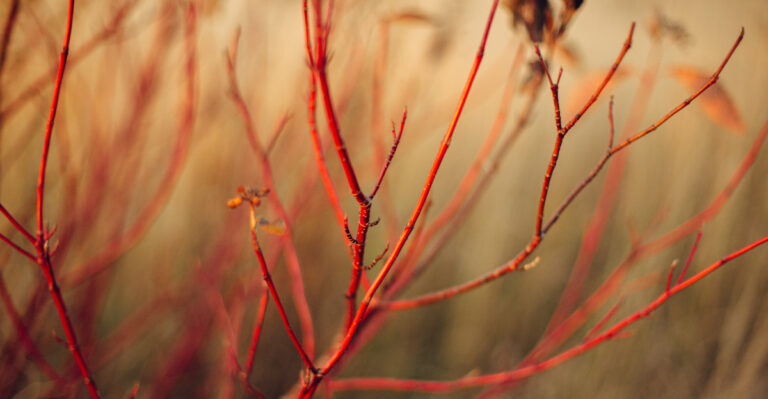
The red stems persist into fall and winter, giving the planting seasonal color even after leaf drop.
Gray dogwood grows well in full sun to part shade and tolerates average to moist soil, making it a practical choice along Ohio fence lines, open back yards, and naturalized borders.
The spreading habit is a real advantage when you need to cover a long stretch of property line, but it can feel aggressive in a small, formal bed.
Plan for it to expand over the years and give it space accordingly.
When planting in May, water deeply at installation and keep moisture consistent through the first summer. Mulch helps retain soil moisture and reduces competition from weeds while the shrub establishes.
Once rooted in, gray dogwood is remarkably self-sufficient and fills privacy gaps with little extra effort from you.
3. Add Height And Berries With Elderberry
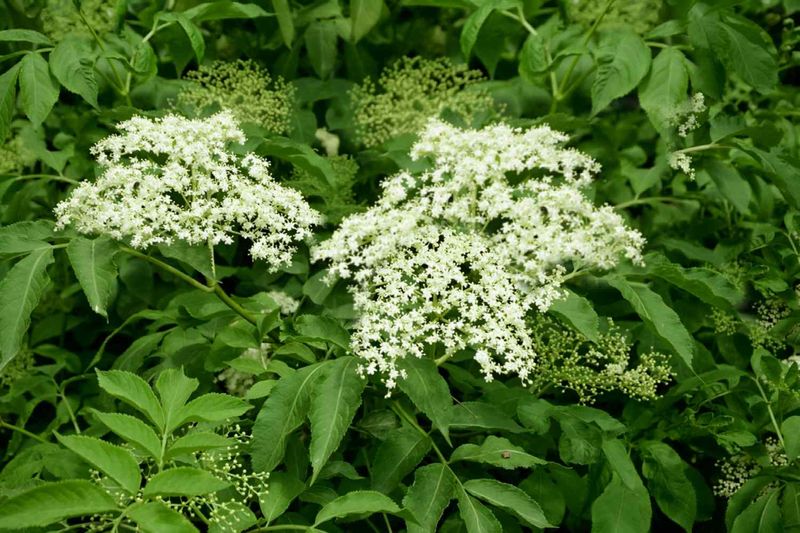
Walk past an elderberry patch in June and the flat, creamy flower clusters stop you in your tracks. American elderberry, Sambucus canadensis, is a native Ohio shrub with serious screening potential, especially in spots where the soil stays evenly moist.
It can grow quickly in the right conditions and cover a lot of vertical and horizontal space over the first few seasons.
The large compound leaves create a lush, tropical-looking backdrop that reads as a genuine privacy screen from a distance. By late summer, the clusters of dark berries attract dozens of bird species, and the shrub becomes a neighborhood favorite for wildlife watching.
Elderberry has a loose, informal structure, so it works best as part of a naturalized screen rather than a clipped formal hedge.
Full sun encourages the most vigorous growth and the best berry production. Elderberry appreciates consistent moisture and does particularly well along drainage swales, low spots, and rain garden edges where other shrubs might struggle.
Give it plenty of room because mature plants spread wide and can send up new shoots from the roots.
When planting in May, choose a site where the mature size makes sense for your yard layout. Water thoroughly after planting and mulch generously to hold moisture.
One important note: elderberries require proper preparation before eating, so always rely on verified food safety sources before using the fruit. The wildlife value alone makes this shrub well worth planting.
4. Create A Dense Hedge With Arrowwood Viburnum
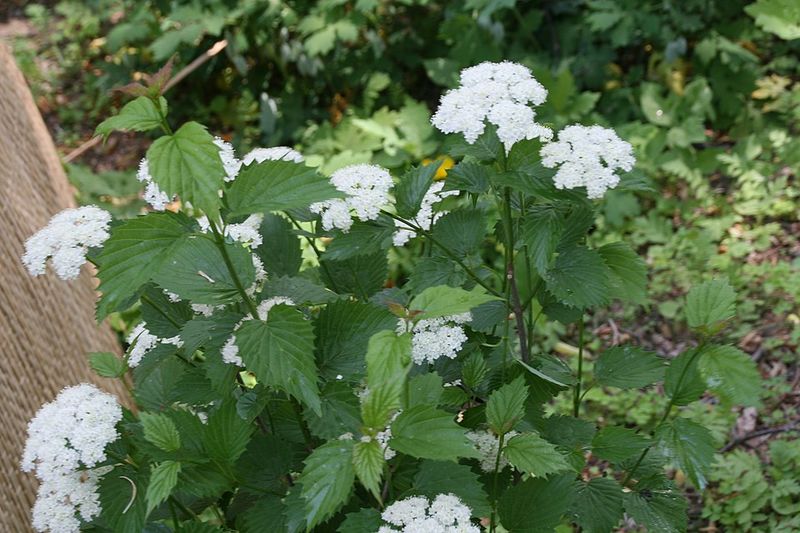
Picture a shrub that stays dense from the ground up, produces spring flowers, feeds birds through fall, and turns brilliant shades of red and purple before winter.
Arrowwood viburnum, Viburnum dentatum, does all of that while quietly building a solid privacy screen in your Ohio yard.
It is one of the most reliable native shrubs for homeowners who want structure and seasonal interest together.
The rounded, multi-stemmed form fills in well without constant pruning. Flat-topped clusters of white flowers appear in late spring and attract native bees and other pollinators.
The blue-black berries that follow are a valuable food source for birds migrating through Ohio in fall. Arrowwood viburnum handles full sun to part shade and grows well in average to moist, well-drained soil, which covers a wide range of Ohio yard conditions.
For privacy screening, spacing based on mature width rather than current pot size makes a real difference in how quickly the planting fills in.
Mixing arrowwood viburnum with taller shrubs behind it and lower natives in front creates a layered hedge that looks full faster than a single-row planting.
Many viburnums fruit better with compatible cross-pollination, so planting more than one genetically different arrowwood viburnum, or checking cultivar compatibility, can improve berry production.
In May, plant with a wide planting hole, firm soil gently around the roots, water deeply, and mulch to conserve moisture. Avoid crowding it against fences or siding where airflow is limited.
Given proper room and care through the first growing season, arrowwood viburnum builds into a dependable, four-season privacy anchor.
5. Use Silky Dogwood For Damp Ohio Spots
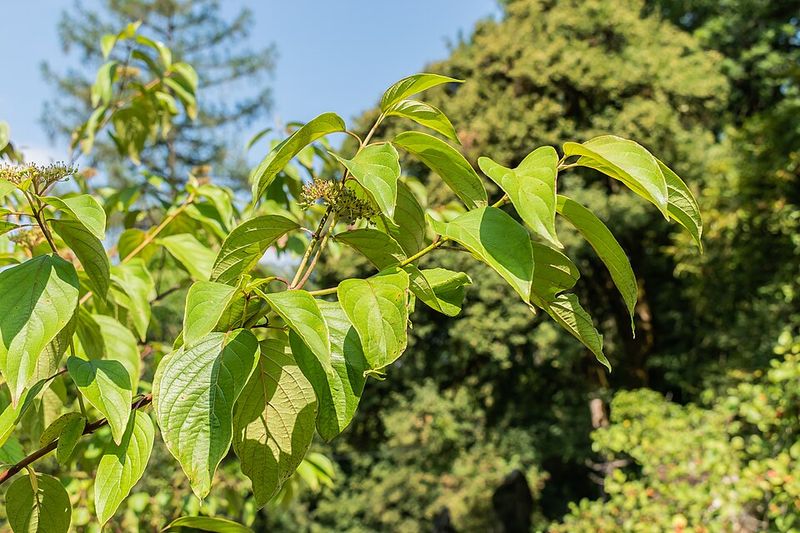
Not every Ohio yard is perfectly dry and well-drained, and silky dogwood, Cornus amomum, is built for exactly those trickier spots.
Low areas near downspouts, wet edges along property lines, and rain garden borders are places where many privacy shrubs struggle.
Silky dogwood thrives there, making it a smart solution when moisture is part of the picture.
White flower clusters appear in late spring and attract a variety of native bees and small pollinators. The bluish to white fruit that follows is eaten by a wide range of bird species, giving your yard serious wildlife value through late summer and fall.
The reddish-purple stems add color to the winter landscape when most other plants have gone quiet.
Silky dogwood grows well in full sun to part shade and prefers consistently moist to wet soil. It can spread by layering and suckering, which helps it form a dense, natural screen over time.
That spreading habit is an advantage along a long damp property line but may feel like too much in a small, confined space.
When planting in May, match silky dogwood to a site that already holds moisture rather than fighting dry or compacted Ohio soils. Dig a wide planting hole, water generously at installation, and apply mulch to keep the root zone consistently moist through the summer.
Spacing plants for their mature width allows the planting to fill in naturally without crowding. With the right site, silky dogwood builds a reliable, wildlife-rich privacy screen in moist Ohio landscapes.
6. Grow Living Cover With American Hazelnut
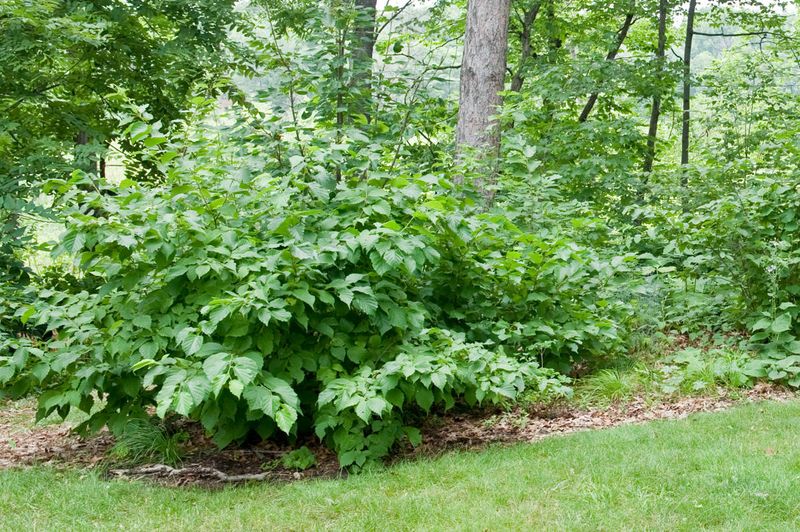
There is something deeply satisfying about a shrub that feeds wildlife, provides privacy, and looks like it belongs in an Ohio woodland edge all at once. American hazelnut, Corylus americana, does exactly that.
The multi-stemmed, rounded form leafs out thickly from spring through fall, creating a soft but substantial visual screen that blends naturally into the landscape.
Long, dangling catkins appear in late winter to early spring before the leaves unfurl, giving this shrub some of the earliest seasonal interest in the yard. The nuts that develop in late summer are eagerly collected by squirrels, chipmunks, turkeys, and other Ohio wildlife.
The broad, textured leaves add a woodland-garden quality that looks intentional and attractive rather than simply functional.
American hazelnut grows well in full sun to part shade and prefers well-drained soil. It can spread gradually by root suckers, which over time helps it form a wider, denser screen.
That suckering habit is useful along open property lines but may need occasional management in smaller yards. Pruning is rarely required beyond removing any crossing or crowded stems.
Pairing hazelnut with taller shrubs like blackhaw viburnum behind it and lower natives in front creates a layered planting that fills in faster and supports more species. When planting in May, water deeply after installation and mulch the root zone well.
Give each plant room to spread to its mature width over several years, and avoid cramming plants together hoping for quicker results. Patience plus proper spacing delivers the best long-term screen.
7. Bring Four Season Privacy With Serviceberry
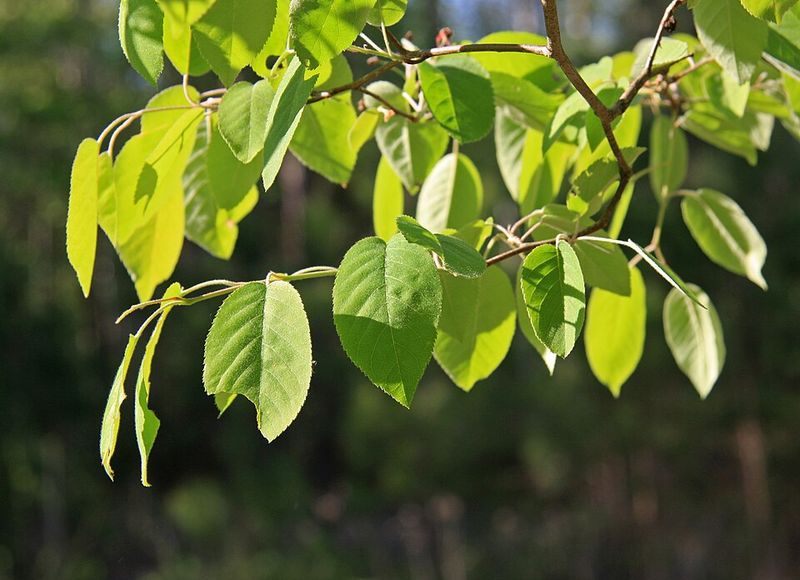
Before almost any other native plant wakes up in an Ohio spring, serviceberry is already covered in clouds of small white flowers.
Amelanchier arborea and related Ohio-native serviceberry species grow as large multi-stemmed shrubs or small trees, making them a different kind of privacy plant compared with the dense, low-branching shrubs on this list.
The privacy they offer is softer and more layered, which suits certain yard situations beautifully.
The early flowers attract native bees and other pollinators that are just emerging in spring. By early summer, small reddish to purple berries ripen and birds consume them almost as fast as they appear.
Fall color ranges from orange to deep red, and the smooth gray bark adds winter structure to the garden when leaves are gone.
Serviceberry works best as part of a layered screen rather than as a standalone privacy hedge. Planting lower, denser native shrubs like arrowwood viburnum or ninebark in front of serviceberry creates a complete screen from ground level up through the canopy.
This layered approach fills in faster visually than spacing serviceberries alone in a single row.
Full sun to part shade suits serviceberry well, and it prefers well-drained soil with consistent moisture during establishment.
In May, plant with a generous mulch ring, water thoroughly, and avoid planting too close to structures where the mature size would create crowding.
Serviceberry is not the fastest screening plant on this list, but its four-season beauty and wildlife value make it a worthy addition to any Ohio privacy planting.
8. Plant Blackhaw Viburnum For A Taller Native Screen
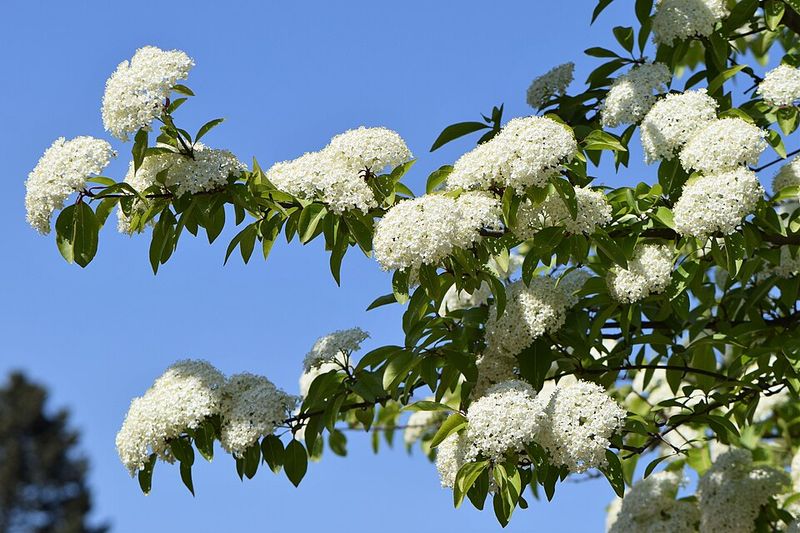
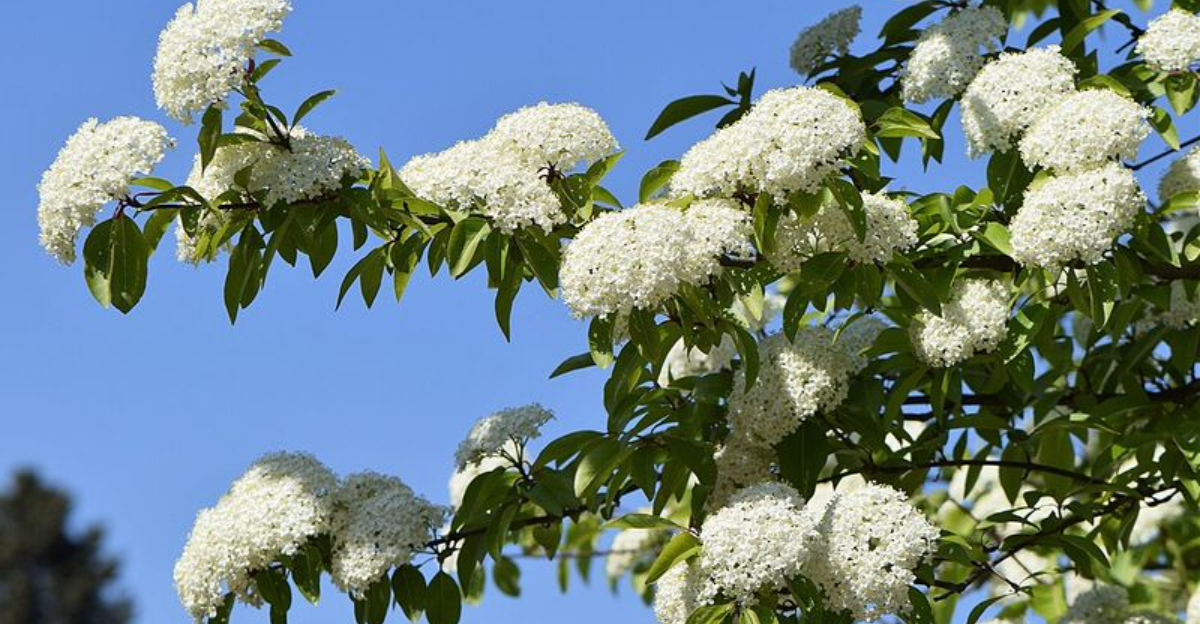
When you need a privacy anchor that grows tall enough to block second-story views or screen a raised deck, blackhaw viburnum, Viburnum prunifolium, is the native Ohio shrub to reach for.
It grows into a large, upright shrub or small tree with a presence that smaller screening plants simply cannot match.
The structure it provides becomes more impressive with each passing year.
Flat clusters of white flowers open in mid-spring and attract native pollinators. Dark bluish-black fruit ripens in fall and persists into winter, providing food for birds and other wildlife when other sources run low.
The glossy, dark green leaves turn wine-red to purple in fall, adding color to the privacy planting just as the growing season winds down.
Blackhaw viburnum grows well in full sun to part shade and prefers well-drained soil. It is more drought-tolerant once established than many other native shrubs, which makes it a practical choice for drier Ohio sites or spots that do not receive consistent irrigation.
Growth is steady rather than rapid, so it fills in more slowly than gray dogwood or elderberry, but the long-term structure it builds is unmatched.
Use blackhaw viburnum at the back of a mixed native screen, along larger property lines, or as a taller anchor shrub paired with medium-height plants in front. When planting in May, dig a wide hole, water deeply, and mulch generously.
Spacing for mature size from the start prevents the need for hard corrective pruning later and lets the shrub develop its naturally handsome form over time.