How And When To Prune Clematis In Michigan For More Flowers
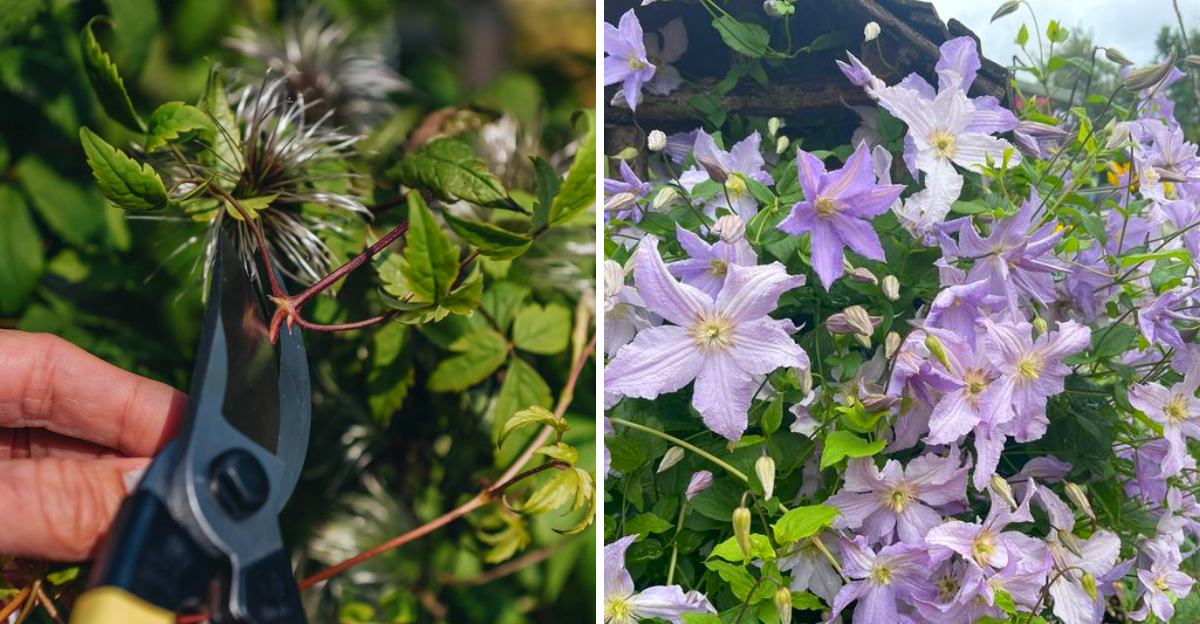
Clematis has a funny way of making gardeners second-guess themselves. One day it looks like a bundle of sleepy stems, and the next it is full of fresh growth and big spring promise.
That is usually the moment Michigan gardeners start circling the vine with pruners in hand, trying to look confident.
Fair enough. Clematis can be a little sneaky like that. The big catch is that not every clematis plays by the same rules.
Some bloom on older stems, some bloom on new growth, and some like a mix of both. So the timing of a trim can make a real difference in how many flowers you get later on.
Once you know which pruning group your clematis belongs to, the whole thing starts to feel much less mysterious. A few smart cuts at the right time can help the vine stay tidier, healthier, and a lot more generous with blooms.
Not bad for a plant that causes so much springtime hesitation.
1. Clematis Pruning Starts With Knowing Your Bloom Group
Tangled stems and fresh green shoots sprouting at the same time can make spring clematis care feel like a guessing game. Before you reach for your pruning shears, the single most helpful thing you can do is figure out which bloom group your clematis belongs to.
Pruning groups are labeled Group 1, Group 2, and Group 3, and each one has a different relationship with old wood and new wood that directly affects when and how flowers form.
Old wood refers to stems that grew during the previous season and survived winter. New wood refers to fresh growth that emerges in spring.
Some clematis bloom only on old wood, some bloom only on new wood, and some bloom on both. Cutting at the wrong time can remove the very stems that carry your flower buds.
Michigan gardeners sometimes treat every clematis vine the same way, giving everything a hard cutback in early spring during general yard cleanup. That approach works well for some plants but can wipe out an entire season of blooms for others.
Checking a plant tag, looking up the variety name online, or contacting your local Michigan nursery can help you confirm which group you have before you make a single cut.
2. Group 1 Clematis Should Be Pruned After Spring Flowers Fade
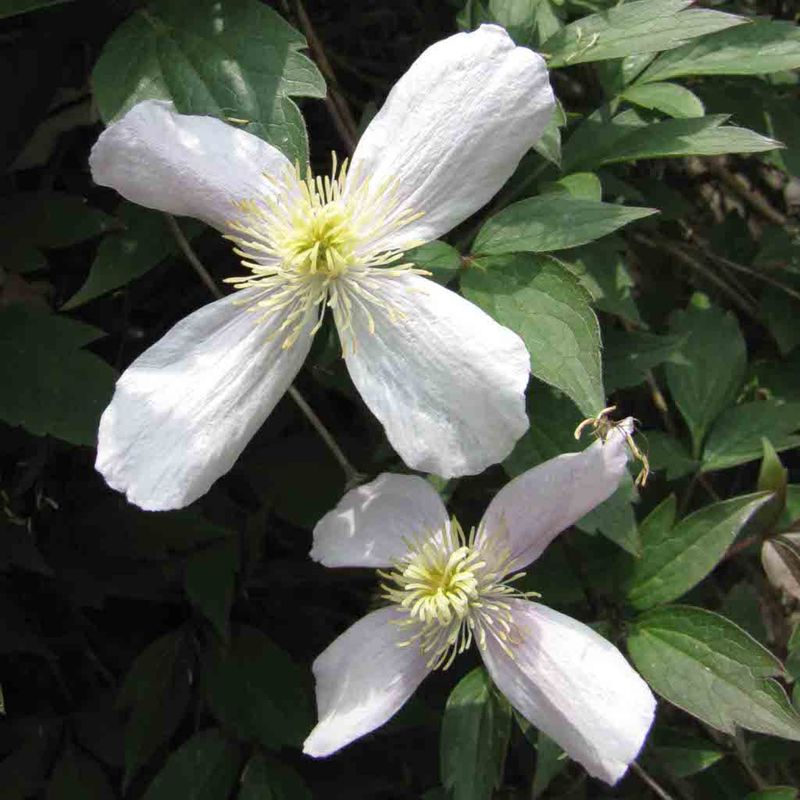
Some of the earliest-blooming clematis in Michigan gardens belong to Group 1, and they put on a show before most other vines have even leafed out fully.
These plants bloom on old wood, meaning the flower buds were already set on last year’s stems before winter arrived.
Cutting those stems back in late winter or early spring removes the buds before they ever get a chance to open.
The right time to prune Group 1 clematis is shortly after the spring flowers finish, usually sometime between late spring and early summer depending on your part of Michigan.
At that point, the plant has already done what it needed to do with those stems, and trimming them back gives the vine time to push out fresh growth that will carry next year’s buds through the coming winter.
Your Michigan Garden Changes Every Week. Your Plan Should Too.
Gardening in Michigan changes quickly throughout the season. Every Friday you’ll receive a simple weekly plan showing exactly what to plant, prune, fertilize, harvest, and protect so you never miss the right timing.
Pruning after bloom also helps keep Group 1 vines from becoming a tangled, woody mess over time. You do not need to cut everything back severely.
Light to moderate shaping is usually enough to keep the plant tidy and encourage healthy new growth.
Removing stems that look crowded or crossing each other can also improve airflow, which matters during Michigan’s humid summer months when fungal issues sometimes appear on clematis foliage.
3. Group 2 Clematis Need A Light Trim In Late Winter
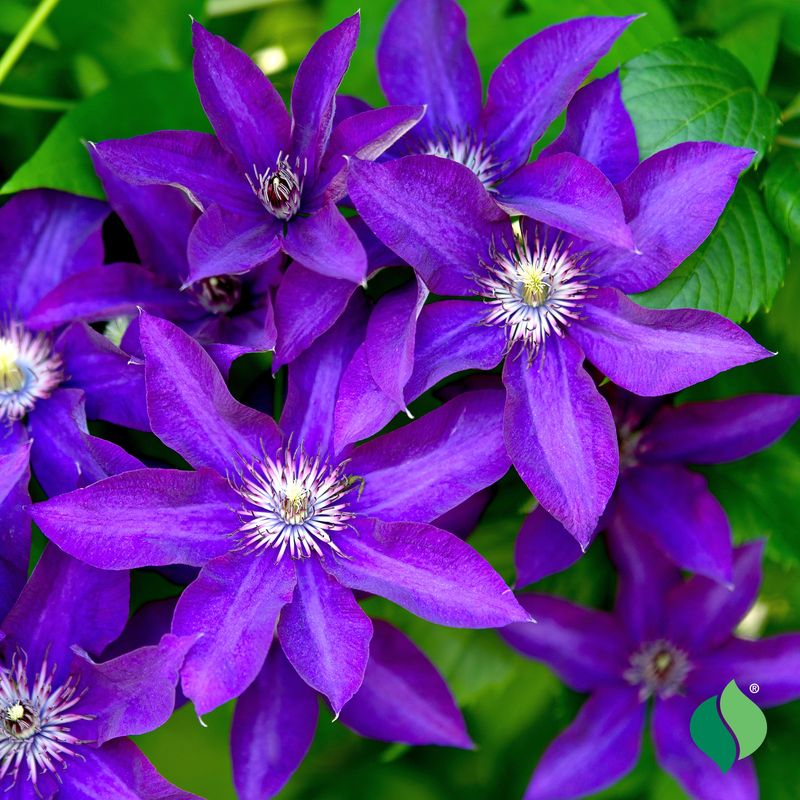
Walking out to the garden on a mild late-winter day in Michigan and finding your Group 2 clematis still holding onto last season’s dried stems is a familiar sight.
These vines bloom on both old wood and new wood, which makes their pruning needs a little more nuanced than the other two groups.
A hard cutback would sacrifice the old wood buds that produce the first round of flowers in late spring or early summer.
For Group 2 clematis, a light trim in late winter or very early spring tends to work well. The goal is to remove any stems that look clearly damaged or dried out while leaving healthy old wood intact.
Cutting back to a pair of plump, visible buds on each stem is a common approach that keeps the vine tidy without removing too much of the growth that carries early blooms.
Michigan winters can be hard on clematis stems, especially during years with temperature swings between freeze and thaw.
Checking each stem carefully before cutting helps you distinguish between stems that are truly finished and ones that still have life in them.
Scratching the surface of a stem lightly with a fingernail to check for green tissue underneath is a simple way to test whether a stem is worth keeping before pruning season gets fully underway.
4. Group 2 Clematis Can Be Trimmed Again After The First Bloom
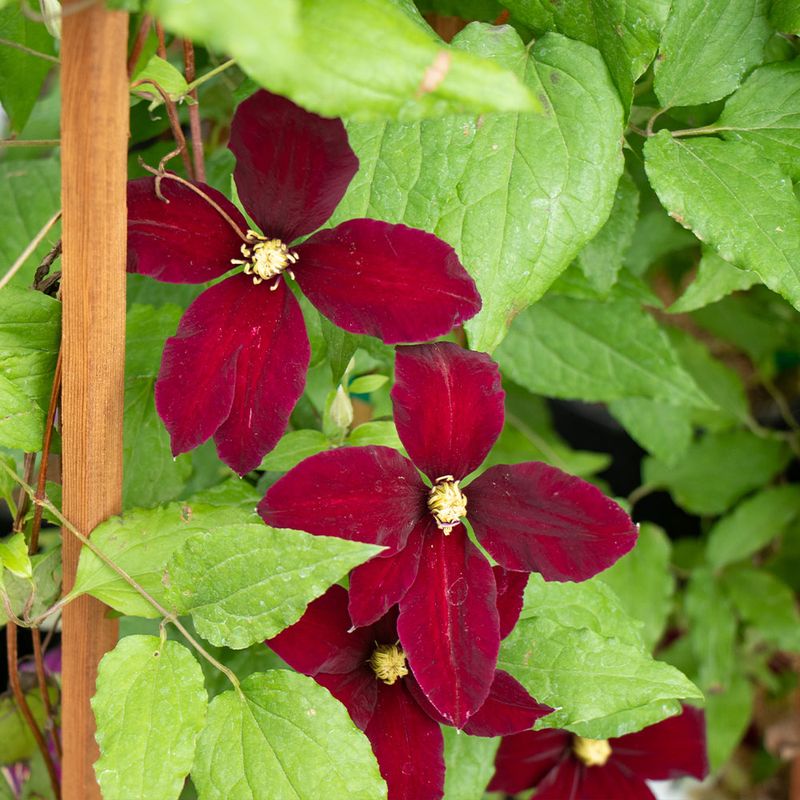
One of the rewarding qualities of Group 2 clematis is that many varieties are capable of producing two rounds of flowers in a single Michigan growing season.
The first flush comes in late spring or early summer on old wood, and a second flush often follows later in summer on new growth that develops after the first bloom finishes.
Encouraging that second round is one reason a light midsummer trim can be worth doing.
Once the first wave of flowers fades, you can do a gentle cleanup trim on your Group 2 clematis. Removing spent flower heads and cutting stems back modestly encourages the plant to push out fresh growth.
That new growth is what carries the second set of buds, so the timing and lightness of the cut matter. Going too hard at this stage can reduce or delay the second bloom.
Not every Group 2 variety reliably produces a strong second flush, and Michigan’s summer heat and dry stretches can sometimes affect how well the rebloom develops.
Keeping the vine well watered and mulched at the base during summer helps support steady growth between the two bloom periods.
A light trim combined with consistent moisture gives Group 2 clematis a reasonable chance at producing flowers across a longer stretch of the Michigan growing season.
5. Group 3 Clematis Should Be Cut Back Hard Before Spring Growth
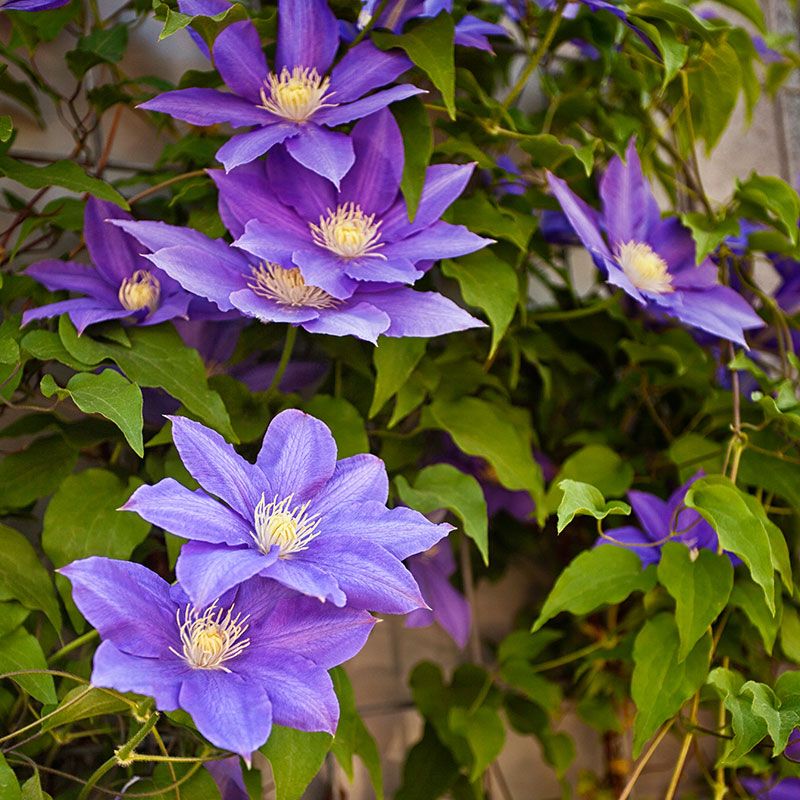
Out of all three pruning groups, Group 3 clematis gives Michigan gardeners the most straightforward pruning instructions.
These vines bloom entirely on new wood produced in the current growing season, which means the old stems from last year play no role in flower production.
Cutting them back hard before spring growth begins is not just acceptable for this group — it is actually the approach that tends to support the strongest flowering.
In Michigan, late winter to very early spring is the window most often recommended for cutting Group 3 clematis back significantly. Many gardeners cut the stems down to around 12 inches above the ground, leaving just a few sets of buds at the base.
The vine then pushes out vigorous new growth as temperatures warm, and that fresh growth becomes the foundation for a full summer bloom display on fences, trellises, arbors, and mailbox posts across Michigan yards.
Skipping the hard cutback on Group 3 clematis does not cause immediate harm, but it tends to result in a vine that blooms only at the tips of long, bare stems over time. The plant can become leggy and less visually appealing.
Cutting back each year keeps Group 3 vines full and productive, with flowers appearing lower on the plant rather than only at the very top where they are harder to enjoy up close.
6. Pruning At The Wrong Time Can Mean Fewer Michigan Flowers
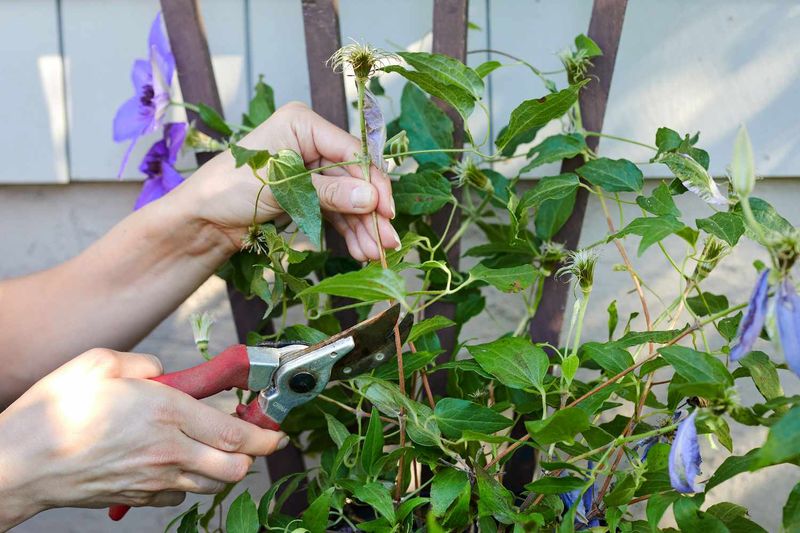
Few things are more discouraging in a Michigan garden than watching a clematis vine grow lush and healthy all season without producing a single flower. When that happens, wrong pruning timing is one of the first things worth reconsidering.
Cutting a Group 1 or Group 2 clematis back in early spring, the way you might prune a rose or ornamental grass, can remove all the old wood buds before they ever open.
The impact of mistimed pruning is not permanent in most cases, but it does mean losing blooms for that season.
A Group 1 plant that gets cut back hard in March will likely spend the growing season rebuilding stems and setting new buds for the following year rather than flowering this summer.
That can feel like a long wait, especially when neighboring vines are putting on a show.
Michigan gardeners who are unsure about their clematis group sometimes choose to skip pruning entirely for one season and simply observe when the plant blooms.
Watching whether flowers appear in spring on old wood or in summer on fresh new growth gives you the information you need to assign the plant to the right group going forward.
Taking notes or even snapping a photo with your phone and jotting down the bloom date can make future pruning decisions much easier and more confident.
7. Damaged Stems Can Be Removed First
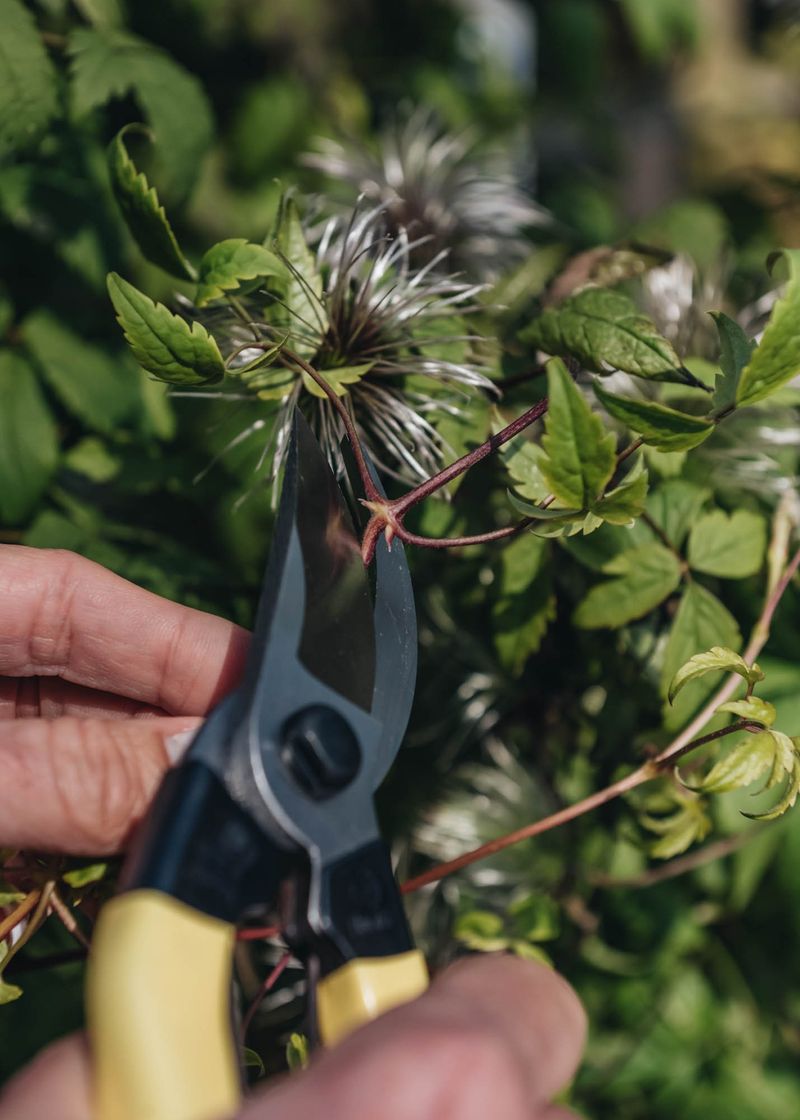
Before worrying about which group your clematis belongs to, there is one pruning task that applies across all three groups and can be done without hesitation.
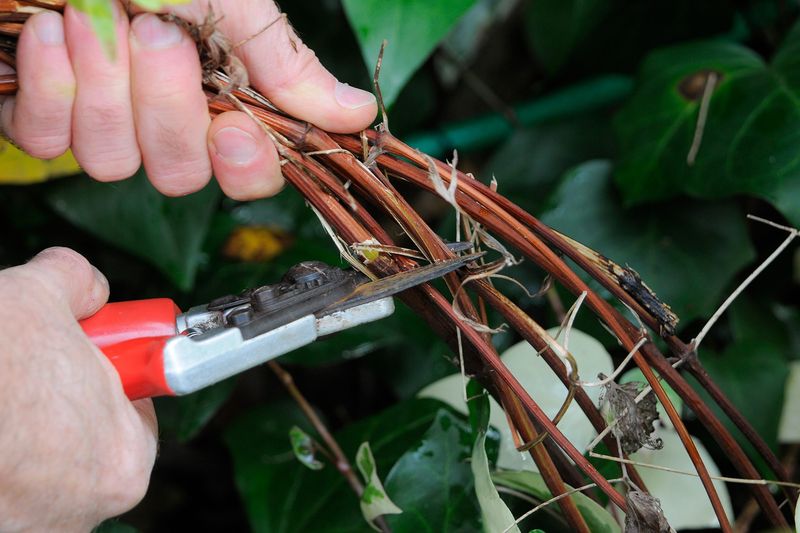
Removing stems that are clearly dried out, brittle, or visibly damaged is a sensible first step in spring clematis care.
Michigan winters can leave vines looking rough, with some stems shriveled and others snapped by ice or heavy snow load on trellises and fences.
Starting with a cleanup pass to remove the obviously finished stems helps you see the plant’s structure more clearly.
Once the clutter is cleared away, it becomes easier to assess which stems look healthy and which ones might need further attention based on your pruning group.
This approach also reduces the chance of accidentally cutting into healthy growth during a rushed spring cleanup session.
Bypass pruning shears work well for most clematis stems, giving a cleaner cut than anvil-style pruners that can crush soft stem tissue. Wiping your blades with a damp cloth between plants is a simple habit that helps keep things tidy.
Damaged stem removal does not require knowing the exact bloom group, which makes it a comfortable starting point for gardeners who are still figuring out what type of clematis they have growing along their Michigan fence or garden wall.
8. The Right Pruning Style Helps Clematis Bloom More Fully
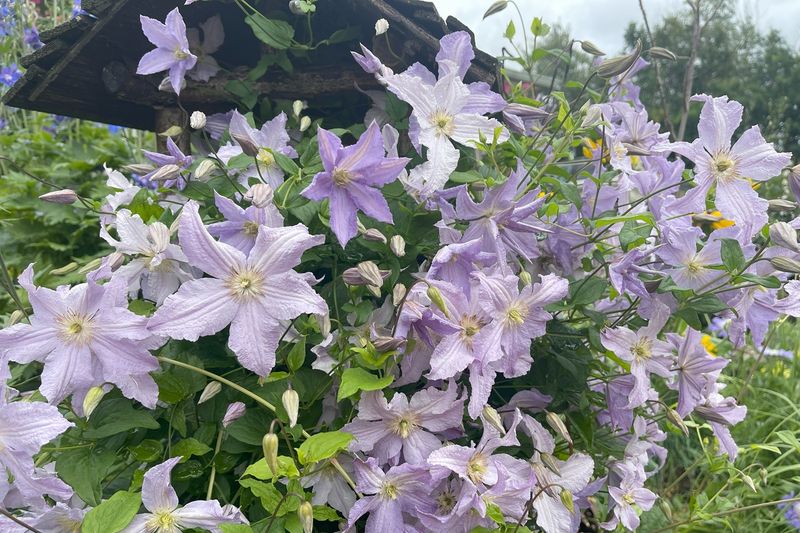
Matching your pruning approach to your clematis group is one of the more practical things a Michigan gardener can do to support better flowering from season to season. It does not require special tools or advanced gardening experience.
What it does require is a little patience to identify the plant, understand its growth habit, and make cuts at a time that works with the vine rather than against it.
Group 1 plants reward you for leaving them alone until after they bloom. Group 2 plants respond well to a light late-winter trim followed by possible midsummer shaping.
Group 3 plants tend to come back fuller and flower more generously when cut back hard before spring growth kicks in. Each approach is straightforward once you know which group you are working with.
Michigan gardeners often find that clematis becomes one of the more satisfying vines in the yard once the pruning timing clicks into place.
Whether the plant is climbing a mailbox post, scrambling over a backyard arbor, or weaving through a garden fence, getting the seasonal pruning right gives it the best conditions to produce the flowers you planted it for.
Small adjustments in timing and technique can make a noticeable difference in how generously a clematis blooms across the Michigan growing season.