Amaryllis Colors And Varieties That Perform Better Than Expected In North Carolina Gardens
Amaryllis tends to get pigeonholed as a winter indoor plant, the kind you force into bloom around the holidays and then set aside.
North Carolina gardeners who have taken it outside are working with something far more interesting.
The climate across much of the state is warm enough for amaryllis to be treated as a true garden plant, not just a seasonal houseplant, and the varieties that shine outdoors often surprise people with how little they ask for and how much they deliver.
Color selection matters more in the garden than it does on a windowsill, and certain varieties hold up better under direct sun, humidity, and the kind of heat North Carolina throws at plants from June onward.
Some of the most reliable outdoor performers are not the ones getting the most attention on packaging or in catalogs.
Getting familiar with which colors and varieties are genuinely built for outdoor life in this state opens up a planting option that most North Carolina gardeners have not fully explored yet.
1. White Garden Amaryllis (Hippeastrum White Hybrids)
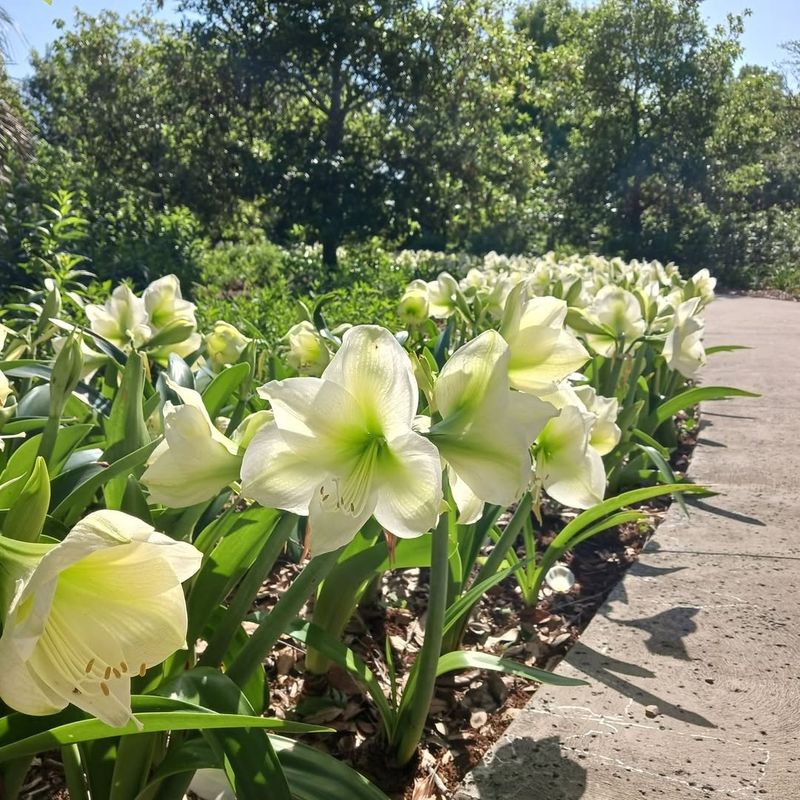
White amaryllis varieties carry a kind of quiet elegance that feels right at home on a Southern porch or patio.
Gardeners across North Carolina have found that white Hippeastrum hybrids perform beautifully when planted in containers with excellent drainage and placed in sheltered, sunny spots.
Their clean, luminous blooms look stunning against green foliage and pair well with almost any garden color scheme.
One of the biggest keys to success with white varieties is keeping the bulbs away from wet winter soil.
Sitting in soggy ground during cold months can cause rot, which is why containers are such a smart choice for North Carolina growers.
Raised patio pots and covered porch planters give these bulbs the drainage and protection they need to come back strong each season.
During the growing season, white amaryllis bulbs respond well to regular watering and a balanced liquid fertilizer applied every few weeks.
They prefer bright, indirect light during the hottest part of summer, especially in the warmer parts of the state where afternoon heat can be intense.
Bringing the containers indoors before temperatures drop below freezing keeps the bulbs healthy and ready to rebloom.
White amaryllis adds a fresh, polished look to any North Carolina garden, and once you see them in full flower, it is easy to understand why so many local gardeners keep coming back to them.
2. Red Garden Amaryllis (Hippeastrum Red Hybrids)
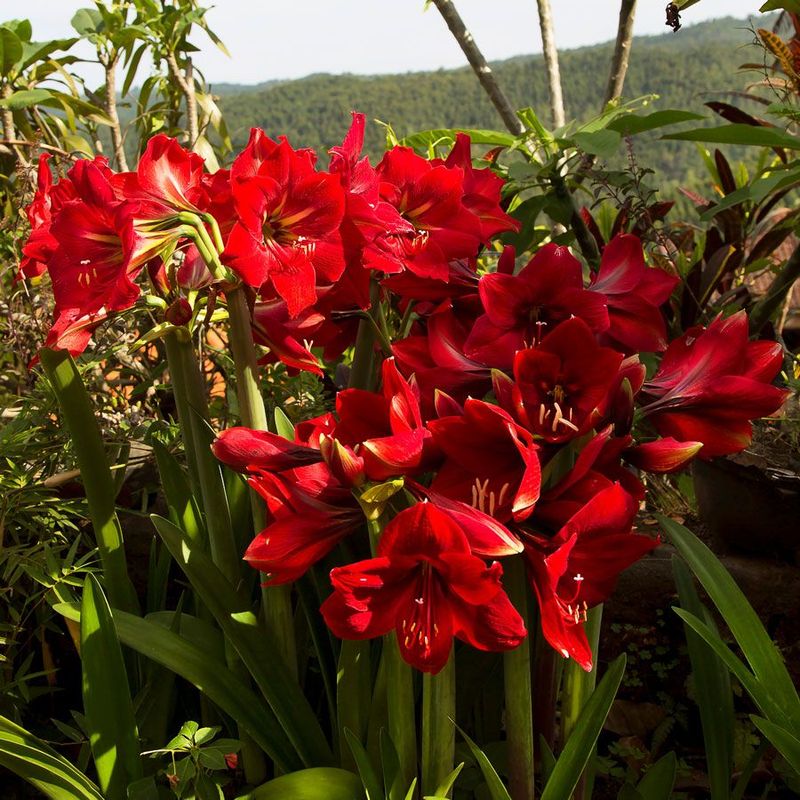
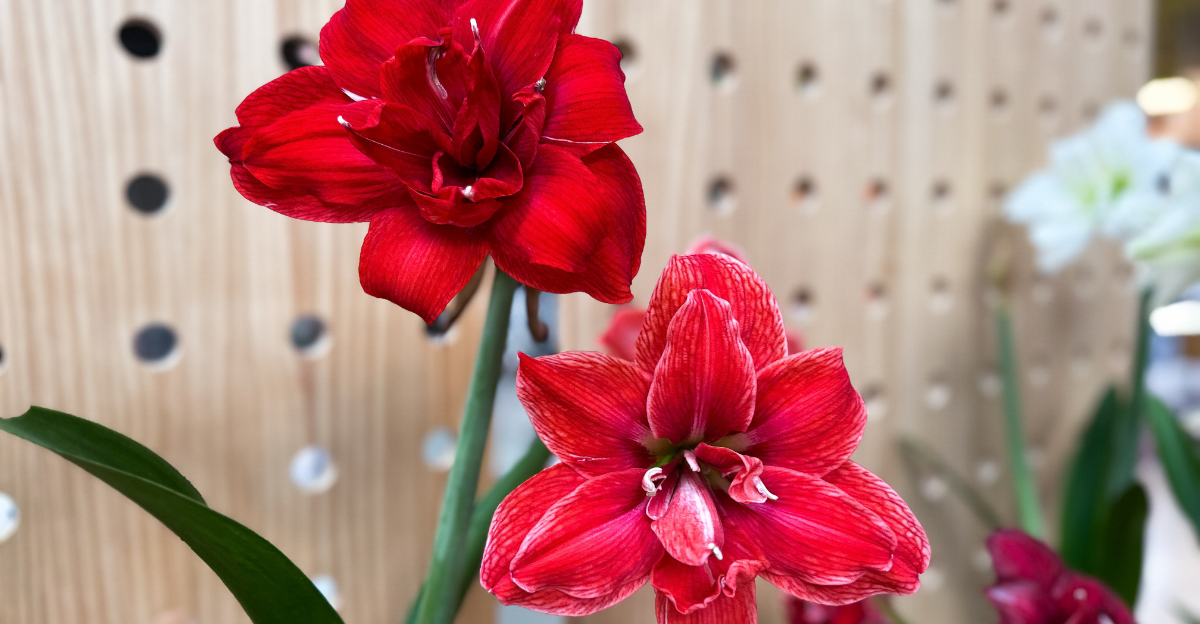
Nothing grabs attention in a garden quite like a bold red amaryllis in full bloom. Red Hippeastrum hybrids are the most widely available amaryllis bulbs you will find, and in North Carolina they truly shine when given the right conditions.
Their trumpet-shaped flowers are striking and dramatic, easily becoming the centerpiece of any patio or porch display.
In warmer areas of the state, especially along the coast or in protected urban spots that fall within Zone 8, red varieties can actually stay outdoors through mild winters.
Gardeners in the Piedmont and mountain regions should grow them in containers so they can be brought inside before the first frost hits.
Your North Carolina Garden Changes Every Week. Your Plan Should Too.
Gardening in North Carolina changes quickly throughout the season. Every Friday you’ll receive a simple weekly plan showing exactly what to plant, prune, fertilize, harvest, and protect so you never miss the right timing.
A well-draining potting mix and a sunny window make overwintering surprisingly easy.
During the warm growing season, these bulbs love the heat that North Carolina summers bring, pushing out lush green foliage that fuels next season’s blooms. Feed them with a balanced fertilizer every two to three weeks during active growth.
With just a little care and planning, red amaryllis bulbs reward you with spectacular color year after year, making them one of the most dependable choices for gardeners across the state who want reliable, head-turning results without a complicated routine.
3. Pink Garden Amaryllis (Hippeastrum Pink Hybrids)
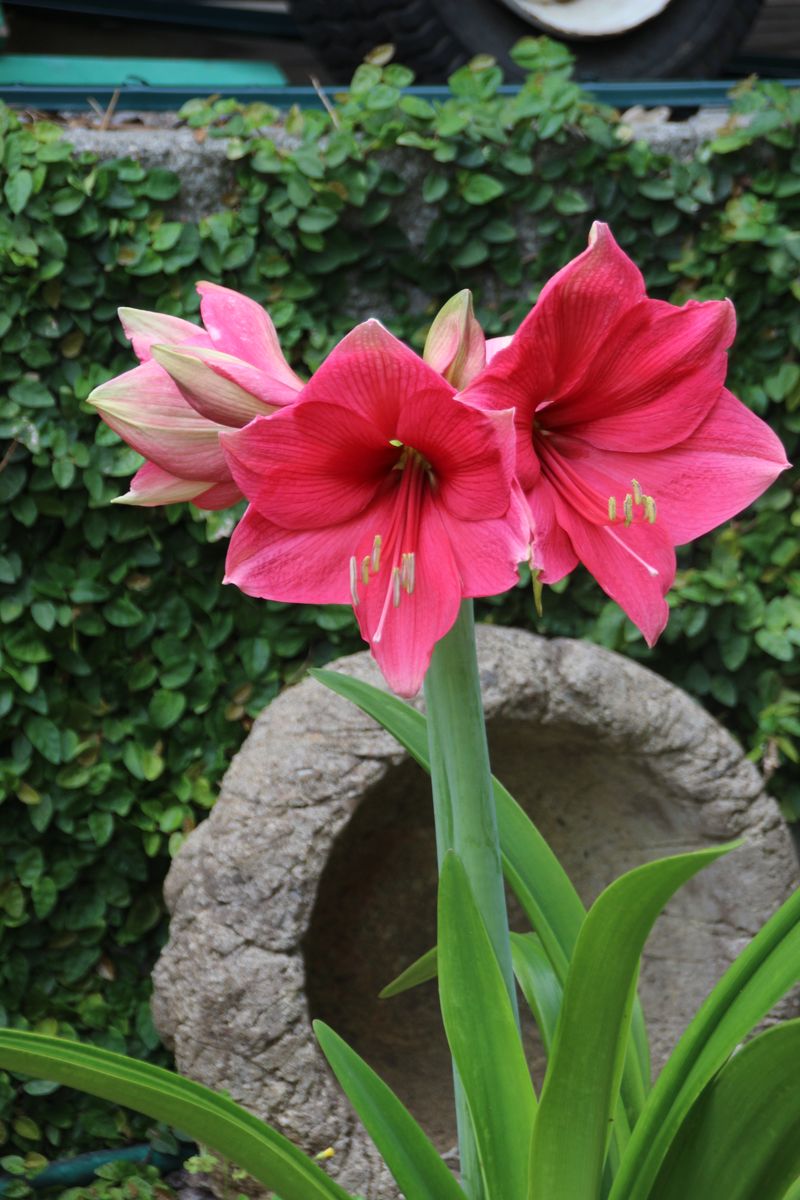
Soft, rosy, and full of charm, pink amaryllis varieties bring a warmth to North Carolina gardens that is hard to match.
Pink Hippeastrum hybrids range from the palest blush to a rich, deep rose, giving gardeners plenty of options depending on their personal style.
Planted in containers or tucked into a sheltered garden bed, these bulbs put on a reliable show during the warm months.
North Carolina’s humid summers actually work in favor of pink amaryllis, encouraging strong, healthy foliage growth that stores energy for future blooms.
Gardeners in the central and eastern parts of the state often find that pink varieties handle the heat with ease, as long as they receive consistent watering and good air circulation around the leaves.
Avoid planting in spots where water pools after rain, since bulb health depends heavily on proper drainage.
In the mountain regions of North Carolina, where winters arrive earlier and drop lower, growing pink amaryllis in containers is the safest approach. Moving pots indoors before the first frost protects the bulbs without much fuss.
A cool, dry indoor space works well for overwintering, and bulbs can be brought back outside once spring temperatures settle.
Pink amaryllis is one of those varieties that looks delicate but performs with real toughness, making it a favorite among gardeners who want beauty without constant worry.
4. Striped Amaryllis (Hippeastrum Striped Hybrids)
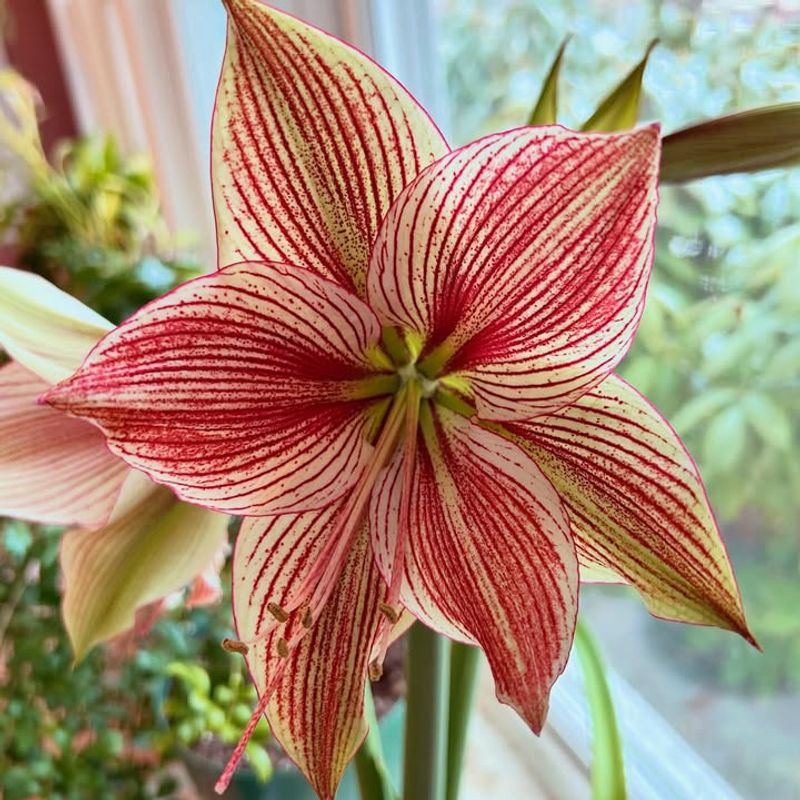
Striped amaryllis varieties are like nature’s own artwork, each petal painted with bold lines of red and white or soft shades of pink and cream.
These eye-catching hybrids have become increasingly popular among North Carolina gardeners who want something a little different from the standard solid-color blooms.
The striped pattern adds visual interest and makes containers look professionally designed without any extra effort.
Growing striped Hippeastrum in North Carolina works best when you treat them as seasonal container plants.
During the warm months, they thrive outdoors on patios, decks, and sheltered garden beds, soaking up the sunshine that the state offers in abundance.
When the forecast calls for freezing temperatures, moving the pots indoors or covering outdoor plants with frost cloth keeps the bulbs protected and ready to bloom again.
Feeding striped varieties with a phosphorus-rich fertilizer during the growing season encourages stronger flower production and more vibrant color in the stripes.
These bulbs appreciate a period of rest after blooming, so reducing water gradually and allowing the foliage to yellow naturally before storing them is a smart practice.
Striped amaryllis bulbs are widely available at garden centers and online retailers, making them easy to find across North Carolina.
Their bold, graphic look turns heads in any outdoor space, and they reward even beginner gardeners with generous, cheerful blooms that feel truly special.
5. Double Amaryllis (Hippeastrum Double Hybrids)
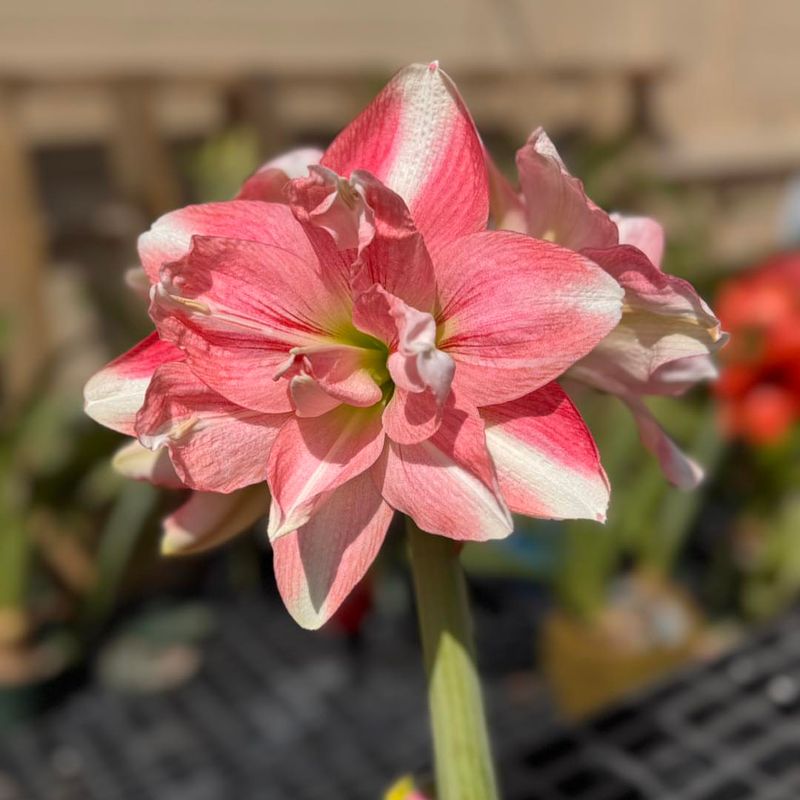
If you have ever wanted a flower that looks like it belongs on a wedding table centerpiece, double amaryllis is exactly that.
Double-flowered Hippeastrum hybrids produce blooms packed with layers of ruffled petals, creating a full, lush look that feels almost too beautiful to be real.
North Carolina gardeners who discover these varieties often say they were not expecting something so impressive from a bulb.
Because their blooms are so full and heavy, double amaryllis varieties do best in sheltered spots where wind and heavy rain cannot damage the flowers.
Patios, covered porches, and spots close to the house wall offer the kind of protection these bulbs need to perform at their best.
Bright, indirect light suits them well during the hottest parts of North Carolina summers, keeping the flowers fresh longer without scorching the petals.
Staking the flower stem is a practical tip that many experienced growers recommend, since the weight of double blooms can cause the stem to lean or fall over. A simple bamboo stake and a soft tie do the job without harming the plant.
Like other Hippeastrum types, double varieties should be brought indoors before frost arrives in colder parts of the state.
With the right care and a good sheltered location, double amaryllis delivers a floral display that genuinely stops people in their tracks and makes every North Carolina garden feel extra special.
6. Cybister Amaryllis (Hippeastrum Cybister Hybrids)
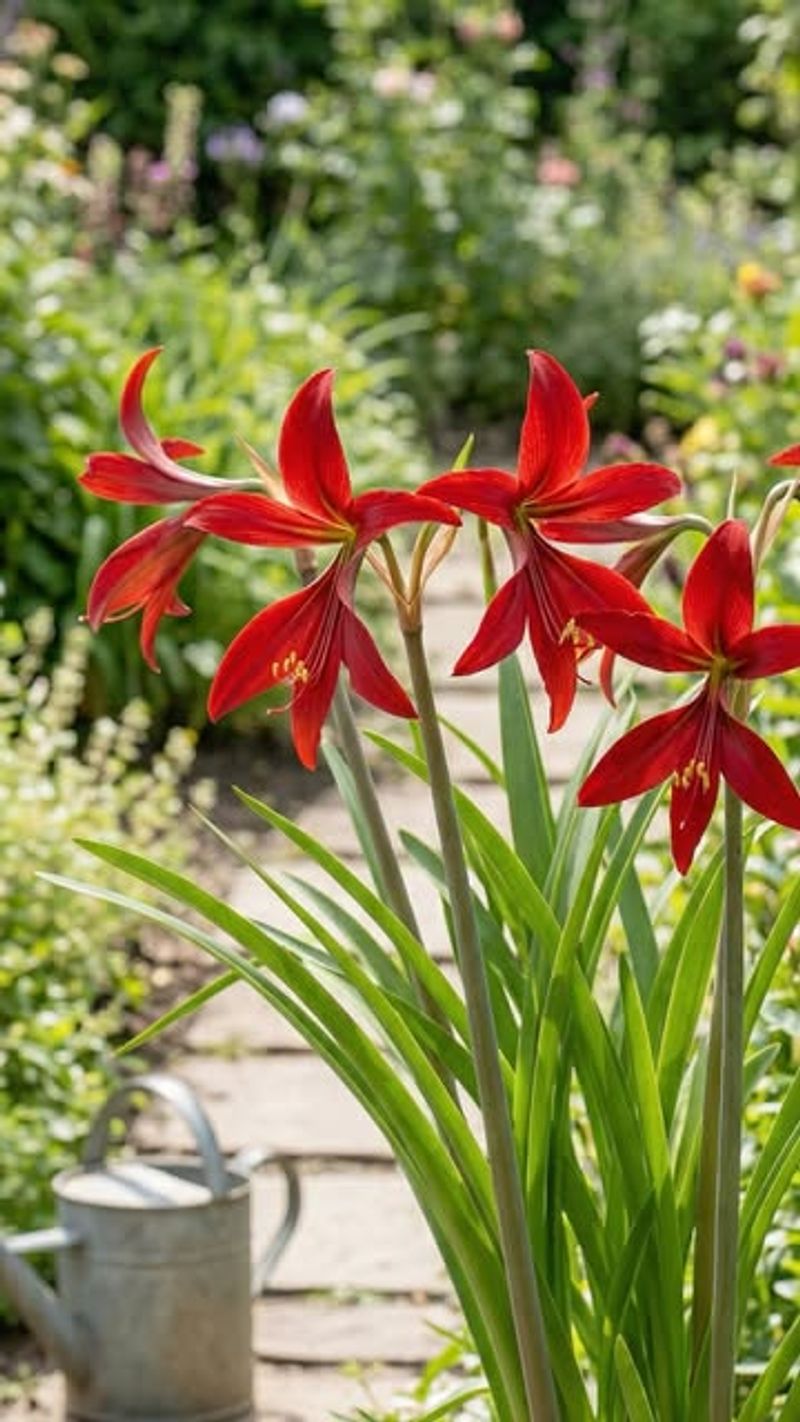
Cybister amaryllis varieties are the wild, artistic cousins of the classic round-petaled types most gardeners know.
Their narrow, spidery petals fan out in an open, star-like shape that looks genuinely exotic, and they tend to spark curiosity in anyone who sees them for the first time.
North Carolina gardeners who enjoy plants that stand out from the crowd have found cybister hybrids to be a rewarding and interesting choice.
These varieties are less bulky than large double or standard types, which actually makes them well-suited to container growing across the state.
Their lighter flower heads mean less risk of stem breakage, and their compact bulb size makes them easy to manage in smaller pots.
Container culture also gives North Carolina growers the flexibility to move them indoors when cold weather arrives, since cybister types are not reliably hardy in the state’s colder mountain zones.
Cybister amaryllis bulbs prefer well-draining potting mix, consistent moisture during active growth, and a sunny spot that gets several hours of direct light each day.
Fertilizing every two to three weeks with a balanced formula supports strong stem growth and keeps those dramatic flowers coming.
After blooming, allow the foliage to continue growing outdoors through summer to build up the bulb’s energy.
Few plants generate as much conversation in a North Carolina garden as a cybister amaryllis in full bloom, making them a genuinely exciting find for any enthusiastic grower.
7. Orange Or Coral Amaryllis (Hippeastrum Orange And Coral Hybrids)
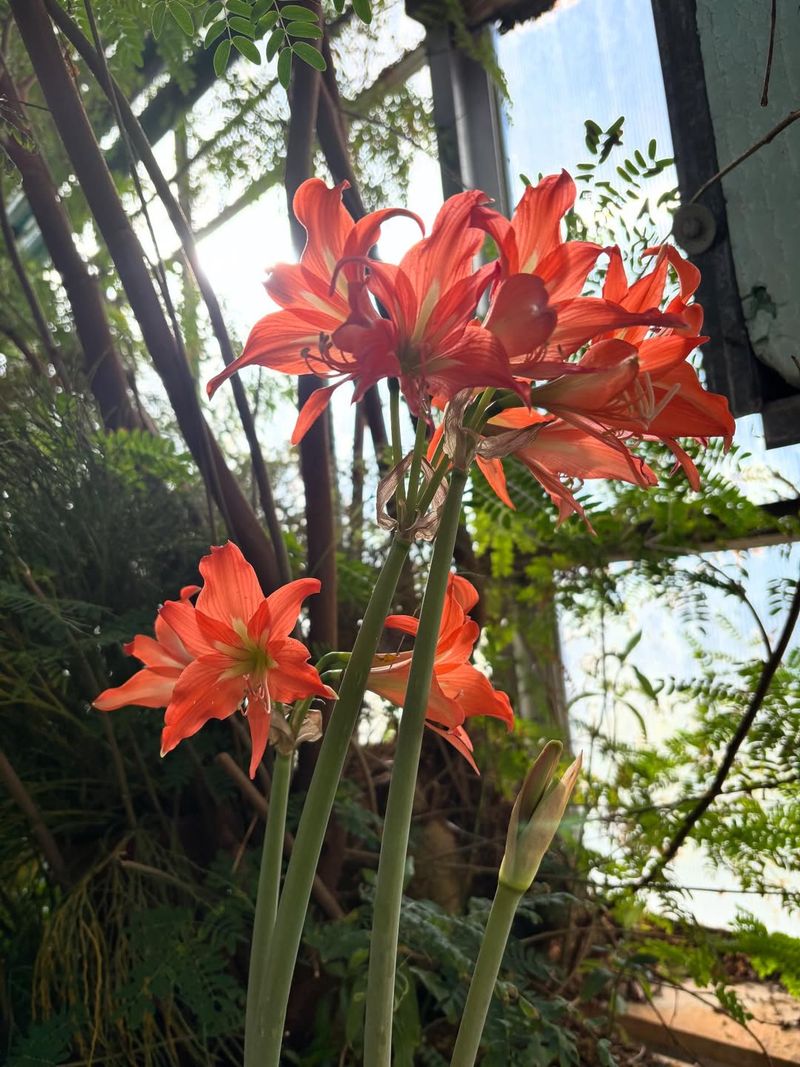
Orange and coral amaryllis varieties bring a sunset-warm glow to North Carolina gardens that feels energizing and fresh.
These shades are less commonly seen than red or pink, which makes them a real conversation starter whenever they bloom.
The warm tones pair beautifully with the lush green foliage that North Carolina’s humid summers encourage, creating a color combination that looks completely natural and alive.
Across most of North Carolina, orange and coral Hippeastrum hybrids perform best when grown in containers that can be moved as needed.
During the long, warm growing season, they thrive outdoors in full to partial sun, soaking up the heat and producing strong, healthy leaves.
In protected Zone 8 locations, particularly along the coast or in warm urban pockets, some gardeners have had success planting them directly in the ground with good results.
Regular watering and a potassium-rich fertilizer during the growing season help orange and coral varieties produce their best color and strongest stems.
After the blooms fade, keep the foliage growing as long as possible to recharge the bulb for next year.
Bringing containers indoors before the first frost and storing bulbs in a cool, dry location keeps them viable through winter.
Orange and coral amaryllis are a fantastic way to add unexpected warmth and energy to any North Carolina patio or garden bed, and their unusual color alone makes them well worth growing.
8. Hardy Amaryllis Lily (Rhodophiala Bifida)
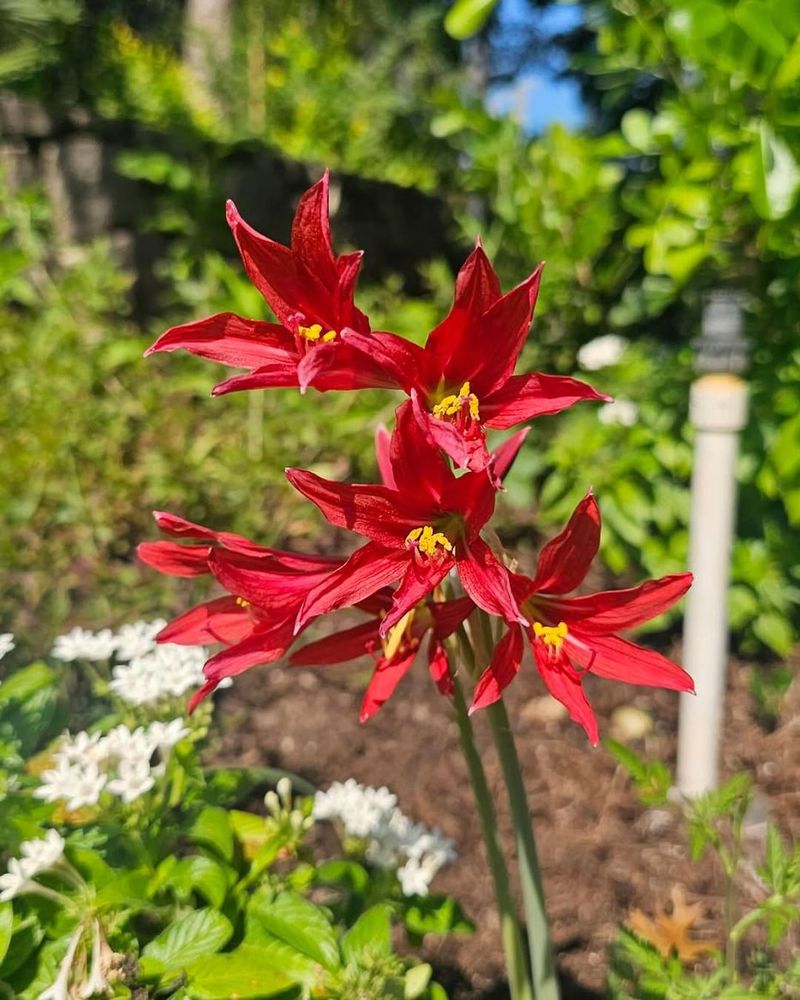
Most people have never heard of Rhodophiala bifida, but once North Carolina gardeners discover it, they rarely want to garden without it.
Commonly called the oxblood lily or hardy amaryllis, this South American native is not the same plant as the holiday Hippeastrum, but it earns the amaryllis name with its striking, jewel-red fall flowers.
Watching those blooms push up from bare ground in September is genuinely one of the more magical moments a garden can offer.
What makes Rhodophiala bifida so valuable in North Carolina is its true hardiness compared to most Hippeastrum types.
In the warmer parts of the state, including much of the Piedmont and coastal plain, it functions as a reliable outdoor perennial that comes back year after year without being dug up or brought inside.
It handles the hot, dry summers of the region better than most bulbs, going dormant during the heat and then surprising you with flowers in the fall.
Well-drained soil is the single most important requirement for growing this plant successfully in North Carolina.
Sandy or amended beds with good slope work perfectly, while heavy clay soils should be improved before planting.
The bulbs multiply slowly over time, eventually forming cheerful clusters that bloom more generously each season.
Rhodophiala bifida is a low-maintenance, high-reward plant that suits North Carolina’s climate beautifully and deserves a permanent spot in every warm-region garden across the state.