The Best Ways To Grow Lantana In Georgia Heat
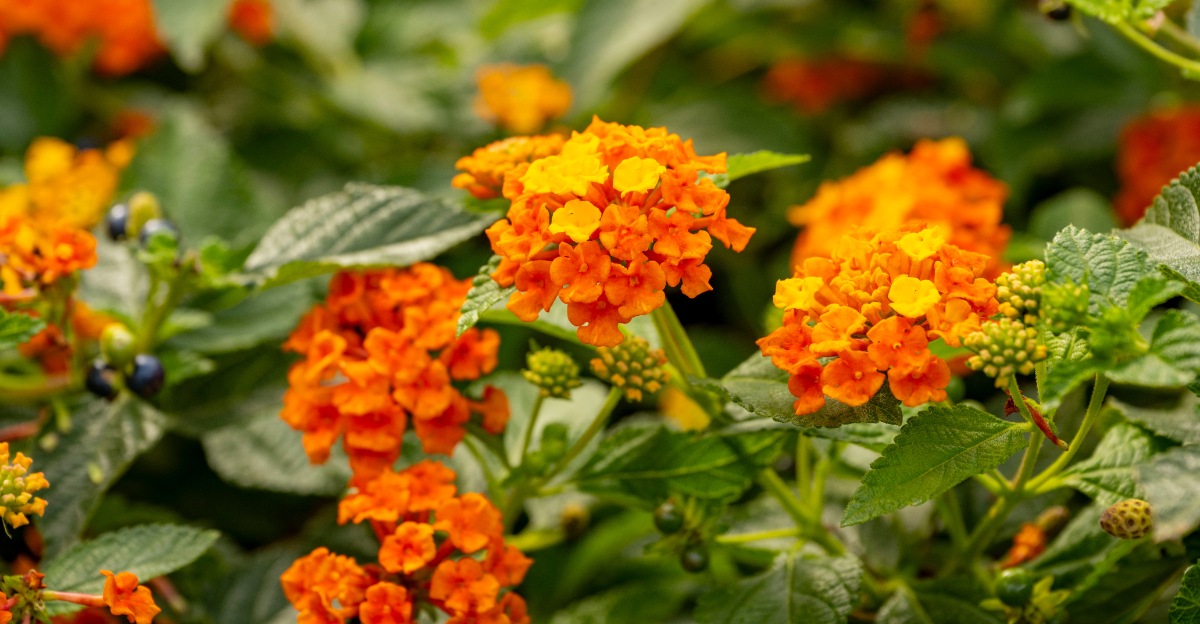
Georgia gardens hit a completely different level once lantana starts thriving through summer heat. Bright clusters of color keep showing up long after other flowers begin looking stressed, faded, or worn out from constant sun.
Full healthy lantana instantly makes porches, flower beds, and walkways feel more alive during the hottest part of the season.
Wrong placement or poor watering early on can change everything though. Sparse growth, weak blooming, and dull color usually start showing once temperatures stay high for days at a time.
Strong healthy plants almost always come from a few simple choices that many people overlook at the beginning.
Georgia heat alone usually is not what causes problems. Crowded plants, heavy soil, and inconsistent moisture tend to create far bigger issues once summer settles in.
Better growth and nonstop blooms often come down to small adjustments that make a noticeable difference later in the season.
1. Full Sun Helps Lantana Produce More Blooms
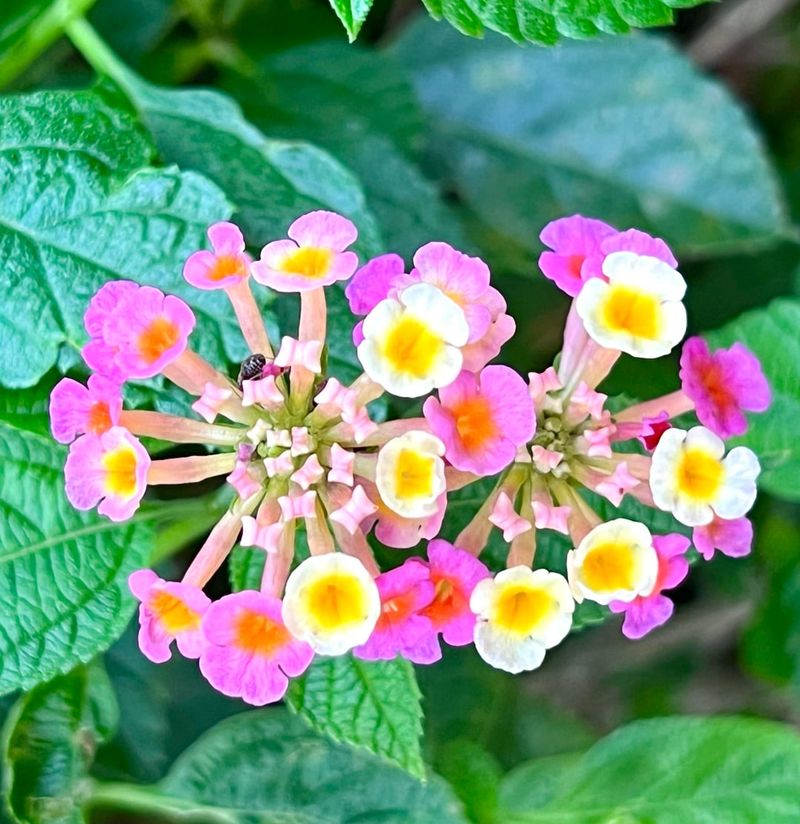
Lantana absolutely loves the sun, and Georgia gives it plenty. Plant your lantana where it gets at least six to eight hours of direct sunlight every single day, and you will notice a clear difference in how many blooms it pushes out.
Less sun means fewer flowers and a plant that looks leggy and stretched rather than full and lush.
Georgia summers can feel brutal, but lantana was practically built for this kind of weather. Gardeners across the state, from the piedmont region to the coastal lowlands, consistently report that plants in full sun outperform shaded ones by a wide margin.
Partial shade might seem like a kindness during August heat, but it actually slows bloom production significantly.
Morning sun with some afternoon shade can work in a pinch, especially in the hottest inland areas where temperatures regularly push past 95 degrees. However, full sun from sunrise to early afternoon is still the gold standard for maximum flowering.
South-facing beds and open landscape areas tend to produce the strongest plants.
2. Well Drained Soil Prevents Problems In Summer Heat
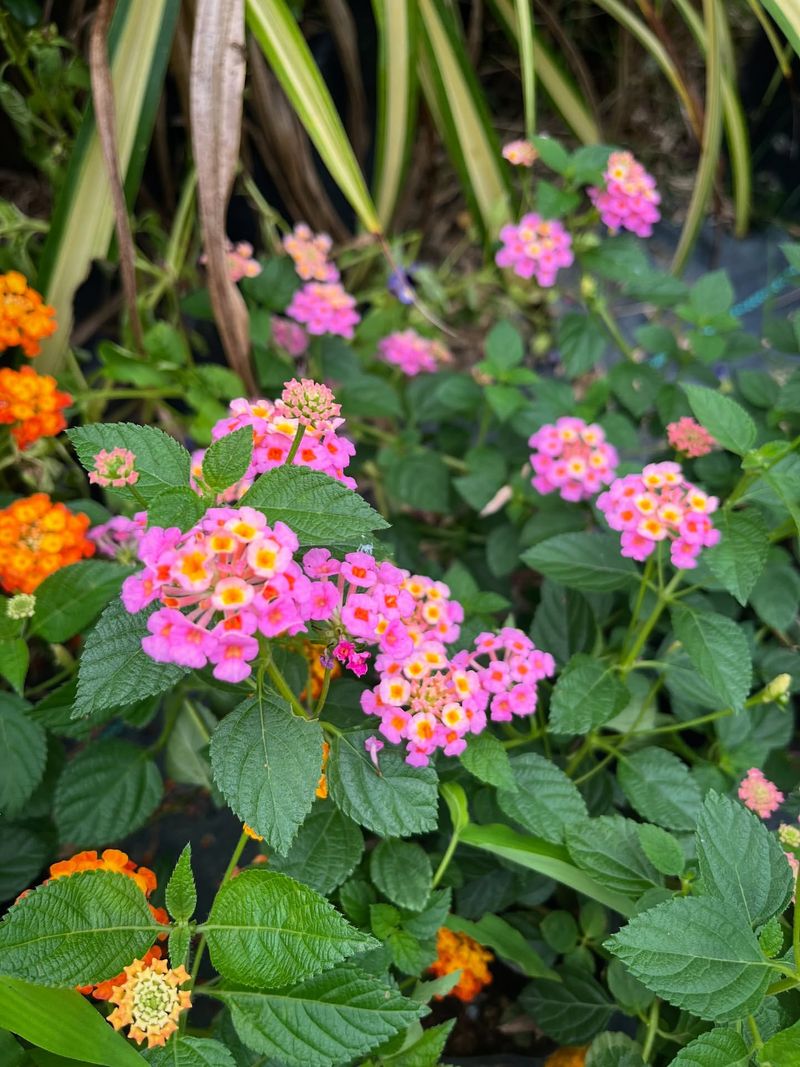
Soggy roots are a real problem for lantana, especially during Georgia’s humid summer months. Standing water around the root zone can cause root rot far faster than most gardeners expect, often within just a few days of heavy rain.
Getting your soil drainage right from the start is one of the smartest moves you can make before planting.
Sandy loam soil works beautifully for lantana because it drains quickly and warms up fast in spring.
If your Georgia yard has heavy clay soil, which is extremely common in the Atlanta metro area and across the piedmont, you will want to amend it with coarse sand, perlite, or aged compost before planting.
Raised beds are another solid option that gives you full control over soil quality.
A quick test can tell you a lot about your drainage situation. Dig a hole about twelve inches deep, fill it with water, and watch how long it takes to drain.
If water is still sitting there after an hour, your soil needs work before lantana will perform well.
Your Georgia Garden Changes Every Week. Your Plan Should Too.
Gardening in Georgia changes quickly throughout the season. Every Friday you’ll receive a simple weekly plan showing exactly what to plant, prune, fertilize, harvest, and protect so you never miss the right timing.
3. Deep Watering Encourages Stronger Root Growth
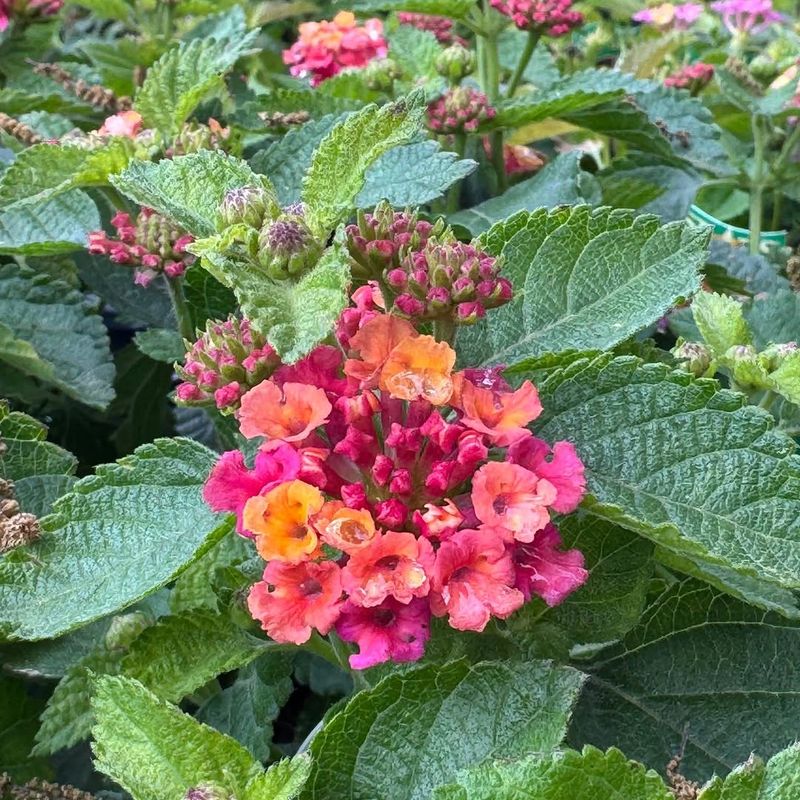
Shallow watering trains roots to stay near the surface, and surface roots struggle badly when Georgia summer heat peaks in July and August. Deep, infrequent watering pushes roots downward where the soil stays cooler and retains more moisture.
Once established, lantana is impressively drought-tolerant, but getting there requires smart watering habits from the beginning.
A good rule of thumb is to water slowly and deeply once or twice a week during the first growing season rather than giving the plant a quick splash every day. Aim to wet the soil at least eight to ten inches deep each time.
A simple way to check is to push a wooden dowel or your finger into the soil after watering and see how far down the moisture actually reached.
Morning watering works better than evening for lantana in Georgia. Wet foliage sitting overnight in warm, humid air can encourage fungal issues, which are already a concern in the southeastern climate.
Watering at the base of the plant, rather than overhead, keeps leaves dry and reduces that risk considerably.
Drip irrigation or a soaker hose laid along the base of your lantana bed is one of the most efficient setups you can use.
4. Removing Old Blooms Keeps Flowers Coming Longer
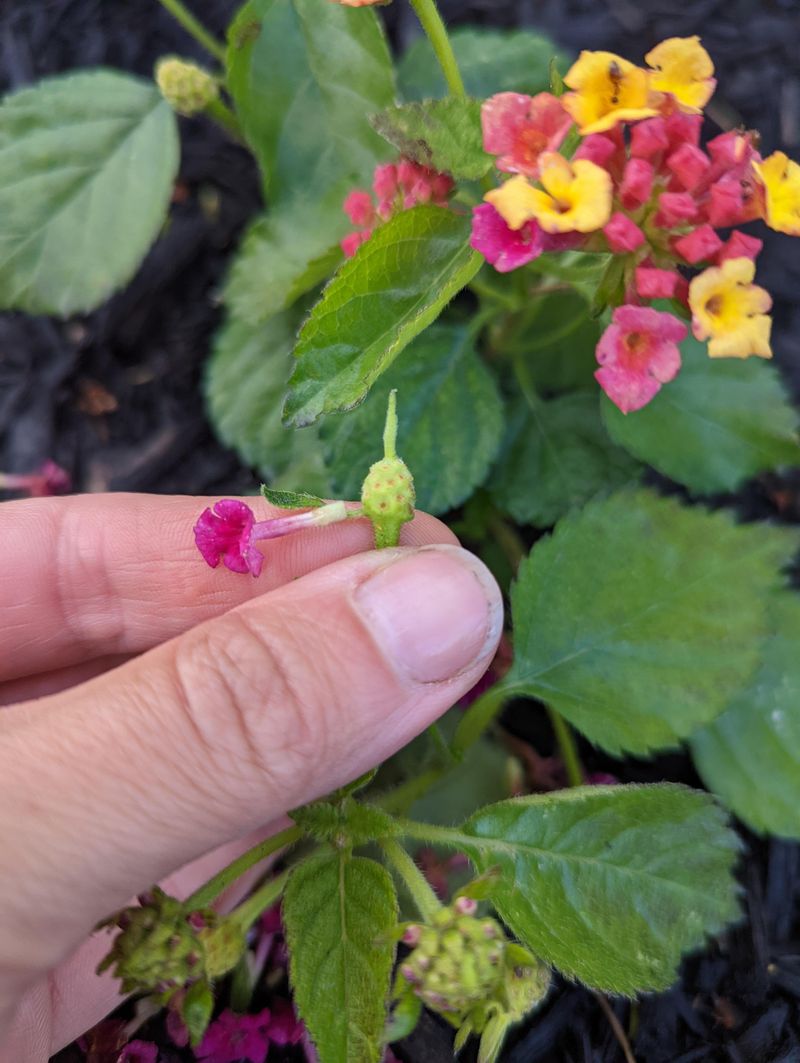
Spent blooms left on the plant signal lantana to shift energy toward seed production instead of new flowers. Removing those faded clusters regularly redirects that energy back into blooming, which is exactly what you want during Georgia’s long growing season.
It takes only a few minutes per plant and makes a noticeable difference within a week or two.
Pinching or snipping off the old flower heads right where they meet the stem is all it takes. No special tools are required for smaller plants, though a pair of clean pruning snips makes the job faster on larger, bushier specimens.
Getting into the habit of deadheading every week or two from early summer through fall keeps the color show going strong.
Georgia gardeners have a real advantage here because the growing season stretches well into October, sometimes even into early November in the southern part of the state.
Consistent deadheading during that long window can mean months of nearly uninterrupted blooming rather than a few impressive weeks followed by a slow decline.
Worth noting is that lantana berries, which form from the spent blooms, are toxic to people and pets. Removing old flowers before berries fully develop is a practical safety step, especially in yards where children or animals spend time.
5. Mulch Helps Soil Hold Moisture During Hot Weather
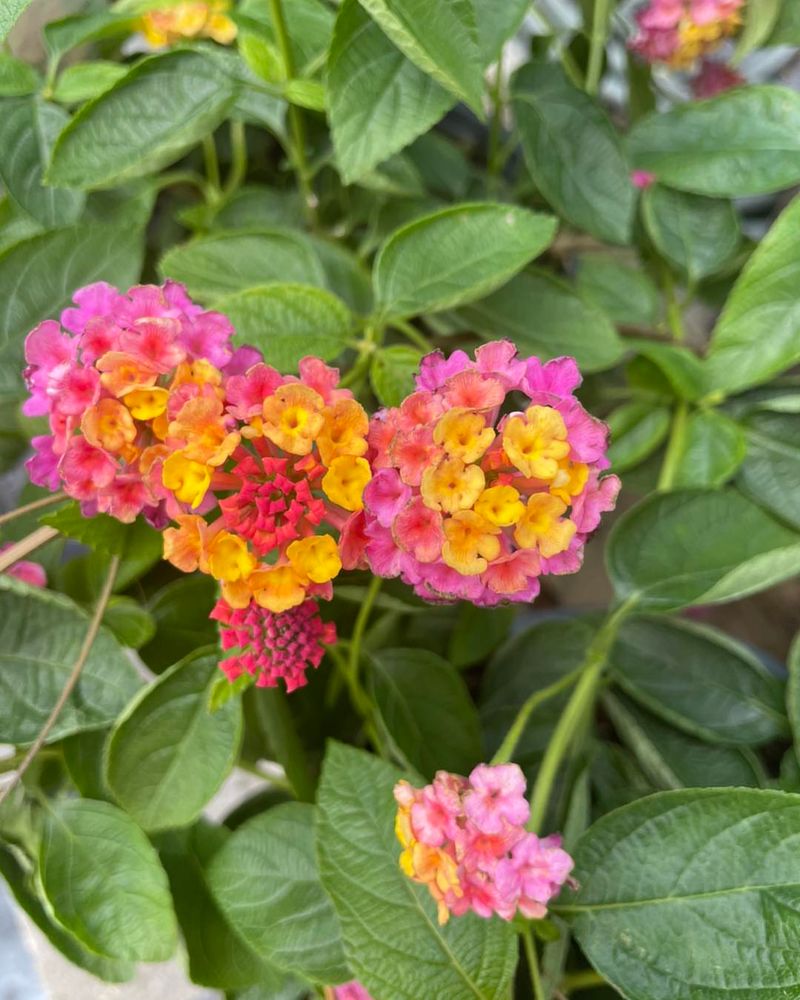
Bare soil in a Georgia summer loses moisture at a surprising rate, especially during stretches of dry heat in July and August.
A three to four inch layer of organic mulch around your lantana plants slows that moisture loss dramatically, keeping the root zone cooler and reducing how often you need to water.
It also helps suppress weeds that would otherwise compete for nutrients and space.
Pine straw is a classic choice across Georgia and works extremely well around lantana. It breaks down slowly, allows good airflow to the soil, and is widely available at garden centers and hardware stores throughout the state.
Shredded hardwood bark and wood chip mulch are also solid options that perform well in the Georgia climate.
Pull the mulch back slightly from the base of each plant rather than piling it directly against the stem. Mulch sitting tight against the stem holds excess moisture in one spot and can cause soft rot over time.
Keeping a small gap of two or three inches around the base lets the stem breathe and dry out between watering cycles.
6. Containers Need More Frequent Watering In Summer
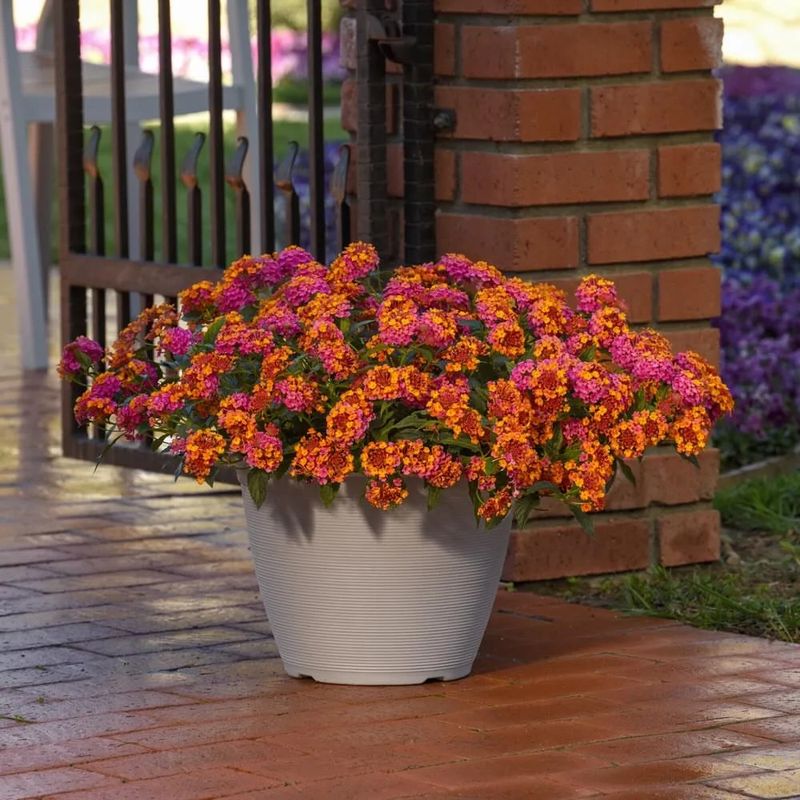
Container-grown lantana dries out much faster than plants in the ground, and Georgia summers push that process into overdrive. A pot sitting on a concrete patio or wooden deck in direct sun can lose most of its moisture within a single hot day.
Checking soil moisture daily during peak summer heat is a smart habit for any Georgia gardener growing lantana in pots.
Stick your finger about an inch into the soil before watering. If it feels dry at that depth, water thoroughly until it drains freely from the bottom of the container.
If it still feels slightly damp, give it another day. Overwatering in containers is just as problematic as underwatering, since roots sitting in soggy soil without adequate drainage can deteriorate quickly.
Choosing the right container makes a real difference. Terra cotta pots look great but dry out faster than plastic or glazed ceramic options.
Larger containers hold more soil volume, which means more moisture reserve between waterings. A pot at least twelve to sixteen inches in diameter gives lantana enough room to develop a healthy root system.
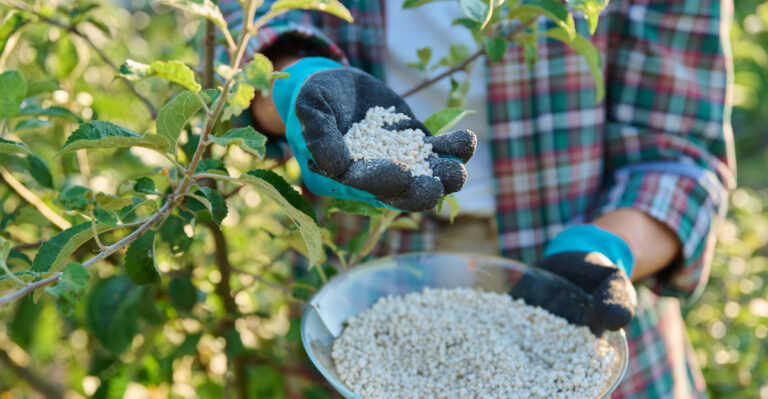
Adding a slow-release granular fertilizer to your container mix at the start of the season gives lantana a steady nutrient supply without requiring constant feeding.
7. Light Pruning Helps Plants Stay Full And Colorful
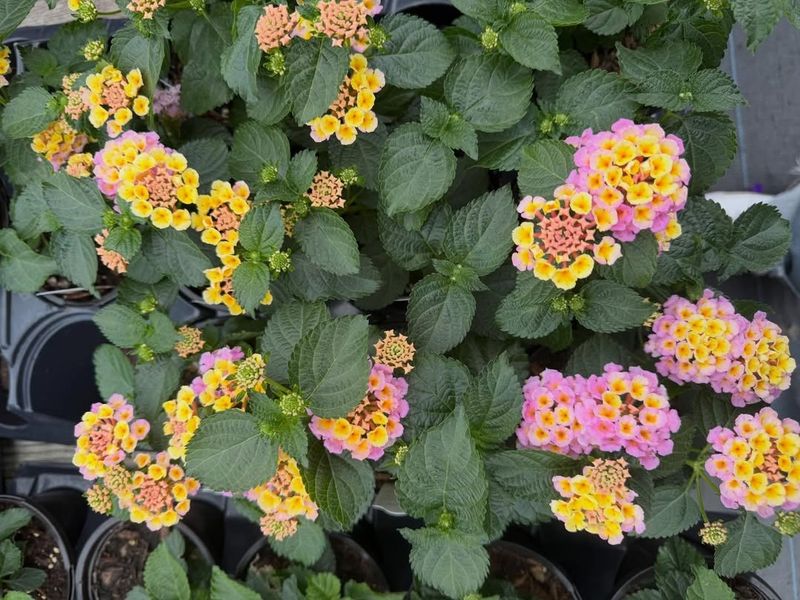
Lantana can get rangy and overgrown faster than you might expect, especially during a hot Georgia summer when growing conditions are ideal. Light pruning every few weeks keeps the plant compact, encourages fresh branching, and promotes a steady flush of new blooms.
Letting it grow unchecked often results in a leggy plant with most of the color pushed to the outer tips.
Cutting back about one-third of the stem length at a time is a reasonable approach for mid-season pruning. Avoid removing more than that at once, since heavy cutting in peak summer heat stresses the plant and slows recovery.
A light trim with clean, sharp pruning shears takes just minutes and sets the plant up for a strong second wave of blooming.
Georgia gardeners often do a more significant cutback in early spring before new growth starts. Pruning stems down to about six to eight inches from the ground at that point encourages vigorous regrowth and a fuller shape going into the warm season.
Established lantana responds well to this kind of reset and typically bounces back within a few weeks once temperatures rise.
Watching for crossing or crowded stems inside the plant is worth the effort.