8 Vegetables That Keep Growing Back After Harvest In Georgia
Fresh harvests disappear fast in Georgia once summer gardens start producing heavily. One week beds look full, and before long everything feels picked over and empty again.
Certain vegetables work differently though. Cut leaves, stems, or pods keep coming back instead of disappearing after one harvest, which makes the garden feel productive for much longer.
Georgia’s warm weather gives many crops enough time to bounce back quickly when they are harvested the right way.
Faster regrowth means fewer gaps in raised beds, steadier harvests through the season, and less pressure to keep replanting new crops every few weeks.
Small harvesting habits can completely change how long certain vegetables stay productive. Pulling too much too early often slows everything down, while careful picking encourages fresh growth again and again.
Long growing seasons in Georgia make those repeat harvest vegetables even more useful once summer gardening reaches full speed.
1. Green Onions Regrow Quickly After Cutting
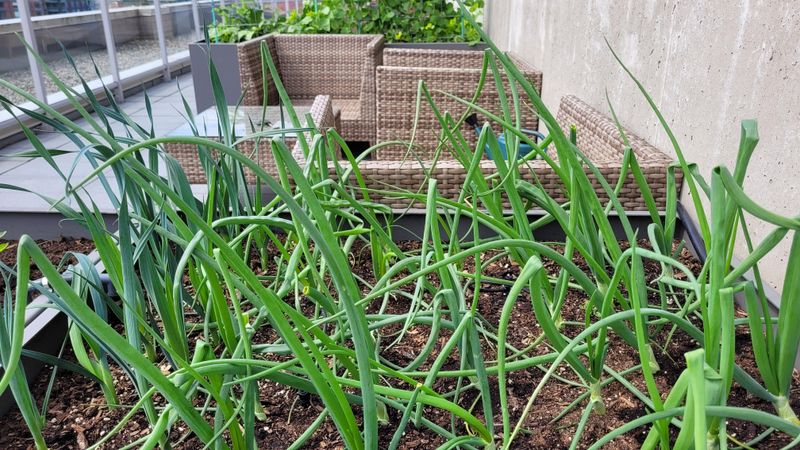
Cut green onions down to about an inch above the soil, and new shoots will appear within just a few days. Georgia’s mild temperatures make this one of the fastest-regrowing vegetables you can grow.
Most gardeners are surprised by how little effort it takes to keep a steady supply going all season long.
Plant them in a sunny spot with well-draining soil, and water them consistently but not heavily. Green onions don’t need rich soil to perform well.
A basic garden bed or even a container on a porch works just fine, especially in Georgia’s warmer months.
Each time you harvest, cut from the top and leave the base intact. Roots stay in the ground and start pushing new growth almost immediately.
In spring and fall, Georgia gardeners can harvest three or four rounds from a single planting without any trouble.
Avoid pulling the whole plant unless you’re done with that spot. Snipping instead of yanking is the key habit that keeps them producing.
Green onions are low-maintenance, quick-turnaround, and genuinely useful in the kitchen almost every day of the week.
During hot Georgia summers, a light layer of mulch helps keep the soil from drying out too quickly and keeps regrowth more consistent between harvests.
Many gardeners also succession plant green onions every couple of weeks so fresh shoots are always coming in as older clumps slow down.
2. Kale Keeps Producing New Leaves Through The Season
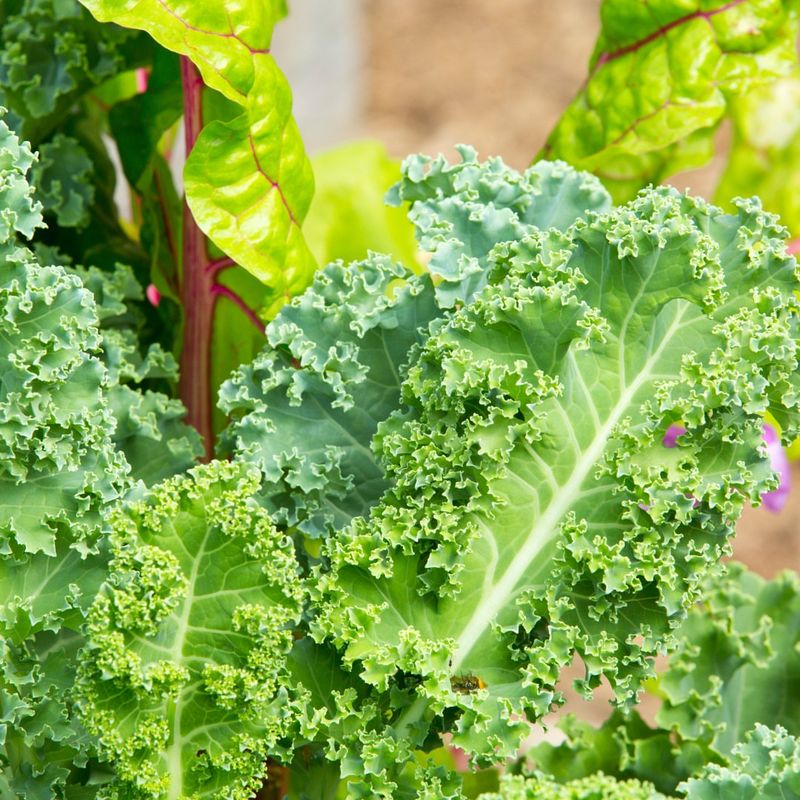
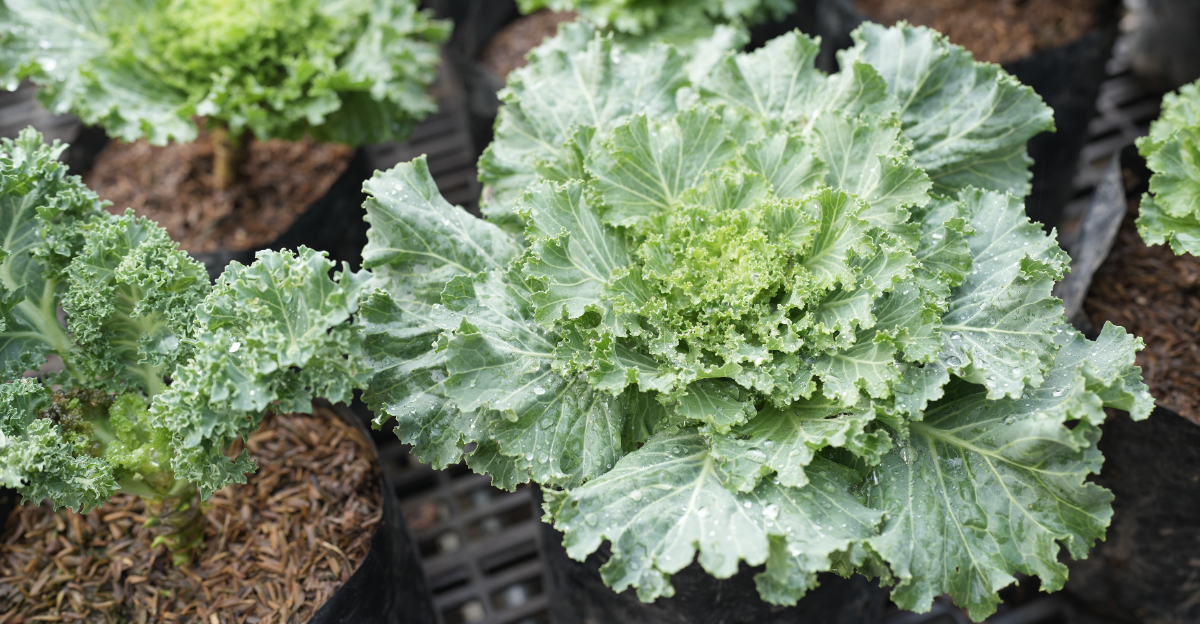
Kale is one of those vegetables that actually seems to get stronger the more you harvest it. Pick the outer leaves and the center keeps pushing out fresh growth at a steady pace.
Georgia gardeners who plant kale in fall can harvest well into winter without any serious interruption.
Start picking when leaves are large enough to use but before they get tough and bitter. Younger leaves taste better and come back faster.
Leave at least four to five inner leaves on the plant every time you harvest so it has enough surface area to keep producing through photosynthesis.
In Georgia, kale does best when planted in late summer or early fall. The cooler temperatures of October and November actually improve the flavor, making the leaves sweeter and more tender.
Your Georgia Garden Changes Every Week. Your Plan Should Too.
Gardening in Georgia changes quickly throughout the season. Every Friday you’ll receive a simple weekly plan showing exactly what to plant, prune, fertilize, harvest, and protect so you never miss the right timing.
Heat in the summer months can cause it to bolt, so timing your planting matters more than most people realize.
Varieties like Lacinato and Red Russian tend to hold up especially well in Georgia’s climate. With consistent watering and occasional fertilizing, a single kale plant can produce harvestable leaves for several months.
That kind of output from one plant makes it a reliable staple in any Georgia vegetable garden.
A light layer of mulch around kale helps keep soil moisture steady during dry stretches in Georgia fall weather.
Healthy plants usually recover quickly after each harvest and continue sending out fresh leaves from the center.
3. Swiss Chard Continues Growing After Regular Harvests
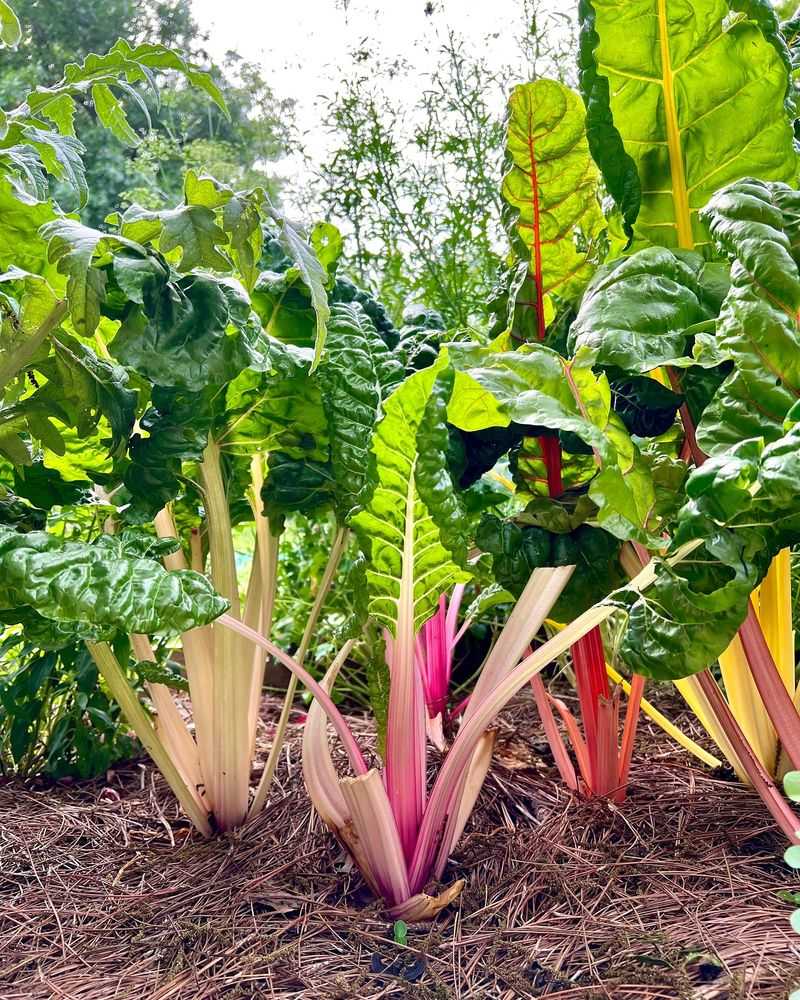
Swiss chard has a reputation for being tough, and that reputation is well-earned. Pull off the outer stalks and the center crown just keeps cranking out new ones.
Georgia gardeners often describe it as one of the most reliable cut-and-come-again crops in the whole garden.
Harvest by cutting individual stalks at the base rather than pulling the whole plant. Always leave the inner cluster of young leaves untouched.
Those small center leaves are what drive new growth, and removing them too early will slow the plant down noticeably.
Swiss chard handles Georgia’s spring and fall seasons well, though it can struggle in the peak of summer heat. Providing afternoon shade during July and August can help extend its productive life significantly.
A shade cloth or nearby taller plants can make a real difference when temperatures climb.
Bright Lights is a popular variety among Georgia gardeners because of its colorful stems and solid production. Regular watering and a light side-dressing of compost every few weeks keeps plants healthy and productive.
Under decent conditions, a well-maintained Swiss chard plant can be harvested repeatedly for three to four months without needing to be replaced.
Cool nights in Georgia often help Swiss chard stay more tender and flavorful during the fall growing season. Older outer stalks are usually the best ones to harvest first since the center leaves continue replacing them quickly.
4. Lettuce Produces Fresh Leaves After Outer Picking
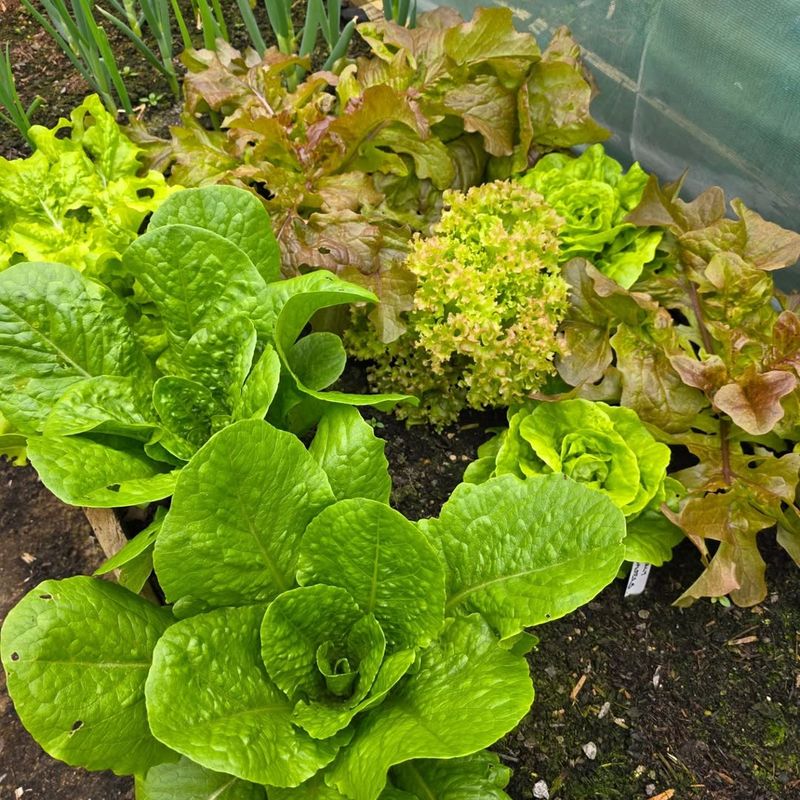
Loose-leaf lettuce is practically made for the cut-and-come-again method. Snip the outer leaves and the center keeps growing, giving you a fresh batch within a week or two depending on conditions.
Georgia gardeners in cooler months can repeat this cycle many times before the plant eventually bolts.
Bolting happens when temperatures climb too high, causing the plant to shift energy toward flowering instead of leaf production. In Georgia, this usually becomes a concern by late spring.
Planting in late February or early March gives you the longest possible harvest window before summer heat shuts things down.
Varieties like Black Seeded Simpson and Red Sails are particularly well-suited for Georgia’s climate. Both are heat-tolerant compared to other lettuce types, which gives them a bit more staying power in the garden.
Planting in partial shade also helps slow the bolting process when warmer days arrive.
Water consistently and keep the soil moist but not waterlogged. Lettuce has shallow roots, so it dries out faster than deeper-rooted crops.
Mulching around the base helps retain moisture and keeps soil temperatures stable, which matters a lot when Georgia afternoons start warming up in April and May.
Frequent harvesting actually helps loose leaf lettuce stay productive longer before it starts focusing on flowering.
Picking leaves in the morning also gives you crisper texture and better flavor, especially during warmer Georgia spring weather.
5. Collard Greens Keep Pushing Out New Growth
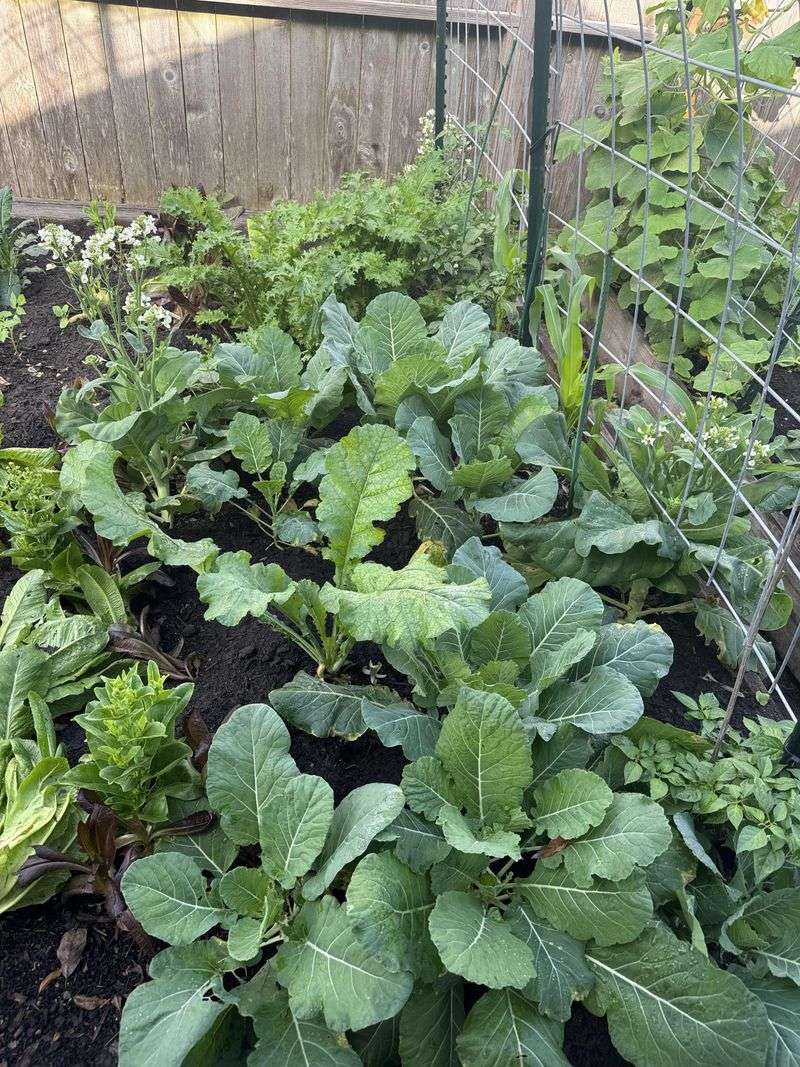
Collard greens are as Georgia as sweet tea on a hot afternoon. They’ve been grown in Southern soil for generations, and for good reason.
Few vegetables are as forgiving, as productive, or as willing to keep growing after repeated harvests throughout the season.
Harvest the lower and outer leaves first, always leaving the top growing point intact. That central bud is where all new growth originates, so protecting it is essential.
As long as the crown stays healthy, collards will continue pushing out new leaves week after week with minimal attention.
Georgia’s fall and winter seasons are prime time for collard greens. Light frost actually improves the flavor, making the leaves sweeter and more tender than anything you’d get during summer.
Many Georgia gardeners plant in August or September specifically to take advantage of that cold-weather flavor boost.
Georgia Cabbage Collards and Vates are two varieties that perform consistently well across the state. Both handle heat and cold better than most leafy greens, which extends their productive season considerably.
Regular watering, decent soil, and occasional fertilizing are really all they need to stay productive for five to six months without replanting.
Healthy collard plants often keep producing new leaves even after several heavy harvests, which makes them one of the most dependable crops for Georgia gardens.
6. Basil Grows Back Fast After Frequent Harvesting
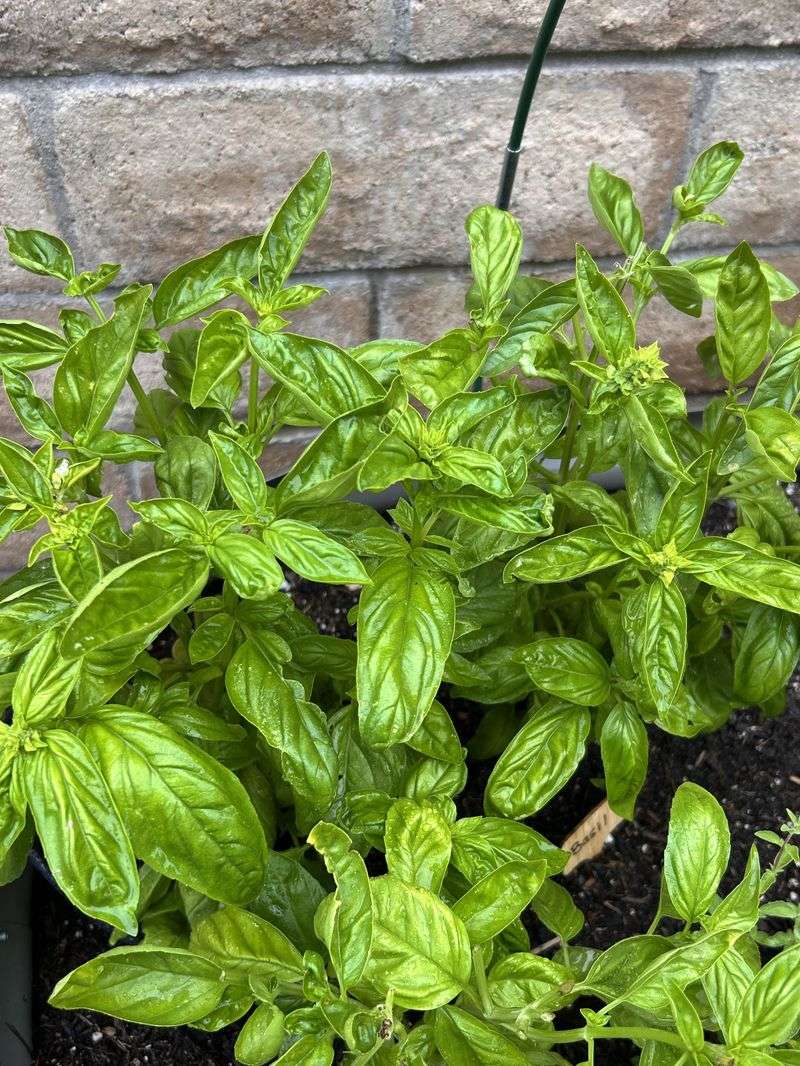
Pinch basil back regularly and it becomes one of the most productive herbs in your Georgia garden. Skipping harvests is actually what causes problems, because basil that’s allowed to flower quickly loses its best leaf production and flavor.
Regular cutting keeps the plant in a vegetative, leafy state longer.
Always cut just above a pair of leaves when harvesting. New shoots will emerge from those leaf nodes within days, branching out and making the plant wider and bushier over time.
A single basil plant managed this way can produce far more than one that’s left alone.
Georgia summers are hot and humid, which basil genuinely loves. It thrives in full sun and warm soil, so it fits naturally into a Georgia summer garden without much extra effort.
Water at the base rather than overhead to reduce the risk of fungal issues that humid conditions can encourage.
Genovese and Italian Large Leaf are reliable performers in Georgia. Plant after the last frost, typically around mid-March to early April in most parts of the state, and you’ll have fresh basil through September or even October.
Covering plants on unusually cool nights early in the season helps them get established faster and start producing sooner.
Frequent harvesting encourages basil to keep producing tender new leaves instead of slowing down mid season.
7. Bok Choy Produces Smaller Leaves After Cutting
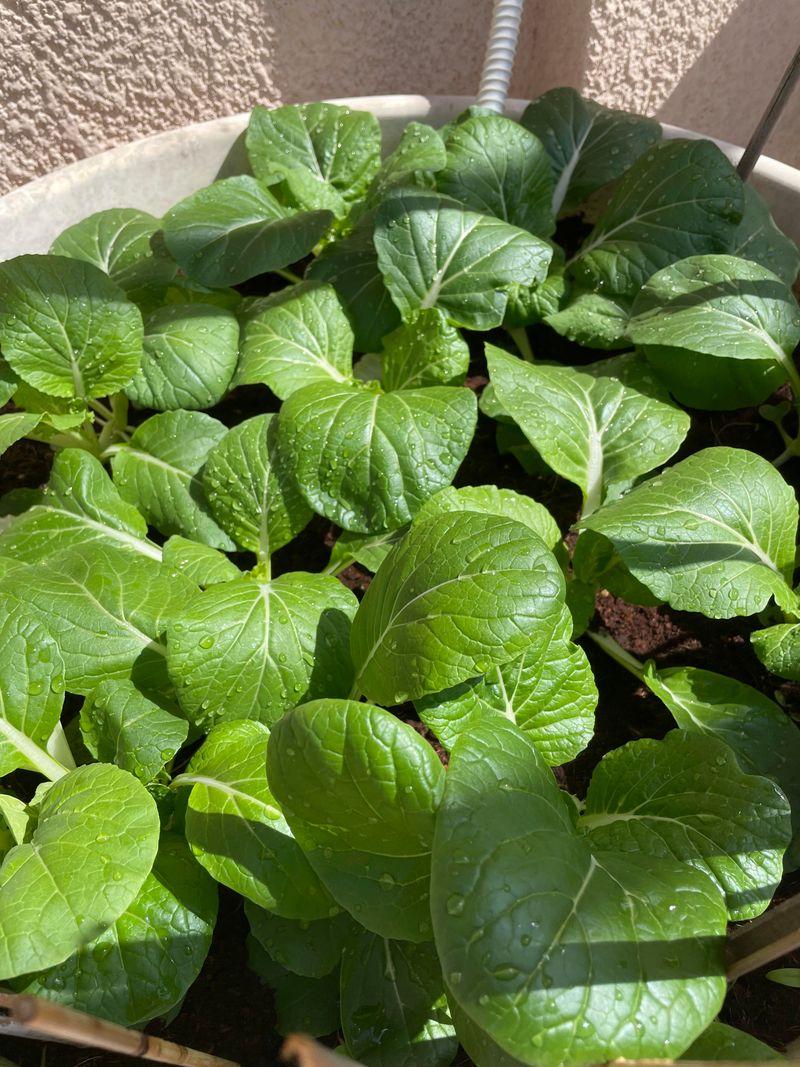
Bok choy doesn’t always get the credit it deserves as a cut-and-come-again vegetable. Cut the outer stalks and the center will continue producing smaller but still very usable leaves.
It won’t regrow to full size, but the tender inner growth that follows is actually great for stir-fries and salads.
For the best results, cut stalks individually at the base rather than harvesting the whole head. Leaving the central bud untouched is what allows regrowth to happen.
Some gardeners prefer harvesting the whole plant and letting a small stub regrow, which can work but tends to produce less than the selective method.
Georgia’s spring season is ideal for bok choy because it prefers cooler temperatures. Plant in February or early March and harvest before the heat of late spring sets in.
Bolt-resistant varieties like Joi Choi hold up a bit longer in warming temperatures, giving Georgia gardeners slightly more time to keep harvesting.
Consistent moisture is important for bok choy, especially in Georgia’s variable spring weather. Dry spells cause stress that speeds up bolting, so watering regularly and mulching the soil helps maintain the right conditions.
Even a small raised bed or container garden in Georgia can support a productive bok choy planting with just moderate attention.
Light afternoon shade can also help bok choy stay productive a little longer once Georgia temperatures begin warming up in late spring.
8. Celery Can Regrow New Stalks From The Base
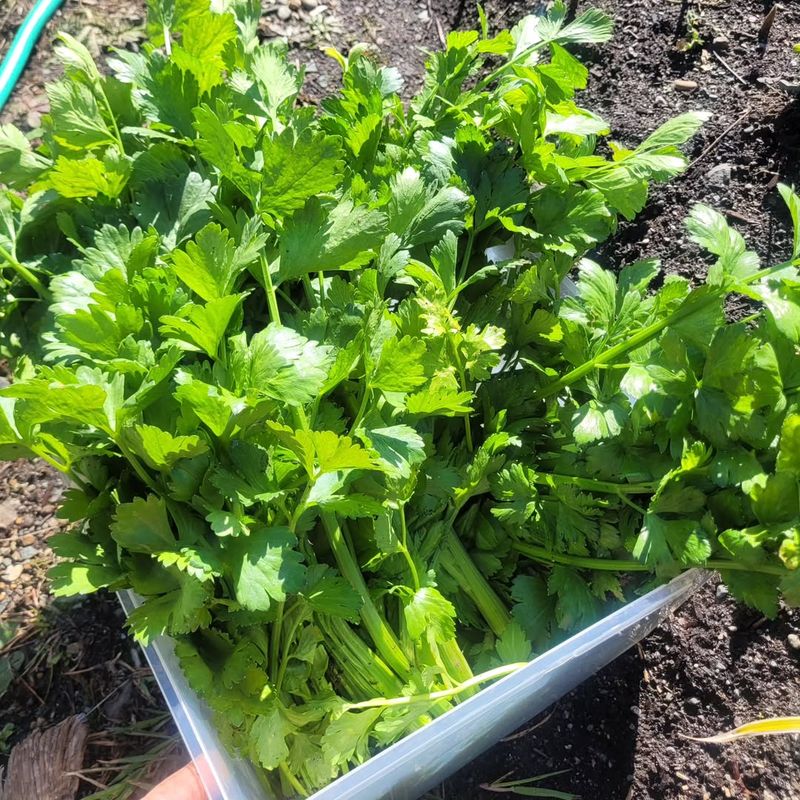
Regrowing celery from a store-bought base is one of those gardening tricks that feels almost too easy. Place the cut base in a shallow dish of water near a sunny window, and small green shoots will appear from the center within a week.
Georgia gardeners who try it once usually make it a regular habit.
Once shoots are a few inches tall, transfer the base to a pot or garden bed with good compost-rich soil. Celery is a heavy feeder and needs consistent moisture to grow well.
Georgia’s humid climate can actually work in your favor here, as long as you keep the soil evenly moist and not dried out.
Celery grows best in Georgia during fall and early spring when temperatures are mild. It doesn’t love extreme heat, so planting in late summer for a fall harvest tends to work better than trying to push it through a Georgia summer.
Raised beds with amended soil give celery the drainage and nutrients it needs to stay productive.
Regrown celery stalks are typically thinner than what you’d buy at a grocery store, but they’re flavorful and genuinely useful in cooking. With patience and consistent watering, a single base can produce harvestable stalks over several weeks.
It’s a satisfying, low-cost way to extend your Georgia garden’s output without buying new seeds.