8 Plants That Bring Butterflies To Georgia Gardens And Keep Mosquitoes Away
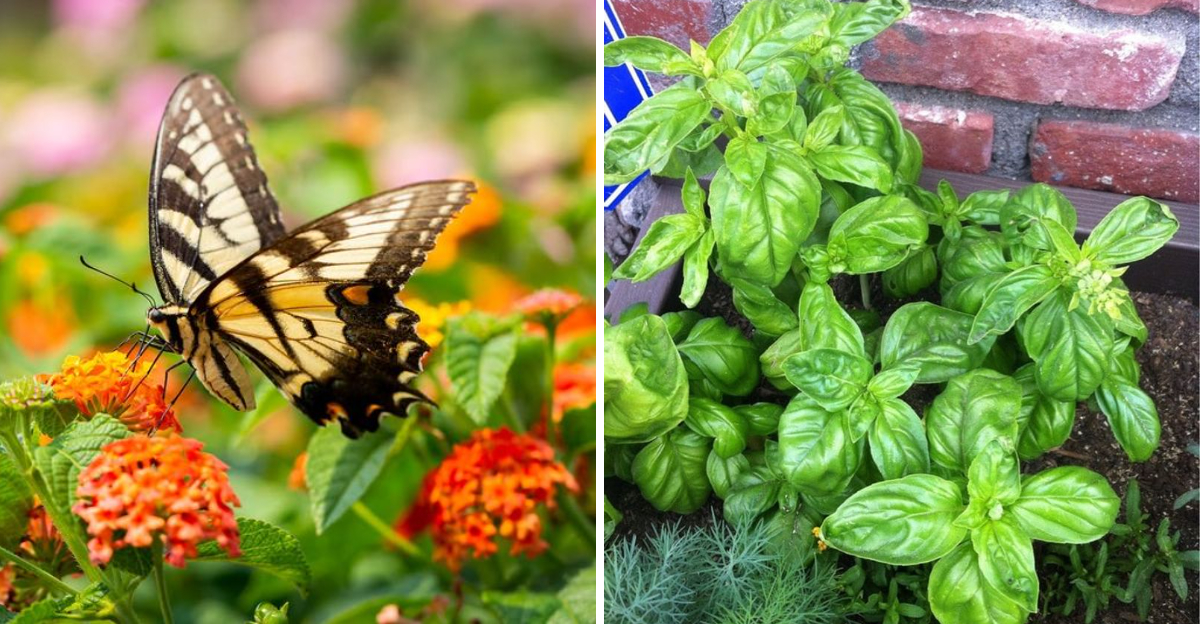
Warm weather in Georgia usually brings more butterflies into the garden, but it also brings mosquitoes that quickly make outdoor spaces less enjoyable.
Some plants seem to attract nonstop pollinator activity while the buzzing pests still take over the yard by evening. That balance is what many gardeners start paying attention to once spring settles in.
Certain plants are known for drawing butterflies with colorful blooms, steady nectar, and long flowering periods. At the same time, strong fragrance, aromatic leaves, or natural oils can make the surrounding area less inviting for mosquitoes.
The result is a garden that feels far more active and comfortable during the warmer months.
Placement also matters more than many people realize. A few well chosen plants near patios, walkways, or seating areas can completely change how the space feels through late spring and summer in Georgia.
Some of the most useful options also happen to be among the easiest plants to grow once temperatures start rising.
1. Lavender Helps Bring Butterflies While Deterring Mosquitoes
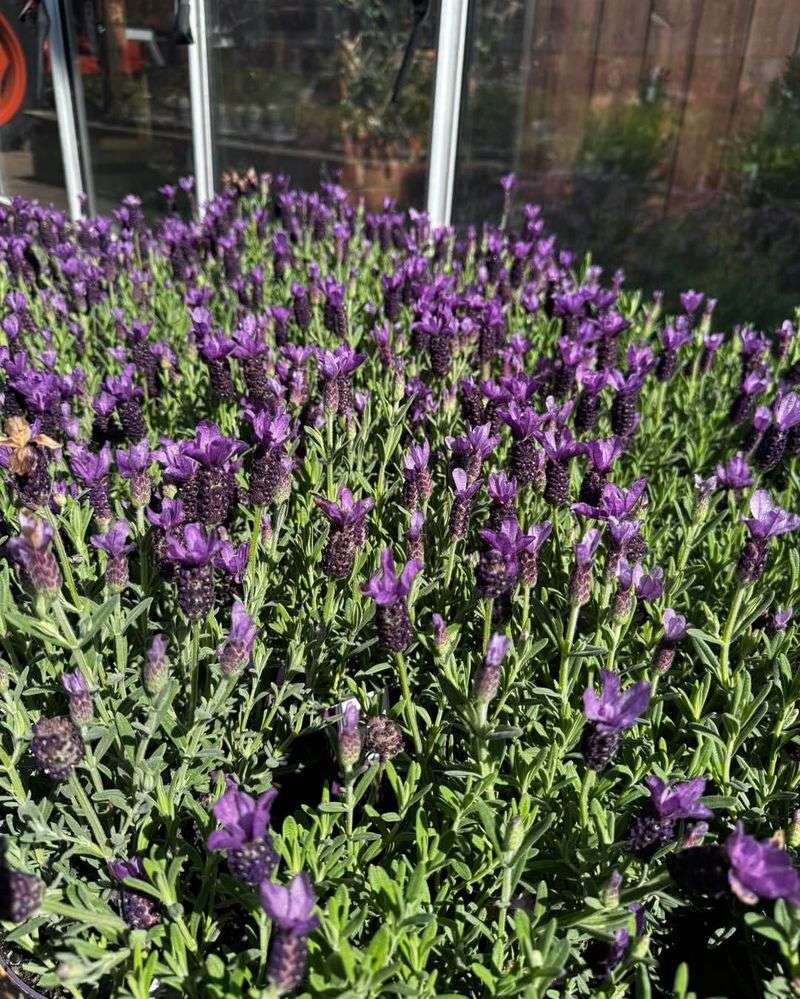
Few plants pull double duty as gracefully as lavender does in a Georgia garden. Purple flower spikes rise above silver-green foliage, and on a warm afternoon, you can watch swallowtails and painted ladies land on nearly every stem.
Butterflies are drawn to the nectar, and they keep coming back as long as the blooms are fresh.
Mosquitoes, on the other hand, strongly dislike the scent lavender releases. The plant contains linalool and linalyl acetate, compounds that mosquitoes tend to avoid.
Planting lavender near a patio, seating area, or open window can reduce how often mosquitoes linger in those spots, though it won’t eliminate them entirely.
In Georgia, lavender grows best in well-drained soil with full sun exposure. Heavy clay soil holds too much moisture and can cause root rot, so raised beds or amended soil work better here.
Spanish lavender handles Georgia’s humidity more reliably than English lavender. Trim spent blooms regularly to encourage a second flush of flowers and keep the plant from getting woody.
Most gardeners in the state plant lavender in spring after the last frost, and it tends to thrive through the heat if watered sparingly. A little neglect actually suits lavender well.
Good air circulation also makes a big difference for lavender in Georgia, especially during humid summers when damp foliage can lead to fungal problems.
Once established, the plant is surprisingly drought tolerant and usually performs better with deep, infrequent watering instead of constant moisture.
2. Bee Balm Attracts Butterflies With Its Strong Scent
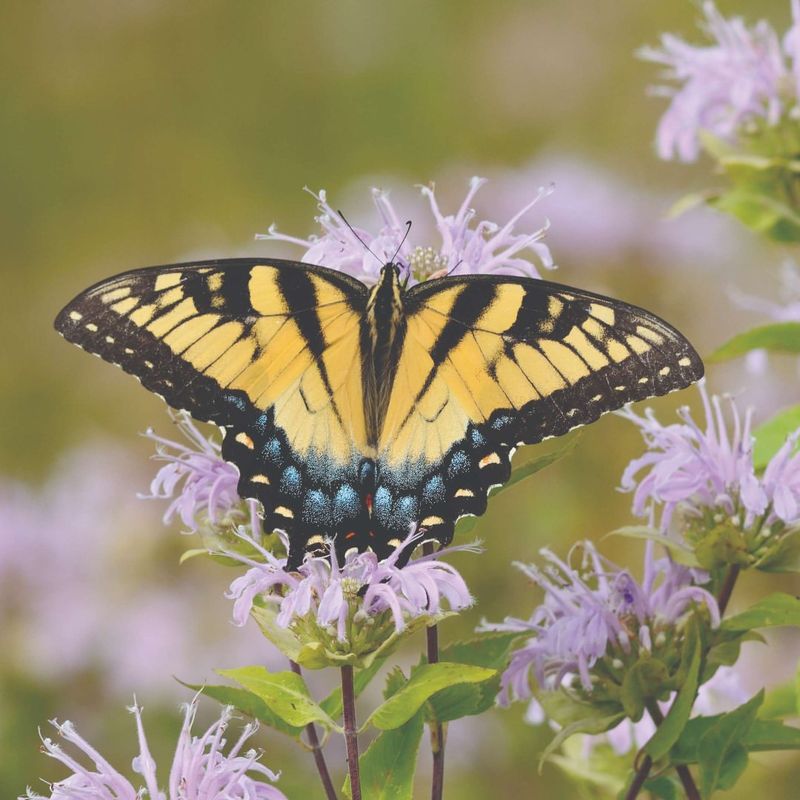
Bee balm is one of those plants that stops people mid-walk. Shaggy, firework-shaped blooms in red, pink, or purple sit on tall stems and practically glow in a Georgia summer garden.
Butterflies zero in on it fast, especially swallowtails and fritillaries, because the tubular flowers are perfectly shaped for feeding.
Beyond the visual appeal, bee balm has a strong minty, oregano-like scent that mosquitoes find off-putting. It belongs to the mint family, and like its relatives, it releases aromatic oils that tend to discourage insects that rely on scent to find their targets.
Your Georgia Garden Changes Every Week. Your Plan Should Too.
Gardening in Georgia changes quickly throughout the season. Every Friday you’ll receive a simple weekly plan showing exactly what to plant, prune, fertilize, harvest, and protect so you never miss the right timing.
Planting it near outdoor gathering spots can help reduce mosquito presence in those areas, though results vary depending on wind and garden layout.
Growing bee balm in Georgia is straightforward. It prefers moist, well-drained soil and does well in full sun to partial shade.
Afternoon shade can actually help it hold up better during Georgia’s intense summer heat. Powdery mildew is the most common issue, so spacing plants with good airflow makes a difference.
Divide clumps every two or three years to keep them healthy and blooming strong. Once established, bee balm spreads readily, so give it room.
Cut back spent flower heads to extend the blooming season well into late summer across Georgia gardens.
Native varieties of bee balm usually handle Georgia’s humidity better than some of the more heavily bred ornamental types, especially in areas with limited airflow.
3. Lantana Keeps Butterflies Visiting Through Summer
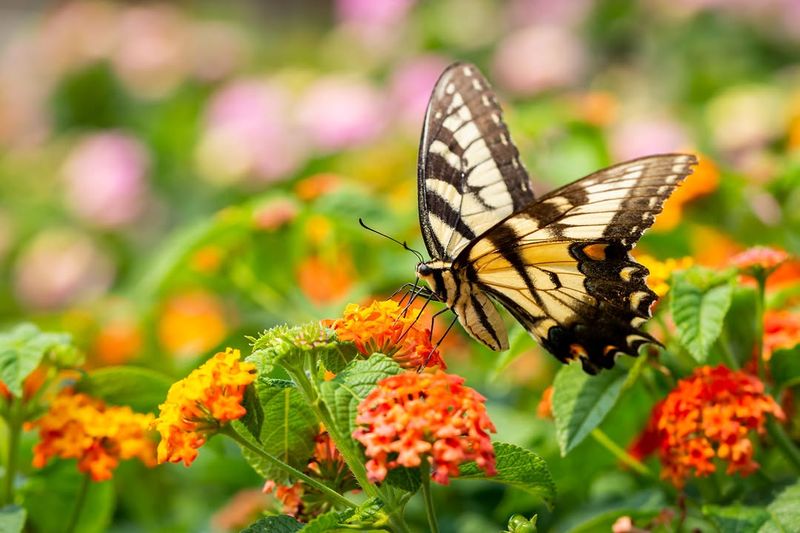
Walk past a blooming lantana on a hot Georgia afternoon and you’ll likely see more butterflies on it than on anything else in the yard. Gulf fritillaries, monarchs, skippers, and swallowtails all treat lantana like a buffet.
The clustered flower heads offer easy landing spots and a steady supply of nectar from late spring straight through the first cool snap of fall.
Lantana also has a pungent, slightly bitter scent that mosquitoes tend to avoid. The scent is strong enough to be noticeable when you brush against the leaves.
In Georgia, lantana is practically made for the climate. It loves heat, tolerates drought once established, and keeps blooming even when other plants give up in July and August.
Plant it in full sun for the best flower production. It can be grown as a perennial in South Georgia and as a warm-season annual in the northern parts of the state.
Deadheading isn’t required, but removing old clusters occasionally encourages fresh blooms. Watch for whiteflies, which can be an issue in humid conditions, and treat early if spotted.
Lantana is one of the most rewarding plants a Georgia gardener can grow.
Trailing varieties work especially well in hanging baskets and raised planters, where the colorful blooms can spill naturally over the edges through the Georgia summer.
4. Basil Releases A Scent Mosquitoes Tend To Avoid
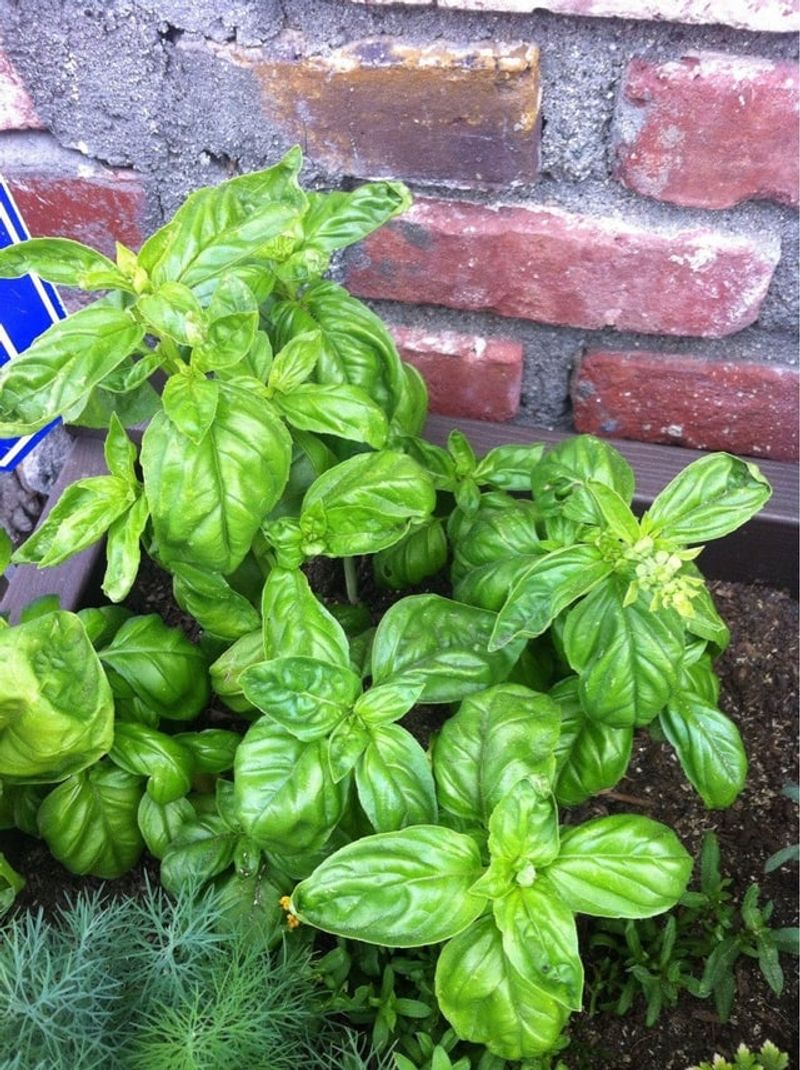
Most people grow basil for the kitchen, but there’s a good reason to put a few pots near the back door or patio in Georgia. Basil releases a sharp, clove-like aroma that mosquitoes find unpleasant.
When basil is allowed to flower, small white or pale purple blooms appear on tall spikes and attract a surprising number of butterflies and bees. Letting a few plants go to flower while keeping others trimmed gives you the best of both worlds: fresh leaves for cooking and blooms for pollinators.
Skippers and small native butterflies are frequent visitors to flowering basil in Georgia gardens.
Basil thrives in Georgia’s warm summers but needs consistent moisture and full sun to perform well. Container growing works great because you can move pots to ideal spots.
Avoid overhead watering, which can cause leaf spots. Pinch off flower buds regularly on the plants you want to harvest from, but let at least one or two plants bloom freely for the butterflies.
Sweet basil, lemon basil, and Thai basil all work well in Georgia’s climate. Start seeds after the last frost date or buy transplants from a local nursery.
5. Marigolds Help Reduce Mosquito Activity Naturally
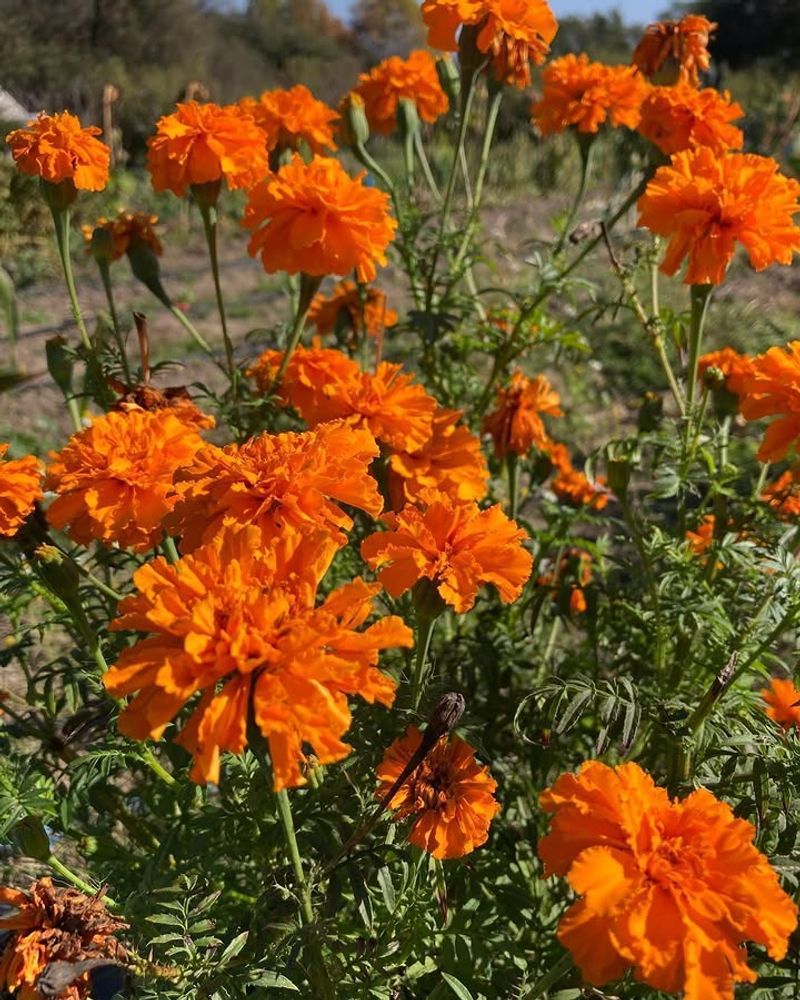
Marigolds have been a garden staple for generations, and Georgia gardeners have long used them along borders and beds for a reason that goes beyond looks. Pyrethrum, a natural compound found in certain marigold varieties, is actually used in commercial insect repellents.
While a garden bed of marigolds won’t replicate a spray bottle, the scent they release does seem to reduce mosquito activity in the immediate area, particularly around sitting areas or entryways.
Butterflies respond very differently to marigolds. Painted ladies, sulphurs, and skippers are regulars on marigold blooms, drawn in by the flat-topped flower heads that make landing and feeding easy.
Planting marigolds near vegetable gardens also benefits the broader ecosystem by pulling in pollinators that help other plants nearby.
French marigolds tend to perform better in Georgia than African marigolds because they handle heat and humidity without getting too leggy. Plant them in full sun after the last spring frost, and water at the base to keep foliage dry.
Deadhead spent blooms consistently to keep new flowers coming all season long. Marigolds are one of the easiest annuals to grow from seed, and direct sowing works well in Georgia’s warm soil.
They’re inexpensive, widely available, and add strong color to any garden bed. Plant them in clusters rather than single rows for the best visual and practical impact.
6. Mint Flowers Bring Butterflies With A Fresh Scent
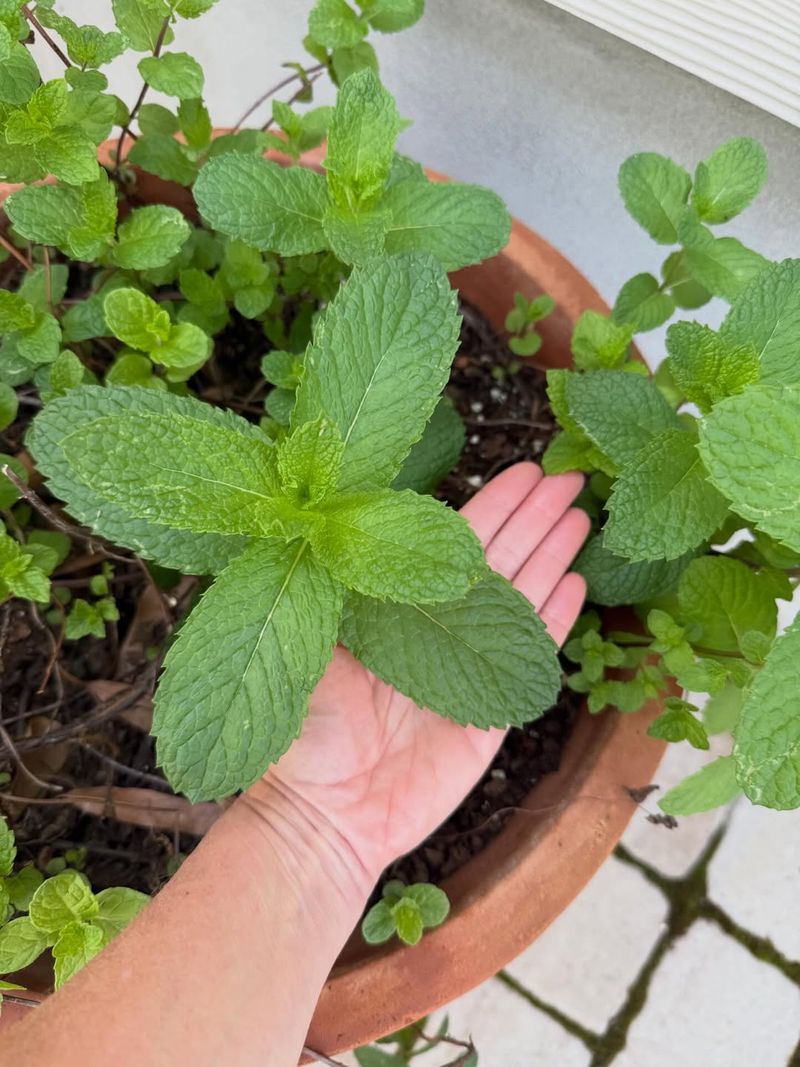
Mint is aggressive, and that’s actually part of what makes it useful. Plant it in a container or a contained bed in your Georgia garden and it’ll fill the space quickly, releasing a sharp, cool fragrance every time the wind moves through it or you brush past.
That scent is pleasant to most people and intensely off-putting to mosquitoes, which rely on their sense of smell to locate hosts.
When mint is allowed to flower, the tiny purple, white, or pink blooms that appear on tall spikes become a magnet for smaller butterfly species. Cabbage whites, skippers, and hairstreaks are especially fond of mint flowers.
Most gardeners trim mint before it blooms to keep it bushy, but letting a few stems flower gives pollinators something to visit and adds a soft texture to the garden that’s easy to overlook.
Spearmint and peppermint both grow well in Georgia, though they prefer partial shade during the hottest part of summer to avoid leaf scorch. Keep the soil consistently moist but not waterlogged.
Growing mint in containers is strongly recommended because it spreads by underground runners and can take over a garden bed quickly. A large pot near a porch or seating area gives you the mosquito-deterring benefit right where you need it most.
Harvest regularly to keep plants tidy and encourage fresh, fragrant new growth throughout the Georgia growing season.
7. Salvia Keeps Butterflies Coming Back For Blooms
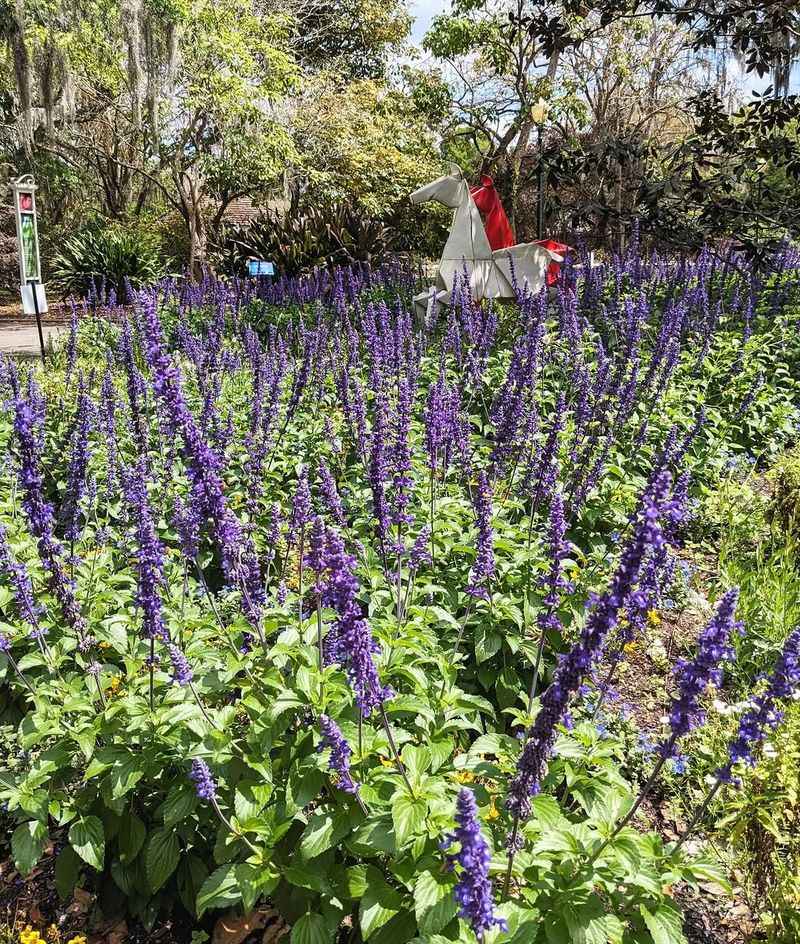
Salvia might be the single most reliable butterfly plant you can grow in Georgia. Tall flower spikes in red, blue, or purple rise above the foliage and stay in bloom for weeks at a time.
Swallowtails, monarchs, and hummingbird moths visit repeatedly throughout the day, and the plant just keeps producing flowers without much fuss from the gardener.
Beyond its butterfly appeal, salvia has aromatic foliage that many insects, including mosquitoes, find unpleasant. It’s not a replacement for repellent, but planting salvia in clusters around a patio or along a garden path creates a scented barrier that can reduce how often mosquitoes hang around those spaces.
The effect is most noticeable on calm evenings when the fragrance concentrates near the ground.
Salvia guaranitica, commonly called anise-scented sage, and Salvia coccinea, known as tropical sage, both perform exceptionally well in Georgia’s climate. They love full sun and tolerate heat and humidity better than many other garden plants.
Water regularly during dry stretches but avoid overwatering once established. Cut back stems by about a third in midsummer to encourage a fresh flush of blooms in late summer and fall.
Salvia is perennial in South Georgia and can be grown as an annual farther north. It’s widely available at Georgia garden centers and rewards even beginner gardeners with consistent, showy results season after season.
8. Citronella Grass Gives Off A Mosquito Repelling Scent
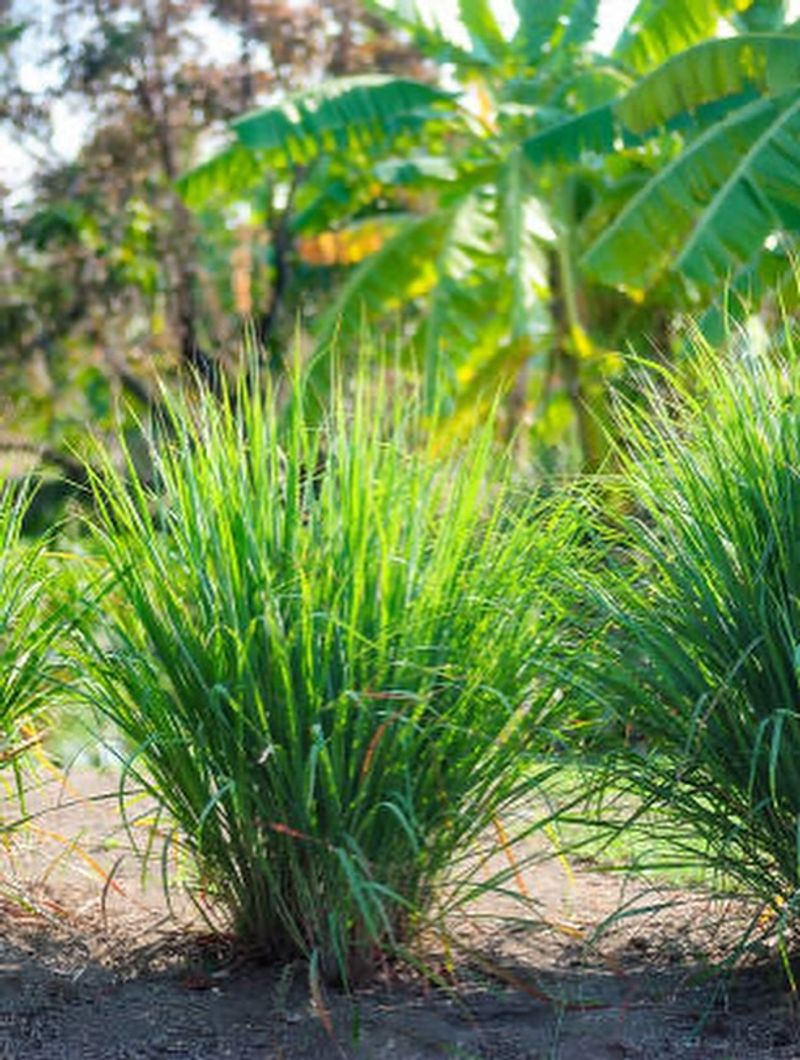
Citronella grass is probably the most recognized mosquito-repelling plant on this list, and for good reason.
It’s the same plant that citronella candles and sprays are derived from, and the real thing releases that familiar lemon-like scent naturally when the air moves through it or when leaves are touched.
Planted near a Georgia patio or deck, it creates a fragrant perimeter that mosquitoes tend to avoid.
Citronella grass itself doesn’t produce the showy blooms that butterflies seek out, but pairing it with nectar-rich plants nearby creates a garden zone where butterflies feed and mosquitoes stay away.
Many Georgia gardeners plant citronella grass as a backdrop or border behind flowering plants like lantana or salvia, letting each plant do what it does best.
In Georgia, citronella grass grows as a tender perennial and can reach four to six feet tall in a single season. It thrives in full sun and well-drained soil, and it handles Georgia’s summer heat without complaint.
Water it regularly during dry spells, especially while it’s getting established. In North Georgia, treat it as an annual or bring containers indoors before the first frost.
In coastal and South Georgia, it may come back from the roots if winters stay mild. Large containers work well for citronella grass on patios, placing the plant exactly where its mosquito-deterring scent is most needed on warm Georgia evenings.