These 8 Native Climbers Replace Invasive Wisteria In Georgia Gardens
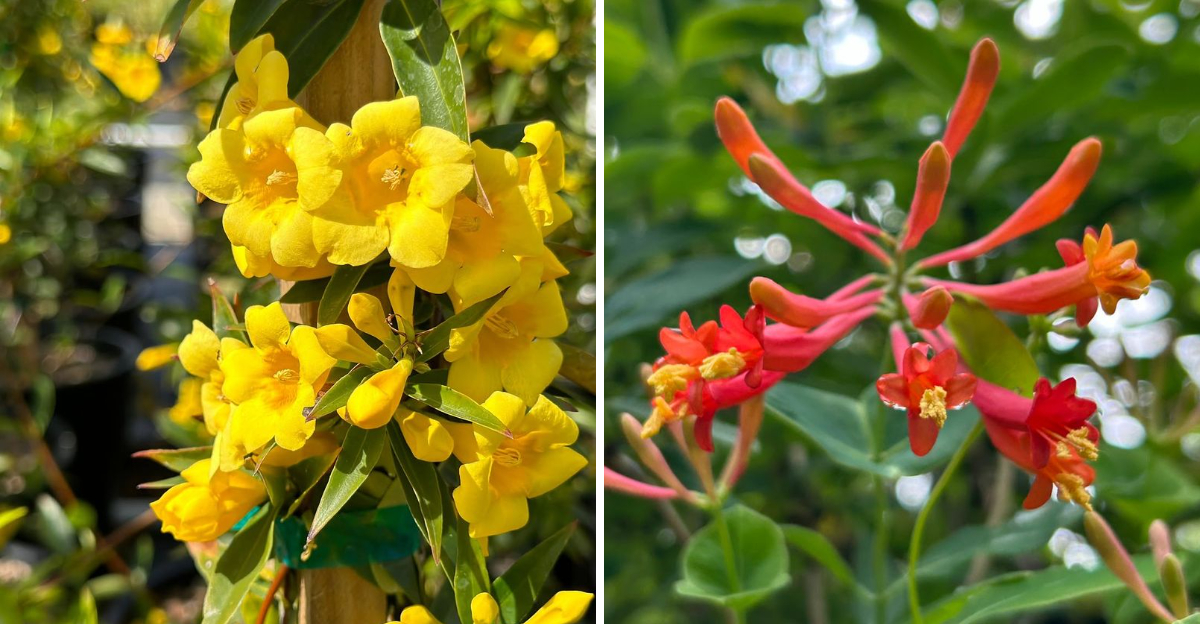
Purple blooms hanging over fences and porches may look beautiful at first, but invasive wisteria turns into a major problem surprisingly fast in Georgia gardens.
Heavy vines spread aggressively, climb into trees, pull down structures, and quickly take over areas that were never meant to be covered. Many homeowners end up spending far more time controlling it than enjoying it.
Native climbers offer a completely different experience once they settle into the landscape.
Strong growth, colorful blooms, and better behavior make them far easier to manage without losing that lush climbing look people want around trellises, arbors, and fences.
Georgia’s climate gives many native vines excellent growing conditions through spring and summer. Faster coverage, healthier support for pollinators, and less aggressive spreading make them a smarter long term choice for many yards.
Right plant selection often makes the difference between a beautiful climbing display and years of constant maintenance later on.
1. Crossvine Produces Bright Flowers And Climbs Quickly
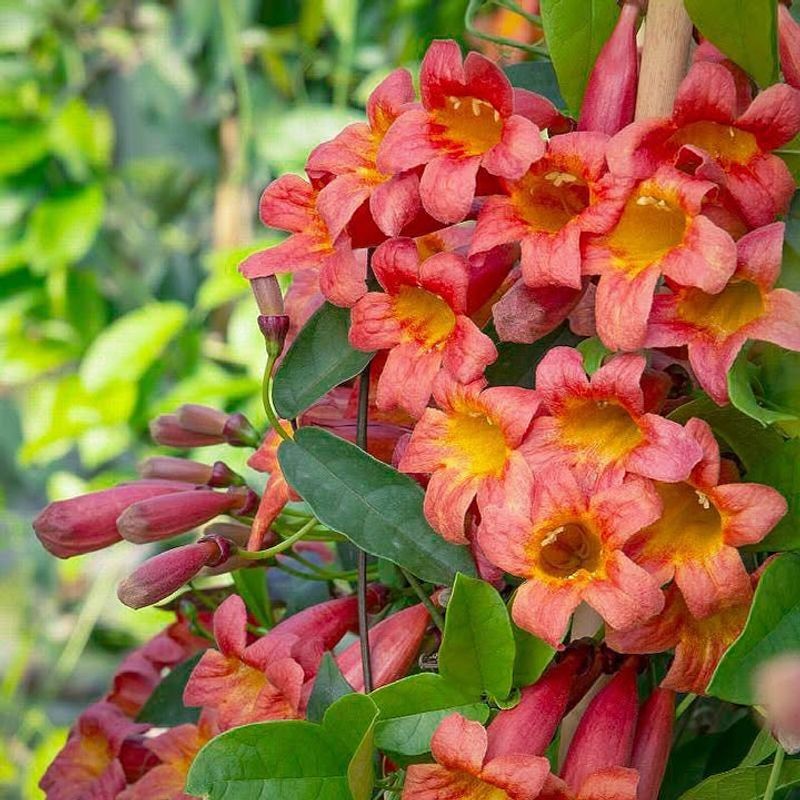
Few native vines stop people in their tracks quite like crossvine does in early spring. Those bold orange and red trumpet flowers practically glow against a wooden fence or brick wall, and hummingbirds notice them just as fast as people do.
Crossvine is native to Georgia and much of the southeastern United States, making it a natural fit for the climate here.
Unlike invasive wisteria, crossvine stays manageable with basic pruning. It uses tendrils and adhesive pads to grip surfaces without strangling the structures it climbs.
Established plants are drought-tolerant once rooted, though young plants appreciate regular watering during their first summer in Georgia heat.
Growth is genuinely fast. A healthy crossvine can cover a large trellis or arbor within two to three seasons, giving you that lush, full look you want without years of waiting.
It handles both full sun and partial shade, which makes it flexible for different yard layouts across Georgia.
Crossvine is semi-evergreen in most parts of Georgia, holding its leaves through mild winters and greening back up quickly after cold snaps. Plant it near a fence post, pergola, or mailbox structure and let it do what it does naturally.
Minimal fuss, maximum visual payoff, and no invasive regrets waiting for you down the road.
Pruning after the spring bloom cycle helps keep crossvine shaped neatly and encourages strong flowering again the following year.
2. Coral Honeysuckle Brings Color Without Taking Over
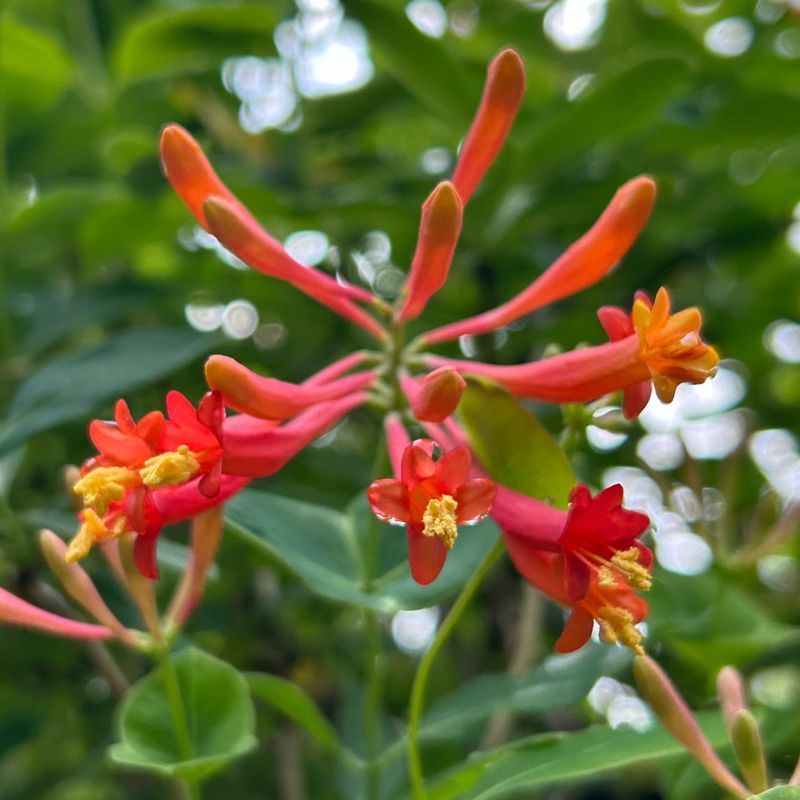
Japanese honeysuckle gets all the bad press, and for good reason. But coral honeysuckle, the native species, is a completely different story.
Lonicera sempervirens is well-behaved, strikingly beautiful, and perfectly suited to Georgia gardens from the mountains to the coast.
Coral honeysuckle blooms in bright red and coral-orange tubes that ruby-throated hummingbirds absolutely cannot resist. Bloom time runs from spring through fall with enough sunlight, giving you months of color and wildlife activity.
It does not produce the overwhelming fragrance of its invasive cousin, but the trade-off in garden manners is well worth it.
Growth stays moderate and controllable. Coral honeysuckle wraps its stems around supports rather than sending out runners that root wherever they land.
Your Georgia Garden Changes Every Week. Your Plan Should Too.
Gardening in Georgia changes quickly throughout the season. Every Friday you’ll receive a simple weekly plan showing exactly what to plant, prune, fertilize, harvest, and protect so you never miss the right timing.
Pruning once a year keeps it tidy without any major effort. It works beautifully on mailbox posts, porch railings, wire fencing, and garden trellises throughout Georgia.
Soil flexibility is one of its underrated strengths. Coral honeysuckle tolerates clay soils, which are common across central Georgia, as well as sandy soils found in coastal regions.
Full sun produces the most flowers, but partial shade is acceptable. Plant it where hummingbirds can find it easily, and you will have yourself a low-maintenance wildlife magnet that never threatens to take over the whole yard.
3. Virginia Creeper Covers Fences With Strong Growth
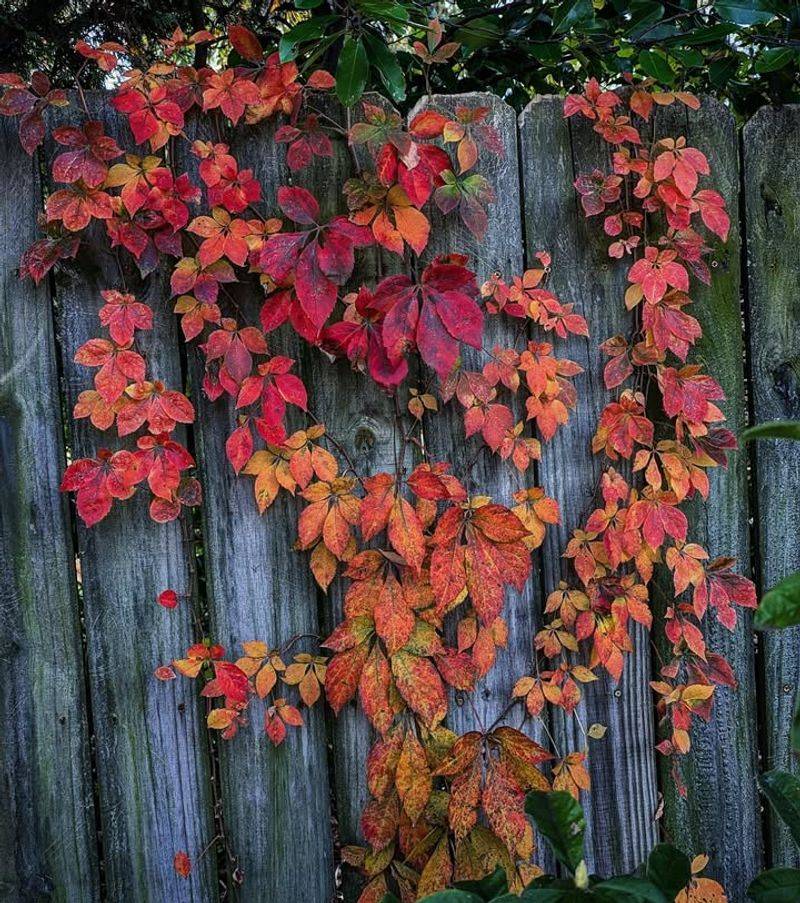
Virginia creeper does not mess around when it comes to coverage. Give it a fence, a wall, or a pergola, and it will fill every inch with dense, five-leaflet foliage that looks impressive all season long.
Come fall, that green transforms into one of the most vivid reds you will see in any Georgia garden.
Native across Georgia and most of eastern North America, Virginia creeper supports birds with its small dark berries that ripen in late summer. More than a dozen bird species eat those berries, which makes this vine genuinely useful in a wildlife-friendly yard.
Deer tend to leave it alone once it matures, which is a bonus in suburban and rural Georgia properties.
Attachment happens through adhesive pads on its tendrils, not twining stems. That means it will grip brick, wood, and vinyl surfaces firmly without wrapping around and crushing what it climbs.
Just keep it off painted surfaces you want to preserve, because those pads can leave marks when the vine is removed.
Virginia creeper handles shade better than most native climbers, making it a solid option for north-facing fences or spots under large trees. Water it well during establishment, then step back.
Once rooted in Georgia soil, this vine essentially looks after itself. Trim it back each spring if it wanders farther than you planned and it bounces right back without complaint.
4. Passionflower Adds Exotic Blooms To Garden Trellises
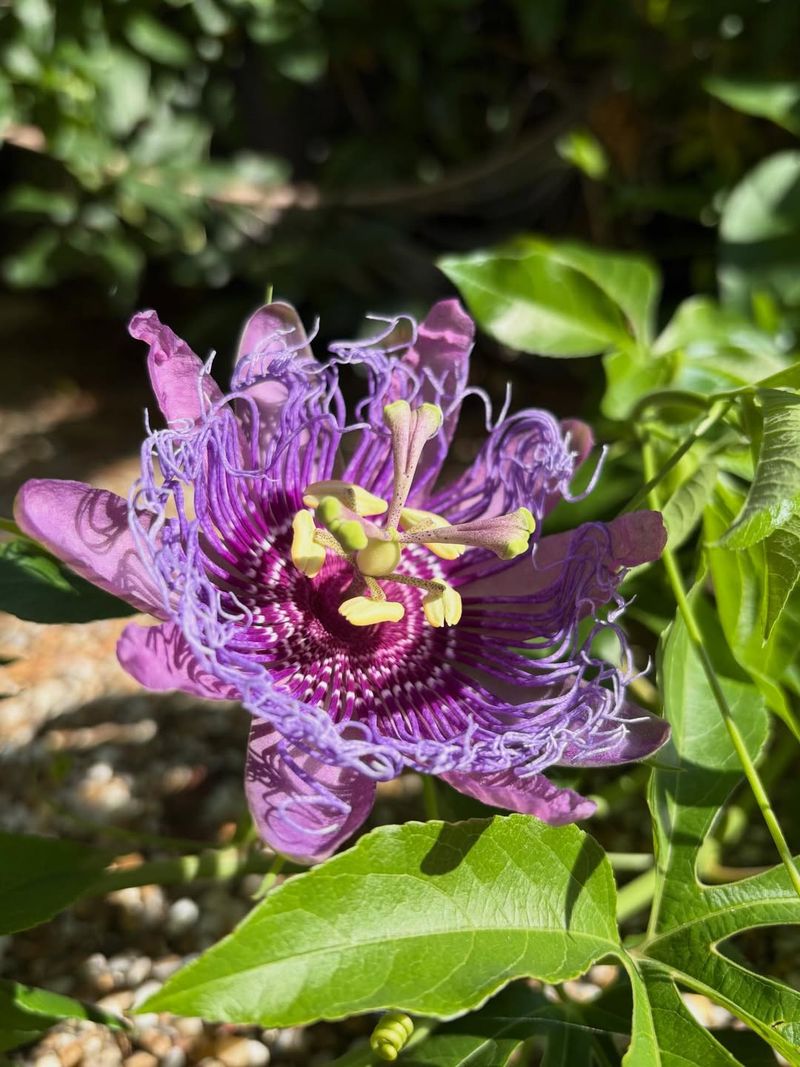
Nothing in the native plant world looks quite as otherworldly as passionflower in full bloom. Those purple and white flowers look like something a botanical artist dreamed up, with fringed crowns and layered petals that make neighbors stop and stare.
Passiflora incarnata is completely native to Georgia and grows with zero apology.
Beyond looks, passionflower serves as the only larval host plant for Gulf fritillary and zebra longwing butterflies in Georgia. Planting it means inviting those butterflies to lay eggs and complete their life cycle in your garden.
That ecological role alone puts it ahead of most ornamental options in terms of real yard value.
Growth is vigorous but manageable on a trellis or fence. Passionflower spreads through underground runners, so expect new shoots to pop up nearby over time.
Contain it with a simple root barrier or just pull unwanted shoots while they are small. It is nothing like the aggressive spread of invasive wisteria.
Maypops, the yellow-green fruits that follow the flowers, are actually edible and used in old Southern recipes and jellies. Full sun in Georgia brings the heaviest bloom set, and well-drained soil keeps roots healthy.
Established plants handle summer drought reasonably well once rooted. Plant passionflower near a sunny trellis and prepare for one of the most conversation-starting vines in any Georgia garden.
5. Carolina Jessamine Brings Early Yellow Blooms
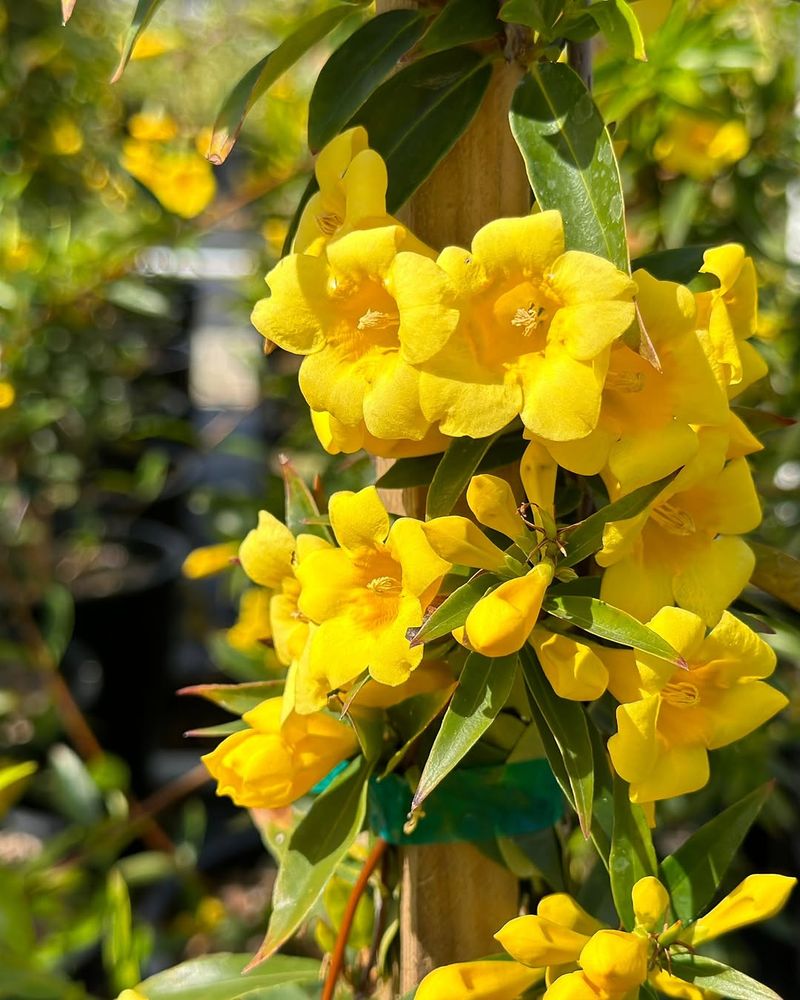
When everything else in the garden is still brown and dormant, Carolina jessamine lights up the landscape like a signal flare. Bright yellow flowers blanket this vine in late winter and early spring, often as early as February in south Georgia.
It is frequently the first splash of color gardeners see after the cold months, and that timing makes it genuinely special.
Gelsemium sempervirens is the state wildflower of South Carolina and grows naturally throughout Georgia in forest edges, roadsides, and disturbed areas. It twines readily around fences, arbors, and pergola supports without damaging structures.
Growth is moderate and steady rather than explosive, which keeps maintenance light.
Full sun brings the most flowers, but Carolina jessamine handles partial shade better than many flowering vines. It is evergreen in most of Georgia, keeping its glossy dark green leaves through winter and providing year-round coverage on structures.
That evergreen habit is a real advantage for privacy screens and fence lines.
One important note: all parts of this plant are toxic if eaten, so plant it away from areas where young children play unsupervised. Deer generally avoid it for the same reason.
Hummingbirds and certain bees visit the flowers for nectar. Carolina jessamine needs almost no supplemental fertilizer once established in Georgia soil, and it rarely requires anything beyond a light trim after blooming to stay neat and full.
6. Muscadine Vine Produces Edible Fruit On Strong Vines
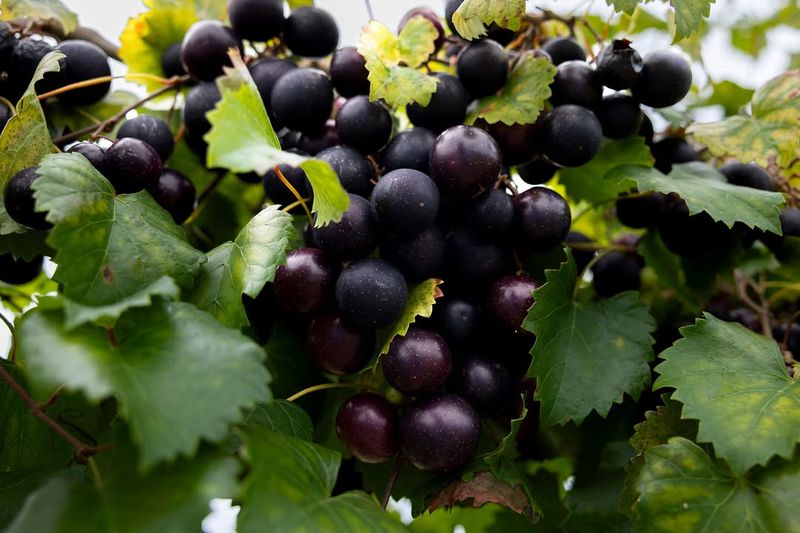
Muscadine grapes have been feeding Georgia families for generations, and they deserve a real spot in the modern landscape. Vitis rotundifolia is native to the Southeast and thrives in Georgia’s hot, humid summers in ways that European grape varieties simply cannot match.
You get a strong structural vine and a food crop in the same plant.
Muscadine vines need a sturdy support because they get heavy with fruit. A solid pergola, a well-anchored trellis, or a strong fence all work well.
Space plants about ten to fifteen feet apart and train them along horizontal wires for best fruit production. With proper setup, a single vine can produce abundantly for decades in Georgia conditions.
Pollination matters with muscadines. Some varieties are self-fertile, but planting a self-fertile variety near bronze or black types generally increases yields.
Local Georgia nurseries often carry regionally adapted varieties like Carlos, Fry, and Ison that perform well across different parts of the state.
Wildlife benefits are real too. Birds, foxes, and other animals eat fallen fruit, and the dense canopy provides nesting cover.
Muscadine leaves turn warm gold and orange in fall before dropping, giving the structure one last seasonal show. Summer pruning keeps vines productive and manageable.
If you want a native climber that pulls double duty as a food source and a shade provider, muscadine is the practical, time-tested choice for Georgia gardens.
7. Dutchmans Pipe Creates Dense Shade On Arbors
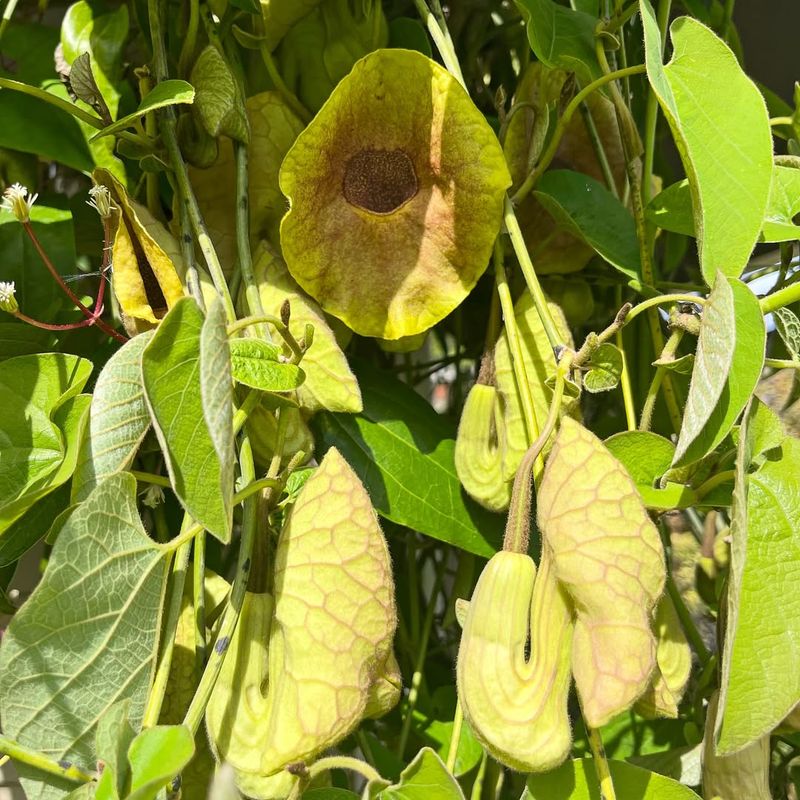
Big, bold leaves and a vine that means business. Dutchman’s pipe grows large, heart-shaped leaves that overlap densely enough to create genuine shade on an arbor or pergola, making it one of the most practical structural vines available to Georgia gardeners.
When summer temperatures push into the upper nineties, that kind of shade coverage matters a lot.
Aristolochia macrophylla is native to the Appalachian region and adapts well to north Georgia gardens especially. It twines around supports naturally and covers structures quickly once established.
The unusual pipe-shaped flowers are hidden beneath the foliage most of the time, but they are fascinating up close and worth searching for in late spring.
Pipevine swallowtail butterflies depend on Aristolochia species as their only larval host plant. Planting Dutchman’s pipe in a Georgia yard is one of the most direct ways to support that beautiful butterfly.
Expect to see caterpillars feeding on leaves during summer. That is the whole point, and the plant handles it well.
Partial shade suits Dutchman’s pipe better than intense full sun, especially in the hotter parts of Georgia where afternoon heat can stress young plants. Rich, moist soil with good drainage produces the strongest growth.
Water consistently during the first two seasons while roots establish. After that, the vine handles Georgia summers with minimal intervention.
It is a workhorse shade plant that also functions as a butterfly nursery.
8. American Wisteria Gives A Native Alternative To Invasive Types
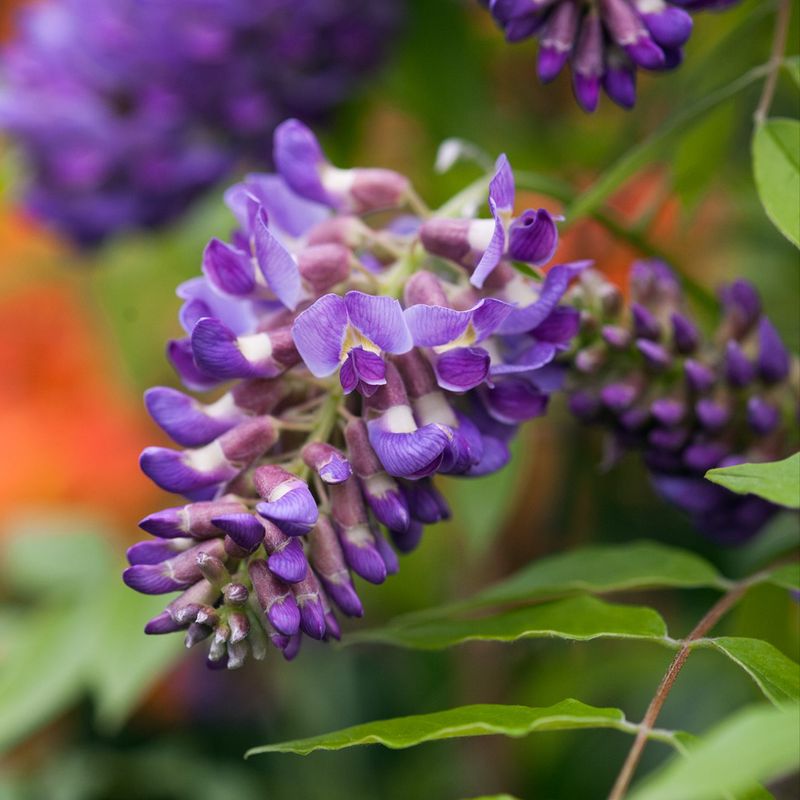
Here is the honest truth most gardeners do not know: there is a wisteria native to Georgia that behaves itself. Wisteria frutescens, or American wisteria, produces those same gorgeous drooping flower clusters in purple-blue shades without the aggressive, structure-crushing growth that makes Asian species such a nightmare to manage.
Same beauty, completely different behavior.
American wisteria blooms in late spring, typically a few weeks after the invasive types start flowering. The clusters are slightly smaller but still fragrant and absolutely stunning on a sturdy pergola or arbor.
Varieties like Amethyst Falls and Nivea are widely available at Georgia nurseries and bloom reliably even on younger plants, sometimes in their second year.
Root behavior is what really sets it apart. American wisteria does not send runners rampaging through your yard or into neighboring properties the way Asian species do.
It stays where you plant it with reasonable annual pruning. Prune once after flowering and again in late summer to keep the shape you want.
Full sun and well-drained soil produce the best flowering in Georgia. Clay soils benefit from amendment at planting time.
Provide a strong support structure because established vines still get heavy over time. Hummingbirds and bumblebees visit the flowers regularly.
If you loved the look of wisteria but learned your lesson the hard way with invasive types, American wisteria is the plant that finally makes peace between beauty and responsibility in a Georgia garden.