The 7 Best Indoor Plants That Actually Thrive In Michigan Homes Year Round
Michigan winters are long, dark, and hard on the motivation to keep anything green alive indoors.
Low light levels for months at a stretch, dry air from heating systems running constantly, and temperature swings near drafty windows create conditions that expose every weakness in a houseplant fast.
Then spring arrives and brings its own challenges, fluctuating temperatures, increased sun intensity, and the kind of dry indoor air that lingers even after heating season ends. The plants that make it through all of that and still look good are not surviving on luck.
They are built for exactly the kind of indoor environment Michigan homes create across the full calendar year.
Knowing which plants are genuinely suited for Michigan interiors saves a lot of money spent replacing things that looked promising in October and struggled by January.
These seven indoor plants thrive here rather than just endure, bringing real color, texture, and life to Michigan homes no matter what season is happening outside.
1. Snake Plant (Dracaena trifasciata)
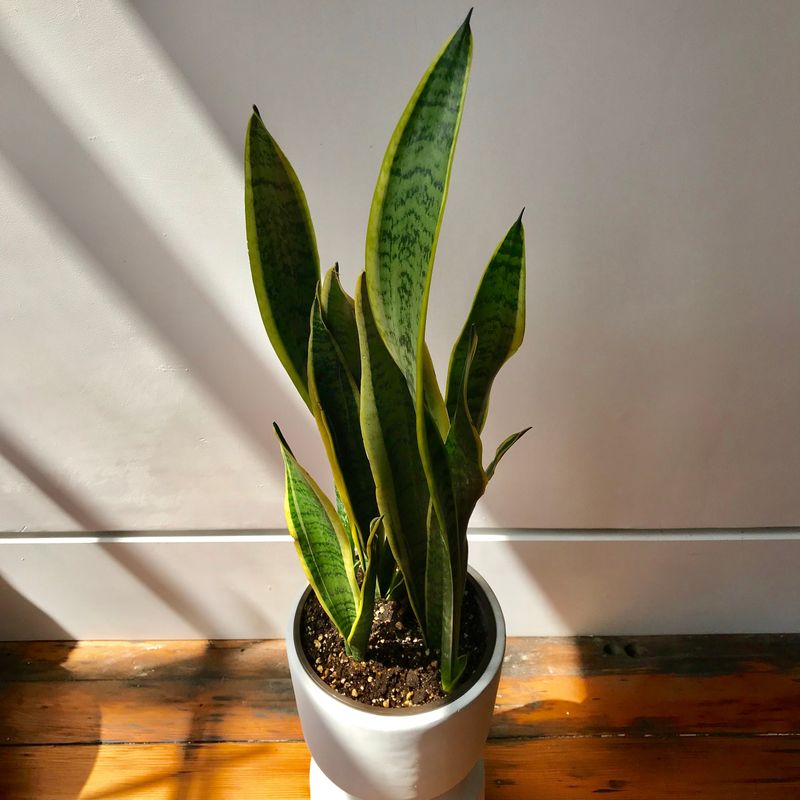
If there were a trophy for the most dependable houseplant in Michigan, the snake plant would win it every single year.
This striking plant with its tall, sword-shaped leaves can handle the dry, heated air that fills most Michigan homes from November through March without skipping a beat.
It barely needs watering, which makes it perfect for busy people or first-time plant owners who sometimes forget their plants exist.
Snake plants actually prefer being left alone more than being fussed over. Overwatering is the one thing that can truly set them back, so letting the soil dry out completely between waterings is the smartest approach.
Even in the dim light of a Michigan winter, this plant holds its color and keeps growing slowly but steadily.
One cool thing about snake plants is that they filter indoor air, removing toxins like benzene and formaldehyde that can build up in closed-up winter homes.
They thrive in temperatures between 60 and 80 degrees Fahrenheit, which is exactly the range most Michigan households maintain indoors.
Place one near a window with indirect light, and you will have a thriving, bold centerpiece that needs almost nothing from you in return.
2. ZZ Plant (Zamioculcas zamiifolia)
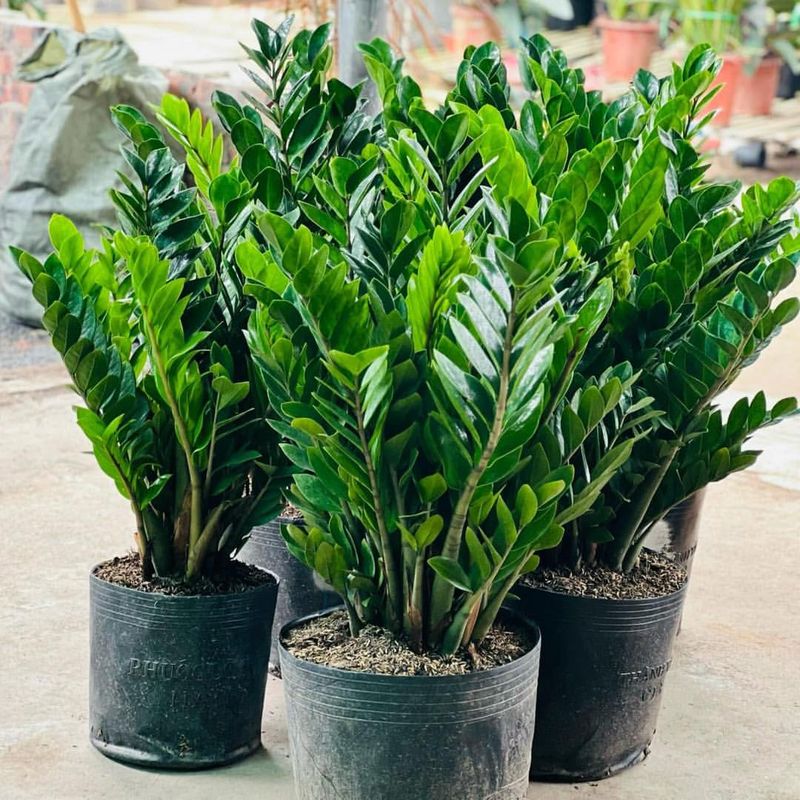
There is something almost magical about a plant that looks like it belongs in a designer showroom but asks for almost nothing in return.
The ZZ plant is exactly that kind of overachiever, thriving in low light and dry conditions that would send most tropical plants into a tailspin.
Michigan winters bring short days and weak sunlight, and the ZZ plant handles that challenge better than nearly any other houseplant available today.
Its thick, waxy leaves store water efficiently, which means it can go weeks without a drink and still look polished and full. This natural drought tolerance makes it a fantastic match for Michigan homes where indoor heating sucks moisture out of the air constantly.
You can water it every two to three weeks during winter and it will reward you with steady, healthy growth.
Your Michigan Garden Changes Every Week. Your Plan Should Too.
Gardening in Michigan changes quickly throughout the season. Every Friday you’ll receive a simple weekly plan showing exactly what to plant, prune, fertilize, harvest, and protect so you never miss the right timing.
The ZZ plant grows best in indirect light, so a spot a few feet away from a window works wonderfully in most Michigan living rooms or offices. It prefers temperatures above 60 degrees Fahrenheit, which is easy to maintain indoors year round.
Fun fact: the ZZ plant stores water in its thick rhizomes underground, acting like a tiny reservoir during dry spells. For Michigan plant lovers who want bold, glossy greenery without constant upkeep, this plant is a genuinely smart choice.
3. Pothos (Epipremnum aureum)
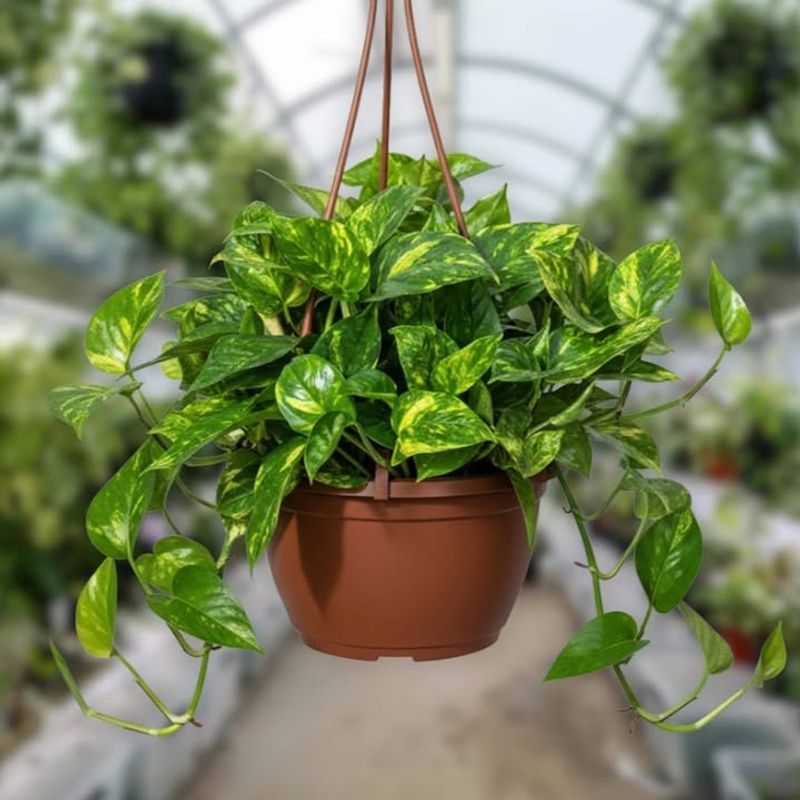
Few plants earn their keep quite as cheerfully as pothos, the trailing green superstar that seems to thrive on neglect and low light equally well.
Walk into almost any Michigan home, coffee shop, or office building, and you will likely spot a pothos cascading down a shelf or climbing up a wall.
Its heart-shaped leaves come in shades of golden yellow, bright green, and marbled white, giving you plenty of options to match your home’s style.
Pothos handles the dry, heated air inside Michigan homes during winter remarkably well. Unlike many tropical plants that sulk when humidity drops, pothos keeps pushing out new leaves even when the air feels desert-dry.
It grows quickly in bright indirect light but also tolerates dim corners, making it one of the most flexible houseplants you can own in Michigan’s variable seasons.
Watering pothos is refreshingly simple: let the top inch of soil dry out before adding more water, and you will rarely have any problems. It thrives in temperatures between 65 and 85 degrees Fahrenheit, which aligns perfectly with typical indoor conditions across Michigan.
Trailing pothos looks stunning in hanging baskets near windows or draped over high shelves. For anyone just starting their indoor plant journey in Michigan, pothos is the one plant that almost never disappoints and always delivers.
4. Spider Plant (Chlorophytum comosum)
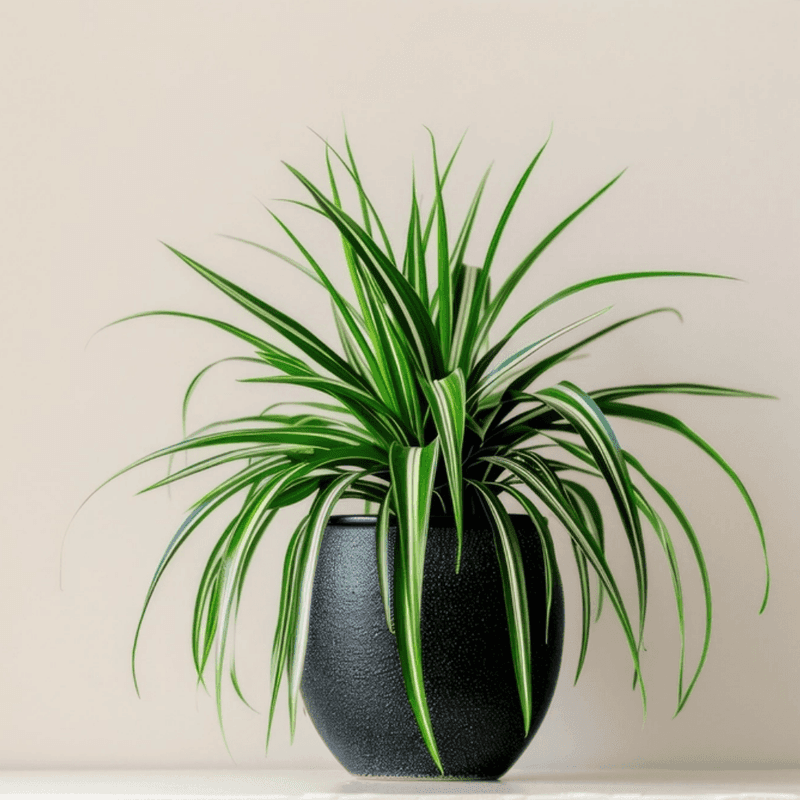
Spider plants have been winning over houseplant fans for decades, and there is a very good reason why they never seem to go out of style. Their long, arching leaves striped with green and creamy white add a lively, almost playful energy to any room.
Michigan homes especially benefit from their presence because spider plants adapt beautifully to the changing light levels that come with the state’s dramatic seasonal shifts throughout the year.
One of the most charming things about spider plants is how they produce little offshoots called spiderettes, which dangle from the mother plant like tiny green ornaments.
These babies can be snipped off and rooted in water to create brand-new plants, making spider plants one of the most generous houseplants you can own.
They bounce back quickly from minor stress, whether that is inconsistent watering or a few weeks of low winter light.
Spider plants prefer indirect light and cool to moderate room temperatures, which makes them a natural fit for Michigan’s indoor environment year round.
They do appreciate a bit of extra humidity during the driest winter months, so misting the leaves occasionally or placing the pot on a pebble tray with water can help them stay lush.
Water regularly during spring and summer, then ease off slightly in winter. Truly, spider plants are one of Michigan’s most rewarding and low-drama indoor companions.
5. Peace Lily (Spathiphyllum Hybrids)
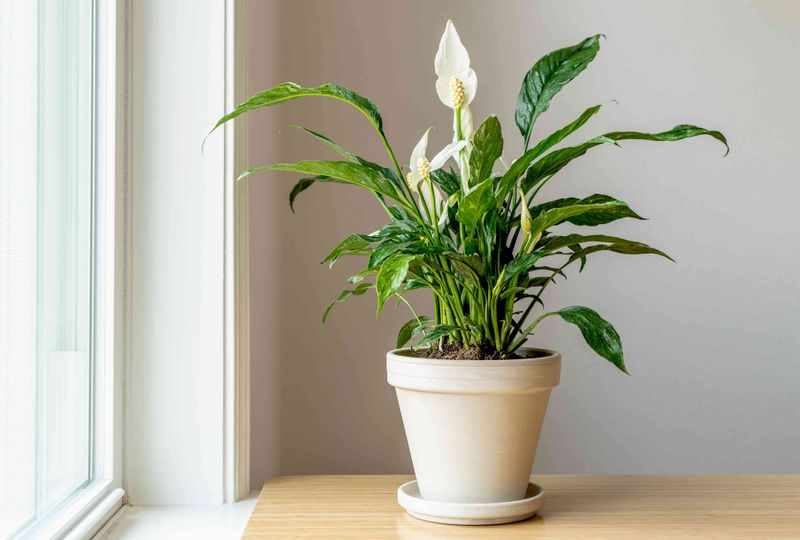
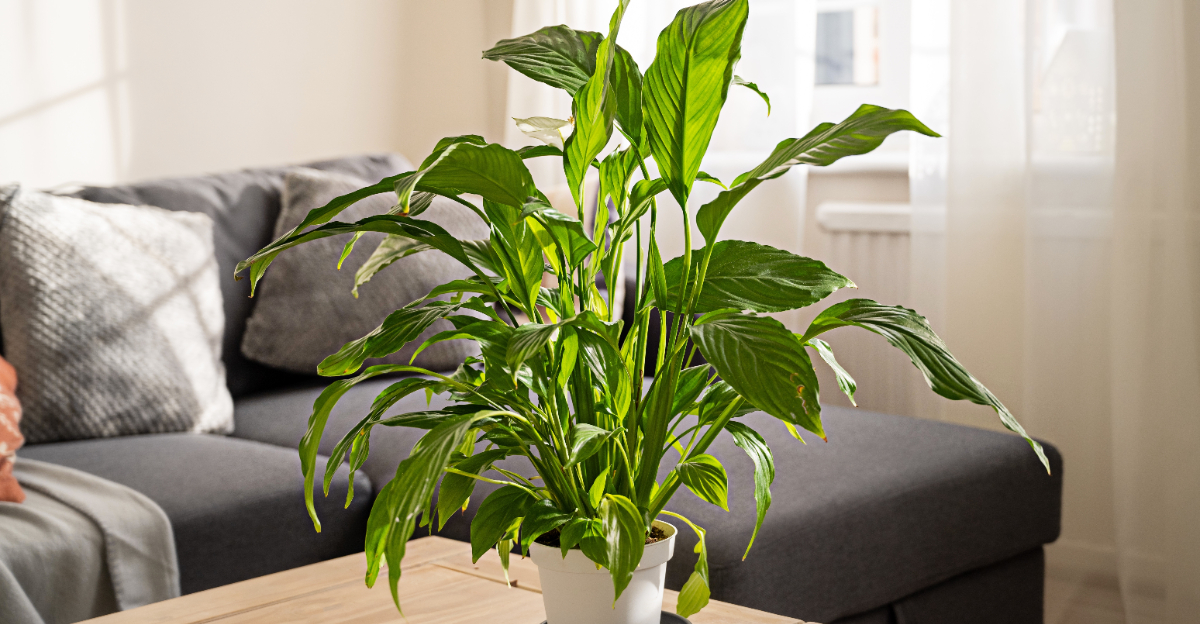
Among flowering houseplants that actually perform indoors year round, the peace lily stands in a class all its own.
Its elegant white blooms and deep, glossy green leaves bring a spa-like calm to any Michigan home, especially during the long gray stretches of winter when outdoor color disappears completely.
Unlike many flowering plants that need intense sunlight to bloom, peace lilies can produce their beautiful white spathes even in bright indirect light.
Peace lilies are a bit more particular about watering than snake plants or pothos, but they are honest about it: when they need water, their leaves droop gently to let you know. Water them thoroughly once the top inch of soil feels dry, and they perk right back up within hours.
Keeping the soil evenly moist rather than soaking wet is the sweet spot for keeping a peace lily thriving in a Michigan home.
These plants prefer temperatures above 60 degrees Fahrenheit and do not enjoy cold drafts from windows during Michigan winters, so placement matters. A spot a few feet from a bright window, away from heating vents and cold glass, suits them perfectly.
Peace lilies also help clean indoor air, which is an added bonus during winter when Michigan homes stay sealed up tight. For anyone who wants beauty and function in one elegant package, peace lilies deliver consistently.
6. Heartleaf Philodendron (Philodendron hederaceum)
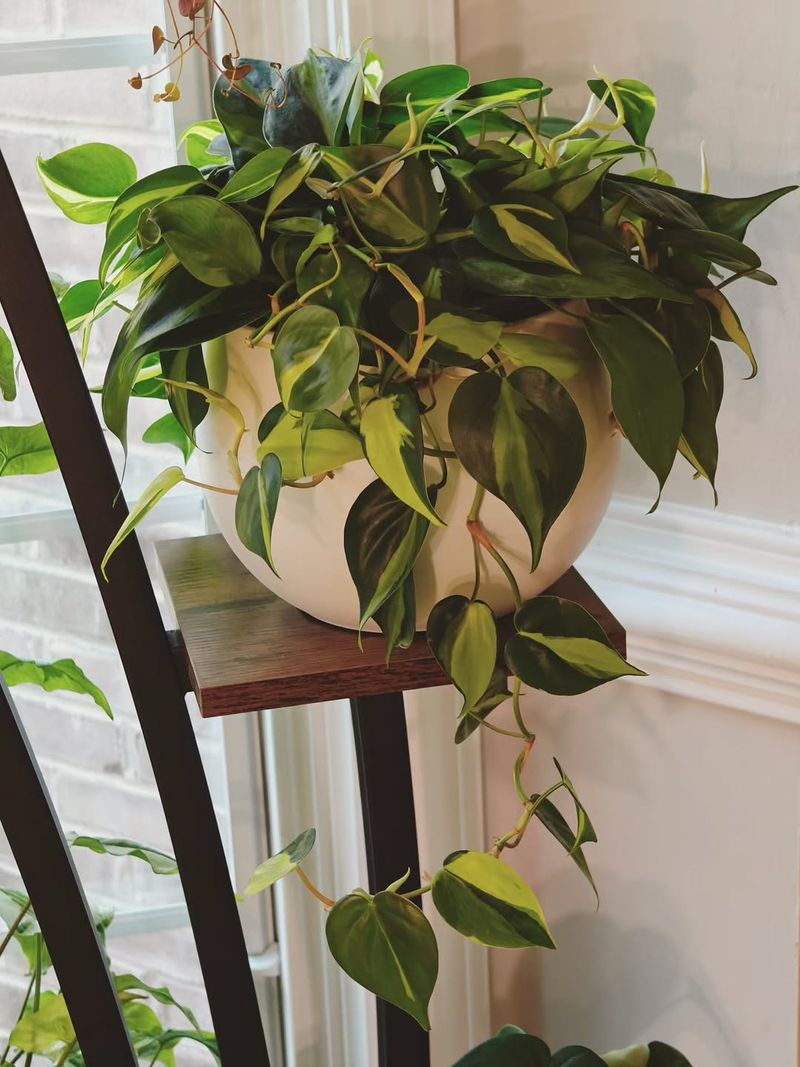
Warm, glossy, and endlessly cheerful, the heartleaf philodendron is the kind of plant that makes every shelf or bookcase look like it belongs in a home magazine.
Its deep green, heart-shaped leaves trail beautifully over pots and baskets, growing quickly enough to give you visible progress week after week.
Michigan plant lovers who want fast-growing greenery without a complicated care routine will find this plant genuinely satisfying to grow indoors year round.
Heartleaf philodendrons handle average indoor conditions with impressive ease. They tolerate lower winter light levels well, which is a major advantage in Michigan where sunlight can feel scarce from November through February.
Watering them is straightforward: let the top inch of soil dry out between waterings, and avoid letting the pot sit in standing water, which can cause root issues over time.
Room temperatures between 65 and 80 degrees Fahrenheit keep this plant at its happiest, and most Michigan homes maintain that range comfortably throughout the year.
One fun detail about heartleaf philodendrons is that they are one of the fastest-growing tropical houseplants you can own, sometimes pushing out several new leaves per week during spring and summer.
Pruning them occasionally keeps the vines full and bushy rather than long and sparse. Place one in a hanging basket near a window in your Michigan home and watch it transform the space with its lush, tropical energy.
7. Chinese Evergreen (Aglaonema Hybrids)
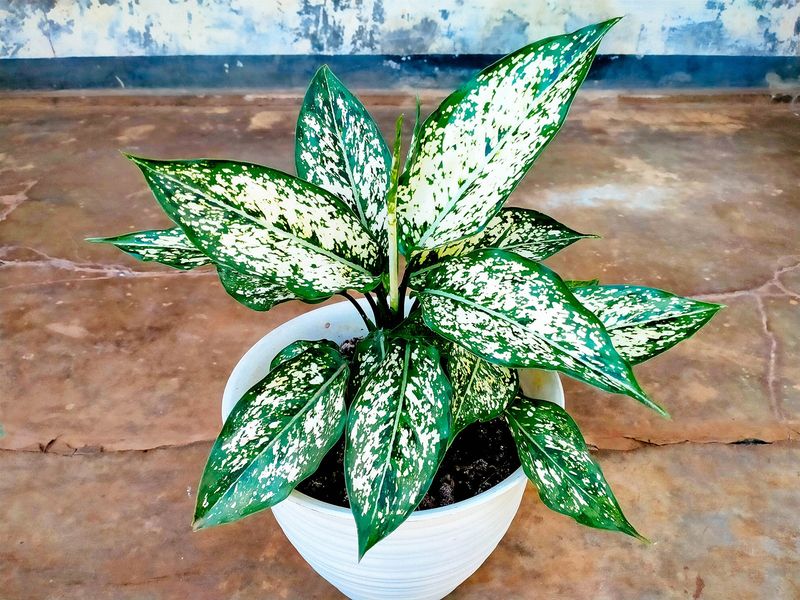
Bold color, easy care, and rock-solid indoor toughness make the Chinese evergreen one of the most underrated houseplants for Michigan homes.
Available in shades ranging from deep forest green to vivid pink and red, Aglaonema varieties offer serious visual impact without demanding much effort from their owners.
During Michigan’s long winters when outdoor gardens are buried under snow, a colorful Chinese evergreen on your windowsill feels like a small celebration of life.
Chinese evergreens handle lower light conditions very well, which is a huge advantage in Michigan where winter days are short and sunlight comes at a steep angle.
They also tolerate dry indoor air caused by heating systems, making them a natural fit for homes across the state from Detroit to Traverse City.
Watering them every one to two weeks during winter, allowing the soil to partially dry between sessions, keeps them healthy and stress-free.
One thing to keep in mind is that Chinese evergreens prefer stable indoor temperatures above 60 degrees Fahrenheit and do not appreciate sudden cold drafts from windows or doors.
Keeping them away from exterior walls during Michigan winters helps them stay comfortable and consistent.
Brighter, more colorful Aglaonema varieties do best with a bit more indirect light, while the darker green types handle lower light with ease. Either way, this plant brings reliable beauty and warmth to Michigan homes through every season of the year.