Lawn Watering Mistakes Some Floridians Tend To Make Every May
May has a sneaky way of making Florida lawns look thirstier than they really are.
One week the grass seems fine, the next it has patchy spots, folded blades, or that sad, dusty look that makes you side-eye the sprinkler timer.
The trouble is, water is not the only suspect. Fast-draining sandy soil, uneven sprinkler coverage, chinch bugs, dry spring weather, and a rain sensor with a mind of its own can all stir up confusion.
Many well-meaning Floridians water more, water faster, or water at awkward times, then wonder why the lawn still looks cranky. May lawn care works better when you slow down, read the grass, and make the sprinkler system prove its case.
1. Watering On A Fixed Schedule Instead Of Watching The Lawn
Irrigation timers are convenient, but letting one run the show without ever checking the actual lawn can lead to real problems in May.
Florida’s warm-season grasses, like St. Augustinegrass and bahiagrass, do not need water on the same schedule every week.
Rainfall, temperature, humidity, and soil moisture all shift from one day to the next.
A better approach is to watch the grass itself for early signs of wilt. When St. Augustinegrass starts to look bluish-gray or the blades fold in on themselves, that is a signal the lawn is getting thirsty.
Waiting for those cues, rather than just running the sprinklers because Tuesday is a watering day, can make a noticeable difference in lawn health.
Sandy Florida soil drains quickly, so conditions can change faster than expected. A stretch of cloudy days with light humidity may mean the lawn holds moisture longer than usual.
A few days of dry wind and full sun can drain that same soil surprisingly fast. Checking the lawn regularly and adjusting the timer to match what the grass actually needs tends to produce better results than sticking to a fixed routine.
2. Using Every Allowed Watering Day Just Because You Can
Local water management districts across Florida set watering schedules to help conserve water, but those rules set the maximum number of days allowed, not the minimum a lawn actually needs.
Many Floridians run their systems on every permitted day out of habit, even when the grass is doing just fine without it.
In May, before the summer rains arrive in full force, this habit can actually do more harm than good. Watering more than necessary keeps the soil consistently moist, which can encourage shallow root growth.
Roots tend to grow toward moisture, so when water is always near the surface, the roots may not reach deeper into the soil where they can find more stable conditions during dry stretches.
Grass that has developed deeper roots tends to handle Florida’s dry spring spells better than grass that has been watered frequently and lightly.
Using every allowed watering day without checking whether the lawn actually needs it can also contribute to fungal issues, since some warm-season turfgrasses in Florida are prone to disease when moisture stays high.
Your Florida Garden Changes Every Week. Your Plan Should Too.
Gardening in Florida changes quickly throughout the season. Every Friday you’ll receive a simple weekly plan showing exactly what to plant, prune, fertilize, harvest, and protect so you never miss the right timing.
Matching irrigation to real lawn needs, rather than the calendar, is a smarter approach in May.
3. Watering Too Often During Dry Spring Weather
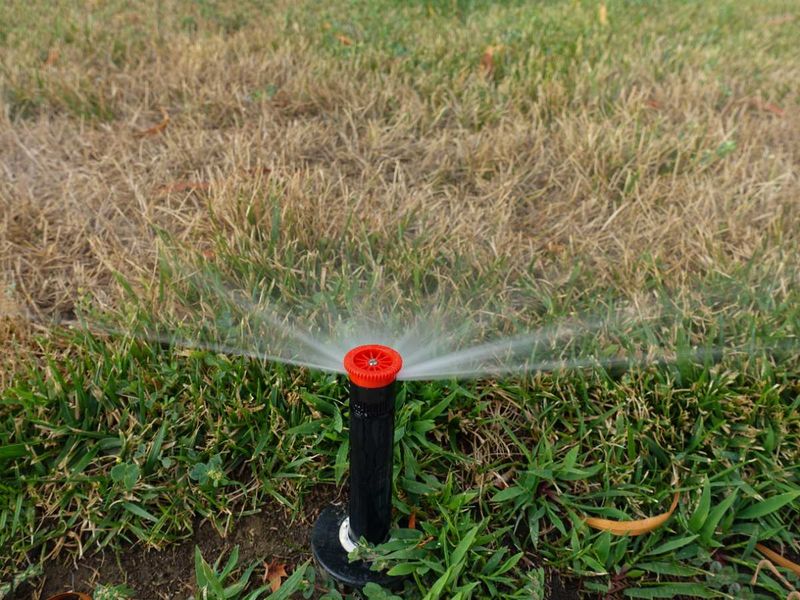
Dry spring weather in Florida can make a lawn look desperate, and the instinct to water frequently is understandable. But watering too often, especially with short run times, can actually work against a healthy lawn rather than helping it recover.
Frequent shallow watering keeps moisture concentrated in the top layer of sandy Florida soil. Grass roots follow that moisture upward rather than growing deeper, leaving the lawn more vulnerable when truly dry conditions set in.
A lawn with shallow roots may wilt faster and struggle more during the gaps between summer storms that are common in May and early June.
Watering less often but for longer periods, enough to wet the root zone adequately, can encourage roots to reach deeper into the soil.
For many Florida lawns, this means running each irrigation zone long enough for water to penetrate several inches rather than just dampening the surface.
The exact amount varies by soil type, sprinkler output, turf type, and slope.
Checking soil moisture after a cycle by pushing a screwdriver or soil probe into the ground can give a clearer picture of whether water is actually reaching the root zone or just sitting on top.
4. Watering Too Lightly
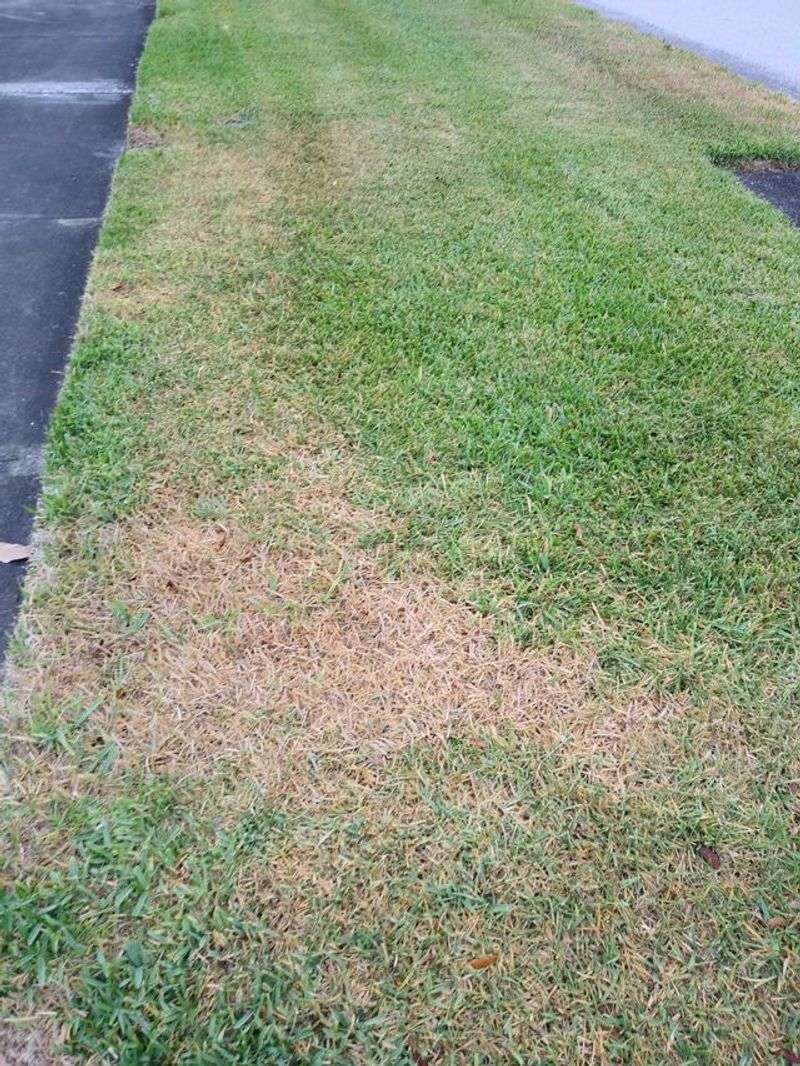
Short watering cycles might seem like a water-saving move, but running sprinklers for just a few minutes per zone often does little more than wet the surface of the grass blades.
In May, when Florida’s sun is intense and temperatures are climbing, that surface moisture evaporates quickly and the root zone may stay dry.
Warm-season grasses like St. Augustinegrass and bahiagrass need water to reach down into the soil where roots are actively growing.
Light watering that only moistens the top inch or so does not give roots the hydration they need to stay healthy through the heat.
Over time, this pattern can stress the grass and make it look dull, thin, or patchy even though the sprinklers are running regularly.
A simple way to check whether watering is deep enough is to use a rain gauge or a few empty tuna cans placed around the lawn during a watering cycle. Measuring how much water collects can reveal whether the system is applying enough.
Most Florida turfgrass specialists suggest applying around three-quarters of an inch to one inch of water per irrigation event, though soil type, turf type, and conditions all play a role in what works best for a specific yard.
5. Watering After Rainfall
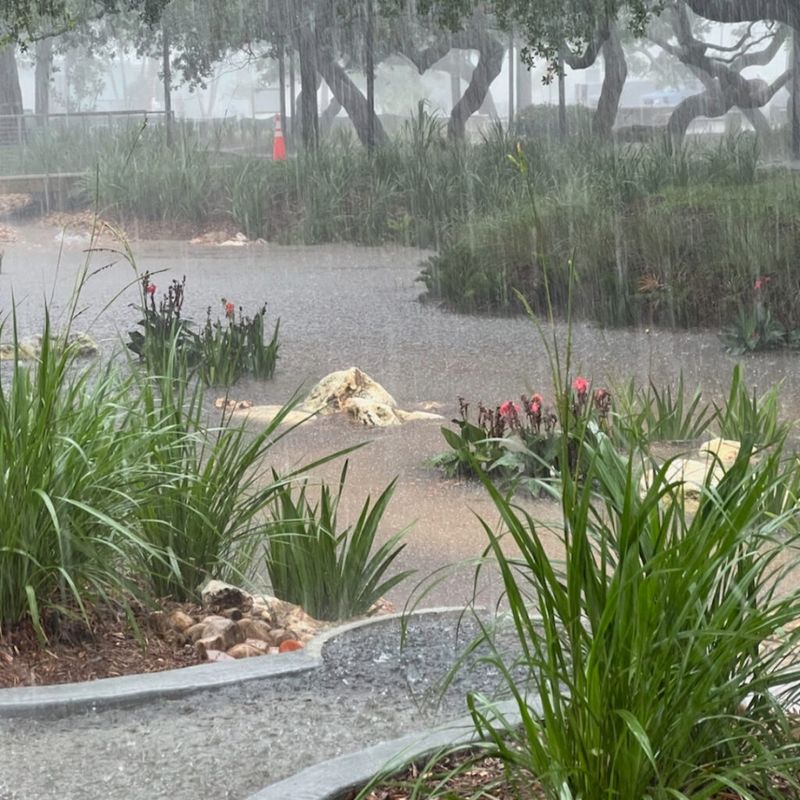
Rain gauges and rain sensors exist for a reason, yet many Florida irrigation systems run right through a rainstorm or kick on the very next morning after meaningful rainfall.
Watering after rain is one of the most common and most avoidable mistakes homeowners make in May.
Even a moderate Florida shower can deliver enough water to satisfy a lawn’s needs for several days, depending on how much rain fell and how fast the sandy soil drains.
Running sprinklers on top of rainfall not only wastes water but can push soil moisture well beyond what the grass needs.
Consistently overwatered lawns in Florida are more susceptible to certain fungal diseases, and some of those diseases are more active during the warm, humid conditions that build in May.
Checking a rain gauge after a storm before running the irrigation system is a straightforward habit that can prevent this mistake. Many water management districts in Florida also require rain sensors on automatic irrigation systems, and for good reason.
If the lawn received a half-inch or more of rainfall, it may not need supplemental irrigation for a few days. Tracking rainfall and adjusting irrigation accordingly is one of the simpler ways to improve lawn health heading into summer.
6. Ignoring A Rain Sensor That Is Not Working
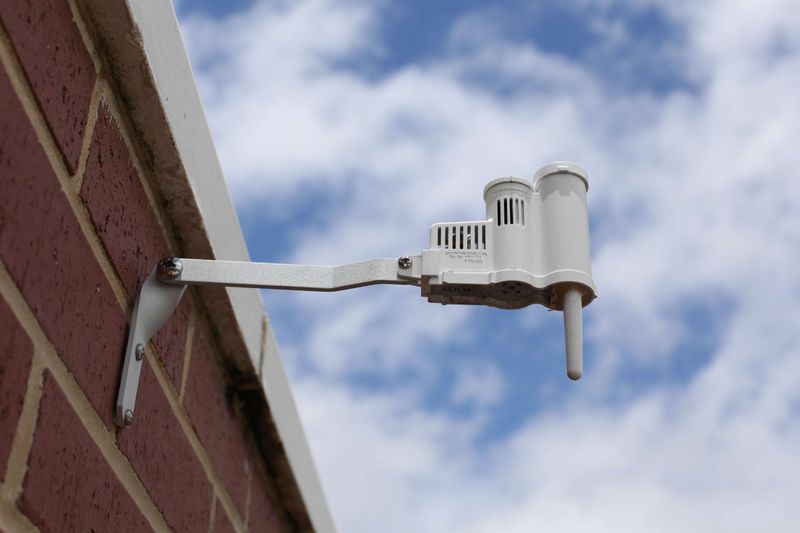
Rain sensors are required on automatic irrigation systems in Florida, and they serve an important purpose. When working properly, a rain sensor signals the irrigation controller to skip a scheduled cycle after measurable rainfall.
When a sensor fails or gets stuck, the system may run regardless of how much rain has fallen.
A broken rain sensor often goes unnoticed for weeks or even months. Homeowners may not realize the sensor has stopped functioning until they notice the sprinklers running during or shortly after a rainstorm.
In May, when Florida can receive scattered afternoon showers, a faulty sensor can cause repeated unnecessary watering cycles that stress the lawn rather than support it.
Testing a rain sensor is not complicated. Most sensors can be checked by manually activating them or by wetting the sensor disc to see if it shuts off the system.
If the system runs anyway, the sensor likely needs adjustment, cleaning, or replacement. Sensor discs can dry out, get clogged with debris, or simply wear out over time, especially in Florida’s heat.
Replacing a rain sensor is generally inexpensive and straightforward, and keeping one in good working order helps ensure the irrigation system responds accurately to real weather conditions throughout May and beyond.
7. Watering In The Heat Of The Day
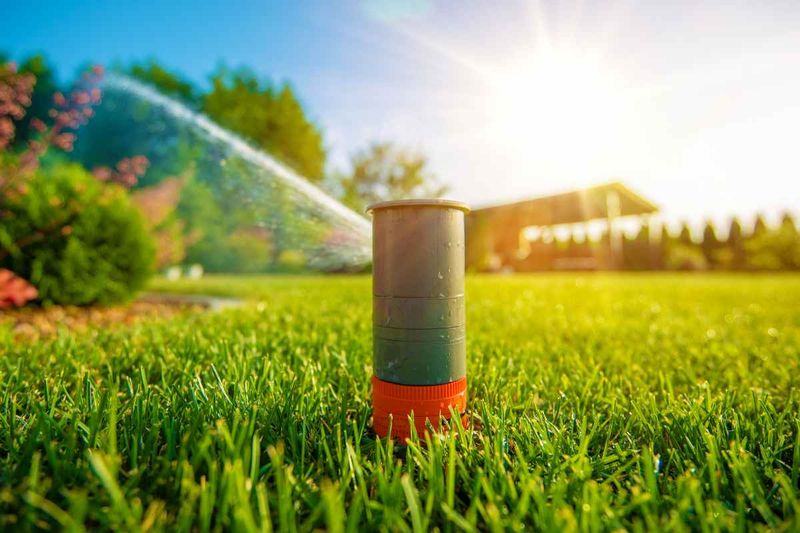
Midday watering during Florida’s May heat is one of the least efficient things a homeowner can do for their lawn.
When temperatures peak in the late morning and afternoon, water from sprinklers evaporates quickly, meaning a significant portion of what the irrigation system applies may never reach the soil or root zone.
Running sprinklers during the hottest part of the day can also be hard on the irrigation system itself, as pressure fluctuations during peak demand hours may affect how evenly water is distributed.
Some local water management districts in Florida restrict daytime watering for exactly these reasons, so checking local rules before setting a midday schedule is worth doing.
Early morning watering, typically between 4 a.m. and 10 a.m., is widely recommended for Florida lawns. Watering in the early morning allows moisture to soak into the soil before the heat of the day causes significant evaporation.
It also gives the grass blades time to dry out as temperatures rise, which can reduce the conditions that support fungal growth.
Adjusting irrigation timers to run in the early morning hours rather than midday or afternoon is one of the more straightforward improvements a Florida homeowner can make to their watering routine in May.
8. Watering Late Enough To Keep Grass Wet Too Long
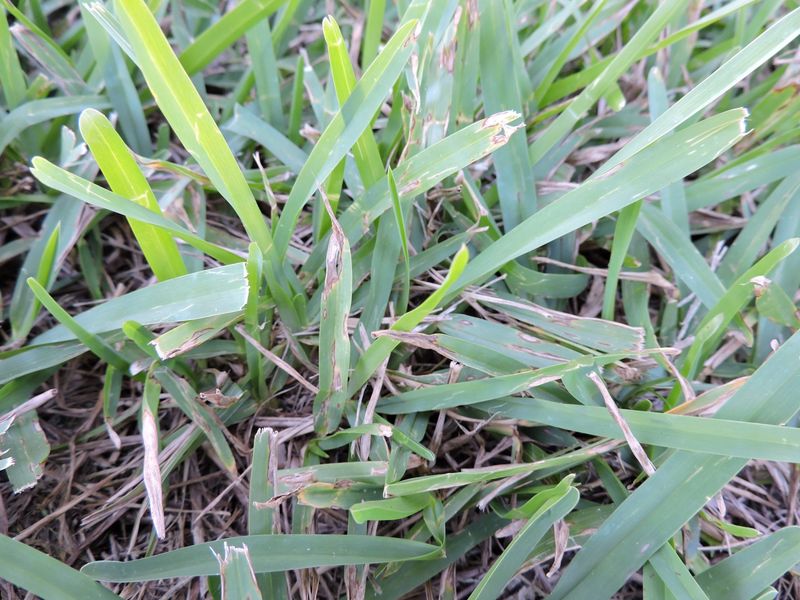
Evening watering might seem practical, especially for homeowners who want to avoid the midday heat. But running irrigation late in the day or at night leaves grass blades wet for extended periods, which can create conditions favorable to certain lawn diseases.
Florida’s warm temperatures and humidity in May already create a comfortable environment for fungal issues.
Warm-season grasses like St. Augustinegrass can be susceptible to diseases such as gray leaf spot and brown patch, and prolonged leaf wetness at night can make those problems more likely to develop.
Once a fungal issue takes hold in a Florida lawn, recovery can take time and effort.
The timing of irrigation matters as much as the amount of water applied. Watering too late in the evening means the lawn stays wet through the night when temperatures drop slightly and air movement slows, giving moisture little chance to evaporate before morning.
Shifting irrigation to early morning allows the sun and rising temperatures to dry the grass blades naturally during the day.
Even moving a timer from 10 p.m. to 5 a.m. can make a real difference in how long the turf stays wet and how healthy the lawn looks heading through May and into summer.
9. Blaming Every Brown Spot On Lack Of Water
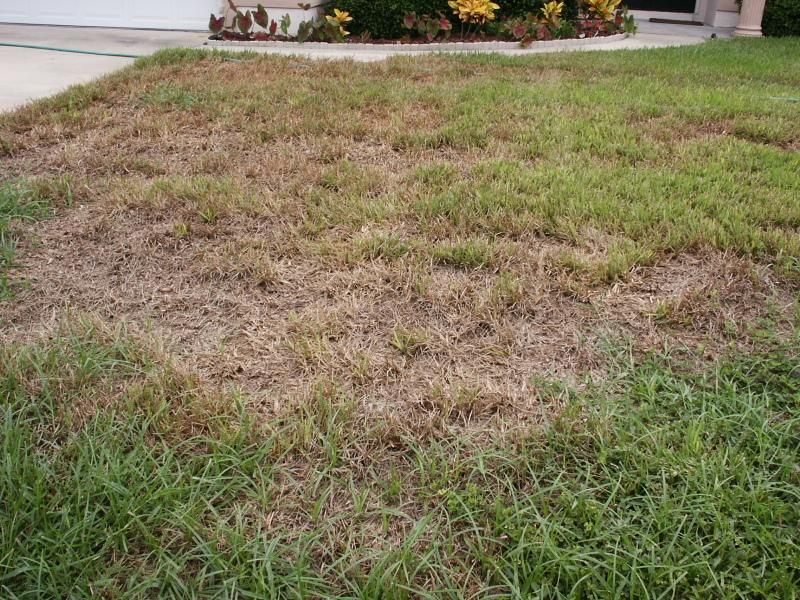
Brown patches in a Florida lawn during May are easy to misread. Many homeowners assume dry conditions are the cause and respond by increasing irrigation, but not all brown spots come from lack of water.
Pests, fungal diseases, soil compaction, irrigation coverage gaps, and even dog spots can all produce similar-looking damage.
Chinch bugs are a common culprit in Florida St. Augustinegrass lawns and tend to be more active as temperatures rise in spring. Their feeding can cause irregular yellow and brown patches that spread outward from hot, sunny areas.
Watering more in response to chinch bug damage does not resolve the problem and may actually make conditions worse by keeping the lawn stressed and the soil overly moist.
Before reaching for the irrigation controller, it helps to get down and look closely at the affected area.
Checking the soil moisture, examining the grass blades for signs of pests or disease, and looking at where the brown spots appear relative to sprinkler coverage can all point toward the real cause.
If the soil is already moist and the damage pattern looks irregular or spreading, the issue is likely something other than drought stress. Getting an accurate diagnosis before adjusting irrigation can save time, water, and turf health.
10. Skipping A Sprinkler Coverage Check
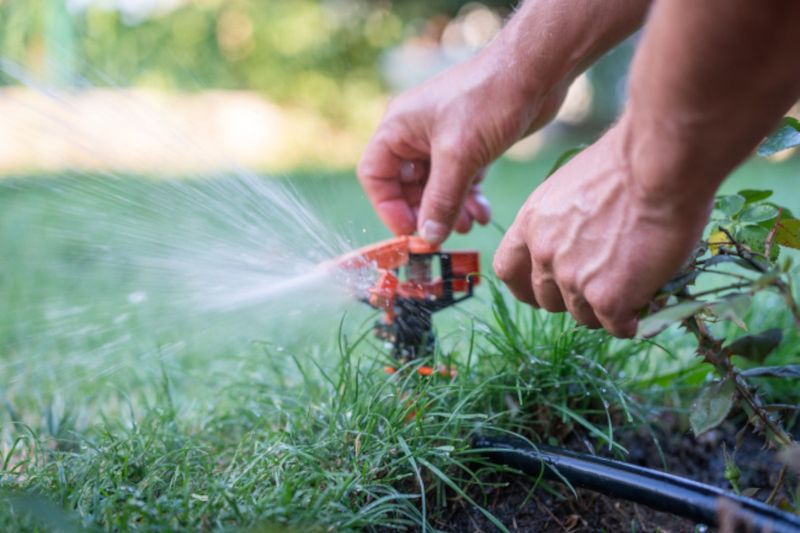
Sprinkler systems in Florida take a beating year-round from heat, foot traffic, lawn equipment, and settling soil.
By the time May arrives, it is common for at least one or two heads to be tilted, clogged, sunken, or rotating unevenly without the homeowner noticing.
A coverage gap in the irrigation system can leave part of the lawn consistently under-watered while the rest receives adequate moisture.
Those dry patches often look like drought stress, leading homeowners to increase overall watering when the real fix is a simple sprinkler adjustment.
Running more water through a system with a coverage problem does not solve the issue and can overwater the areas that are already getting enough.
Running a manual check of the irrigation system at the start of May is a habit worth building.
Turning on each zone individually and walking the lawn while it runs makes it easy to spot heads that are not popping up fully, arcs that are off target, or areas where water is not reaching.
Checking for dry spots after a cycle by probing the soil in different areas can also reveal uneven coverage.
Catching and correcting small sprinkler issues early in May can prevent a lot of lawn stress before the summer rainy season brings more reliable moisture back to Florida yards.