These 10 Long Blooming Perennials Give Michigan Gardens Nonstop Color With Almost No Effort
A perennial that blooms for two weeks and disappears is not carrying its weight in a Michigan garden.
The season is short enough that every plant in the ground needs to earn its space, and the ones that do it best are the varieties that stay in active bloom for weeks on end without constant deadheading, fertilizing, or other intervention.
Long blooming perennials exist in every color range and size, and the best ones for Michigan are tough enough to handle summer heat, bounce back after a cool night, and keep producing right up until frost shuts things down.
These are not compromise plants chosen just for endurance. Several of them are genuinely beautiful and bring the kind of consistent color that makes a garden border look intentional and well planned all season long.
This list focuses on the ten that consistently outperform expectations in Michigan conditions, delivering nonstop color with the kind of effort level that actually fits into a real gardener’s schedule.
1. Coreopsis (Coreopsis Verticillata)
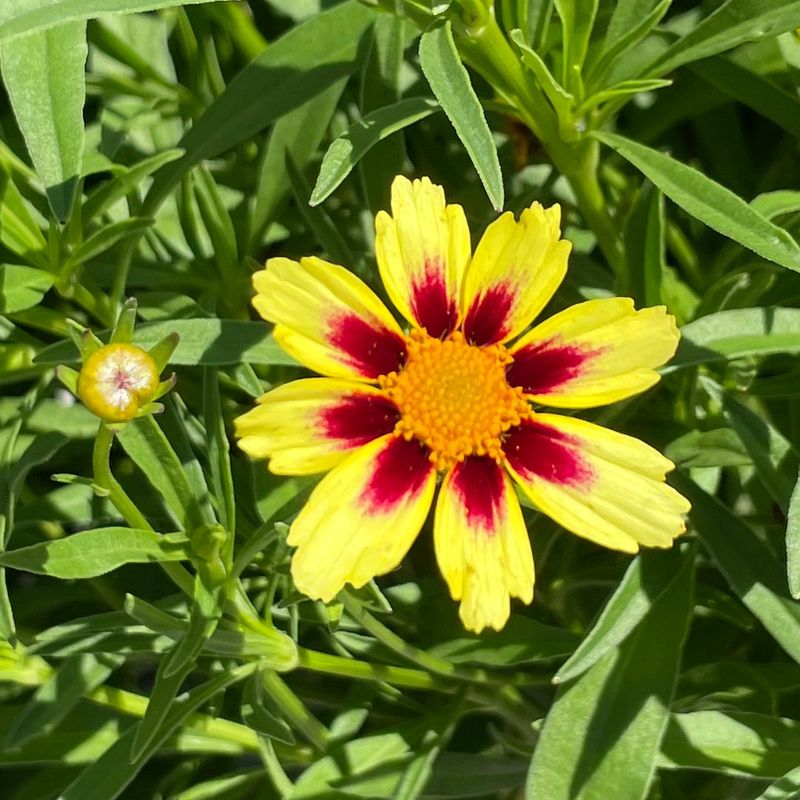
If you want a plant that blooms like it has something to prove, Coreopsis is your answer. This cheerful perennial produces waves of bright yellow or golden flowers from early summer well into late summer, and it barely asks for anything in return.
Michigan gardeners have relied on it for years because it simply keeps going.
Threadleaf Coreopsis, or Coreopsis verticillata, is especially popular for its delicate, feathery foliage and incredibly long bloom season. Plant it in full sun and well-drained soil, and it will thrive.
Removing spent blooms or giving plants a light shearing midseason encourages a fresh flush of flowers that extends the show even further.
One of the best things about Coreopsis is how drought-tolerant it becomes once established. Michigan summers can swing between heavy rain and dry stretches, and this plant handles both without missing a beat.
It also stays relatively compact and tidy, making it a natural fit for borders, containers, and cottage-style gardens.
Coreopsis spreads gradually over time, filling in gaps and creating a full, lush look that feels effortless. Splitting clumps every few years keeps them vigorous and productive.
With its sunny disposition and easy-care nature, this perennial earns its place in Michigan gardens season after season, delivering cheerful color from the first warm days right through the heat of August.
2. Black-Eyed Susan (Rudbeckia Fulgida)
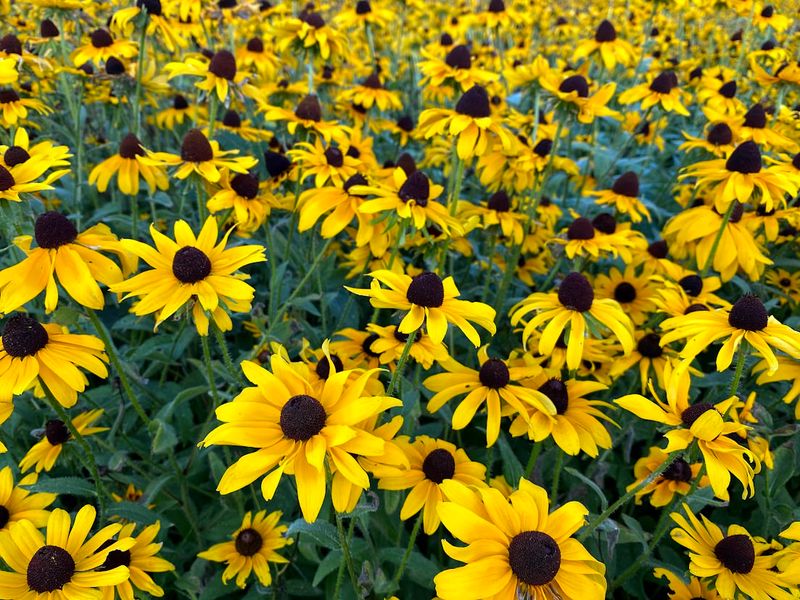
Few flowers capture the spirit of a Michigan summer quite like Black-Eyed Susan. Those bold golden-yellow petals surrounding a dark brown center look cheerful in any garden, and they bloom reliably from midsummer all the way into early fall without much fuss from you.
What makes this plant such a standout is its native roots. Rudbeckia fulgida is native to Michigan, which means it already knows how to handle the state’s humidity, occasional dry spells, and unpredictable weather.
Plant it in full sun and average, well-drained soil, and it will reward you season after season.
Once established, Black-Eyed Susan needs very little watering and almost no fertilizing. It spreads gently over time, filling in bare spots and creating a fuller look without becoming invasive.
Your Michigan Garden Changes Every Week. Your Plan Should Too.
Gardening in Michigan changes quickly throughout the season. Every Friday you’ll receive a simple weekly plan showing exactly what to plant, prune, fertilize, harvest, and protect so you never miss the right timing.
Pollinators absolutely love it. Bees and butterflies flock to the blooms all summer long, making your yard feel alive and buzzing with activity.
After blooming, the seed heads attract goldfinches and other birds through the fall and winter months. You can leave the stems standing for extra wildlife value.
Dividing clumps every three to four years keeps plants vigorous and flowering at their best. For Michigan gardeners who want reliable, low-maintenance color, Black-Eyed Susan is truly one of the most dependable choices available.
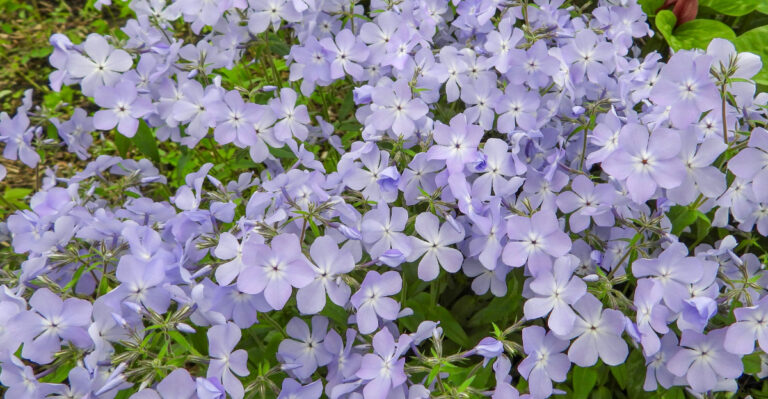
3. Garden Phlox (Phlox Paniculata)
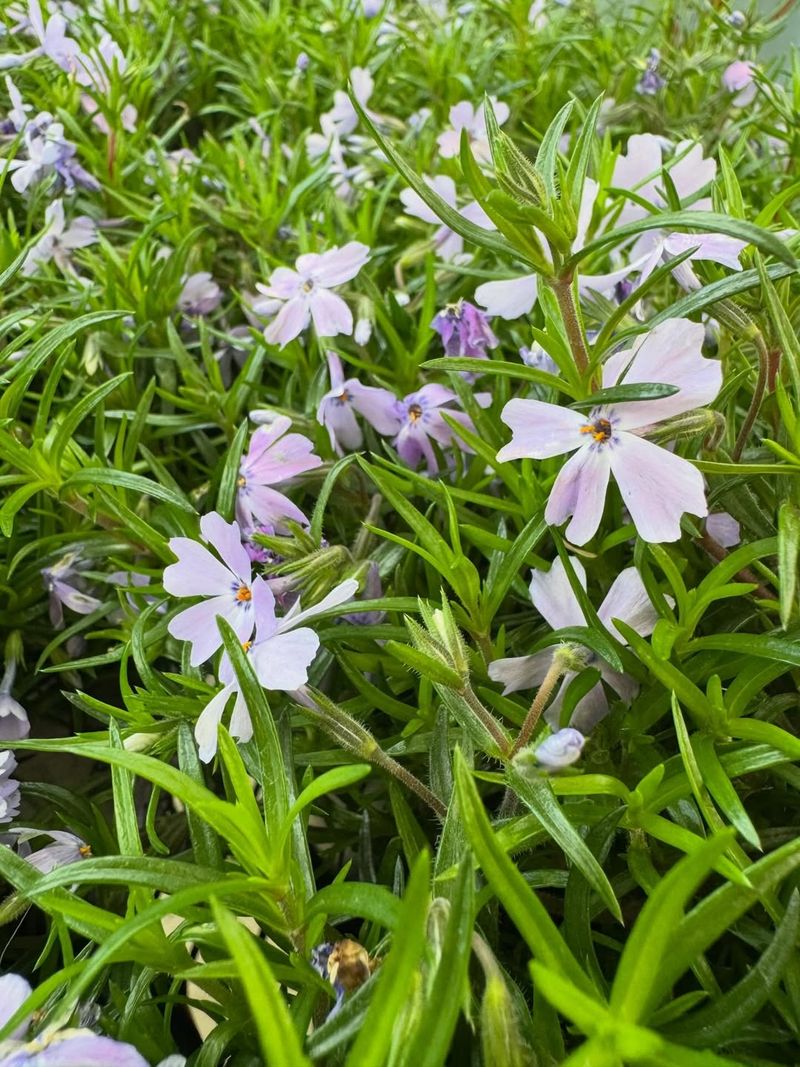
Garden Phlox brings a kind of old-fashioned charm to Michigan landscapes that is hard to replicate with any other plant.
The tall, fragrant flower clusters in shades of pink, purple, white, and red create a showstopping display through midsummer, and the sweet scent drifting through a warm evening is something you never forget.
Phlox paniculata is a native perennial with serious staying power in Michigan gardens. It blooms reliably in full sun and moist, well-drained soil, and it attracts butterflies and hummingbirds in impressive numbers.
The flowers last for several weeks, making it one of the longer-blooming options for the midsummer gap when other plants start to slow down.
Michigan’s humidity can be a challenge for Garden Phlox because it sometimes encourages powdery mildew on the leaves.
Choosing mildew-resistant cultivars like David, Robert Poore, or Jeana makes a big difference and keeps plants looking healthy and attractive all season long. Good airflow around plants also helps.
Spacing plants generously and avoiding overhead watering are two simple habits that go a long way toward keeping phlox healthy. Dividing clumps every three to four years maintains vigor and improves flowering.
For Michigan gardeners who want bold color, fragrance, and pollinator activity all at once, Garden Phlox delivers a combination that few other perennials can match through the heart of summer.
4. Purple Coneflower (Echinacea Purpurea)
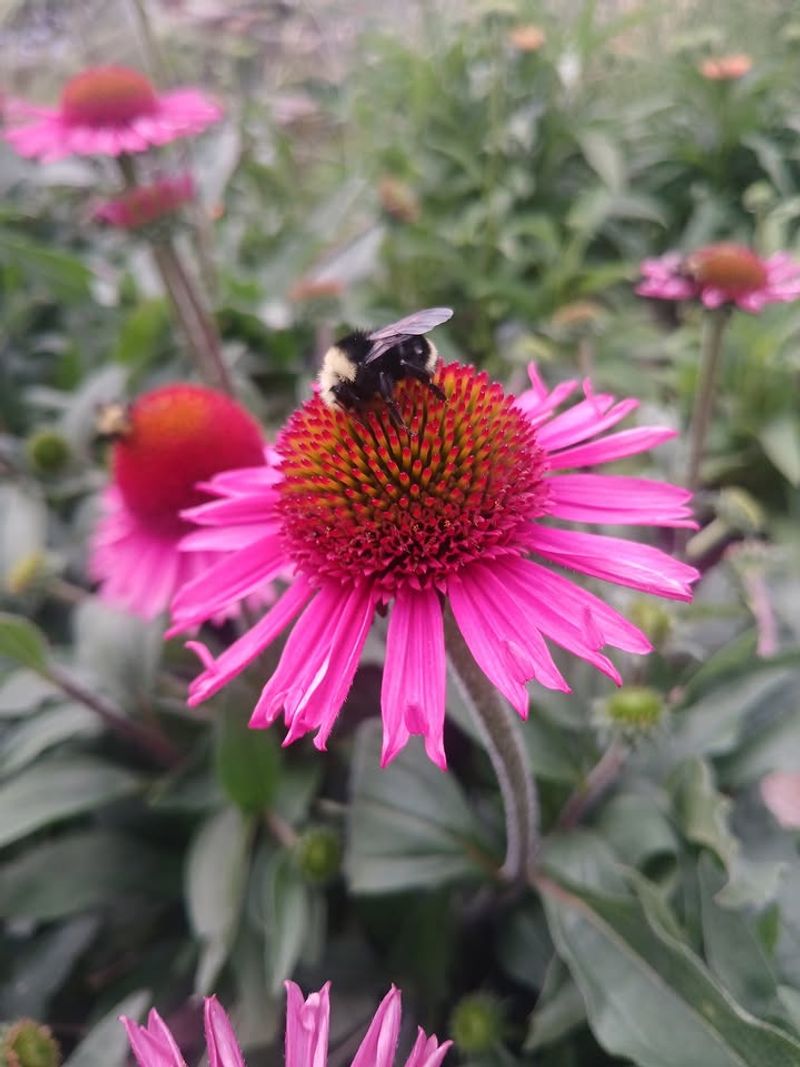
Purple Coneflower has built a reputation as one of the most beloved perennials across the eastern United States, and Michigan gardeners have good reason to grow it every single year.
The rosy-purple petals and spiky orange-brown centers add bold texture to any sunny border, and the blooms keep coming through the heat of summer.
Echinacea purpurea performs beautifully in full sun with well-drained soil. It handles Michigan summers without complaint, tolerating heat and occasional dry stretches once the roots get established.
Unlike some perennials that need constant attention, coneflowers are remarkably self-sufficient once they settle in.
Pollinators cannot resist this plant. Bees, butterflies, and even hummingbirds visit the blooms regularly, turning your yard into a mini wildlife habitat.
The flowers also last a long time when cut, making them a great choice for fresh arrangements throughout the season.
As the blooms fade, the seed heads develop into spiky cones that goldfinches love to pick at well into fall and winter. Leaving them standing adds structure and wildlife value to your Michigan garden long after summer ends.
Coneflowers also self-seed lightly, so over time you may find cheerful new plants popping up nearby. Dividing established clumps every four years or so keeps them blooming strong and looking their best.
5. Catmint (Nepeta X Faassenii)
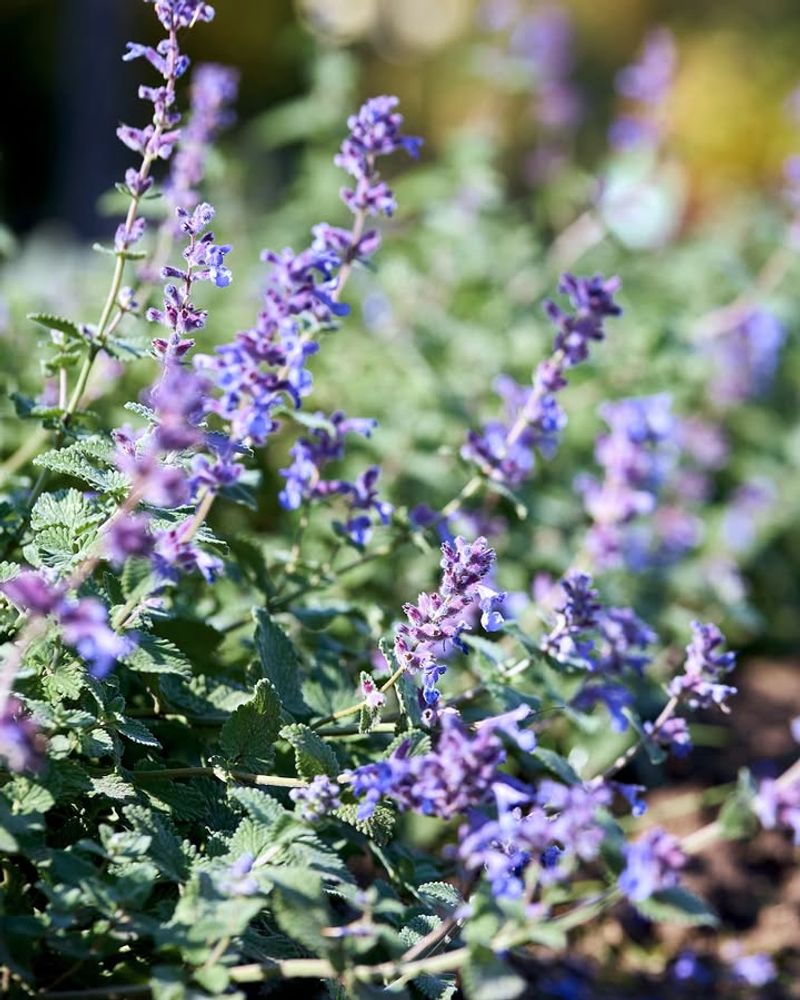
Catmint is one of those plants that experienced Michigan gardeners always seem to have somewhere in their yard, and once you grow it, you will quickly understand why.
The soft lavender-blue flower spikes appear in late spring and bloom for weeks, creating a hazy, romantic effect that looks stunning along pathways and border edges.
Nepeta x faassenii is not native to Michigan, but it has proven itself as one of the most reliable and low-maintenance perennials in the state. It thrives in full sun and well-drained soil and handles dry spells with ease once established.
It actually prefers lean conditions over rich, wet soil, which makes it perfect for spots that other plants find difficult.
After the first big flush of blooms fades, simply shear the plant back by about one-third. Within a few weeks, a fresh round of flowers will appear, often lasting well into summer and sometimes even into early fall.
That rebloom quality is one of the things that makes Catmint such a standout in Michigan gardens.
Deer tend to avoid it, which is a genuine bonus for gardeners in areas where deer pressure is high. Bees absolutely love the flowers and visit constantly throughout the blooming period.
The silvery-green foliage also smells pleasantly aromatic when brushed, adding another sensory layer to your Michigan garden that most plants simply cannot offer.
6. Salvia (Salvia Nemorosa)
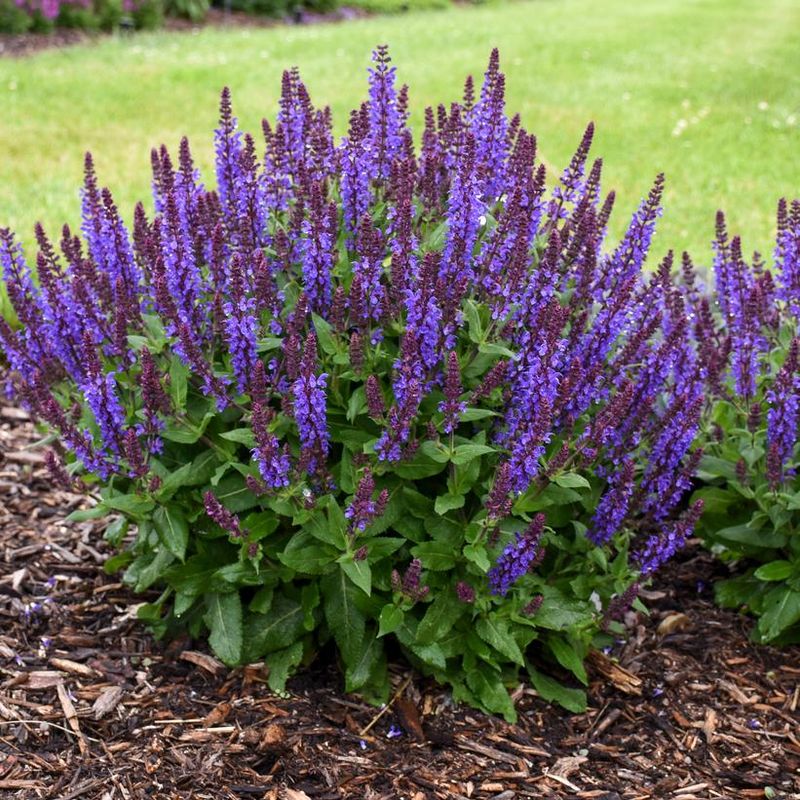
Salvia nemorosa has a sharpness and elegance that sets it apart from softer, more casual perennials.
The deep purple or violet-blue flower spikes stand tall and upright, creating strong vertical lines in a garden bed that draw the eye and add real structure to the planting. Michigan gardeners who love a more polished look tend to reach for this one first.
It blooms in late spring to early summer, which makes it useful for filling the gap before many summer perennials hit their stride. Full sun and good drainage are the two things it needs most.
Michigan clay soils can be an issue, so mixing in some compost or planting in raised beds helps it perform at its best.
The real bonus comes after the first bloom cycle. Cut the plants back after flowering, and they will often send up a second round of spikes later in the season.
That rebloom quality extends the color from late spring all the way into summer, giving you much more value from a single plant.
Bees and butterflies treat Salvia nemorosa like a favorite snack, visiting the flowers constantly during peak bloom. Deer tend to leave it alone, which is always a welcome trait.
For Michigan gardeners who want reliable structure, repeat blooming, and pollinator action without constant maintenance, this perennial delivers every single season with very little effort required from you.
7. Bee Balm (Monarda Fistulosa)
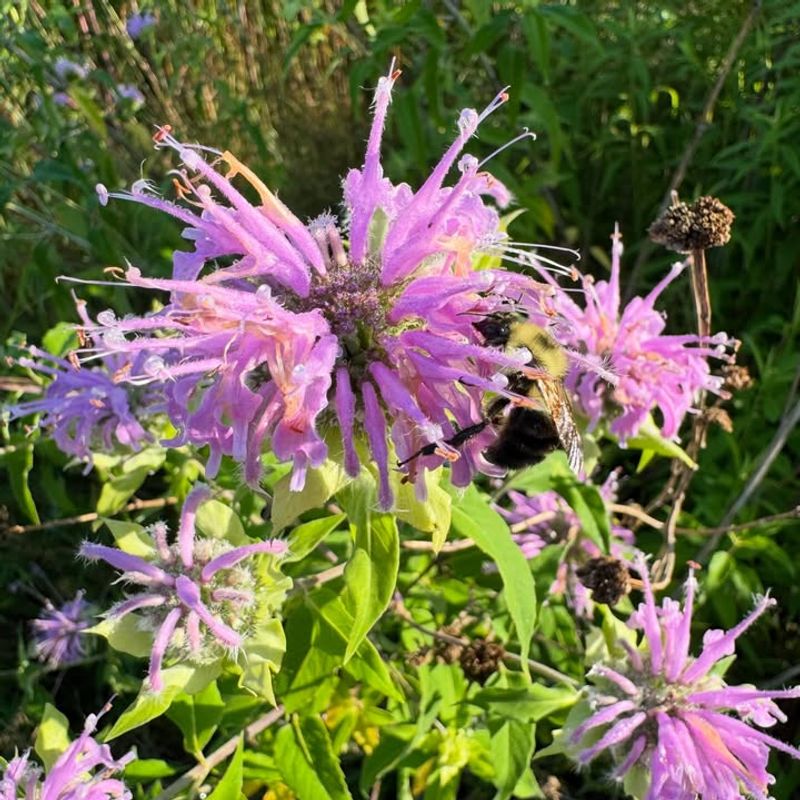
Bee Balm is one of those plants that turns a quiet Michigan garden into something buzzing with life.
The shaggy, tubular flowers of Monarda fistulosa bloom in soft lavender-pink during summer, and hummingbirds, bees, and butterflies treat them like a favorite gathering spot. Few perennials attract that range of pollinators so reliably.
Wild Bergamot, as it is also known, is native to Michigan and naturally suited to the state’s climate.
It handles average to slightly dry soil better than its cousin scarlet Bee Balm, which makes it a more forgiving choice for gardeners who do not want to fuss over watering schedules. Plant it in full sun to light shade for the best flowering.
Michigan humidity can encourage powdery mildew on Bee Balm leaves, but Monarda fistulosa tends to be more resistant than other species.
Giving plants plenty of space and good airflow around the stems goes a long way toward keeping them healthy and attractive through the whole blooming season.
The aromatic foliage smells like oregano when crushed, a pleasant bonus that deer and rabbits find unappealing. That natural resistance to browsing makes it even more valuable in Michigan landscapes where wildlife pressure is common.
Dividing clumps every two to three years keeps plants vigorous and prevents the center from getting sparse, which is a common trait in older, established Bee Balm plantings.
8. Yarrow (Achillea Millefolium)
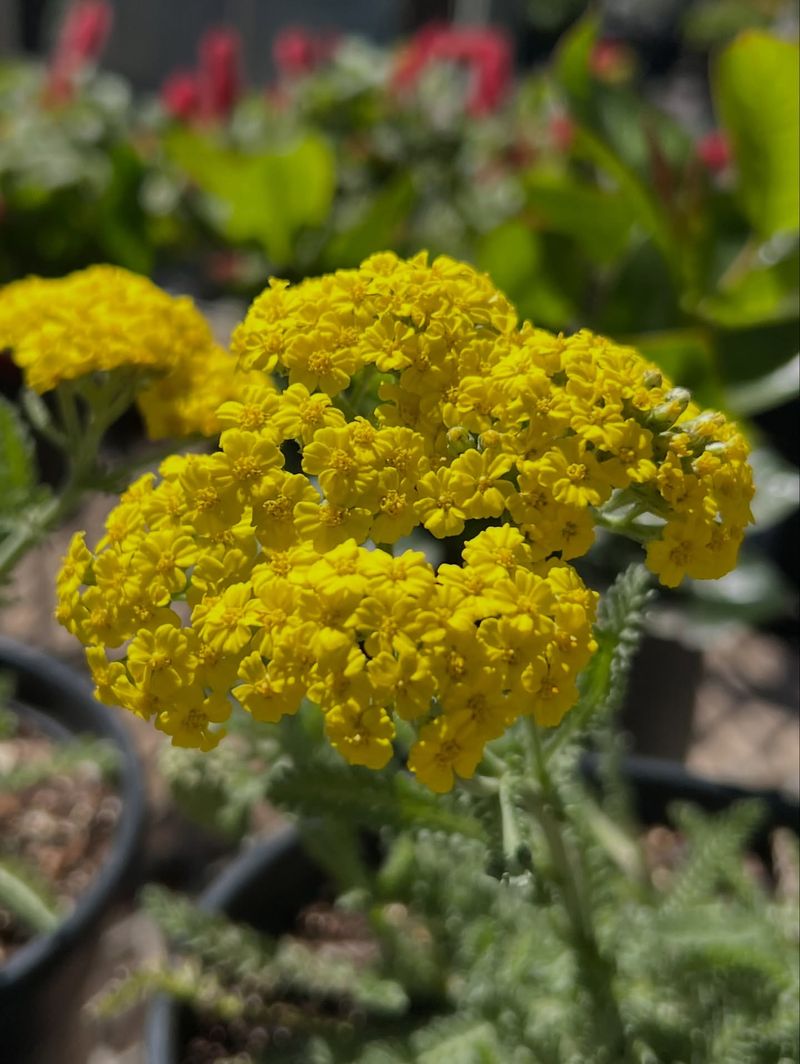
Yarrow has been growing wild across Michigan for a very long time, and garden cultivars of Achillea millefolium have taken that natural toughness and dressed it up with colors ranging from bright yellow and gold to soft pink, red, and creamy white.
The flat-topped flower clusters bloom for weeks in summer and look striking in both fresh and dried arrangements.
Full sun and lean, well-drained soil are what Yarrow wants most. One thing that surprises many Michigan gardeners is that too much fertilizer actually works against this plant.
Rich soil causes stems to flop over and lose that clean, upright shape that makes Yarrow so attractive in a border or meadow planting.
Drought tolerance is one of Yarrow’s greatest strengths. Once established, it handles dry Michigan summers with confidence and continues flowering even when other plants start to look stressed.
That toughness makes it ideal for slopes, gravel gardens, and any spot where moisture does not linger.
Pollinators visit the blooms enthusiastically, and the flowers attract beneficial insects that help keep garden pest populations in check naturally. Deadheading spent clusters encourages continued blooming throughout the season.
Dividing clumps every two to three years keeps plants compact and productive. For Michigan gardeners who want a plant that practically takes care of itself while still delivering weeks of color, Yarrow is an incredibly satisfying and reliable choice year after year.
9. Blanket Flower (Gaillardia Aristata)
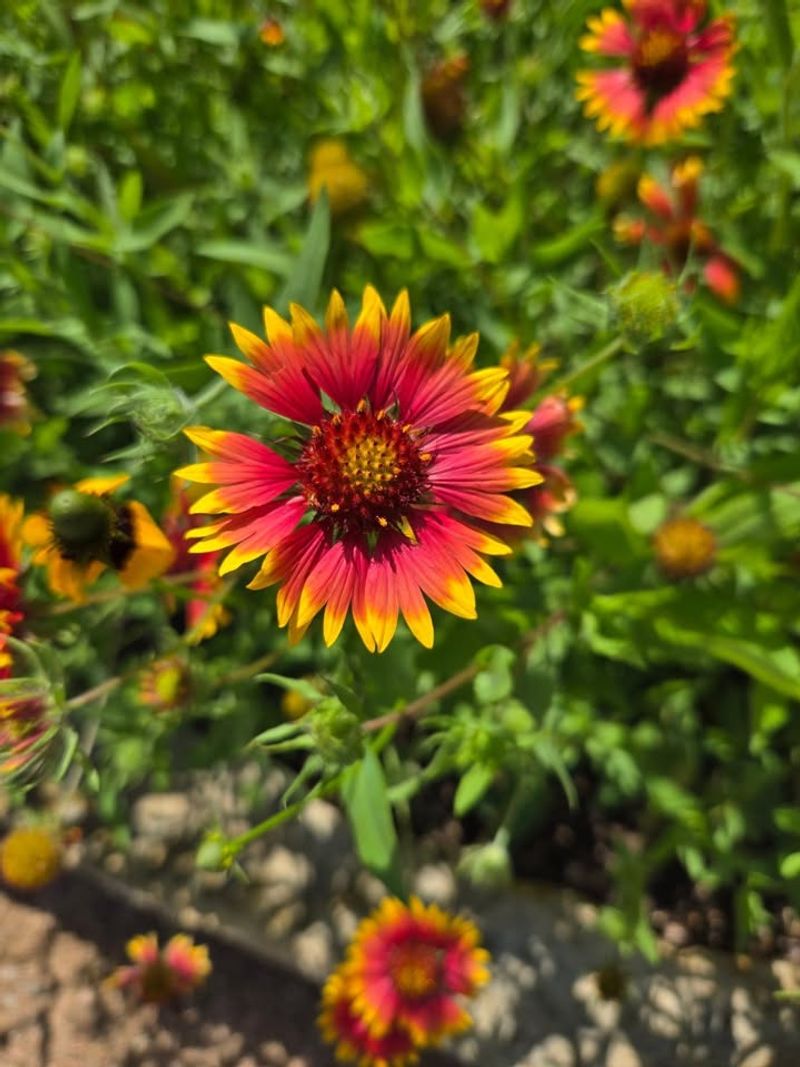
Blanket Flower earns its name with those vivid, fire-toned petals in combinations of red, orange, and yellow that look like a woven Native American blanket spread across your garden.
Gaillardia aristata and its hybrid relatives bloom from early summer right through the heat of late summer, making them one of the longest-performing perennials available to Michigan gardeners.
Heat and dry soil are not problems for Blanket Flower. In fact, this plant thrives in exactly the conditions that stress other perennials out.
Full sun and well-drained, even sandy or lean soil produce the most prolific blooming. Michigan gardeners with sandy soils or south-facing slopes often find that Gaillardia outperforms almost everything else they grow.
The one condition to watch for is wet, poorly drained soil, especially through Michigan winters. Gaillardia does not like sitting in waterlogged ground, and wet clay can cause plants to struggle or fail to return in spring.
Raised beds or slopes with good drainage solve the problem easily.
Removing spent blooms keeps new flowers coming steadily, though even without deadheading, Blanket Flower puts on an impressive show. Butterflies and bees visit regularly, and the warm colors add a vibrant, energetic feel to any garden space.
For a plant that asks for little water, little fertilizer, and very little attention, Blanket Flower delivers an extraordinary amount of color and visual excitement through the entire Michigan growing season.
10. New England Aster (Symphyotrichum Novae-Angliae)
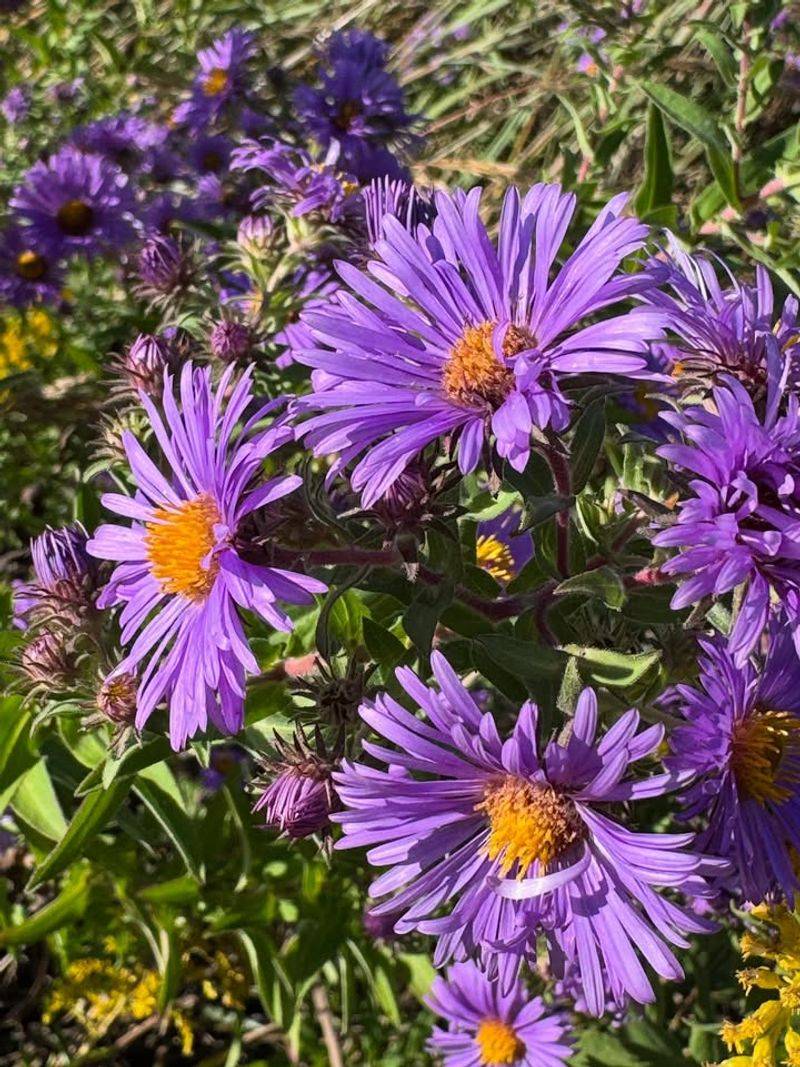
When most summer perennials start winding down, New England Aster is just getting started.
Symphyotrichum novae-angliae bursts into bloom in late summer and carries the color show all the way through fall, filling that quiet stretch in Michigan gardens when most other flowers have already come and gone for the season.
Native to Michigan, this aster knows exactly how to handle the state’s climate. The rich purple, pink, or lavender flowers with bright yellow centers appear in large clusters that cover the plant densely, creating a bold and impressive display.
Monarchs and other migrating butterflies rely heavily on New England Aster as a late-season nectar source during their fall journey south.
Plants can grow quite tall, sometimes reaching four to six feet, which gives them a commanding presence at the back of a border.
Cutting stems back by about one-third in early summer encourages a shorter, bushier shape that flowers more densely and does not require staking. Michigan gardeners who try this simple trick are often amazed by the difference it makes.
Full sun and average, well-drained soil keep New England Aster performing at its best. It spreads steadily over time, forming generous clumps that can be divided every few years to share with neighbors or expand plantings.
Few perennials offer the combination of native roots, wildlife value, and late-season color that this aster brings to Michigan gardens every single fall.