Pennsylvania Gardeners Are Replacing Lawns With These Native Plants
What if the most time-consuming part of your outdoor routine turned out to be completely optional?
Across Pennsylvania, a growing number of homeowners are asking exactly that question, and the answer they keep arriving at is the same: the traditional lawn might not be worth the effort it demands.
Mowing, fertilizing, reseeding, fighting off weeds and brown patches – it adds up to a significant investment of time and money for a result that, if everyone is being honest, is just okay.
Native plant replacements are gaining serious momentum in Pennsylvania yards, and the reasons go well beyond convenience.
These plants support local ecosystems in ways that turf grass simply cannot, they handle Pennsylvania’s climate without the constant intervention a lawn requires, and they bring a kind of natural beauty to a yard that manicured grass never quite achieves.
The homeowners making this switch aren’t looking back, and the results they’re getting are making their neighbors take notice.
1. Pennsylvania Sedge
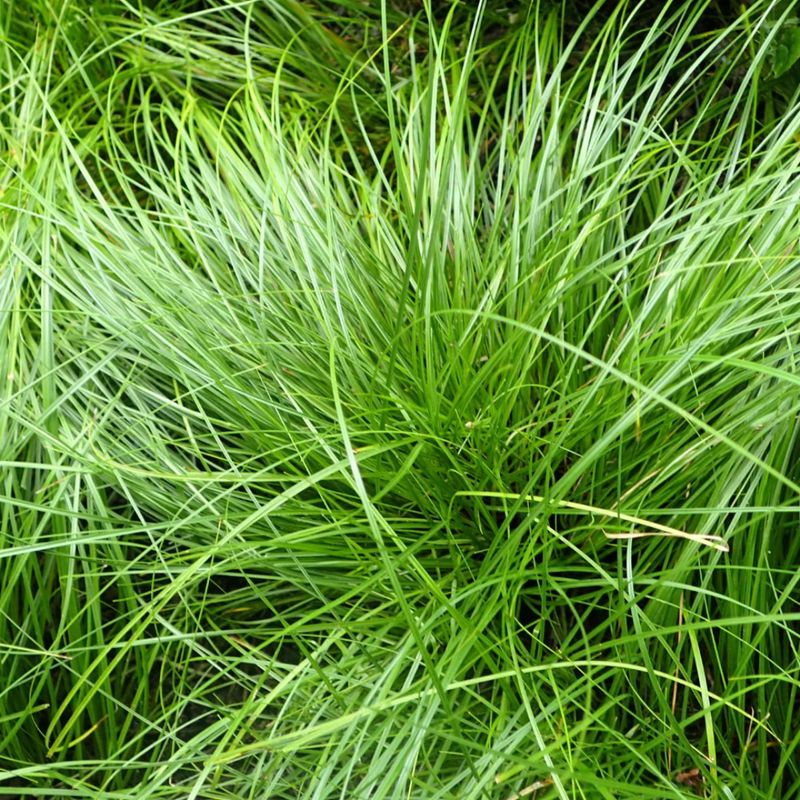
Forget everything you thought you knew about grass. Pennsylvania Sedge (Carex pensylvanica) is not your average lawn plant, and that is exactly what makes it so exciting for homeowners across the state.
This soft, low-growing native grass look-alike thrives in partial shade, which means it works beautifully under trees where regular turf just gives up.
One of the biggest reasons Pennsylvania gardeners love this plant is how little it asks of you. Once it gets established, it rarely needs watering or fertilizing.
It stays low on its own, usually around six to twelve inches tall, so mowing becomes optional rather than a weekly chore.
Pennsylvania Sedge spreads slowly by underground rhizomes, gradually filling in bare patches over time. It creates a soft, flowing carpet of green that looks natural and inviting.
Deer tend to leave it alone, which is a huge bonus for anyone gardening in suburban or rural Pennsylvania.
This plant is also a quiet hero for the local ecosystem. It provides habitat for ground-nesting insects and supports the base of the food web in a way that traditional turf simply cannot.
Birds that forage on the ground love areas planted with native sedge. Planting Pennsylvania Sedge is straightforward. You can start with plugs or divisions in spring or fall.
Give it some moisture while it settles in, and then step back and watch it do its thing. For shady Pennsylvania yards, this plant is genuinely one of the best swaps you can make.
2. Creeping Phlox
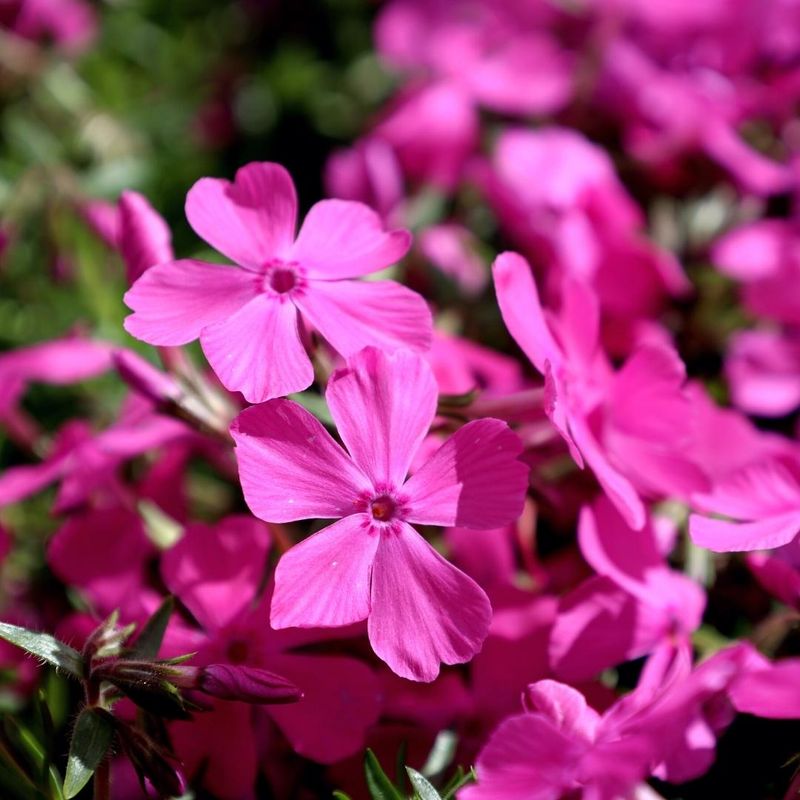
Every spring, something magical happens in Pennsylvania gardens where Creeping Phlox has taken root. The ground suddenly erupts in waves of pink, purple, lavender, and white flowers so dense they look like a living quilt thrown across the earth.
It is one of the most jaw-dropping sights in any home garden, and it happens with almost no effort from you.
Creeping Phlox (Phlox subulata) is a native perennial that hugs the ground and spreads outward year after year. It works especially well on slopes, hillsides, and along garden borders where erosion can be a problem.
Your Pennsylvania Garden Changes Every Week. Your Plan Should Too.
Gardening in Pennsylvania changes quickly throughout the season. Every Friday you’ll receive a simple weekly plan showing exactly what to plant, prune, fertilize, harvest, and protect so you never miss the right timing.
The thick mat of needle-like foliage stays green well into winter, giving your yard structure even when nothing else is blooming.
Pollinators go absolutely wild for it. Early bees, butterflies, and even hummingbirds visit the blooms in April and May, right when many other food sources are still scarce.
Planting Creeping Phlox in Pennsylvania is a direct investment in your local pollinator population.
Maintenance is refreshingly simple. After the spring bloom fades, a light trim helps keep the plant tidy and encourages fuller growth the following year.
It handles full sun to light shade and tolerates dry conditions once established, making it a reliable choice for Pennsylvania’s variable climate.
You can find Creeping Phlox at most Pennsylvania native plant nurseries. Plant it in well-drained soil, give it room to spread, and within a season or two, you will have a groundcover that turns heads every single spring without fail.
3. Wild Strawberry
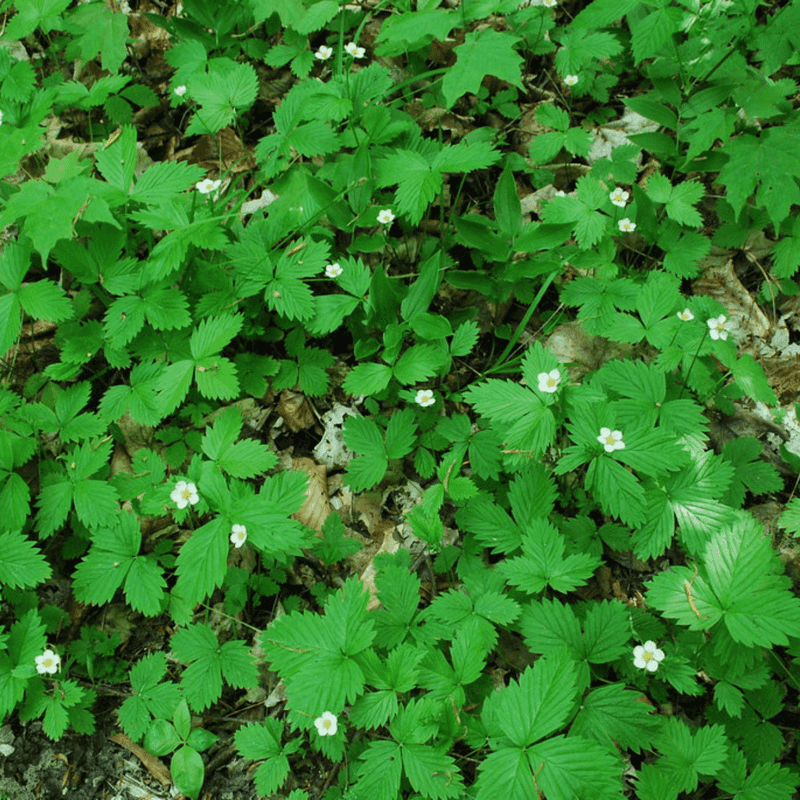
There is something undeniably charming about a groundcover that feeds you. Wild Strawberry (Fragaria virginiana) is a native Pennsylvania plant that spreads across the ground, produces cheerful white flowers in spring, and then rewards you with small but surprisingly sweet red berries in early summer.
It is one of those rare plants that looks good, helps wildlife, and puts food on your table all at once.
Beyond the berries, Wild Strawberry is a powerhouse for pollinators. The white blooms are early-season favorites for native bees, and the berries that follow attract birds, box turtles, and small mammals.
If you want your Pennsylvania yard to feel truly alive, this plant delivers that energy in spades.
Wild Strawberry spreads through runners, similar to the garden strawberry you might grow in a vegetable bed. It fills in gaps quickly without becoming invasive.
The low-growing foliage, usually just three to six inches tall, forms a tidy mat that works well between stepping stones, along pathways, or as a lawn replacement in smaller areas.
It handles a range of conditions with ease. Full sun, partial shade, dry soil, or slightly moist ground, Wild Strawberry adapts without much complaint.
Across Pennsylvania, from urban row home gardens to large rural properties, this plant has proven itself as a tough and versatile native option.
Plant it in fall or early spring using bare-root plants or plugs. Water it during the first dry spells, and after that first season, it largely takes care of itself while giving back to everything around it.
4. Golden Ragwort
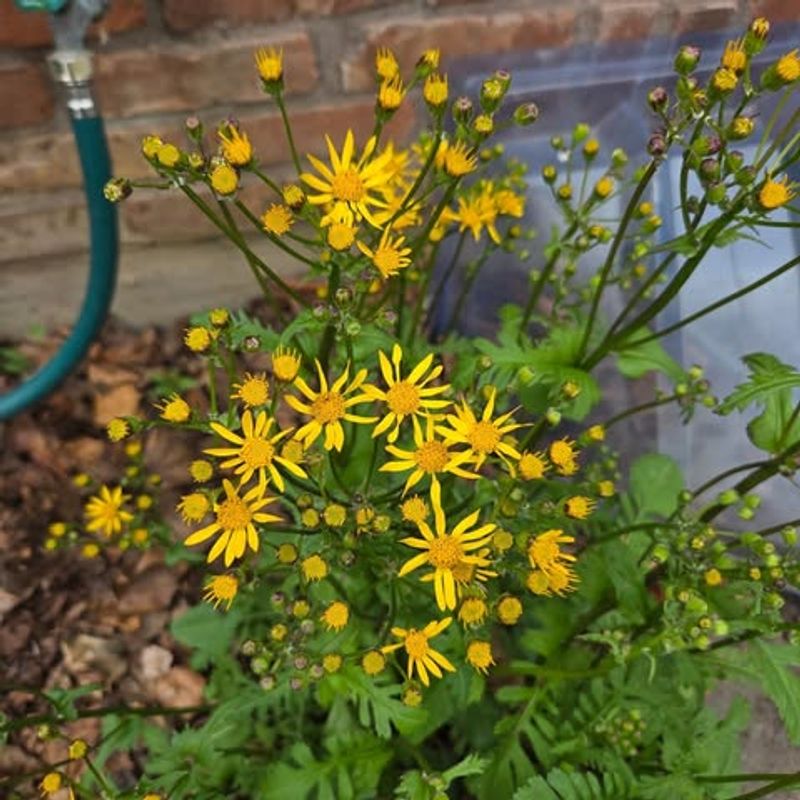
Walk through any moist Pennsylvania woodland in spring and you might spot clusters of bright yellow flowers hovering above a dense mat of deep green leaves.
That is Golden Ragwort (Packera aurea), and it is one of the most underappreciated native groundcovers available to Pennsylvania gardeners today. Once people discover what it can do, they wonder why they waited so long to plant it.
Golden Ragwort absolutely shines in wet or moist areas where other plants struggle. Rain gardens, low-lying spots in the yard, areas near downspouts, these are exactly the places where this plant thrives.
It forms a thick, weed-suppressing mat of evergreen foliage that stays attractive through most of the year, even in Pennsylvania winters.
The spring flower show is genuinely spectacular. Tall stems shoot up from the basal leaves and burst into clusters of golden yellow blooms that attract early pollinators like native bees and small butterflies.
The blooming period typically runs from April through June, bridging that gap when not much else is flowering.
One practical benefit that Pennsylvania gardeners rave about is its ability to outcompete weeds. Once Golden Ragwort establishes a colony, it crowds out invasive plants like garlic mustard and lesser celandine, two species that cause real headaches across the state.
Start with plugs or divisions in spring or fall. Plant them about a foot apart in a moist, shaded to partly sunny spot.
Within two growing seasons, you will have a lush, self-sustaining groundcover that handles the wet spots in your Pennsylvania yard with total confidence.
5. Frogfruit
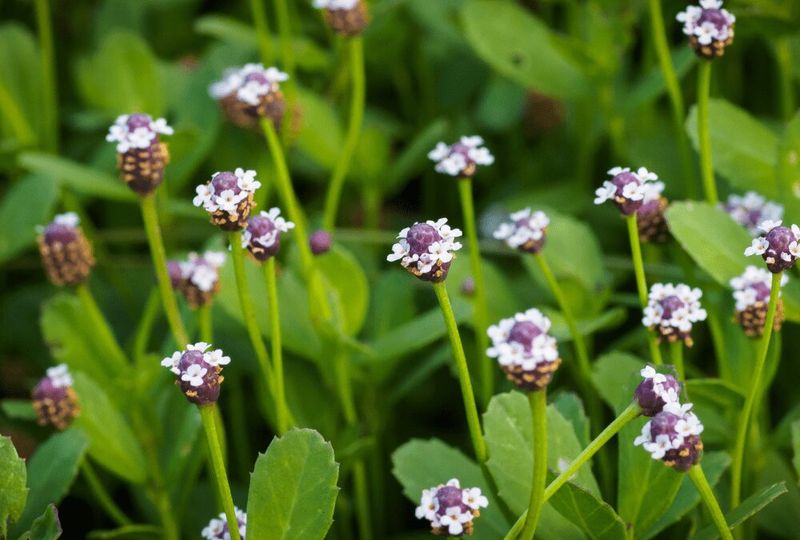
Not many plants have a name as fun to say as Frogfruit, and honestly, the plant lives up to the personality its name suggests. Phyla nodiflora is a low-growing native groundcover that has been making waves in Pennsylvania eco-lawn circles for good reason.
It is tough, pollinator-friendly, and handles foot traffic better than most other groundcover alternatives.
Frogfruit blooms from late spring all the way through fall, producing tiny white and lavender flowers that might look insignificant at first glance. But zoom in and you will see butterflies, native bees, and skippers crowding those small blooms constantly.
It is considered one of the top larval host plants for several butterfly species, including the Common Buckeye, making it a genuine ecological asset for Pennsylvania yards.
It spreads quickly by creeping stems that root wherever they touch the ground. This makes it excellent for filling in large areas fast.
It handles full sun and tolerates moderate drought once established, which suits many Pennsylvania landscapes during dry summer stretches.
Frogfruit stays very low, usually just two to four inches tall. It can be mowed occasionally if you want a more manicured look, or left alone for a naturalistic groundcover effect. Either way, it stays tidy without much intervention from you.
You can source Frogfruit from Pennsylvania native plant sales, local conservation districts, or online native plant nurseries. Plant it in a sunny, well-drained spot in spring.
By midsummer of the first year, you will likely already see pollinators discovering your new eco-friendly lawn patch with obvious enthusiasm.
6. Wild Ginger
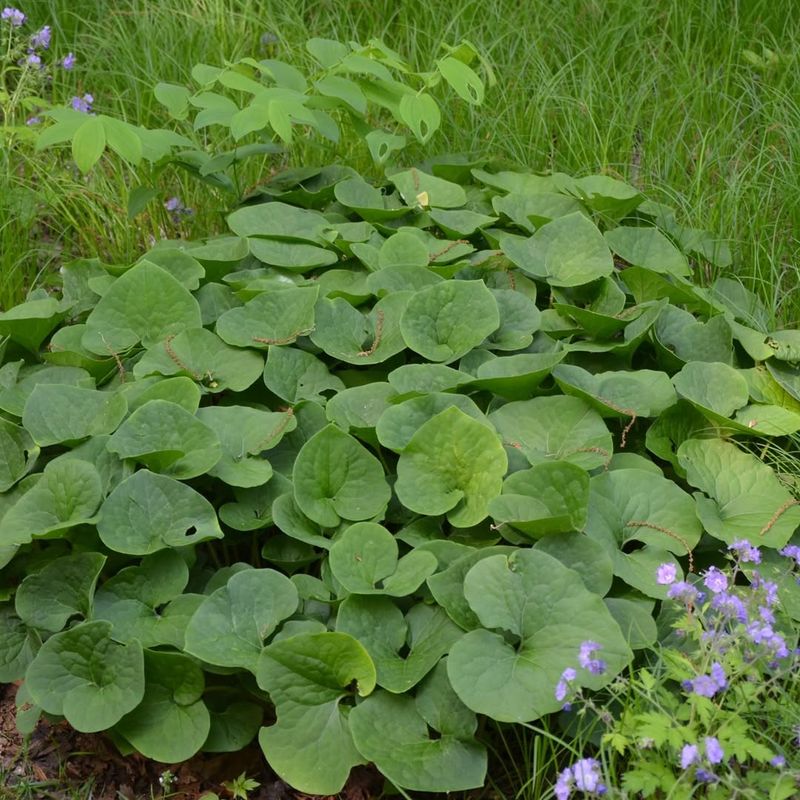
Some corners of a Pennsylvania yard seem to resist every plant you try. Deep shade under large maples or oaks, dry compacted soil where sunlight barely reaches, these spots can feel impossible.
Wild Ginger (Asarum canadense) was practically made for those challenging conditions, and once you see how beautifully it fills those dark corners, you will wish you had planted it sooner.
Wild Ginger is a slow-spreading native perennial with large, heart-shaped leaves that form a rich, velvety carpet of green. The foliage is bold and lush, which makes it visually striking even without showy flowers.
It does bloom in spring, but the small brownish-purple flowers hide beneath the leaves and are pollinated by ground-level insects like fungus gnats, a quirky botanical detail that plant lovers find fascinating.
Across Pennsylvania, this plant has become a go-to solution for shady spots under established trees where grass has long since given up.
It handles dry shade, which is one of the hardest conditions for any plant to tolerate. Once established, a colony of Wild Ginger needs almost no care at all.
It spreads by underground rhizomes at a relaxed pace, slowly expanding its territory without becoming aggressive or crowding out neighboring plants. That measured growth makes it easy to manage and keep within bounds.
Plant Wild Ginger in fall or early spring using divisions or potted plants from a native nursery. Amend the soil with a little compost if it is very compacted.
Water during the first season, and after that, let Pennsylvania’s natural rainfall do the rest of the work for you.
7. Blue-Eyed Grass
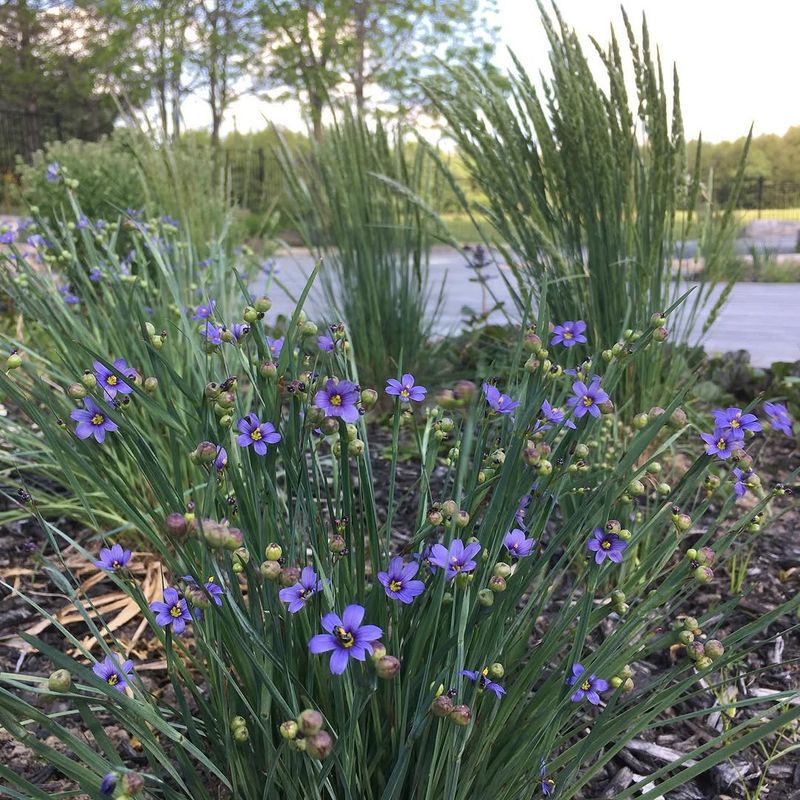
At first glance, you might walk right past Blue-Eyed Grass without a second thought, mistaking it for an ordinary clump of turf. Then those tiny, brilliant blue-violet flowers catch your eye, and suddenly you are completely charmed.
Sisyrinchium angustifolium is one of Pennsylvania’s most delightful native perennials, and it brings a kind of quiet beauty to gardens that bigger, showier plants simply cannot replicate.
Despite the name, Blue-Eyed Grass is not actually a grass at all. It belongs to the iris family, and up close you can see the family resemblance in those six-petaled flowers with their cheerful yellow centers.
Blooming from May through June, it fits naturally into meadow gardens, lawn edges, and sunny borders across Pennsylvania.
It grows in clumps about six to eighteen inches tall and spreads slowly by self-seeding, filling in areas over time without ever getting pushy about it.
The slender, upright foliage blends seamlessly with ornamental grasses and other fine-textured native plants, giving your garden a cohesive, naturalistic look that feels effortless.
Pollinators, especially native bees, visit the blooms regularly throughout the flowering season.
Adding Blue-Eyed Grass to a Pennsylvania lawn replacement planting helps create a more complete habitat, providing both nectar and visual texture that benefits the whole garden ecosystem.
Plant it in full sun to light shade in average, well-drained soil. It tolerates dry conditions once established and asks very little in return.
Divide clumps every few years to keep them vigorous and to spread this understated Pennsylvania native to new spots around your yard.