The Best Spots To Place A ZZ Plant In A Michigan Home For The Strongest Growth
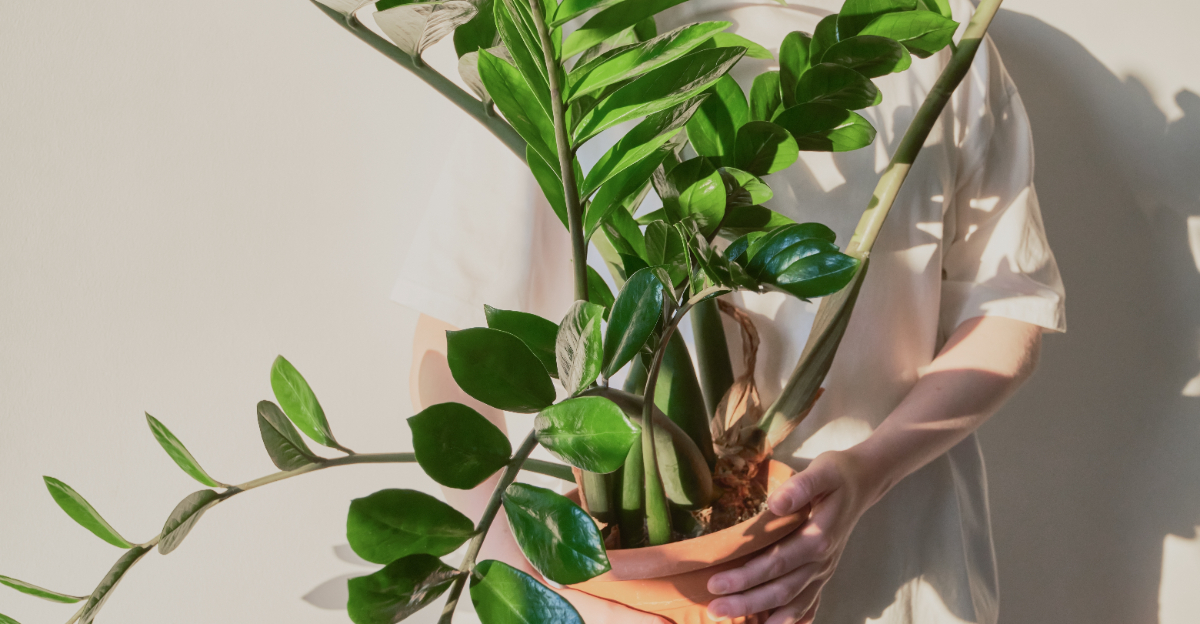
ZZ plants have built a reputation as nearly impossible to fail with, and that reputation is mostly deserved. They handle low light, irregular watering, and general neglect with a composure that few houseplants can match.
But there is a difference between a ZZ plant that survives in a Michigan home and one that actually grows with purpose, pushing out new stems, developing full glossy leaves, and expanding into something genuinely impressive over time.
Placement drives that difference more than any other factor. Michigan homes create a specific light environment that shifts considerably between seasons, with long bright days in summer giving way to months of limited natural light that affects every plant differently.
Where a ZZ plant sits in relation to windows, heating vents, and the natural movement of light through your home across the year determines how much energy it has available for real growth.
Getting that placement right from the start, or adjusting a plant that has been in the wrong spot, is usually all it takes to see a noticeable change in how it performs.
1. Bright Indirect Light Near An East Window
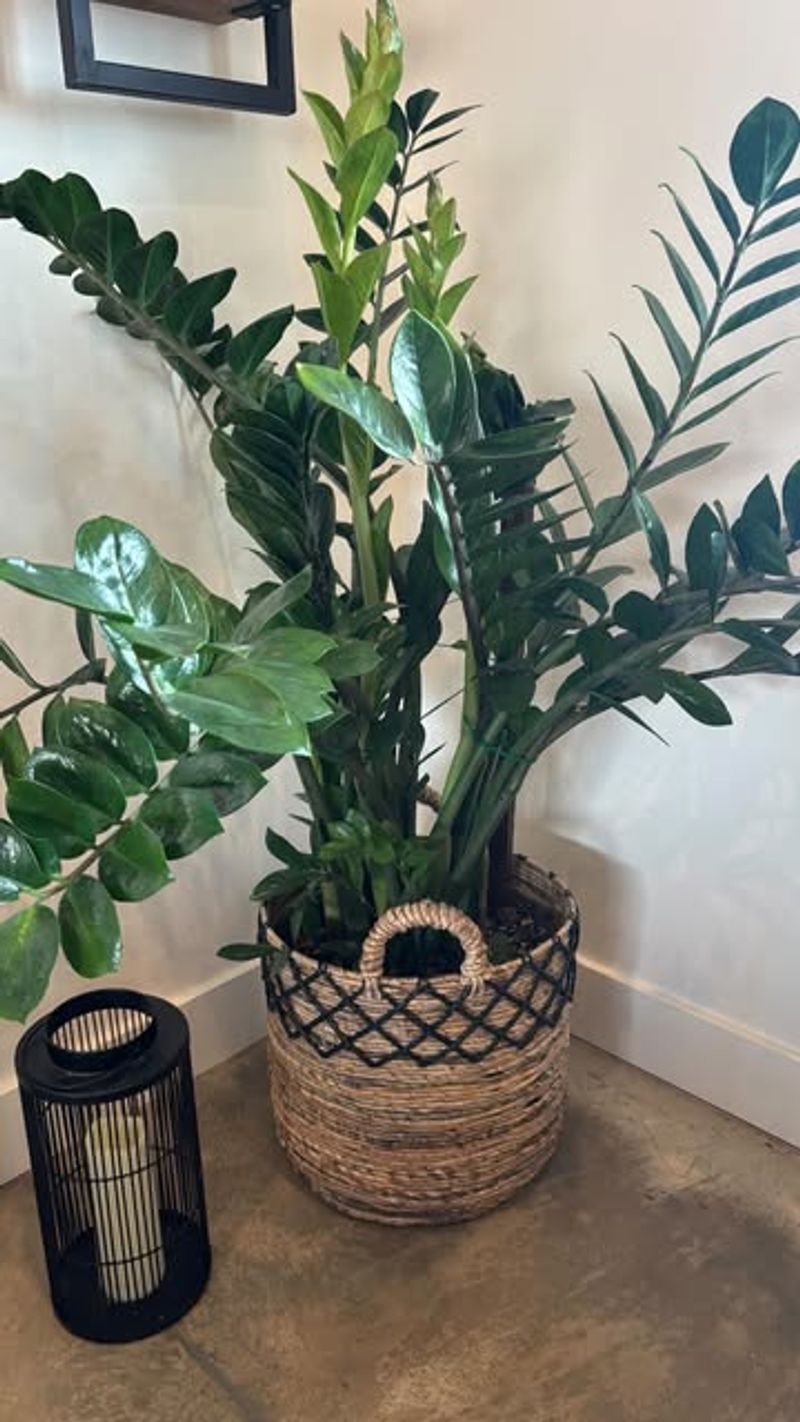
Morning light has a magic to it that most plant lovers quickly learn to appreciate. East-facing windows in Michigan homes catch that soft, golden glow right after sunrise, giving your ZZ plant exactly the kind of gentle brightness it loves most.
Unlike harsh afternoon sun, morning light warms the leaves without scorching them, which is a real win for this plant.
Placing your ZZ plant a foot or two from an east window creates a sweet spot where light is bright but never overwhelming. Michigan summers bring surprisingly strong sun, so that slight distance from the glass helps protect the plant during the warmest months.
In fall and winter, moving it a little closer to the window can help it soak up every bit of available light.
East windows also tend to keep more stable temperatures than south or west-facing ones, which ZZ plants really appreciate. Consistent light and consistent warmth together encourage stronger, more even growth throughout the year.
Many Michigan plant owners say their ZZ plants grow the fastest and look the healthiest when placed in an east-facing spot, and the results honestly speak for themselves. Try this location first before experimenting anywhere else in your home.
2. A Few Feet Back From South Windows
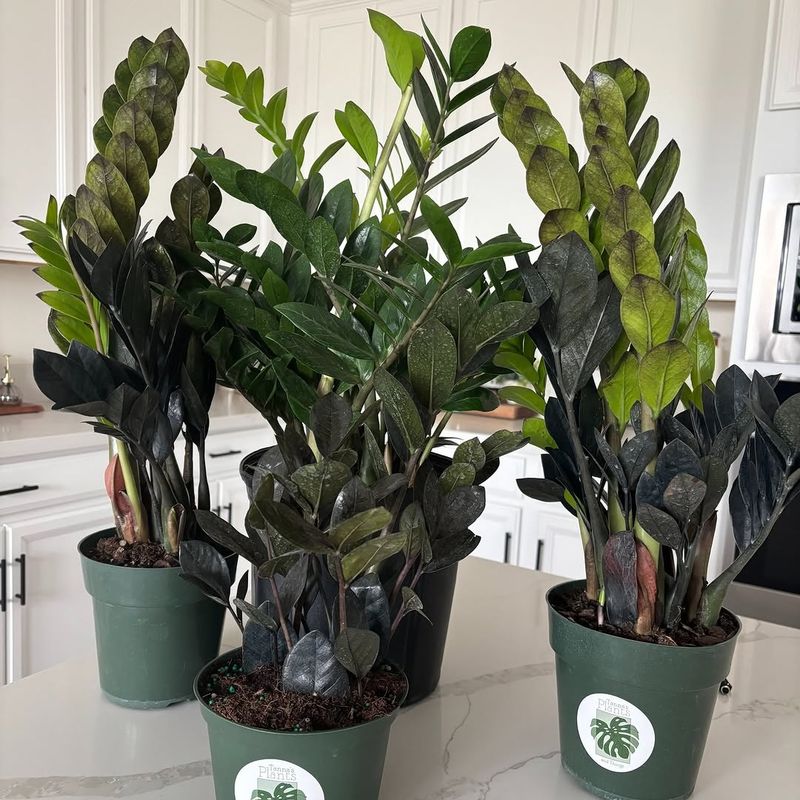
South-facing rooms are often the brightest spots in any Michigan home, and that brightness can absolutely work in your favor with a ZZ plant.
The trick is keeping some distance between the plant and the glass, because direct midday sun from a south window can be intense enough to bleach or damage those beautiful dark green leaves.
Setting your ZZ plant about three to four feet back from a south-facing window gives it access to strong ambient light without the risk of sun stress.
During Michigan summers, when the sun tracks higher in the sky and stays out longer, that extra distance is especially important for keeping your plant looking its best.
Your Michigan Garden Changes Every Week. Your Plan Should Too.
Gardening in Michigan changes quickly throughout the season. Every Friday you’ll receive a simple weekly plan showing exactly what to plant, prune, fertilize, harvest, and protect so you never miss the right timing.
A sheer curtain over the window is another easy way to soften the light if you want to move the plant a little closer.
South windows also help during Michigan’s notoriously gray winters, when natural light is scarce and plants can struggle to get enough energy to grow.
Positioning your ZZ plant in a south-facing room during those darker months gives it the best chance of staying healthy and active.
Rooms with south exposure tend to stay warmer too, which is a bonus since ZZ plants prefer temperatures above 60 degrees Fahrenheit and really slow down in chilly conditions.
3. Near Bright North Windows
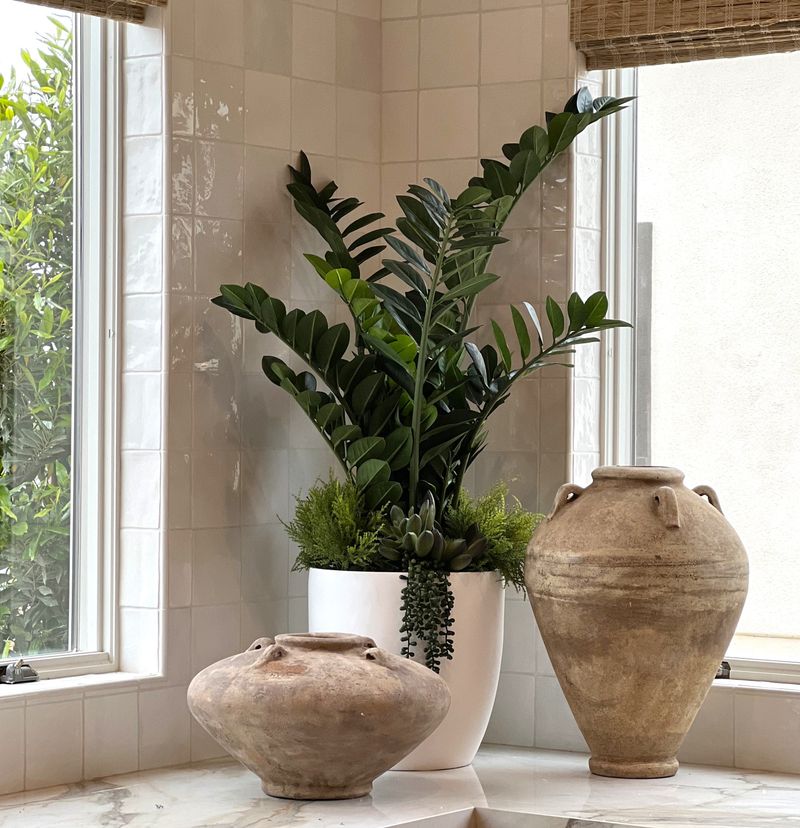
North-facing windows get a reputation for being too dim for most houseplants, but ZZ plants are genuinely different from the average indoor green.
These plants evolved in shaded environments in eastern Africa, which means they are built to handle lower light levels that would make other plants struggle or stall out completely.
In a Michigan home, a bright north window can actually be one of the most stable placements available for a ZZ plant year-round.
The light coming through a north-facing window stays consistent across seasons because it never receives direct sun at any point in the day.
That kind of steady, predictable light helps ZZ plants grow at a slow but reliable pace without the stress of fluctuating brightness.
One thing to keep in mind is that north windows in Michigan can get quite cold during winter months, especially if the glass is older or drafty. Keeping the plant a foot or more from the actual window surface helps avoid any chill damage to the leaves and roots.
ZZ plants near north windows may grow a bit more slowly than those in brighter spots, but they often look incredibly healthy and full because the light is so even and gentle.
For anyone who wants low-maintenance beauty, this location delivers exactly that with very little fuss or effort needed from you.
4. Rooms With Stable Temperatures
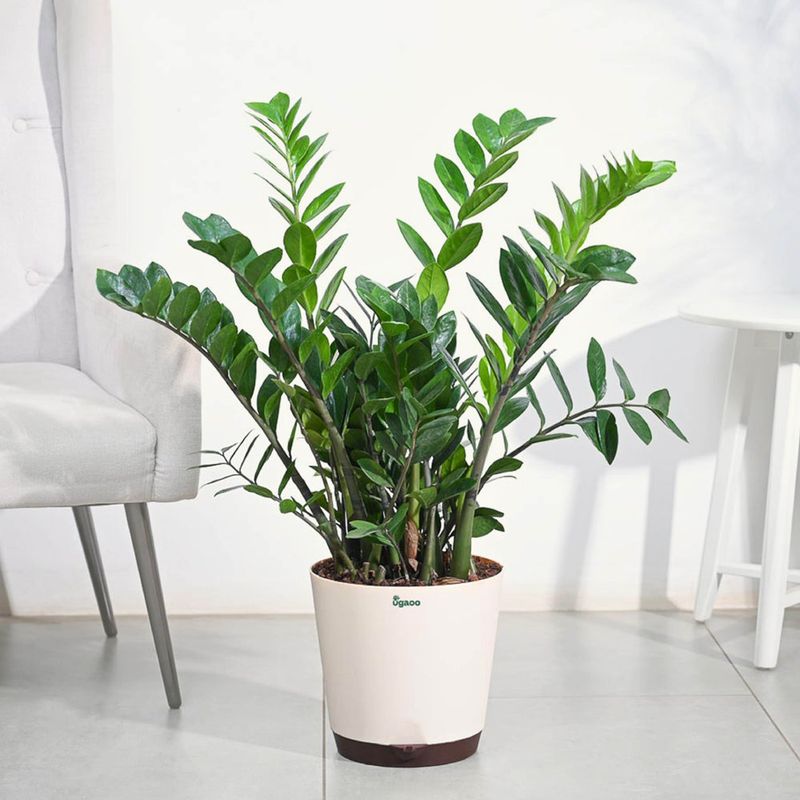
Temperature consistency is one of the most underrated factors in growing a strong, healthy ZZ plant indoors.
Michigan homes can have some wild swings in indoor climate, especially during the long heating season when furnaces run constantly and windows let in cold air from outside. Those fluctuations stress plants out far more than most people realize.
ZZ plants grow best when temperatures stay somewhere between 65 and 80 degrees Fahrenheit on a regular basis.
Rooms that hold steady within that range, like a well-insulated living room or a bedroom away from exterior walls, give the plant the comfort it needs to keep pushing out new growth.
Avoid placing your ZZ plant near heating vents, fireplaces, or radiators, because the blasts of dry hot air can cause leaf tips to turn brown and crispy over time.
Drafty spots near older Michigan windows are equally problematic during winter, when cold air seeping through the frame can chill the plant’s roots and foliage.
A ZZ plant sitting in a cold draft may stop growing entirely and hold its energy in reserve until conditions improve.
Picking a room that stays consistently warm and comfortable throughout the year is honestly one of the smartest moves you can make for this plant. Stability is the secret ingredient that keeps ZZ plants thriving season after season in Michigan homes.
5. Offices Or Rooms With Bright Artificial Light
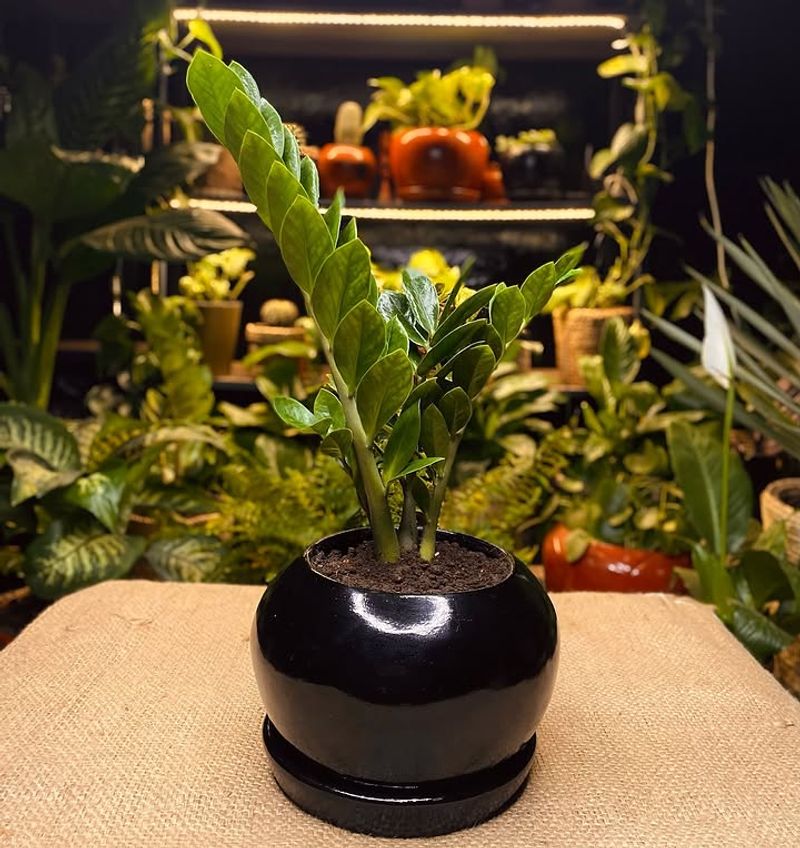
Not every room in a Michigan home has great natural light, and that is perfectly fine when you have a ZZ plant.
These plants are famously adaptable and can thrive under bright artificial lighting, making them one of the top choices for home offices, basements, or interior rooms with no windows at all.
The key with artificial light is brightness and duration. Full-spectrum LED bulbs or fluorescent grow lights placed within a few feet of the plant for 10 to 12 hours a day can keep a ZZ plant growing steadily and looking gorgeous.
Many Michigan homeowners who work from home have discovered that a ZZ plant on their office desk not only survives under artificial light but actually adds life and energy to the whole workspace.
Grow lights have become much more affordable and stylish in recent years, so setting one up above a ZZ plant in an interior room is easier than ever. Some people use clip-on grow light bulbs that attach right to shelves or desks, which works surprisingly well for this plant.
If your Michigan home has a finished basement or a hallway that stays dark most of the day, a ZZ plant under a good grow light can genuinely transform that space into something vibrant and fresh. Artificial light opens up a whole new world of placement possibilities for ZZ plant lovers.
6. Areas With Good Airflow But No Cold Drafts
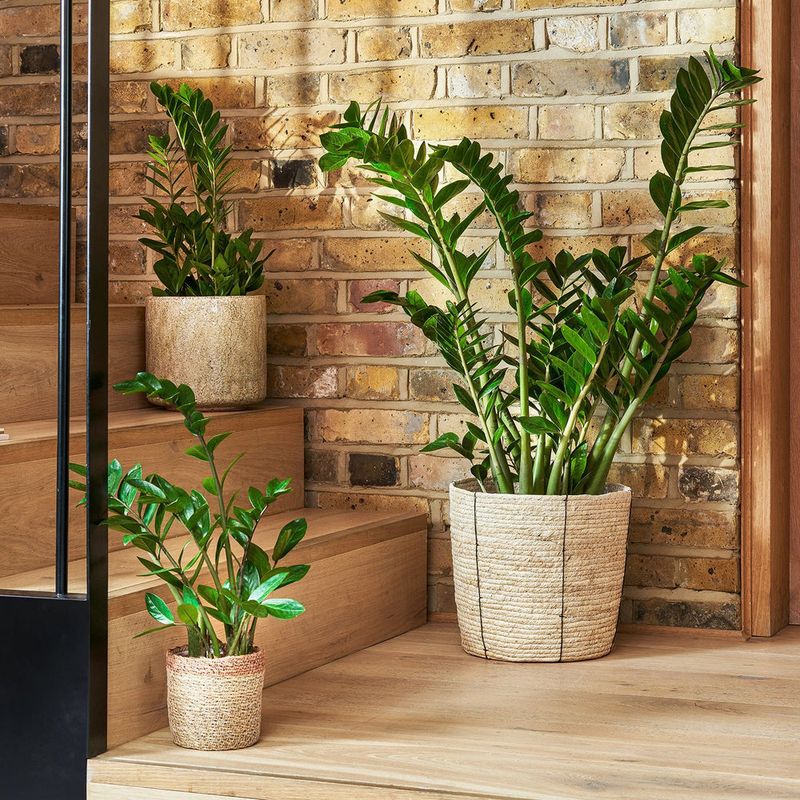
Fresh air circulation is something that benefits nearly every houseplant, and ZZ plants are no exception to that rule.
Good airflow around the plant helps moisture evaporate from the soil surface at a healthy rate, which reduces the risk of root issues caused by soil staying wet for too long.
It also keeps the leaves clean and free from the kind of stagnant humidity that can encourage mold or pests.
Michigan homes in summer can get stuffy, especially in rooms without ceiling fans or good cross-ventilation.
Running a ceiling fan on a low setting nearby, or simply leaving interior doors open to allow air movement, creates the kind of gentle circulation that ZZ plants love.
The leaves will look shinier and healthier in a spot where air moves naturally around them throughout the day.
Winter in Michigan brings a very different challenge when it comes to airflow. Opening windows to air out a room can expose your ZZ plant to cold drafts that drop below 50 degrees Fahrenheit, which the plant finds genuinely stressful and can cause growth to stall.
The best approach is to keep your ZZ plant in a room with a gentle ceiling fan or HVAC airflow while making sure it stays well away from any windows cracked open on cold days. Balance is everything when it comes to airflow for this plant in a Michigan home.
7. Away From Constant Overwatering Zones
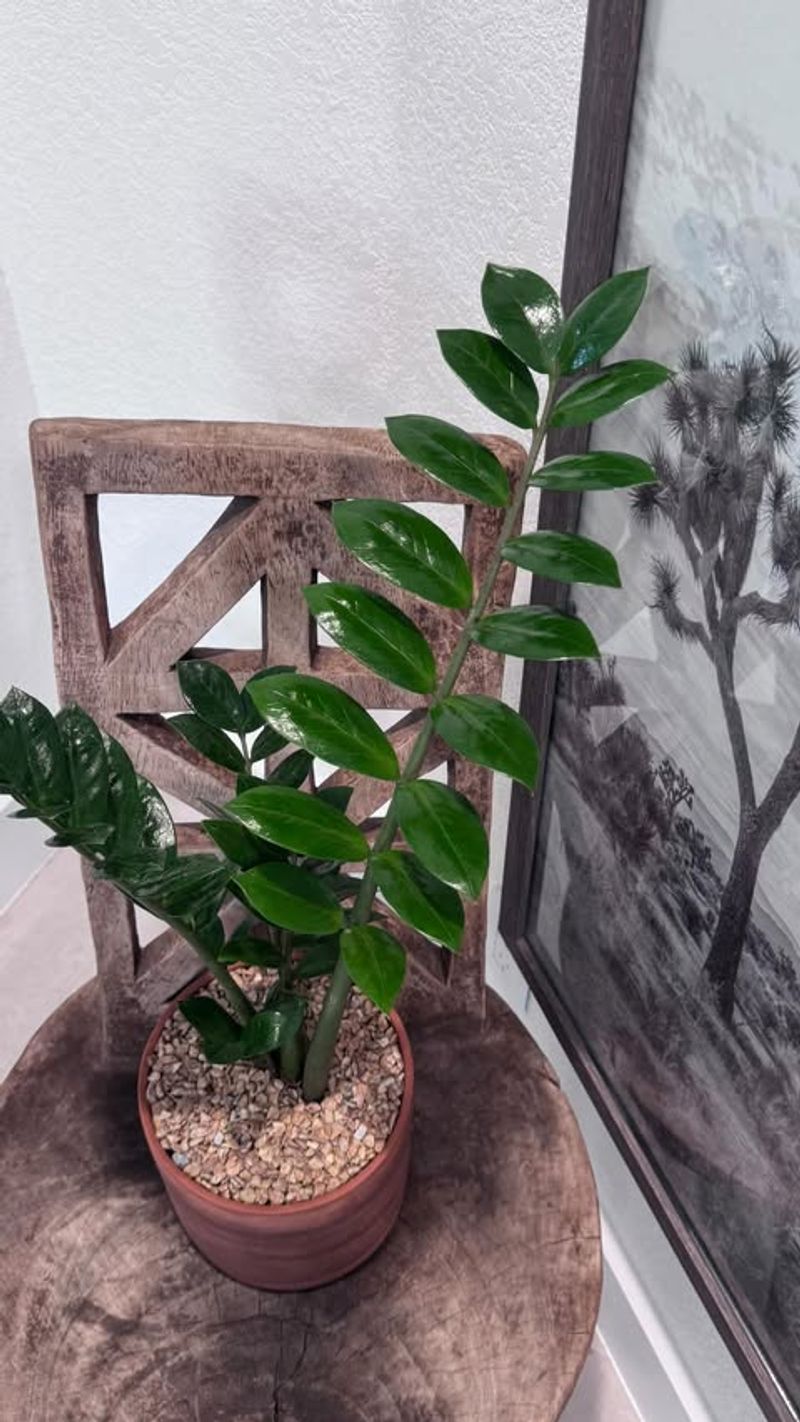
Placement affects more than just light and temperature for a ZZ plant. Where you put this plant in your Michigan home also determines how quickly the soil dries out between waterings, and that detail matters enormously for keeping the roots healthy and strong.
ZZ plants store water in their thick underground rhizomes, so they are genuinely built to handle dry spells without any drama.
Dark corners and enclosed spaces tend to hold moisture in the soil far longer than bright, open areas of a room.
If your ZZ plant sits in a dim spot with little air movement, the soil might stay wet for two or three weeks after watering, which is much longer than the plant actually needs.
That prolonged moisture can lead to soft, mushy roots that weaken the plant and slow its growth significantly over time.
Kitchens and bathrooms might seem like fun spots for a ZZ plant because of the humidity, but constant splashing from sinks or steam from showers can keep the soil too damp if the pot has no drainage.
Choosing a location where the soil can dry out completely every one to two weeks is the smartest strategy for strong ZZ plant growth in any Michigan home.
A bright room with a bit of airflow and a well-draining pot creates the ideal conditions for this plant to truly shine all year long.