When And How To Prune Peppers In Michigan For Healthier Plants And Better Growth
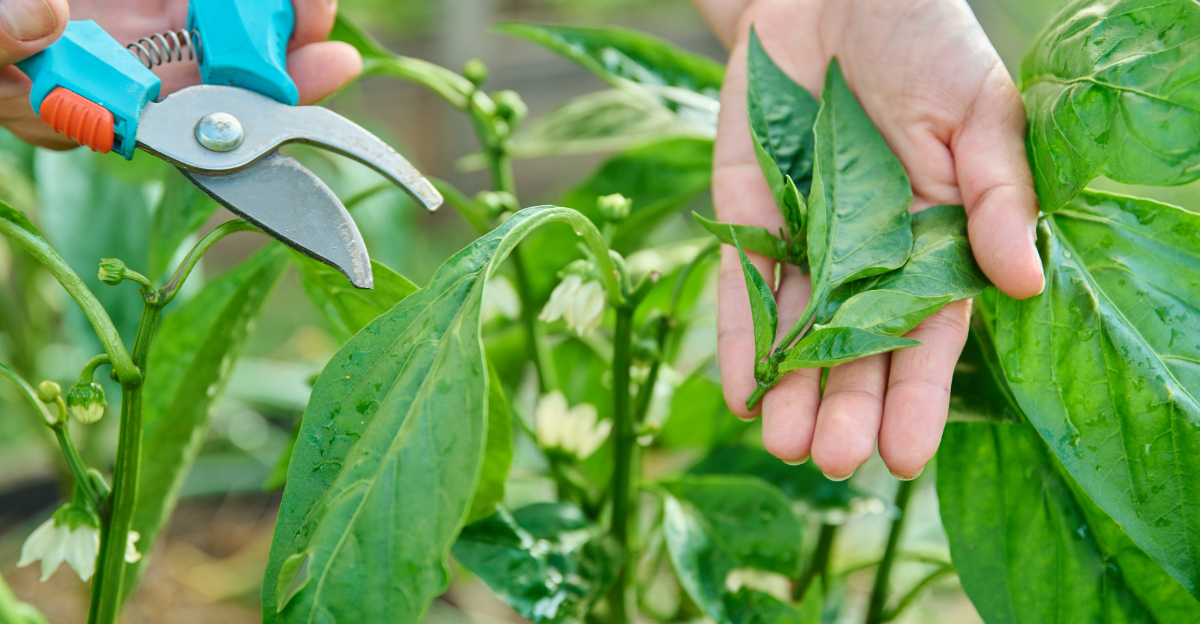
Peppers can grow well in Michigan, but knowing when and how to prune them can make a noticeable difference in their health and overall growth.
Many gardeners skip pruning or feel unsure about cutting into their plants, yet a few simple steps can lead to stronger stems and better airflow.
In Michigan’s shorter growing season, helping plants focus their energy in the right places can really pay off. Pruning at the right time encourages steady growth and can support better fruit development as the season moves along.
It also helps reduce crowding, which can limit problems in humid conditions. Whether you are growing peppers in raised beds or containers, a little attention to pruning can go a long way.
With the right approach, your plants can stay balanced, productive, and easier to manage from early summer through harvest.
1. Do Not Prune Before Transplanting Outdoors
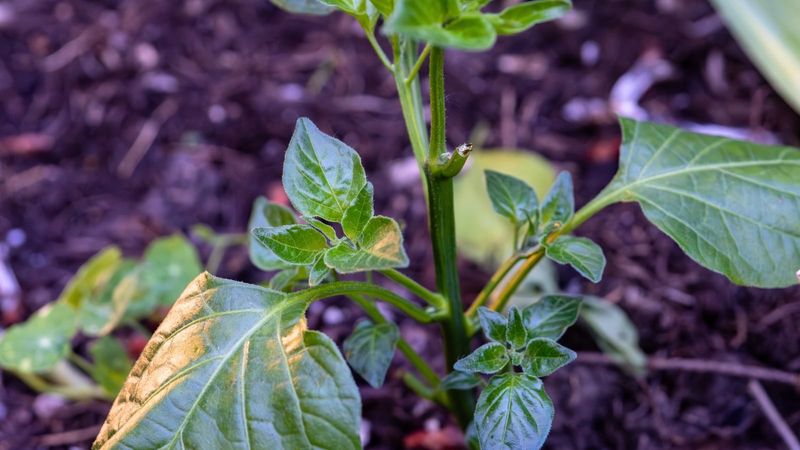
Patience pays off big time when it comes to pepper plants, especially in Michigan. Many gardeners get excited and want to start trimming right away, but pruning too early can actually slow everything down.
Your seedlings need every single leaf they have to soak up sunlight and build energy for strong root development. Without that full leaf surface, they simply cannot grow as fast or as strong.
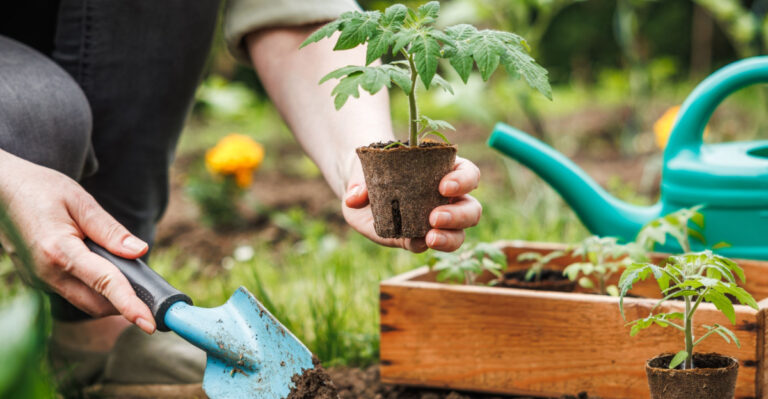
In Michigan, the last frost usually falls around late May in most areas, so transplanting outdoors typically happens right around that time. Before your plants are fully settled into their new home in the garden, they are already dealing with transplant stress.
Adding pruning on top of that is just too much for them to handle at once. Give them at least two to three weeks after transplanting before you even think about reaching for your pruning shears.
Once the plants look sturdy, have new growth showing, and seem comfortable in the ground, that is your green light to start any light pruning. Roots need to anchor deeply before the plant can redirect energy anywhere else.
Michigan summers are warm but short, so starting your plants off right sets the foundation for a productive growing season. Strong roots early on means more peppers later, and that is always the goal.
2. Remove Early Flowers To Build Stronger Plants
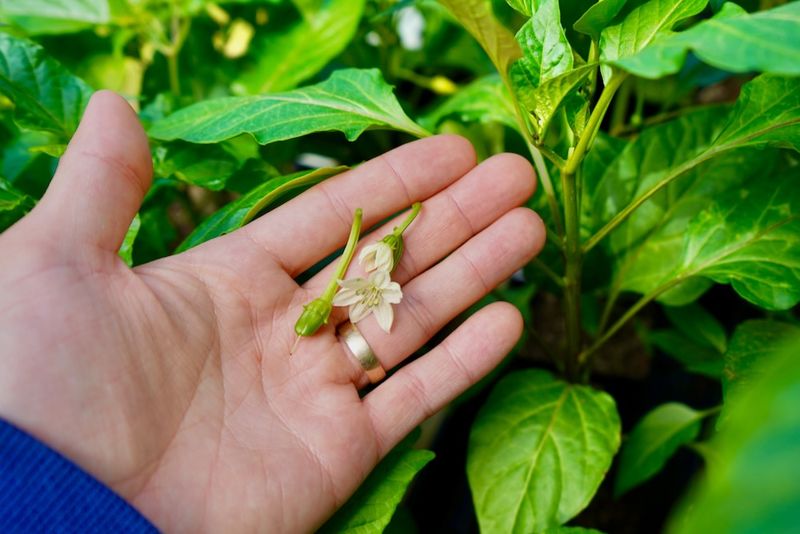
Seeing that first little flower blossom on your pepper plant feels exciting, but pinching it off is actually one of the smartest moves you can make.
Early flowers pull energy away from root and stem development, which are the two things your plant needs most right after transplanting.
When plants focus on growing bigger and stronger first, they end up producing way more fruit later in the season.
Michigan has a relatively short growing window compared to warmer states, which makes this step even more valuable here. A plant with a thick stem, deep roots, and strong branches can support far more peppers than a weak, spindly one that fruited too early.
Removing those first few flower clusters might feel counterproductive, but you are really just telling the plant to invest its energy where it matters most right now.
Your Michigan Garden Changes Every Week. Your Plan Should Too.
Gardening in Michigan changes quickly throughout the season. Every Friday you’ll receive a simple weekly plan showing exactly what to plant, prune, fertilize, harvest, and protect so you never miss the right timing.
Most gardening experts suggest pinching off the first one to three flower clusters after transplanting. After that, you can let the plant bloom freely and start setting fruit on its own schedule.
The difference in plant size and overall yield is often noticeable by midsummer. Michigan gardeners who try this technique for the first time are usually surprised by how much more productive their pepper plants become.
A little sacrifice early on leads to a much bigger reward by harvest time.
3. Prune Lower Leaves Once Plants Are Established
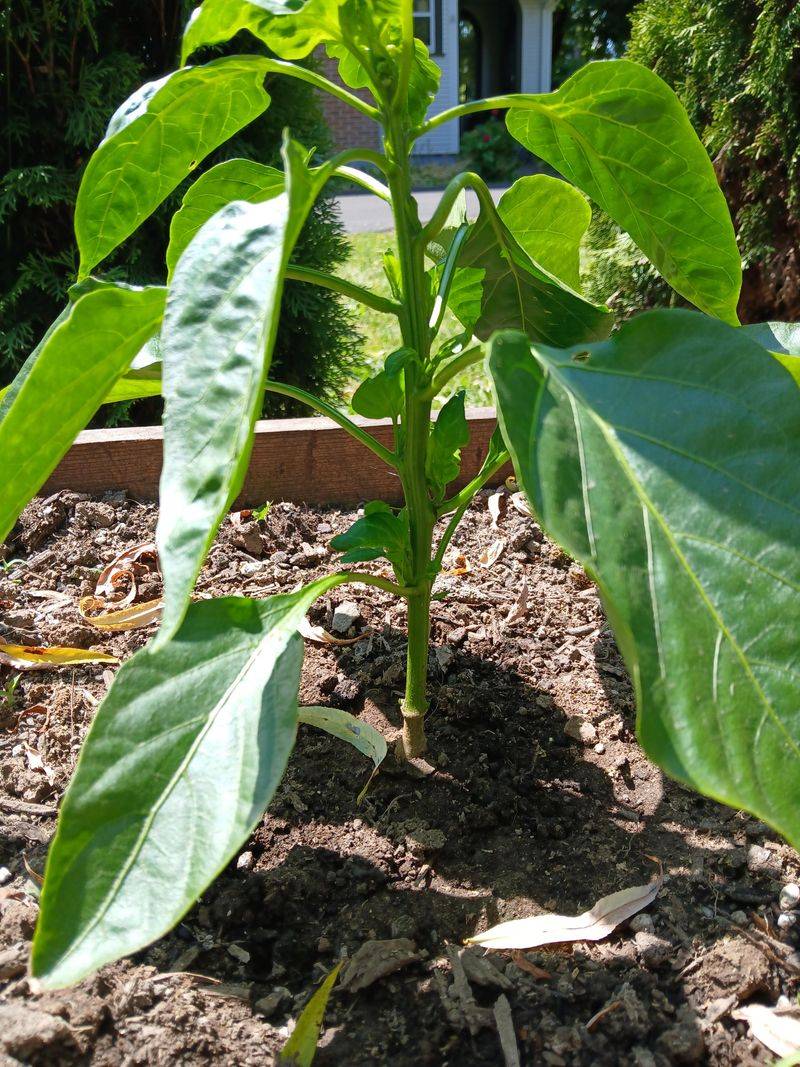
Once your pepper plants are settled and growing well, one of the most useful things you can do is remove the leaves that hang close to the soil. Leaves that touch or nearly touch the ground act like a bridge between the soil and the rest of the plant.
During Michigan’s rainy summer months, water splashes up from the soil and carries bacteria and fungal spores right onto those lower leaves. That can trigger leaf spot diseases and other problems that spread quickly through the whole plant.
Removing those lower leaves creates a small but meaningful gap between the soil and the plant’s foliage. It is a simple change that reduces the risk of disease significantly.
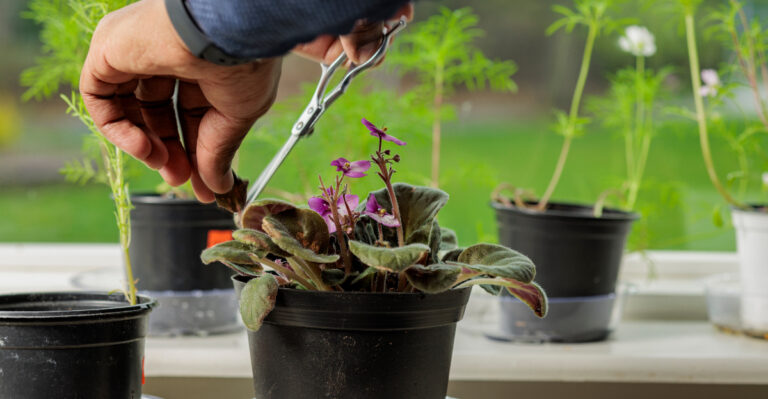
Aim to remove leaves that sit within about four to six inches from the ground, and always use clean, sharp scissors or pruning shears to avoid introducing any new problems while trimming.
Michigan summers bring a mix of warm temperatures and decent rainfall, which creates the kind of humid conditions that fungal diseases absolutely love. Staying ahead of that by clearing lower foliage gives your plants a better chance of staying healthy all season long.
Healthy foliage means more energy for fruit production, and that is exactly what you want. This small pruning habit can make a surprisingly big difference in how your plants look and perform by the end of summer.
4. Lightly Thin Crowded Growth For Better Airflow
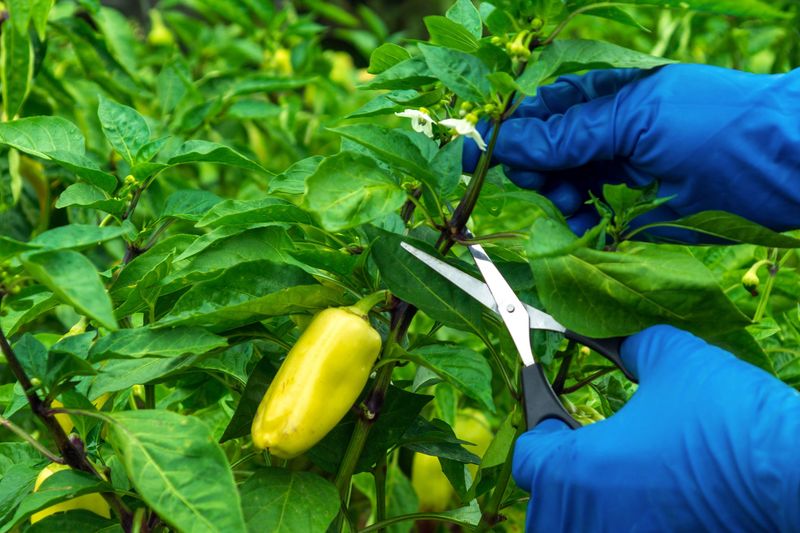
When pepper plants grow thick and bushy, it might look impressive at first glance, but too much crowding inside the plant can actually cause problems. Dense inner growth blocks sunlight from reaching lower branches and creates pockets of trapped, moist air.
In Michigan, where summer humidity can climb quite a bit, those stagnant air pockets become perfect breeding grounds for fungal diseases like powdery mildew and botrytis.
Thinning out a few inner shoots every now and then keeps air moving freely through the plant. You do not need to go overboard with this.
Just remove a handful of crossing or crowded branches, focusing on any growth that looks weak or is pointing inward rather than outward. The goal is to open the plant up a bit, not to strip it down. Think of it as giving your plant a little breathing room.
Better airflow also helps with pollination since bees and other beneficial insects can move through the plant more easily. Improved light penetration means more of the plant’s leaves are actively working to produce energy.
Michigan gardeners growing peppers in raised beds or close together in rows especially benefit from this kind of light maintenance pruning. Keeping things open and airy through the summer months is one of those quiet habits
5. Avoid Heavy Pruning During Peak Growth
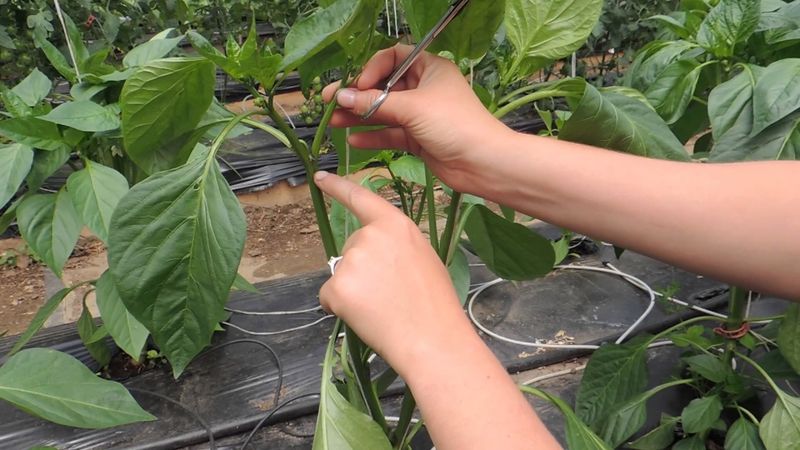
Cutting back a pepper plant too aggressively in the middle of the growing season might seem like a way to tidy things up or encourage new growth, but it often does more harm than good. Pepper plants rely heavily on their leaves to produce energy.
Each leaf plays an important role in capturing sunlight and converting it into the fuel the plant needs to grow, flower, and develop fruit. When you remove a large portion of that foliage, you are reducing the plant’s ability to support itself.
This is especially important in regions with shorter growing seasons. In places like Michigan, where warm weather does not last as long as it does in southern climates, plants do not have as much time to recover from stress.
Every leaf contributes to overall productivity, so removing too many can delay growth and reduce your harvest. Instead of heavy pruning, focus on light, selective trimming.
Removing only damaged or overcrowded areas helps maintain airflow and plant health without interfering with energy production. Keeping a balanced approach allows your pepper plants to continue growing steadily and producing fruit throughout the season.
6. Stake Or Support Instead Of Over-Pruning
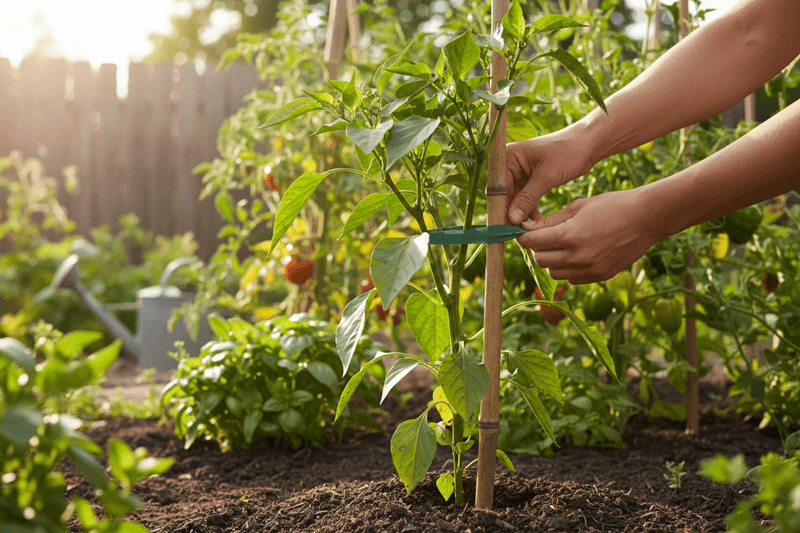
When pepper plants start to lean, stretch, or fall over, it is easy to assume they need to be cut back. However, the issue is often not too much growth, but a lack of proper support.
Pepper plants can become top-heavy as they grow and begin producing fruit, especially during periods of rapid summer growth. Rather than removing healthy branches and leaves, providing support is usually the better solution.
Using a simple stake, such as bamboo or wood, can help guide the plant upward and keep it stable. Tomato cages or small wire supports also work well, especially for bushier varieties.
These supports allow the plant to maintain all of its foliage, which is essential for continued growth and fruit production. In areas with unpredictable weather, support becomes even more important.
Sudden storms or strong winds can easily bend or damage unsupported plants. By securing your peppers early, you reduce the risk of breakage and keep the plant in a strong, upright position.
This approach allows your plant to grow freely and stay productive, leading to a healthier plant and a more abundant harvest over time.
7. Stop Pruning Late In The Season
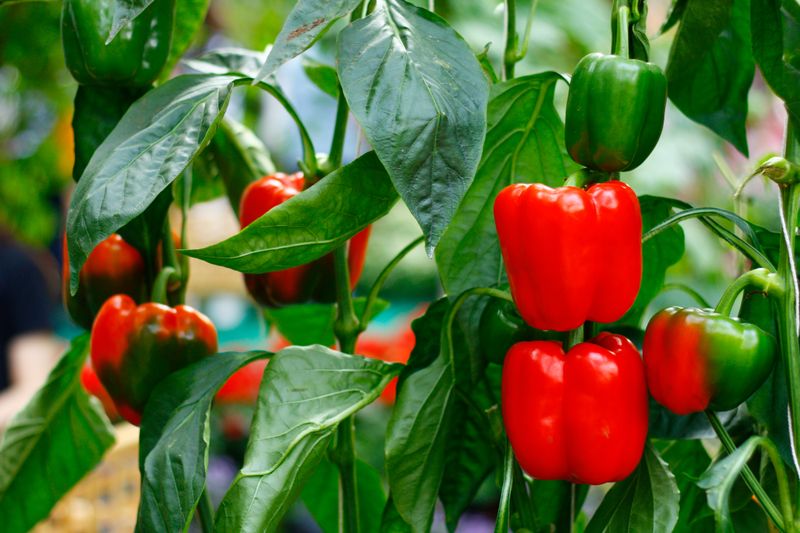
As late summer approaches, it becomes important to shift your focus from shaping the plant to helping it finish strong. At this stage, pepper plants are working to ripen the fruit they have already produced, and they rely on every available leaf to do so.
Pruning during this period can interrupt that process by reducing the plant’s ability to generate the energy needed for ripening. With cooler temperatures gradually setting in, the window for fruit to fully mature begins to narrow.
This is especially noticeable in regions where fall arrives earlier. Removing leaves at this point can slow down development and leave peppers struggling to reach their full size and flavor before the season ends.
Instead of trimming, allow the plant to keep all of its remaining foliage. The leaves help capture warmth, support steady growth, and maintain the internal balance the plant needs to finish ripening its fruit.
By holding off on pruning and letting the plant continue naturally, you give your peppers the best possible chance to mature fully before cooler weather takes over.