Why Michigan Gardeners Should Only Harvest Rhubarb In Months Without An “R” In Their Name
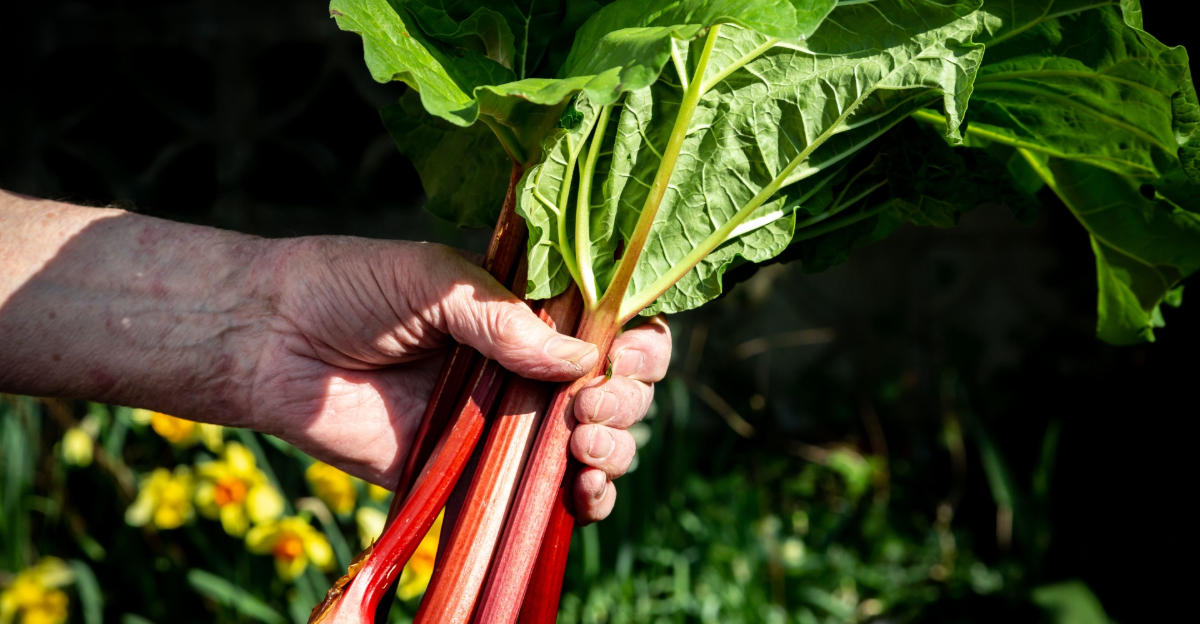
Rhubarb is one of Michigan’s most reliable perennial crops, coming back stronger each spring and producing those tart red stalks that signal the growing season has finally arrived.
Most gardeners know the basics of harvesting it, but fewer have heard the old rule about avoiding months with an “R” in their name, and fewer still know whether there is any real truth behind it.
The saying sounds like folklore, but like a lot of old garden wisdom it contains a kernel of practical logic worth understanding.
Rhubarb has a specific seasonal window where harvesting helps the plant and a period where it genuinely causes harm, and the timing lines up more closely with that traditional rule than you might expect.
Michigan’s climate makes this especially relevant because the growing season here shapes how much energy a rhubarb plant actually has to spare at different points in the year.
Understanding what is happening in the plant during each month, and why pulling stalks at the wrong time weakens a crown that took years to establish, changes how you think about harvesting this crop entirely.
1. The “Months Without An R” Rule And What It Really Means For Michigan
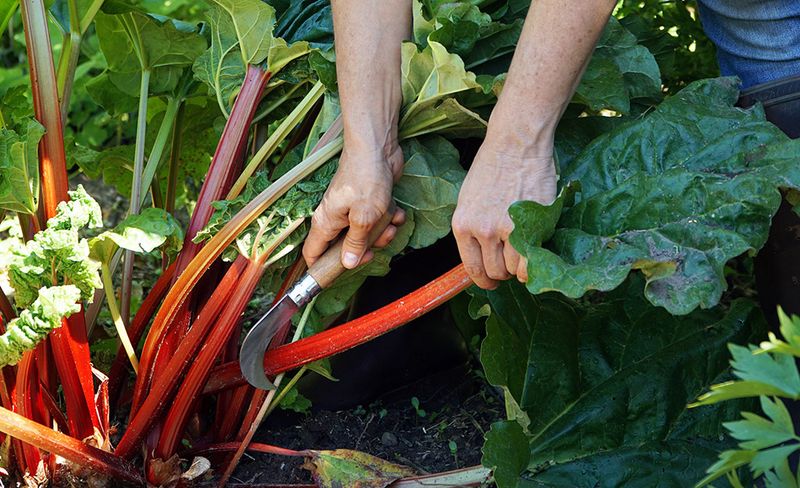
Old gardening sayings have a way of sticking around because they carry real wisdom. The rule about harvesting only in months without an “R” points to May, June, July, and August.
For Michigan gardeners, though, May and June are the true golden window for rhubarb picking.
Michigan’s spring weather is cool and moist, which is exactly what rhubarb loves. During May and June, the soil temperature and air conditions work together to push out those thick, juicy, deeply colored stalks that make rhubarb so rewarding to grow.
Harvesting during these months means you are working with nature, not against it.
July and August, while technically also “R”-free months, bring Michigan summers that are often too hot and dry for rhubarb to keep producing well. The plant starts to slow down and focus on storing energy rather than producing new stalks.
Pulling stalks during that period puts unnecessary strain on the plant. So the practical takeaway is simple: think of May and June as your main harvest window in Michigan.
The old rule gives you a memorable shortcut, but the real reason it works here is rooted in climate and plant biology. Respecting this timing means your rhubarb patch will reward you with strong, healthy growth season after season.
2. Rhubarb Needs Time To Rebuild Its Energy After Each Harvest
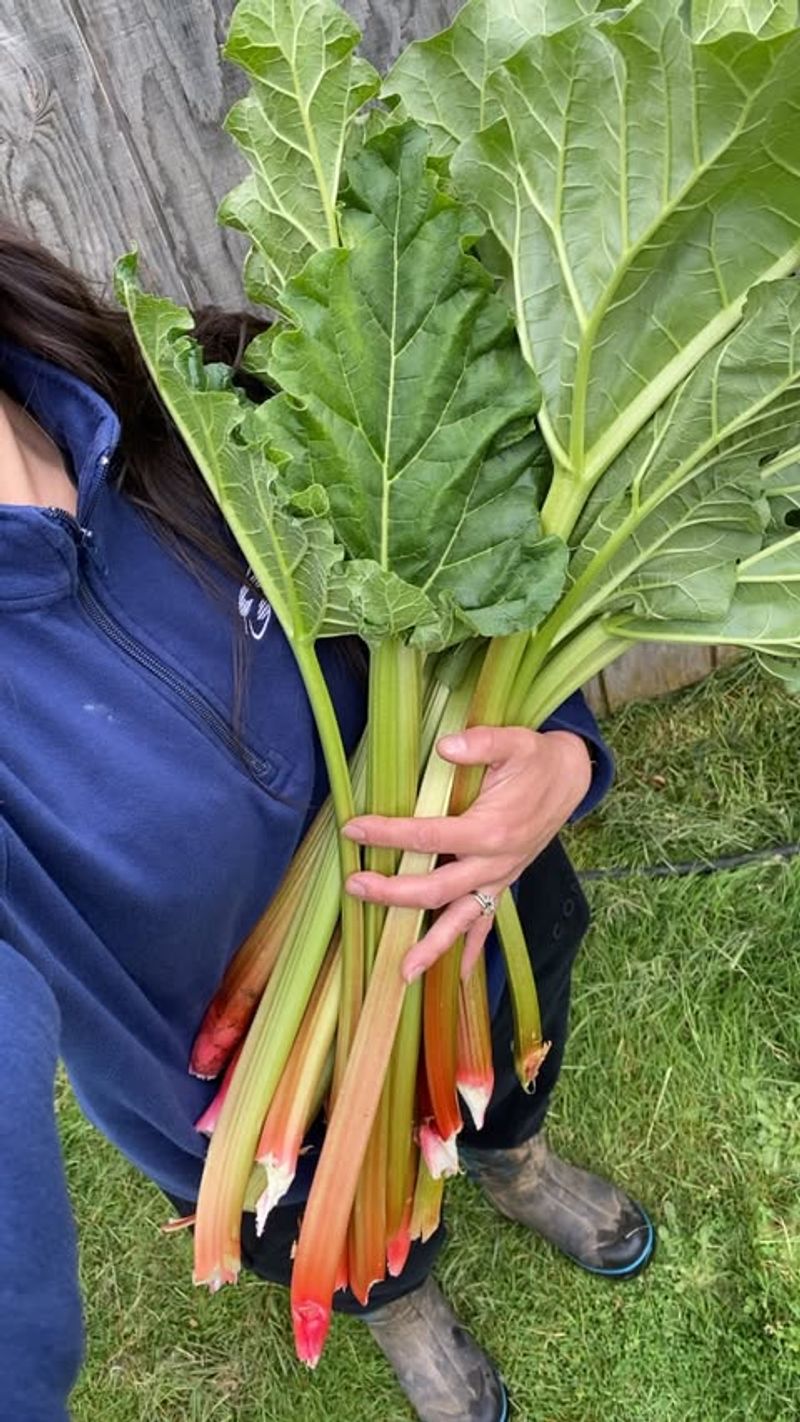
Think of your rhubarb plant like a rechargeable battery. Every stalk you pull draws from the energy stored in the crown and root system.
Harvest too much or too late in the season, and you leave that battery running dangerously low heading into fall and winter.
In Michigan, where winters are long and cold, rhubarb depends heavily on those energy reserves to survive and bounce back strong the following spring.
A plant that was overharvested in late summer simply does not have enough stored nutrients to fuel vigorous new growth when May rolls around again.
Your Michigan Garden Changes Every Week. Your Plan Should Too.
Gardening in Michigan changes quickly throughout the season. Every Friday you’ll receive a simple weekly plan showing exactly what to plant, prune, fertilize, harvest, and protect so you never miss the right timing.
Over time, this pattern leads to smaller, thinner stalks and a patch that never quite reaches its full potential.
The months without an “R” rule naturally protects this recovery cycle. By limiting your harvest to May and June, you give the plant several months to rebuild before the ground freezes.
The leaves that remain after your last harvest do all the heavy lifting, soaking up sunlight and converting it into the sugars and starches the roots need. Healthy rhubarb roots in Michigan can last for decades when treated well.
Giving the plant enough recovery time each year is one of the simplest and most effective things you can do to protect that long-term investment and keep your patch producing abundantly for years to come.
3. May Is Peak Rhubarb Season In Michigan And Here Is Why
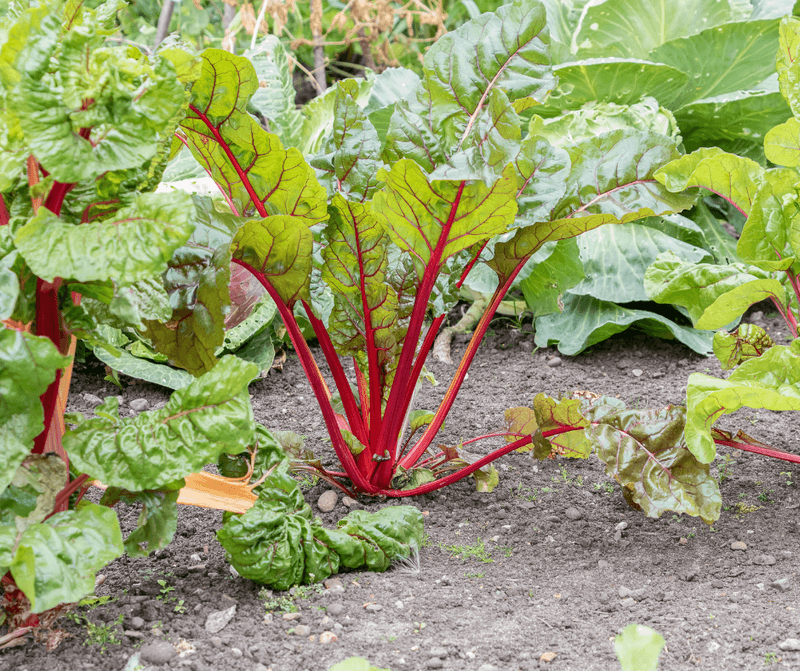
May in Michigan is almost magical for rhubarb growers. After a long winter, established plants burst out of the ground with impressive energy, sending up thick, colorful stalks that are tender, flavorful, and absolutely ready to pick.
Cool temperatures and plenty of spring moisture create ideal growing conditions.
Michigan’s May weather typically stays mild enough that rhubarb does not face heat stress, which means the plant channels most of its energy into stalk production rather than trying to cope with harsh conditions.
Stalks harvested in May tend to be firmer, brighter in color, and more flavorful than those pulled later in the season. Bakers and jam makers across Michigan know that May rhubarb is simply the best of the year.
For new Michigan gardeners, it helps to know that rhubarb plants in their first year should not be harvested at all, and second-year plants should only be lightly picked. By the third year, an established plant in May can handle a generous harvest without any stress.
Picking stalks that are at least ten inches long and an inch thick ensures you are taking mature growth while leaving younger stalks to keep developing.
May harvesting also fits perfectly into Michigan’s gardening rhythm. While you are waiting for tomatoes and peppers to get started, rhubarb keeps you busy in the kitchen with pies, crisps, and sauces that celebrate the best flavors of a Michigan spring.
4. June Harvesting Still Works Well If You Pay Attention To Your Plants
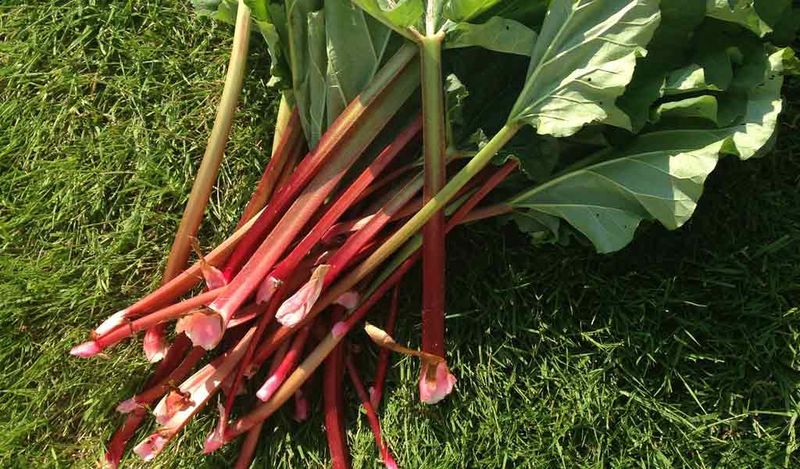
June gets a bit of a mixed reputation among Michigan rhubarb growers, but the truth is that many healthy, established plants can keep producing well into the first half of the month. The key is reading your plant rather than following a rigid calendar date.
As long as your rhubarb is still pushing out thick, firm stalks, it is telling you that it has energy to spare. In Michigan, cooler June days, especially in the northern parts of the state, can extend the productive harvest window quite nicely.
Gardens near the Great Lakes often benefit from moderating temperatures that keep rhubarb going a little longer than inland gardens might.
Watch the stalks closely as June progresses. If you notice them getting noticeably thinner or shorter than earlier in the season, that is your plant sending a clear message that it needs a break.
Experienced Michigan gardeners treat this signal like a green light flipping to yellow: time to slow down and let the plant recover.
A good practice is to stop harvesting by mid-June in most Michigan locations, unless your plants are unusually vigorous.
Leaving the remaining stalks and all the broad leaves intact through the rest of summer gives the plant maximum time to photosynthesize and rebuild its root reserves.
A well-rested rhubarb plant in Michigan will absolutely reward your patience with a fantastic May harvest the following year.
5. Thin Stalks Are A Clear Signal To Stop Picking
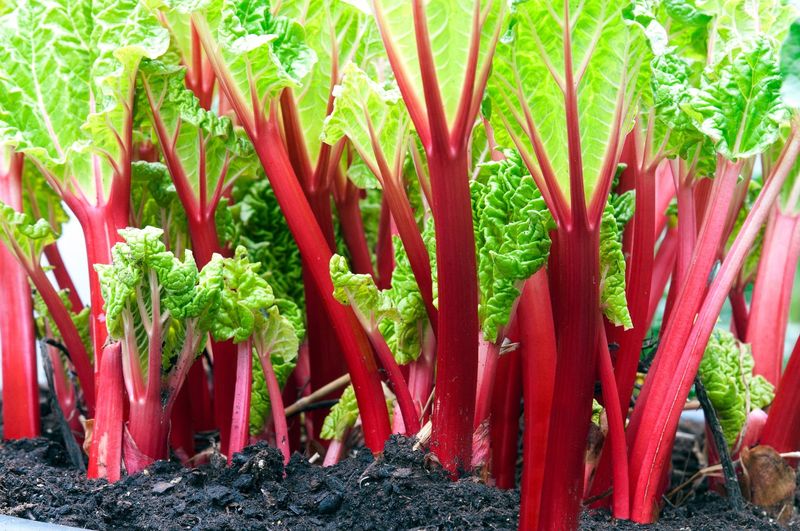
Your rhubarb plant is always communicating with you, and thin stalks are one of its loudest messages. When the stalks coming up are noticeably narrower and shorter than what you were pulling earlier in the season, the plant is telling you it has given what it can for now.
In Michigan, this shift often happens naturally as the season moves from late May into June and beyond. Soil temperatures rise, days get longer, and the plant’s biology starts shifting away from stalk production.
Continuing to harvest at this point is a bit like asking a tired athlete to keep sprinting past the finish line. It does more harm than good.
Thin stalks are also less enjoyable to cook with. They tend to be stringier, less flavorful, and not as satisfying in pies or preserves compared to the thick, juicy stalks of peak season.
So stopping at this point is not just good plant care, it also means your kitchen results stay consistently delicious.
Michigan gardeners who learn to recognize this thinning signal early end up with much healthier, longer-lived rhubarb patches.
A plant that is allowed to rest at the right time builds stronger roots, stores more energy over summer, and wakes up in May with even more vigor than the year before.
Watching for thin stalks is one of the easiest and most rewarding skills any Michigan rhubarb grower can develop.
6. Heavy Harvesting In July And August Can Seriously Weaken Your Rhubarb
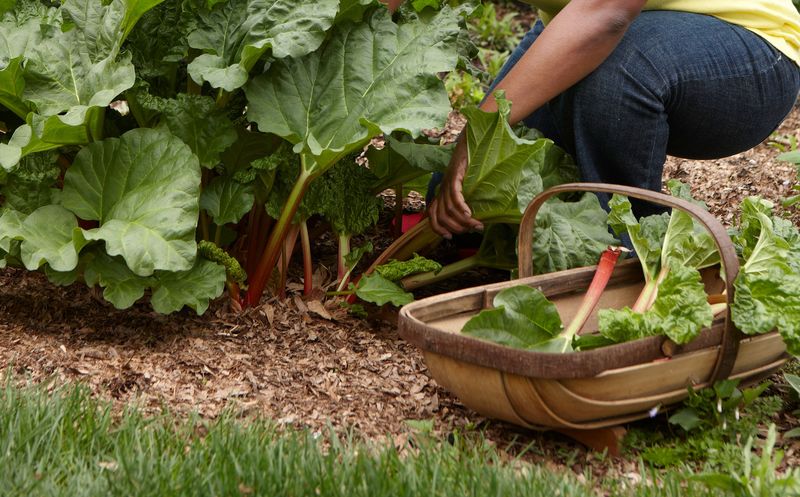
July and August in Michigan can bring stretches of real heat, and rhubarb is not built for those conditions. Even though these months technically qualify as “months without an R,” they are not good times to keep pulling stalks from your plants.
The math just does not work in the plant’s favor. During midsummer, rhubarb naturally enters a slower phase. Growth slows, some leaves may yellow, and the plant focuses its energy inward rather than outward.
Harvesting aggressively during this period is like withdrawing from a savings account that is already running low. The plant simply cannot keep up, and the damage compounds over time.
Michigan summers can also bring drought stress, which puts additional pressure on garden plants across the state. Rhubarb that is both heat-stressed and being harvested has very little capacity to recover before fall arrives.
Gardeners who push harvesting into July and August often notice their plants looking ragged and producing poorly the following spring.
The smart move is to treat July and August as off-limits for rhubarb harvesting in Michigan. Water your plants during dry spells, add a layer of mulch to keep the roots cool, and simply let the leaves do their job.
By the time September arrives and temperatures begin to cool, your rhubarb will be quietly building the reserves it needs to thrive all over again next May. Patience here truly pays off.
7. Never Strip All The Leaves From Your Rhubarb Plant
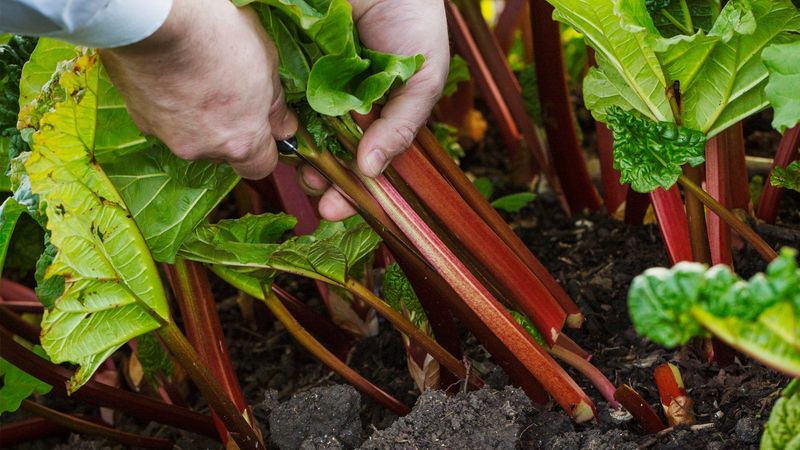
Rhubarb leaves might not end up in your pie, but they are absolutely essential to the health of your plant.
Those big, bold leaves are the plant’s solar panels, capturing sunlight and converting it into the energy that feeds the roots and crown all the way through fall and into winter dormancy.
One of the most common mistakes Michigan rhubarb growers make is pulling too many stalks at once and leaving the plant with almost no foliage. Without enough leaves, the plant simply cannot photosynthesize effectively.
A crown that goes into winter without adequate energy stores will struggle to produce well the following spring, and in some cases may take multiple seasons to fully recover.
A good rule of thumb for Michigan gardeners is to never remove more than one-third of the stalks from a plant at any single harvest. Always leave at least a few large, healthy leaves standing after you pick.
This balance keeps the plant productive in the short term while protecting its long-term strength.
After your final harvest of the season, let the remaining foliage grow as full and lush as possible through the rest of summer. The more leaf surface area the plant has, the more energy it stores.
Come next May, you will see the difference in the thickness, color, and abundance of your new stalks. Protecting those leaves is one of the best investments you can make in your Michigan rhubarb patch.