7 Smart Tips For Growing Healthy Pepper Plants Outdoors In Georgia
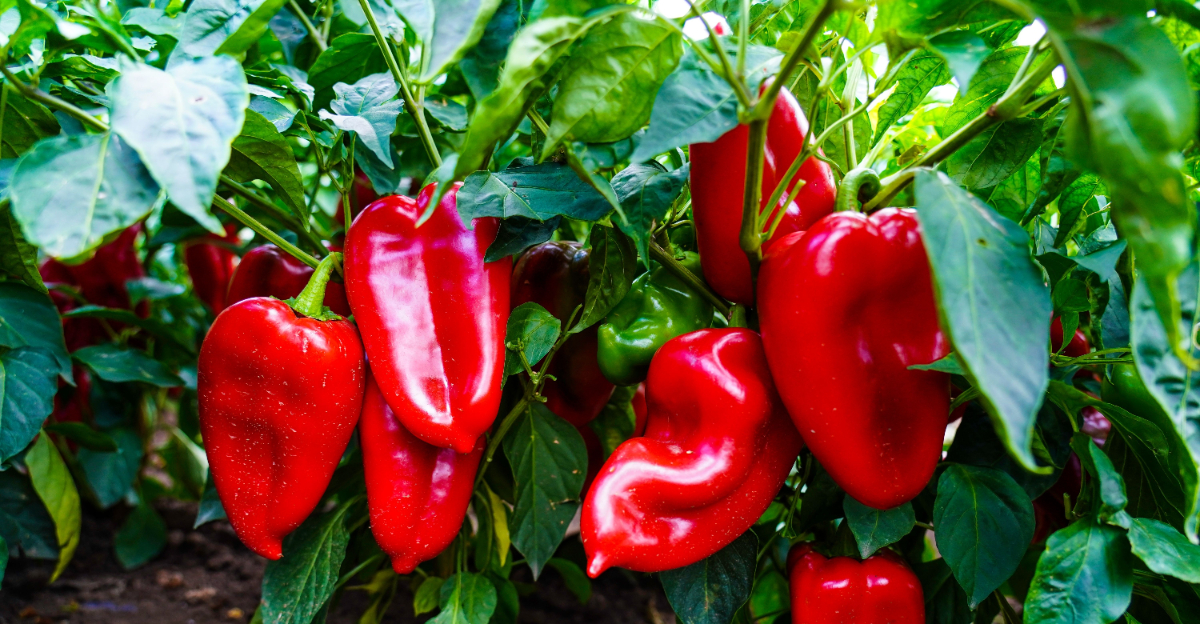
Healthy pepper plants can completely change the look of a Georgia vegetable garden once summer production starts picking up.
Full plants covered in peppers stand out fast, especially during the hottest part of the season when some gardens already begin struggling with stress, slowed growth, and weaker harvests.
Georgia weather creates tough conditions for peppers once heat and humidity build at the same time. Plants react quickly outdoors, so small growing mistakes become noticeable much faster.
Good care early on often shapes how peppers perform later in the season, especially once plants begin producing heavily and summer conditions become harder to manage week after week.
1. Warm Soil Helps Pepper Plants Grow Faster Outdoors
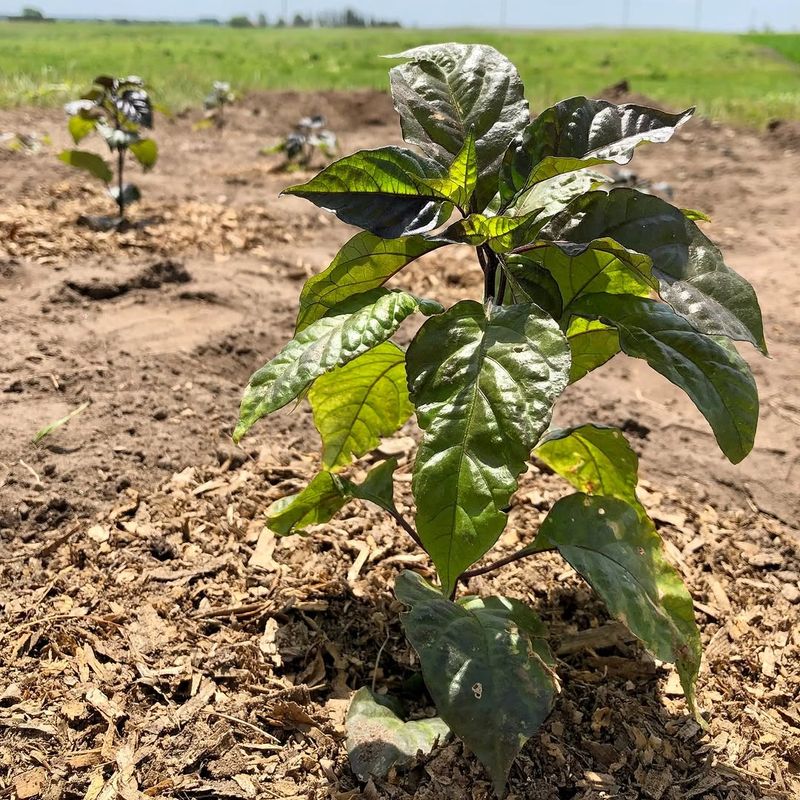
Cold soil is one of the biggest reasons pepper transplants struggle to take off in early spring. Even when the air feels warm in Georgia, the ground can stay surprisingly cool well into April.
Pepper roots need soil temperatures of at least 60 degrees Fahrenheit before they start growing aggressively, and 65 to 70 degrees is even better.
Rushing transplants into cool soil often leads to slow, stunted growth that sets the whole season back. A simple soil thermometer costs just a few dollars and takes all the guesswork out of timing.
Checking the temperature a few inches below the surface gives you a much clearer picture than just feeling the air outside.
Black plastic mulch laid over garden beds a week or two before planting is a popular trick among experienced Georgia gardeners. It absorbs heat during the day and holds it overnight, warming the soil faster than leaving it bare.
Raised beds also warm up earlier than ground-level plots, which gives you a nice head start.
Planting too early in Georgia might seem like a smart move since the growing season is long, but cold soil stress can actually weaken young plants and make them more vulnerable to pests and disease later on.
2. Morning Watering Reduces Stress During Humid Summer Weather
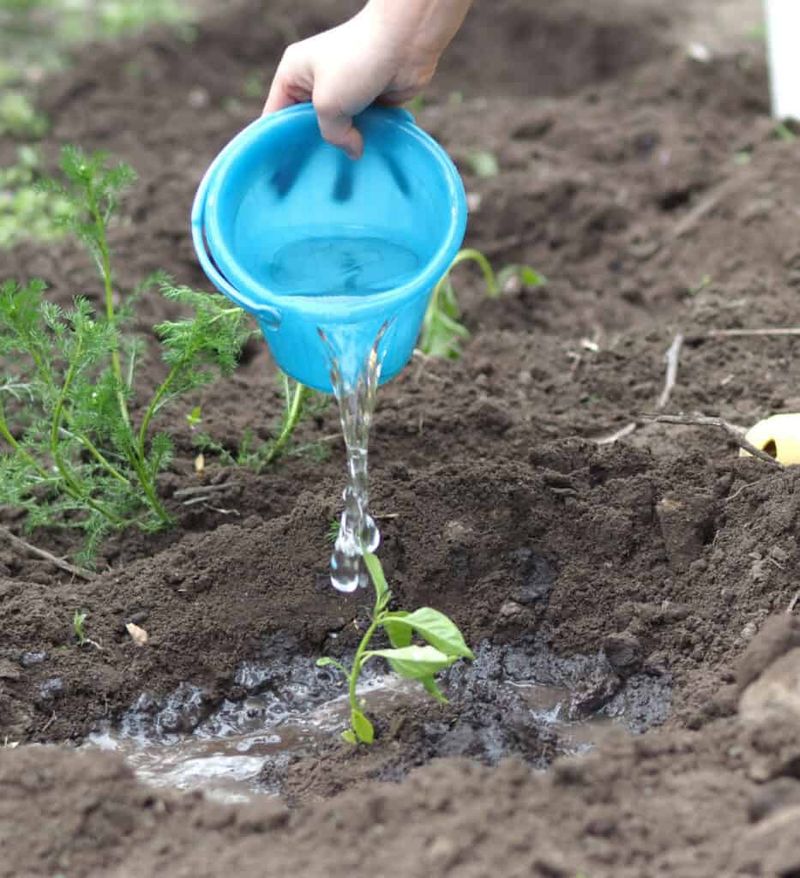
Watering at the wrong time of day quietly causes more problems in a Georgia garden than most people realize.
When you water in the evening, moisture clings to pepper leaves through the night, and that combination of warmth and humidity creates perfect conditions for fungal diseases.
Georgia summers are already humid enough without adding extra moisture to the equation overnight.
Morning watering gives plants a full supply of moisture right before the hottest part of the day hits. Peppers can draw up water steadily as temperatures climb, which helps them handle afternoon heat without wilting badly.
Any excess moisture on the leaves dries off quickly once the sun rises, which keeps the foliage much healthier over time.
Drip irrigation is worth considering if you want to make morning watering even more effective. Delivering water directly to the root zone skips the leaves entirely, which further lowers the risk of fungal issues.
Soaker hoses work well too and are affordable enough for most home gardens in Georgia.
Pepper plants generally prefer consistent, deep watering over frequent shallow sprinkles. Watering deeply every two to three days encourages roots to grow downward, which makes plants more stable and better at handling short dry spells.
Your Georgia Garden Changes Every Week. Your Plan Should Too.
Gardening in Georgia changes quickly throughout the season. Every Friday you’ll receive a simple weekly plan showing exactly what to plant, prune, fertilize, harvest, and protect so you never miss the right timing.
3. Mulch Helps Keep Pepper Roots Cooler In Summer Heat
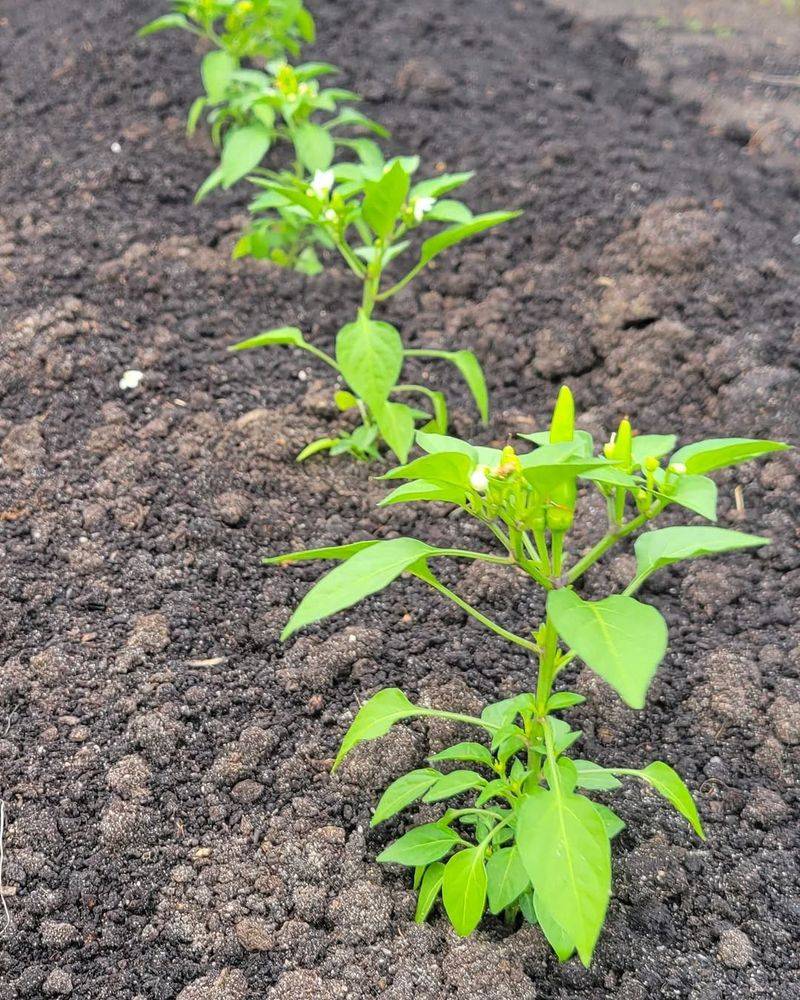
Georgia summers get brutally hot, and bare soil absorbs and radiates that heat right back up at your plants.
Soil temperatures in an unmulched garden bed can climb well above 90 degrees on a hot July afternoon, which stresses pepper roots and slows down fruit production noticeably.
A good layer of mulch acts like a blanket between the sun and the soil. Straw, shredded leaves, and wood chips all work well as mulch around pepper plants.
Applying a layer about two to three inches deep keeps soil temperatures significantly cooler, holds moisture in the ground longer between waterings, and slows weed growth at the same time.
Keeping weeds down matters more than people often think, since weeds compete directly with your peppers for water and nutrients.
Organic mulches like straw and shredded leaves also break down slowly over the season, adding a small amount of organic matter back into the soil as they decompose.
That gradual improvement in soil structure benefits not just your current crop but future planting seasons too.
Gardeners across Georgia who use mulch consistently tend to deal with fewer watering problems during dry stretches in August.
Pull mulch back slightly from the main stem of each plant to avoid trapping too much moisture right at the base.
4. Too Much Nitrogen Can Reduce Pepper Production
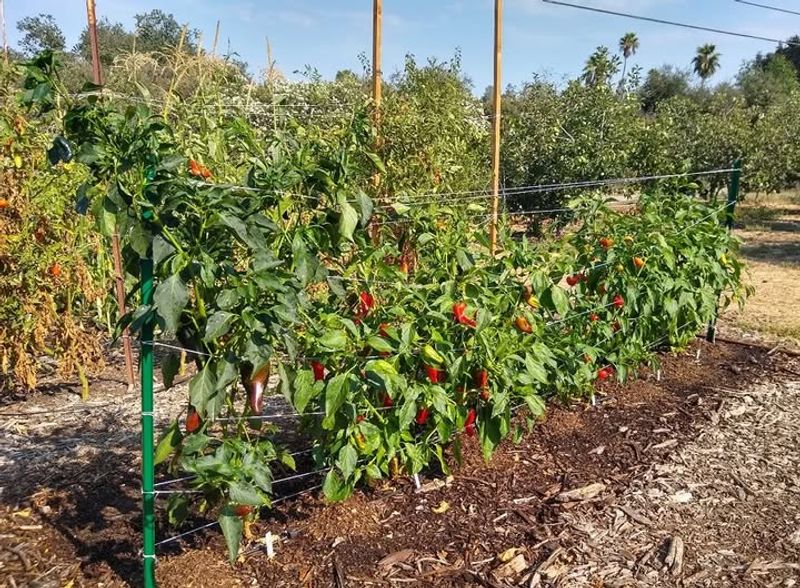
Fertilizer is not always more of a good thing. Nitrogen encourages fast, leafy green growth, which looks impressive early in the season but can actually work against you when it comes to fruit production.
Pepper plants that get too much nitrogen put most of their energy into leaves and stems rather than forming flowers and fruit.
A balanced fertilizer approach works best for peppers grown outdoors in Georgia. Starting with a soil test before planting gives you a real picture of what your soil already contains, so you are not guessing and potentially overdoing it.
During the early growth stage, a moderate amount of nitrogen helps plants establish themselves. Once pepper plants start flowering, shifting to a fertilizer with lower nitrogen and slightly higher phosphorus and potassium levels supports better fruit set.
Products labeled for tomatoes and peppers often follow this general logic, though reading the label carefully is always a good idea.
Compost is a gentler option than synthetic fertilizers for gardeners who prefer a more natural approach. Well-aged compost releases nutrients slowly, which makes it harder to accidentally overload plants with nitrogen.
5. Full Sun Leads To Better Growth And Stronger Plants
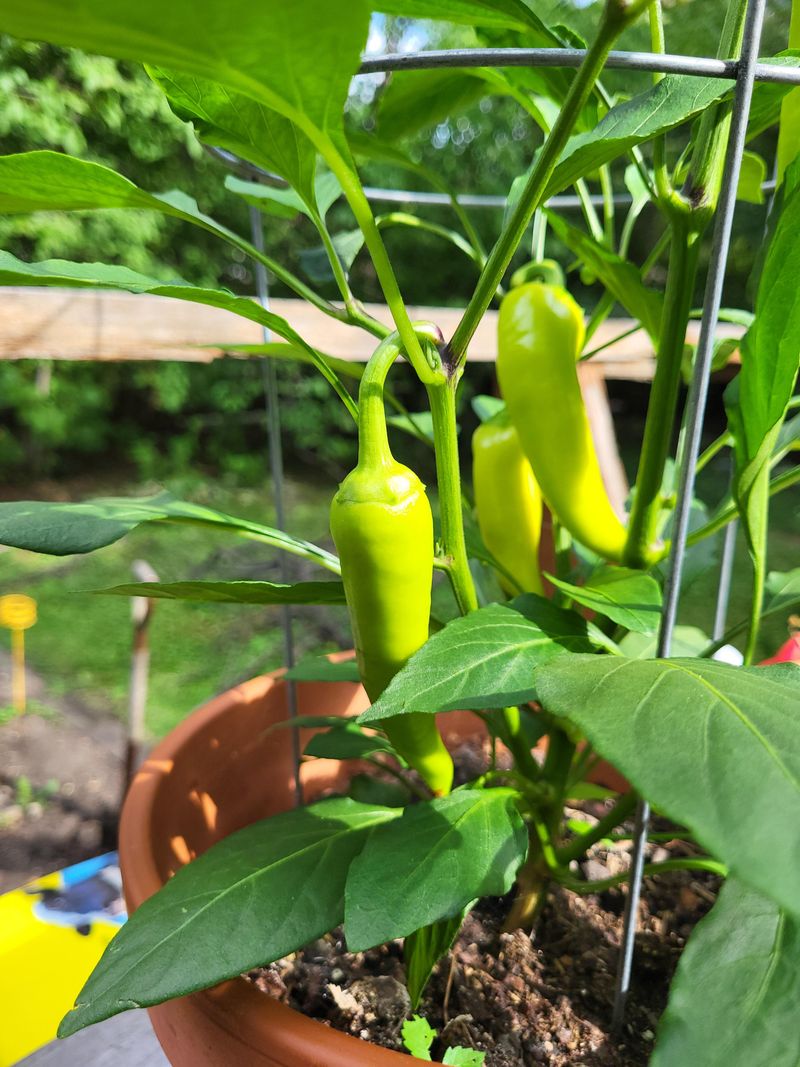
Peppers are sun lovers, plain and simple. At least six to eight hours of direct sunlight each day is what these plants need to grow strong, produce well, and stay healthy through Georgia’s long growing season.
Planting them in a spot that gets shaded out by trees or a fence for part of the day is one of the most common mistakes new gardeners make.
Full sun does more than just fuel photosynthesis. Strong light exposure helps dry out leaf surfaces faster after rain or irrigation, which reduces the chances of fungal diseases taking hold in Georgia’s humid summer air.
Plants grown in full sun also tend to develop thicker stems and stronger root systems compared to those growing in partial shade.
Choosing your garden location carefully before planting is worth the extra thought. Watch how sunlight moves across your yard throughout the day, especially in late spring when the sun angle is shifting.
A spot that looks sunny in March might end up partially shaded by a large tree canopy once full leaf-out happens in May or June.
South-facing or west-facing garden beds typically receive the most consistent sun exposure in Georgia, where summer afternoons are intense.
6. Strong Airflow Helps Prevent Common Fungal Problems
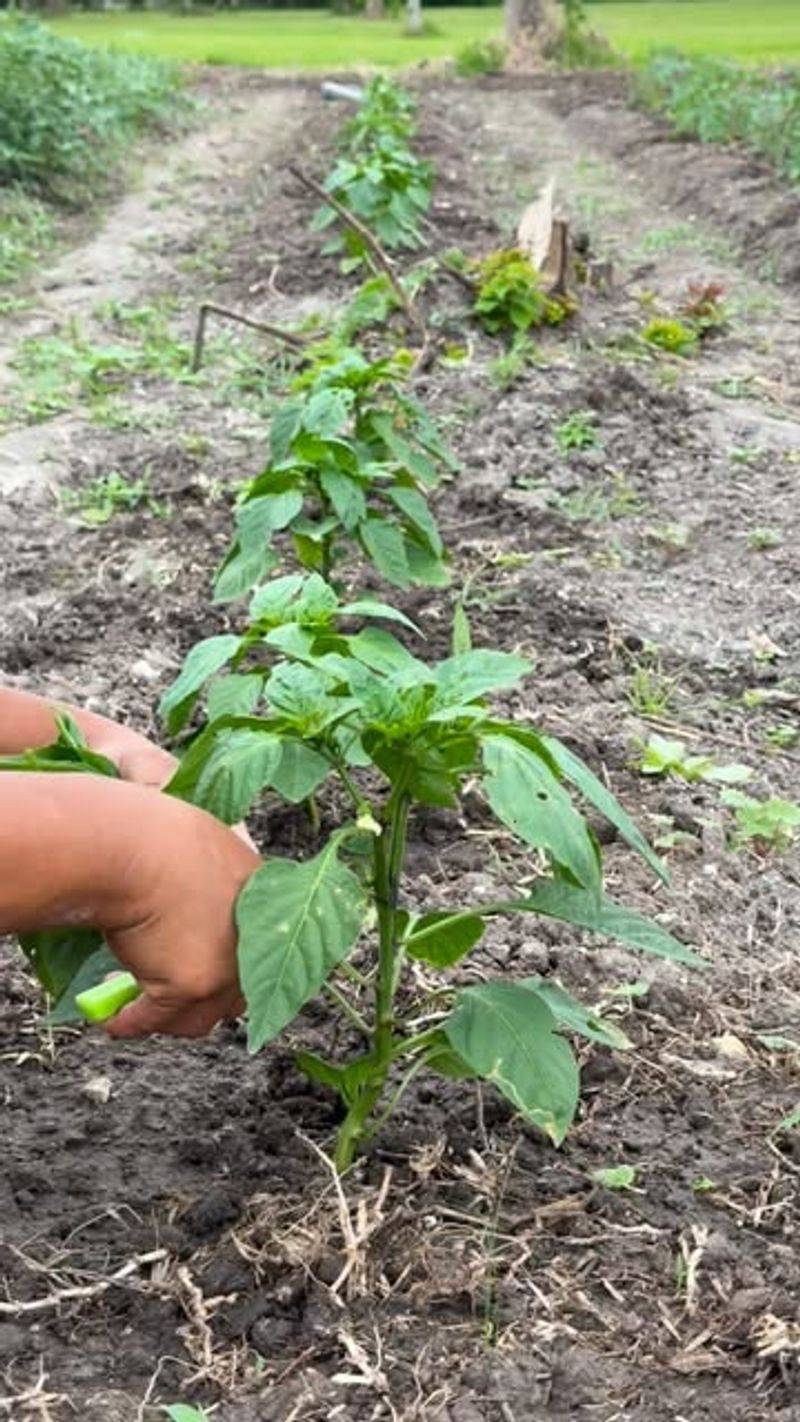
Fungal diseases thrive in still, moist air, and Georgia summers deliver plenty of both. Bacterial leaf spot, Phytophthora blight, and powdery mildew are real concerns for pepper growers across the state, and poor air circulation around plants makes all of them worse.
One of the simplest ways to reduce fungal pressure is to give your plants enough room to breathe.
Spacing pepper plants about 18 to 24 inches apart allows air to move freely between them. When plants are crowded too close together, moisture from rain or irrigation gets trapped in the canopy and stays there for hours longer than it should.
Spores that cause fungal problems spread much more easily in those wet, stagnant conditions.
Pruning lower leaves from pepper plants is another practical step that improves airflow near the ground. Leaves close to the soil surface are the first to pick up soil-borne fungal spores splashed up by rain.
Removing the bottom few sets of leaves once plants are established reduces that contact point significantly.
Garden bed placement matters too. Avoid tucking pepper plants in corners or against solid fences where air movement naturally stalls.
Open areas where a light breeze can pass through regularly are much better locations. In Georgia, summer afternoons often bring brief thunderstorms followed by humid, still air, which creates ideal conditions for fungal issues to develop overnight.
7. Picking Early Peppers Encourages More Fruit To Form
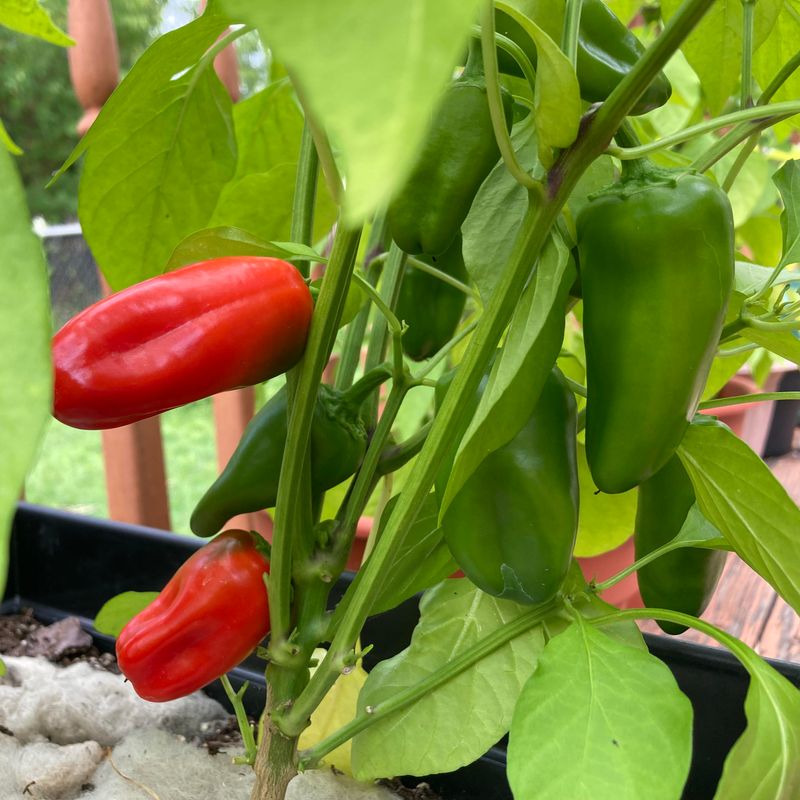
Leaving fully mature peppers on the plant too long is a habit that quietly slows down your overall harvest. Once a pepper reaches full size and begins to change color, the plant shifts energy toward ripening that fruit rather than producing new flowers.
Harvesting peppers regularly keeps the plant focused on making more fruit rather than finishing off what is already there.
Green peppers can be picked as soon as they reach a usable size, which is typically when they feel firm and have developed their full shape.
Picking at the green stage shortens the time each fruit stays on the plant, which directly encourages faster formation of new flowers.
Varieties like bell peppers, banana peppers, and jalapenos all respond well to frequent harvesting in Georgia’s long warm season.
Using clean scissors or pruning shears to cut peppers off the plant is better than pulling them by hand. Pulling can stress the stem and occasionally snap off a branch, especially on heavily loaded plants.
A clean cut leaves a small stub of stem attached to the pepper and causes minimal disruption to the rest of the plant.
Mid to late summer is typically when Georgia pepper plants hit their most productive stretch, and staying on top of harvesting during that period makes a noticeable difference in total yield.
Checking plants every two to three days keeps fruit from getting overripe and hanging on too long.