How Michigan Plant Lovers Can Keep African Violets Looking Their Best
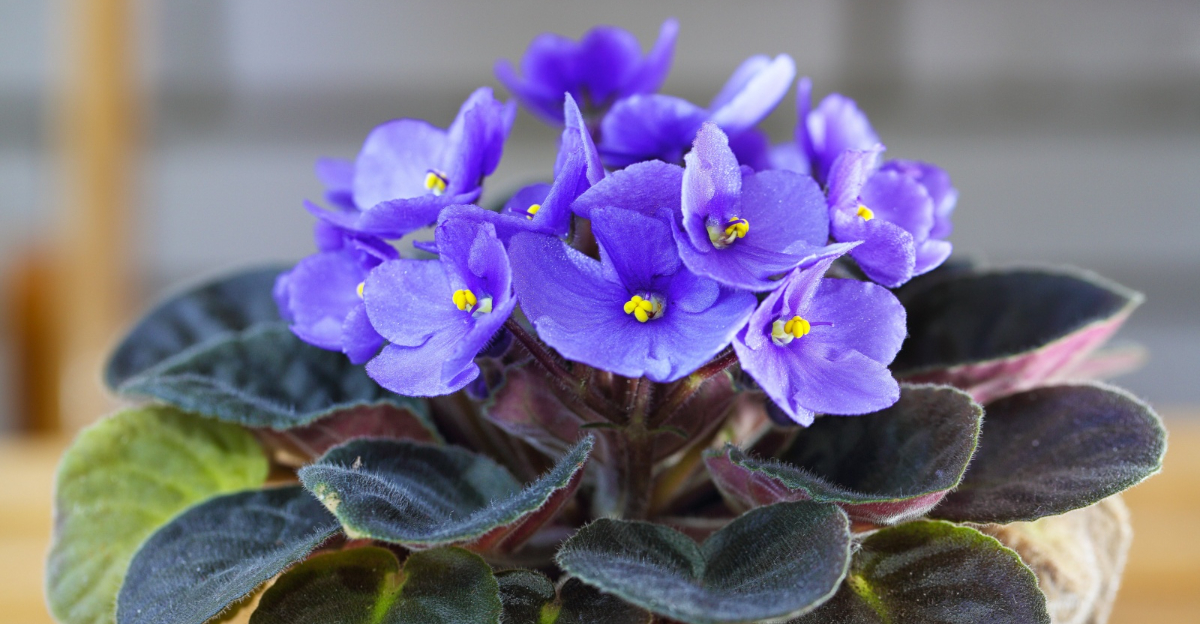
African violets know how to brighten a Michigan home. Their velvety leaves and colorful blooms can make a windowsill, shelf, or small table feel instantly more cheerful, especially when winter outside looks cold and gray.
For a compact plant, they bring a lot of charm. They can be a little particular, though.
Dry indoor heat, shifting light, and chilly glass in colder months can all make a difference in how they grow and bloom. The good news is that African violets do not need anything overly complicated.
With the right light, careful watering, and a comfortable indoor spot, they can stay attractive for a long time. Keep them happy, and they really do know how to put on a show.
1. Give African Violets Bright Indirect Light
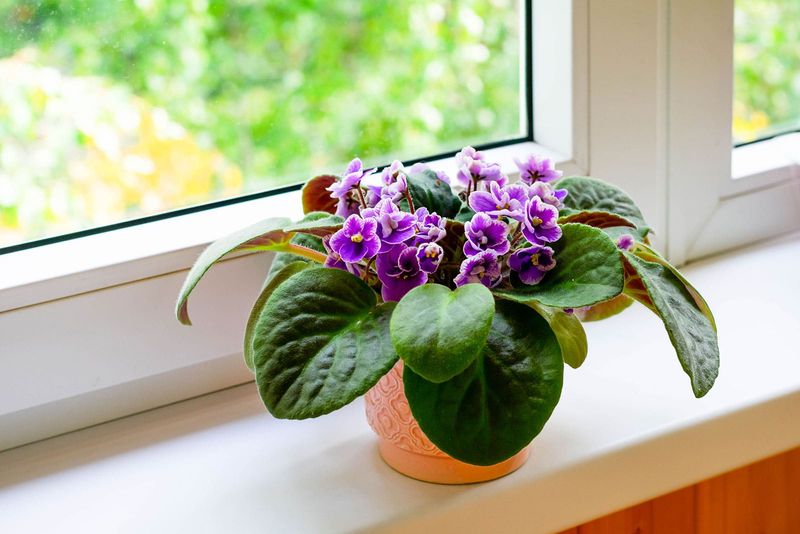
Sunny windowsills in Michigan homes can be a wonderful spot for African violets, but the direction and intensity of the light matters quite a bit. These plants do well with bright, indirect light rather than direct sun shining straight onto their leaves.
A south- or east-facing window is often a good choice, especially when a sheer curtain softens the light during the brightest hours of the day.
In Michigan, the amount of available light shifts considerably between summer and winter. During shorter winter days, moving a plant a little closer to the window can help it get enough brightness.
In summer, pulling it back slightly or adding a thin curtain can prevent the leaves from getting too warm or showing faded patches.
When an African violet is not getting enough light, it may stretch toward the window, produce fewer blooms, or develop long, leggy stems.
Leaves that seem to flatten out and reach sideways rather than growing in a tidy rosette shape can also be a clue that the plant wants more brightness.
Rotating the pot every week or so helps all sides of the plant get even exposure.
Michigan plant lovers who pay attention to how their plant looks near the window tend to figure out the right spot fairly quickly, and the results, including more consistent blooms and healthier-looking foliage, can make that small adjustment well worth the effort.
2. Keep Soil Lightly Moist, Not Soggy
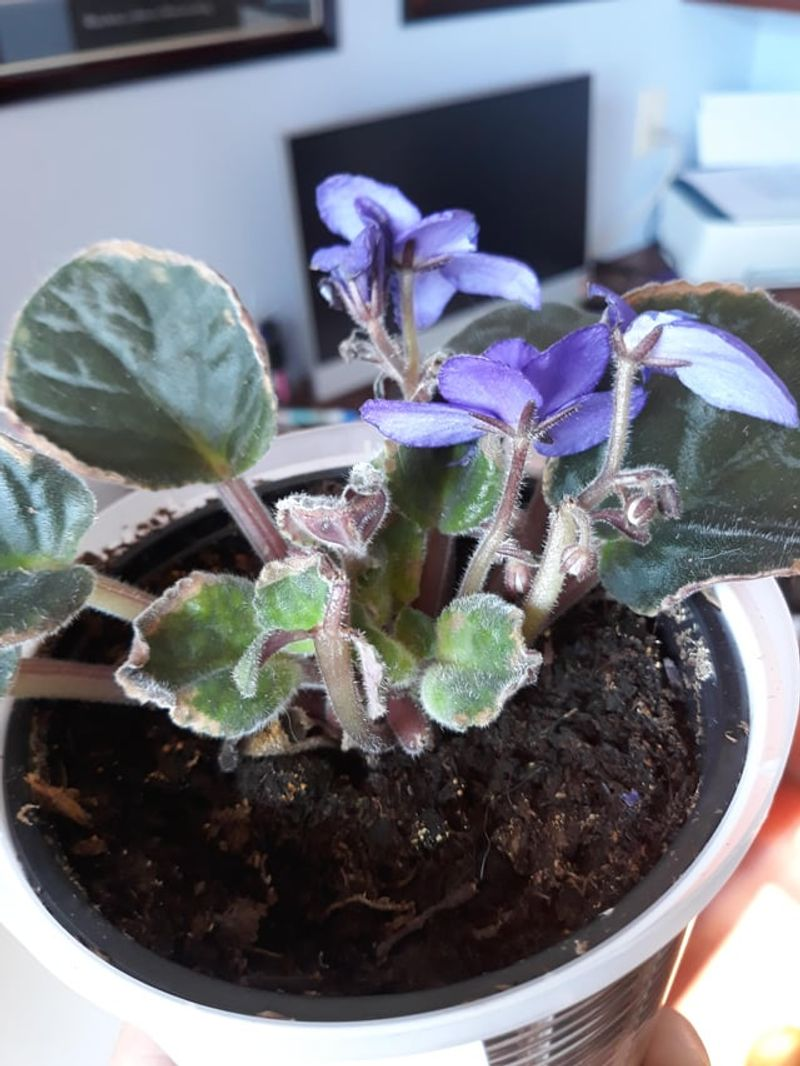
Watering an African violet correctly is one of those things that feels tricky at first but becomes second nature once you get a feel for it. The soil should stay lightly moist, similar to a wrung-out sponge, rather than soaking wet or completely dried out.
Letting the soil dry too much between waterings can stress the plant, while keeping it constantly saturated can lead to root problems that show up as wilting or yellowing leaves.
Michigan homes tend to run their heating systems for many months of the year, which can pull moisture out of the air and cause potting soil to dry out faster than expected.
Checking the top inch of soil with your fingertip every few days is a reliable way to know when watering is needed.
If it feels dry to the touch, it is time to water. If it still feels slightly cool and damp, waiting another day or two is usually a good idea.
Your Michigan Garden Changes Every Week. Your Plan Should Too.
Gardening in Michigan changes quickly throughout the season. Every Friday you’ll receive a simple weekly plan showing exactly what to plant, prune, fertilize, harvest, and protect so you never miss the right timing.
Room temperature water works better than cold water straight from the tap, especially during winter when Michigan tap water can be quite chilly. Letting water sit in a container for a short while before using it can bring it closer to room temperature.
Consistent moisture management, without overwatering or underwatering, tends to be one of the most reliable ways to keep African violets looking full, healthy, and ready to bloom on a regular basis.
3. Water The Soil, Not The Leaves
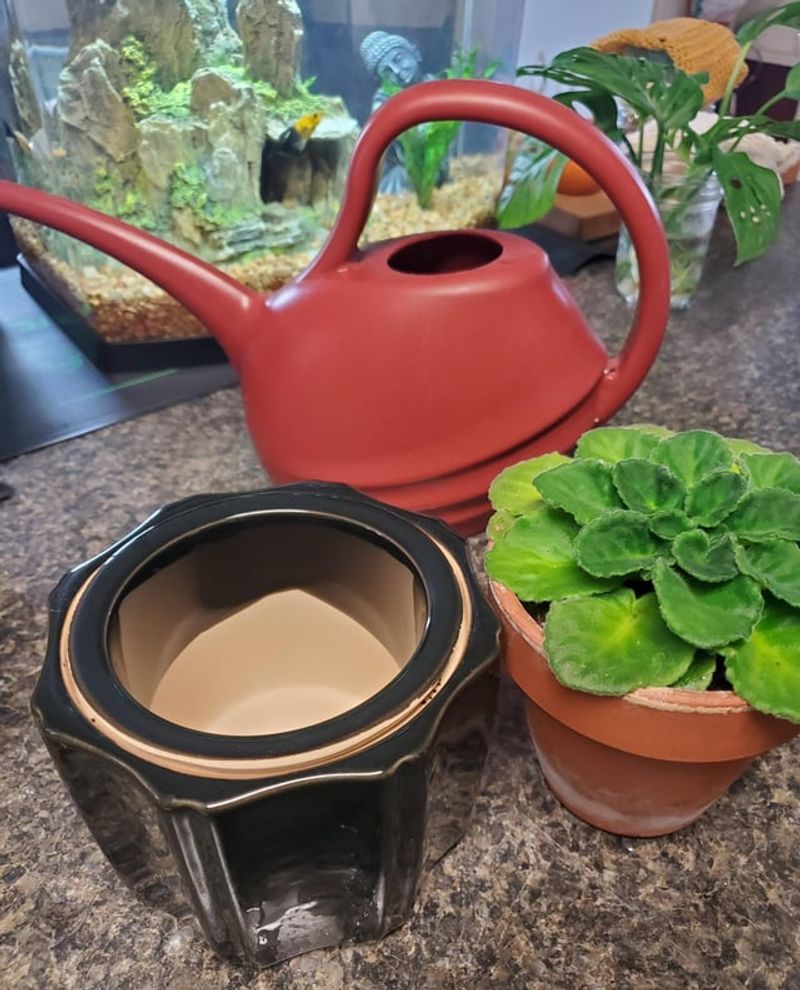
African violet leaves have a texture that is almost like soft velvet, and that fuzzy surface is part of what makes them so appealing to look at and touch. That same texture, however, makes them a little sensitive to water sitting on them for too long.
Cold water droplets left on the leaves can sometimes cause light-colored spots or rings to appear, which can make an otherwise healthy plant look a little worn.
Watering from the bottom is one approach that many Michigan plant lovers find helpful. Placing the pot in a shallow dish of water and allowing the soil to soak up moisture from the drainage holes for about thirty minutes works well.
After that, removing any remaining water from the dish helps prevent the roots from sitting in standing water, which is something African violets do not handle well over time.
Top watering is also fine as long as care is taken to direct the water toward the soil rather than onto the crown or leaves of the plant. A small watering can with a narrow spout makes this much easier to control.
If water does splash onto leaves accidentally, gently blotting it with a soft cloth or paper towel and keeping the plant away from cold drafts while it dries can help reduce the chance of spotting.
Taking a little extra care with how and where the water lands can keep those beautiful leaves looking their best all year long.
4. Use A Pot With Good Drainage
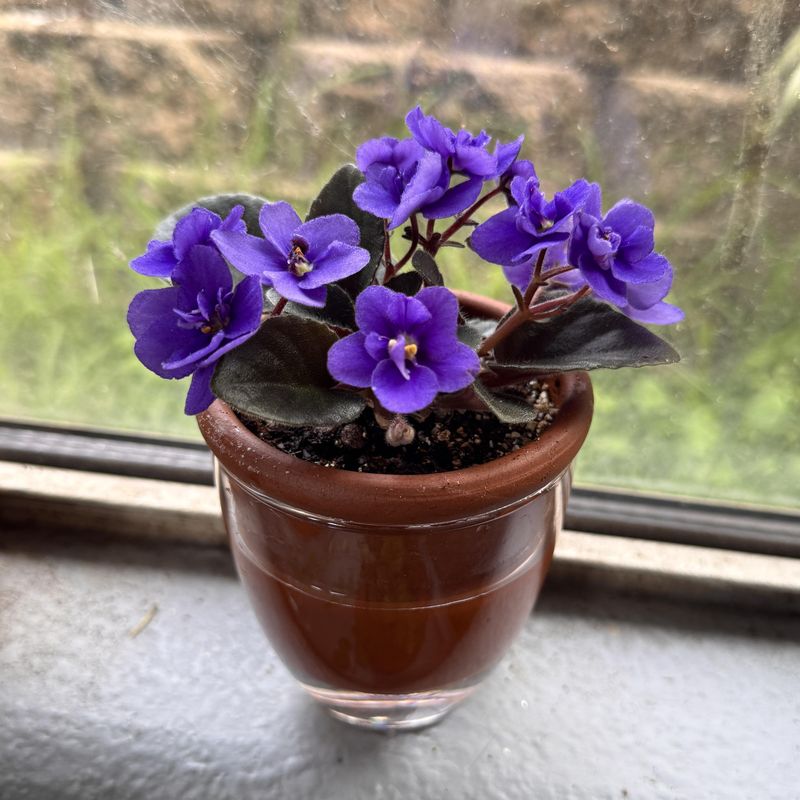
Walk through any Michigan garden center and you will find African violets sold in a range of pot styles, but not all of them drain equally well. A pot with at least one drainage hole at the bottom is genuinely important for keeping these plants healthy.
Without a way for excess water to escape, moisture can collect at the bottom of the pot and create conditions that are hard on roots over time.
Plastic pots and terracotta pots are both popular choices among houseplant growers. Terracotta is porous and allows the soil to dry out a bit faster, which some growers prefer because it reduces the chance of overwatering.
Plastic pots hold moisture longer, which can be helpful in drier Michigan home environments during the heating season when indoor air tends to pull moisture away from soil more quickly.
Pot size also plays a role in drainage and overall plant health. African violets tend to do well in pots that are not much larger than the plant’s root system.
A pot that is too large holds more soil than the roots can use, and that extra soil can stay wet for longer than is ideal.
Choosing a pot that fits the plant snugly, with good drainage and a saucer to catch excess water, gives African violets a solid foundation for steady, attractive growth throughout the year in a typical Michigan home setting.
5. Keep Them In Warm Indoor Conditions
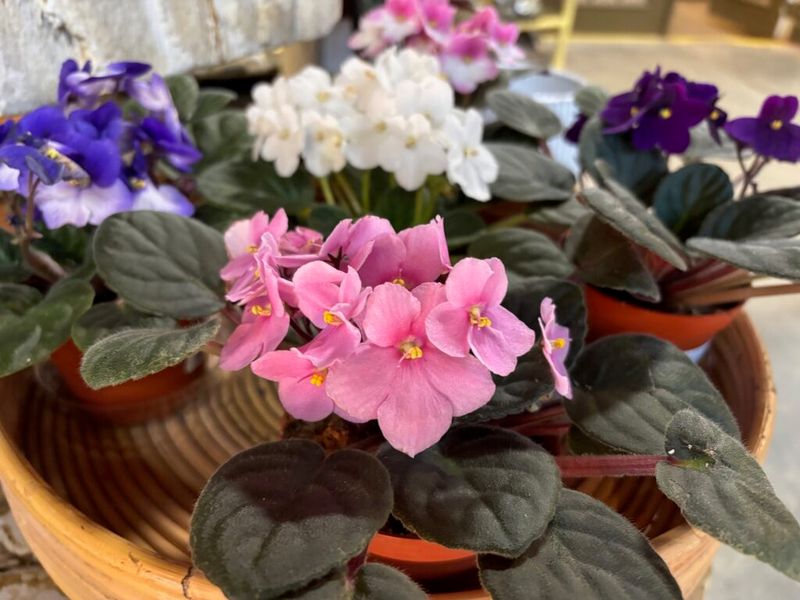
One thing Michigan plant lovers notice quickly is how much indoor temperatures can vary from room to room, especially during winter months when outdoor temps drop well below freezing.
African violets prefer warm, stable conditions and tend to do best when the indoor temperature stays somewhere between 65 and 80 degrees Fahrenheit.
Rooms that stay consistently comfortable for people tend to work well for these plants too.
Cold drafts are something to watch for, particularly near windows in older Michigan homes.
Glass can radiate cold air during January and February, and a plant sitting too close to a single-pane window might experience temperature swings that stress its growth.
Moving pots slightly away from the glass on the coldest nights, or placing a small barrier between the plant and the window, can make a noticeable difference in how well the plant holds up through the season.
Air vents are another thing worth thinking about. A plant sitting directly above or beside a heating vent may experience blasts of warm, dry air that can dry out its leaves and soil much faster than expected.
Finding a spot that stays warm but away from direct airflow, whether from heating vents, air conditioners, or open windows, gives African violets a more stable environment.
Michigan homes with consistent indoor temperatures throughout the cooler months tend to make it easier to grow these plants in a way that keeps them looking attractive and producing blooms reliably.
6. Use A Light, Well-Aerated Potting Mix
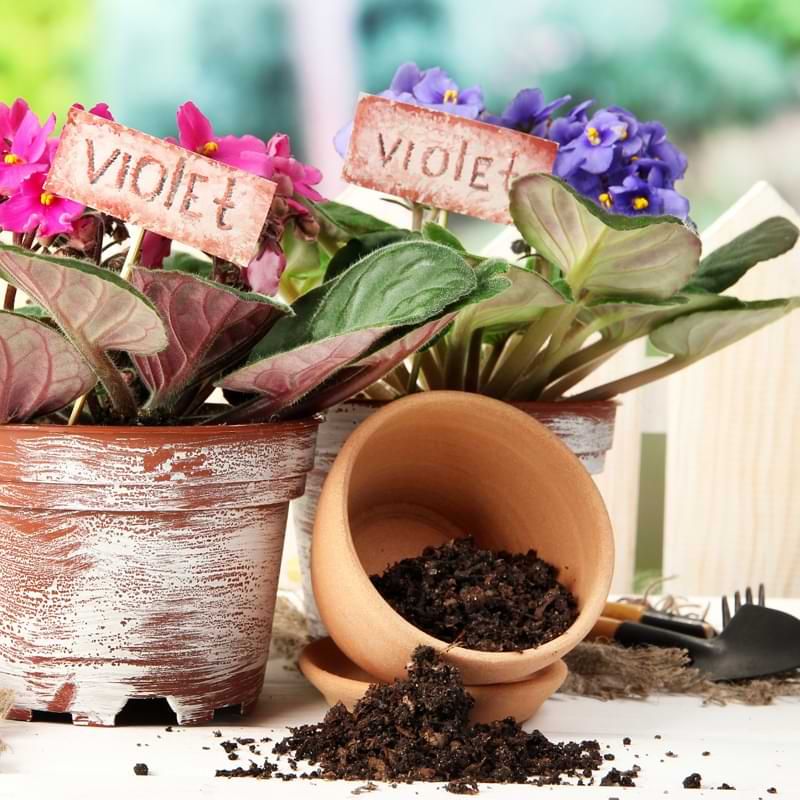
Regular garden soil is too dense and heavy for African violets, and using it in a container tends to cause more problems than it solves. These plants grow best in a potting mix that is light, airy, and able to drain well while still holding some moisture.
Many Michigan gardeners use a commercial mix labeled specifically for African violets, which is usually a blend of peat moss or coir, perlite, and sometimes vermiculite.
The reason soil structure matters so much comes down to roots. African violet roots need both moisture and air to function well.
A dense, compacted mix can hold too much water and limit the airflow around the roots, which creates conditions that are not ideal for long-term plant health. A lighter mix allows water to move through more freely while still giving roots something to hold onto.
Over time, even a good potting mix can start to break down and become more compact. This is part of why repotting every year or two can be helpful, as it gives the plant fresh, airy soil to grow into.
When mixing your own blend at home, combining one part perlite with two parts of a quality peat-based potting mix is a commonly recommended starting point.
Michigan plant lovers who experiment a little with soil texture often find that getting the mix right is one of the more satisfying parts of growing African violets successfully indoors across all four seasons.
7. Remove Spent Flowers And Tired Leaves
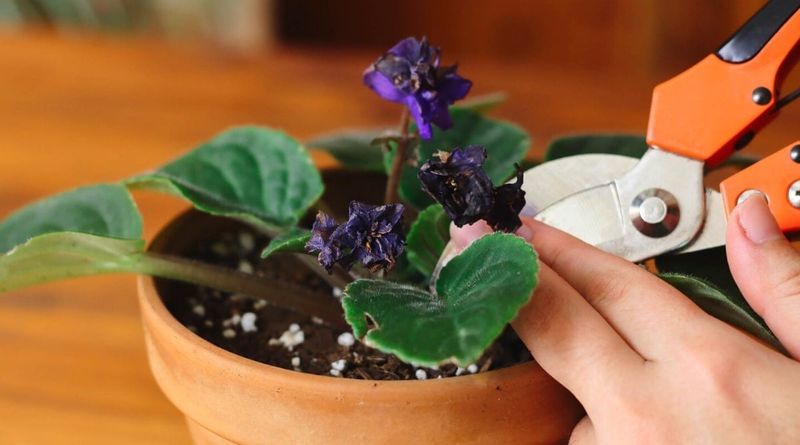
Houseplant lovers often notice when an African violet starts looking a little less tidy, and spent blooms are usually the first thing that catches the eye.
Old flowers that have finished blooming do not drop off on their own the way some other plants do, so giving them a gentle pinch or snip at the base of the stem helps keep the plant looking clean and well-maintained.
Leaving spent blooms in place can sometimes encourage mold in humid conditions or simply make the plant look untidy.
Older leaves at the base of the plant can also start to yellow or become soft over time.
Removing these leaves by gently twisting them free at the base, rather than tearing them, keeps the rosette shape looking neat and reduces the chance of any decaying plant material sitting against the stem.
Michigan plant lovers who groom their African violets regularly often find that the plants look more vibrant and full in between sessions.
Grooming also gives you a chance to look the plant over closely. Checking the undersides of leaves and the base of the plant for any signs of pests or unusual spots is much easier when you are already handling the plant carefully.
Catching small issues early tends to make them easier to manage before they affect the whole plant. Regular, gentle grooming is one of the simplest habits that can make a meaningful difference in how an African violet looks week after week.
8. Repot When Needed To Refresh Growth
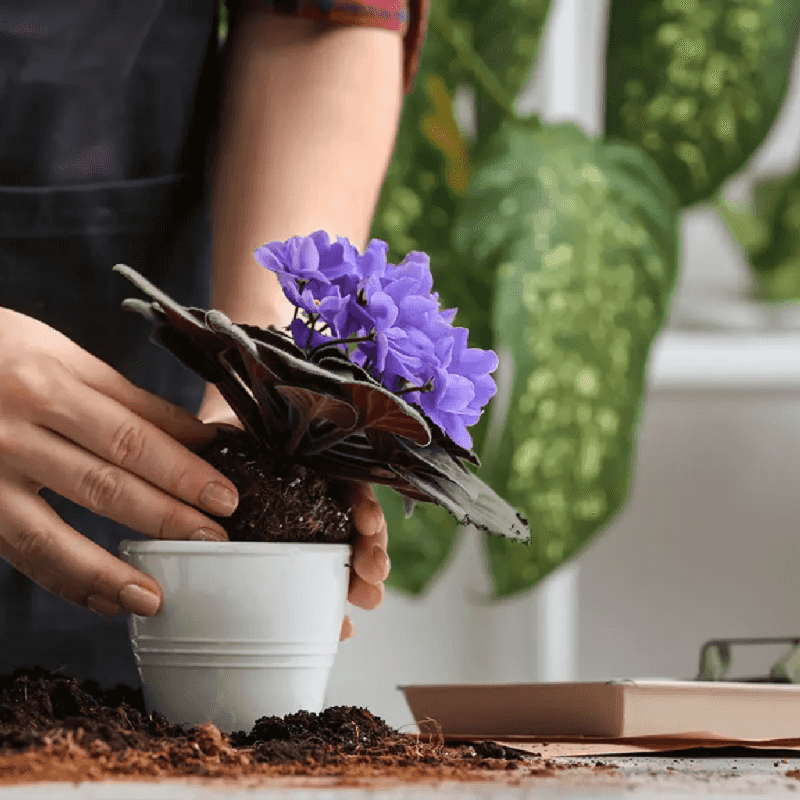
African violets do not need repotting very often, but there are a few signs that suggest it is time to give a plant a fresh start.
If the roots have begun to circle the bottom of the pot or push out through the drainage holes, the plant has likely outgrown its current container.
A plant that seems to dry out very quickly after watering, or one that has stopped producing new growth and blooms despite consistent care, may also benefit from being moved into fresh soil.
Repotting does not always mean moving the plant into a larger pot. Sometimes it simply means refreshing the existing soil while keeping the plant in the same size container.
African violets can develop what is sometimes called a neck over time, where the lower stem becomes bare and elongated as older leaves are removed.
Repotting gives you a chance to bury that stem slightly deeper, which can encourage new root growth and give the plant a more balanced, compact appearance.
Spring is often a natural time to consider repotting, as Michigan homes tend to have better light and more stable temperatures heading into the warmer months.
Using fresh potting mix and a clean pot helps give the plant the best possible conditions for settling in.
Taking a few minutes once a year or every other year to assess whether repotting might help can keep African violets growing vigorously and looking their best on Michigan windowsills and plant shelves for many seasons ahead.