The Best Herbs To Grow Near Patios In Oregon To Help Deter Ticks
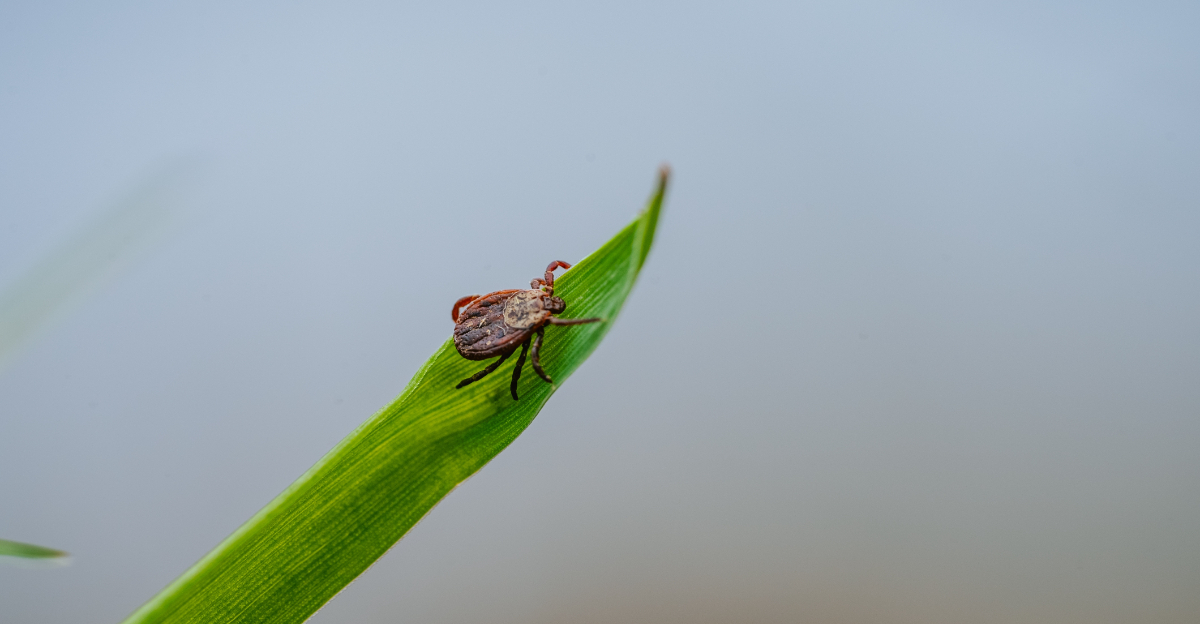
Spending time on your patio in Oregon should feel relaxing. A cup of coffee in the morning, dinner outside on a warm evening, kids running through the backyard without you hovering anxiously.
What it should not involve is doing a full tick check every time someone comes back inside the house.
Ticks in the Pacific Northwest are a real and growing concern, and most people are dealing with the problem after the fact rather than doing anything to prevent it in the first place. Here’s something worth knowing.
Certain herbs produce strong aromatic compounds that ticks actively avoid, and planting them close to the spaces where you actually spend time outside creates a natural buffer that works around the clock without any spraying, any chemicals, or any ongoing effort on your part.
They look beautiful, they smell incredible, most of them are useful in the kitchen, and they’re quietly making your patio a significantly less appealing destination for ticks. Functional landscaping at its most satisfying.
1. Rosemary
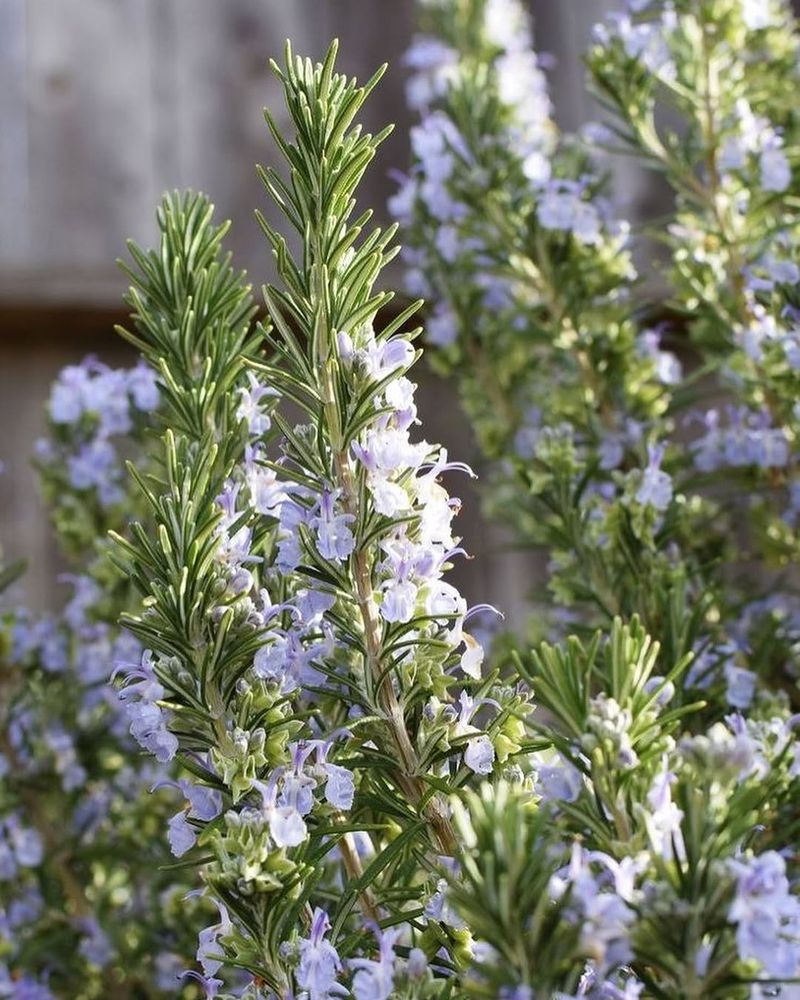
Few plants pull double duty quite like rosemary. It smells amazing in your kitchen and works hard to keep ticks away from your Oregon patio.
The strong, piney scent confuses and repels ticks before they ever get close to your outdoor space.
Rosemary thrives in Oregon’s mild climate, especially in well-drained soil with plenty of sunlight. Plant it in containers or directly in garden beds along the edges of your patio.
It grows into a beautiful shrub that adds color and texture to your yard while doing its job quietly.
The oils in rosemary, especially camphor and borneol, are what make it so effective at keeping ticks at bay. You can even crush a few sprigs and rub them on your skin before heading outside for extra protection.
It is one of the most low-maintenance, high-reward herbs you can grow in the Pacific Northwest.
2. Lavender
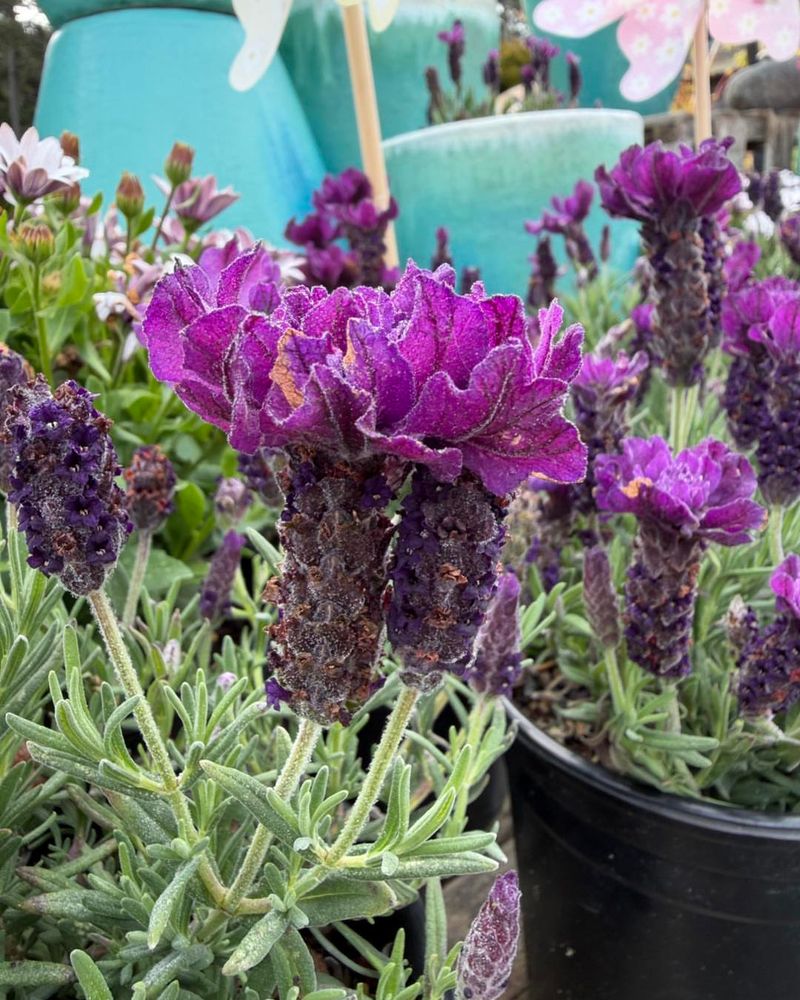
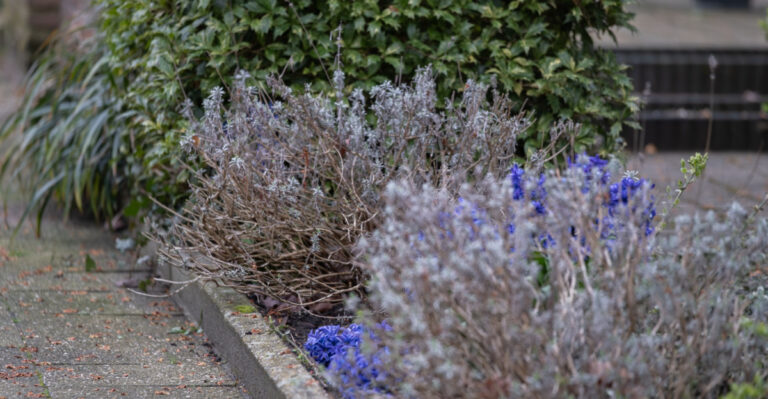
There is something almost magical about lavender. It fills your yard with a calming, sweet fragrance while quietly sending ticks in the other direction.
Ticks strongly dislike the linalool compound found in lavender, making it a powerful natural deterrent.
In Oregon, lavender grows beautifully in sunny spots with good drainage. It is especially popular in the Willamette Valley, where the climate suits it perfectly.
Plant it along the border of your patio to create a fragrant, tick-resistant barrier that looks stunning all summer long.
Beyond repelling ticks, lavender also attracts pollinators like bees and butterflies, which is great for your garden’s overall health. You can dry the flowers and place them in small bundles near patio furniture for added protection.
Lavender is a true multitasker that earns its spot in any Oregon outdoor living space.
3. Sage
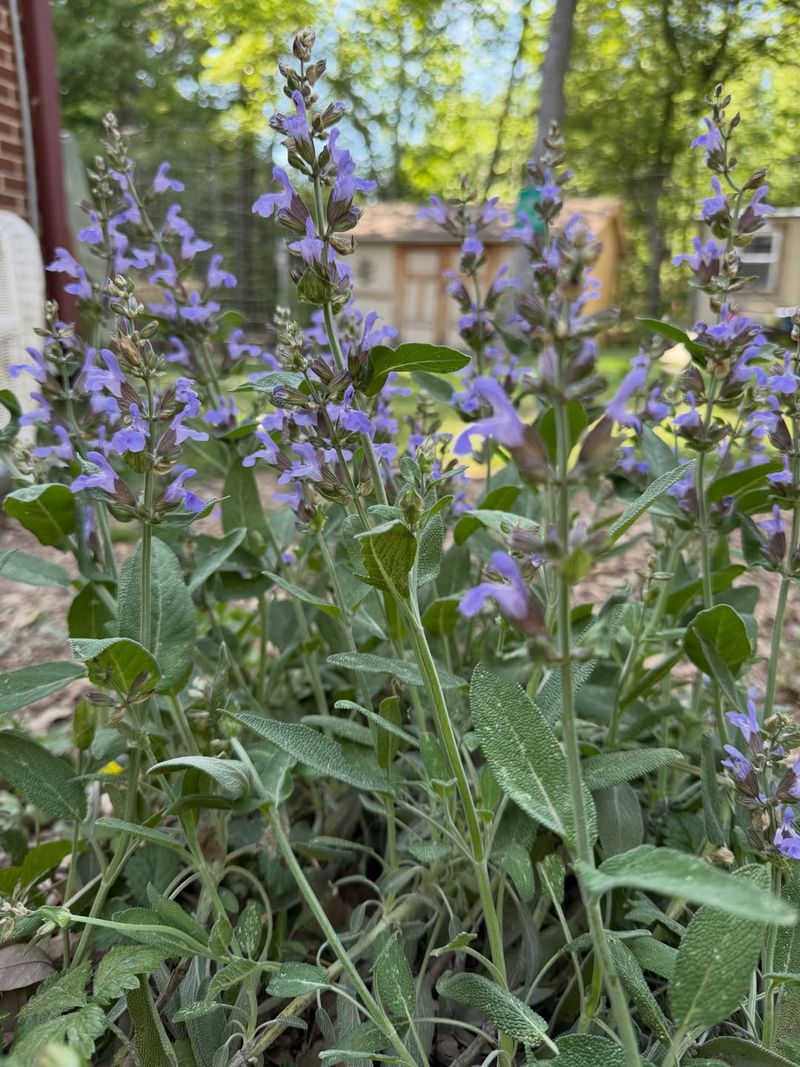
Sage has been used for centuries in cooking, medicine, and even spiritual practices. But here is something many Oregon homeowners do not know: ticks absolutely cannot stand the smell of it.
The strong, earthy aroma that makes sage so useful in the kitchen is exactly what drives ticks away from your patio.
Your Oregon Garden Changes Every Week. Your Plan Should Too.
Gardening in Oregon changes quickly throughout the season. Every Friday you’ll receive a simple weekly plan showing exactly what to plant, prune, fertilize, harvest, and protect so you never miss the right timing.
Growing sage in Oregon is straightforward. It prefers full sun and well-drained soil, and it handles dry summers without much fuss.
Plant it in clusters near the edges of your patio or in raised beds to create a natural protective zone around your outdoor seating area.
One fun trick is to toss a few sage leaves onto a fire pit or outdoor grill. The smoke that rises carries the scent across a wider area, giving you even broader tick protection.
Sage is a hardy, reliable herb that earns its place in any Pacific Northwest garden, especially if you want a low-effort way to enjoy your patio more safely.
4. Thyme

Creeping thyme is one of the most underrated plants you can add to your Oregon patio garden. It grows low to the ground, spreads easily between stepping stones, and releases a sharp, herbal scent that ticks find overwhelming.
That scent comes from thymol, a natural compound known for its pest-repelling properties.
Thyme is incredibly tough and handles Oregon’s rainy winters and dry summers without much complaint. It thrives in full sun and poor, well-drained soil, which makes it perfect for rocky or sandy areas around your patio.
Once established, it requires very little watering or upkeep.
You can plant thyme as a ground cover along the perimeter of your outdoor space to form a living tick barrier. It also looks charming when it blooms with tiny pink or purple flowers in late spring.
Bonus: you can snip sprigs directly from your patio garden to use in cooking. Thyme truly checks every box for Oregon homeowners looking for a practical and attractive tick-deterring herb.
5. Mint
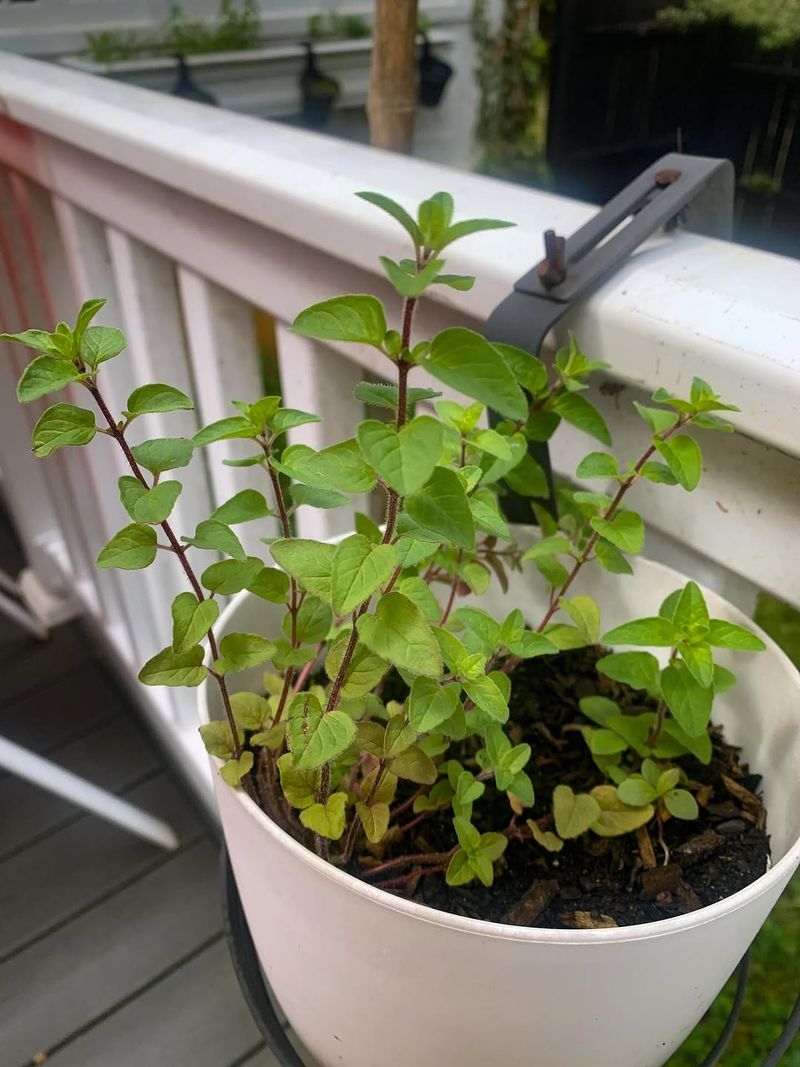
If you have ever crushed a mint leaf between your fingers, you already know how powerfully it smells. That intensity is exactly why ticks want nothing to do with it.
Mint contains menthol and other natural compounds that overwhelm a tick’s senses and keep them far away from your patio.
One important tip for growing mint in Oregon: keep it in containers. Mint spreads aggressively and can take over a garden bed quickly if left unchecked.
Placing pots of mint around your patio edges gives you all the tick-repelling benefits without the headache of managing an invasive plant.
Peppermint and spearmint are both great choices for the Pacific Northwest. They grow well in partial shade, which is perfect for those Oregon patios that do not get full sun all day.
Plus, having fresh mint on hand is a genuine bonus for teas, cocktails, and summer recipes. It is one of the most practical and pleasant herbs you can keep near your outdoor space.
6. Lemon Balm
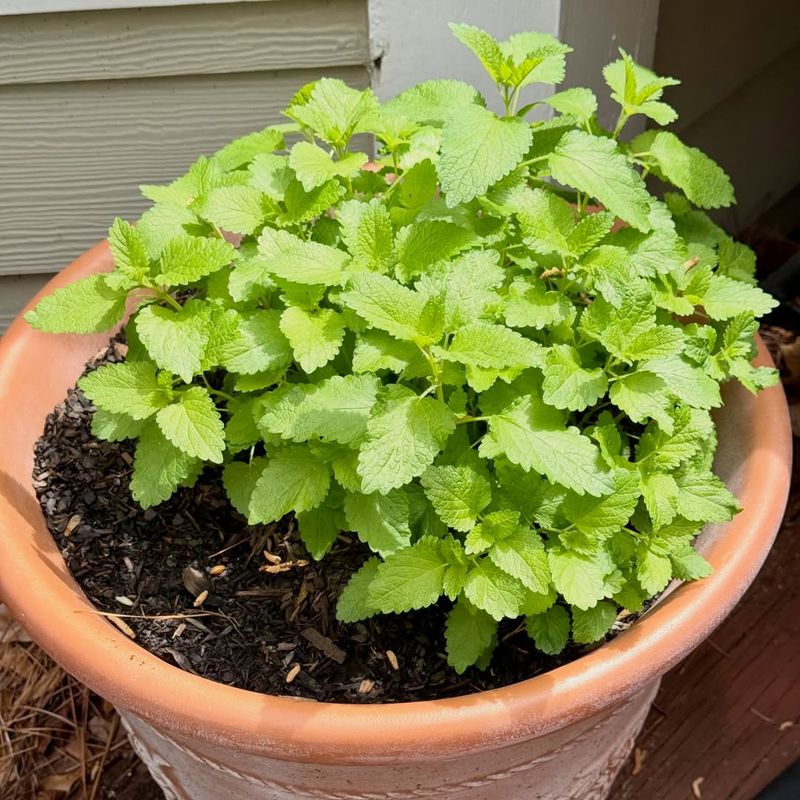
Lemon balm has a cheerful, citrusy scent that most people absolutely love. Ticks, on the other hand, want nothing to do with it.
The high concentration of citronellal in lemon balm makes it a surprisingly effective tick deterrent, especially when planted in dense clusters near your Oregon patio.
This herb is a member of the mint family, so it grows fast and spreads enthusiastically. Like mint, it is a good idea to plant it in containers to keep it from taking over your garden.
In Oregon’s moist climate, lemon balm can get quite lush, which actually helps it release more of its tick-repelling oils into the air around your patio.
Beyond tick control, lemon balm has a long history as a calming herb. Many people use it to make soothing teas that help with stress and sleep.
You can rub fresh leaves directly on your skin before sitting outside for a natural, pleasant-smelling bug repellent. For Oregon residents who want beauty, function, and fragrance all in one plant, lemon balm is a fantastic choice.
7. Catnip
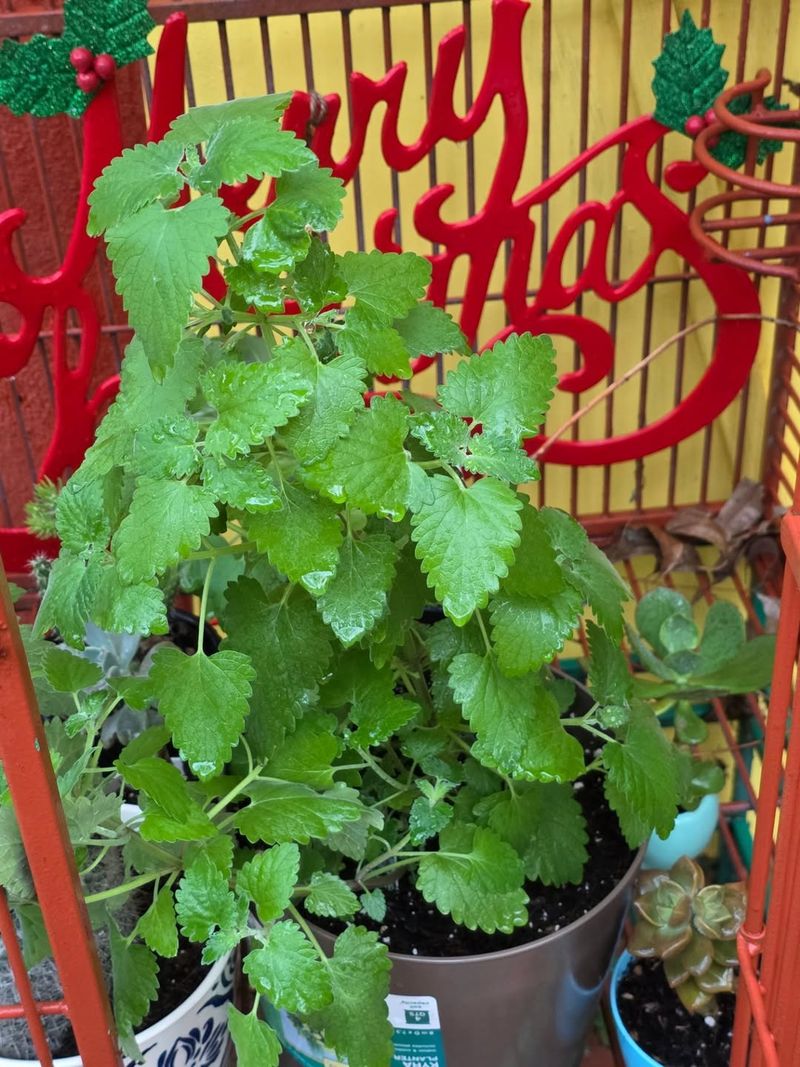
You might know catnip as a treat for cats, but it has a serious reputation as a tick and insect repellent too. Studies have shown that nepetalactone, the active compound in catnip, can be even more effective than some chemical repellents.
That is a pretty impressive claim for a garden herb.
Catnip grows easily in Oregon’s climate and does not need much attention once it gets established. It prefers full sun to partial shade and tolerates a range of soil types.
Plant it along the border of your patio or in containers to create a natural pest barrier that practically takes care of itself.
The one thing to keep in mind is that your neighborhood cats will likely find your catnip patch irresistible. If that is a concern, try planting it in raised containers that are harder for cats to reach.
Despite that quirky downside, catnip remains one of the most powerful and cost-effective tick-deterring herbs available to Oregon gardeners. It is a plant that works hard while looking completely unassuming.
8. Oregano
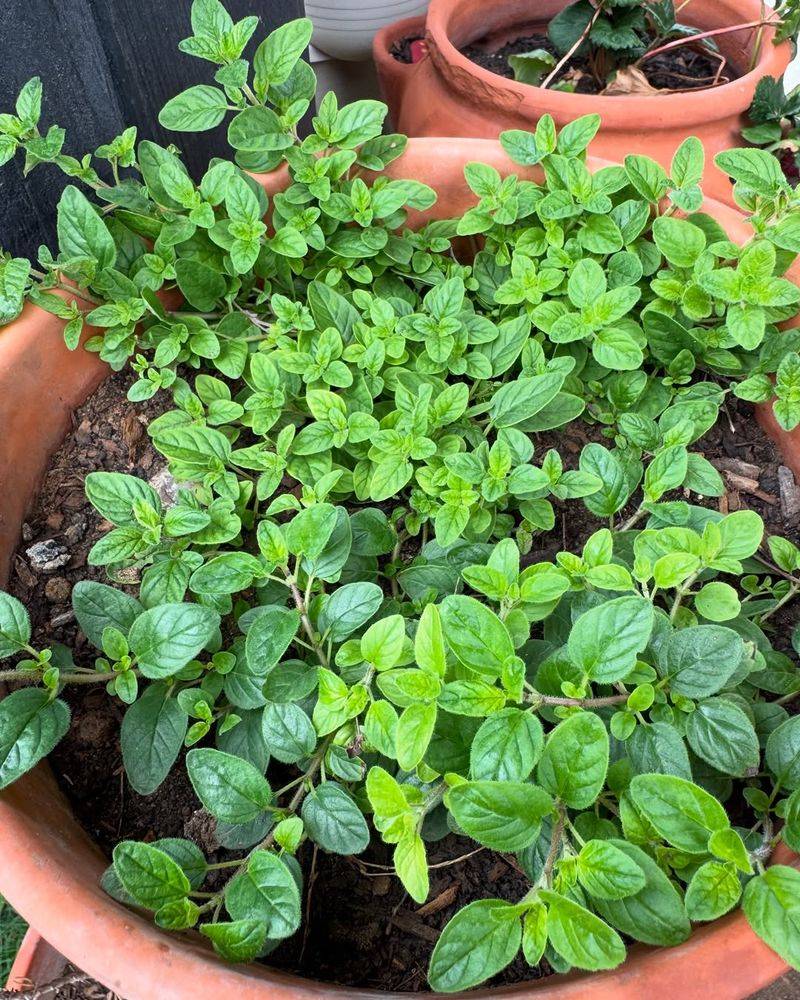
Oregano is a staple in Italian and Mediterranean cooking, but its role as a tick deterrent is just as impressive. The essential oils in oregano, particularly carvacrol and thymol, are well-known for their ability to repel a wide range of insects and pests.
Ticks are no exception.
In Oregon, oregano grows well in full sun with moderate watering. It is a hardy perennial that comes back year after year, making it a low-cost, long-term investment for your patio garden.
Plant it in clusters near seating areas or along pathways where people walk most often.
Greek oregano tends to have the strongest scent and is considered the most effective variety for pest deterrence. The more aromatic the plant, the better it works at keeping ticks away from your outdoor space.
You can also harvest oregano regularly for cooking, which encourages bushier growth and even more scent production. For Oregon homeowners who want a dual-purpose herb that looks great and works hard, oregano is absolutely worth a spot near your patio.
9. Marjoram
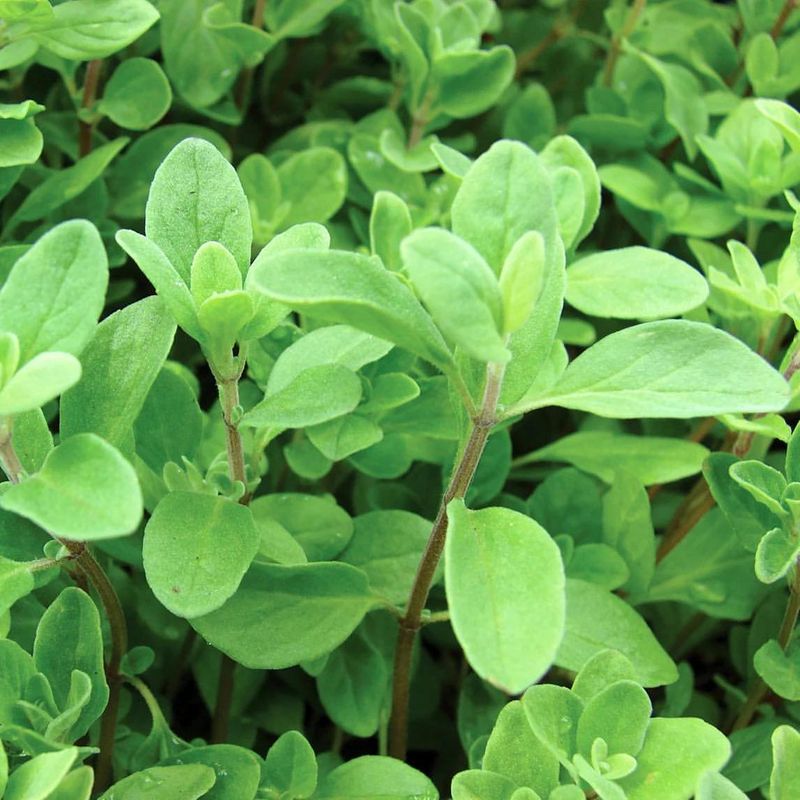
Marjoram is oregano’s quieter, sweeter cousin, and it deserves far more attention in Oregon gardens. It carries a warm, slightly floral scent that ticks strongly avoid.
Like oregano, marjoram contains carvacrol and terpinene, which are natural compounds known to repel ticks and other insects.
Sweet marjoram grows well in Oregon’s climate with full sun and well-drained soil. It is a bit more delicate than oregano and appreciates some protection from heavy rain and frost, so planting it near the shelter of a patio wall or fence works nicely.
Container growing is also a great option for marjoram in the Pacific Northwest.
One thing that makes marjoram stand out is its subtle, pleasant fragrance. Unlike some tick-deterring herbs that can smell quite sharp or medicinal, marjoram has a softer aroma that most people find very welcoming on a patio.
It is also a wonderful culinary herb for soups, stews, and roasted vegetables. Growing marjoram near your Oregon patio gives you a fragrant, functional, and beautiful herb that quietly protects your outdoor space all season long.
10. Garlic Chives
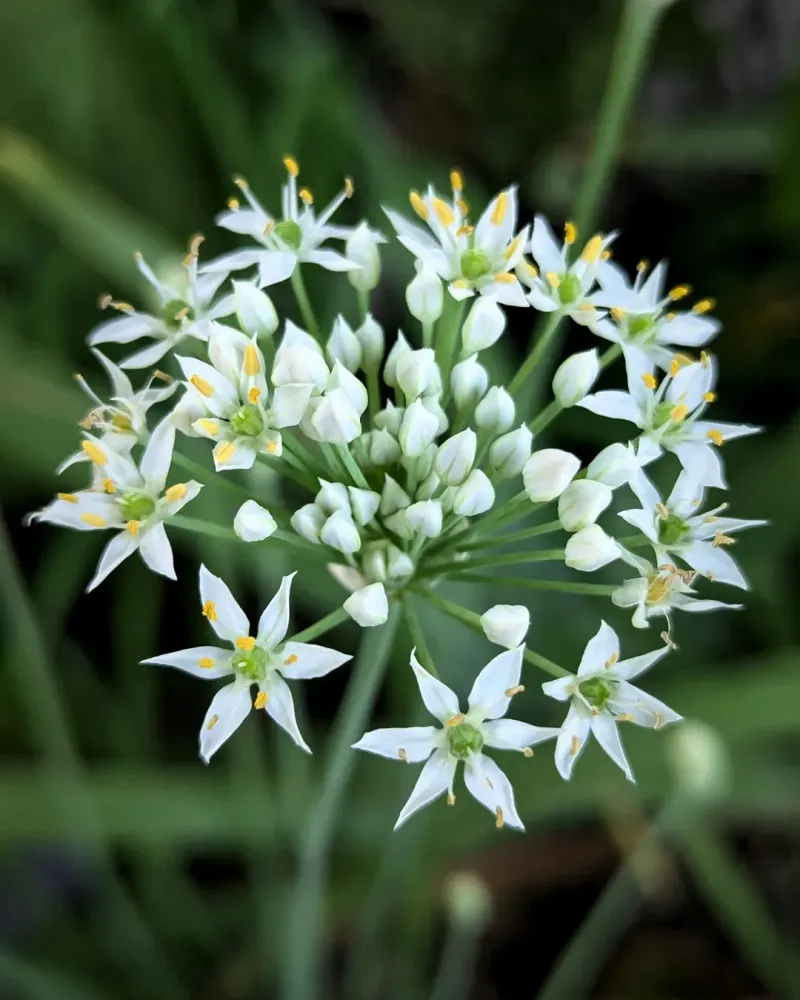
Garlic chives bring a bold, garlicky punch to your patio garden, and ticks absolutely hate it. The sulfur compounds that give garlic its famous smell are present in garlic chives too, and those compounds are highly effective at repelling ticks and other pests.
It is nature’s own pest control packed into a beautiful, easy-growing plant.
Unlike regular garlic, garlic chives are much easier to manage in a garden. They grow in tidy clumps, produce gorgeous white star-shaped flowers in late summer, and come back reliably every year in Oregon’s climate.
Plant them along the edges of your patio or in raised beds for a natural, decorative tick barrier.
Garlic chives also attract beneficial insects like bees and hoverflies, which help keep your garden healthy and balanced. The flat, grass-like leaves can be harvested and used in cooking just like regular chives, adding a mild garlic flavor to eggs, salads, and noodle dishes.
For Oregon homeowners looking for a hardy, attractive, and genuinely effective tick-deterring herb, garlic chives are a smart and satisfying choice for any patio garden.