Ohio Gardeners, Direct Sow These Vegetables This May Before It’s Too Late
May can feel like a little sprint in an Ohio vegetable garden. One weekend you are still thinking about spring greens, and the next you are eyeing beans, corn, and pumpkins like summer is already knocking at the gate.
The soil is warming up, the days are stretching out, and that sweet little overlap between cool-season sowing and warm-season planting does not stick around for long. That is what makes this month so exciting.
It is also what makes it easy to miss the moment for a few crops if you get distracted by one more trip to the garden center. It happens.
Some vegetables are happiest going into the ground early in May while the soil still has a bit of spring coolness left. Others really want those warmer late-May conditions before they get moving.
Getting that timing right can make your Ohio garden feel productive, organized, and just a little bit smug in the best way.
1. Beets Still Fit The Early May Sowing Window
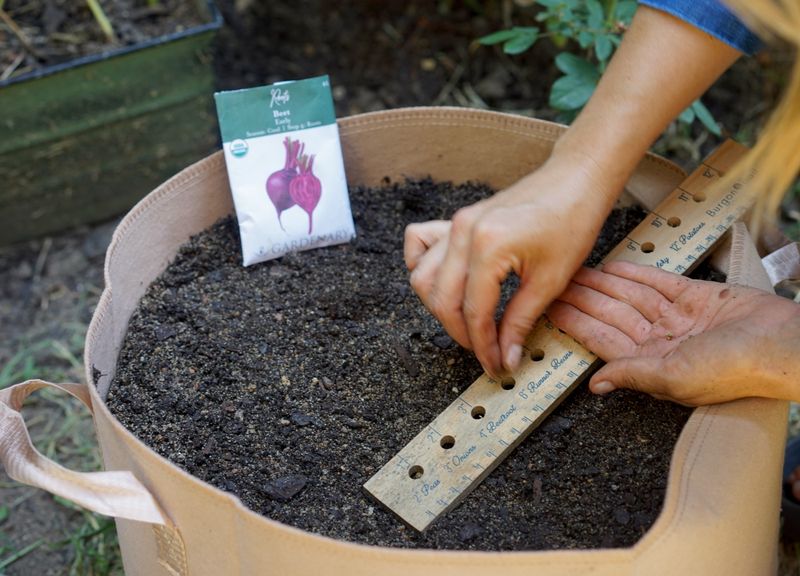
Cool soil and beets go together well, and Ohio gardeners who get seeds in the ground during the first half of May are usually rewarded with a strong, steady germination.
Beets prefer soil temperatures somewhere between 50 and 75 degrees Fahrenheit, which is right where Ohio gardens tend to sit in early May.
Waiting too long into the month means warmer soil that can slow germination and stress young plants before they get established.
Beet seeds are actually seed clusters, meaning each one may sprout two or three seedlings at once. Thinning them early, once they reach a few inches tall, gives the remaining plants enough room to develop properly.
Spacing matters more than most beginners realize, and crowded beets tend to produce small, misshapen roots.
In a raised bed or backyard kitchen garden, beets are a satisfying crop because both the roots and the greens are edible. The greens can be harvested young while the roots continue developing below.
Sowing a short row every two to three weeks through mid-May gives Ohio gardeners a spread-out harvest rather than everything coming ready at once.
2. Carrots Can Go In While The Soil Stays Cool
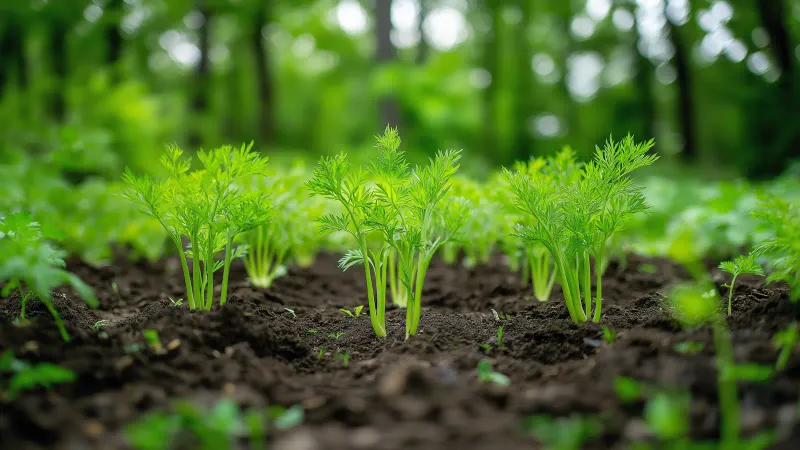
Getting carrots right starts with the soil, and Ohio gardeners who take the time to loosen and refine their beds before sowing will notice a big difference come harvest time. Carrots need deep, loose, stone-free soil to develop straight, full roots.
Heavy clay soil, which is common across much of Ohio, can cause roots to fork or stay short unless it has been amended with compost or other organic matter over time.
Early May is a solid window for carrot sowing in Ohio because the soil is still cool enough to support good germination without drying out too quickly. Carrot seeds are small and slow, often taking one to three weeks to show any sign of life.
Keeping the soil surface consistently moist during that waiting period is one of the trickier parts of growing carrots from seed.
Thin seedlings to about two to three inches apart once they reach a few inches tall. Skipping this step leads to a tangle of small, underdeveloped roots.
Your Ohio Garden Changes Every Week. Your Plan Should Too.
Gardening in Ohio changes quickly throughout the season. Every Friday you’ll receive a simple weekly plan showing exactly what to plant, prune, fertilize, harvest, and protect so you never miss the right timing.
Sowing in mid-May still works in most parts of Ohio, but as the month progresses, the window for cool-season performance starts to narrow, and heat can make young carrot plants bolt faster than expected.
3. Leaf Lettuce Is Best Sown Before Heat Builds
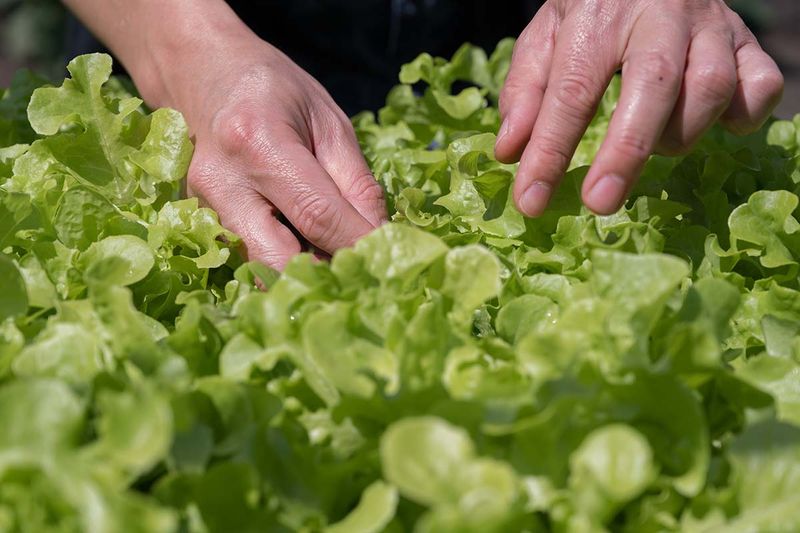
Few vegetables move from seed to table as quickly as leaf lettuce, and May gives Ohio gardeners one last solid chance to get a productive planting in before summer heat shuts the window.
Lettuce germinates well in cool to mild soil, typically between 40 and 75 degrees Fahrenheit, and Ohio’s early May conditions usually land right in that range.
Once soil temperatures climb consistently above 80 degrees, germination drops off and plants that are already growing tend to bolt, turning bitter and going to seed.
Sowing leaf lettuce in the first two weeks of May gives plants enough time to fill out before the real heat of June arrives. A shaded spot in the garden, or the north side of a taller crop like tomatoes, can extend the harvest window by a few extra weeks.
Raised beds with good drainage tend to produce some of the cleanest, most productive lettuce crops in home Ohio gardens.
Scatter seeds lightly across prepared soil, press them in gently, and keep the surface moist until germination begins.
Leaf varieties like Black Seeded Simpson or Red Sails are popular with Ohio home gardeners because they mature quickly, usually within 45 to 50 days, and hold up reasonably well as temperatures start to climb.
4. Swiss Chard Handles May Planting With Ease
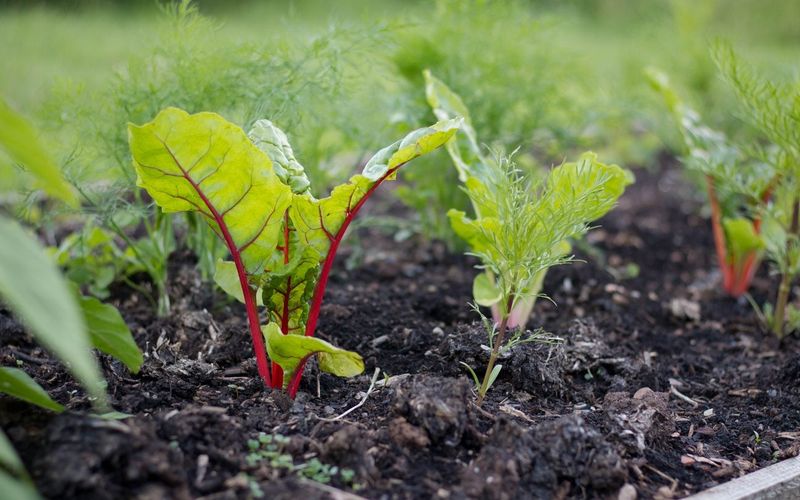
Among the leafy greens that hold up well across a wide range of conditions, Swiss chard is one of the most forgiving crops an Ohio home gardener can choose for a May direct sowing.
Unlike lettuce, chard tolerates both cooler early-May temperatures and the warmer conditions that come later in the month.
That flexibility makes it a reliable choice when the spring planting schedule gets a little unpredictable, which happens often in Ohio.
Chard seeds, much like beet seeds, are actually clusters that can produce multiple seedlings from a single sowing. Thin plants to about six inches apart once they reach a few inches tall to give each one enough space to develop full, broad leaves.
Crowded plants tend to produce smaller leaves and are more prone to issues as the season progresses.
One of chard’s best qualities in an Ohio garden is its ability to keep producing through summer and into fall. Unlike cool-season crops that fade when the heat arrives, chard slows down but rarely stops.
Regular harvesting of outer leaves encourages the plant to keep pushing new growth from the center.
Bright-stemmed varieties like Rainbow or Bright Lights add color to the garden while delivering a steady supply of nutritious greens from late May through the first hard frost.
5. Radishes Reward Early May Sowing
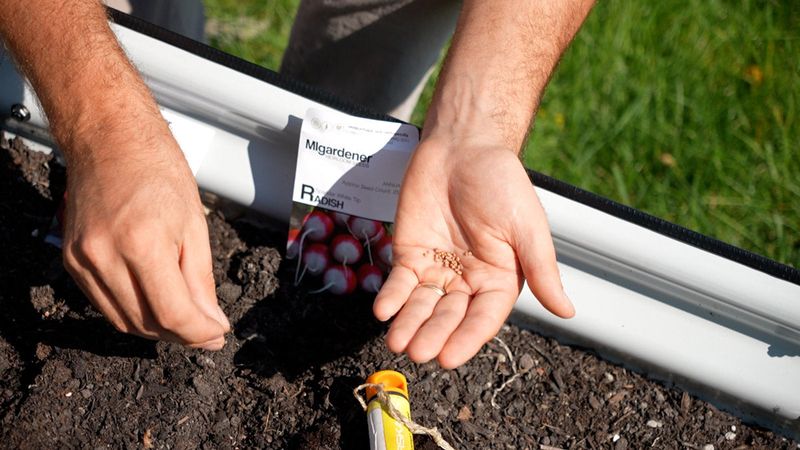
Speed is one of radish’s greatest strengths, and Ohio gardeners who drop seeds in the ground during the first week or two of May can often be pulling roots within three to four weeks.
Radishes are one of the fastest-maturing vegetables in the spring garden, and that quick turnaround makes them a satisfying choice for newer gardeners who want to see results without a long wait.
They also work well as row markers for slower-germinating crops like carrots.
Cool soil is where radishes really shine, and early May in Ohio usually delivers exactly that. As the month progresses and soil temperatures rise, radishes tend to focus more energy on producing flowers and seed stalks than on developing round, crisp roots.
Gardeners who wait until late May to sow radishes in most parts of Ohio may find the results disappointing compared to an early sowing.
Spacing matters with radishes more than many people expect. Sowing too thickly and skipping thinning leads to lots of leafy tops and very little root development.
Aim for seeds about one inch apart, or thin seedlings to that spacing soon after they emerge. A second small sowing a week or two after the first can spread out the harvest and keep fresh radishes coming to the table through late spring.
6. Turnips Still Belong In The Spring Garden
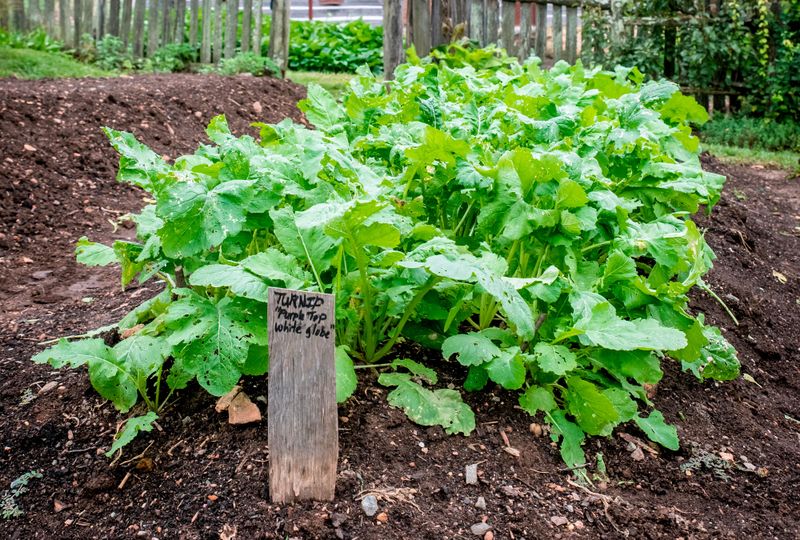
Turnips don’t always get the attention they deserve in the spring garden, but Ohio gardeners who give them a spot in May often find them to be one of the easier and more productive cool-season crops.
Like beets and radishes, turnips prefer cooler soil and tend to develop sweeter, more tender roots when they mature before the heat of summer fully sets in.
Early to mid-May is a reasonable sowing window across most of Ohio for a spring turnip crop.
Turnip seeds are small and germinate quickly, often showing sprouts within five to seven days under good conditions.
Thin seedlings to about four to six inches apart once they emerge, since crowded plants will produce small, woody roots that aren’t as enjoyable to eat.
Both the roots and the greens are edible, which makes turnips a two-for-one crop that delivers value in a small garden space.
Waiting too long to sow turnips in Ohio means the roots will be maturing during the hottest weeks of summer, which tends to make them tougher and more pungent in flavor.
Purple Top White Globe is one of the most commonly grown varieties in Ohio home gardens and matures in about 55 days, making it a solid fit for a May planting aimed at a late-June or early-July harvest.
7. Peas Need To Be Sown Before The Heat Arrives
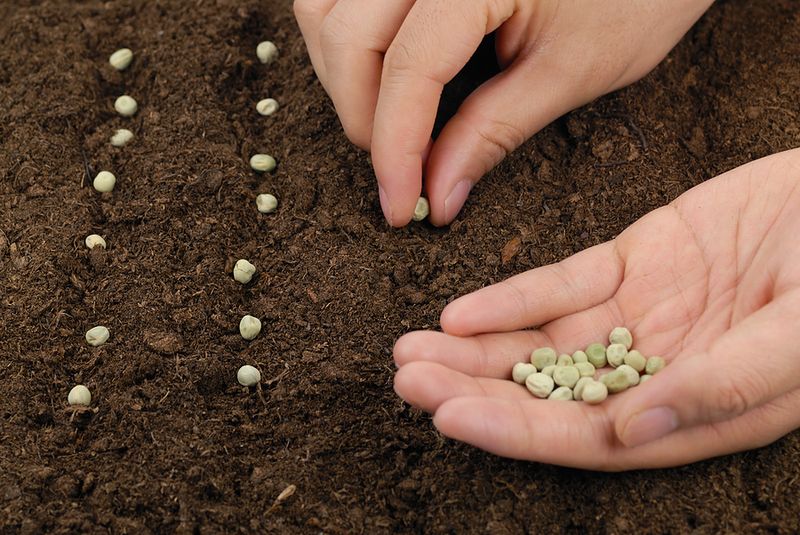
Honestly, peas are one of those crops where timing can make or break the whole season, and in Ohio, May is already pushing the edge of the ideal window.
Peas are a true cool-season crop that prefer soil temperatures between 45 and 70 degrees Fahrenheit.
Once heat arrives and soil temperatures climb into the upper 70s and beyond, pea plants tend to slow down, stop setting pods, and decline quickly.
Getting seeds in the ground no later than mid-May gives most Ohio gardens a fighting chance at a reasonable harvest.
Peas sown in early May can still produce well, especially in the northern parts of Ohio where the warmup tends to come a little later.
A trellis or support of some kind is essential for climbing varieties, and even bush peas benefit from something to lean on as they fill in.
Raised beds with good drainage give peas a strong start by keeping roots from sitting in cold, wet soil.
Soaking pea seeds overnight before sowing can speed up germination by a day or two, which matters when the planting window is already tight.
Sugar snap and snow pea varieties tend to be popular choices in Ohio home gardens because both the pods and the peas inside are edible, which stretches the harvest and reduces waste from the garden.
8. Bush Beans Do Best After Frost Risk Drops
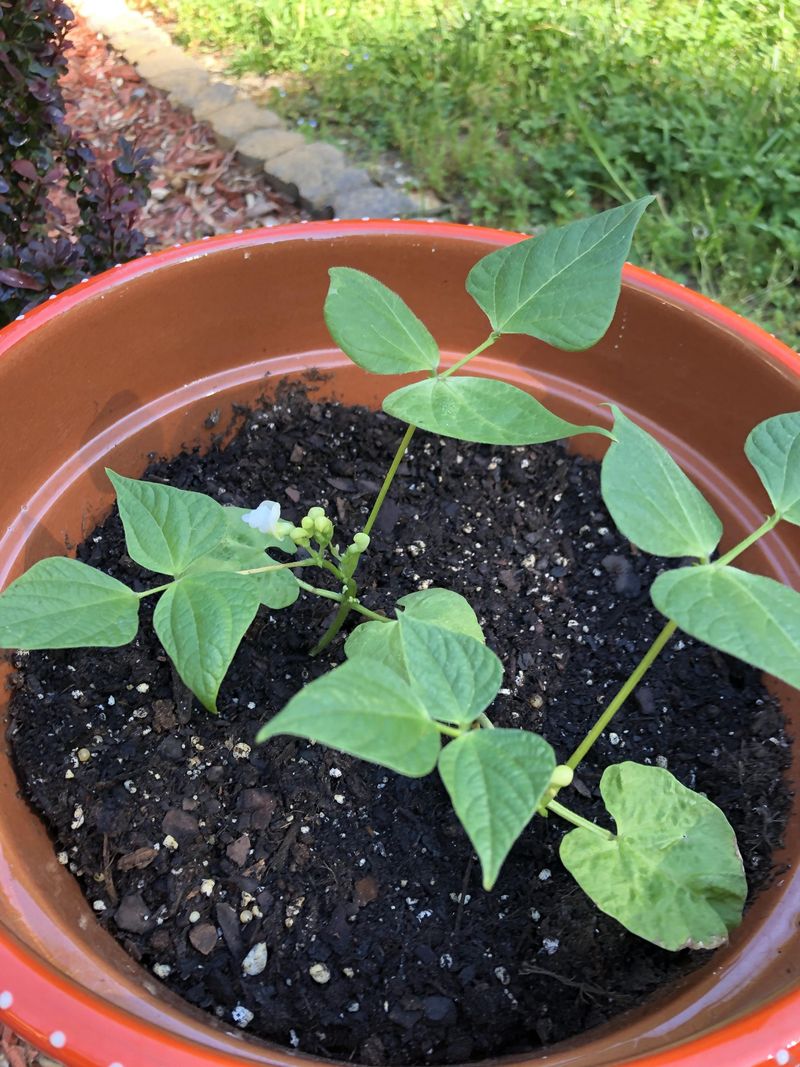
The moment the last frost threat passes in Ohio, bush beans are ready to go into the ground, and May is exactly the right month to make that happen.
Bush beans are a warm-season crop that simply do not tolerate frost, and seeds sown into cold soil often sit without germinating or rot before they get a chance to sprout.
Soil temperatures of at least 60 degrees Fahrenheit, and ideally closer to 65 or 70, give bush bean seeds the warmth they need to germinate quickly and steadily.
One of the things that makes bush beans so popular in Ohio home gardens is how little fuss they require once they get going. No staking, no trellising, and no complicated care routine.
A well-prepared bed with decent drainage and a spot that gets full sun is really all they need. Succession sowing every two to three weeks from mid-May through early July keeps fresh beans coming to the table across the summer season.
Provider, Contender, and Blue Lake 274 are varieties that Ohio gardeners often reach for because they produce reliably and hold up well in summer heat.
Bush beans typically mature in 50 to 60 days from sowing, which means a mid-May planting in Ohio can deliver its first harvest by early to mid-July, well before the growing season winds down.
9. Sweet Corn Likes The Warmer Side Of May
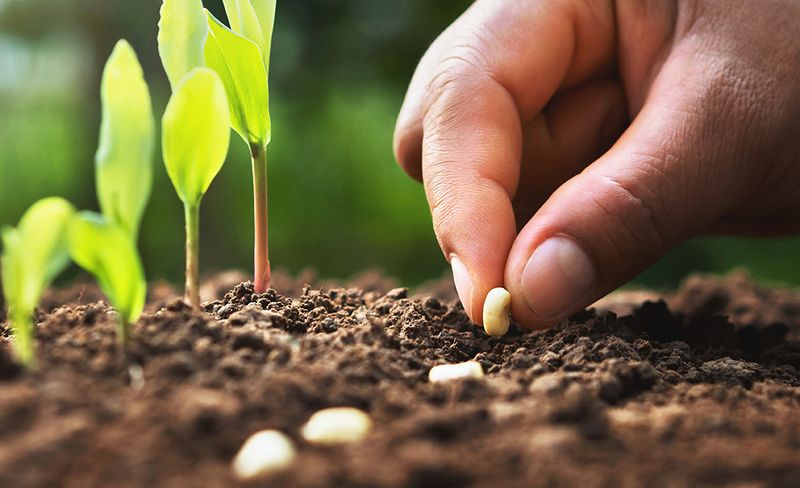
Waiting for the soil to warm up is the most important step before sowing sweet corn in Ohio, and most years that means holding off until at least mid-May, with late May being an even safer bet across much of the state.
Corn needs soil temperatures of at least 60 degrees Fahrenheit for reliable germination, and cold, wet soil tends to cause seeds to rot rather than sprout.
Ohio’s spring soil usually reaches that threshold somewhere between mid and late May depending on the year and the location.
Sweet corn needs space and benefits from being planted in blocks rather than single long rows. Corn is wind-pollinated, and blocks of at least four rows wide help ensure that pollen reaches the silks on neighboring plants, which leads to better-filled ears.
A small kitchen garden may only have room for one or two short blocks, but even that can produce a satisfying harvest in a good Ohio summer.
Popular sweet corn varieties for Ohio home gardens include Incredible, Honey Select, and Silver Queen, all of which perform well in the state’s warm summer conditions.
Sowing in late May gives plants plenty of time to reach maturity before the shorter days of late summer slow growth.
Most sweet corn varieties mature in 70 to 90 days, putting harvest right in the heart of Ohio’s summer season.
10. Pole Beans Need Warm Soil To Get Going
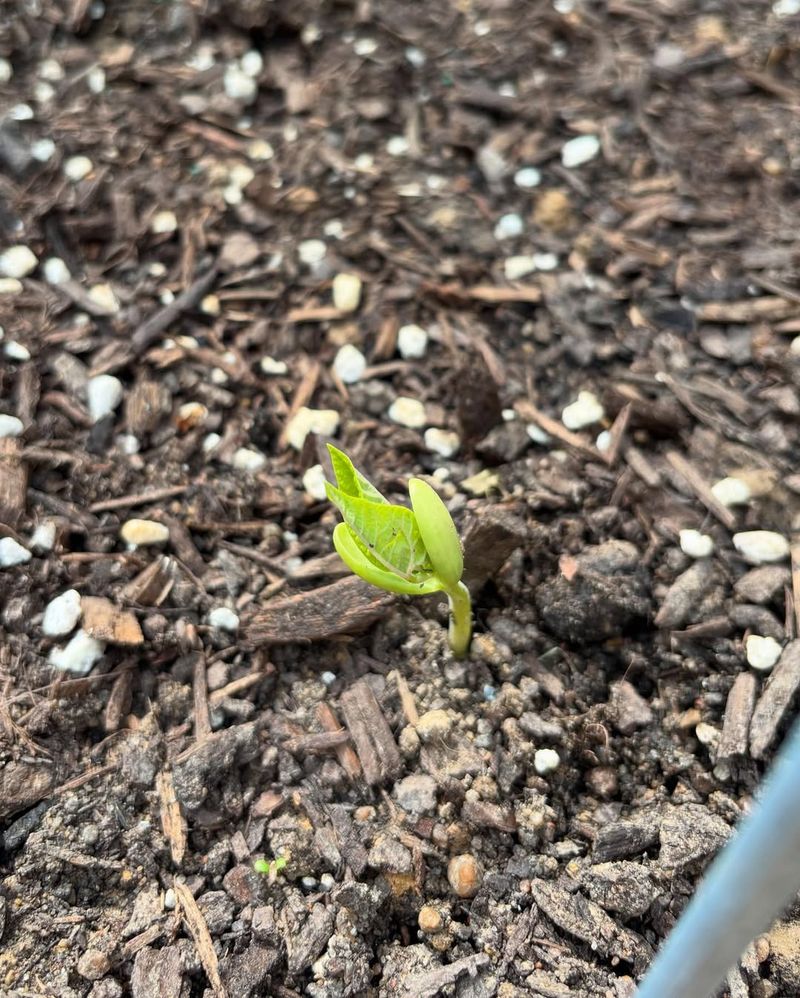
Pole beans are a longer-season investment than bush beans, and they reward Ohio gardeners who get them in the ground at the right time with a harvest that keeps coming week after week rather than all at once.
That extended productivity makes them a favorite in smaller Ohio gardens where space is limited and every square foot needs to earn its place.
The key is warm soil, and late May in Ohio usually delivers the conditions pole beans need to germinate and establish quickly.
Soil temperature is the most critical factor for pole bean success. Seeds sown into soil below 60 degrees Fahrenheit tend to germinate unevenly or not at all.
Late May across most of Ohio usually puts soil temperatures right in the range pole beans prefer, especially in raised beds that warm up faster than in-ground plots.
Sowing two or three seeds per pole or trellis support and thinning to the strongest seedling keeps the planting from getting overcrowded as vines grow.
Kentucky Wonder and Blue Lake Pole are two varieties with a long track record in Ohio home gardens.
Pole beans take a bit longer to reach first harvest than bush beans, usually around 60 to 65 days, but once they start producing, a healthy planting can keep delivering fresh beans right through August and into early September in most parts of Ohio.
11. Lima Beans Prefer A Later May Start
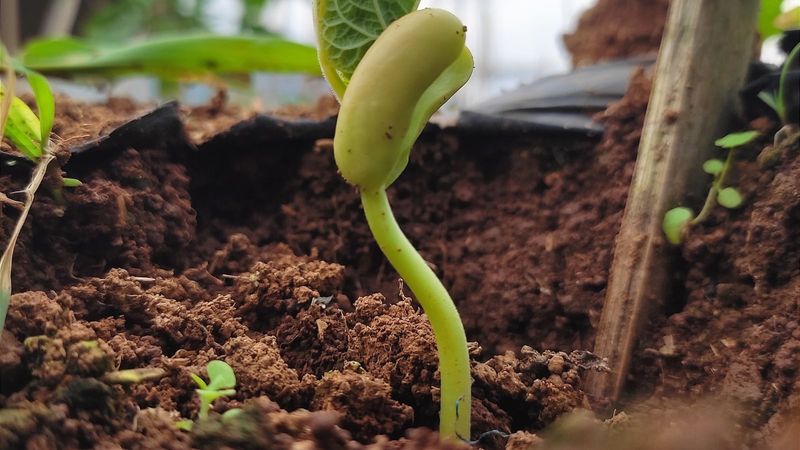
Among the warm-season beans, lima beans are the ones that really need Ohio’s soil to be fully warmed before going in the ground.
Soil temperatures below 65 degrees Fahrenheit tend to cause poor germination and slow, uneven emergence, and cold, wet conditions are particularly hard on lima bean seeds.
That’s why late May, when Ohio soil has had time to absorb several weeks of spring warmth, is the most sensible time to direct sow them across most of the state.
Lima beans are not the fastest crop in the garden, and that’s something worth keeping in mind when planning an Ohio summer planting schedule.
Bush lima varieties like Fordhook 242 typically mature in around 75 days, while pole limas can take longer.
Starting them in late May still gives most Ohio gardens enough warm growing days to reach a solid harvest before the season shifts in fall.
Full sun and well-drained soil are the two conditions lima beans respond to most positively. Like other beans, they fix nitrogen in the soil through their roots, which can benefit whatever is planted in that spot the following season.
Avoid overwatering, especially early on, since soggy soil around newly sown lima bean seeds can cause them to swell and split before they sprout, reducing the overall stand in the garden bed.
12. Pumpkins Can Be Sown Once The Weather Settles
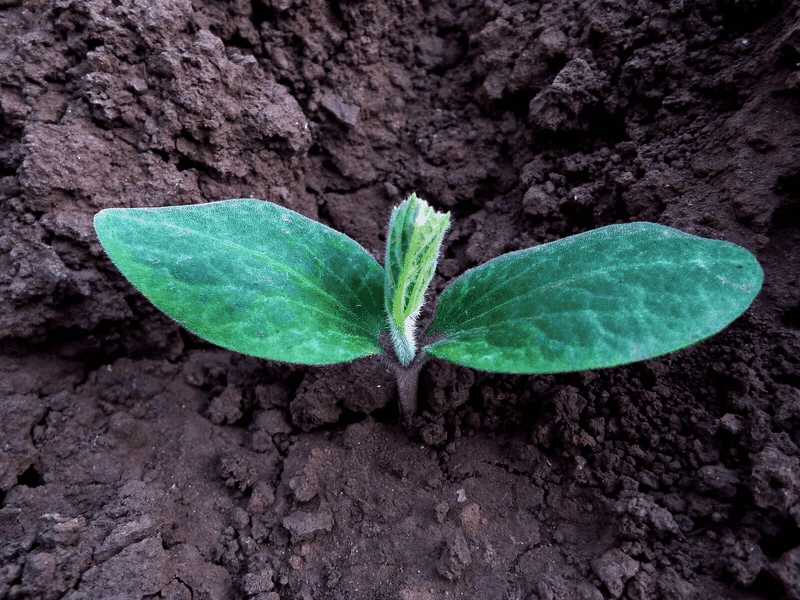
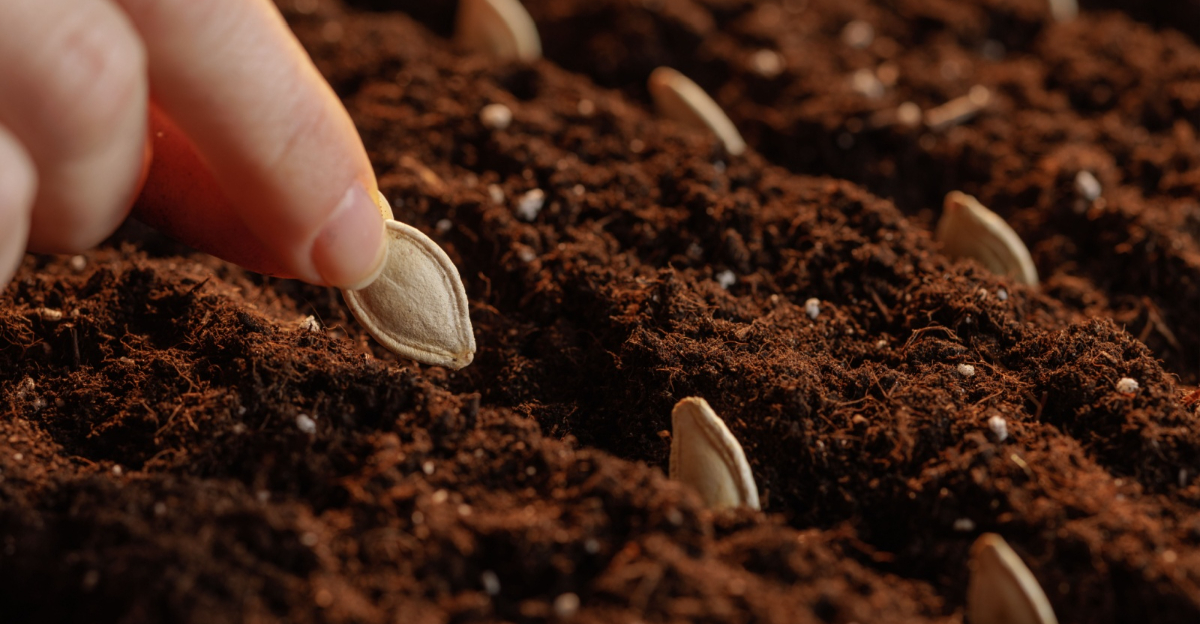
Late May is the sweet spot for direct sowing pumpkins in Ohio, and getting the timing right matters more than many gardeners expect.
Pumpkin seeds need soil temperatures of at least 65 degrees Fahrenheit to germinate reliably, and they grow quickly once conditions are right.
Sowing too early into cold Ohio soil can cause seeds to sit, rot, or produce weak seedlings that never quite catch up to plants sown at the right time a few weeks later.
Most pumpkin varieties need between 90 and 120 days to reach full maturity, which means a late-May sowing in Ohio puts harvest right around September or early October.
That timing lines up well with Ohio’s fall season and gives gardeners pumpkins ready in time for autumn decorating and cooking.
Choosing a variety suited to the available space matters, since some pumpkin vines can spread 10 to 15 feet or more in every direction.
Small Sugar and Howden are two varieties that perform consistently well in Ohio home gardens. Sow two or three seeds per hill, then thin to the strongest plant once seedlings are a few inches tall.
Pumpkins are heavy feeders and appreciate compost-enriched soil at planting time. Consistent moisture during fruit development, especially as the plants begin to vine and set flowers, helps Ohio gardeners get the best results from a late-May sowing.