I Planted These In Tennessee Last May And My Neighbors Are Still Talking About It
Last May, I did something my neighbors probably thought was either brave or completely foolish. I tore up my perfectly boring Tennessee backyard and filled it with plants I had never grown before.
I’m talking tropical-looking flowers, giant leafy statement plants, and greenery that looked like it belonged in a botanical garden rather than a backyard in Tennessee. I had no idea if any of it would survive, let alone thrive. Well, it thrived !
By midsummer, strangers were slowing down their cars. People started knocking on my door just to ask what I had planted.
Someone asked if I was a professional landscaper. I am not.
The secret had nothing to do with experience or a green thumb. It was these exact plants that most Tennessee gardeners completely overlook. Stick around, because your backyard is about to get very interesting.
1. The Plant That Stopped Traffic In My Front Yard Is A Hardy Hibiscus
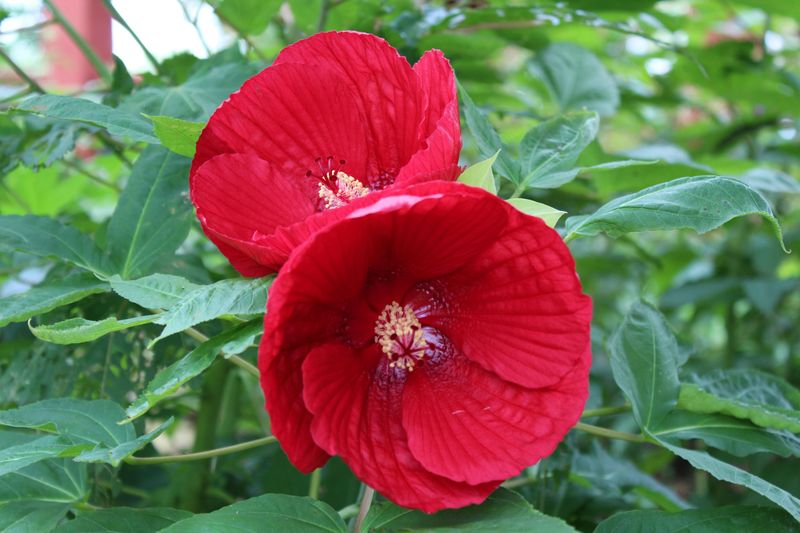
When people walk past my yard and suddenly stop in their tracks, it is almost always because of the Hardy Hibiscus. The blooms are so enormous they look almost unreal, dinner-plate sized flowers in deep red, soft pink, and creamy white, opening one after another all summer long.
Each flower only lasts a day, but the plant does not care. It just keeps making more.
Hardy Hibiscus loves warm weather and thrives with minimal fuss once established. Give it a sunny spot, well-drained soil, and water during dry spells, and it will reward you with nonstop blooms from July through September.
Hardy Hibiscus is famously late to the spring party. If the spot looks empty in April, do not panic and do not dig it up.
Give it time. It always shows up eventually, and when it does, it shows up big.
This is the kind of plant that makes people pull out their phones before they even realize they are doing it.
2. Canna Lily Showed Up And Made Every Other Plant Look Boring
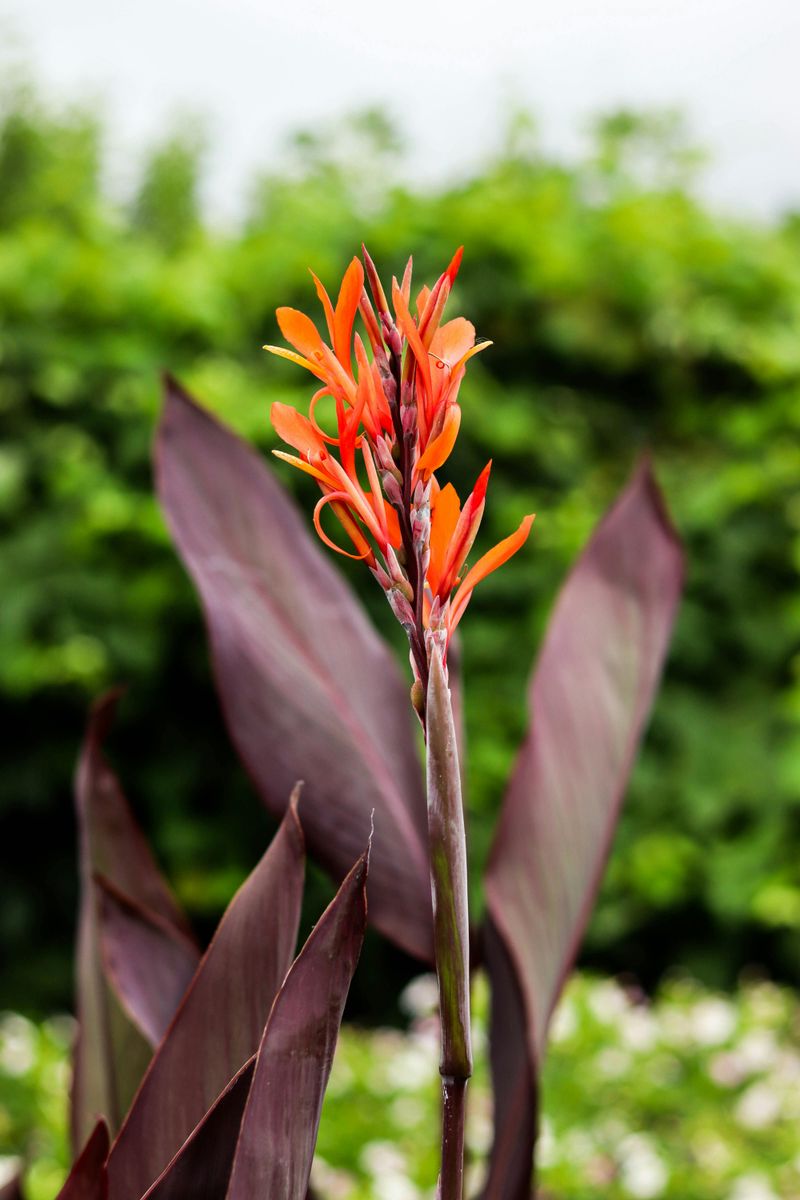
Few plants deliver as much drama per square foot as the Canna Lily. Giant paddle-shaped leaves, electric flower spikes in red, orange, yellow, and pink, and a height that can top five feet by midsummer, this is not a plant that blends into the background.
I planted mine along the back fence mostly to fill space, and by July it had completely taken over in the best possible way.
Cannas thrive in heat and humidity, which makes Tennessee summers feel less like a challenge and more like a personal invitation. Plant the rhizomes after the last frost in a sunny spot, and they will take off faster than almost anything else in your garden.
They are not fussy about soil, a little fertilizer every few weeks keeps them flowering all season, and they practically grow while you watch.
What I did not expect was the wildlife. Once the Cannas started blooming, hummingbirds showed up like they had been waiting for this exact moment.
Your Nevada Garden Changes Every Week. Your Plan Should Too.
Gardening in Nevada changes quickly throughout the season. Every Friday you’ll receive a simple weekly plan showing exactly what to plant, prune, fertilize, harvest, and protect so you never miss the right timing.
If your goal is a garden that feels alive in every sense of the word, start here.
3. Elephant Ears Grew So Big My Neighbors Thought I Had A New Tree
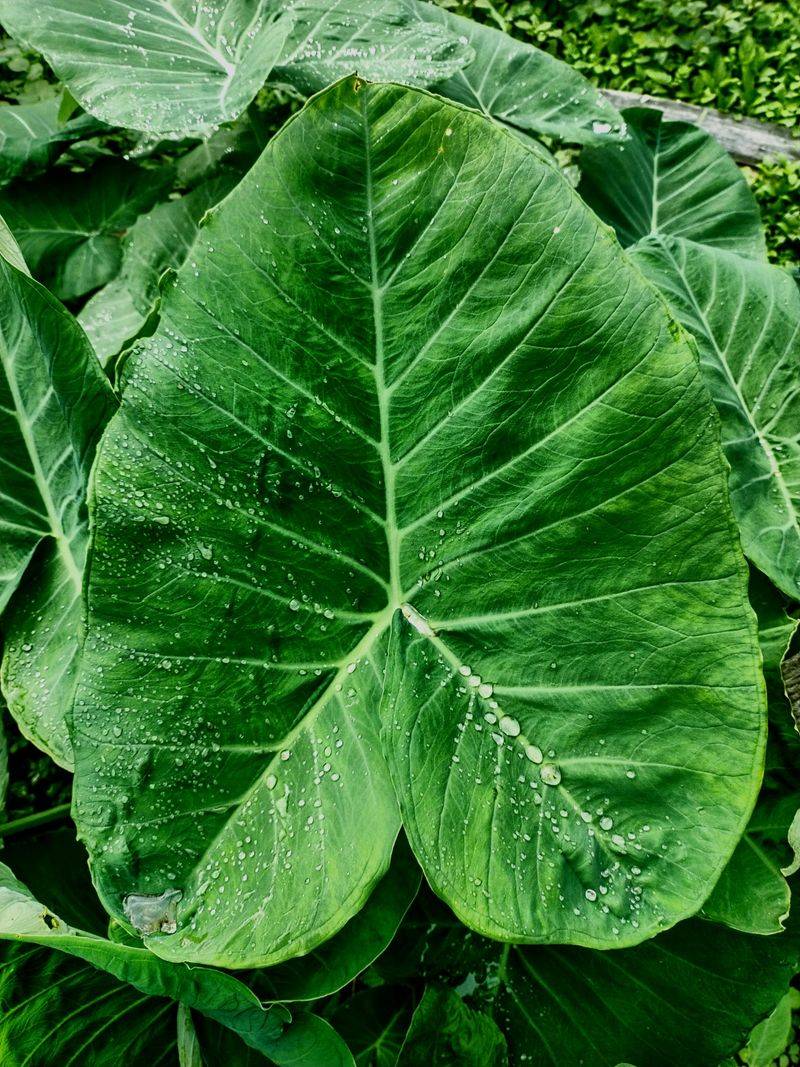
There is something almost disorienting about standing next to a fully grown Elephant Ear plant and realizing the leaves are bigger than your torso. Not slightly bigger.
Genuinely, absurdly bigger. These plants do not ease their way into a garden, they announce themselves, and every other plant around them suddenly looks like a supporting character.
I tucked mine into a partially shaded corner near my porch mostly because I was not sure where else to put something that size.
By August, the leaves were over three feet wide and the corner I had been ignoring all summer had become the most dramatic spot in my entire yard. Visitors walked past the flowers, past the tall grasses, and stopped there every single time.
Elephant Ears grow from bulbs and treat hot humid summers like a personal invitation to go absolutely wild. They prefer moist, rich soil and do best in spots that get morning sun and afternoon shade.
Keep them well-watered and they will grow fast and strong, giving you that bold, jungle-like look that is almost impossible to fake with smaller plants.
The other thing worth knowing is that you do not have to start over every year. Dig the bulbs up before the first frost, store them somewhere cool and dry through winter, and replant them the following May.
In colder parts of the state this step is not optional, the bulbs will not survive a hard freeze in the ground.
They come back even bigger the second season, which hardly seems fair to every other plant in your garden.
4. Nobody Believes Passionflower Vine Is Real Until They See It
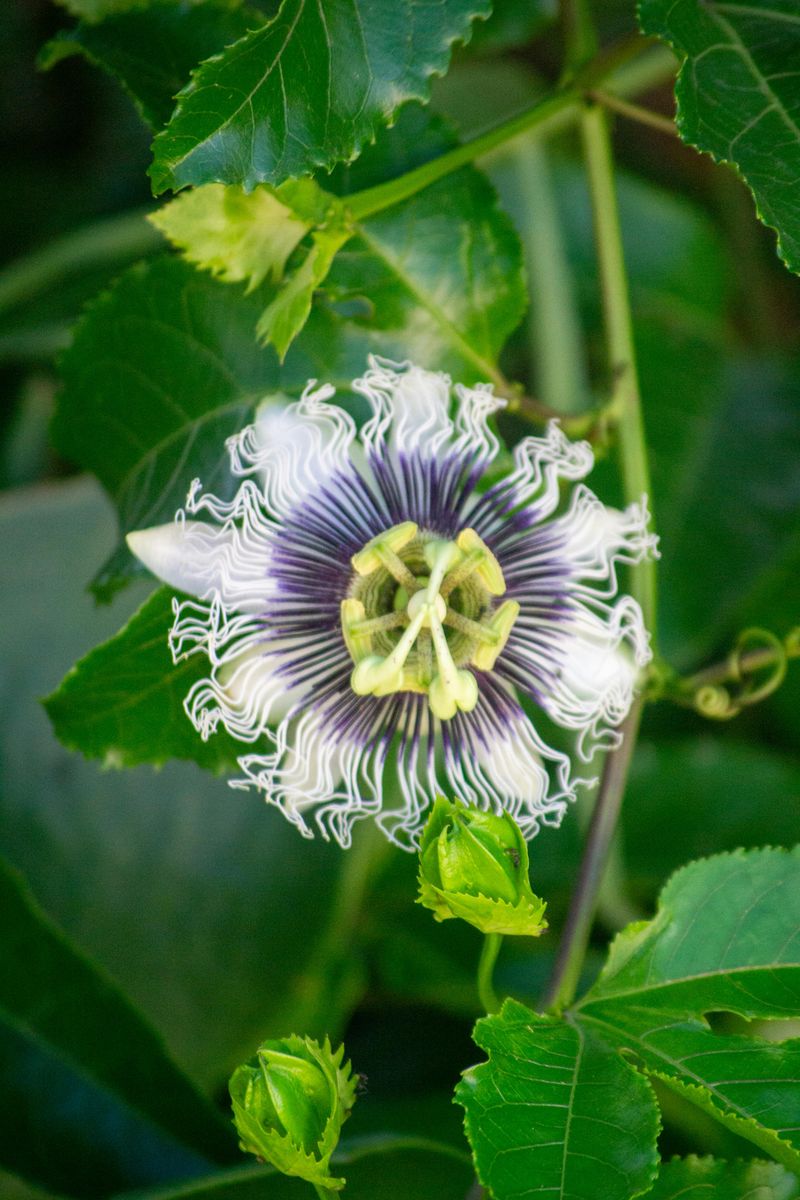
Nothing in my garden generated more curiosity last summer than the Passionflower Vine. Honestly, that was entirely predictable once I saw the flowers up close.
They look like something a scientist would sketch in a fever dream.
Intricate lavender and white fringed petals arranged around a raised center that resembles a tiny piece of alien art. People do not just stop and look.
They stop, lean in, and then ask if it is real.
The good news is that Passionflower is actually native to the southeastern United States. Despite looking like it belongs in a greenhouse in another country, it is perfectly at home here.
Once established, it climbs fences, trellises, and arbors with an enthusiasm that borders on aggressive. Plant it in a sunny spot with something to climb.
It will reward you with exotic blooms from late spring all the way into fall.
It also does something no other plant in my garden does, which is attract Gulf Fritillary butterflies.
In middle and western Tennessee, you may even spot beautiful orange Gulf Fritillary butterflies laying eggs on the leaves. It is the kind of wildlife moment that stops people in their tracks.
One practical note worth mentioning is that Passionflower spreads enthusiastically once it gets comfortable. Give it space, or check in on it regularly.
Either way, for sheer wow factor and conversation value, very few plants come close to what this vine brings to a garden.
5. Musa Basjoo Is the Banana Plant That Survived A Tennessee Winter
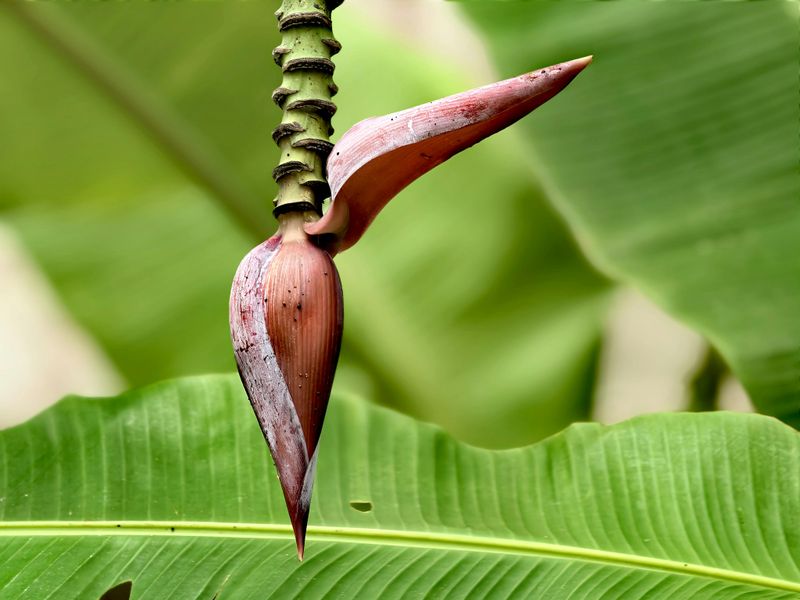
Planting a banana tree in a Tennessee backyard sounds like the kind of idea you have after one too many gardening videos at midnight. But Musa basjoo, also known as the hardy banana, makes it completely and legitimately possible.
This variety is cold-hardy enough to survive most winters in the state with a little protection, and in summer it grows fast and tall, sometimes reaching eight to ten feet in a single season.
I planted mine in a sunny spot with rich soil and spent the rest of the summer just trying to keep up. Within weeks there were new leaves unfurling every few days, each one broader and more dramatic than the last.
By midsummer it had become the undisputed centerpiece of the entire backyard, the kind of plant that makes everything around it look intentional even when it was not.
It does not produce edible fruit this far north, but nobody who has seen it in person has ever seemed to care about that. What they care about is how it looks, which is somewhere between a botanical garden and a very ambitious vacation rental patio.
A couple down the block came over just to take a photo next to it, which is the kind of thing that happens when you plant something nobody expects to see in a regular neighborhood.
If you want one plant that does more for your garden’s visual impact than almost anything else, the hardy banana is the one. Bold, fast-growing, and unlike anything else in your yard.
6. I Planted Red Hot Poker And Got Four Hummingbirds
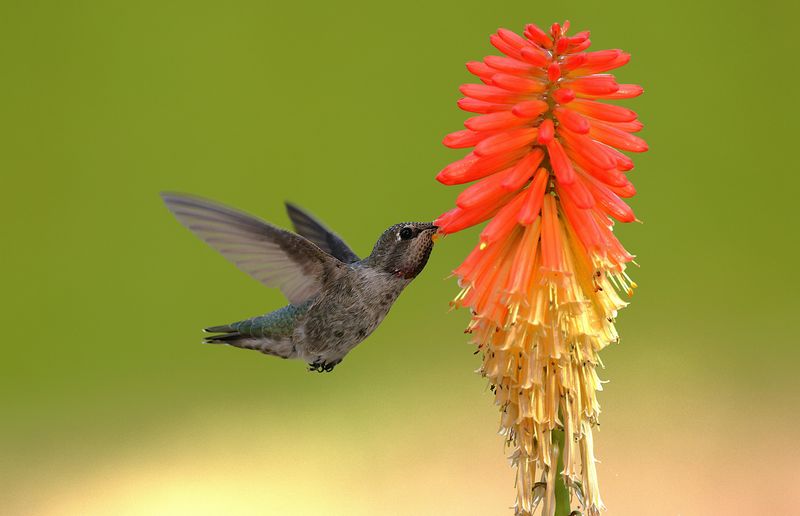
Red Hot Poker is the plant that makes people think you have some kind of secret knowledge about gardening, which is a very enjoyable reputation to have. The flowers shoot up on tall straight stalks in fiery combinations of red, orange, and yellow, looking exactly like a lit torch someone forgot to extinguish.
There is nothing subtle about it, and that is entirely the point.
I planted a cluster along my front walkway mostly on instinct, and by June they were the first thing anyone noticed when they pulled up to the house. Not the door, not the porch, not the hanging baskets I had spent actual money on.
The Red Hot Pokers, every time.
Also called Torch Lily or Kniphofia, this plant is incredibly tough and handles heat and drought better than most garden flowers.
It prefers full sun and well-drained soil. If your soil runs heavy or tends to stay wet through winter, amend it well before planting or grow Red Hot Poker in a raised bed to keep the roots dry.
Once established it asks for very little in return.
It blooms from late spring through midsummer and often puts on a second show in early fall, which feels like a bonus you did not budget for but are very happy to receive.
The wildlife activity it brings is worth mentioning on its own. Hummingbirds and bees treat it like a destination rather than a pit stop.
One morning I counted four hummingbirds hovering around my cluster at the same time, which is the kind of moment that makes you feel like you accidentally built a nature reserve in your front yard.
For bold color, low maintenance, and wildlife appeal all in one plant, Red Hot Poker delivers every single time.
7. There Is A Pineapple In This Garden And It Is Not What You Think
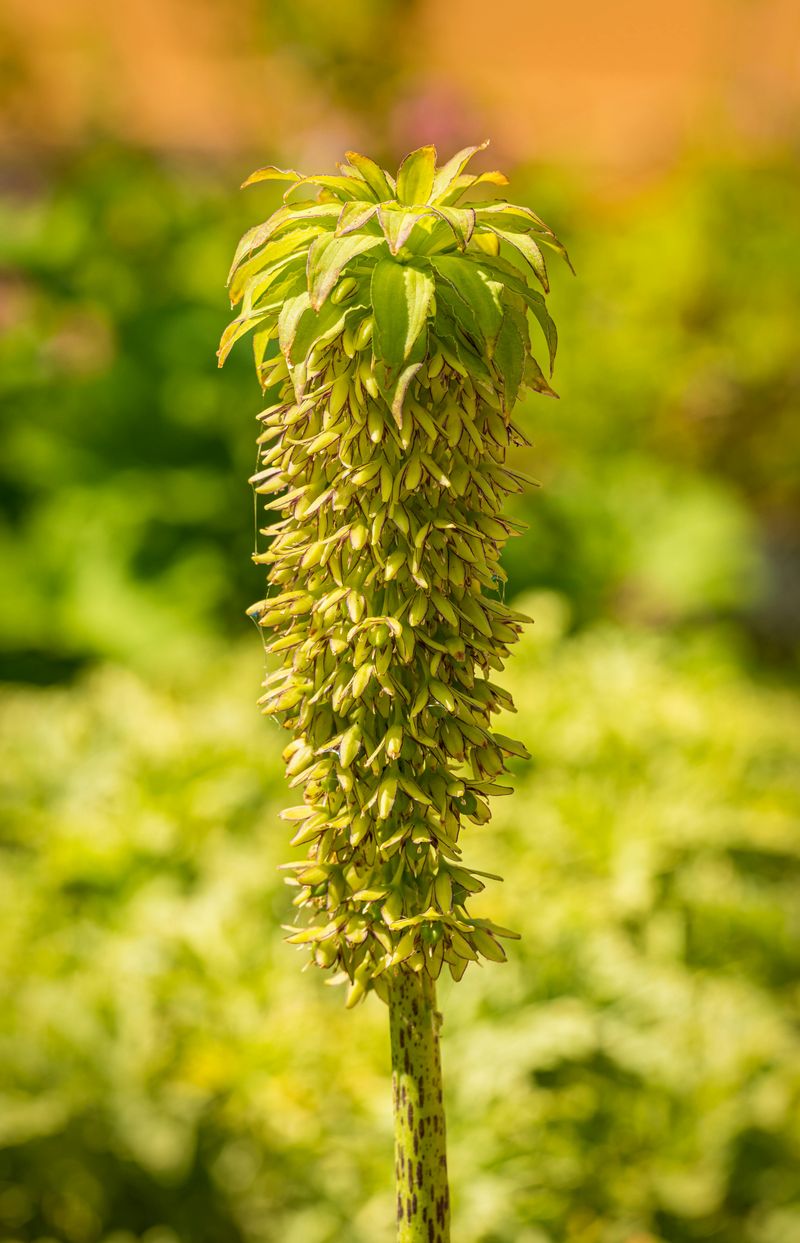
If you have never heard of Pineapple Lily, you are about to become the most interesting gardener on your street. This quirky plant produces a tall flower spike covered in small star-shaped blooms.
At the very top sits a tuft of leafy bracts that makes the whole thing look remarkably like a real pineapple on a stick. It is one of those plants that makes visitors stop, tilt their heads, and say out loud, what on earth is that?
Pineapple Lily, or Eucomis, is a bulb plant that thrives in warm weather. Plant the bulbs in spring after the soil warms up, in a sunny or lightly shaded spot with good drainage.
They are not demanding. They just need decent soil, reasonable sun, and a little patience.
In colder parts of the state, plant the bulbs in containers so you can bring them inside before the first frost, or simply treat them as annuals and replant each spring.
What makes them especially satisfying is how long they hold their flowers. Many showier plants bloom for a week and call it a season.
Pineapple Lily stays in bloom for weeks at a stretch, looking sculptural and interesting the entire time. The spikes typically reach around 12 to 18 inches tall, which makes them perfect for containers on a patio or deck as well.
Few things in gardening are more fun than growing a plant nobody can identify. It has a way of surprising even gardeners who think they have seen it all.
8. Agapanthus Is The Blue Flower Nobody Expects To See In A Home Garden
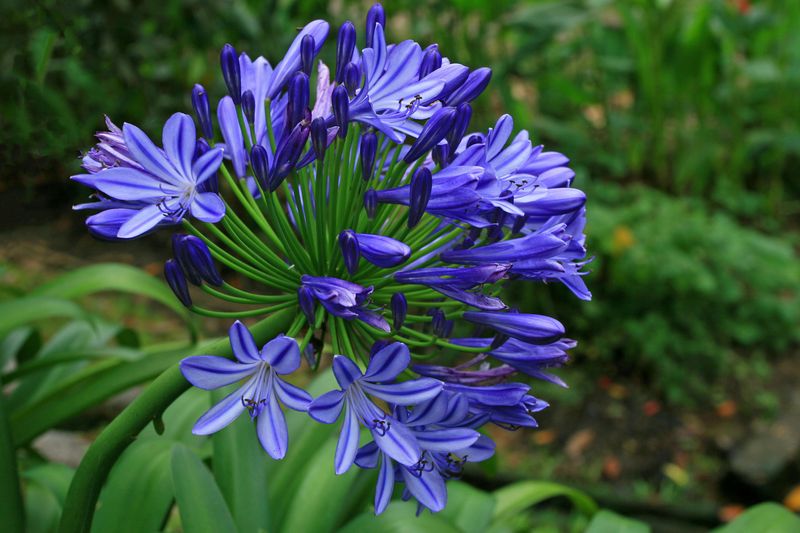
The first time you see Agapanthus in full bloom, you immediately understand why gardeners obsess over it. Agapanthus, sometimes called Lily of the Nile, makes everything around it look better.
The flowers come in perfectly round clusters of blue or purple, sitting on tall sturdy stems that sway gently in the breeze like they have absolutely nowhere else to be.
The effect is elegant without being fussy, which is a combination that is harder to find than it sounds.
When mine bloomed for the first time in late June, I stood at my kitchen window for an embarrassingly long time just staring at them. There is something about that shade of blue in a summer garden that feels almost unexpected.
Most yards around here run heavily toward red, yellow, and pink. Agapanthus shows up and quietly changes the whole conversation.
It does best in a sunny spot with well-drained soil and handles heat well once it gets settled in. It is also fairly drought-tolerant, which makes it low maintenance during the hottest summer stretches.
One practical note worth keeping in mind is that hardiness varies by variety. If you are in a colder part of the state, choose a variety rated for Zone 6 and give the roots a thick layer of mulch before winter.
The plants form attractive clumps of strap-like leaves that stay tidy and lush even between blooms. It also works beautifully in large containers on a patio or deck if you want to move it somewhere protected for winter.
If your garden needs something sophisticated that nobody else on the street is growing, Agapanthus is the answer.
9. Goldfinches Bees and Butterflies All Agree On Coneflower
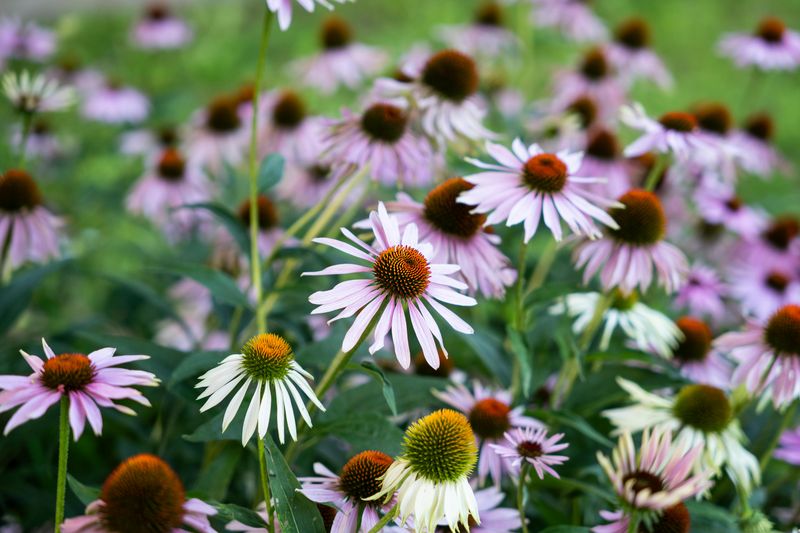
Coneflower might be the most cheerful plant in existence, and I do not say that lightly. Also known as Echinacea, it produces daisy-like flowers with drooping petals in purple, pink, orange, and white, all surrounding a raised spiky center cone that gives the plant its name.
There is something warm and nostalgic about a patch of them in full bloom. Like a summer memory you can actually grow in your own yard.
Coneflower is the low maintenance friend every garden needs. It thrives in full sun, tolerates poor soil, and laughs in the face of heat and drought.
Once established, it comes back every single year, slowly spreading into wider and more impressive clumps that fill in bare spots beautifully. It is the kind of plant that rewards neglect almost as much as attention.
The wildlife activity alone is worth the price of admission. Bees and butterflies treat a patch of Coneflowers like a daily meeting place.
By late summer, goldfinches arrive to eat the seeds directly from the dried cones, which is one of those small garden moments that stops you in your tracks every time you see it.
Coneflowers are also excellent for cutting. A handful in a vase on your kitchen table costs nothing and lasts longer than most cut flowers you would actually pay for.
Few plants in a home garden give back this generously, season after season, with this little effort.
10. Bee Balm Smells Like Mint and Acts Like A Hummingbird Magnet
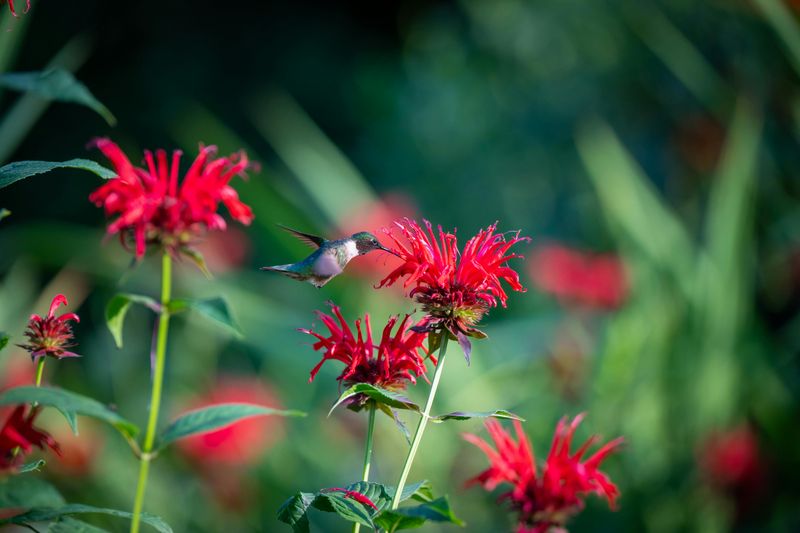
Bee Balm earns its name every single day it is in bloom. The shaggy, wildflower-style blossoms in red, pink, lavender, and white are magnets for bees, butterflies, and hummingbirds.
From the moment the flowers open, your garden stops being a quiet place and starts being a destination.
I planted a red variety near my back porch, and the hummingbird activity alone made it worth every bit of effort. Watching them hover and dart around the flowers while I had my morning coffee became the highlight of my entire summer.
That is not something I expected from one plant in one corner of one yard, but here we are.
Also known as Monarda, Bee Balm did not need to adapt to warm humid summers. It was already built for them.
It spreads gradually over time, forming full and beautiful clumps that get more impressive each season. The leaves have a pleasant minty fragrance when brushed, which is a small bonus that catches people off guard every time.
Cutting the spent flowers encourages new blooms to keep coming, so a little maintenance goes a long way. By the end of the season, two of my neighbors asked if they could take divisions of my plants home with them.
That felt like the most honest review a garden plant could ever receive.
For something that feeds wildlife, smells wonderful, and looks gorgeous from midsummer into early fall, Bee Balm is simply hard to beat.