What Texas Gardeners Can Do With Bird Of Paradise In May For Bigger Leaves And Blooms
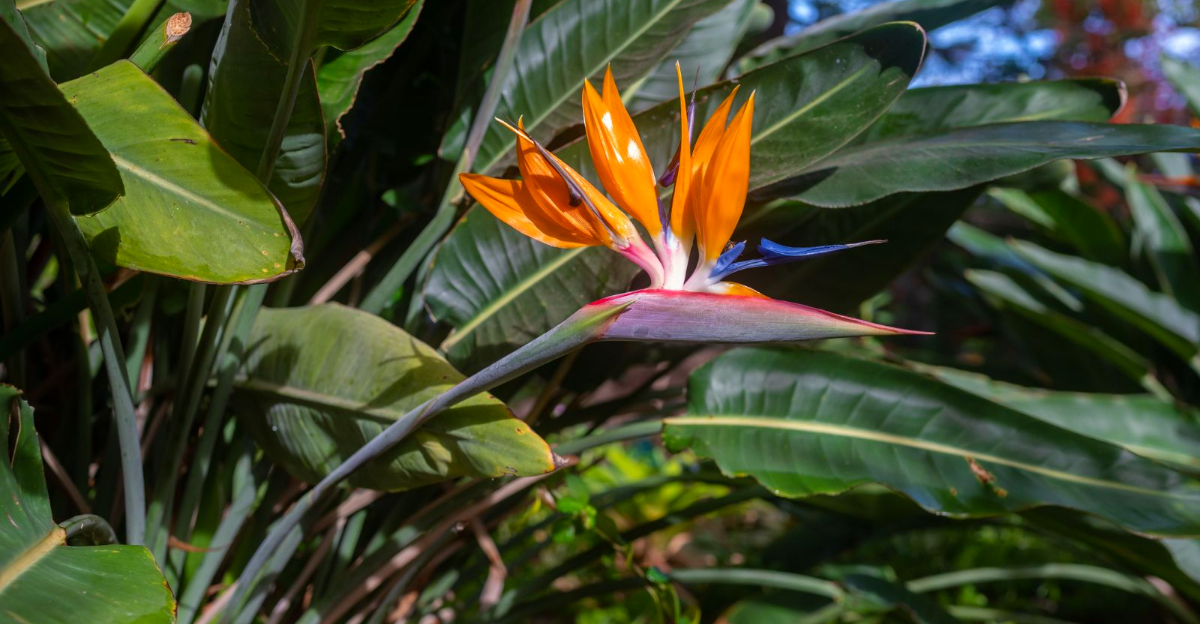
May in Texas means one thing for your bird of paradise: things are getting serious. This plant is basically waking up, stretching its roots, and getting ready to show off.
New leaves are unfurling, the root system is quietly expanding, and if you play your cards right, those jaw-dropping blooms could be heading your way later in the season. Here’s the thing though, Texas spring doesn’t exactly ease you in gently.
One week it’s pleasant and breezy, the next it feels like someone cranked the oven up to broil. Your bird of paradise notices every bit of that shift.
The good news is that this plant genuinely rewards attentive gardeners. Bigger leaves, bolder color, and more flowers tend to follow consistent and thoughtful care rather than any single magic move.
1. Sun And Light Shade Help Blooms
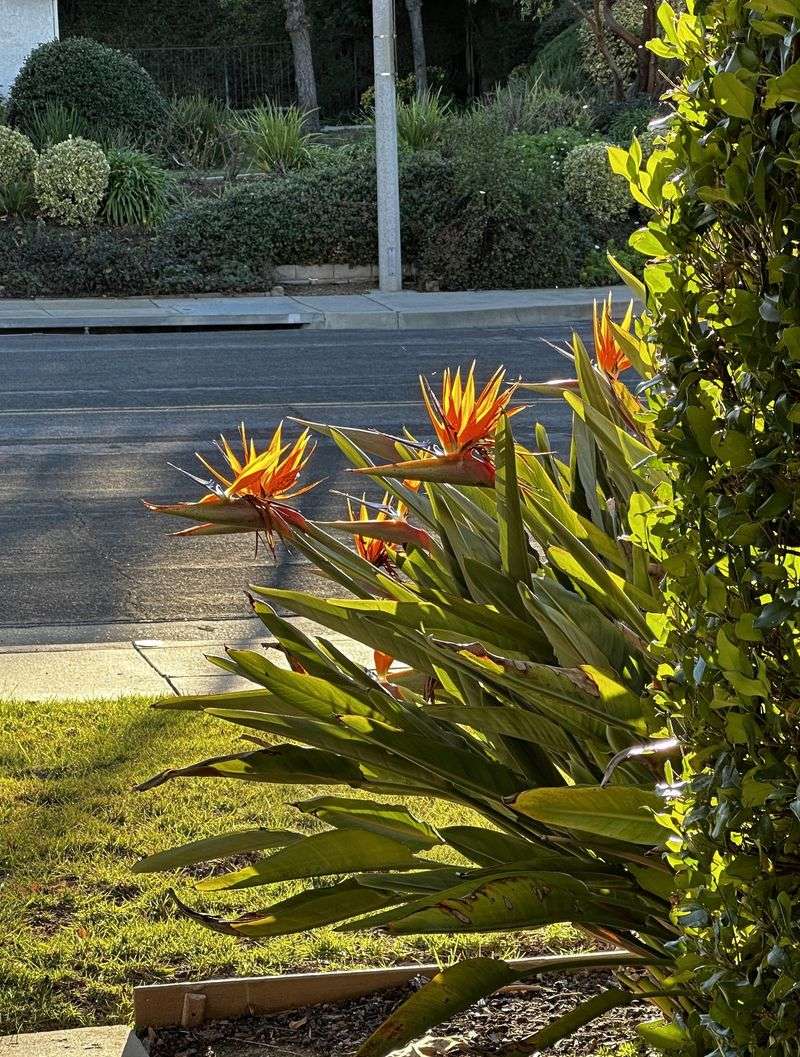
Sunny patios across Texas are some of the most popular spots for bird of paradise, and for good reason. This plant genuinely loves light, and in May, the sun is strong enough to fuel impressive leaf and flower development.
Placing your plant where it receives at least six hours of direct sun each day can make a real difference in how vigorously it grows through the warm season.
That said, Texas afternoons in late May can get intense. Temperatures climbing past 90 degrees combined with direct western sun for several hours can stress the foliage, causing leaf edges to brown or curl.
A spot with full morning sun and light afternoon shade tends to work well for many Texas gardeners, especially in central and southern parts of the state where heat builds faster.
Container-grown plants have an advantage here because they can be moved to catch better light as the season changes.
Garden bed plants benefit from thoughtful placement near structures or larger shrubs that filter the harshest afternoon rays without blocking morning exposure.
Getting the light balance right in May sets the plant up for stronger blooming potential as the season progresses. Consistent, bright light without prolonged heat stress encourages the energy the plant needs to push out those striking flower spikes.
2. Warm-Season Watering Matters In Texas
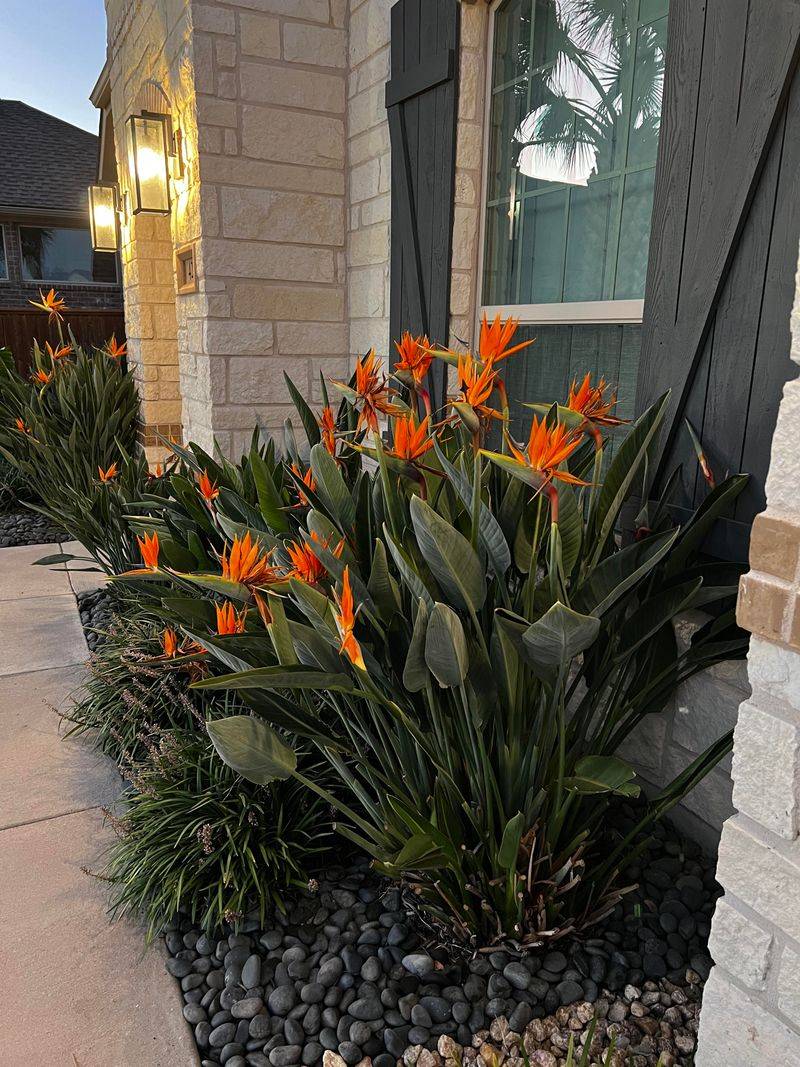
Rising temperatures in May mean your bird of paradise is working harder and using more water than it did in the cooler months. Across Texas, warm spring weather can shift into dry, hot stretches quickly, and this plant responds noticeably when moisture runs low.
Leaves may look slightly dull or begin to droop at the tips when the plant is thirsty and the soil has dried out too much between waterings.
During active growth in May, watering deeply and consistently tends to support healthier foliage and better flowering potential.
Rather than shallow, frequent sprinkles, a thorough soak that reaches the root zone encourages roots to grow deeper and access moisture more reliably.
Letting the top inch or two of soil dry out between waterings helps strike a balance between keeping the plant hydrated and avoiding soggy conditions.
Soggy soil is a real concern in Texas clay-heavy areas where water can pool around the roots. Even during warm weather when the plant is actively growing, standing water around the base can lead to root problems that slow growth and reduce bloom production.
Your Texas Garden Changes Every Week. Your Plan Should Too.
Gardening in Texas changes quickly throughout the season. Every Friday you’ll receive a simple weekly plan showing exactly what to plant, prune, fertilize, harvest, and protect so you never miss the right timing.
Checking soil moisture before watering rather than following a rigid schedule tends to work better for most Texas home gardens.
Adjusting your watering based on recent rainfall, temperatures, and how quickly your soil drains helps keep this plant thriving through May and into summer.
3. Good Drainage Protects The Roots
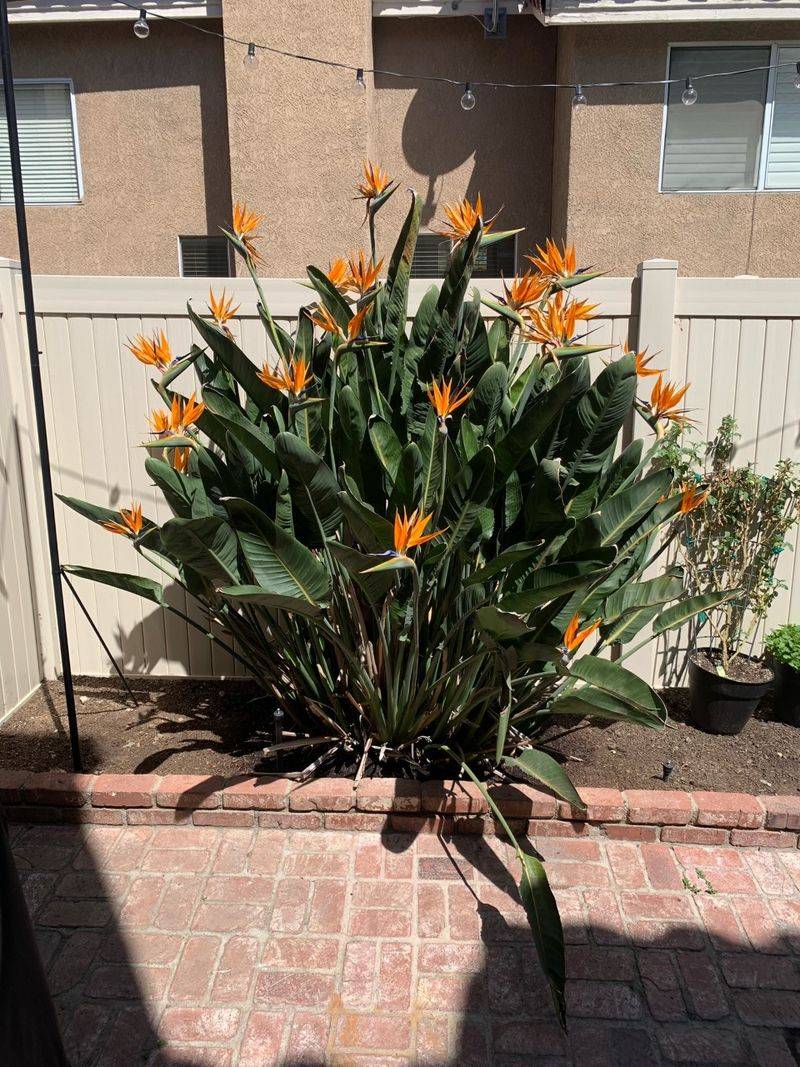
One of the most overlooked parts of growing bird of paradise well in Texas is making sure the soil drains properly. The plant thrives with regular moisture during warm weather, but roots sitting in wet soil for extended periods can struggle and weaken over time.
In May, as watering frequency increases with rising temperatures, drainage becomes even more important to get right.
Texas soils vary quite a bit across the state. Heavy clay soils common in parts of North Texas and the Hill Country can hold water longer than the plant prefers, while sandier soils in other regions may drain too quickly.
Amending heavy clay with compost or coarse sand before planting improves drainage meaningfully. For plants already in the ground, top-dressing with compost and aerating the surrounding soil can help water move through more efficiently.
Raised beds and container plantings offer more control over drainage conditions. Using a well-draining potting mix in containers and ensuring pots have adequate drainage holes helps prevent water from collecting at the root zone.
In garden beds, planting on a slight slope or elevated area compared to surrounding soil can naturally reduce standing water risk.
Checking the soil after heavy spring rains to see how quickly it drains gives you useful information about whether adjustments are needed before the heat of summer arrives in your Texas yard.
4. Seasonal Feeding Helps Flowers Form
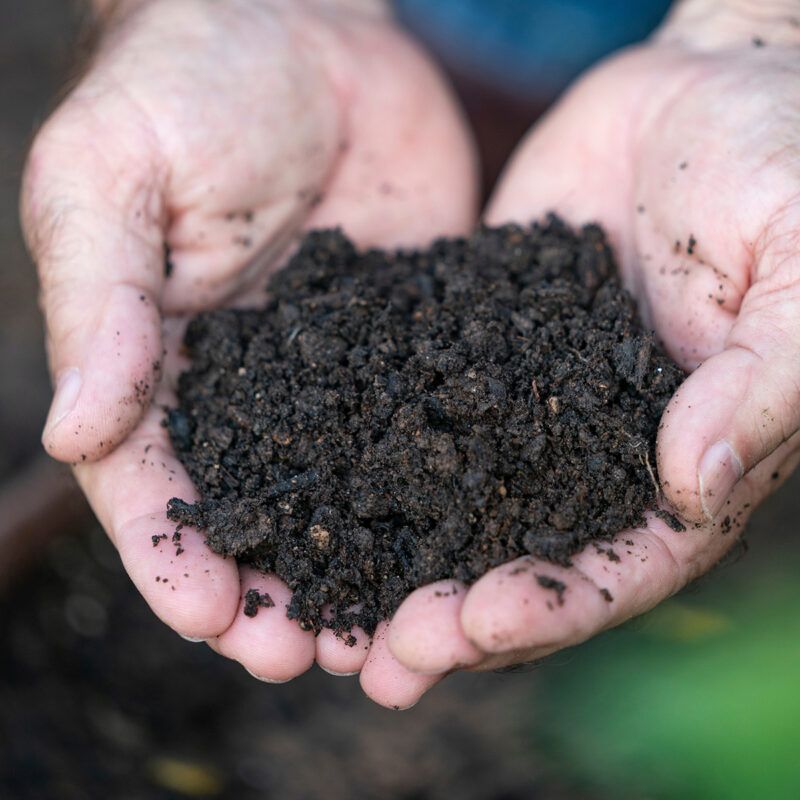
Feeding bird of paradise at the right time in spring can noticeably support leaf size and blooming potential. May falls right in the sweet spot of the growing season in Texas, when the plant is actively putting on new growth and can actually use the nutrients you provide.
Applying fertilizer during this window gives the plant fuel for the work it is already doing naturally.
A balanced fertilizer with roughly equal parts nitrogen, phosphorus, and potassium works well for supporting overall growth. Some gardeners also use a fertilizer with a slightly higher phosphorus content to encourage flower development specifically.
Slow-release granular formulas are a practical choice for garden beds because they feed the plant steadily over several weeks rather than delivering a concentrated dose all at once.
Applying fertilizer to dry soil and then watering it in helps move nutrients toward the root zone without risking root burn. Avoid over-fertilizing, as too much nitrogen can push leafy growth at the expense of blooming.
Following the label instructions and erring on the moderate side tends to produce better results than heavy applications.
In Texas, where heat can amplify plant stress, keeping fertilizer applications consistent but measured through the growing season supports steadier growth.
Feeding once in May and again in midsummer is a reasonable approach for most home garden plantings of bird of paradise across the state.
5. Rich Soil Supports Stronger Growth
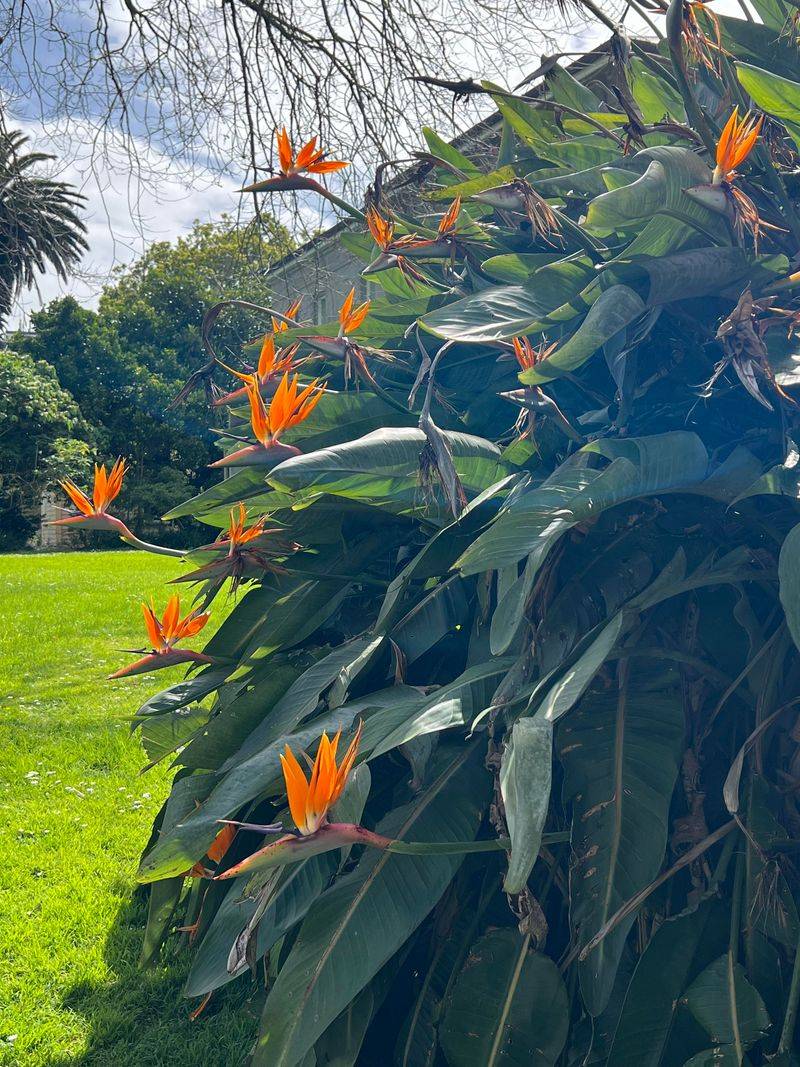
Fertile, well-amended soil gives bird of paradise the foundation it needs to push out those large, glossy leaves and eventually produce flowers.
In May, when the plant is actively growing and drawing heavily on available nutrients, soil quality becomes especially noticeable.
Plants growing in thin, depleted, or heavily sandy soil often produce smaller leaves and show slower overall growth compared to those rooted in richer ground.
Organic matter is one of the most reliable ways to improve soil quality in Texas home gardens. Worked into the soil before planting or gently incorporated around established plants in spring, compost improves both nutrient content and soil structure.
It helps clay soils drain better while also helping sandy soils hold moisture longer, which benefits bird of paradise in different parts of Texas.
The plant tends to prefer a slightly acidic to neutral soil pH, roughly in the range of 5.5 to 7.0. Texas soils can sometimes lean alkaline, particularly in areas with limestone-based geology.
If leaves look pale or yellowish despite regular care, a simple soil test from your local county extension office can reveal whether pH or nutrient levels need adjustment.
Addressing soil quality in May, while the plant is actively growing, gives it the best chance to build strong root systems and larger foliage heading into the hottest months of the Texas growing season.
6. Mulch Helps Hold Moisture Longer
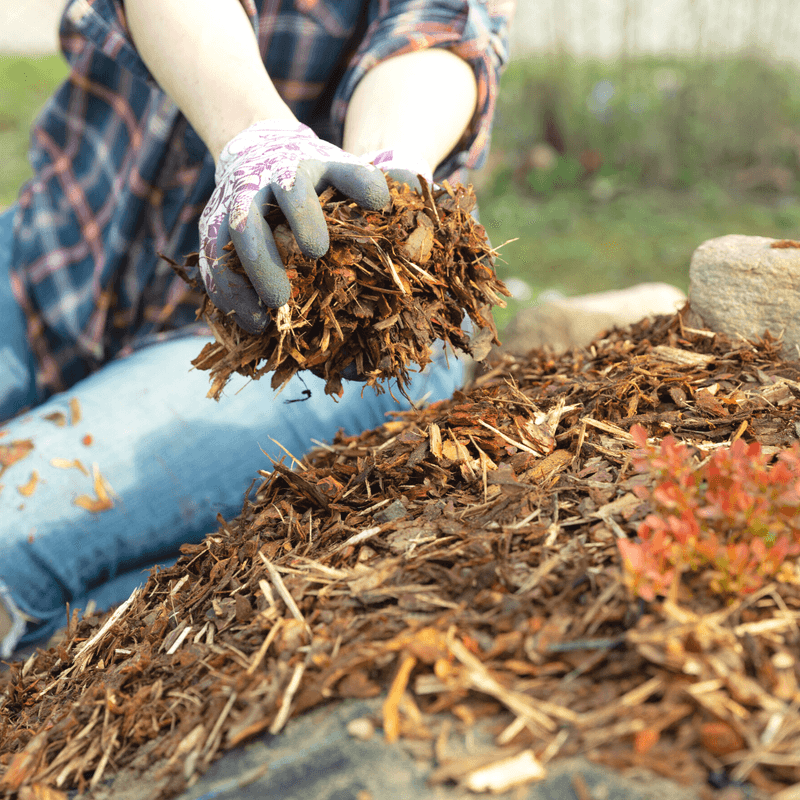
A layer of mulch around your bird of paradise can quietly make a big difference in how the plant handles Texas heat and dry spells through late spring and summer.
As May temperatures climb, bare soil loses moisture quickly through evaporation, which can leave roots drier than ideal between waterings.
Mulch slows that moisture loss, keeping the root zone more consistently hydrated without requiring you to water more frequently.
Shredded bark, wood chips, or pine straw all work well as mulch options for garden beds in Texas.
Spreading a two-to-three-inch layer around the plant, keeping it a few inches away from the base of the stems, provides solid moisture retention without creating conditions that could encourage rot near the crown.
Pulling the mulch slightly back from direct contact with the plant itself is a simple habit that protects the base while still capturing the benefits.
Beyond moisture retention, mulch also moderates soil temperature. Texas soil can heat up significantly during late spring, and cooler root zones tend to support healthier root function and more consistent growth.
Mulch also gradually breaks down over the season, adding organic matter to the soil as it decomposes.
Refreshing the mulch layer in May, before the most intense heat arrives, sets your bird of paradise up with a protective buffer that supports both leaf production and overall plant health through the long Texas growing season.
7. Cleanup Keeps Plants Looking Better
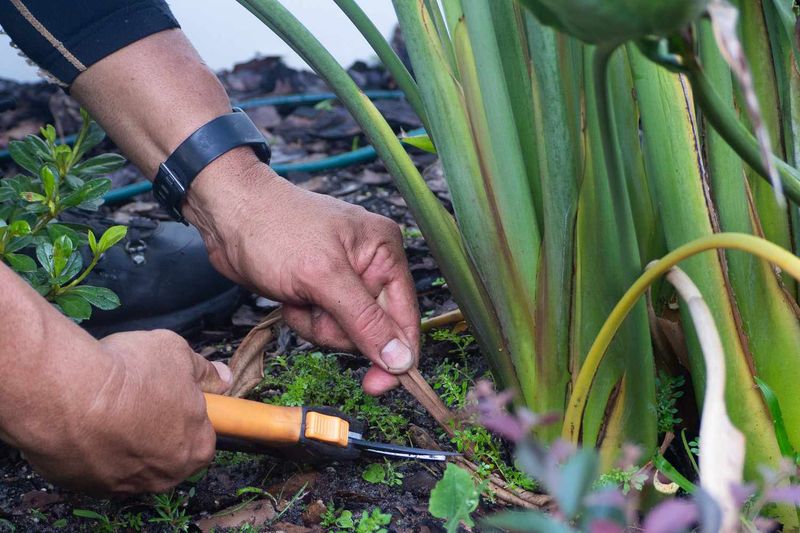
Spent blooms, brown leaf tips, and old dried foliage are a natural part of growing bird of paradise through the seasons. By May in Texas, winter damage or early spring stress may have left some leaves looking less than their best.
Taking time to clean up the plant at this point in the season not only improves its appearance but also helps redirect the plant’s energy toward producing healthy new growth.
Removing spent flower stalks close to their base once blooms have faded is a straightforward task that tidies the plant and may encourage the development of new flowering stems over time.
Brown or damaged leaves can be cut back to the base as well, using clean, sharp pruning shears.
Wiping the blades with a clean cloth between cuts is a simple practice that reduces the chance of spreading any issues from one part of the plant to another.
Avoid removing green, healthy leaves unnecessarily, as the foliage plays an important role in photosynthesis and overall plant energy. The goal is to clear away what is clearly past its prime without reducing the plant’s leaf canopy more than needed.
In Texas, where the growing season is long and heat arrives early, a well-maintained plant with clean foliage tends to manage sun and heat more gracefully.
A May cleanup sets a tidy, healthy baseline that makes the rest of the warm season easier to manage.
8. Mature Plants Bloom More Reliably
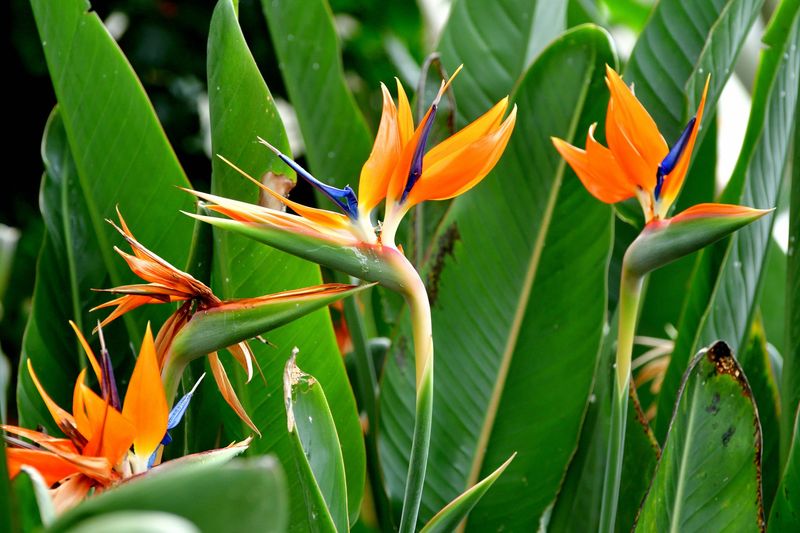
One of the most common questions Texas gardeners ask about bird of paradise is why their plant has not bloomed yet. The honest answer often comes down to age.
Young plants, particularly those in their first two or three years in the ground, are typically focused on establishing roots and building leaf mass rather than flowering.
Bloom production tends to increase significantly once plants are more mature and settled into their growing spot.
In Texas, bird of paradise plants grown in the ground with consistent care often begin blooming more reliably after three to five years, though this can vary depending on growing conditions, light exposure, soil quality, and how well the plant has been maintained.
Container-grown plants may take longer to bloom because their roots are more restricted.
Avoiding frequent repotting and allowing the plant to become somewhat root-bound can actually encourage flowering in container specimens.
May is a good time to assess how your plant is progressing. If it is young and not yet blooming, focusing on strong care rather than expecting flowers right away sets a realistic and productive mindset.
Healthy root development, consistent moisture, good light, and fertile soil during the growing season all build toward better blooming in future years.
Established Texas plants that receive steady seasonal care and appropriate light tend to reward gardeners with more consistent flower production as they mature and grow more confident in their environment.