These Common Yard Habits Can Attract Rats To Oregon Homes
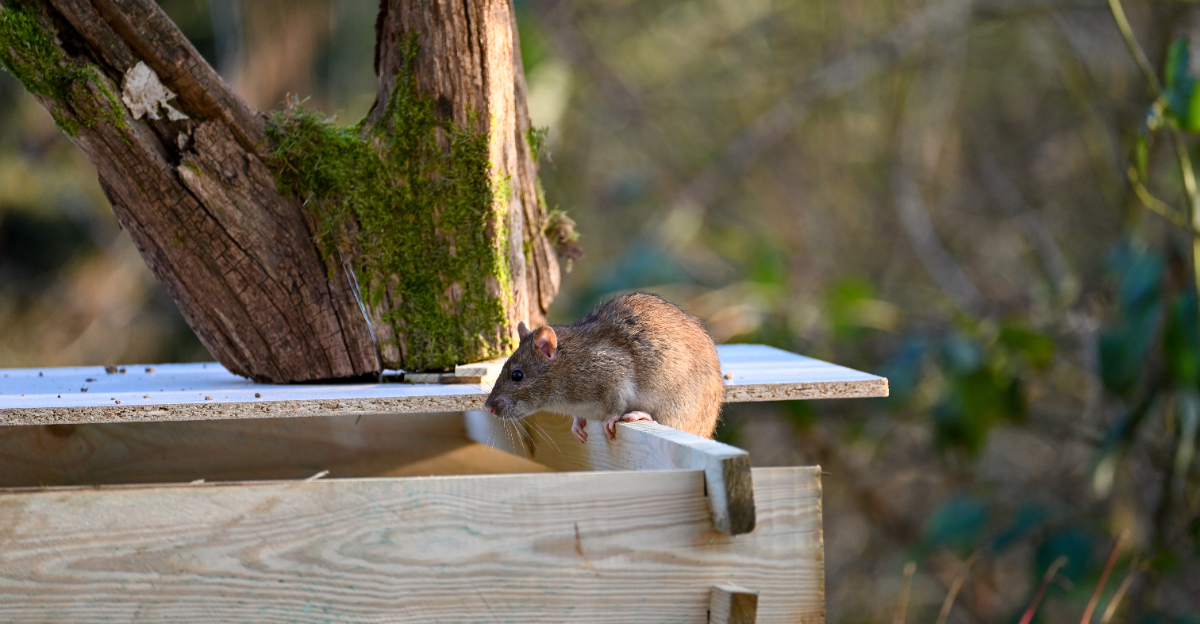
Nobody wants to believe their yard is the reason rats showed up. But the truth is that most rat problems don’t start with a neighbor’s garbage or an abandoned lot down the street.
They start with small, everyday habits that make a yard quietly irresistible to rodents looking for food, water, and a comfortable place to set up camp. Oregon’s mild, wet climate already works in rats’ favor.
Some common yard routines make the invitation even harder to resist. The frustrating part is that most of these habits seem completely harmless. Leaving birdseed out. Letting fruit drop from trees.
Stacking firewood against the house. None of it feels like a problem until suddenly there’s evidence that something has been living in your yard for a while, and you start connecting the dots.
A few small adjustments to the routine can make a significant difference, and knowing exactly which habits to rethink is the most useful place to start.
1. Leaving Pet Food Outside
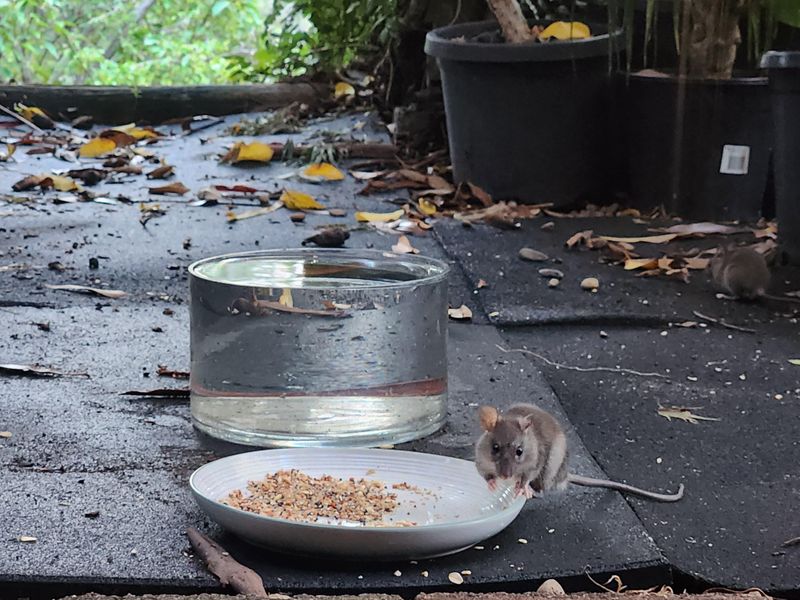
Your dog or cat probably loves eating outside, but that leftover food in the bowl is basically a free buffet for rats. In Oregon, where rats are active throughout most of the year, even a small amount of pet food left overnight can attract them quickly.
Rats have an excellent sense of smell, and they can detect food from a surprisingly long distance.
Once a rat finds a reliable food source near your home, it will return again and again. Over time, it may start bringing others along.
Before you know it, a small problem can grow into a much bigger one. Portland and Salem pest control experts consistently list outdoor pet food as one of the top reasons rats show up in residential yards.
The fix is simple. Bring pet food bowls inside as soon as your pet is done eating.
Do not leave food out overnight, especially during the cooler months when rats are searching harder for calories. Store pet food in sealed, hard plastic or metal containers rather than the original paper or thin plastic bags.
These small steps can go a long way toward keeping rats away from your Oregon home.
2. Letting Birdseed Pile Up
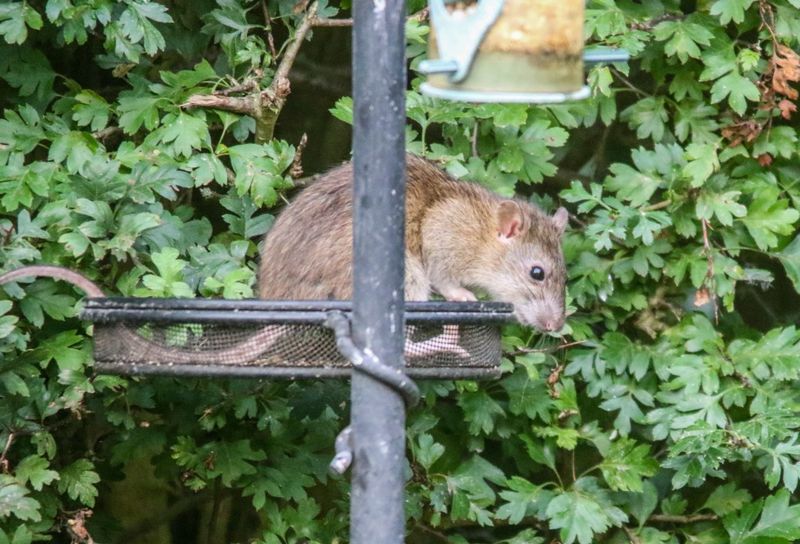
Bird feeders are a wonderful way to enjoy Oregon’s wildlife, but the seeds that fall to the ground are a magnet for rats. Many homeowners never think about the mess beneath their feeders.
Sunflower seeds, millet, and cracked corn are all high in calories and incredibly appealing to rats looking for an easy meal.
Rats do not even need to climb the feeder to benefit from it. They simply wait for seeds to drop, then feed on the ground below.
In wetter parts of Oregon, fallen seeds can also attract slugs and insects, which rats will also eat. The area under a bird feeder can become a busy feeding zone for pests if it is not cleaned regularly.
Try cleaning up fallen seeds every day or every other day to break this cycle. You can also use a tray attachment on your feeder to catch seeds before they hit the ground.
Your Oregon Garden Changes Every Week. Your Plan Should Too.
Gardening in Oregon changes quickly throughout the season. Every Friday you’ll receive a simple weekly plan showing exactly what to plant, prune, fertilize, harvest, and protect so you never miss the right timing.
Switching to seed types that birds consume more cleanly, like safflower seeds, can also help reduce waste. If you notice rat activity near your feeder, consider taking it down for a few weeks to let the area clear out before putting it back up.
3. Overfilling Compost Bins
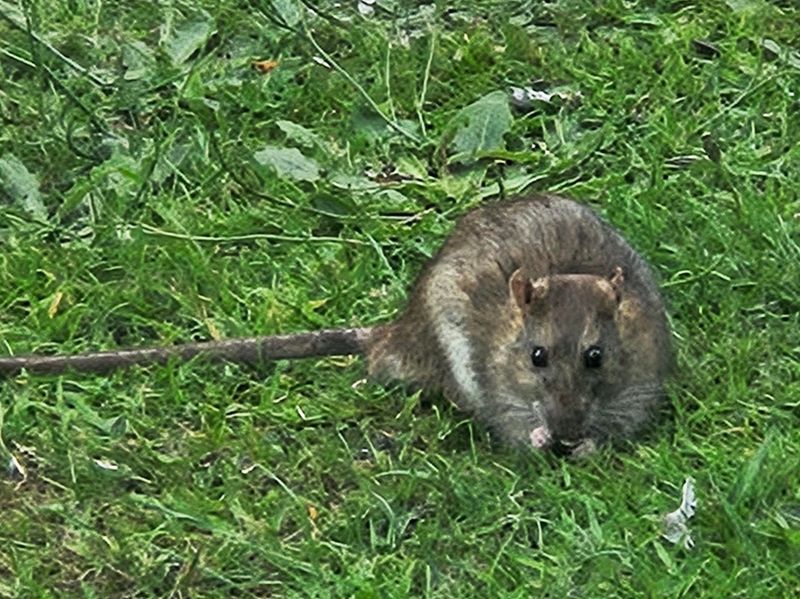
Composting is great for the environment and fantastic for Oregon gardens, but an improperly managed compost bin is practically a rat restaurant. Food scraps like vegetable peels, bread crusts, and fruit rinds release strong odors as they break down.
Those smells travel far, and rats follow them straight to the source.
Open compost piles are especially risky. Rats can burrow into loose compost to find food and even build nests inside the warm, decomposing material.
During Oregon’s rainy season, compost piles stay moist and warm, which makes them even more inviting. Many pest control professionals in the Willamette Valley say compost bins are among the most common rat shelters they encounter.
To compost safely, use a bin with a secure, tight-fitting lid and a solid or wire-mesh bottom to prevent burrowing. Avoid adding meat, dairy, or cooked food to your compost, as these items are especially attractive to rats.
Turn your compost regularly to disrupt any nesting activity and speed up decomposition. Adding a layer of soil or finished compost on top of fresh scraps can also help mask odors.
Responsible composting can coexist with a rat-free yard if you stay consistent with these practices.
4. Ignoring Fallen Fruit

Oregon is famous for its fruit trees, and many homeowners enjoy growing apples, pears, plums, and cherries in their yards. But when fruit falls to the ground and is left to rot, it becomes one of the most powerful rat attractants around.
The sweet, fermenting smell of overripe fruit is nearly impossible for rats to resist.
Rats are opportunistic feeders, and fallen fruit gives them exactly what they need: easy calories with very little effort. In areas like the Willamette Valley, where fruit trees are common in both urban and rural yards, this is a widespread issue.
Even small amounts of rotting fruit can bring rats in from neighboring properties.
Make it a habit to walk your yard every few days during harvest season and pick up any fallen fruit. Do not leave it in a pile on the ground or toss it into an open compost pile.
Bag it up and place it in your sealed trash bin instead. If you have more fruit than you can use, consider donating it to a local food bank or neighbors before it falls.
Staying on top of fruit drop is one of the most effective ways Oregon homeowners can reduce rat activity around their homes.
5. Stacking Firewood Near Walls
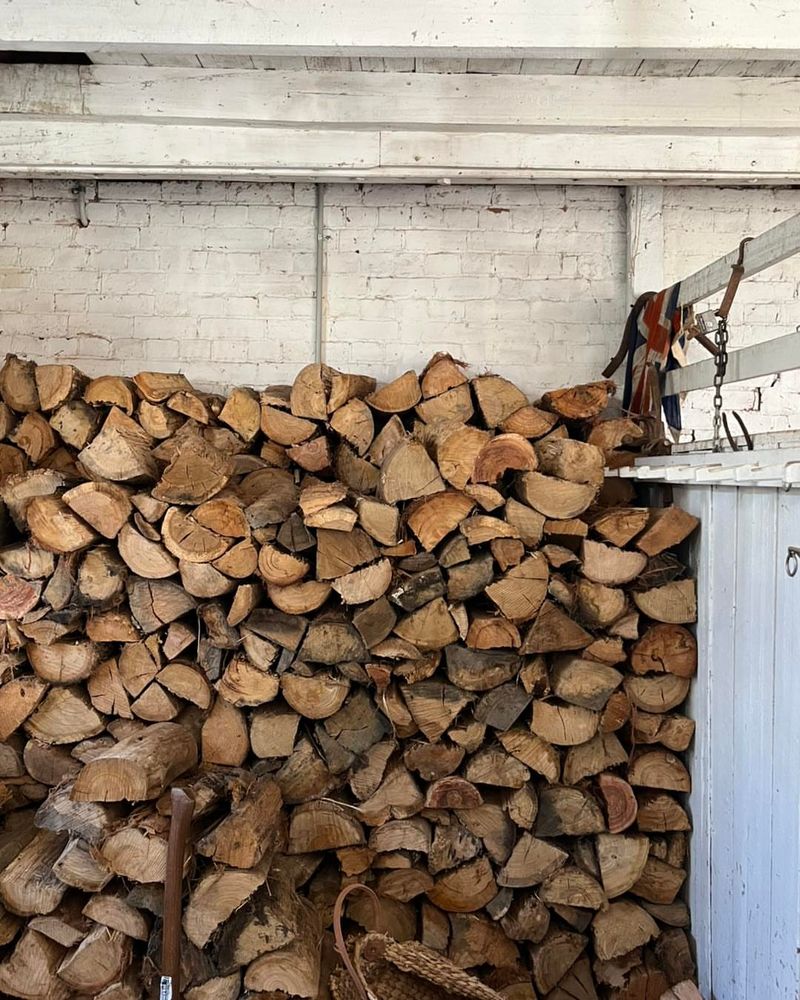
Firewood is a staple in many Oregon homes, especially in rural and suburban areas where wood-burning stoves and fireplaces are common. But stacking firewood directly against your house is one of the easiest ways to invite rats closer to your living space.
The gaps between logs create perfect hiding spots that rats love to use as shelter.
Rats do not need a large opening to squeeze through. They can fit through a hole about the size of a quarter.
A woodpile against your home’s exterior wall can give rats a covered pathway right to your foundation, siding, or even inside your walls. This is a particularly common issue in western Oregon, where damp wood also attracts insects that rats feed on.
Move your firewood stack at least 18 to 20 feet away from your home and other structures. Stack wood on a raised platform or rack so it sits off the ground, which reduces moisture and makes it harder for rats to nest underneath.
Cover the top of the stack with a tarp but leave the sides open for airflow. Inspect your woodpile regularly for signs of nesting, like shredded material or droppings.
These steps make your firewood storage much less appealing to rodents.
6. Keeping Dense Shrubs Untrimmed
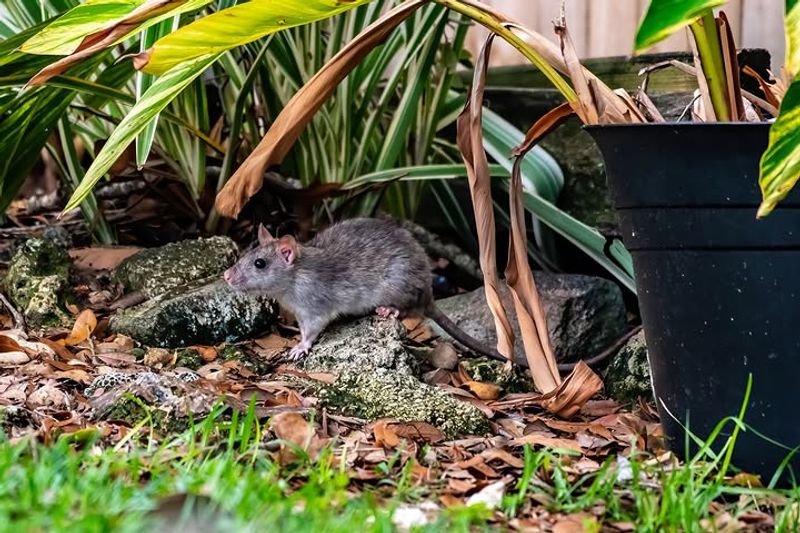
Lush, overgrown shrubs might look beautiful in an Oregon garden, but they can create ideal hiding spots for rats. Dense vegetation close to your home gives rats a sheltered corridor to move around your yard without being seen by predators.
The thicker the shrubs, the safer a rat feels traveling through them.
Rats prefer to stay hidden as much as possible. Overgrown ivy, juniper, and boxwood are some of the most commonly cited shelter plants in Oregon pest control reports.
These plants can grow thick enough to completely conceal a rat nest just a few feet from your front door. Rats will use these spaces to rest, breed, and store food.
Trim shrubs regularly so there is at least six to eight inches of clearance between the base of the plant and the ground. This makes it harder for rats to hide underneath.
Remove dead branches and leaf litter that can accumulate around the base of dense plants. If you have ivy growing along fences or walls, consider replacing it with a less dense ground cover.
Keeping your landscaping tidy and well-maintained throughout the year is one of the most effective ways to reduce rat shelter options around your Oregon property.
7. Leaving Trash Lids Loose

Trash bins are one of the first places rats check when they are scavenging for food. A loose or cracked lid is all it takes for a determined rat to access everything inside.
Food wrappers, meat packaging, and leftover scraps release strong odors that rats can smell from far away, especially on warm Oregon evenings.
Many homeowners do not realize their trash lids are not sealing properly until they notice chew marks or scattered garbage. Rats have strong teeth and can chew through thin plastic lids over time.
In areas like Beaverton, Hillsboro, and other suburban Oregon communities, improperly secured trash bins are a top complaint among homeowners dealing with rat problems.
Check your trash bin lids regularly to make sure they close tightly and latch securely. If your bins are old and cracked, replace them with heavy-duty containers that have locking lids.
Rinse out bins occasionally to reduce food odors that linger even after the trash is removed. Avoid leaving bags of garbage sitting outside overnight before trash day.
If possible, store your bins in a garage or shed until collection day. These simple adjustments can dramatically cut down on rat activity around your Oregon home.
8. Storing Clutter Along Fences
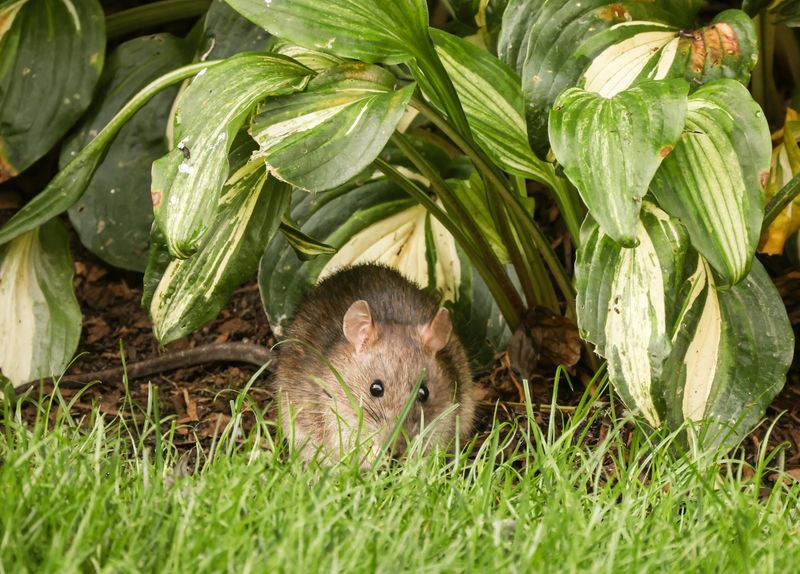
Old furniture, broken equipment, stacked planters, and random yard junk sitting along your fence line might seem harmless, but to a rat, that clutter is prime real estate. Piles of items along fences create dark, sheltered spaces that are nearly impossible for predators to reach.
Rats feel safe there, and they will not hesitate to move in.
Clutter along fences is especially common in Oregon’s older neighborhoods, where storage space is limited and items tend to accumulate over the years. Once rats establish a nesting spot in a cluttered area, they can be very difficult to remove without a full cleanup.
The more stuff piled up, the more hiding options they have.
Go through items stored along your fence and get rid of anything you no longer need. Donate, recycle, or properly dispose of old furniture, equipment, and containers.
If you need to store items outdoors, use sealed plastic storage bins and keep them organized and elevated off the ground. Leave open space along your fence line so you can easily inspect for signs of rat activity like droppings, burrows, or gnaw marks.
A clean, clutter-free yard is one of the best defenses any Oregon homeowner has against a rat problem.