This One April Mistake Can Set Oregon Gardens Back Weeks
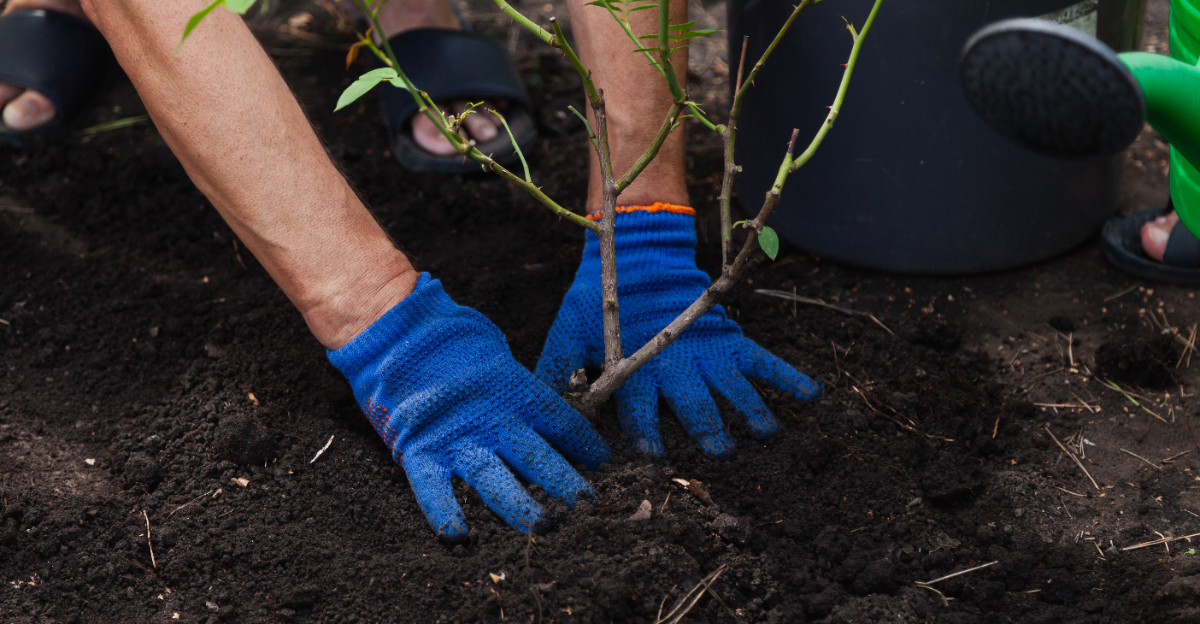
One small April mistake can throw an Oregon garden off course faster than most homeowners expect.
After a long, soggy winter, the first stretch of mild weather makes it tempting to jump in and get everything done at once. Beds look ready, plants seem eager, and the whole yard starts pulling you outside.
Then Oregon does what Oregon does best and changes the script. Cold rain returns, soil stays wetter than it looks, and plants that seemed ready to grow suddenly stall out. That is where timing matters more than enthusiasm.
A move that feels productive in April can actually slow growth, stress roots, and leave your garden lagging behind for weeks.
The frustrating part is how easy this mistake is to make, especially when spring finally feels like it has arrived. Catch it in time, though, and you can spare yourself a lot of disappointment and give your garden a much smoother start.
1. Why Wet Soil Is A Problem
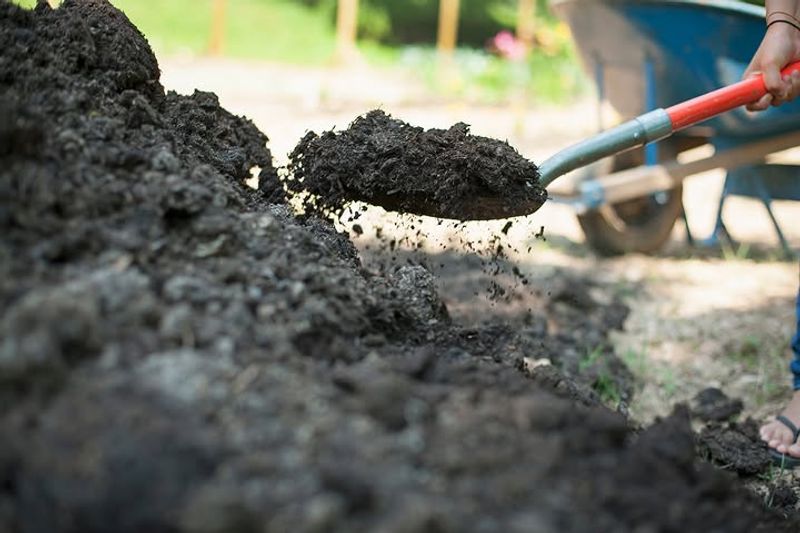
Picture this: you step outside on a sunny April morning in Oregon, shovel in hand, ready to plant. But when you push that shovel into the ground, water starts pooling in the hole almost immediately.
That is a big warning sign that your soil is not ready.
Wet soil causes serious problems for plants. When soil is saturated with water, there is very little room left for air.
Plant roots need oxygen just as much as they need water. Without enough air in the soil, roots cannot breathe properly and will not grow strong.
They may even begin to rot before the plant gets a real start.
Wet soil also stays cold much longer than dry soil. Cold soil slows down the activity of helpful microbes that break down organic matter and release nutrients.
That means even if you add fertilizer or compost, your plants may not be able to use it effectively. In Oregon, where spring rain is nearly constant, this is a very real and very common problem.
Working in wet soil also damages its structure. Gardeners who try to dig or till soggy ground end up breaking apart the natural pore spaces that allow water and air to move through.
Once that structure is broken, it takes a long time to recover, and your plants will feel the effects all season long.
2. Oregon Soil Stays Cold Longer
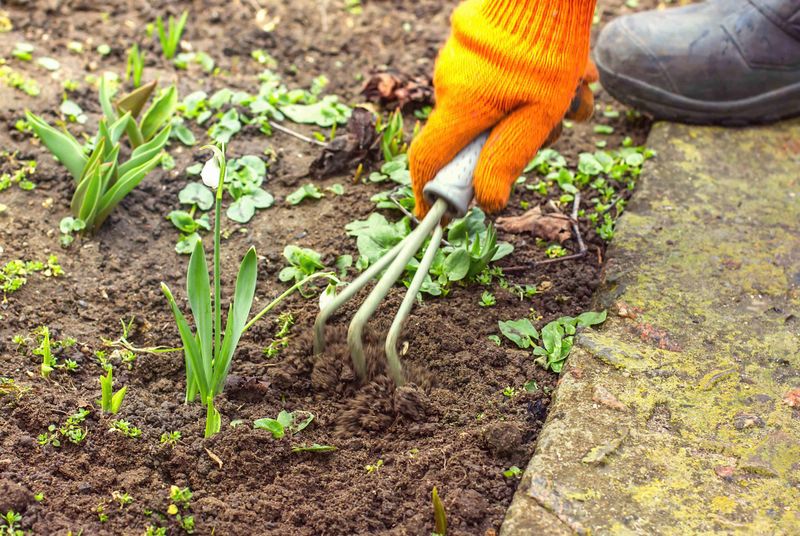
One thing that surprises many new gardeners in Oregon is just how long the soil stays cold. Even when air temperatures start climbing into the 60s, the ground beneath your feet can still be sitting at 45 or even 40 degrees Fahrenheit.
That gap between air and soil temperature trips up gardeners every single year.
Oregon’s famous rainfall is the main reason for this. When rain soaks into the ground repeatedly, it keeps pulling the soil temperature down.
Water takes a long time to warm up compared to air. So even after a week of nice weather, your soil might still be far too cold for warm-season crops.
Your Oregon Garden Changes Every Week. Your Plan Should Too.
Gardening in Oregon changes quickly throughout the season. Every Friday you’ll receive a simple weekly plan showing exactly what to plant, prune, fertilize, harvest, and protect so you never miss the right timing.
In the Willamette Valley and along the Oregon coast, this is especially noticeable. These regions receive consistent rainfall well into May, which means soil temperatures often do not reach the ideal 60 degrees Fahrenheit until late spring.
Planting tomatoes, peppers, or squash before that happens is a gamble that rarely pays off.
Cold soil also slows seed germination dramatically. Seeds planted in cold ground may sit for weeks without sprouting, and during that time, they become vulnerable to fungal issues and pests.
Waiting for soil to warm up is not about being impatient. It is about giving your plants the best possible start in Oregon’s challenging spring climate.
3. Compaction Starts Fast
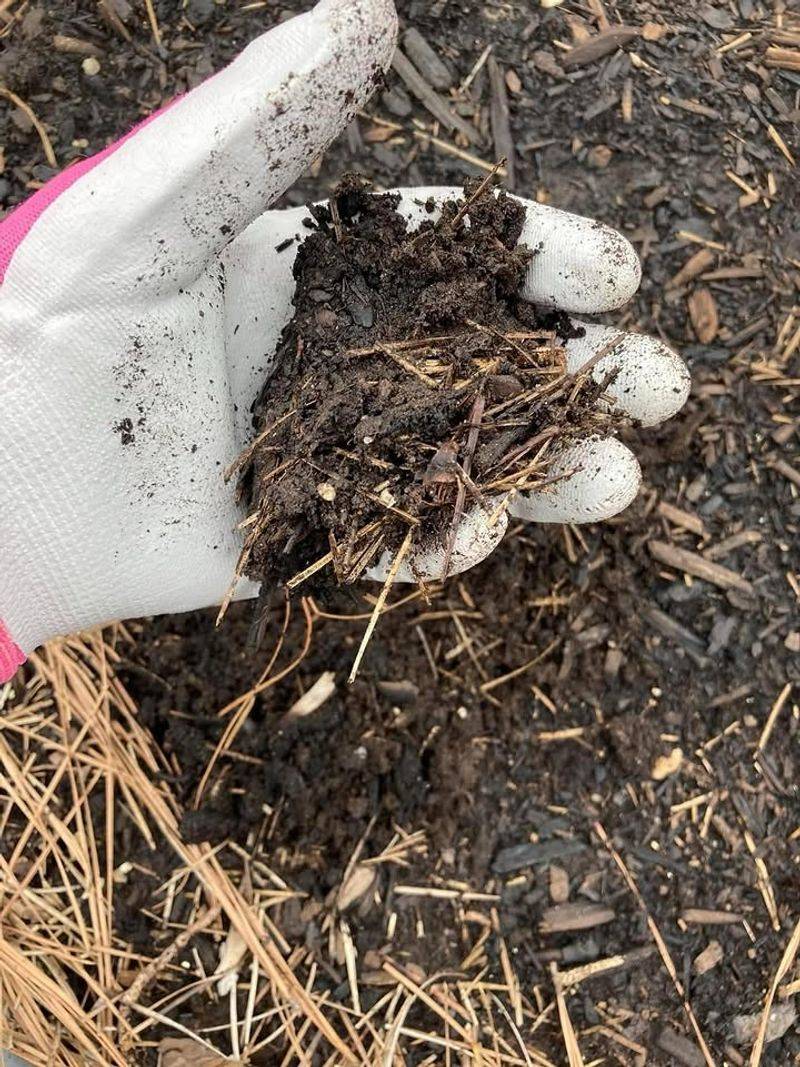
Most gardeners do not realize how quickly soil compaction can happen. One walk across a wet garden bed, one pass with a tiller through soggy ground, and the damage is already done.
Compaction is one of the sneakiest problems in spring gardening, especially in Oregon.
When soil particles are pressed tightly together, they lose the open spaces that allow water, air, and roots to move freely. Think of it like squeezing a sponge flat.
Once those spaces are gone, water cannot drain properly, roots cannot push through easily, and the whole soil ecosystem suffers. Earthworms and helpful microbes also struggle in compacted soil.
Oregon gardeners face a higher risk of compaction in April because the ground is usually still very wet from winter and early spring rains. Walking on wet soil, using heavy tools, or even dragging a garden hose across a soggy bed can cause compaction surprisingly fast.
The damage is not always visible right away, but plants will show the signs later in the season through slow growth and weak stems.
The best way to prevent compaction is simple: stay off wet soil. Use raised beds or permanent garden paths so you never have to step directly on your growing areas.
If you must work in the garden, lay down boards to spread your weight. Protecting Oregon soil structure in April pays off with healthier, more productive plants all summer long.
4. Roots Struggle In Dense Soil
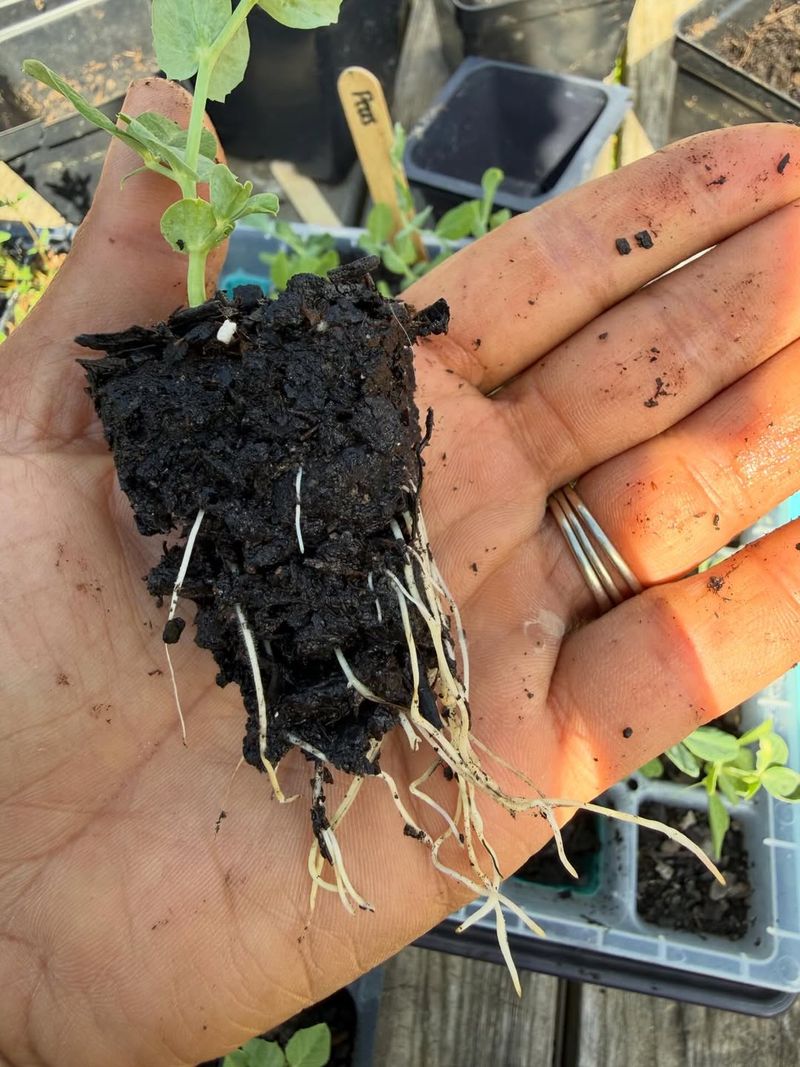
Roots are the engine of every plant. They pull in water, absorb nutrients, and anchor the plant firmly in the ground.
But when soil is dense and compacted, roots simply cannot do their job. They hit resistance almost immediately and have nowhere to grow.
In Oregon gardens during April, dense soil is a common issue. All that winter rain packs the ground down over the cold months.
Then, when eager gardeners start working the wet soil too early, they make it even worse. The result is a growing environment where roots are cramped and stressed from the very beginning.
When roots cannot spread out, the plant above ground suffers too. You might notice yellowing leaves, slow growth, or a plant that looks healthy on the surface but never seems to take off.
That is often a root problem hiding underground. Tomatoes and peppers are especially sensitive to this in Oregon’s heavy clay soils.
Loosening soil properly before planting makes a huge difference. Adding compost improves soil structure and gives roots room to spread.
Raised beds filled with a light, well-draining mix are one of the best solutions for Oregon gardeners who deal with heavy, compacted native soil. When roots can move freely, plants grow faster, stay healthier, and produce far more than plants stuck in dense ground ever could.
5. Planting Too Soon Backfires
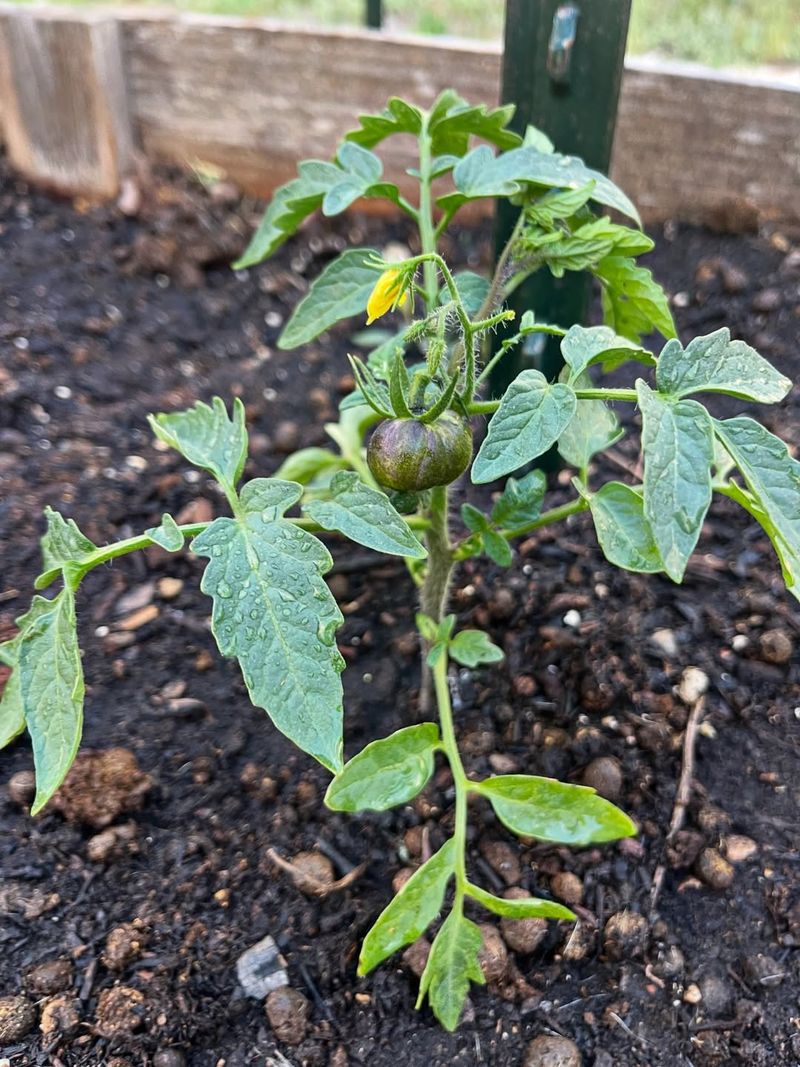
Every April, the same scene plays out across Oregon. Gardeners spot the first sunny weekend of the season and rush to the nursery.
They come home with trays of tomato and pepper seedlings and plant them straight into the ground. Two weeks later, those same plants look worse than when they went in.
Planting too early is one of the most common and most frustrating gardening mistakes in Oregon. Warm-season crops like tomatoes, peppers, squash, and basil need soil temperatures of at least 60 degrees Fahrenheit to thrive.
Below that threshold, these plants essentially go into survival mode. They stop growing, stop absorbing nutrients, and just sit there looking sad.
The tricky part is that these plants do not always look obviously stressed right away. Sometimes they hold on for a week or two before the effects become clear.
By that point, a gardener who waited and planted at the right time may already have plants that are growing strong and putting out new leaves.
Patience really does pay off in Oregon gardening. Waiting just two or three extra weeks to plant can mean the difference between a plant that thrives from the start and one that spends the whole season trying to catch up.
Rushing the process never saves time. It almost always costs time in the long run, and your harvest will suffer for it.
6. How To Check Soil Readiness
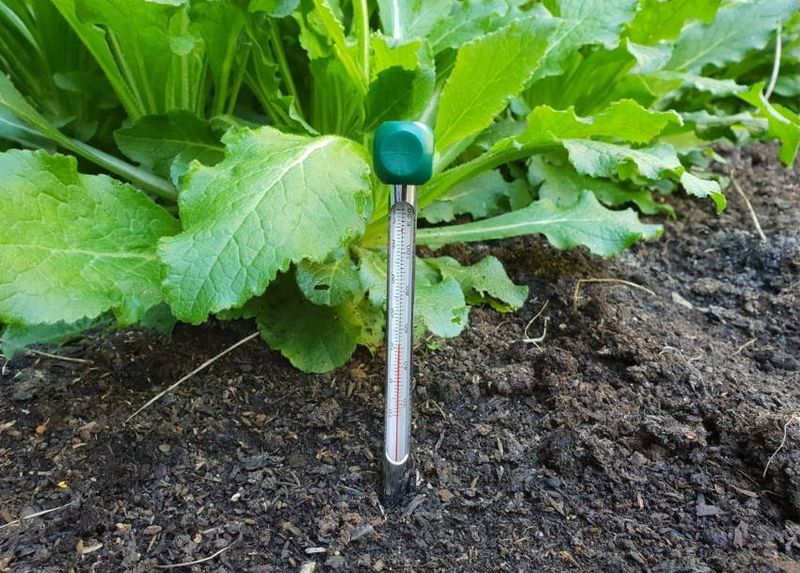
Before you plant a single seed or seedling this April, take a moment to check if your Oregon soil is actually ready. The good news is that testing soil readiness does not require any fancy equipment or a science degree.
A simple squeeze test and a soil thermometer are all you need.
Start with the squeeze test. Grab a handful of soil and squeeze it firmly in your fist.
Then open your hand. If the soil crumbles apart easily, it is dry enough to work with.
If it holds together in a tight, muddy ball, it is still too wet. Working wet soil will only cause compaction and damage the structure you need for healthy roots.
Next, check the temperature. Push a soil thermometer about two to three inches into the ground and wait a minute.
Do this in a few different spots around your garden. For warm-season crops like tomatoes, peppers, and squash, you want a consistent reading of at least 60 degrees Fahrenheit.
For cool-season crops like lettuce and spinach, 45 to 50 degrees is fine.
Check the soil temperature in the morning, when readings tend to be most accurate. In Oregon, it helps to check daily for about a week before making your planting decision.
Soil temperature can vary a lot depending on whether the bed is raised, in full sun, or in a shaded corner of your yard. Knowing your numbers makes all the difference.
7. Better Timing Means Better Growth
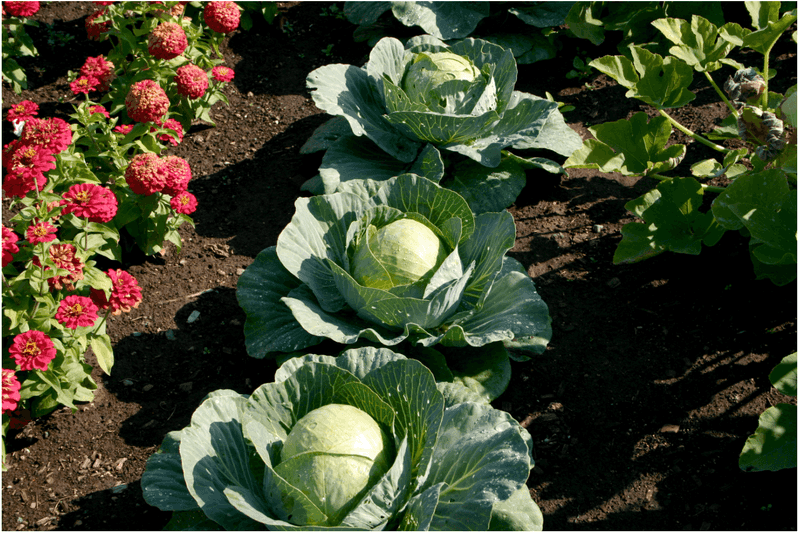
Timing is everything in an Oregon garden. Getting the timing right does not mean waiting forever.
It means watching your soil, checking temperatures, and planting when conditions are truly in your favor. When you do that, your plants take off fast and rarely look back.
One helpful trick is to use black plastic sheeting or dark-colored row covers to warm your soil faster before planting. Lay them over your garden beds two to three weeks before you plan to plant.
The dark color absorbs heat from the sun and transfers it into the ground, raising soil temperatures several degrees faster than leaving the bed uncovered.
Raised beds are another great option for Oregon gardeners. Because they sit above the ground, they drain faster and warm up more quickly in spring.
They also reduce the risk of compaction since you never need to step inside the bed to plant or tend your crops. Many Oregon gardeners swear by raised beds as the single best upgrade they ever made to their garden setup.
When soil temperature is consistently at 60 degrees Fahrenheit or above and the squeeze test shows it is no longer muddy, that is your green light. Plants placed in warm, well-structured soil grow noticeably faster, produce more, and handle stress better throughout the season.
In Oregon, patience in April almost always leads to a garden that outperforms one that was rushed into the ground too soon.