How To Keep Hibiscus Blooming Longer In Arizona Heat
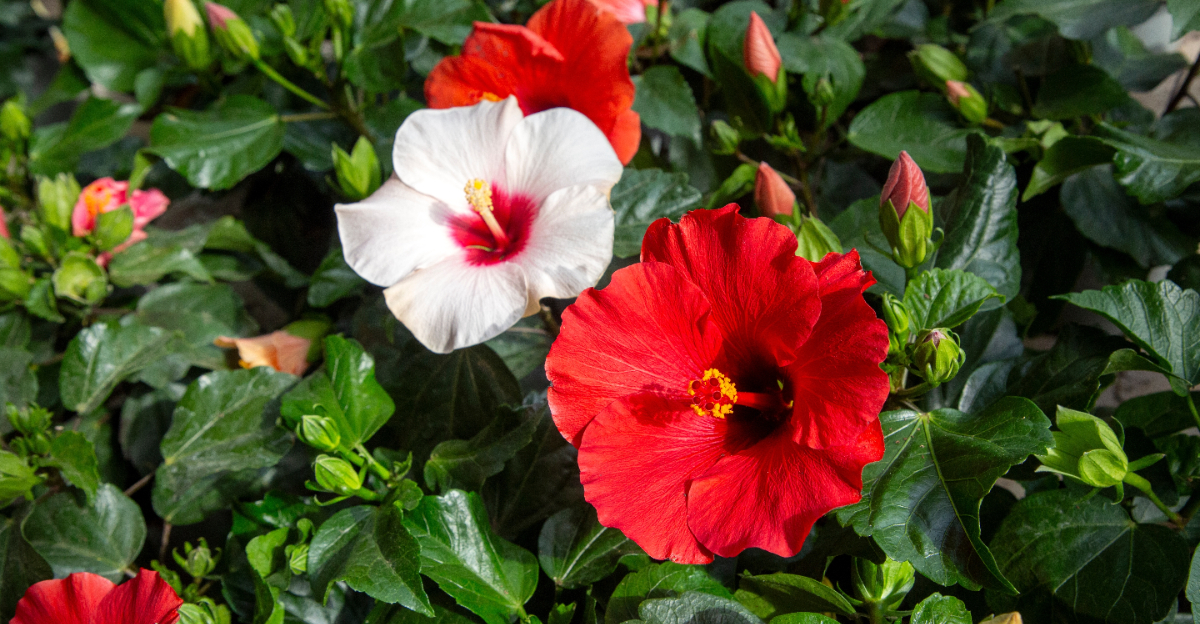
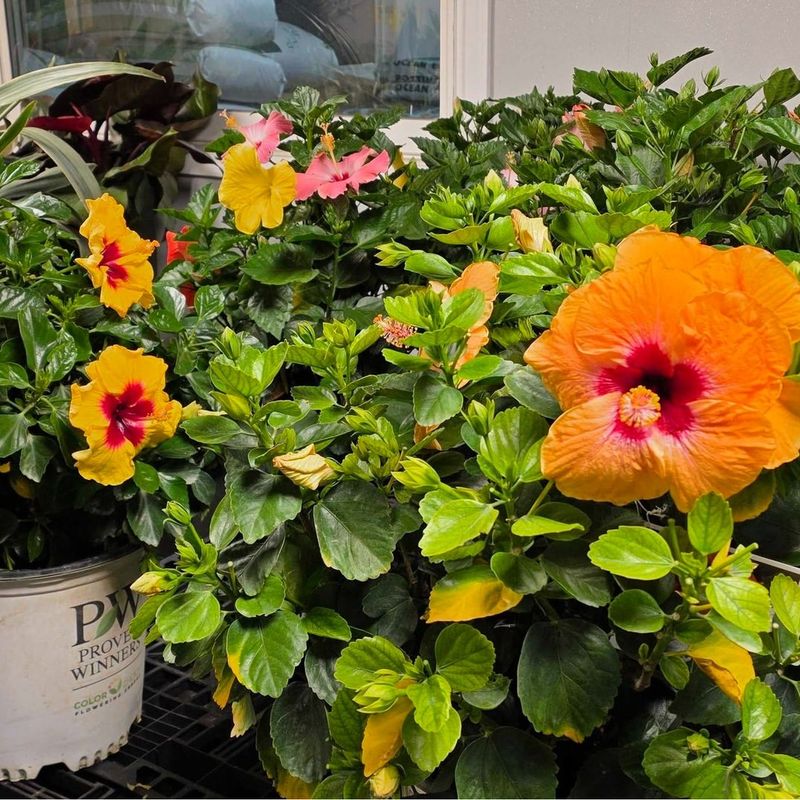
Huge hibiscus blooms can make an Arizona yard look tropical fast, especially when plants stay covered in flowers during the hottest part of the season.
Bright colors, oversized blooms, and nonstop flowering grab attention immediately, which is exactly why so many gardeners love growing hibiscus in patios, backyards, and entryways across Arizona.
Heat changes things quickly though once temperatures start pushing higher day after day. Flowers may not last as long, buds can start dropping before opening, and plants that looked full earlier in the season sometimes slow down much faster than expected.
Small care mistakes become much more noticeable during intense Arizona heat, especially with watering, sunlight exposure, and feeding routines.
Healthy hibiscus plants can continue blooming for a surprisingly long time though when conditions stay balanced through the hottest stretches of the season.
1. Morning Watering Helps Hibiscus Handle Extreme Heat Better
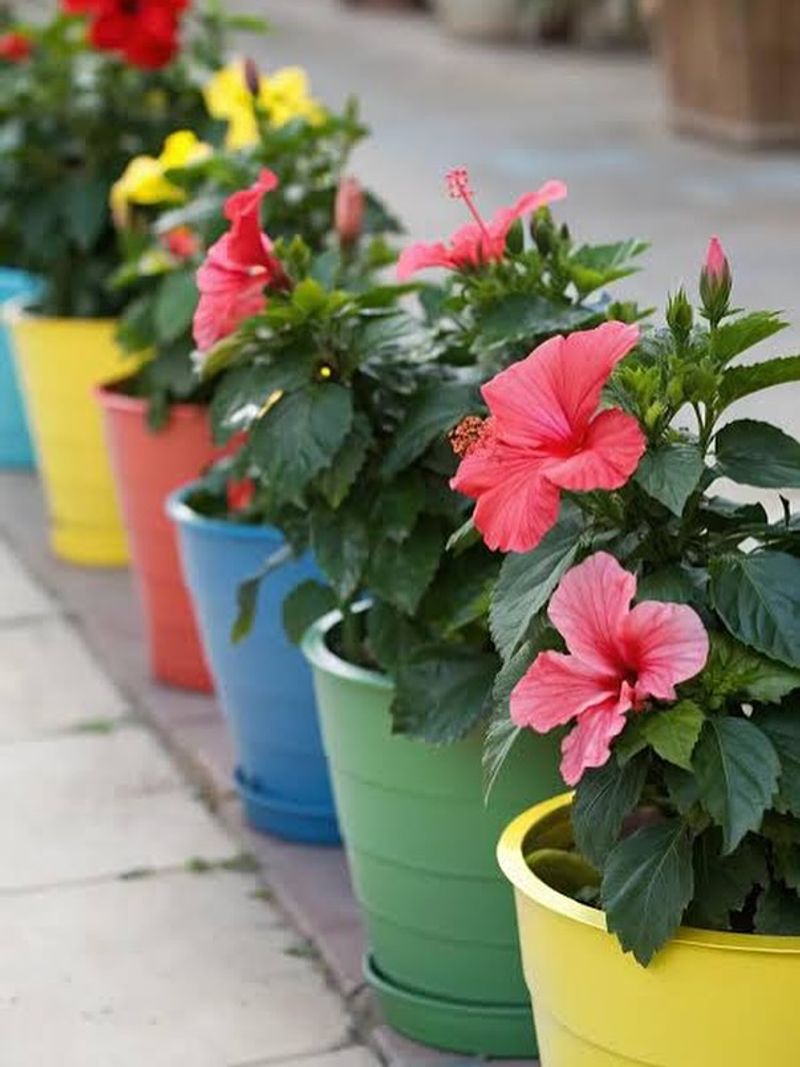
Watering at the wrong time of day can quietly sabotage your hibiscus before the afternoon even arrives. In Arizona, where summer temperatures regularly push past 110 degrees Fahrenheit, water applied during midday evaporates almost instantly.
Your plant barely gets a chance to absorb it before it’s gone.
Early morning watering, ideally between 6 and 9 a.m., gives roots several hours to soak up moisture before the peak heat rolls in. Soil stays cooler longer, and the plant enters the hottest part of the day already hydrated.
That head start makes a real difference in how long blooms hold up.
Evening watering might seem convenient, but it leaves foliage wet overnight, which can encourage fungal problems. Morning watering avoids that issue entirely while still delivering hydration when the plant needs it most.
Wet leaves in the cool of morning also dry quickly once the sun rises, reducing any risk of leaf spots or mold.
Hibiscus grown in containers dries out even faster than those planted in the ground, so potted plants in Arizona may need watering every single day during July and August.
2. Light Afternoon Shade Helps Blooms Last Longer In Summer
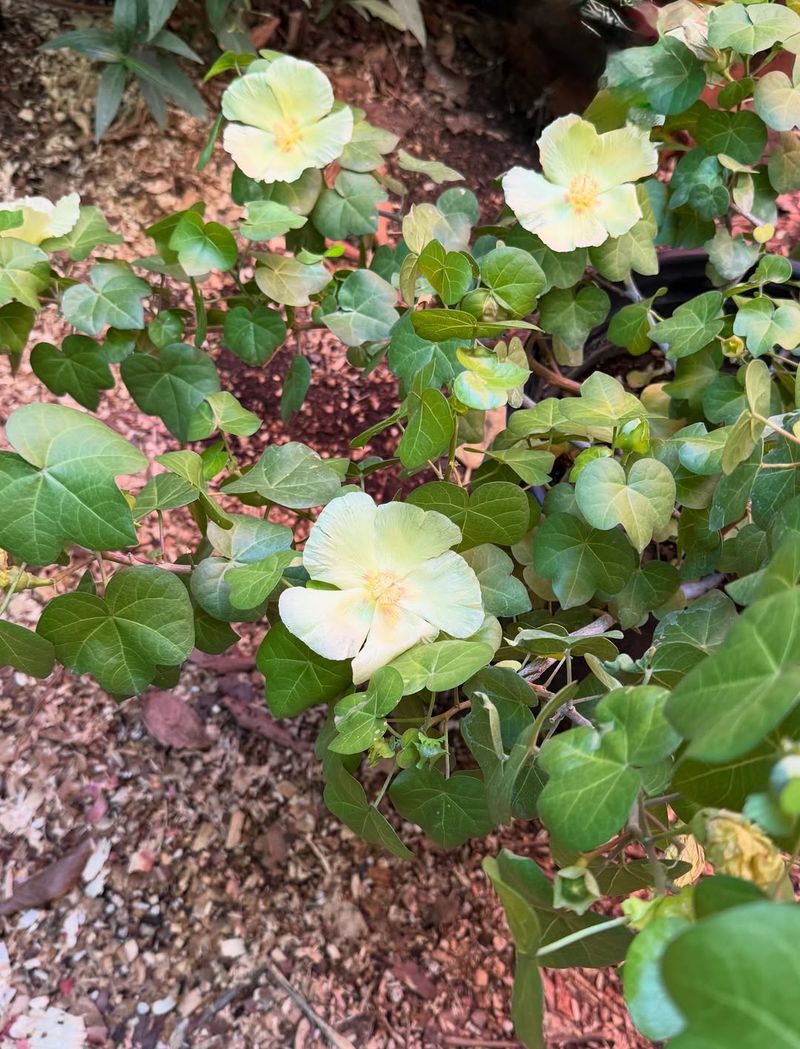
Full sun sounds ideal for a sun-loving plant, but Arizona’s afternoon sun is a different beast entirely. Temperatures between 1 and 5 p.m. can be brutal enough to cause hibiscus flowers to wilt and drop within hours of opening.
A little protection during those peak hours changes everything.
Shade cloth rated at 30 to 40 percent works well for hibiscus in Arizona. Stretched over a simple frame or attached to a patio pergola, it blocks the harshest rays without cutting off the morning light your plant still needs.
Even a strategically placed potted tree or large shrub can provide enough afternoon relief to make a noticeable difference.
Flowers that open in the morning under bright conditions and then receive filtered shade by early afternoon tend to stay open longer and look better at the end of the day.
Without any protection, those same blooms can shrivel by 2 p.m., looking spent before most people even step outside.
In Arizona, that’s a frustrating pattern that repeats all summer long.
Your Arizona Garden Changes Every Week. Your Plan Should Too.
Gardening in Arizona changes quickly throughout the season. Every Friday you’ll receive a simple weekly plan showing exactly what to plant, prune, fertilize, harvest, and protect so you never miss the right timing.
If your hibiscus is planted in a fixed spot that gets relentless west-facing sun, consider moving containers to a more sheltered location during July and August.
3. Regular Feeding Supports More Flowers During Hot Weather
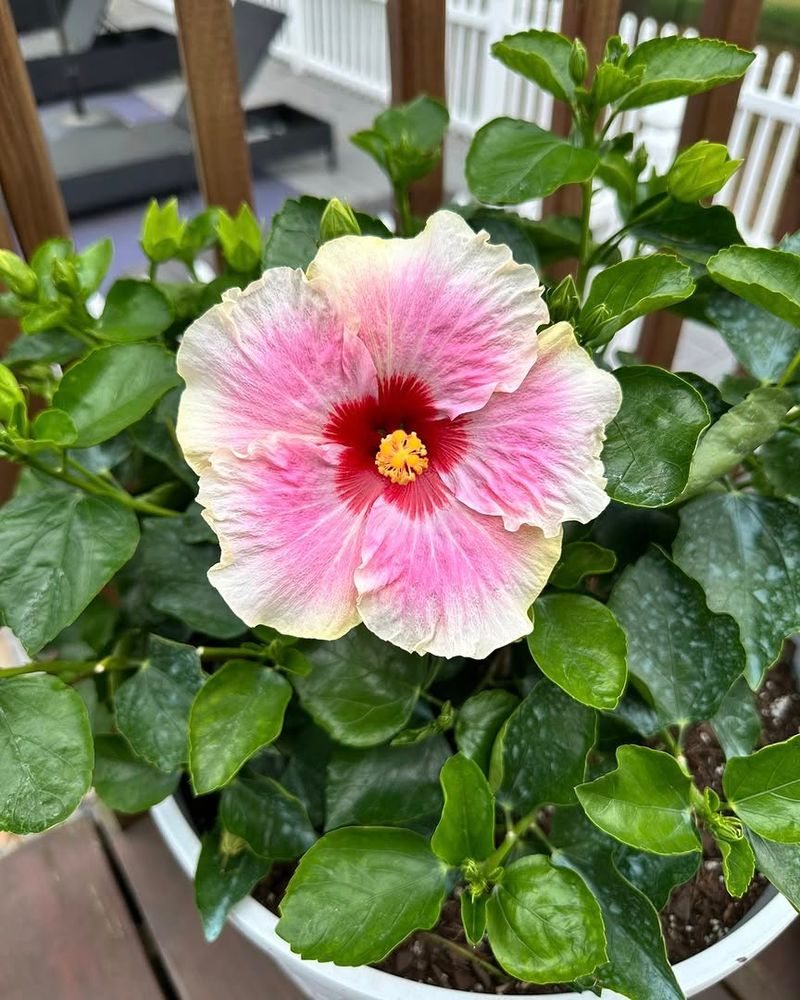
Hungry plants bloom poorly, and hibiscus is one of the hungriest flowering shrubs you can grow. During active growing season in Arizona, which stretches from spring well into fall, hibiscus burns through nutrients at a surprisingly fast pace.
Without regular feeding, flower production slows noticeably even if everything else looks fine.
A fertilizer with higher potassium and phosphorus relative to nitrogen works best for encouraging blooms rather than just leafy growth. Look for products labeled for flowering plants or tropical shrubs.
Slow-release granular fertilizers applied every 6 to 8 weeks provide steady nutrition, while liquid fertilizers can be used every 2 weeks for a faster boost during peak blooming periods.
Avoid heavy nitrogen fertilizers during the hottest months. Too much nitrogen pushes leafy green growth at the expense of flowers, and it can also make plants more vulnerable to stress when temperatures spike.
Balanced feeding supports both root health and consistent bud production, which is exactly what you want from June through September in Arizona.
Container-grown hibiscus needs more frequent feeding than in-ground plants because nutrients wash out faster with regular watering. A light liquid feed every 10 to 14 days keeps potted plants well-nourished without overwhelming them.
4. Mulch Around The Base Helps Soil Stay Moist Longer
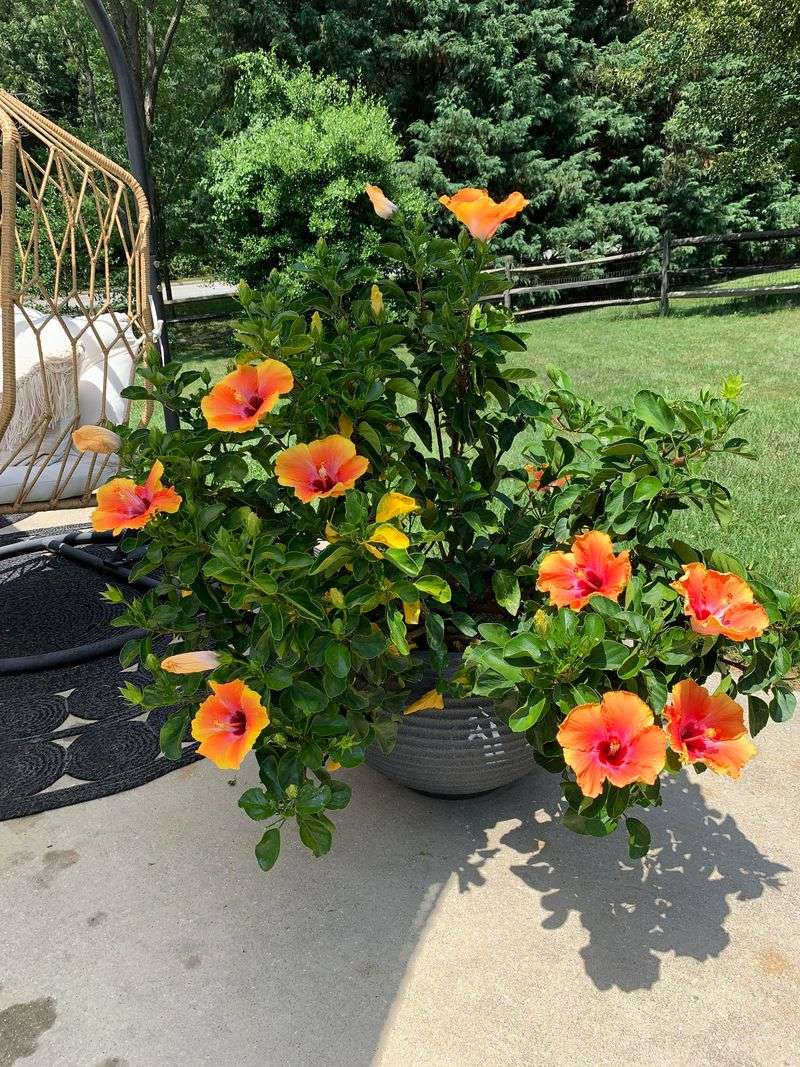
Bare soil in an Arizona summer is almost like leaving your plant without any protection at all. Ground temperatures in full sun can exceed 150 degrees Fahrenheit at the surface, and that kind of heat pulls moisture out of the soil faster than most plants can replace it.
Mulch solves this problem in a way that almost nothing else can match.
A 3 to 4 inch layer of organic mulch placed around the base of your hibiscus acts like insulation for the root zone.
It slows evaporation dramatically, keeps soil temperatures more stable, and gradually breaks down to add organic matter that improves drainage and texture over time.
Wood chips, shredded bark, and straw all work well in Arizona gardens.
Keep mulch pulled back a couple of inches from the main stem to prevent moisture from sitting directly against the bark, which can encourage rot in humid pockets created by the mulch itself.
Spread it out to cover the root zone, which extends roughly as wide as the plant’s canopy. Refreshing the mulch layer every season maintains its effectiveness as it breaks down.
Gardeners in Tucson and Phoenix who add mulch consistently often report watering less frequently while still keeping plants healthier.
5. Removing Old Flowers Encourages New Buds To Keep Forming
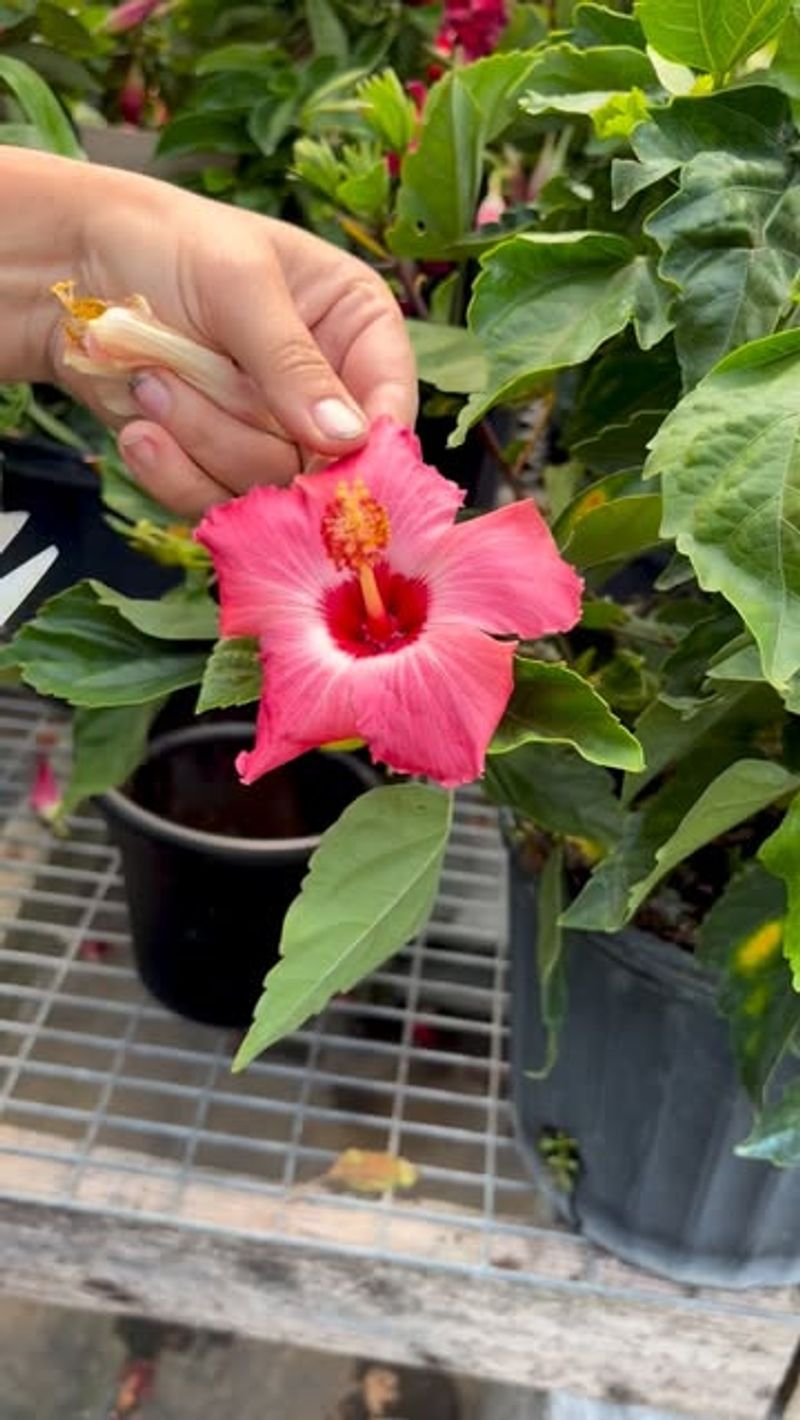
Spent blooms left on the plant send a quiet signal that the job is done. Hibiscus, like most flowering plants, shifts energy toward seed production once a flower fades.
Removing those old flowers before seeds develop redirects that energy straight back into producing new buds, which keeps the show going much longer than if you simply let nature take its course.
Deadheading hibiscus is straightforward. Pinch or snip the faded flower along with its small green base, called the calyx, right at the stem.
Leaving the calyx behind still allows seed pod development, so removing the whole structure makes a bigger difference. Do a quick pass over your plant every two to three days during peak blooming season to stay ahead of spent flowers.
In Arizona’s heat, hibiscus flowers often open and close within a single day. That rapid cycle means deadheading needs to happen more frequently than it would in cooler climates.
Staying consistent with this habit through June, July, and August can noticeably extend the overall blooming period of your plants compared to those that receive no deadheading at all.
6. Deep Watering Helps Roots Stay Strong In Dry Conditions
Shallow watering creates shallow roots, and shallow roots struggle badly when Arizona heat peaks in late June and July. Plants that only receive light surface moisture develop root systems that can’t access deeper, cooler soil layers where moisture lingers longer.
Over time, those plants become increasingly dependent on frequent watering just to survive.
Deep watering encourages roots to grow downward in search of moisture, creating a stronger, more resilient root system.
Watering slowly and thoroughly, allowing moisture to penetrate 12 to 18 inches into the soil, trains roots to go deeper rather than spreading just below the surface.
Drip irrigation systems work exceptionally well for this in Arizona, delivering water slowly enough for it to soak in rather than run off.
How often you deep water depends on your soil type. Sandy soils common across much of Arizona drain quickly, so deep watering every two to three days during peak summer may be necessary.
Clay-heavy soils hold moisture longer and may only need deep watering every four to five days. Observing your specific conditions matters more than following a rigid schedule.
7. Checking For Spider Mites Early Helps Prevent Plant Stress
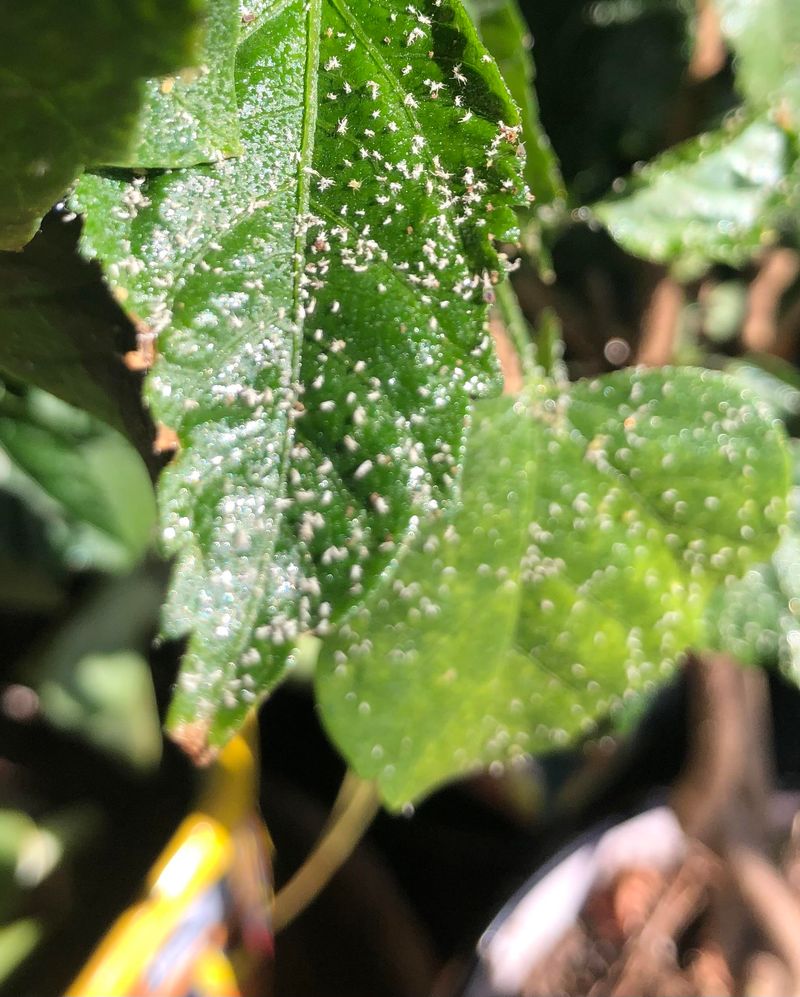
Spider mites thrive in exactly the conditions Arizona creates every summer: hot, dry, and dusty.
These tiny pests are barely visible to the naked eye, but the damage they cause shows up quickly as stippled, yellowing leaves and a dull, stressed appearance across the whole plant.
Catching them early makes a significant difference in how much harm they actually do.
Look for fine webbing on the undersides of leaves, which is one of the clearest signs of a spider mite problem. Leaves that look silvery or washed out, especially during dry spells, are another red flag.
A quick way to check is to hold a white piece of paper under a branch and tap it firmly. If tiny moving specks appear on the paper, spider mites are present.
A strong blast of water from a hose directed at the undersides of leaves can dislodge mite populations effectively without using any chemicals. Repeat this every few days during hot, dry stretches.
Neem oil sprays applied in the early morning also work well and are gentle enough to use on hibiscus without causing additional stress to the plant during summer heat.
Dusty conditions make spider mite problems worse in Arizona, so keeping the area around your hibiscus reasonably clean and rinsing leaves occasionally helps reduce their presence.