Why Daily Watering Becomes Necessary In May In Texas Gardens
May in Texas has a way of changing the rules almost overnight. One minute your watering routine feels completely reasonable, and the next your pots are drying out by afternoon and your raised beds look like they are filing complaints.
The sun gets stronger, the wind gets drier, and suddenly late spring starts acting a lot like summer. Texas loves a dramatic entrance.
That is when daily watering starts showing up in more gardens. Not every plant needs that kind of attention, of course, but containers, new transplants, raised beds, and fast-growing vegetables can get thirsty fast.
A routine that worked beautifully earlier in spring may suddenly feel a step behind.
Once you understand why that shift happens, it gets much easier to keep plants looking fresh, healthy, and ready for the hotter stretch ahead.
1. Texas Heat Makes Potting Mix Dry Faster In May
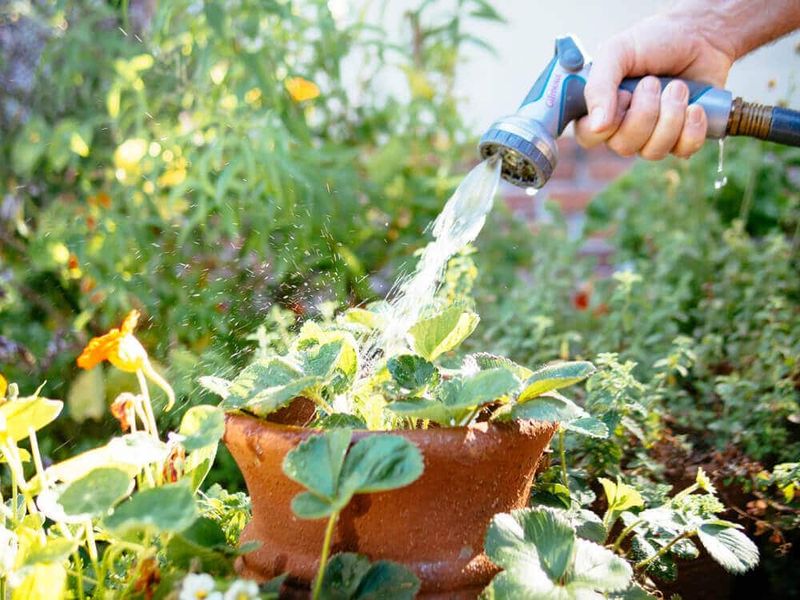
Potting mix sitting inside a container on a warm Texas patio behaves very differently from garden soil in the ground. As May temperatures push into the upper 80s and low 90s across much of Texas, the dark surface of a pot absorbs heat quickly.
That warmth travels through the container walls and raises the temperature of the potting mix itself, speeding up the rate at which moisture evaporates from the root zone.
Many commercial potting mixes are lightweight and designed to drain well, which is great for root health but means they hold less water than dense garden soil. In cooler months, a single watering every two or three days might be enough.
But once Texas May heat settles in, the same pot can feel bone dry within 24 hours of a thorough watering.
Gardeners often notice the soil surface pulling away from the sides of the container, which is a sign the mix has dried out significantly. Sticking a finger about an inch into the soil gives a more accurate read than looking at the surface alone.
If the mix feels dry at that depth, it is time to water slowly and thoroughly until water drains from the bottom. Good drainage still matters even when watering more frequently.
2. Container Plants Often Need Daily Checks As Days Get Longer
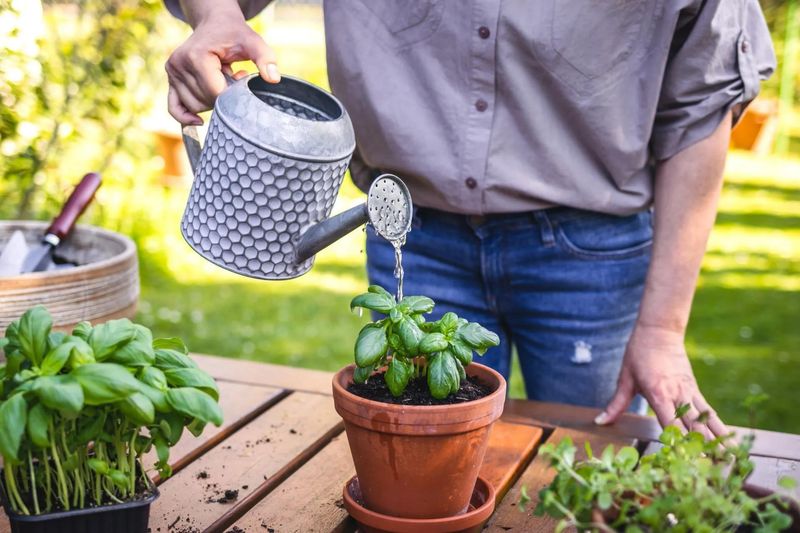
Longer daylight hours in May mean plants are actively growing, photosynthesizing, and pulling water through their roots for more hours each day.
A container plant that gets ten or eleven hours of direct sun in May is working much harder than it did during shorter February days.
That increased activity translates directly into faster water use, and pots can shift from moist to dry surprisingly quickly.
On a warm, breezy Texas afternoon, a hanging basket or a small pot on a sunny porch step can lose moisture at a rate that surprises even experienced gardeners.
Checking containers once in the morning is a reasonable habit, but during the hottest weeks of May some pots benefit from a second check in the late afternoon, especially smaller ones with limited soil volume.
The size and material of a container also affect how fast it dries. Unglazed clay pots allow moisture to escape through their walls, which can be a real factor during hot Texas afternoons.
Your Texas Garden Changes Every Week. Your Plan Should Too.
Gardening in Texas changes quickly throughout the season. Every Friday you’ll receive a simple weekly plan showing exactly what to plant, prune, fertilize, harvest, and protect so you never miss the right timing.
Plastic and glazed ceramic pots tend to hold moisture a bit longer. Grouping containers together can help reduce moisture loss slightly by creating a small pocket of humidity around the plants.
Even so, daily checks remain one of the most practical habits a Texas gardener can build as May progresses.
3. New Plantings Can Need Water More Often Than Established Plants
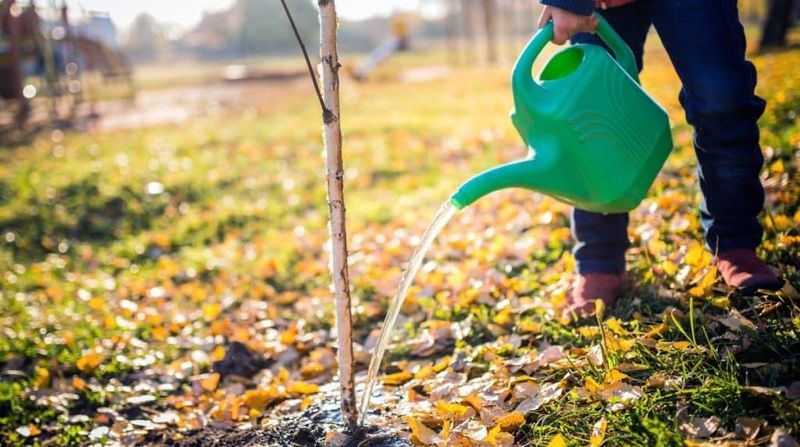
Putting a new plant into the ground during May in Texas is a bit of a balancing act. The warm soil encourages root growth, but the heat and sun also stress a plant that has not yet developed a strong root system.
Newly transplanted flowers, shrubs, and vegetables rely heavily on the small root ball they arrived with, which limits how much water they can access from the surrounding soil.
Established plants that have been in the ground for a full season or longer have roots that spread wide and reach deeper, giving them access to moisture stored further down in the soil profile. A new transplant simply does not have that advantage yet.
During the first two to four weeks after planting, new additions to a Texas garden can need watering every day or even every other day depending on temperatures, wind, and how much sun they receive.
Watering slowly and deeply near the base of the plant encourages roots to follow moisture downward rather than staying shallow. Shallow roots make plants more vulnerable to dry spells as the season continues.
Keeping a layer of mulch around new plantings helps the soil around the root zone stay cooler and retain moisture longer between waterings.
Checking the soil just below the surface near the stem gives the clearest picture of whether the plant needs water.
4. Raised Beds Can Dry Out Faster Than In-Ground Garden Soil
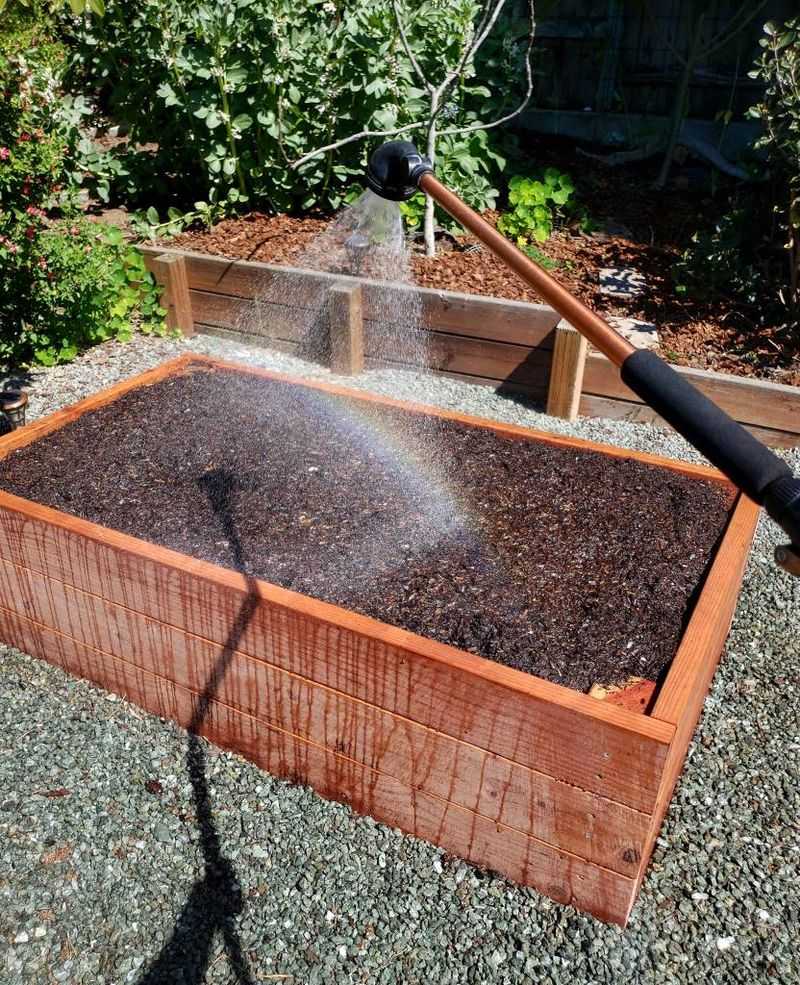
Raised beds have become popular in Texas home gardens because they offer good drainage, warmer soil in spring, and easier access for planting and harvesting.
But those same qualities that make raised beds so productive can also make them dry out faster than a traditional in-ground plot.
Soil in a raised bed is exposed to air on multiple sides, which means heat and wind can pull moisture away from more surface area than flat ground allows.
The fill mix used in most raised beds tends to be lighter and more porous than native Texas clay or loam. That loose, well-draining texture is ideal for root development and prevents waterlogging, but it also means water moves through the bed more quickly.
During May, a raised bed that sits in full sun for most of the day can feel noticeably dry just one day after a thorough watering.
Gardeners with raised beds in Texas often find that watering every day or every other day becomes a regular part of the routine by mid-May.
Checking moisture a few inches below the surface, rather than just the top layer, helps avoid both underwatering and overwatering.
Adding a generous layer of mulch on top of the soil can slow moisture loss considerably. Drip irrigation set up inside the raised bed is another practical option for keeping moisture more consistent without spending time hand-watering every morning.
5. Wind And Full Sun Speed Up Moisture Loss In Texas Gardens
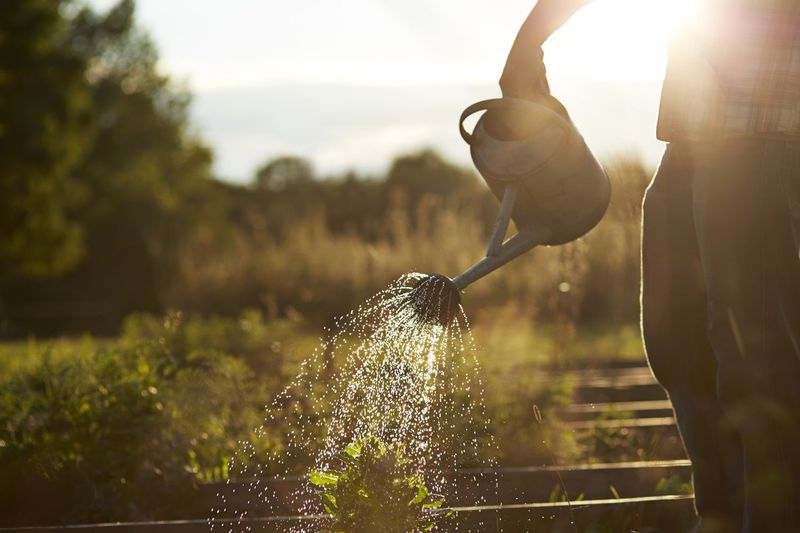
Breezy afternoons are common across much of Texas in May, and while that moving air can feel refreshing to a gardener working outside, it has a significant effect on soil and plant moisture.
Wind pulls water vapor away from leaf surfaces and exposed soil at a much faster rate than still air does.
On a day with steady wind and full sun, plants can lose water through their leaves faster than their roots can replace it, even when the soil still has some moisture available.
Full sun exposure is another major factor. Garden beds, containers, and raised beds that receive direct sun for six or more hours a day during May are working against a constant drying force.
South-facing and west-facing spots in a Texas yard tend to be the most intense, with afternoon sun adding significant heat load to whatever plants are growing there.
Combining strong sun with dry wind creates conditions where soil moisture can drop faster than expected.
Gardeners who notice leaves looking slightly droopy or dull during the afternoon may be seeing the early signs of moisture stress caused by this combination.
Watering in the early morning gives plants a full reservoir of moisture before the hottest and windiest part of the day arrives.
Watering at the base of plants rather than overhead also reduces how much moisture is lost to evaporation before it even reaches the roots.
6. Vegetable Containers May Need Water Every Day
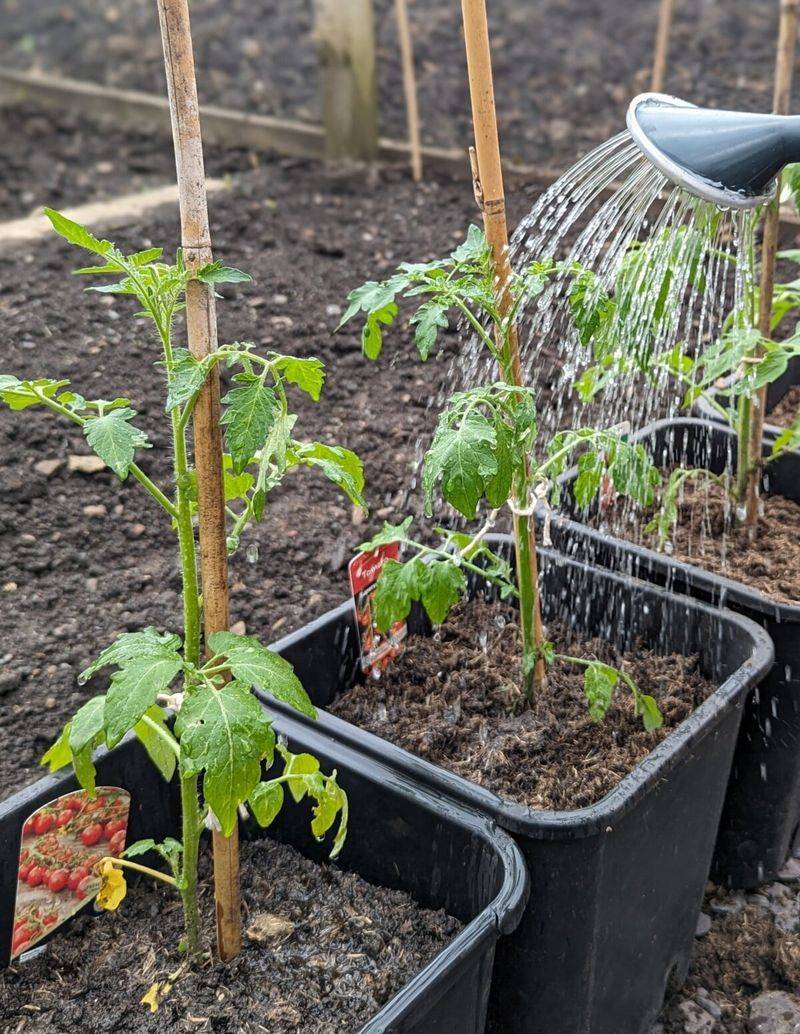
Growing vegetables in containers is a satisfying way to garden in Texas, especially for people with limited yard space. Tomatoes, peppers, cucumbers, and herbs can all thrive in pots on a patio or balcony.
But vegetable plants are heavy water users, especially once they start flowering and setting fruit. A large tomato plant in a five-gallon container during a warm May day can use a surprising amount of water just to keep up with its own growth.
Vegetable plants in containers face a double challenge during Texas May heat. They are actively growing and producing, which requires consistent moisture, and they are limited to whatever water is available in their pot.
Unlike in-ground plants that can extend roots toward deeper, cooler soil moisture, a container plant only has access to what is in the pot.
Checking vegetable containers every morning is a practical habit during May. Lifting the pot slightly can give a rough sense of how heavy it is, and a lighter pot usually means the soil is drying out.
Watering thoroughly until water drains from the bottom ensures the entire root zone gets moisture rather than just the top layer.
Using a larger container when possible gives vegetable plants more soil volume to draw from, which can reduce how often watering is needed.
Even so, daily checks remain sensible for most vegetable containers in Texas during this time of year.
7. Mulch Helps Slow Water Loss But Does Not Replace Watering
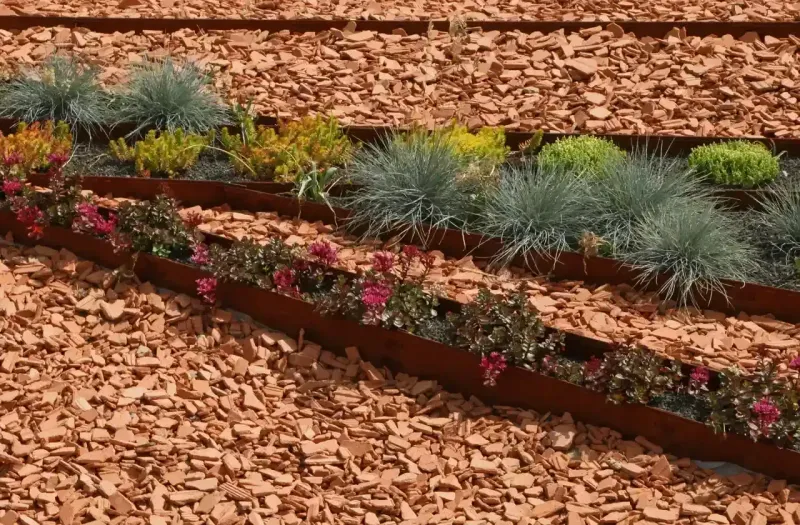
Spreading mulch across garden beds is one of the most practical steps a Texas gardener can take heading into the warmer months.
A layer of shredded wood, bark, or straw placed two to three inches deep over garden soil acts as a barrier between the soil surface and the sun and wind above.
That barrier slows evaporation, keeps soil temperatures lower, and helps moisture stay available to roots for longer periods between waterings.
Research from extension programs supports mulching as one of the most cost-effective water conservation practices available to home gardeners.
In Texas, where May sun can be intense and soil can dry out quickly, even a modest layer of mulch can make a noticeable difference in how long soil stays moist after watering.
Gardens with good mulch coverage often need less frequent watering than bare soil beds.
That said, mulch does not eliminate the need to check soil moisture regularly. A thick layer of mulch can sometimes make the surface look dry even when soil beneath is still adequately moist, or it can hide dry soil that actually needs water.
Pushing a finger or a wooden dowel through the mulch and into the soil a few inches is the most reliable way to check. Mulch also needs to be kept a few inches away from plant stems to prevent moisture-related issues at the base of plants.
Watering and mulching work best as a pair rather than as substitutes for each other.
8. Daily Watering Is Not Right For Every Texas Plant
Not every plant growing in a Texas garden needs water every single day, and assuming otherwise can cause as many problems as underwatering.
Established trees, native shrubs, ornamental grasses, and drought-adapted perennials that have been in the ground for a full year or more have developed root systems capable of finding moisture from a much larger area of soil.
Watering these plants daily can actually lead to overly wet soil conditions that harm roots over time.
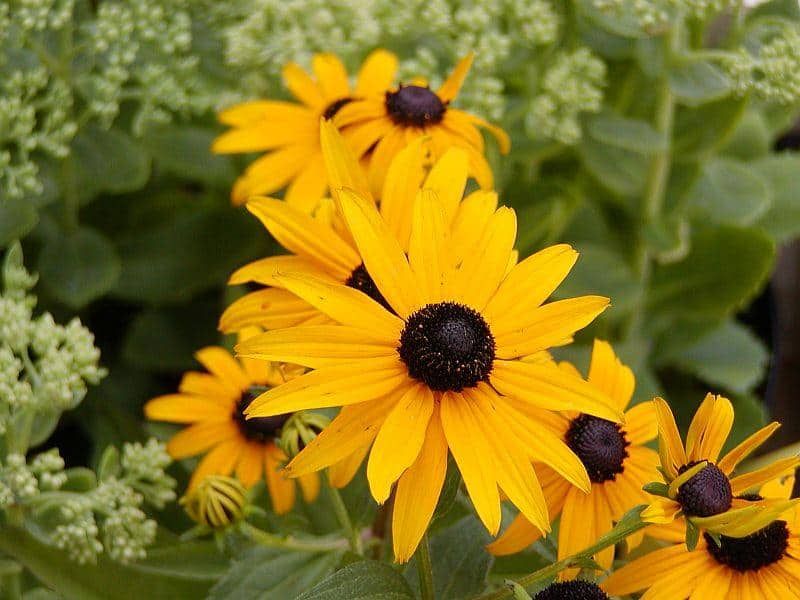
Texas native plants like Texas sage, black-eyed Susan, and lantana are built for warm, dry conditions. Once established, they tend to perform better with deep, infrequent watering rather than shallow daily doses.
Overwatering these plants during May can encourage weak root growth and may create conditions where roots sit in soggy soil, especially in clay-heavy Texas soils that drain slowly.
The plants that benefit most from daily attention in May are containers, raised beds, newly planted specimens, and fast-growing vegetables.
In-ground beds with established plantings and good mulch coverage can often go two to three days between waterings, depending on rainfall and conditions.
Paying attention to what each plant is actually showing, rather than following a single schedule for the whole yard, leads to better results across a Texas garden.
Healthy soil that drains well, combined with thoughtful watering habits, keeps plants in much better shape than a rigid daily routine applied to everything.