7 Simple Tips That Completely Transform How North Carolina Gardeners Grow Spinach
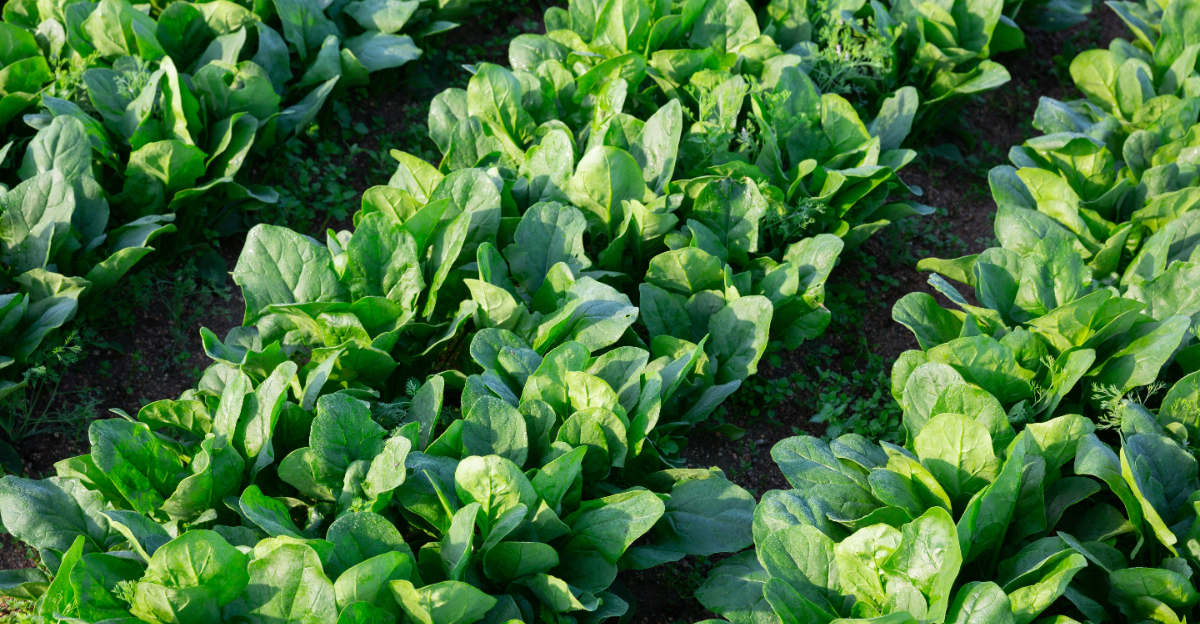
Spinach has a reputation for being straightforward, and in the right conditions it is. The problem is that North Carolina’s climate makes those right conditions a narrower target than most general gardening advice accounts for.
Summers arrive fast and run hot here, which means spinach planted at the wrong time bolts before you ever get a meaningful harvest.
Gardeners who have struggled with it often assume the plant is simply difficult, when the real issue comes down to a handful of small decisions that quietly determine everything.
Timing, soil prep, variety selection, and a few management habits that most guides mention only briefly make a measurable difference in how spinach actually performs in North Carolina beds.
The gardeners who consistently pull good harvests from this crop are not doing anything complicated.
They figured out which specific adjustments matter most for this climate and built those into their routine. These seven tips represent exactly that, practical changes that are simple to apply and genuinely change the results.
1. Plant Spinach In Fall More Than Spring
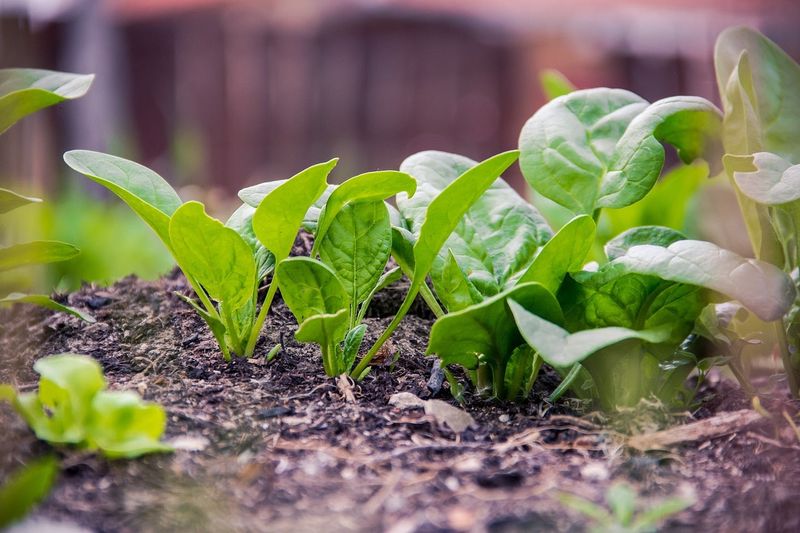
Most people think of spring as the prime planting season, but North Carolina gardeners who switch to fall planting often see their best spinach harvests ever.
The reason is simple: fall temperatures stay cool for longer, giving spinach the steady, mild conditions it absolutely loves.
Spring in North Carolina can go from pleasant to hot surprisingly fast, and that sudden warmth pushes spinach to bolt before you even get a good harvest.
Planting in late September through early November gives spinach a long, comfortable growing window. Temperatures across the Piedmont, mountain foothills, and coastal plains of North Carolina tend to cool gradually in fall, which is perfect for spinach development.
The plant, scientifically known as Spinacia oleracea, thrives when daytime highs stay between 50 and 70 degrees Fahrenheit, which fall delivers far more reliably than spring does.
Winter spinach in North Carolina can even survive light frosts, especially when planted in a sheltered spot or under a simple row cover. Many gardeners are genuinely surprised to harvest fresh spinach well into January and February.
If you have only tried spring planting before, give fall a real shot this year. You might find it completely changes your spinach gardening experience in the most rewarding way possible.
2. Use Afternoon Shade In Warmer Areas
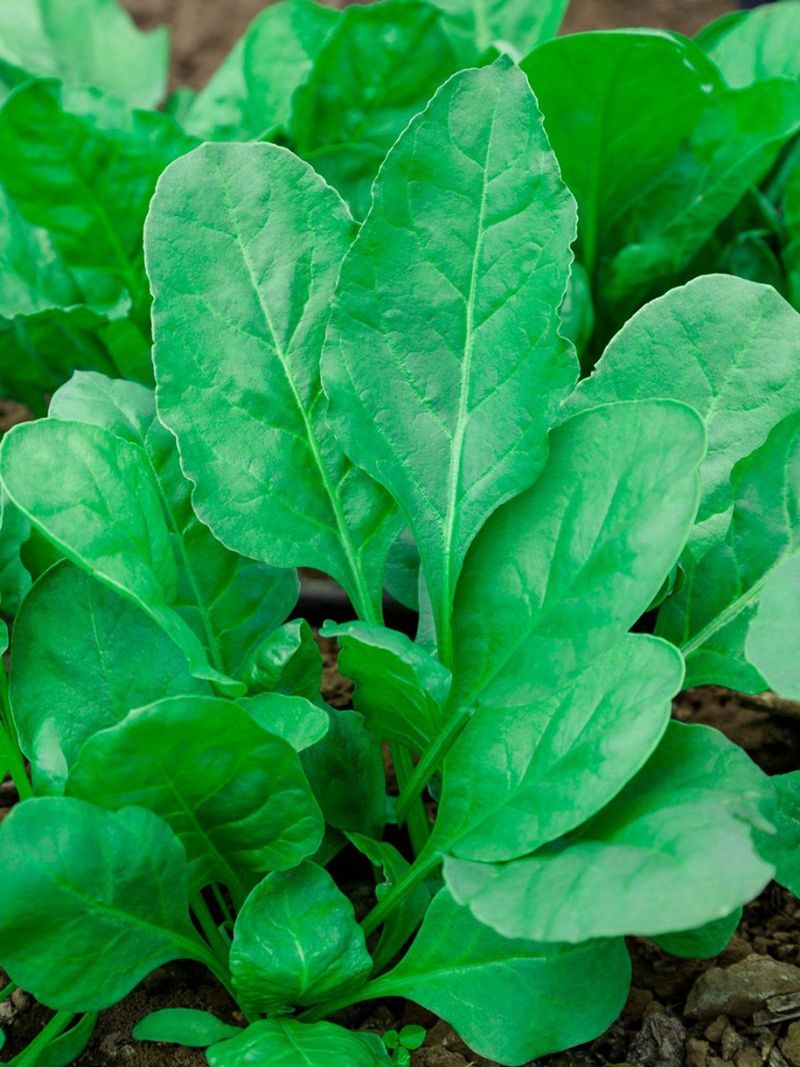
Spinach has a well-known weakness: it absolutely struggles when afternoon sun hammers it with intense heat.
In North Carolina’s Piedmont and coastal regions, summer-like warmth can show up as early as April, making afternoon shade a game-changer for gardeners who want to extend their harvest season.
Even a few extra weeks of productive growth can mean pounds more spinach on your dinner table.
Positioning your spinach bed on the east side of a fence, taller vegetable plants, or a garden structure gives the leaves full morning sun while blocking the harshest afternoon rays.
This simple trick reduces soil temperature noticeably, which helps keep the roots cool and the leaves tender.
Your North Carolina Garden Changes Every Week. Your Plan Should Too.
Gardening in North Carolina changes quickly throughout the season. Every Friday you’ll receive a simple weekly plan showing exactly what to plant, prune, fertilize, harvest, and protect so you never miss the right timing.
Bitter, tough spinach leaves are often a direct result of heat stress, and shade is one of the most natural ways to fight back.
Gardeners in Charlotte, Raleigh, and Wilmington have reported noticeably longer spinach seasons just by adding a shade cloth rated at 30 to 40 percent. These lightweight fabrics are easy to find at garden centers and can be draped over simple hoops above your beds.
The investment is small, but the payoff in fresh, sweet spinach is genuinely impressive. North Carolina’s climate is beautiful but unpredictable, and giving your spinach a little afternoon protection goes a very long way.
3. Grow In Raised Beds Or Loose Soil
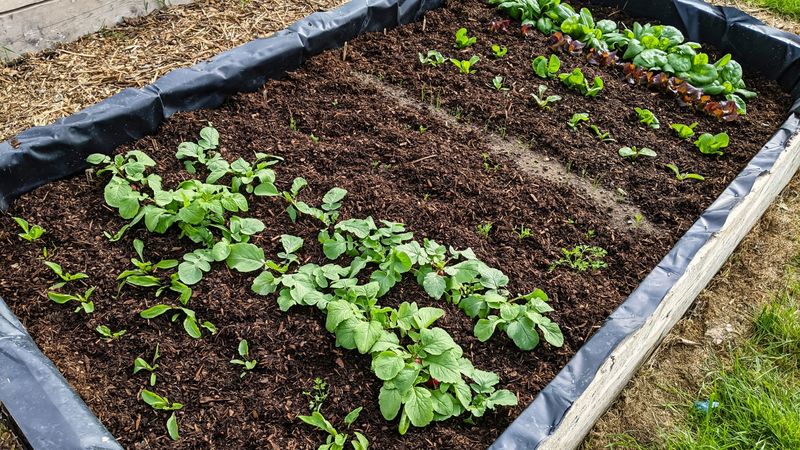
North Carolina is famous for its red clay soil, and while that clay is great for some things, spinach is definitely not one of them.
Heavy, compacted clay drains poorly and warms up unevenly, which creates stress for spinach roots that need consistent moisture and good air circulation underground.
Many gardeners who struggled for years with patchy, slow-growing spinach found that switching to raised beds completely turned things around.
Raised beds allow you to fill your growing space with a custom mix of compost, topsoil, and aged organic matter that drains well but still holds enough moisture to keep spinach happy.
A bed just eight to ten inches deep gives spinach roots all the room they need to spread out comfortably.
The loose texture also makes thinning and harvesting much easier, which is a bonus when you are working with a fast-growing crop like spinach.
If building raised beds feels like too much work right now, you can loosen your existing garden soil deeply with a garden fork and mix in generous amounts of compost. Even a few inches of improved soil at the surface makes a meaningful difference.
Across North Carolina, from Asheville to Greenville, gardeners who focused on soil quality first reported healthier plants, faster germination, and much more satisfying harvests season after season.
4. Keep Soil Evenly Moist
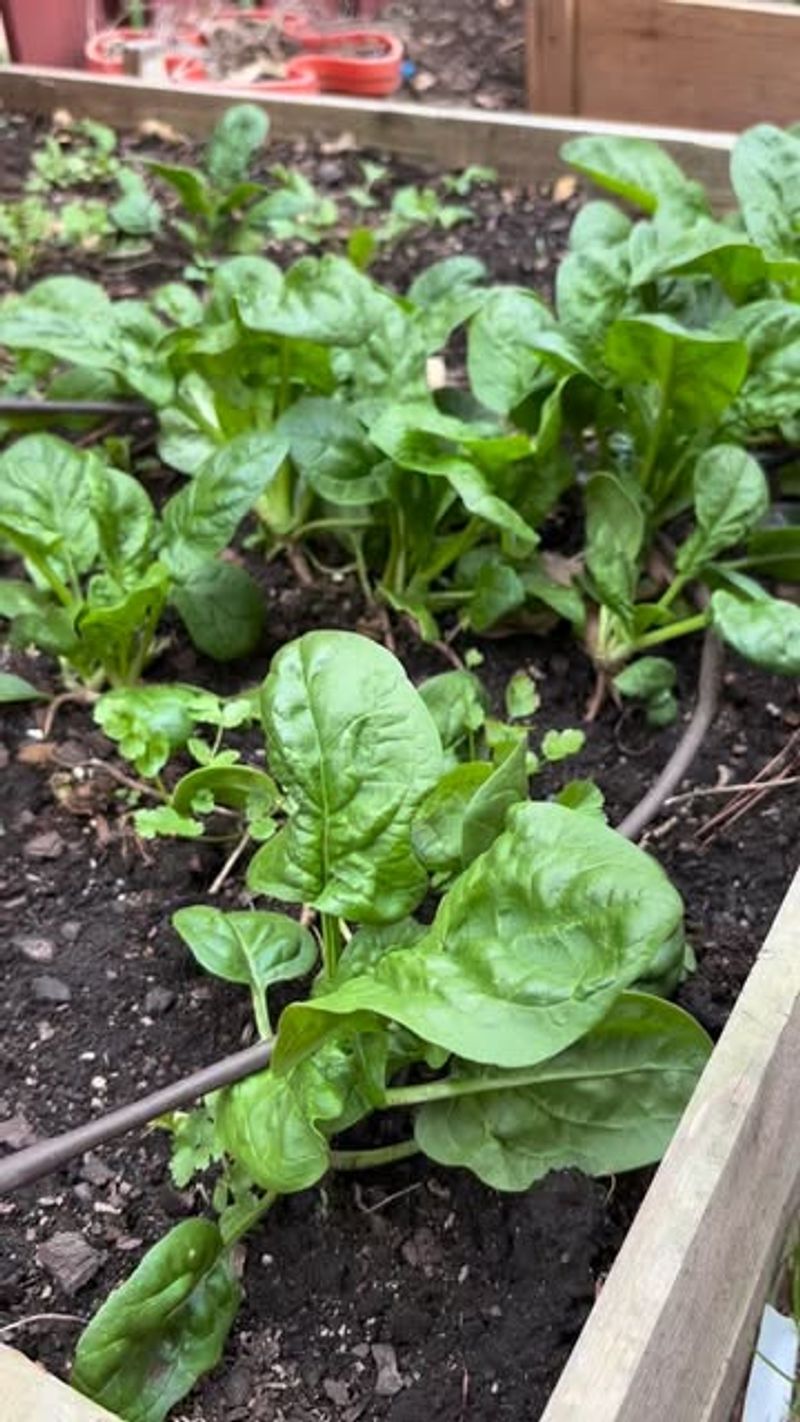
Spinach is one of those crops that really shows you when it is unhappy, and uneven watering is one of the fastest ways to upset it. When soil swings between bone dry and waterlogged, spinach responds with bitterness, wilting, and a strong urge to bolt early.
Consistent soil moisture is honestly one of the most impactful things you can do to grow tender, flavorful spinach in North Carolina’s variable climate.
Aim to keep the top two inches of soil consistently damp but never soggy. A simple finger test works well: push your finger into the soil up to the second knuckle, and if it feels dry, it is time to water.
Drip irrigation and soaker hoses are especially popular among North Carolina gardeners because they deliver water directly to the root zone without wetting the leaves, which helps reduce fungal issues in the state’s humid conditions.
Mulching around your spinach plants with straw or shredded leaves is another excellent strategy. A two-inch layer of mulch locks in soil moisture, moderates soil temperature, and reduces how often you need to water.
During warm spring stretches in the Piedmont or along the coast, that moisture retention can genuinely be the difference between a long productive harvest and a plant that bolts within days. Small habits like these add up to big results in the garden.
5. Avoid Heavy Nitrogen Fertilizer
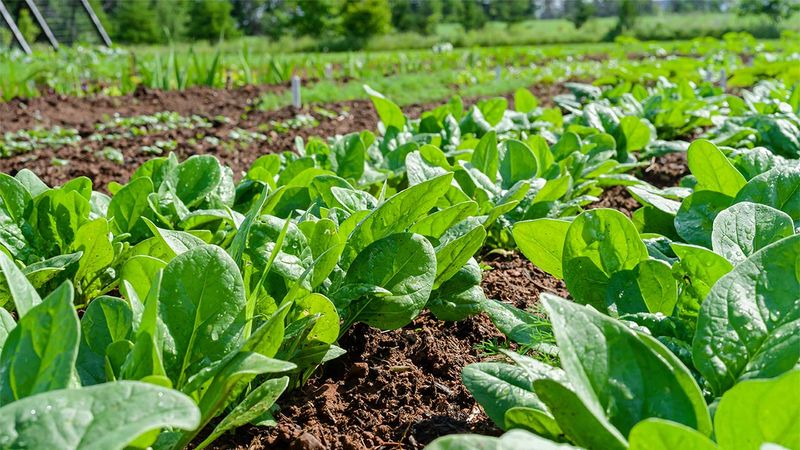
Fertilizing spinach feels straightforward, but there is a common mistake that trips up even experienced gardeners: using too much nitrogen. Nitrogen drives leafy green growth, so it seems like a natural fit for spinach.
The problem is that an overload of nitrogen produces leaves that grow too fast and become soft, watery, and surprisingly vulnerable to fungal diseases, which are already a real concern in North Carolina’s humid summers and wet springs.
Spinach actually does well with modest, balanced nutrition. A light application of a balanced fertilizer or a generous layer of finished compost worked into the soil before planting is usually all it needs.
If your soil is already reasonably fertile, you may not need any additional fertilizer at all during the growing season. Soil testing through the NC State Extension service is a genuinely smart step that many North Carolina gardeners swear by before planting any vegetable crop.
If you want to give your spinach a mid-season boost, a diluted liquid seaweed or fish emulsion fertilizer applied once or twice is a much gentler option than synthetic nitrogen products.
These organic options feed the plant slowly and support overall soil health at the same time. Across North Carolina, gardeners who dialed back on heavy fertilizing reported firmer, more flavorful leaves and noticeably fewer disease problems throughout the growing season.
6. Choose Bolt-Resistant Varieties
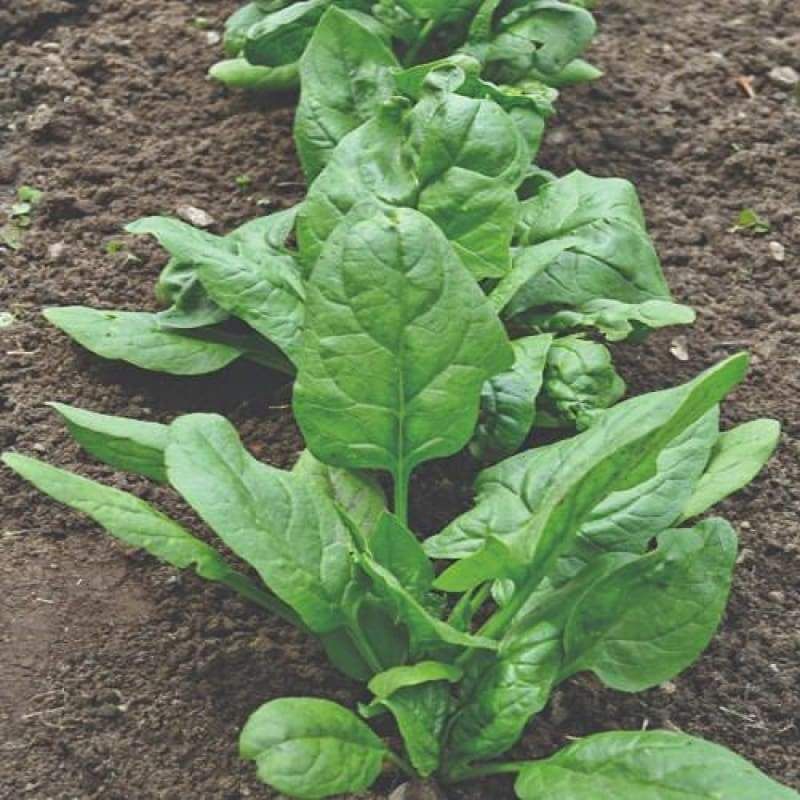
Not all spinach is created equal, and the variety you choose can make or break your entire growing season in North Carolina. Older heirloom spinach varieties, while delicious, were bred for cooler and more stable climates.
They tend to bolt quickly when temperatures fluctuate, which is basically a description of North Carolina’s spring weather. Modern bolt-resistant varieties have been specifically developed to handle these kinds of challenging conditions far more gracefully.
Varieties like Tyee, Seaside, and Catalina have earned strong reputations among North Carolina gardeners for holding off bolting longer than average.
Tyee in particular is widely recommended because it tolerates both cold snaps and warm spells without immediately sending up a flower stalk.
Seaside performs especially well in the coastal regions of North Carolina, where mild winters and unpredictable spring warmth create a tough growing environment for standard spinach types.
When you visit your local garden center or browse seed catalogs, look specifically for the words “slow to bolt” or “heat tolerant” on the packaging. These labels are not just marketing talk.
They reflect real breeding work aimed at extending harvest seasons in climates exactly like North Carolina’s.
Trying two or three different bolt-resistant varieties in the same season is a fun way to find your personal favorite and build a reliable planting strategy for years ahead.
7. Harvest Outer Leaves Instead Of Pulling Entire Plants
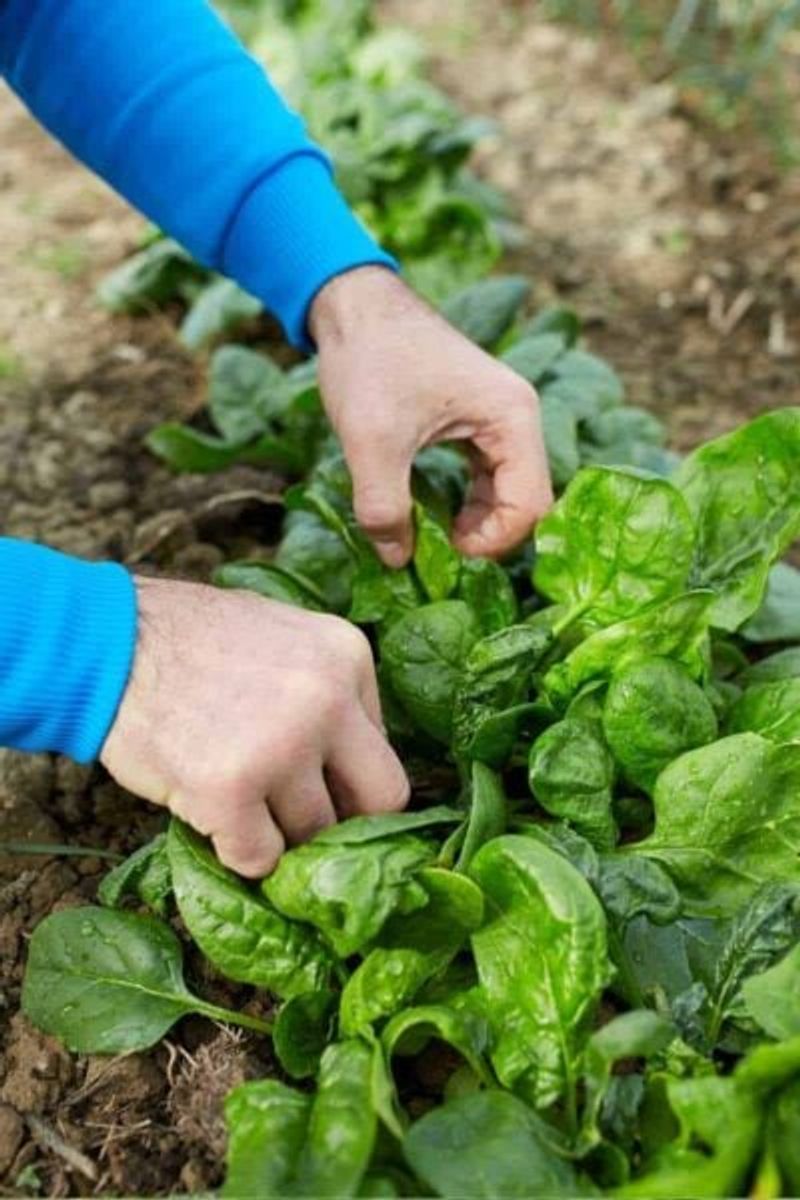
One of the most satisfying discoveries for new spinach growers is the cut-and-come-again harvesting method.
Instead of pulling the whole plant out of the ground, you simply snip or pinch off the outer, more mature leaves while leaving the younger center leaves completely intact.
The plant keeps growing from that central crown, producing fresh new leaves week after week. It is almost like getting free spinach every time you visit the garden.
This approach works beautifully in North Carolina because it stretches the harvest window significantly. Rather than getting one big batch of spinach and then replanting, you enjoy a steady supply over many weeks.
As temperatures gradually rise in spring, the plant will eventually bolt no matter what, but consistent harvesting of outer leaves actually helps slow that process down a little by reducing the plant’s overall size and stress load.
The best time to harvest is in the morning when leaves are crisp, cool, and full of moisture. Aim to take no more than one-third of the plant at a single harvest to keep it productive and healthy.
North Carolina gardeners who adopted this method reported getting two to three times more total spinach per plant compared to a single whole-harvest approach.
A simple pair of clean garden scissors is all you need to make every spinach plant in your garden work much harder for you.