Why Florida Gardeners Are Finally Giving Up On Knock Out Roses (And What They’re Planting Instead)
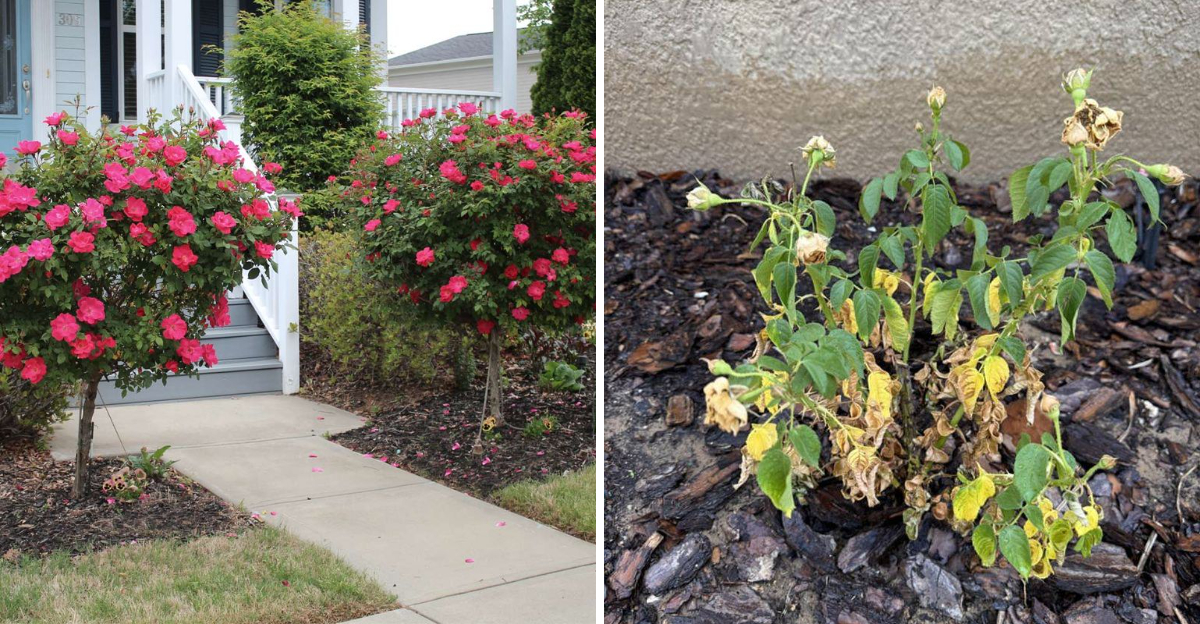
Knock Out roses had a good run in Florida. For a while, they were everywhere, lining driveways, bordering mailboxes, anchoring front beds across the state.
Low maintenance, reliable color, tough enough to handle a lot of what Florida throws at a plant. The gardening world could not stop talking about them.
That conversation has shifted pretty noticeably in recent years. Florida gardeners are a practical bunch.
When something stops performing in a particular yard, gardeners move on, and some Florida homeowners have started replacing rose-heavy beds with lower-input shrubs, natives, and mixed plantings.
The combination of Florida’s brutal humidity, fungal pressure, demanding year-round growing season, and growing awareness of rose diseases nationally has taken some of the shine off a plant that once seemed almost bulletproof.
Nothing dramatic happened overnight. It’s more of a slow realization that Florida’s gardening conditions are specific enough to deserve plants actually bred for them.
What’s replacing Knock Out roses in these yards is worth paying attention to.
1. Florida Heat Reminds Gardeners That Knock Outs Still Need Care
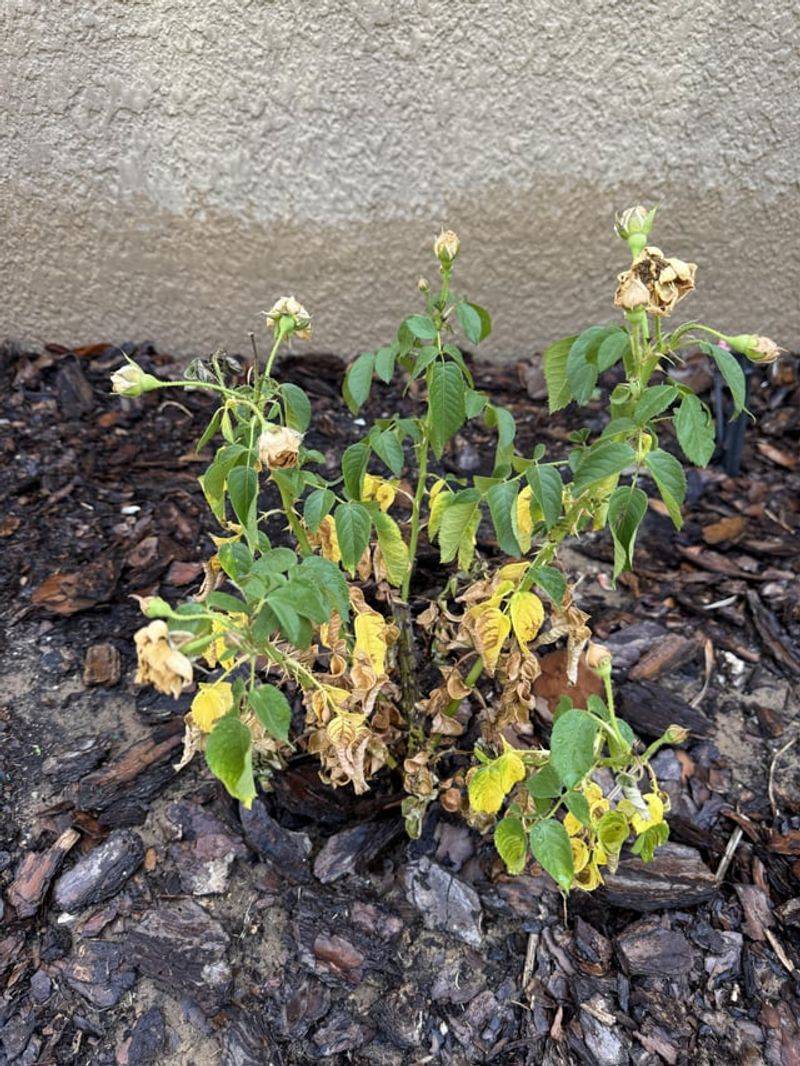
Summer in Florida is not a gentle season. The combination of heat, humidity, afternoon thunderstorms, and sandy soils that drain quickly creates a challenging growing environment, especially for plants expected to bloom for much of the year.
Knock Out roses can handle a lot, but Florida gardeners know that “low maintenance” still comes with a list of tasks that adds up fast over a twelve-month growing season.
In North Florida, winters are cold enough to slow roses down and give gardeners a real break. In Central and South Florida, the growing season barely pauses, which means pruning, fertilizing, shaping, and monitoring never fully stop.
That constant cycle wears on people who were originally sold on an easy-care shrub.
Sandy soils lose moisture and nutrients quickly, so even drought-tolerant plants need irrigation during dry spells, especially during Florida’s winter dry season.
Knock Out roses planted in full sun on the south side of a home in Tampa or Orlando may need regular irrigation during establishment and extended dry spells, especially in sandy soil.
Results also vary widely by microclimate. A rose thriving in a Tallahassee yard with some afternoon shade might struggle in a Fort Lauderdale yard baking in full coastal sun.
Florida is not one climate, and what works beautifully in one county may underperform two counties south. Gardeners are learning that regional differences matter more than any plant tag suggests.
2. The Low-Care Rose That Is Not No-Care
Marketing is a powerful thing. The phrase “low maintenance” made Knock Out roses a bestseller, and honestly, compared to old hybrid tea roses, they really are easier to grow.
But easier is not the same as effortless, and Florida gardeners eventually figure that out after a few seasons of real-world experience in their own yards.
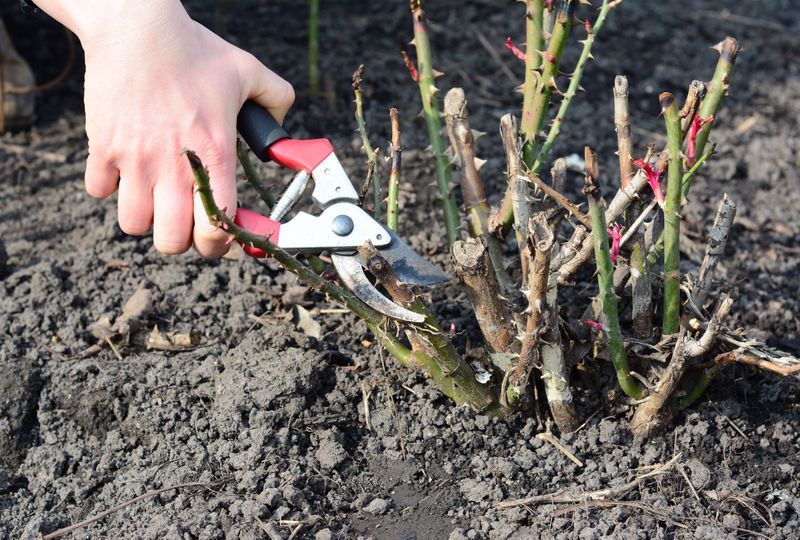
Proper care for Knock Out roses in Florida includes planting in a spot with at least six hours of direct sun, giving enough air circulation around the plant to reduce fungal issues, avoiding overhead irrigation that keeps foliage wet overnight, mulching to hold soil moisture and moderate root temperatures, and fertilizing on a schedule that supports healthy growth without pushing too much soft new growth too fast.
Your Florida Garden Changes Every Week. Your Plan Should Too.
Gardening in Florida changes quickly throughout the season. Every Friday you’ll receive a simple weekly plan showing exactly what to plant, prune, fertilize, harvest, and protect so you never miss the right timing.
UF/IFAS recommends fertilizing Florida roses regularly during active growth, using a rose fertilizer with micronutrients and controlled-release nitrogen, and pruning or grooming plants to remove withered, diseased, or crossing canes.
None of that is extreme, but it is a real routine. For gardeners who want to plant something, water it occasionally, and largely walk away, a rose bed may feel like more of a commitment than expected.
Florida-Friendly Landscaping principles emphasize matching the plant to the site and the gardener’s lifestyle, not just to the hardiness zone. Some gardeners realize their lifestyle is a better match for plants with fewer ongoing demands.
3. When Year-Round Blooms Come With Year-Round Chores
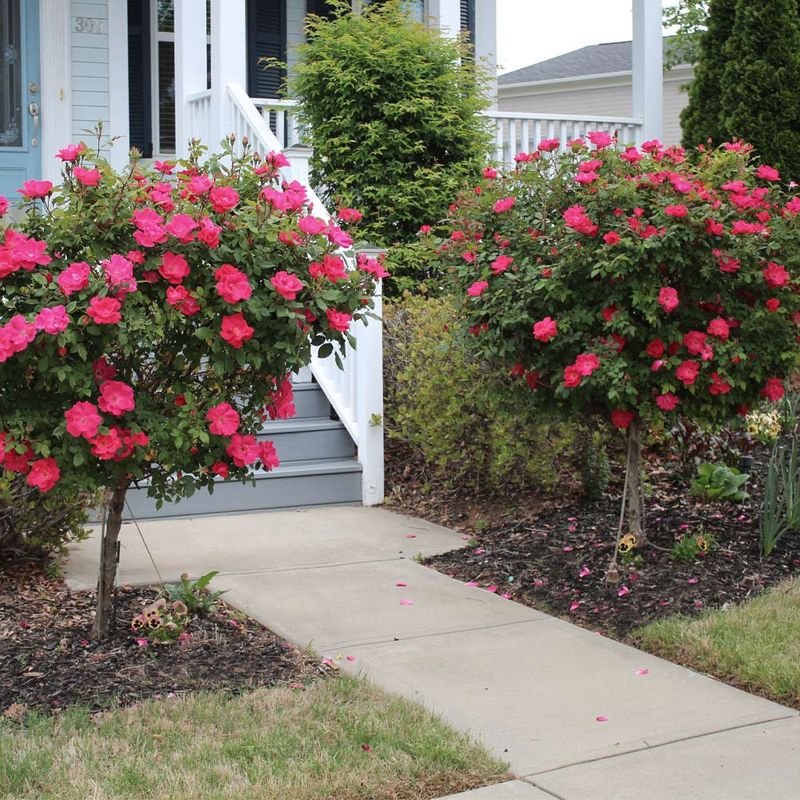
One of the biggest selling points for Knock Out roses in Florida is their ability to bloom for extended stretches throughout the year. In Central and South Florida especially, these roses can push flowers through seasons that would shut down most northern plants.
That sounds wonderful on paper, and it often is beautiful in person.
The tradeoff is that a plant actively growing and flowering for most of the year is also a plant that needs attention for most of the year.
Knock Out roses are self-cleaning, so they do not require the same deadheading as many older roses, but petals, leaves, and fast new growth can still make a bed look untidy without occasional grooming.
Canes grow quickly and need shaping to keep the plant from becoming a sprawling mass that crowds neighboring plants or blocks walkways.
Gardeners who travel, work long hours, or simply want a lower-input yard start to feel the weight of that ongoing commitment.
More Florida homeowners are now building landscapes that offer seasonal interest through a mix of foliage color, berry production, ornamental grasses, and flowering shrubs that peak and rest at different times.
This approach can feel more relaxed and more connected to natural Florida rhythms.
Instead of one plant doing everything all the time, a mixed planting shares the workload across the season. That shift in thinking is pulling some gardeners away from a rose-only bed and toward a more layered, wildlife-friendly landscape design.
4. Rose Disease Awareness Is Changing The Flower Bed
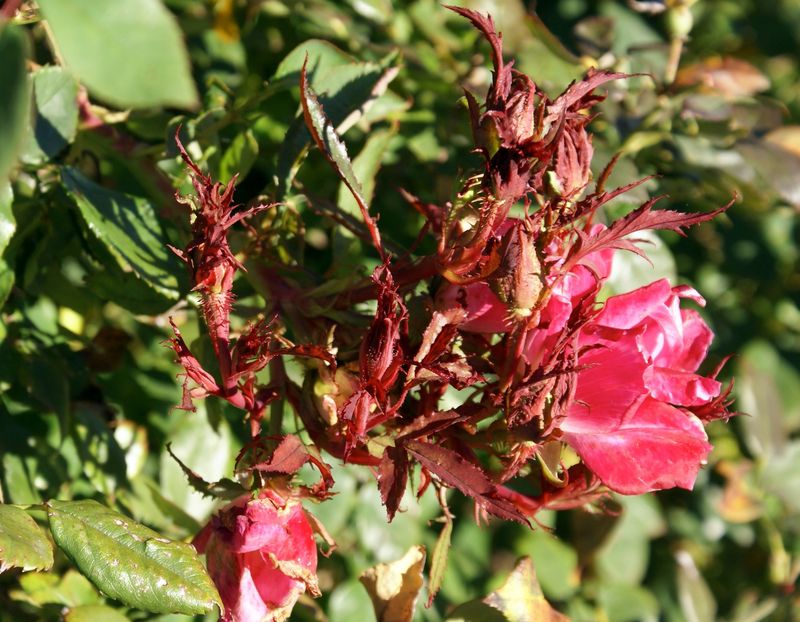
Rose rosette disease has become a major concern for rose growers in parts of the United States, and Florida gardeners are increasingly aware of it.
UF/IFAS notes that the disease is not currently established in Florida, although infected plants have been detected in commercial shipments and destroyed.
The disease is spread by a tiny mite and can cause distorted growth, unusual red shoots, excessive thorniness, and eventual plant death.
It has been confirmed in many parts of the United States, but Florida readers should understand the distinction between national concern and confirmed establishment in Florida landscapes.
Not every Knock Out rose will encounter this problem, and it would be unfair to treat it as an inevitable outcome. Disease and pest pressure vary by location, season, and growing conditions.
Good practices like proper spacing for air circulation, regular monitoring, and removing diseased or declined canes can help with many common rose problems. However, if rose rosette disease is suspected, UF/IFAS advises that infected plants cannot be cured and should be removed and destroyed.
Planting a diverse bed rather than a solid mass of one rose variety will not eliminate disease risk, but it can reduce the chance that one plant problem dominates the entire garden visually or functionally.
What has changed is that more gardeners are thinking proactively about plant diversity. Relying heavily on one plant in a bed means that one plant problem can reshape the whole landscape.
Mixing roses with other shrubs, native plants, and flowering perennials spreads the visual interest and reduces the stakes of any single plant struggling.
That thinking is practical, not fearful, and it aligns well with Florida-Friendly Landscaping guidance on right plant right place and landscape diversity.
5. Gardeners Want Flowers That Give More Back
Something has shifted in how Florida gardeners think about their outdoor spaces. More people want their yards to do more than look pretty.
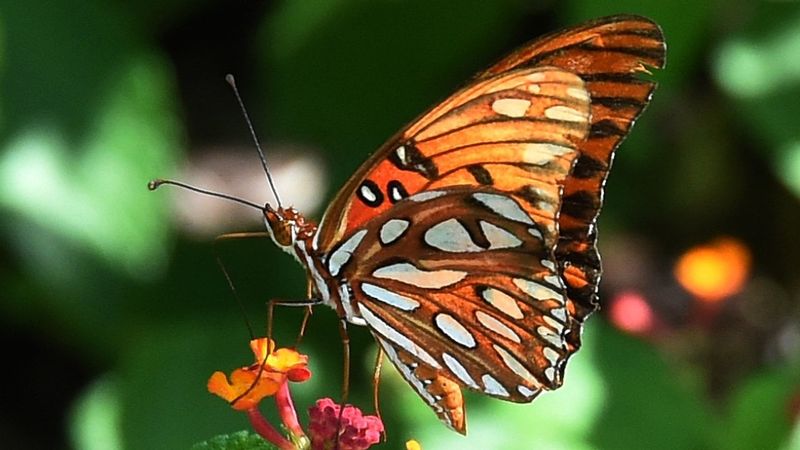
They want plants that feed butterflies, shelter birds, support native bees, and connect to the broader Florida ecosystem.
A bed full of roses can offer color and some insect activity, but it generally provides less habitat value than a thoughtfully chosen mix of native and Florida-Friendly plants that offer nectar, berries, cover, and seasonal structure.
The Florida-Friendly Landscaping program, developed through UF/IFAS Extension, emphasizes the principle of right plant right place.
That means choosing plants based on sun exposure, soil moisture, salt tolerance, and regional conditions, not just bloom color or name recognition.
When gardeners start applying that framework, they often discover that their Knock Out rose bed could become something richer in ecological value with a few smart swaps.
Flowering shrubs that produce nectar for pollinators, plants that set berries for birds, ornamental grasses that provide structure and movement, and native groundcovers that support soil health can all work together in a bed that was once dedicated to roses alone.
The best plant choices depend on whether you are gardening in a coastal yard with salt exposure, an inland lot with full sun and sandy soil, or a shadier north Florida landscape with colder winters.
Florida is diverse, and the most rewarding gardens reflect that diversity rather than defaulting to one familiar plant.
6. Drift Roses Offer A Smaller Rose Option
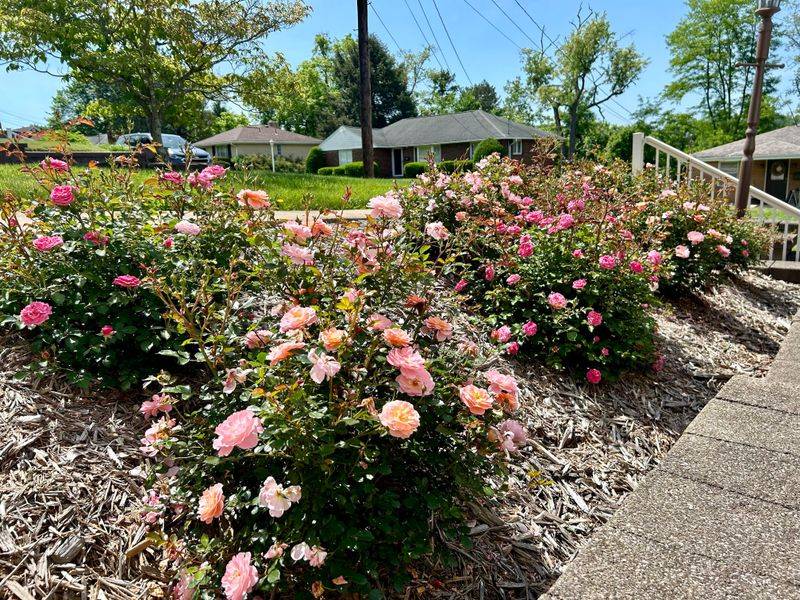
For gardeners who still love roses but want something that fits a smaller space or a tidier border, Drift roses have become a popular conversation.
These compact, low-growing roses typically reach about one to two feet tall and two to three feet wide, making them a natural fit for containers, small raised beds, and tight landscape borders where a full-sized shrub rose would feel too large.
Drift roses are a cross between miniature roses and ground cover roses, and they bloom repeatedly through the growing season. They come in a range of colors including red, pink, coral, peach, and white.
Like any rose grown in Florida, they perform best with at least six hours of direct sun, good drainage, and adequate air circulation to reduce fungal pressure during humid summer months.
They are not maintenance-free, and establishment watering is important during the first season after planting.
In South Florida, gardeners should pay close attention to drainage since standing water after heavy rain is a common challenge that can stress rose roots.
In North Florida, Drift roses may experience more winter dieback than in warmer zones, but they typically regrow reliably in spring.
Mulching the root zone helps moderate soil temperature and retain moisture during Florida’s dry winter season. Drift roses are a reasonable option for rose lovers who want a scaled-down commitment without completely leaving the rose world behind.
7. Old Garden Roses Are Getting A Fresh Florida Look
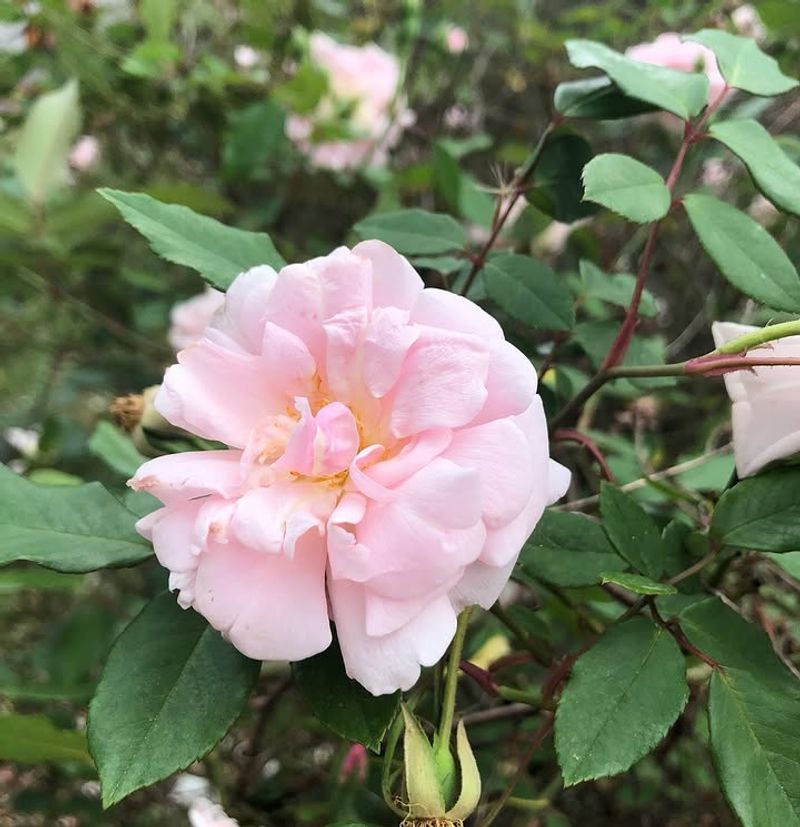
There is something deeply appealing about a rose with a story. Old garden roses generally refers to rose classes that existed before 1867, the year often used to mark the introduction of the first hybrid tea rose.
Some of these roses have been growing in Florida yards for generations and can be well suited to warm, humid conditions. For gardeners who want fragrance, history, and a different growth habit, exploring these varieties can be a rewarding detour.
UF/IFAS has highlighted several old garden roses and older-style varieties that have performed well in Florida trials and landscapes. Mrs. B.
R. Cant is a soft pink tea rose that has been praised for its heat tolerance and repeat blooming.
Louis Philippe is a China rose with deep red blooms that has a long history in Florida and Gulf Coast gardens. Spice is another Florida-tested variety known for its strong fragrance and reliable performance in warm climates.
These roses still require proper siting, good drainage, appropriate fertilization, and monitoring for pests.
Performance can differ meaningfully between North Florida and South Florida, and between coastal yards and inland sites. A variety thriving in a Pensacola garden with cooler winters may behave differently in a Miami yard with year-round warmth.
Old garden roses are not a shortcut to an easy garden, but for the right gardener in the right location, they offer fragrance, character, and a connection to Florida’s gardening history that a newer variety simply cannot replicate.
8. Natives Like Beautyberry And Muhly Grass Are Winning The Swap
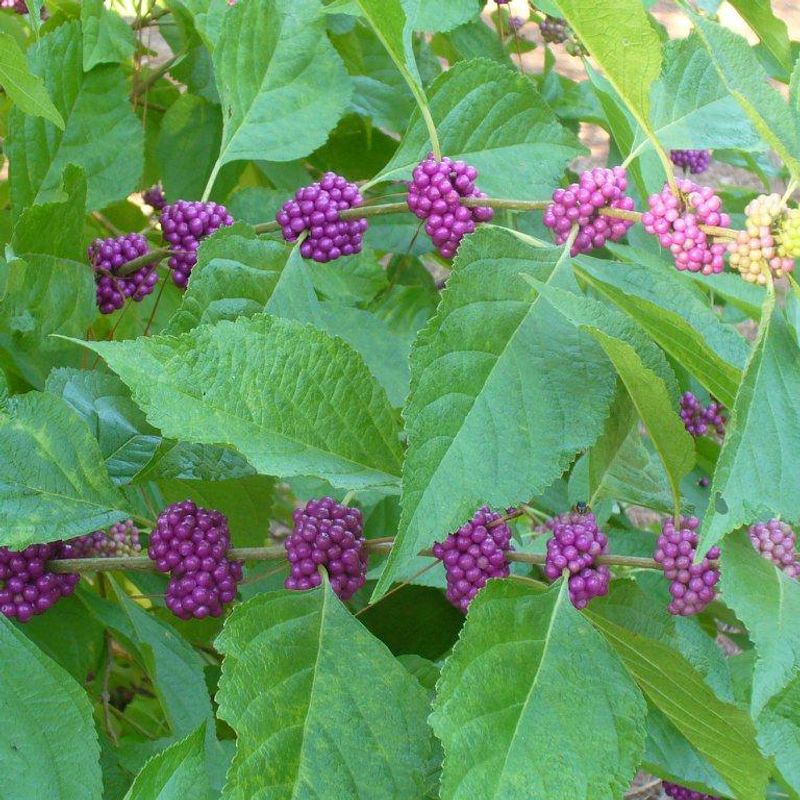
American beautyberry has become one of the most talked-about native shrubs in Florida gardening circles, and for good reason.
This Florida native produces clusters of vivid magenta-purple berries in late summer and fall that are genuinely eye-catching and highly attractive to birds.
Beautyberry is widely valued as a wildlife plant, and it can grow in full sun to partial shade, though fruiting is often best with more sun. That makes it useful in some bright, lightly shaded spots where roses may struggle.
Beautyberry grows as a loose, arching shrub that can reach six to eight feet tall in good conditions, so it works better as a background or specimen plant than as a tidy border shrub.
It is not a direct swap for a rose in a formal bed, but in a naturalistic planting or a wildlife-focused landscape, it brings seasonal drama that few plants can match.
Birds feast on the berries through fall and into winter, giving the garden life and movement even after the flowers are gone.
Pink muhly grass is a different kind of beauty entirely. This ornamental grass produces billowing clouds of pink-purple flower plumes in fall that catch light in a way that stops people in their tracks.
It performs best in full sun with well-drained soil and is a good fit for coastal and inland Florida landscapes with sandy soil.
Muhly grass is not a shrub replacement, but as a textural accent alongside flowering plants or native shrubs, it earns its place in almost any sunny Florida yard.