8 Best Plants Pennsylvania Gardeners Can Grow Instead Of Lavender
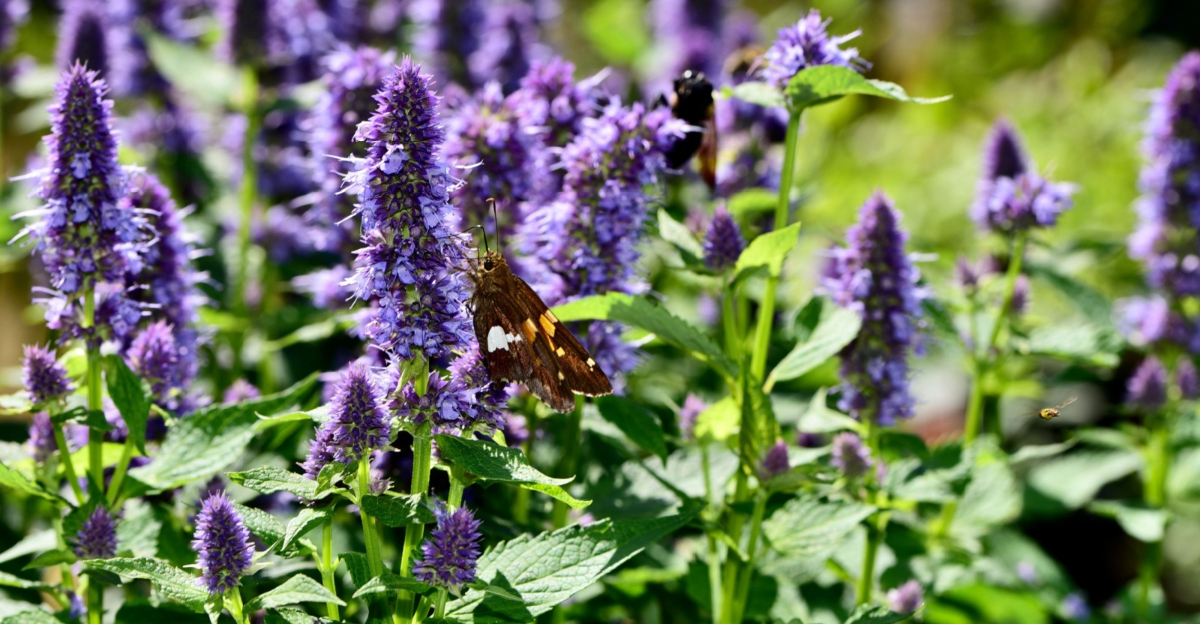
Lavender really knows how to make gardeners dream a little. Those soft purple blooms, that silvery foliage, that lovely fragrance floating through the air, it is the whole package.
Pennsylvania gardeners fall for it all the time, and honestly, who can blame them? It looks like the kind of plant that should make every sunny border feel a little more charming.
Then Pennsylvania steps in with its heavier soils, sticky summer humidity, and winters that like to keep everyone guessing. Suddenly that dreamy lavender plan starts looking a bit more complicated.
Thankfully, there are other plants that can bring a similar feel without asking quite so much in return. Some offer fragrance, some bring that same soft color palette, and some turn a sunny bed into a full-on pollinator hangout.
Not a bad backup plan, really.
1. Russian Sage Brings Soft Color And Silvery Texture
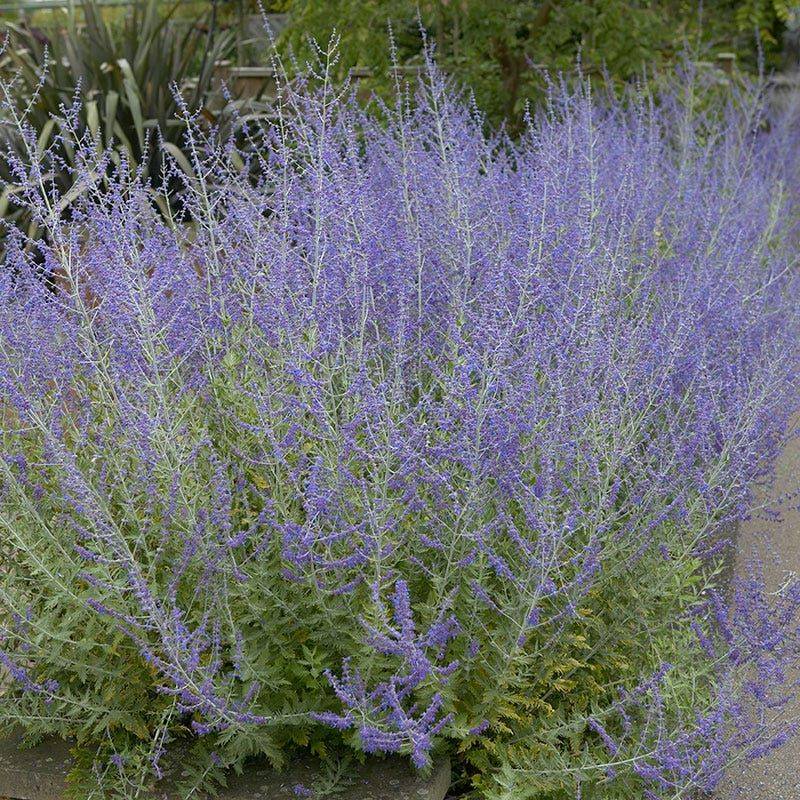
Few plants in a sunny Pennsylvania garden border come closer to capturing the airy, silvery mood of lavender than Russian sage.
The long, wispy stems covered in soft blue-violet flowers create a hazy cloud of color that works beautifully against brick walls, stone pathways, or ornamental grasses.
It blooms from midsummer well into fall, giving Pennsylvania gardeners a long season of interest when many other plants are starting to fade.
Russian sage thrives in well-drained soil and full sun, which makes it a strong fit for raised beds, slopes, or any spot in the landscape where water does not tend to pool.
It handles dry spells with ease once established, and Pennsylvania’s summer heat does not seem to bother it much at all.
The aromatic foliage adds a subtle fragrance when brushed, similar in spirit to lavender though not identical in scent.
In terms of hardiness, Russian sage generally performs well across most of Pennsylvania, though gardeners in colder regions may want to hold off on cutting it back until spring to give the stems some winter protection.
The silvery-white stems actually add quiet interest to the garden in winter.
Pairing it with ornamental grasses or black-eyed Susans creates a low-maintenance planting that feels relaxed, naturalistic, and genuinely suited to Pennsylvania growing conditions.
2. Catmint Adds Easy Color And Gentle Spread
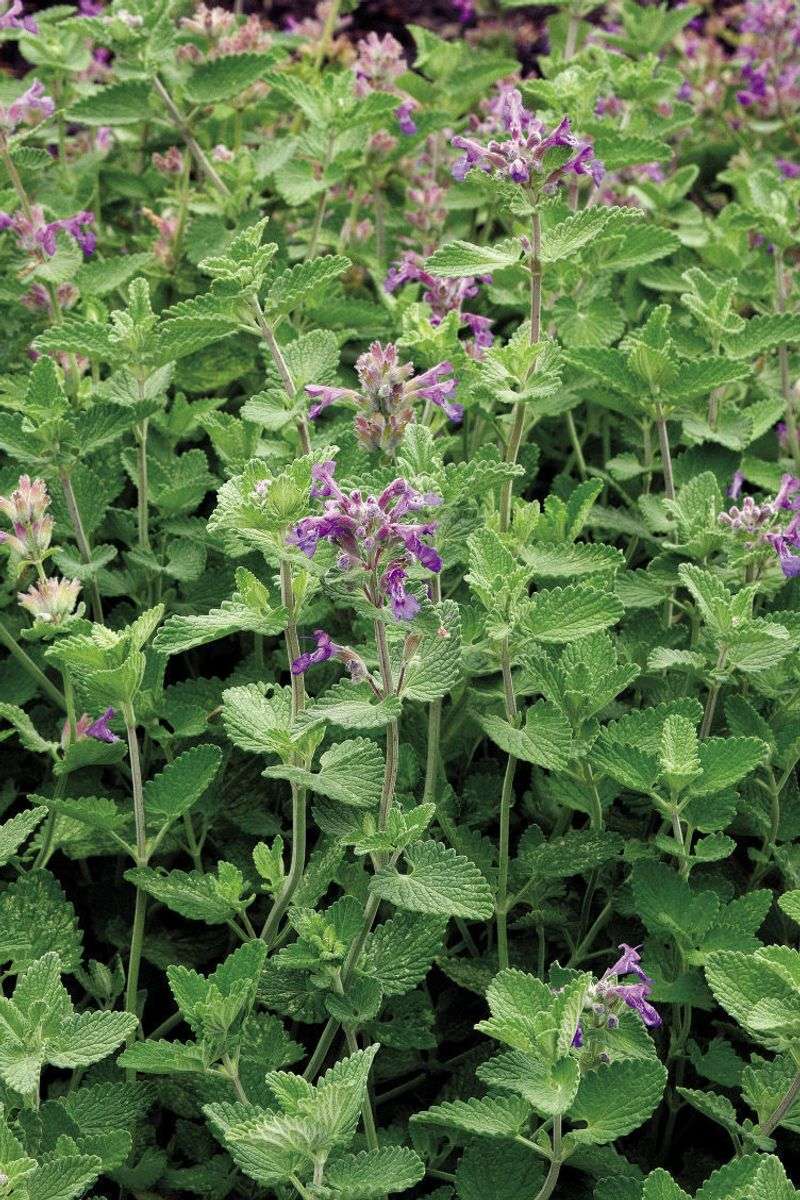
Gardeners who have spent a season wrestling with finicky plants will appreciate just how easygoing catmint truly is.
The soft lavender-blue flower spikes rise above mounding gray-green foliage in late spring and early summer, creating a look that feels remarkably close to lavender without requiring the same fussy drainage or soil conditions.
Catmint settles comfortably into Pennsylvania gardens with far less coaxing.
One of the most appealing things about catmint is how it handles being cut back. After the first flush of blooms fades, a light trim encourages a second round of flowering that can carry the garden through summer and into early fall.
This repeat bloom habit makes it especially useful for Pennsylvania gardeners who want continuous color along walkways, patio edges, or the front of a mixed perennial border.
Your Pennsylvania Garden Changes Every Week. Your Plan Should Too.
Gardening in Pennsylvania changes quickly throughout the season. Every Friday you’ll receive a simple weekly plan showing exactly what to plant, prune, fertilize, harvest, and protect so you never miss the right timing.
Catmint tolerates a range of soil types that would challenge lavender, including the heavier soils found in many parts of Pennsylvania. It prefers full sun but can manage with a bit of afternoon shade in warmer spots.
The foliage carries a light, minty fragrance that bees and other pollinators find genuinely attractive, so expect to see plenty of activity around it through the warmer months.
It spreads gently over time without becoming aggressive, making it a reliable and manageable choice for home gardeners across Pennsylvania who want low-effort, high-reward results.
3. Anise Hyssop Brings Fragrance And Pollinator Appeal
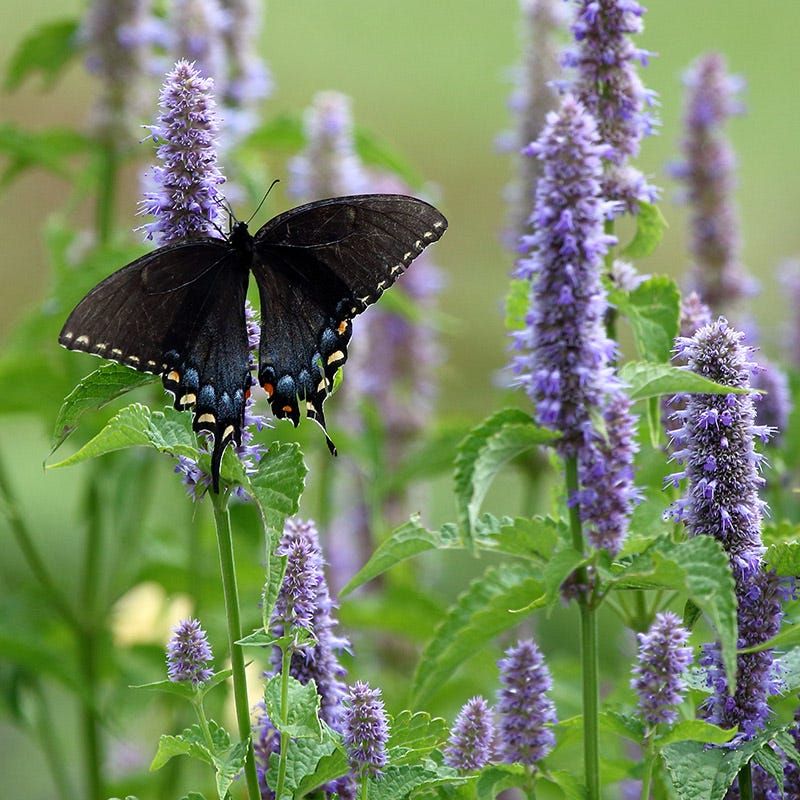
Walk past a patch of anise hyssop on a warm summer afternoon in Pennsylvania and the licorice-sweet fragrance will stop you in your tracks.
The upright purple flower spikes rise confidently above the aromatic foliage, attracting bees, butterflies, and hummingbirds in impressive numbers from midsummer through early fall.
For gardeners who love the pollinator energy that lavender brings to a garden, anise hyssop delivers that same buzzing vitality in a plant that genuinely thrives in Pennsylvania conditions.
Unlike lavender, anise hyssop is comfortable in a wider range of soil types and does not demand the sharp drainage that often trips up Pennsylvania gardeners working with clay-heavy ground.
It prefers full sun and responds well to average garden soils, making it an accessible choice for home landscapes across the state.
The plants tend to self-sow lightly, so a small planting can gradually fill in over time without any extra effort.
The fragrance profile of anise hyssop differs from lavender, leaning more toward anise and mint than the floral sweetness most people associate with lavender. That said, the aromatic foliage and soft purple blooms create a similar sensory experience in the garden.
Harvested stems dry reasonably well and can be used in arrangements or sachets. For Pennsylvania gardeners who want fragrance, color, and wildlife value all from one reliable plant, anise hyssop is a genuinely rewarding choice.
4. Mountain Mint Adds Aroma And Native Garden Energy
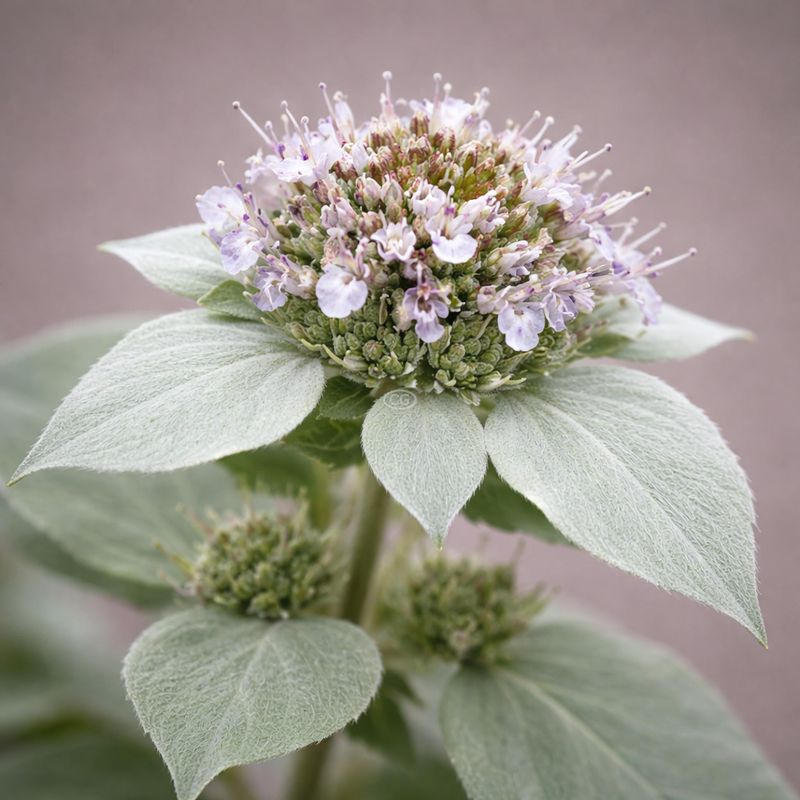
Native to eastern North America, mountain mint brings something to a Pennsylvania garden that no imported plant quite matches – a deep sense of belonging.
The silvery flower clusters may look modest at first glance, but on a sunny afternoon they become landing pads for an astonishing variety of native bees, wasps, and butterflies.
Gardeners who want to support Pennsylvania’s native pollinators while also adding fragrant, textured foliage to their landscapes will find mountain mint hard to beat.
The leaves carry a strong, clean mint-like fragrance that intensifies when touched or brushed.
This aromatic quality gives mountain mint some of the same sensory character that draws gardeners to lavender, even though the two plants are quite different in appearance.
Mountain mint tends to spread over time through rhizomes, so it works well in naturalistic plantings, rain gardens, or larger borders where it has room to move without crowding out smaller neighbors.
Growing conditions across Pennsylvania suit mountain mint well. It tolerates heavier soils and even occasional moisture better than lavender, which makes it a practical choice for spots that might otherwise be tricky.
Full sun brings out the best bloom and fragrance, though it can handle light shade reasonably well. The silvery bracts surrounding the flowers give the plant a soft, shimmery look through late summer that adds quiet visual interest.
For a low-maintenance native alternative with genuine fragrance and wildlife value, mountain mint earns its place in Pennsylvania home gardens.
5. Bee Balm Brings Bright Blooms And Strong Scent
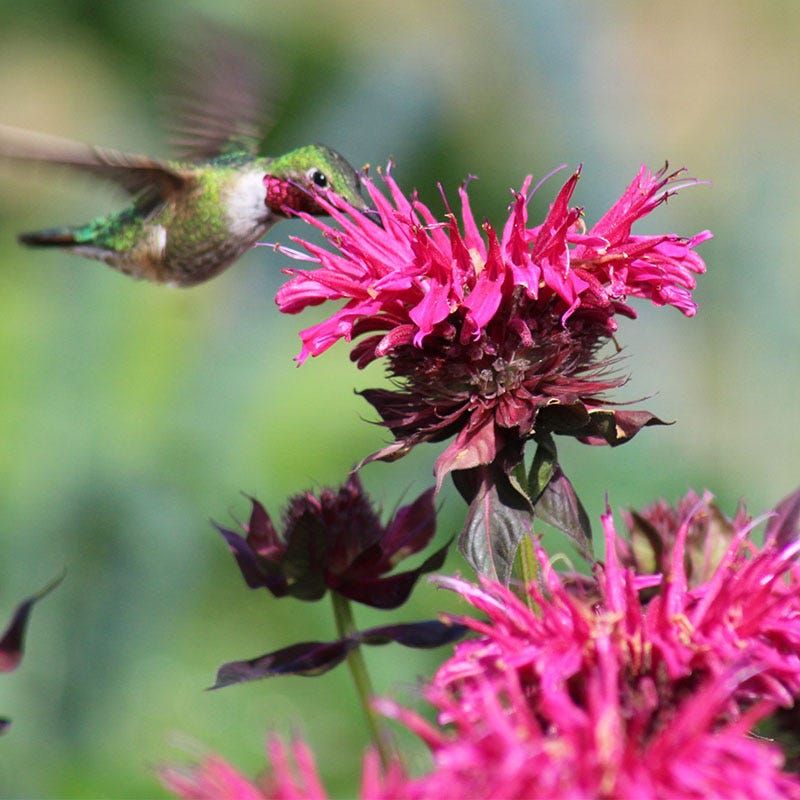
There is something almost theatrical about bee balm in full bloom.
The shaggy, crown-like flower heads in shades of red, pink, purple, and lavender rise on tall stems through midsummer, creating bold splashes of color that make neighboring plants look quietly jealous.
For Pennsylvania gardeners who want to replace the soft color and fragrance of lavender with something a little more dramatic, bee balm offers a lively and rewarding alternative.
Bee balm is a native plant with a strong aromatic quality – the leaves smell faintly of oregano and citrus when crushed, which gives the garden a pleasant herbal character.
Hummingbirds are especially drawn to the tubular flowers, and bees of many kinds work the blooms steadily through the season.
This pollinator appeal is one of the qualities that connects bee balm most closely to lavender in terms of garden function.
Pennsylvania conditions generally suit bee balm well, though powdery mildew can be a concern in humid summers or spots with poor air circulation.
Choosing mildew-resistant varieties and planting in full sun with good spacing helps manage this issue without much fuss.
Bee balm prefers average to moist soils and handles Pennsylvania’s heavier clay ground better than lavender, making it a more forgiving option for many home gardeners.
Cutting the plants back after the first bloom flush can encourage reblooming and keep the planting looking tidy through the rest of the season.
6. Salvia Adds Upright Color Through Summer
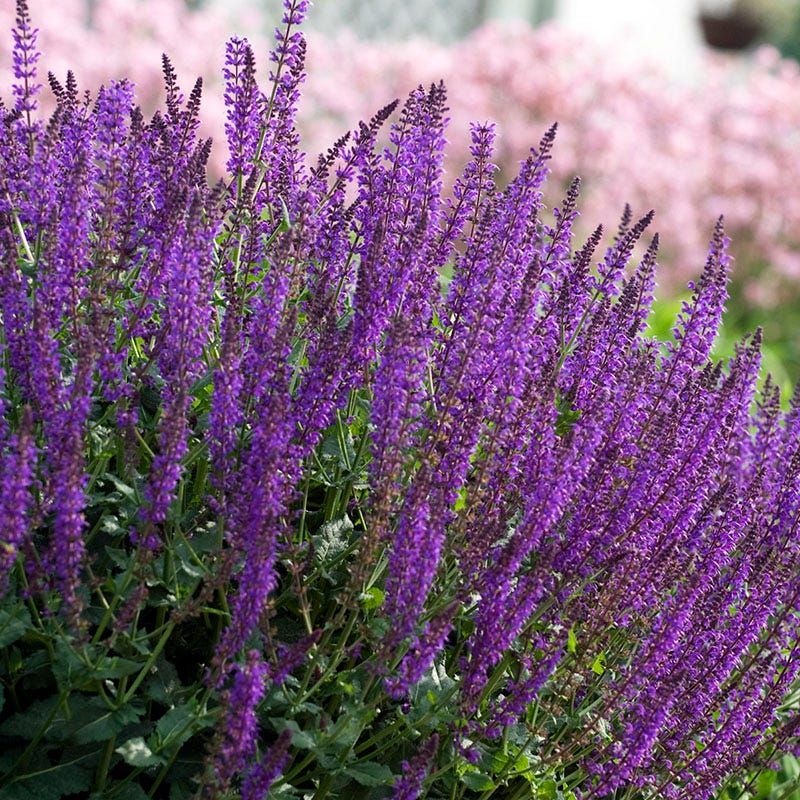
Perennial salvia is one of those plants that earns its keep quietly and consistently, blooming from late spring through much of summer without demanding much attention in return.
The upright spikes of deep blue, violet, or purple flowers stand above neat mounds of gray-green foliage, creating a look that shares lavender’s sense of vertical softness and cool color without requiring the same exacting soil conditions.
Several perennial salvia varieties perform reliably across Pennsylvania, particularly in spots with full sun and reasonably well-drained soil.
The foliage carries a faint herbal fragrance that adds to the sensory experience of walking through a garden planted with it, and pollinators respond enthusiastically to the flowers throughout the bloom season.
Deadheading spent spikes encourages continued flowering and keeps the plants looking fresh well into late summer.
One practical advantage salvia holds over lavender in Pennsylvania gardens is its general adaptability to a broader range of soil types. While it still prefers good drainage, it tends to tolerate conditions that would leave lavender struggling.
Hardiness can vary depending on the specific variety, so checking the plant’s cold tolerance before purchasing is a reasonable step for Pennsylvania gardeners in colder regions of the state.
Salvia pairs naturally with ornamental grasses, coneflowers, and black-eyed Susans to create a sunny, low-maintenance planting that carries color and fragrance through the warmest months of the Pennsylvania gardening season.
7. Agastache Brings Long Bloom And Light Fragrance
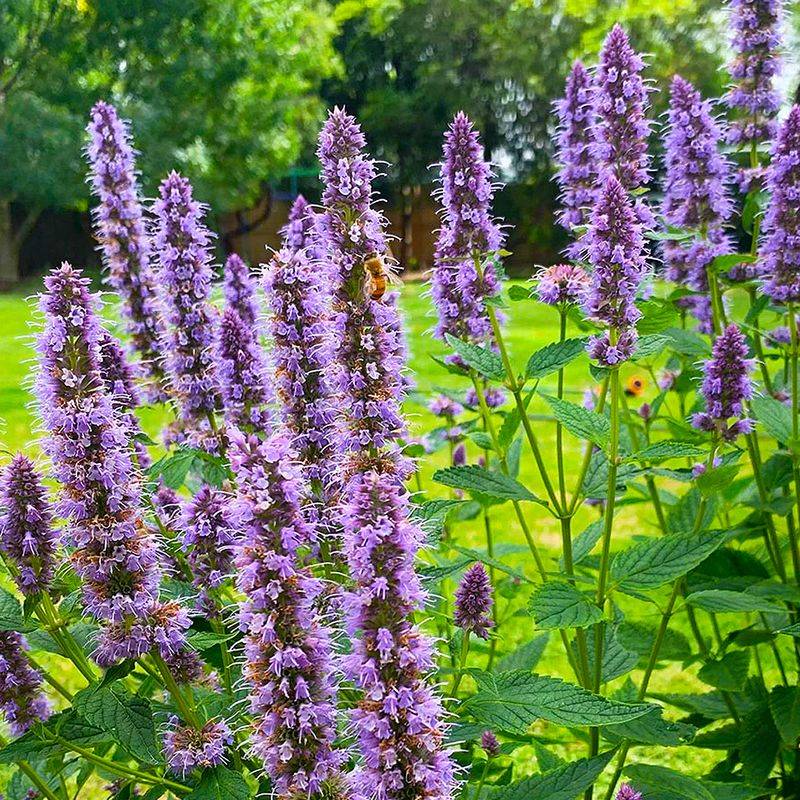
Late summer is when many Pennsylvania gardens start to look a little tired, but agastache keeps going strong when other plants have already peaked.
The tall, slender flower spikes in shades of orange, purple, pink, or blue continue producing blooms from midsummer well into fall, giving the garden a welcome burst of color and activity during a season that can otherwise feel like a slow wind-down.
Agastache carries aromatic foliage with a fragrance that varies by species and cultivar, ranging from anise-like to minty to lightly floral.
This fragrant quality connects it to lavender in spirit, even though the two plants have quite different visual characters.
Pollinators, especially hummingbirds and native bees, find agastache irresistible, and a well-established planting can become one of the most active spots in a Pennsylvania garden through late summer and early fall.
Drainage matters for agastache, as it does for lavender, so raised beds, slopes, or amended garden soil tends to support better long-term performance in Pennsylvania’s heavier soils. Full sun brings out the best bloom production and fragrance.
Some agastache varieties are fully winter-hardy across Pennsylvania, while others may behave more like short-lived perennials or annuals depending on the local conditions.
Starting with varieties selected for cold tolerance gives Pennsylvania gardeners a better chance of enjoying these plants as reliable returning performers rather than one-season wonders.
8. Ornamental Oregano Adds Soft Color And Texture
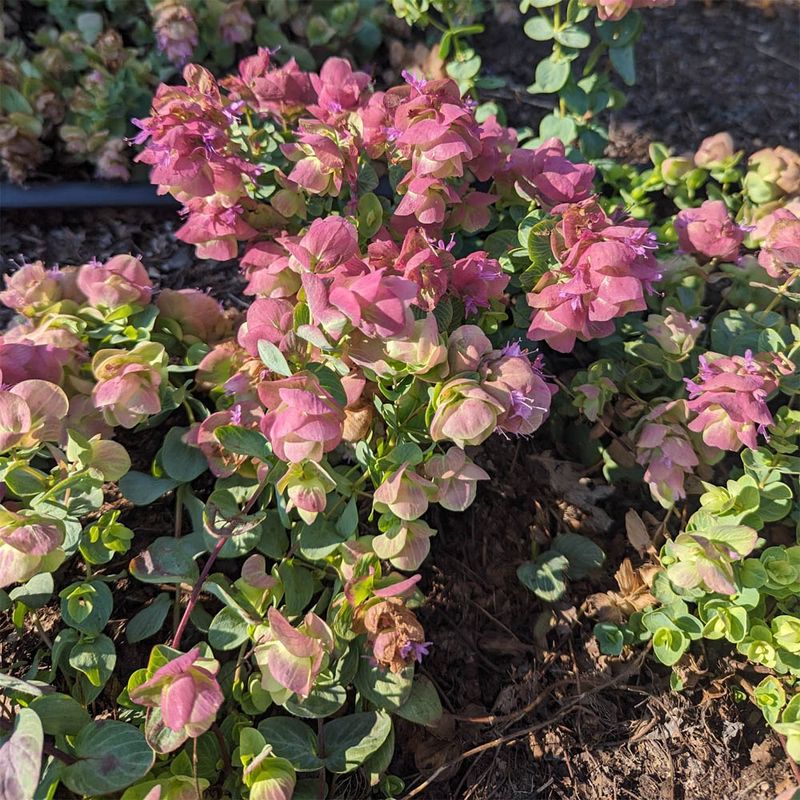
Ornamental oregano does not always get the attention it deserves, but gardeners who have grown it tend to become quietly devoted to it.
The cascading stems carry layered, hop-like bracts in soft shades of rose, pink, and purple that age gracefully through the season, shifting color as they mature and creating a textured, romantic effect that feels reminiscent of lavender’s soft tonal character without mimicking it directly.
The aromatic foliage is a genuine highlight. Brushing against the leaves releases a warm herbal fragrance that brings an unmistakable sensory quality to sunny garden spots, patios, or stone walls where the plant likes to spill and trail.
Bees are reliably drawn to the small flowers tucked within the bracts, adding pollinator interest throughout the bloom season.
The trailing habit makes ornamental oregano especially appealing for containers, raised beds, or garden walls where it can drape naturally over an edge.
In Pennsylvania gardens, ornamental oregano performs best in full sun with sharp drainage and lean soil. Rich, moist soil tends to produce lush foliage at the expense of the compact, floriferous habit that makes the plant so attractive.
Winter hardiness can vary by cultivar, so checking cold tolerance before planting is a sensible step for Pennsylvania gardeners, particularly those in colder parts of the state.
When sited well, ornamental oregano rewards with months of soft color, fragrance, and texture that bring a Mediterranean-inspired mood to any Pennsylvania sunny garden spot.