Why North Carolina Gardeners Are Wrapping Their Cucumber Stems In Aluminum Foil
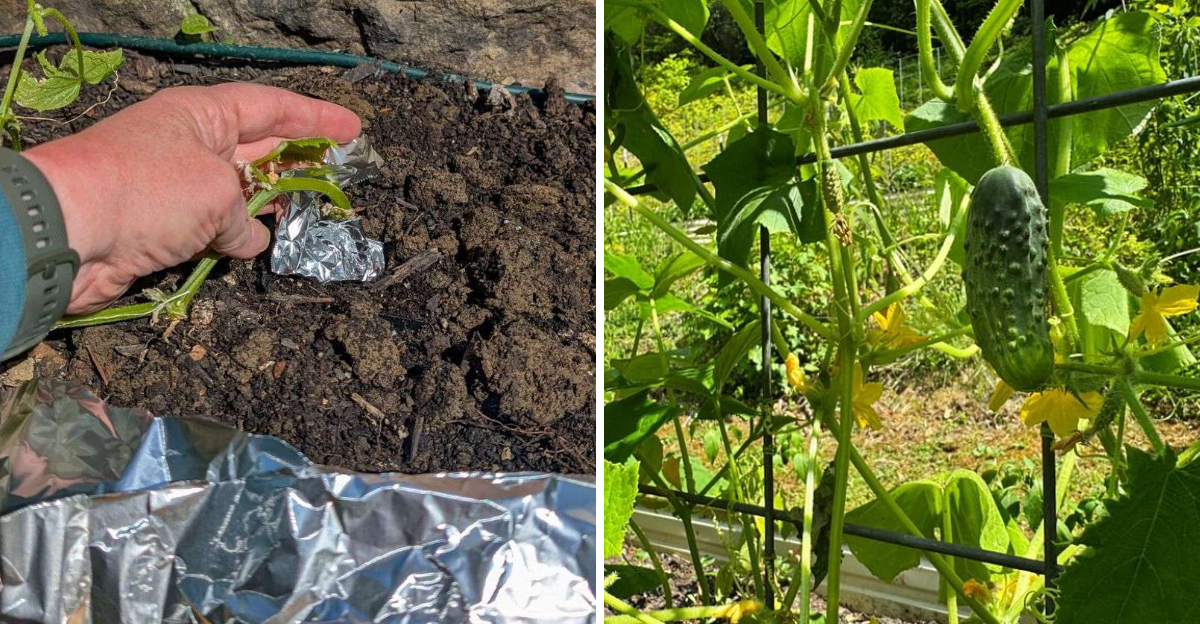
Wrapping cucumber stems in aluminum foil sounds like the kind of advice that belongs in a questionable gardening thread, but North Carolina growers who have tried it tend to become quick converts once they see the results.
The practice has been spreading through vegetable gardening communities for good reason, and the logic behind it is more straightforward than the method suggests.
Cucumber beetles are one of the most damaging pests in North Carolina gardens, and they target stems at the soil level where they cause the kind of early season damage that ends a plant’s productivity before it ever really begins.
Foil creates a physical and visual deterrent that these beetles reliably avoid, and it costs almost nothing to apply.
For a state where cucumber beetle pressure is significant and the growing season is warm enough to keep pest populations active for months, this simple technique addresses a real problem with a solution that takes less than five minutes per plant to put in place.
1. It Helps Protect Against Squash Vine Borer Damage Near The Stem Base
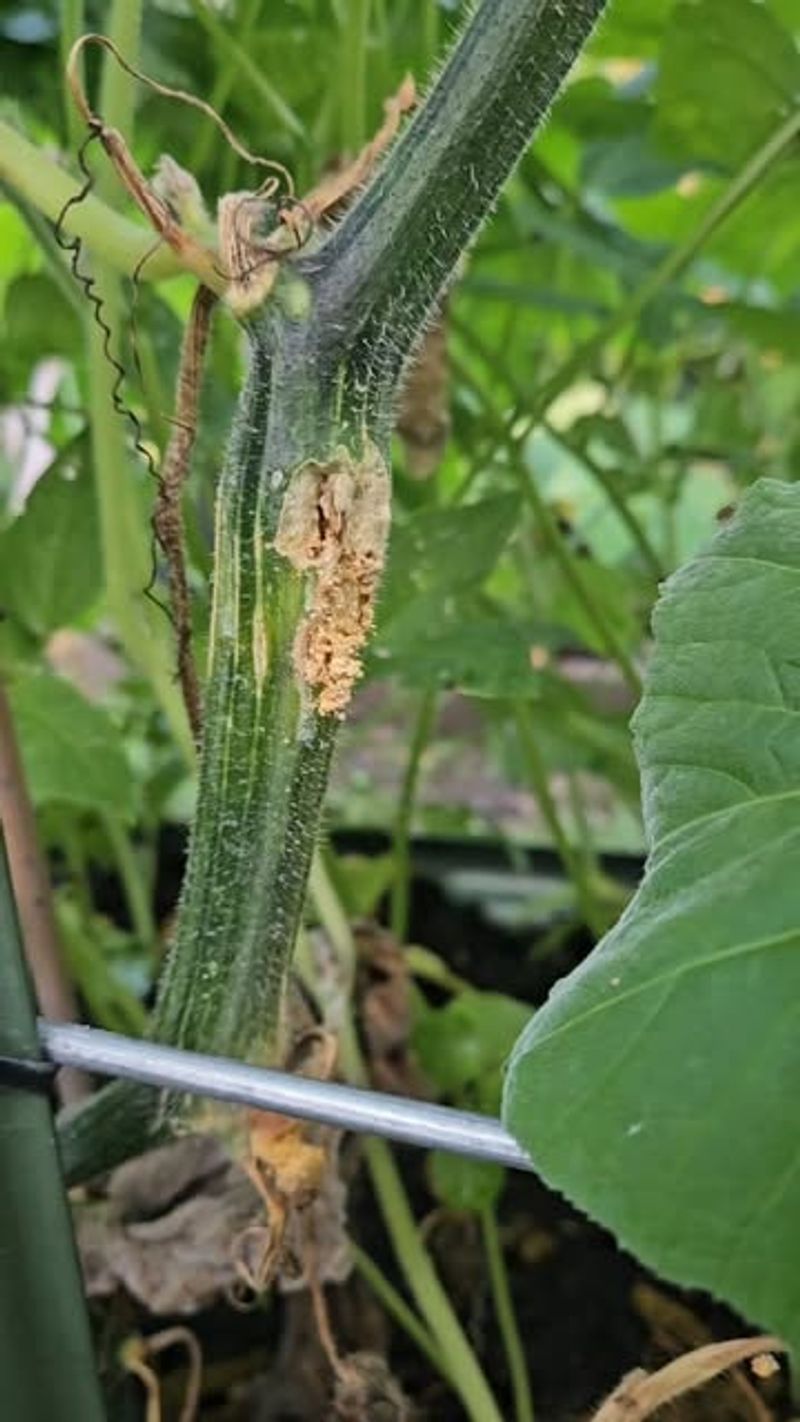
Picture this: you walk out to your garden one morning and notice your cucumber plants looking sad and wilted near the soil line.
Squash vine borers are sneaky little insects that love to target the base of cucurbit plants, boring right into the stem where you can barely see them.
While cucumbers are less commonly attacked than squash or zucchini, gardeners in North Carolina have found that the risk is real enough to take seriously.
Aluminum foil wrapped around the lower stem creates a physical shield that confuses and deters these pests before they can cause serious harm. The shiny surface reflects light and makes it harder for insects to locate the stem and lay their eggs directly on it.
Many North Carolina gardeners have reported noticeably healthier stem bases after adding this simple layer of protection during peak pest season.
The key is to wrap only the bottom few inches of the stem, keeping the foil loose enough so the plant can still breathe and grow naturally. Starting this method early in the season, before pests become active, gives your plants the best possible advantage.
It costs almost nothing and takes only a few minutes per plant, making it one of the easiest protective steps you can add to your gardening routine this summer.
2. It Creates A Physical Barrier Around Tender Cucumber Stems
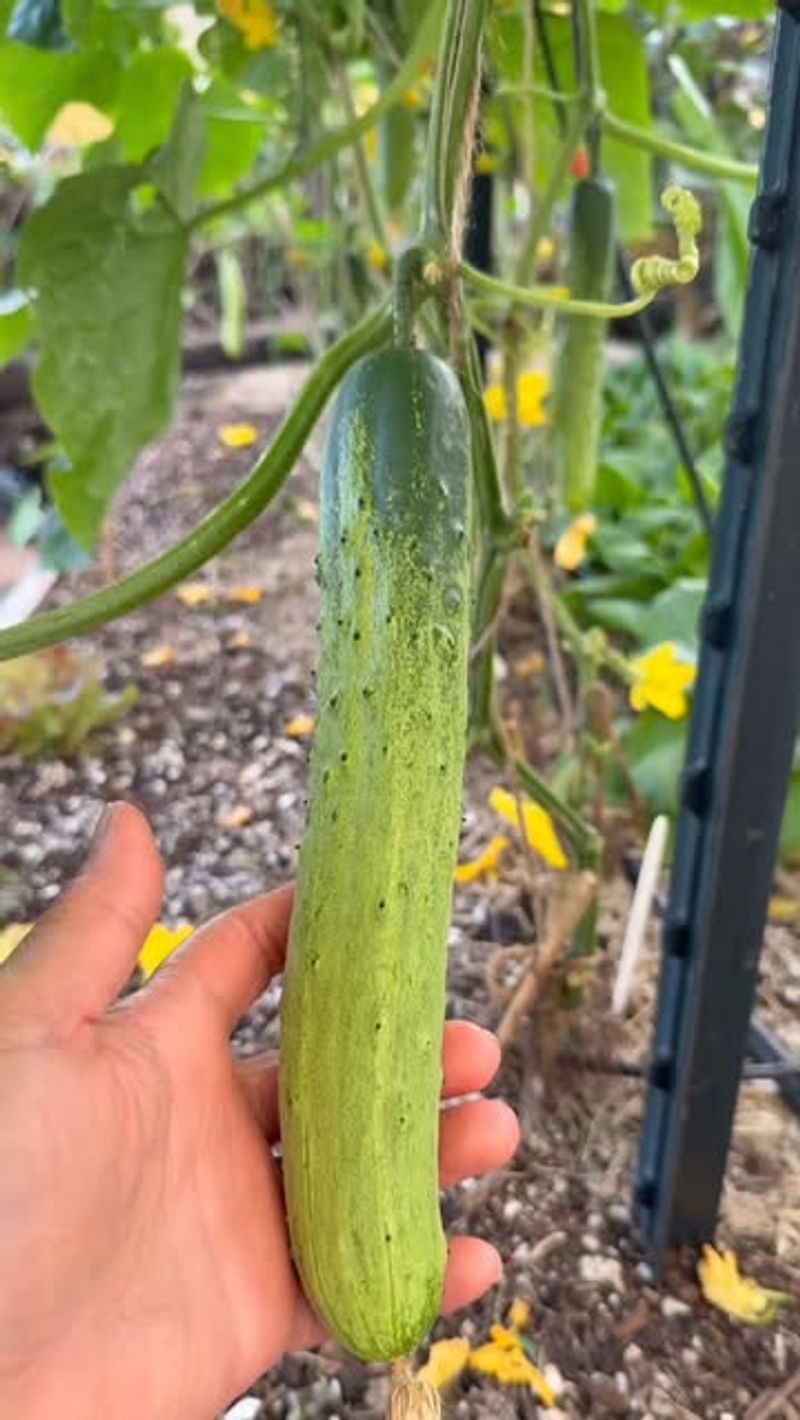
Cucumber stems are surprisingly tender, especially during those first few weeks after transplanting into the garden.
Young stems are soft, thin, and packed with the nutrients and water the whole plant depends on, which makes them a prime target for insects looking for an easy meal.
Wrapping them in aluminum foil acts like a suit of armor, putting a physical layer between the stem and anything trying to get through.
Certain insects, including some beetles and caterpillars, find it much harder to grip or chew through foil compared to bare plant tissue.
The reflective surface also throws off insects that navigate by light patterns, making it genuinely harder for them to land and settle on the stem.
Your North Carolina Garden Changes Every Week. Your Plan Should Too.
Gardening in North Carolina changes quickly throughout the season. Every Friday you’ll receive a simple weekly plan showing exactly what to plant, prune, fertilize, harvest, and protect so you never miss the right timing.
Gardeners across North Carolina have noticed that this simple barrier can reduce the number of insects hanging around the base of their cucumber plants.
What makes this technique especially appealing is how beginner-friendly it is. You do not need any special tools, chemicals, or gardening experience to try it out.
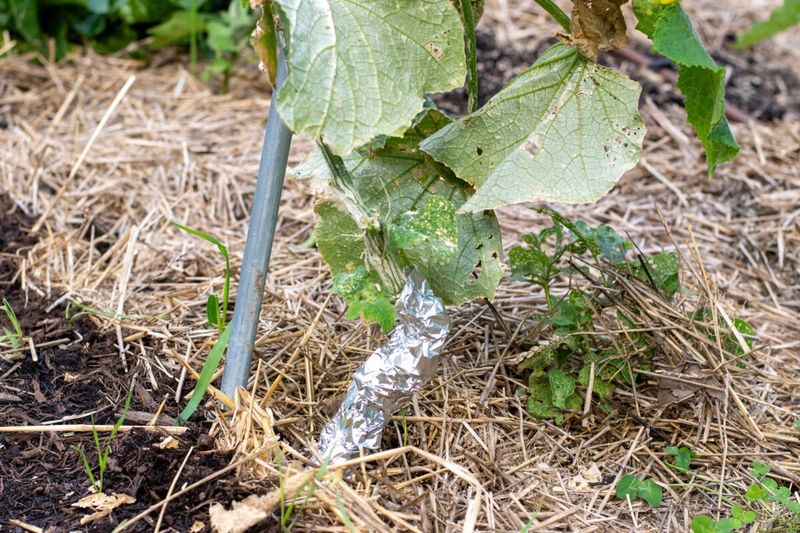
Just tear off a small strip of standard kitchen aluminum foil, wrap it gently around the lower stem without squeezing too tightly, and you are done.
For North Carolina gardeners who want to avoid harsh pesticides in their vegetable beds, this natural physical barrier offers a satisfying and straightforward alternative worth trying this growing season.
3. North Carolina Heat And Humidity Increase Pest Pressure On Cucumber Plants
Anyone who has gardened in North Carolina knows the summer heat is no joke. Temperatures regularly climb into the upper 80s and 90s, and the humidity can feel like you are breathing through a warm, wet towel.
While that kind of weather is great for growing cucumbers fast, it also creates the perfect conditions for pests and plant diseases to spread quickly through your garden beds.
Warm temperatures allow insects like cucumber beetles and vine borers to reproduce at a faster rate, meaning multiple generations can cycle through your garden in a single growing season.
That kind of pest pressure is hard to stay ahead of, especially for home gardeners who do not want to spray chemicals every few days.
Physical protection methods like aluminum foil wrapping have become more popular in North Carolina precisely because the climate makes pest management a constant challenge.
Experienced gardeners in the Piedmont and coastal regions of North Carolina have started combining foil wrapping with other low-effort strategies to stay ahead of seasonal pest waves.
Using foil does not replace good watering habits or proper plant spacing, but it adds one more layer of defense when conditions get tough.
Think of it as a small investment of time that can pay off with healthier plants and a bigger cucumber harvest when the heat is at its worst.
4. Aluminum Foil Does Not Prevent All Cucumber Problems On Its Own
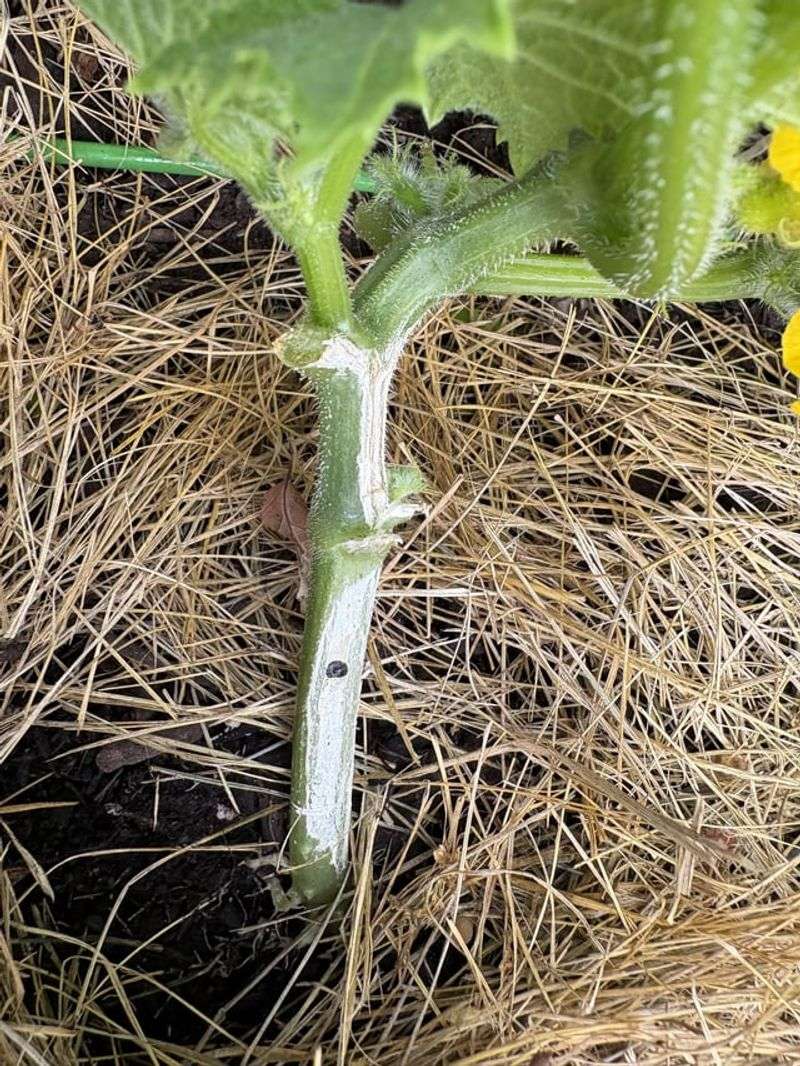
Here is something worth knowing before you wrap every plant in your garden: aluminum foil is a helpful tool, but it is definitely not a cure-all solution for cucumber problems.
Cucumber beetles, for example, are fast movers that fly in from surrounding areas and land on leaves, flowers, and fruit, not just the stem. Foil at the base will not stop them from causing damage higher up on the plant.
Fungal diseases like powdery mildew and downy mildew spread through the air and thrive in North Carolina’s humid conditions, moving from leaf to leaf with no regard for what is happening at the stem base.
Bacterial wilt, which is actually spread by cucumber beetles through their feeding, can also work its way through a plant regardless of any foil wrapping around the lower stem.
Understanding these limitations helps you use foil as part of a smarter, more complete garden plan.
The smartest North Carolina gardeners treat aluminum foil as just one piece of a bigger puzzle. Combining it with row covers early in the season, yellow sticky traps for monitoring beetles, and regular plant check-ins gives you a much stronger defense overall.
No single trick will keep every problem away, but pairing foil with thoughtful garden management puts you in a much stronger position to grow healthy, productive cucumbers all summer long.
5. Loose Wrapping Matters More Than You Might Think
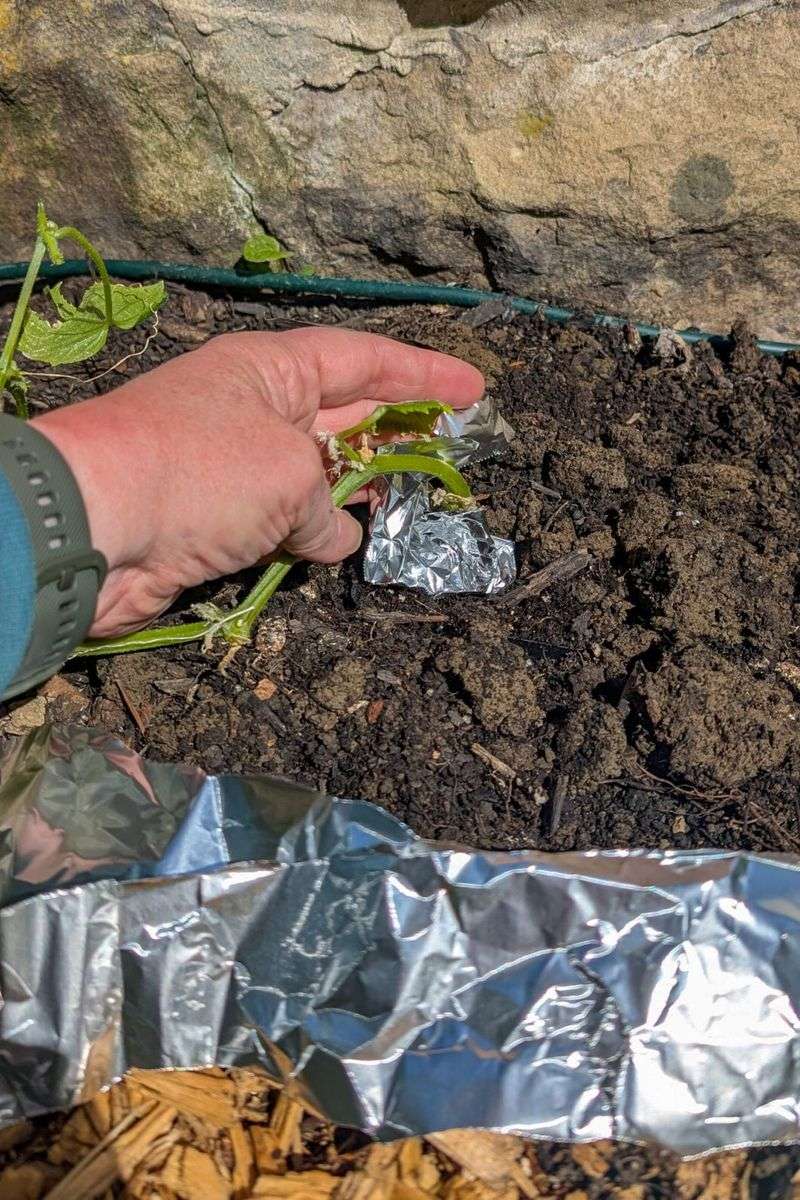
There is a right way and a wrong way to wrap a cucumber stem, and the difference can actually determine whether the foil helps or causes harm. Wrapping too tightly is one of the most common mistakes gardeners make when trying this technique for the first time.
A snug wrap might seem more protective, but it can actually trap moisture against the stem, which encourages fungal growth and can damage the plant tissue underneath.
Tight wrapping can also restrict the natural expansion of the stem as the plant grows through the season.
Cucumber stems thicken over time, and anything wrapped too firmly around them can start to act like a strangling force, cutting off the flow of water and nutrients moving up through the plant.
Gardeners in North Carolina have learned this lesson firsthand after noticing stunted or struggling plants that seemed fine at first.
The golden rule is to keep the foil loose, short, and temporary. Wrap only the bottom two to three inches of the stem, leaving enough space so you can easily slide a finger between the foil and the plant.
Check on the wrapping every week or two as the plant grows, and adjust or remove it if it starts to feel tight. Used correctly, loose foil wrapping is a genuinely useful addition to your North Carolina cucumber garden without creating new problems of its own.
6. Good Garden Management Matters Far More Than Foil Alone
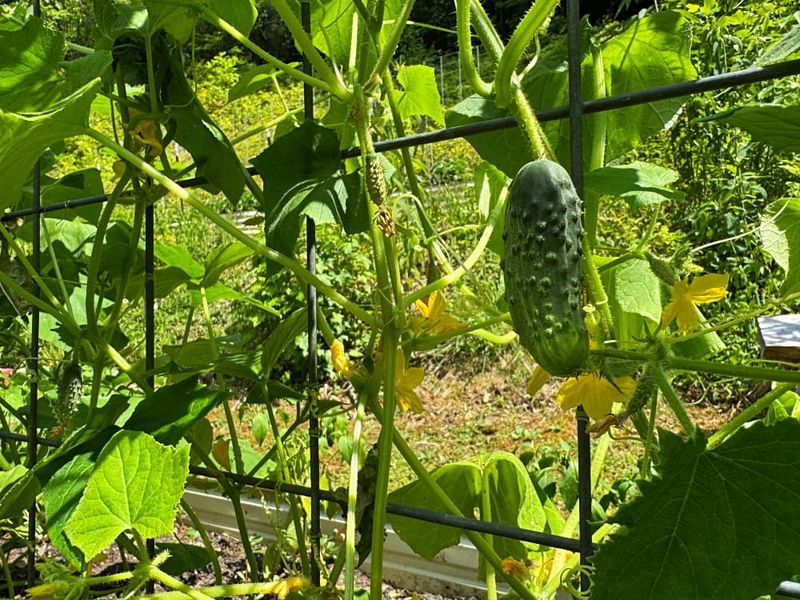
Aluminum foil gets a lot of attention as a garden hack, but the honest truth is that solid garden management practices will always do more for your cucumber plants than any single trick.
Crop rotation is one of the most powerful tools available to North Carolina gardeners, helping break pest and disease cycles that build up in the soil from one year to the next.
Moving your cucumber bed to a different spot each season can dramatically reduce how many problems you face right from the start.
Proper plant spacing and trellising improve airflow around the leaves and stems, which is especially important in North Carolina’s humid summers where fungal diseases spread fast in crowded, poorly ventilated garden beds.
Monitoring for cucumber beetles early and often, and removing them by hand when populations are small, can prevent the kind of damage that no amount of foil wrapping would ever address on its own.
These foundational habits build a garden that is naturally more resistant to problems.
Foil wrapping works best as a complement to these bigger strategies, not a replacement for them. Think of it as an extra layer of effort on top of an already strong foundation.
When North Carolina gardeners combine smart crop management with thoughtful physical protection methods, the results speak for themselves: healthier vines, stronger stems, and a cucumber harvest that makes all the effort completely worth it.