These 8 Arizona Perennials Keep Containers Colorful Every Year
Container gardens in Arizona can lose color fast once intense heat settles in for the season. Flowers fade out, foliage starts looking tired, and many pots stop looking attractive long before summer reaches its hottest stretch.
Constant replanting also becomes expensive and frustrating after a while.
Perennials that return each year can completely change that experience. Strong plants with long lasting color help containers stay vibrant without starting over every spring.
Many also handle Arizona sun far better than people expect once they become established.
Good container choices can make patios, entryways, and small outdoor spaces feel lively for much longer through the year.
Arizona gardeners often end up relying on dependable perennials because they bring color back season after season without needing constant replacement.
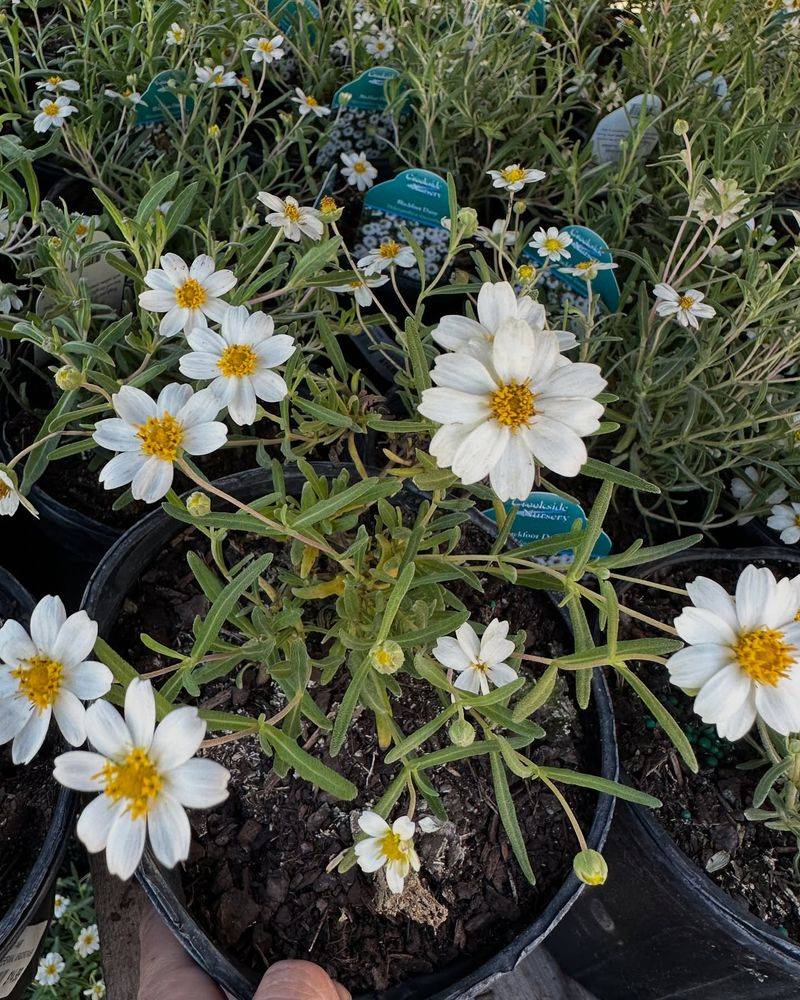
1. Blackfoot Daisy Keeps Blooming Through Long Dry Periods
Forget everything you know about needy flowers. Blackfoot Daisy thrives on neglect in a way that almost seems unfair to the plants around it.
Native to the Southwest, this compact wildflower pushes out cheerful white blooms with golden centers from early spring all the way into fall, even when rainfall is practically nonexistent.
In Arizona, where summer heat can feel relentless, Blackfoot Daisy barely flinches. It handles full sun without wilting and actually performs worse when overwatered, so less attention often means better results.
A well-draining container mix is all it really needs to stay healthy and productive.
Keep pot size moderate since this plant prefers slightly tight quarters. Avoid heavy clay soils and skip the fertilizer unless growth looks unusually slow.
Deadheading spent blooms encourages fresh flowers, though many gardeners in the Phoenix area find it self-cleans well enough on its own. Plants may slow down in the peak of a brutal July, but they tend to bounce back quickly once temperatures drop slightly in late summer.
Compact growth also makes it easy to combine with other low-water perennials in a shared container arrangement.
Cooler desert nights in early fall usually trigger another strong flush of blooms, giving Arizona containers fresh color long after many summer flowers start fading out.
2. Autumn Sage Produces Bright Flowers Across Multiple Seasons
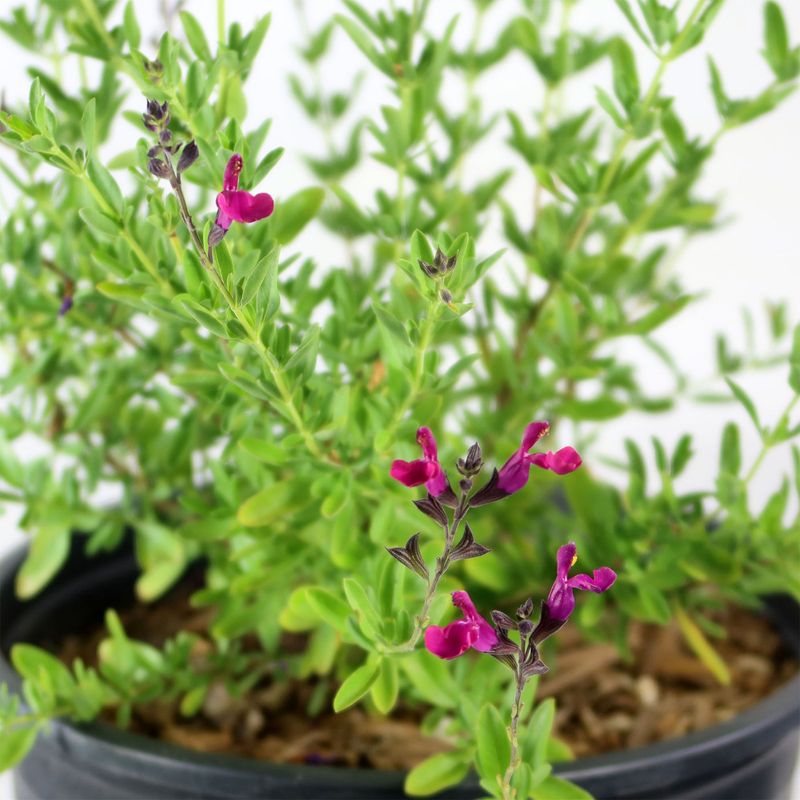
Walk past a container of Autumn Sage in full bloom and it is almost impossible not to stop. Bright red, coral, or pink tubular flowers cover this plant from spring through fall, and in mild Arizona winters, it barely stops at all.
Hummingbirds absolutely love it, which adds another layer of life and movement to any outdoor space.
Salvia greggii, which is the botanical name, is deeply comfortable in Arizona conditions. Full sun suits it perfectly, and once established in a container, it handles dry spells without much drama.
The key is using a fast-draining potting mix and making sure the container has solid drainage holes, since standing water causes root rot faster than heat ever would.
Cutting stems back by about a third after each big bloom cycle keeps the plant tidy and encourages fresh growth. In Tucson and Phoenix, where winters stay relatively mild, Autumn Sage often continues showing color well into December.
Your Arizona Garden Changes Every Week. Your Plan Should Too.
Gardening in Arizona changes quickly throughout the season. Every Friday you’ll receive a simple weekly plan showing exactly what to plant, prune, fertilize, harvest, and protect so you never miss the right timing.
Pot size matters here since a container that is too small restricts root growth and limits flowering. Aim for at least a 12-inch wide container to give roots enough room.
This plant earns its place in any Arizona container garden through sheer reliability and nonstop visual interest across a very long growing season.
Even through intense Arizona heat, mature Autumn Sage usually stays greener and fuller than many flowering container plants that begin looking stressed by midsummer.
3. Red Yucca Handles Intense Heat In Large Containers
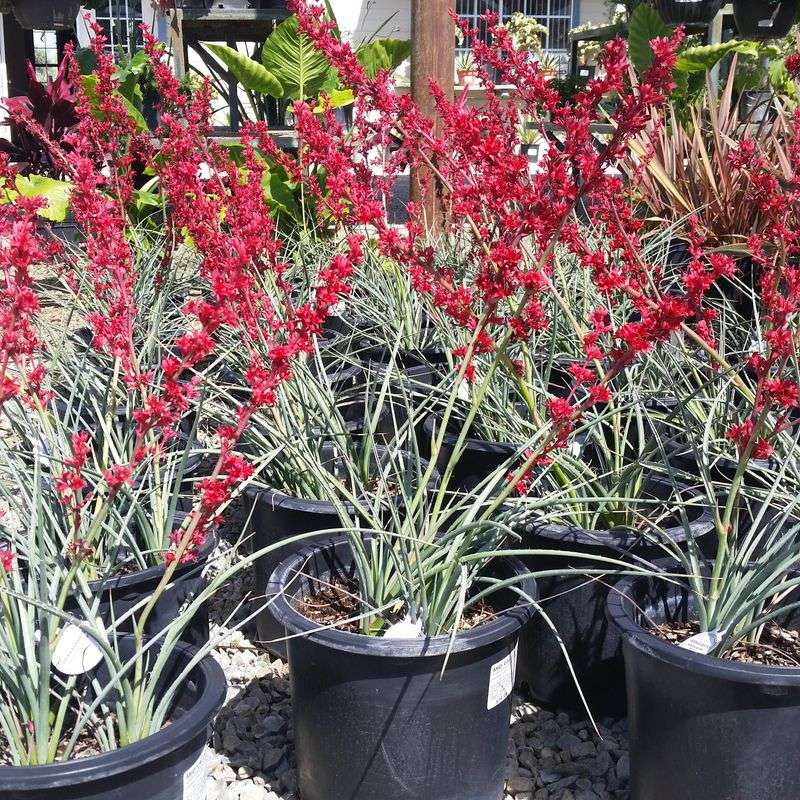
Some plants look good. Red Yucca looks architectural.
Tall coral-pink flower spikes shoot up from a fountain of grass-like leaves, creating a dramatic focal point that works beautifully in large containers on Arizona patios and entryways. Despite its bold appearance, this plant is surprisingly low maintenance.
Hesperaloe parviflora is not a true yucca, but it shares that same desert toughness. It tolerates Arizona summers without complaint, handles reflected heat from concrete or stucco walls, and keeps flowering from late spring through summer.
Hummingbirds frequently visit the blooms, which adds real wildlife value to your container garden.
Large containers work best since the root system needs room to spread. Use a gritty, well-draining mix and water deeply but infrequently once the plant is established.
Overwatering is the main issue gardeners in Scottsdale and Tempe tend to run into, so let the soil dry out between waterings. Fertilizer is rarely necessary and can actually push soft growth that does not perform as well in extreme heat.
Remove old flower stalks after blooming ends to keep the plant looking clean. Red Yucca is also a strong year-round container specimen even when not in bloom because the leaf texture alone provides visual structure that most flowering annuals simply cannot match.
In warmer parts of Arizona, mature Red Yucca often keeps its foliage looking attractive through winter, which helps containers avoid that empty dormant look many flowering plants develop.
4. Angelita Daisy Stays Compact And Colorful With Little Care
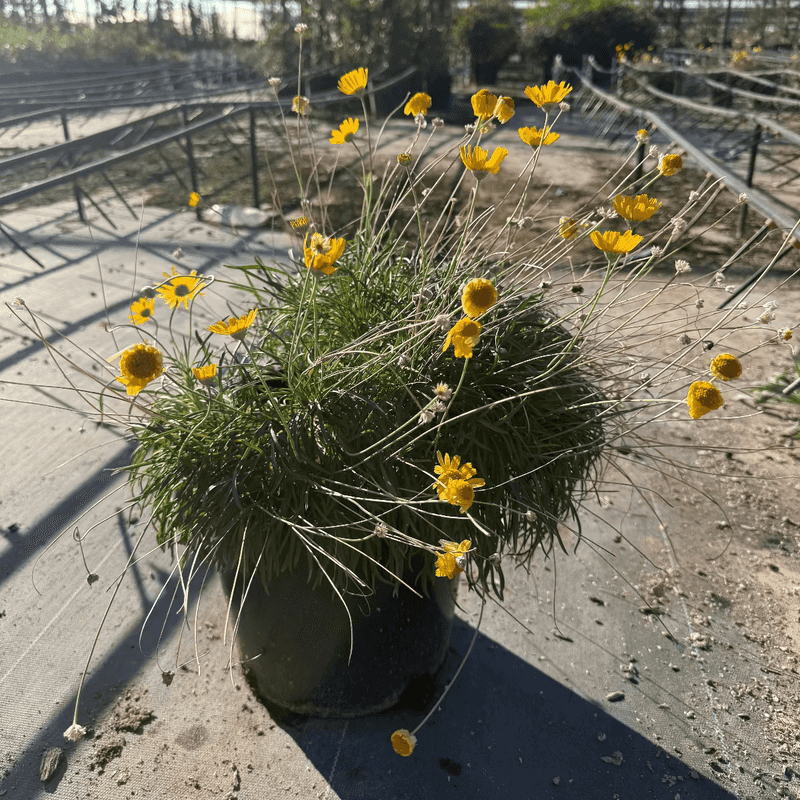
Bright yellow flowers on a plant that almost never asks for anything extra sounds too good to be true, but Angelita Daisy delivers exactly that. Native to the Chihuahuan Desert, it is built for the kind of heat and aridity that Arizona throws at plants month after month.
Tiny golden blooms cover the fine-textured mounding foliage through most of the year.
Container growing suits Angelita Daisy well because it stays compact, usually reaching only about 10 to 12 inches tall and wide. That size fits neatly on windowsills, porch steps, or grouped with other low-water plants in a mixed arrangement.
In Arizona, it often blooms almost continuously from late winter through early winter, pausing only briefly during the most intense summer heat.
Full sun is non-negotiable for strong flowering. Shade reduces bloom count significantly, so place containers where they receive at least six hours of direct sun daily.
A lean, well-draining potting mix works better than rich soil, which can cause floppy growth. Water regularly but allow the top inch of soil to dry before watering again.
Minimal fertilizing keeps growth tidy and encourages more blooms rather than excess foliage. Gardeners across the Tucson region particularly appreciate how reliably this plant performs in smaller pots without requiring repotting or heavy pruning to stay attractive through multiple growing seasons.
Light trimming every few months helps maintain the rounded shape and encourages another flush of bright flowers once blooming starts to slow down.
5. Gaura Keeps Flowering During Long Hot Weather Stretches
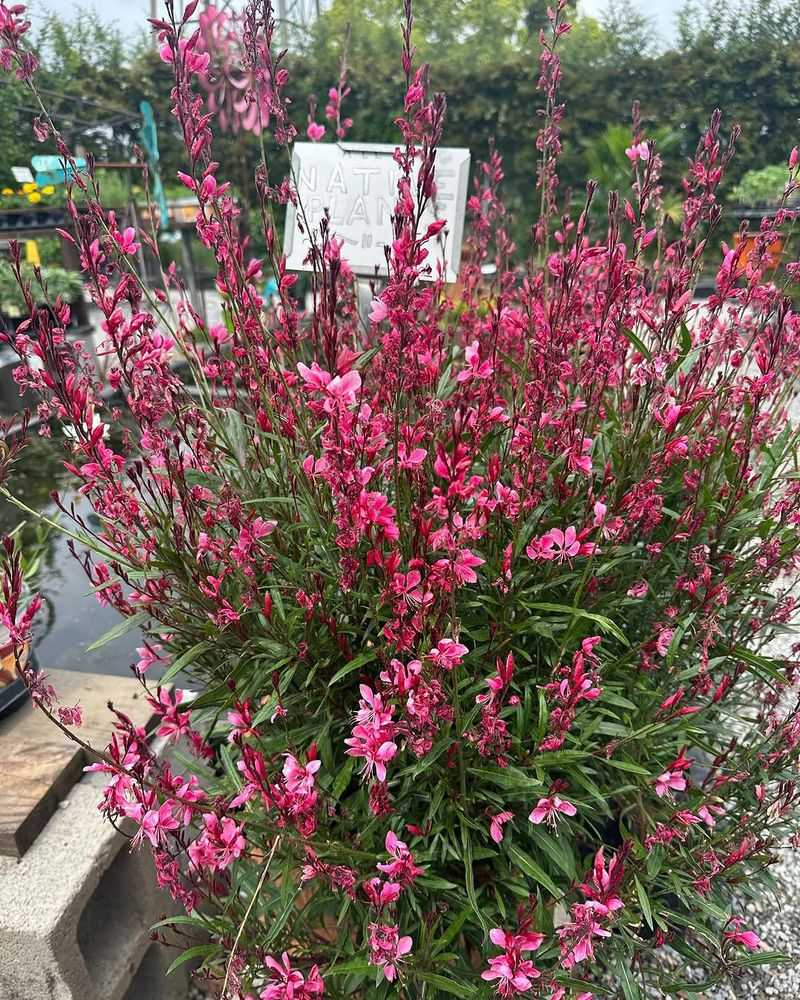
Gaura has a way of making a container look effortless. Long, wiry stems carry white or pale pink flowers that dance in even the lightest breeze, giving containers a soft, airy look that heavier plants cannot replicate.
What is impressive is that it keeps producing those blooms even when Arizona summers are at their most punishing.
Oenothera lindheimeri, as it is botanically known, is native to the south-central United States and thrives under conditions that would exhaust most ornamental plants. Full sun and heat do not slow it down.
In fact, cooler or shadier spots tend to reduce flowering and create a more leggy, less attractive plant overall.
Containers should be at least 10 to 12 inches deep to accommodate the taproot, which stores water and helps the plant push through dry spells. Use a well-draining mix and water deeply once or twice a week during peak summer heat in Phoenix or Mesa.
Cutting stems back by about half in midsummer often triggers a fresh flush of blooms for fall. Gaura pairs well with trailing plants at the container edge since its upright, open habit leaves visual space at the base.
Avoid overwatering during cooler months, as consistently wet roots during winter can cause problems even in mild Arizona climates.
Established Gaura also handles Arizona wind surprisingly well, with flexible stems that bend easily instead of snapping during dry, gusty weather.
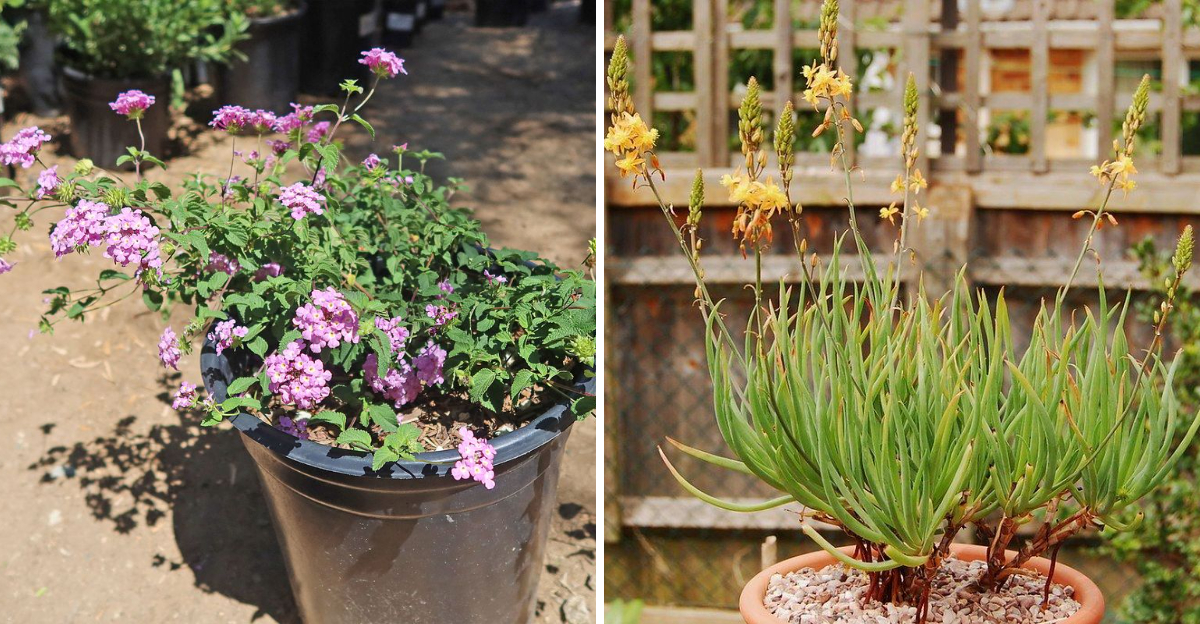
6. Bulbine Produces Small Blooms Without Struggling In Pots
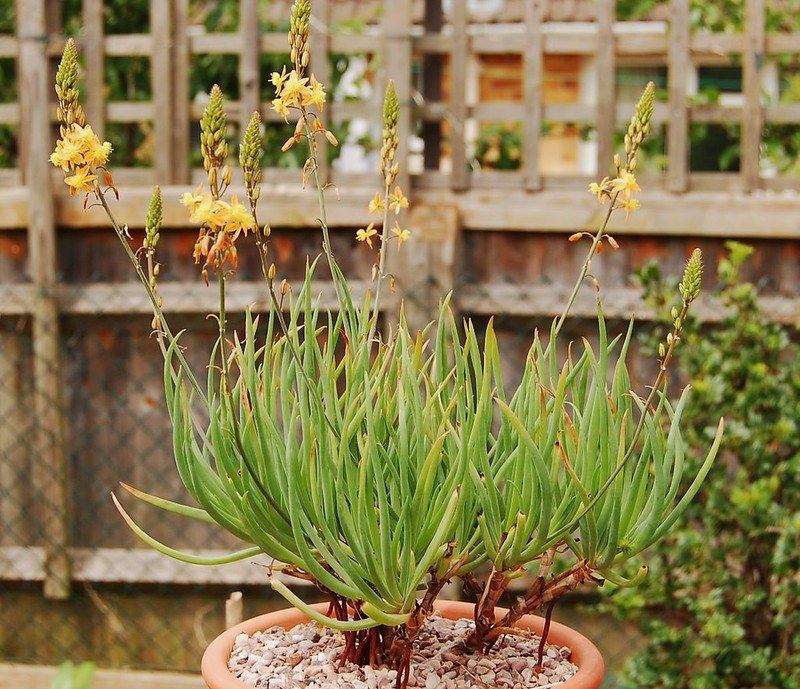
Not many plants look equally at home in a succulent arrangement and a cottage-style container planting, but Bulbine pulls it off with ease.
Star-shaped flowers in bright orange or yellow cluster atop slender stems above succulent-like foliage, creating a cheerful display that suits Arizona’s bright outdoor spaces perfectly.
Better yet, it keeps blooming for months with very little prompting.
Bulbine frutescens is originally from South Africa, but it adapted remarkably well to desert Southwest conditions. In Arizona, it blooms heavily in spring and fall, slowing somewhat during the hottest weeks of summer but rarely stopping completely.
The succulent leaves store moisture, which helps the plant manage between waterings without showing stress.
Containers with excellent drainage are essential since Bulbine strongly dislikes sitting in wet soil for extended periods. A cactus or succulent potting mix works well, or standard mix amended with extra perlite.
Water regularly during active growth but cut back significantly in winter when the plant naturally slows. Fertilize lightly in spring to support flowering without pushing excessive leafy growth.
In Tucson and Chandler, gardeners often use Bulbine as an edging plant in large mixed containers because its low, spreading habit fills gaps neatly.
Removing spent flower stalks regularly encourages continuous bloom production rather than letting the plant shift its energy toward seed development.
Mature Bulbine plants also tolerate reflected heat from patios and gravel surprisingly well, which makes them especially useful for hot Arizona container locations that overwhelm softer flowering plants.
7. Trailing Lantana Spreads Beautifully Over Container Edges
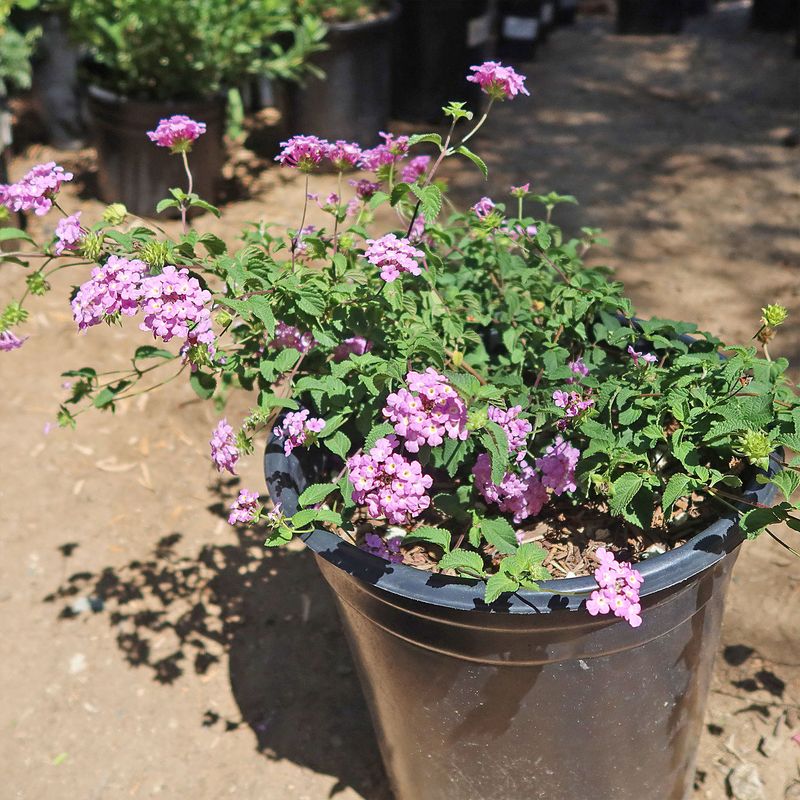
Few plants put on a show quite like Trailing Lantana when it gets going in a container. Clusters of tiny flowers in purple, yellow, or mixed tones spill over pot edges in waves, and butterflies crowd around the blooms from morning until late afternoon.
In Arizona, where summers are long and hot, this plant keeps performing when almost everything else is gasping.
Lantana montevidensis is the trailing species most commonly used in Arizona containers. It tolerates reflected heat, full sun, and dry soil far better than most flowering perennials.
Once established, it needs watering only once or twice a week in summer, and even less in cooler months. That low water requirement makes it a smart choice for gardeners trying to reduce outdoor water use.
Containers should be wide rather than deep to let the trailing stems spread naturally. A standard well-draining potting mix works fine, and light fertilizing every four to six weeks during the growing season keeps blooms coming steadily.
Trim stems back aggressively in late winter or early spring to encourage vigorous new growth and prevent the plant from becoming woody and sparse.
In Phoenix, Scottsdale, and surrounding areas, Trailing Lantana is commonly used in elevated containers and window boxes where the cascading habit creates a dramatic visual effect that more upright plants simply cannot achieve.
8. Penstemon Delivers Bold Color With Desert-Tough Roots
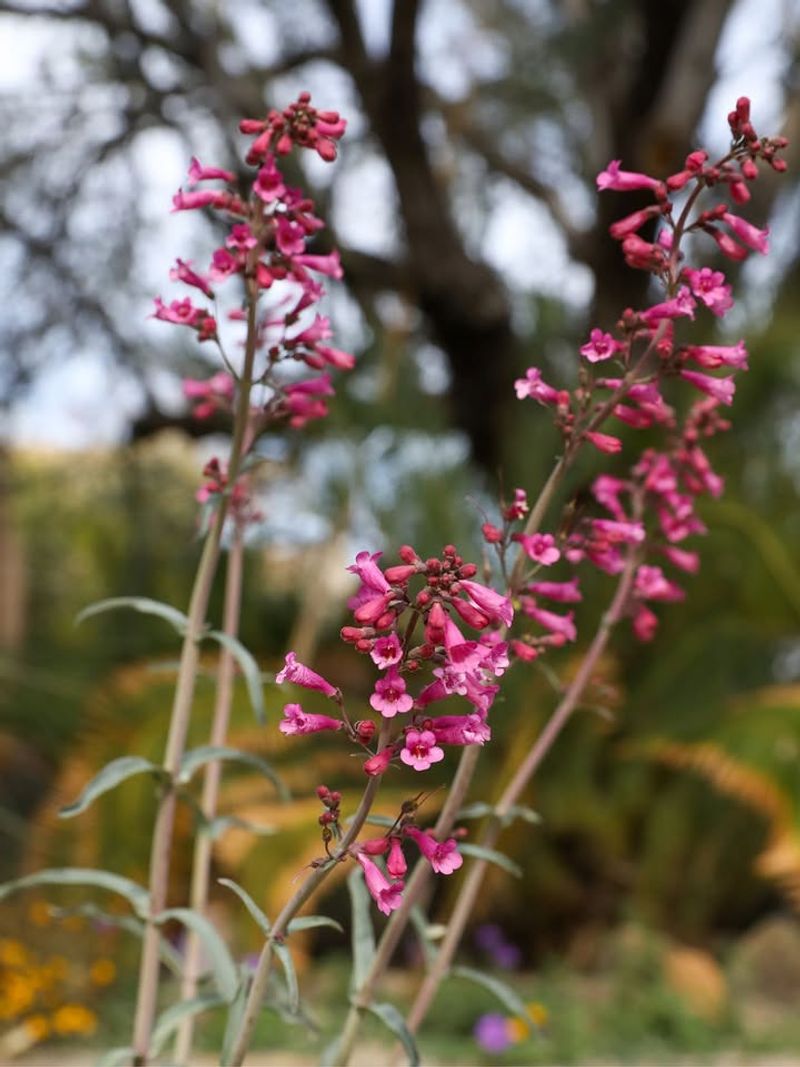
Bold, tubular flowers on tall spikes make Penstemon one of the most visually striking perennials you can grow in an Arizona container.
Native species like Penstemon parryi and Penstemon eatonii are especially well-suited to desert conditions, producing vivid red or coral blooms in late winter and spring that draw hummingbirds from surprising distances.
What sets Penstemon apart from many container perennials is how early it blooms. While other plants are still waking up, Penstemon is already delivering color in February and March across much of southern Arizona.
That early flowering makes it incredibly valuable for gardeners who want containers looking lively before spring truly arrives.
Sharp drainage is critical since Penstemon roots are prone to rot in consistently moist conditions. Use a gritty mix similar to what you would use for succulents, and make sure containers drain freely after every watering.
Full sun is preferred, though light afternoon shade helps in the hottest parts of the Phoenix metro during peak summer. After the spring bloom finishes, cut flower stalks back and reduce watering significantly.
The plant goes semi-dormant in summer, which is completely normal and not a sign of trouble. Come fall, growth resumes and the plant prepares for another early spring display, making the wait feel very much worth it.