Indiana Has A “False Spring” Trap In May That Only Veteran Gardeners Know How To Avoid
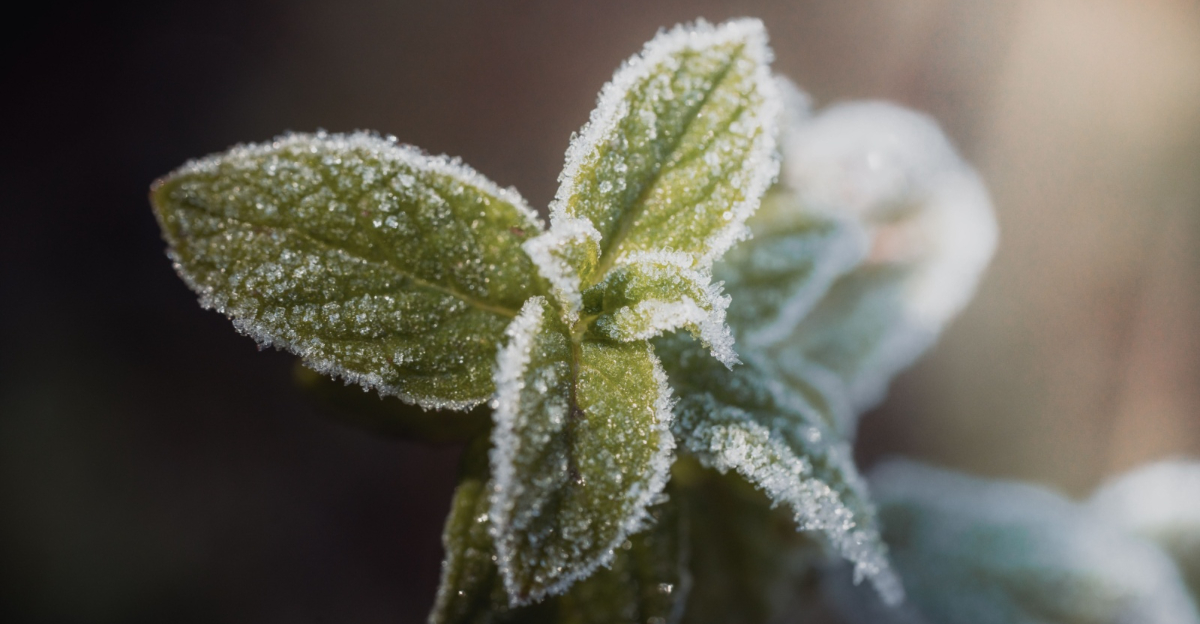
Every May, Indiana pulls the same trick, and it works every single time. The sun warms your shoulders, the breeze smells like actual spring, and suddenly every plant at the garden center is whispering your name.
So you buy the tomatoes. You buy the peppers.
You spend a Saturday afternoon happily digging holes and imagining August salads. Then you wake up Thursday to a frost warning and a garden that looks like it lost a fight.
Indiana gardeners who’ve been around long enough don’t even flinch anymore. They’ve learned that May in this state is basically a charming liar.
It’s beautiful on the surface, yet quietly dangerous underneath. They have a system, a set of unwritten rules passed down through seasons of hard-won experience.
And once you know what they know, you’ll never look at a warm May afternoon the same way again.
What ‘False Spring’ Actually Means In Indiana
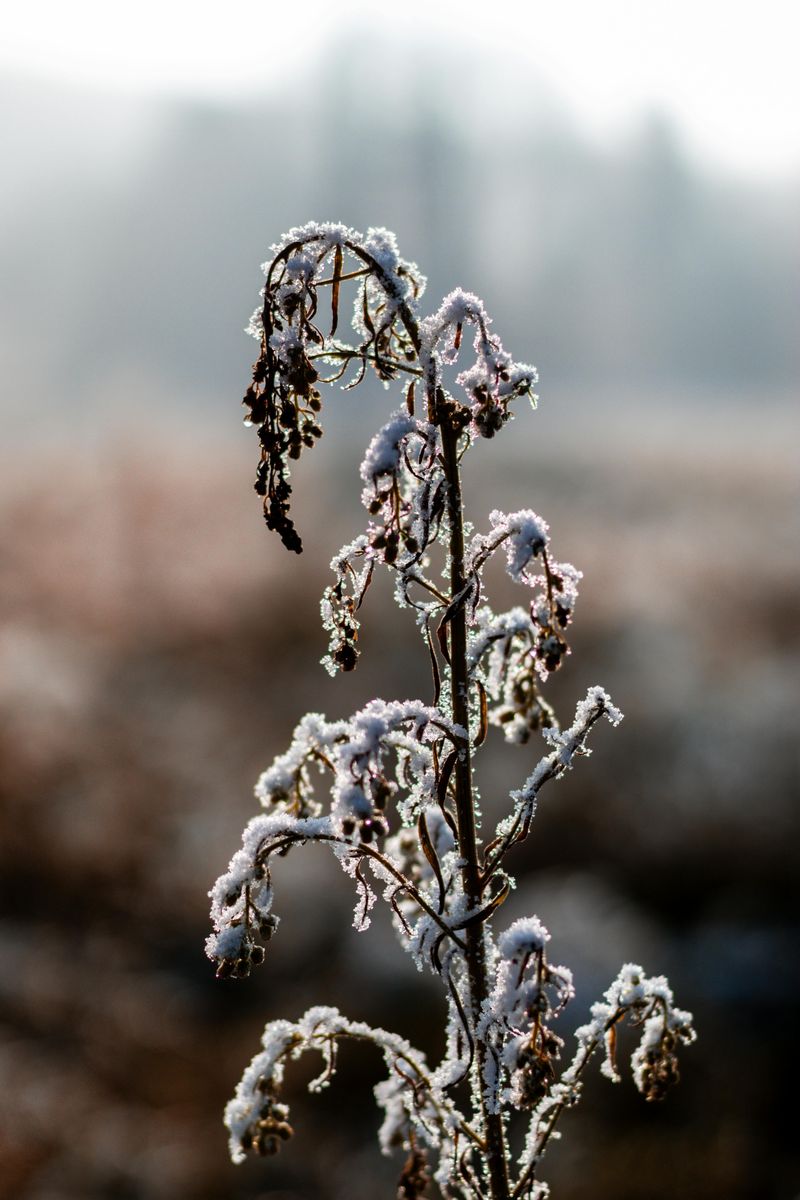
False spring is basically nature playing a trick on you.
The temperatures climb into the 60s and 70s, the trees start budding, and everything feels like summer is right around the corner.
But in Indiana, that warm stretch in early May is often just a teaser. And it is a convincing one: birds are singing, neighbors are mowing.
Every garden center in the state suddenly has tomato seedlings stacked by the door.
Meteorologists sometimes call this a “warm interlude” between late-season cold snaps.
It happens when a ridge of high pressure parks itself over the Midwest and pushes warm air northward before the jet stream has fully shifted.
The result is a week or two of glorious weather followed by a jarring return to near-freezing nights. That turnaround can happen fast, sometimes within 48 hours.
Gardeners who have lived in the state for decades know this pattern well.
They have seen it repeat itself almost every year, sometimes in early May, sometimes closer to the middle of the month. The trap feels real because the warmth is real, it just does not last.
Understanding false spring is not about being pessimistic. It is about being smart with your planting schedule.
When you know what is coming, you can plan around it instead of losing an entire flat of seedlings to one cold night.
The Dates That Matter In Indiana’s Last Frost Window
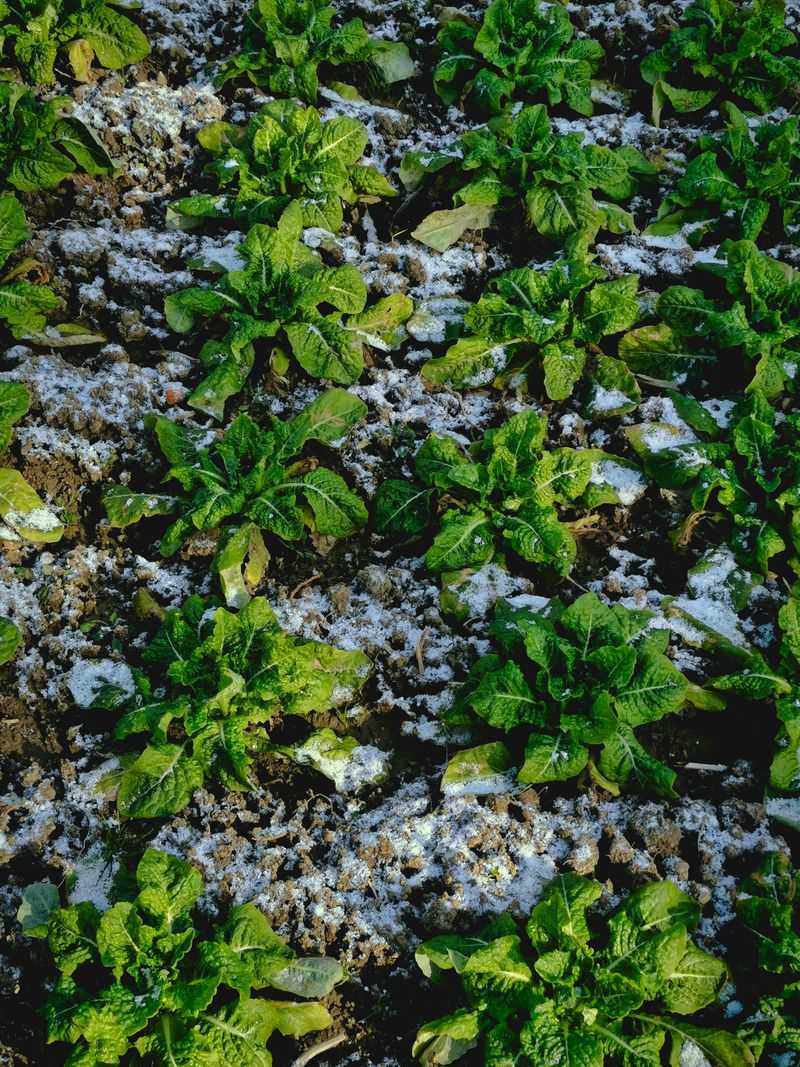
Knowing your frost dates is like knowing the rules of the road before you start driving. Without them, you are just guessing.
In Indiana, the average last frost date ranges from late April in the southern counties to mid-May in the northern parts of the state.
Indianapolis typically sees its last freeze around April 7th to 15th, but that average hides a lot of variability.
Some years, a hard freeze can roll through as late as May 15th.
Gardeners in Fort Wayne and South Bend push that window even further, sometimes seeing cold threats well into the third week of May.
The USDA Plant Hardiness Zone Map places most of Indiana in zones 5b and 6a. Those zones give you a general idea, but local microclimates matter just as much.
Your Indiana Garden Changes Every Week. Your Plan Should Too.
Gardening in Indiana changes quickly throughout the season. Every Friday you’ll receive a simple weekly plan showing exactly what to plant, prune, fertilize, harvest, and protect so you never miss the right timing.
A garden in a low-lying area near a river can be several degrees colder than a garden on a hillside just a mile away.
Experienced gardeners cross-reference the official frost dates with their own personal records.
Many keep a garden journal going back years, noting exactly when they last saw a hard freeze in their specific yard.
That kind of local knowledge beats any general chart.
The Memorial Day Rule, And Why Local Gardeners Swear By It
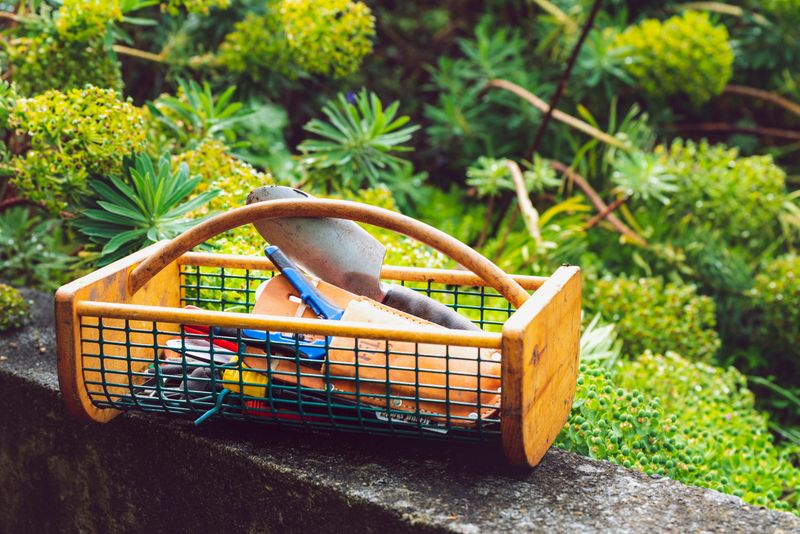
Ask almost any experienced gardener in the state when it is truly safe to plant warm-season vegetables, and you will get the same answer almost every time:
“Wait until Memorial Day.”
It sounds overly cautious, but there is solid reasoning behind it.
Memorial Day falls at the very end of May, and by that point, the risk of frost in most parts of Indiana has dropped dramatically.
The soil has also had more time to warm up, which matters just as much as air temperature for plants like tomatoes, peppers, and cucumbers.
Cold soil slows root development and can stress young plants even if no freeze actually occurs. The rule has been passed down through generations of Midwestern gardeners.
It is not a scientific law, but it works remarkably well as a practical guideline.
Many gardeners who ignored it once never ignored it again after watching a late-May cold snap wipe out their entire planting. Some of them still talk about it years later.
There is also something satisfying about the Memorial Day timing.
You spend the early weeks of May preparing beds, hardening off seedlings, and getting everything ready. That waiting period is not wasted time, it is part of the process.
When the holiday weekend arrives, planting feels like a celebration rather than a gamble.
Which Plants Get Fooled The Worst
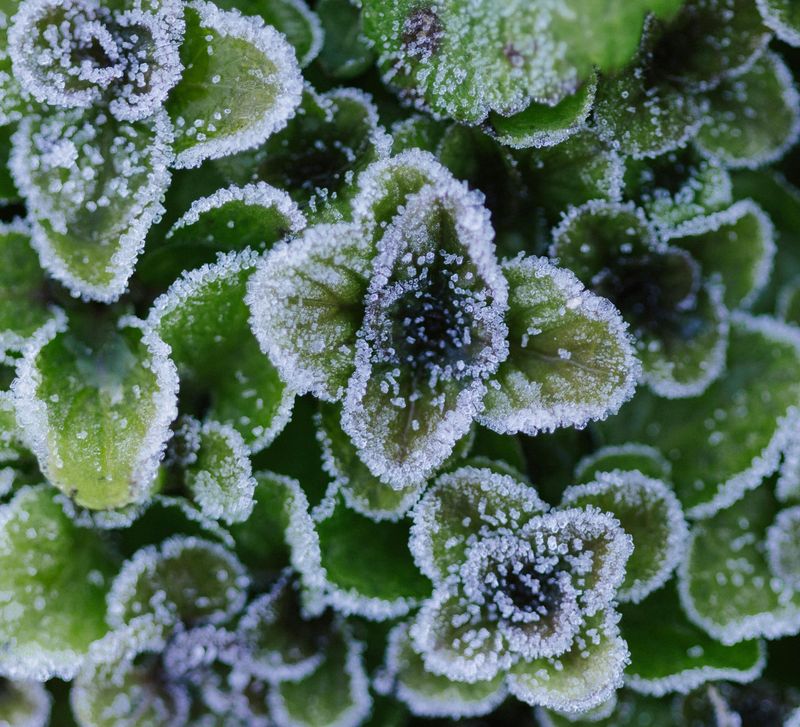
Not every plant suffers equally when a late frost sneaks in. Some are surprisingly tough, while others collapse at the first sign of cold.
Knowing which plants are most vulnerable can save you a lot of heartbreak. Tomatoes are probably the most famous victims of false spring planting.
They are warm-season plants that genuinely struggle when nighttime temperatures drop below 50 degrees Fahrenheit, even without a freeze.
Basil is even more sensitive and will turn black and mushy after just one chilly night. Both are garden center bestsellers in early May, which is exactly the problem.
Peppers and eggplants share a similar vulnerability.
They may not look damaged right away, but cold stress early in their life can slow their growth for weeks.
Cucumbers and zucchini planted too early often just sit in the ground doing nothing until the soil finally warms up enough for them to grow. Planting them early does not give them a head start, it just gives them more time to struggle.
Interestingly, some flowers get caught in the trap too.
Impatiens, caladiums, and vinca are all tropical-origin plants that look perfectly healthy in a warm garden center but suffer quickly when transplanted into cold ground.
They might survive, but they will be stunted and slow compared to plants set out after the last frost has passed for good.
What You Can Plant Safely Before Memorial Day
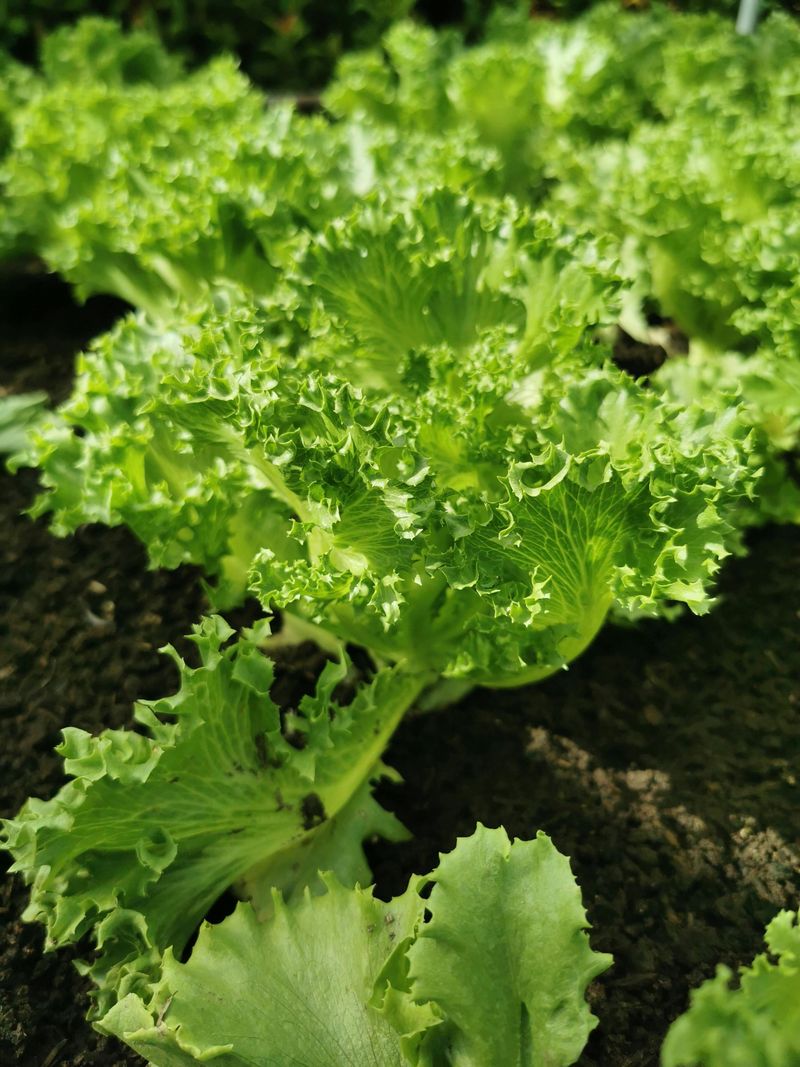
While beginners are rushing tomatoes into the ground, seasoned gardeners are busy with a completely different group of plants.
Cool-season crops thrive in the chilly, unpredictable conditions of early May. These are the plants that veteran gardeners have learned to love.
Lettuce, spinach, kale, and arugula can handle light frosts without any trouble.
They actually prefer cooler temperatures and can bolt and turn bitter once summer heat arrives.
Planting them in early May gives them the cool growing window they need before the real heat of June sets in.
Peas are another early-May favorite.
They can tolerate light freezes, down to around 28–30 degrees and grow best when temperatures are between 45 and 75 degrees. Many gardeners plant them as early as late March and have harvested a full crop before summer vegetables even go in the ground.
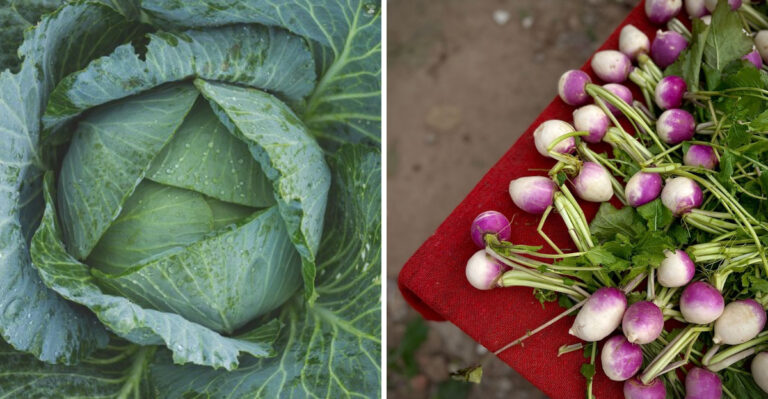
Broccoli, cabbage, cauliflower, and Brussels sprouts are also fair game for early May planting. These brassicas were practically built for cool, damp spring weather.
A light freeze can make them taste sweeter.
Veteran gardeners often have a full bed of cool-season crops producing abundantly while they wait for Memorial Day. Only then do they touch a single tomato plant.
How To Protect Plants If You Can’t Wait
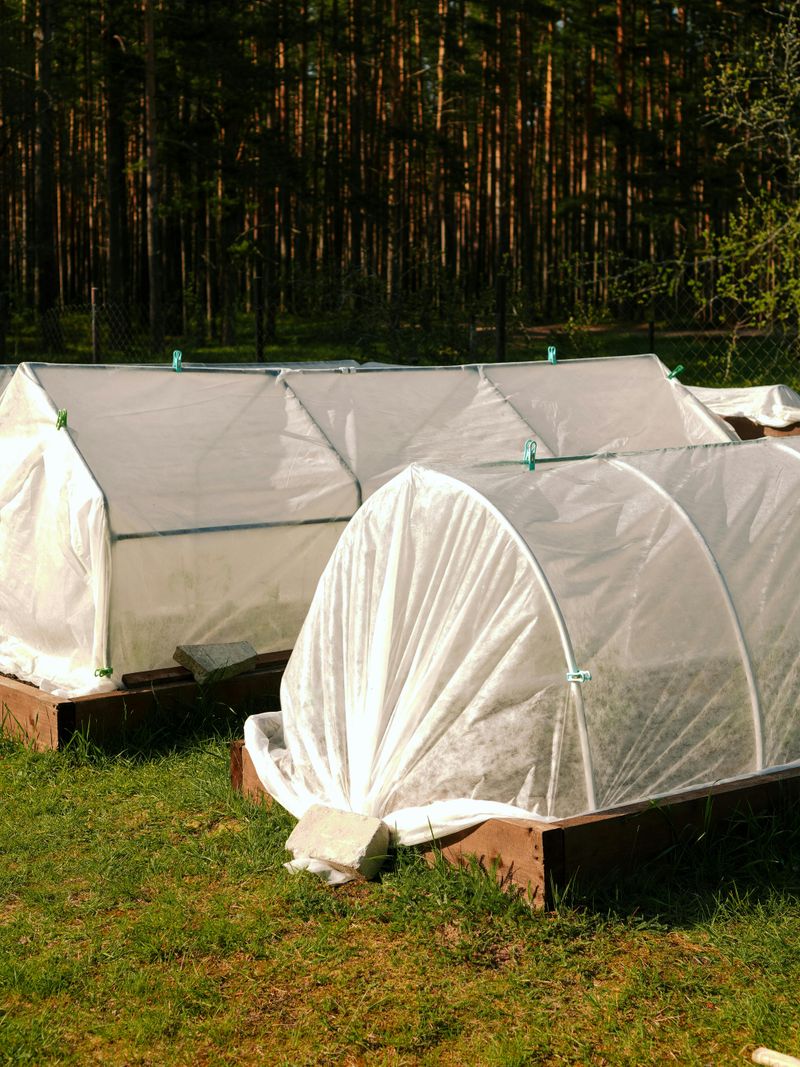
Sometimes patience runs out, or a planting schedule simply demands that warm-season crops go in earlier than ideal.
In those cases, experienced gardeners do not just cross their fingers and hope for the best.
They protect their plants with a few tried-and-true methods.
Frost cloth, also called floating row cover, is one of the most useful tools a gardener can own.
It lets light and moisture through while trapping heat close to the soil.
A single layer can raise the temperature around your plants by 4 to 8 degrees, which is often enough to prevent damage on a borderline-cold night.
Wall-O-Waters are another popular option, especially for tomatoes.
These plastic teepee-like devices surround individual plants with water-filled chambers that absorb heat during the day and release it slowly overnight.
Some gardeners use them to get tomatoes in the ground as early as late April with great success.
Old bedsheets, cardboard boxes, and even plastic buckets can work in a pinch.
The key is to cover plants before sunset so you trap the warmth from the day rather than the cold of the night.
Always remove covers in the morning so plants do not overheat once the sun comes up.
Read Indiana Weather Like A Local
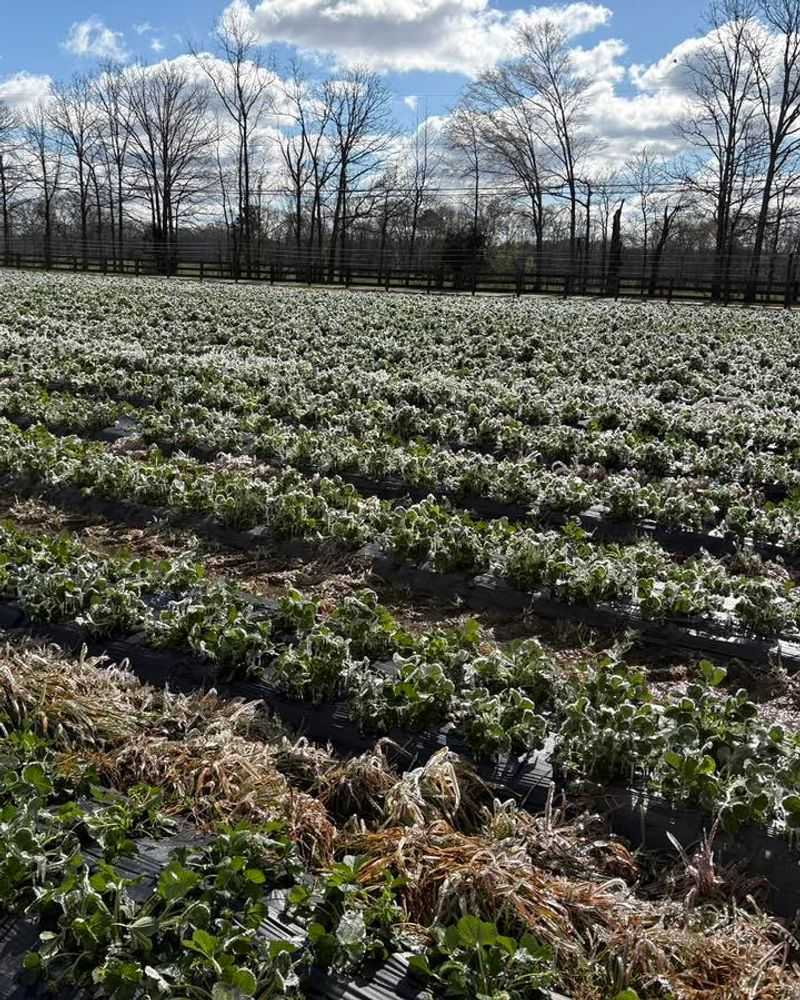
Weather apps have gotten remarkably accurate over the past decade, but veteran gardeners know there is more to reading spring weather than glancing at a forecast.
Local knowledge and the right sources can make a real difference in your planting decisions.
The National Weather Service office in Indianapolis issues detailed forecasts that include frost advisories and freeze warnings.
Signing up for alerts tied to your county is one of the smartest moves a gardener can make. Those alerts give you enough time to cover plants or delay a planting session before trouble arrives.
Local gardening groups on social media are another surprisingly useful resource. Experienced gardeners in your county often share real-time observations about unexpected cold snaps, soil temperatures, and microclimatic quirks.
These are the things no app can capture.
If someone three miles away says their low-lying garden hit 29 degrees last night, that is information worth having.
One old-school trick still used by many longtime growers is watching the sky in the evening.
A clear night with low humidity after a cold front passes is a classic setup for a hard freeze.
Cloudy nights stay warmer because clouds act like a blanket, holding heat close to the earth.
Learning to read those signs takes time, but it becomes second nature after a few seasons of paying close attention.