9 Flowers Tennessee Gardeners Are Rushing To Plant This May Before It’s Too Late
If you’ve ever watched a beautiful garden and thought “How do they do it?”, the answer is almost always the same: timing. Tennessee gardeners who nail their summers don’t have a secret fertilizer or a magic watering schedule.
They plant the right things in May before the heat rolls in and starts calling the shots. Miss that window, and you spend the whole summer babysitting stressed plants that never quite deliver.
Hit it, and your garden practically runs itself. These flowers were made for this climate: the sticky humidity, the stubborn clay, the week of rain followed by two weeks of nothing.
Some bloom so boldly your whole yard changes personality. Some attract so many pollinators it starts to feel like your garden has a social life.
All of them reward one thing: getting them in the ground right now, while May is still on your side.
Zinnias
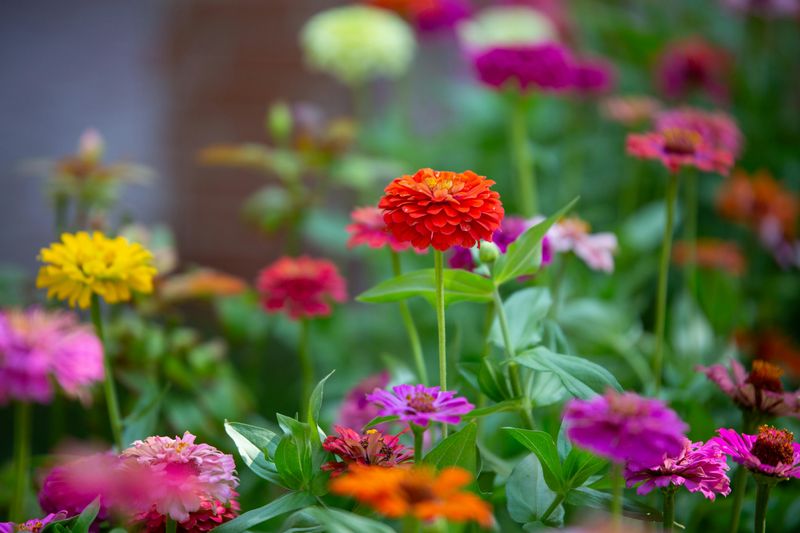
Few flowers deliver as much color for as little effort as zinnias.
These cheerful bloomers thrive in hot weather, which makes them practically tailor-made for a Tennessee summer.
Plant them in May and they will reward you with nonstop color from early summer all the way through the first cool snap of fall.
Plant seeds directly in the ground after the last frost and space them about six inches apart.
Zinnias grow fast. Within a few weeks of planting, you will start to see those bold, round flowers pop open in shades of red, orange, coral, yellow, white, and deep magenta.
They love full sun and do not ask for much water once they get established. In fact, overwatering is one of the few ways to run into trouble with them.
One of the best things about zinnias is how well they attract butterflies and pollinators.
If you want a garden that feels alive and buzzing all season, zinnias are a must.
Deadhead regularly to keep new flowers coming, and don’t overlook them as cut flowers. They look great in a vase too.
Sunflowers
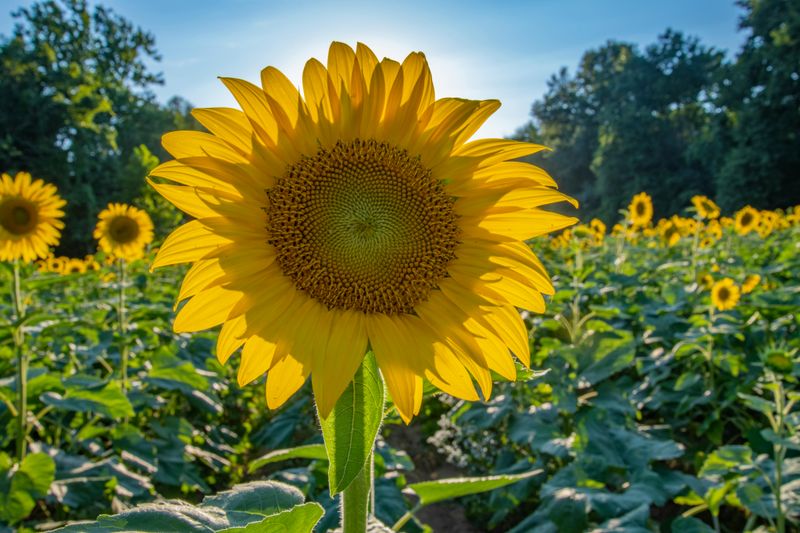
Sunflowers do not just grow, they perform.
There is something almost magnetic about a row of tall, golden flowers standing up straight in the summer sun.
May is the ideal time to get sunflower seeds into Tennessee soil because they need warm ground to sprout quickly and develop strong roots before the heat peaks.
These plants are surprisingly low-maintenance once they get going.
They prefer well-drained soil, plenty of direct sunlight, and moderate watering. Avoid planting them in shady spots because they will stretch and lean awkwardly toward any light they can find.
For the best results, choose a location that gets at least six to eight hours of sun per day.
Sunflowers come in more varieties than most people realize. Beyond the classic tall giants, there are compact dwarf varieties that work well in containers.
Multi-headed types produce dozens of smaller flowers on a single plant. Once the flowers fade, leave a few stalks standing.
Your Nevada Garden Changes Every Week. Your Plan Should Too.
Gardening in Nevada changes quickly throughout the season. Every Friday you’ll receive a simple weekly plan showing exactly what to plant, prune, fertilize, harvest, and protect so you never miss the right timing.
Birds will go after the seeds all on their own.
Plant seeds one inch deep, water consistently for the first few weeks, and watch them shoot up faster than you might expect.
Dahlias
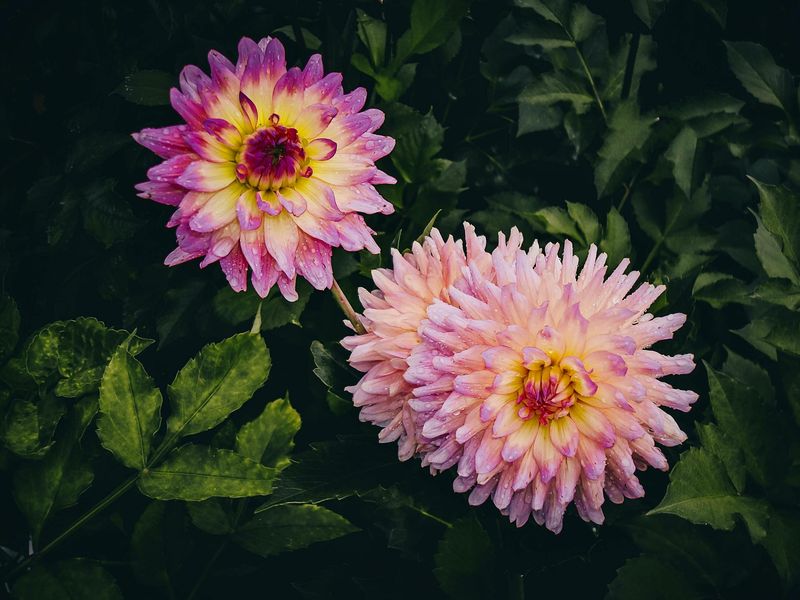
If any flower can make a gardener look like they know exactly what they are doing, it is the dahlia.
With their intricate, layered petals and jaw-dropping range of colors, they look like something out of a professional flower shop.
Planting dahlia tubers in May gives them just the right amount of warm weather to get established before they burst into bloom in midsummer.
Tennessee’s warm nights and long days are actually great conditions for dahlias.
They prefer rich, well-drained soil and need about six hours of sunlight daily.
One important tip: do not plant the tubers too deep. Plant it four to six inches deep, with the growing eye facing upward.
Watering consistency matters a lot with dahlias. They like moist soil but not waterlogged roots, so good drainage is essential.
Once they start flowering, pinching off spent flowers will encourage the plant to push out even more.
Staking taller varieties early will save you frustration later when the stems get heavy with flowers.
Dahlias also make stunning cut flowers that last well in a vase, so you can enjoy them both in the garden and inside your home throughout the entire growing season.
Coneflowers (Echinacea)
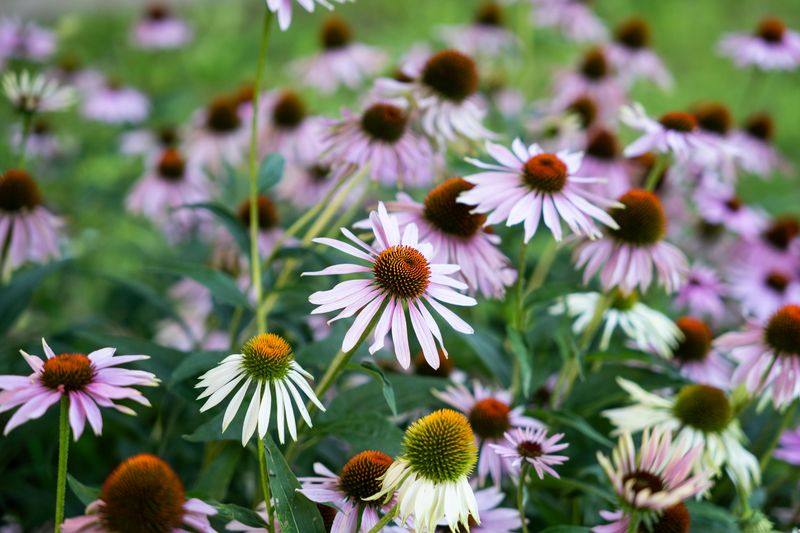
If you could only plant one native flower in a Tennessee garden, coneflowers would make a strong case for the spot.
Native to much of the eastern United States, they are completely at home in Tennessee gardens.
Planting them in May gives the roots time to anchor well before the intense summer heat settles in.
These flowers are incredibly drought-tolerant once established, which is a huge advantage during those scorching July and August stretches.
They thrive in full sun but can handle a bit of afternoon shade, especially in hotter parts of the state.
Their raised, spiky center cones are a favorite landing spot for bees, butterflies, and even goldfinches as summer winds down.
Coneflowers come in more colors than just purple these days. Breeding programs have introduced varieties in white, yellow, orange, red, and even deep burgundy.
They tend to flower from midsummer through early fall, giving your garden long-lasting color. Deadheading will encourage more flowers, but leaving some seed heads in place at the end of the season feeds birds through the winter.
They also spread and naturalize over time, slowly filling in your garden beds without much help from you.
Black-Eyed Susans
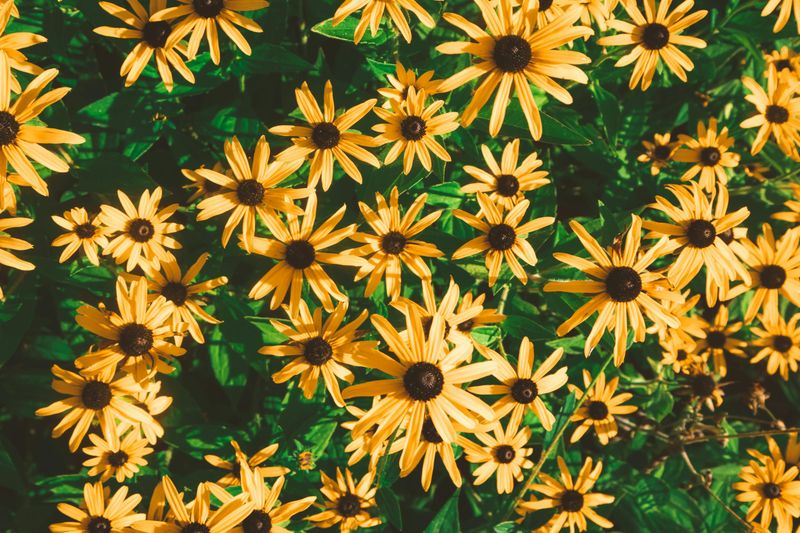
Black-eyed Susans are as Tennessee as a porch swing and a glass of sweet tea.
These golden, daisy-like blooms with their deep chocolate centers are tough, reliable, and absolutely stunning when planted in masses.
May is the right time to get transplants or seeds in the ground so they can establish before the heat of summer really kicks in.
One of their greatest strengths is adaptability.
Black-eyed Susans tolerate poor soil, handle dry spells like a champ, and bounce back quickly after heavy rain.
They prefer full sun but will manage with a little afternoon shade without losing too much energy. Plant them in well-drained areas to avoid root rot during wet spring weeks.
These flowers put on a show from midsummer through early fall, and pollinators cannot resist them. Bees, butterflies, and skippers flock to them all summer long.
As the weather cools, the seed heads attract small songbirds looking for an easy meal.
Black-eyed Susans also naturalize beautifully, meaning they will return year after year and slowly spread to fill in bare spots in your beds.
They pair especially well with coneflowers and ornamental grasses for a wildflower meadow look.
Salvia
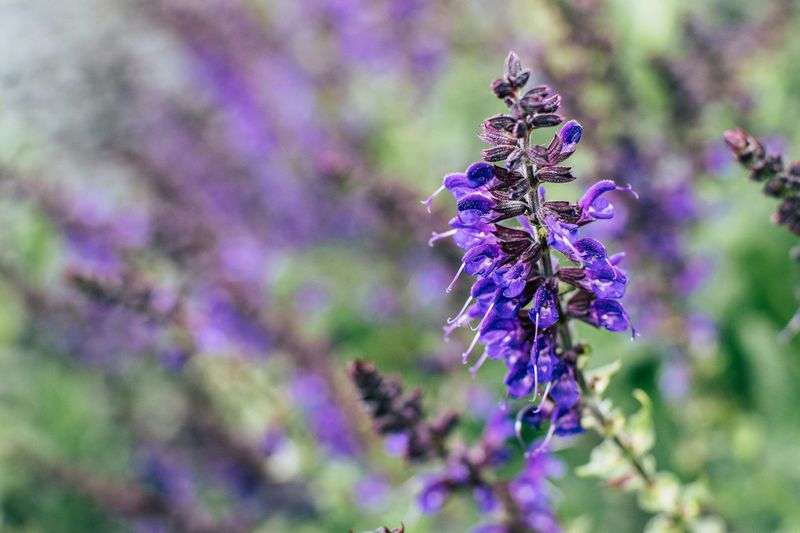
Salvia is the flower that hummingbirds dream about.
Those tall, slender spikes covered in tubular flowers in red, purple, blue, or pink act like a beacon for hummingbirds and butterflies from the moment they open.
Plant salvia in May and it will be ready for the height of hummingbird migration.
There are two main types worth knowing: annual and perennial. Annual varieties like Salvia splendens tend to flower nonstop through summer in bright reds and pinks.
Perennial types like Salvia nemorosa are a bit more compact and come back each year. Their rich blue-purple spikes complement almost any garden color scheme.
Both handle heat well and hold up against drought once they settle in, solid picks for a long, hot summer. Full sun and well-drained soil are all they ask for.
Cutting back spent flower spikes encourages the plant to push out a fresh flush of new growth.
Salvia works beautifully in garden borders, container arrangements, and pollinator gardens.
It also resists deer browsing, which is a genuine bonus for gardeners in more rural or suburban areas where deer traffic is a regular nuisance.
Cosmos
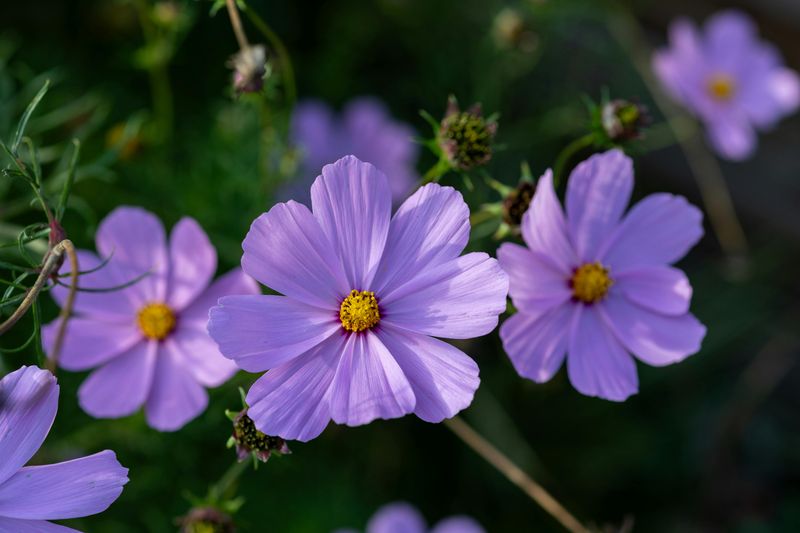
Cosmos are the carefree wildflowers of the annual world.
With their feathery foliage and delicate, open-faced flowers in shades of pink, white, crimson, and bicolor, they bring an airy, meadow-like quality to any garden.
The best part is they actually prefer poor soil, which means gardeners who struggle with tough clay or sandy ground will find cosmos surprisingly forgiving.
May is the perfect time to direct-sow seeds straight into the garden. They germinate quickly in warm soil and grow fast, often reaching several feet tall within weeks.
Too much fertilizer works against them, pushing leafy growth at the expense of flowers. Skip the heavy feeding and let them do their thing.
Cosmos flower continuously from early summer until frost and self-seed generously, so don’t be surprised to find volunteer plants next year. They pull in all kinds of pollinators and make wonderful cut flowers too.
Taller varieties may need light staking in windy spots, but compact dwarf types stay tidy on their own.
For the most impressive display, plant in clusters rather than single rows so the flowers create a full, lush effect.
Petunias
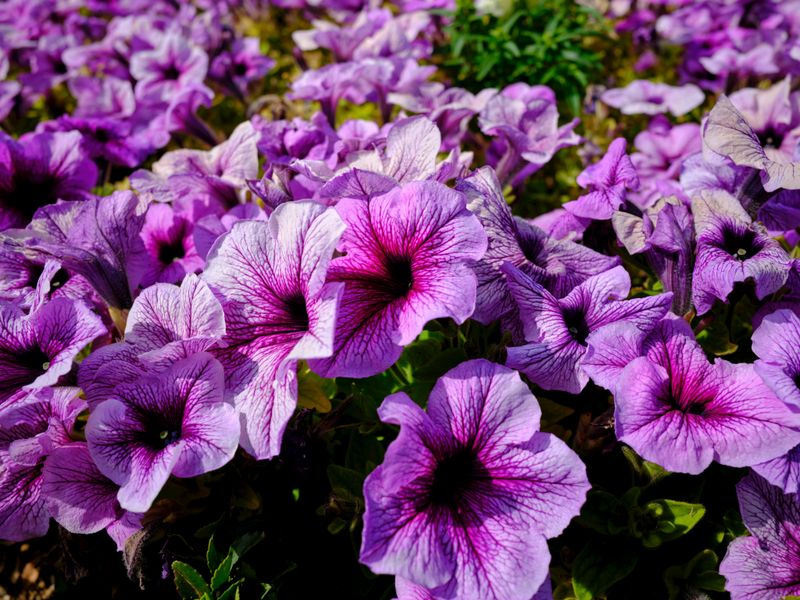
Walk down any neighborhood street in Tennessee during summer and you will almost certainly spot petunias spilling out of containers, hanging baskets, and window boxes.
They are one of the most popular warm-season flowers for good reason: they bloom heavily, come in an enormous range of colors, and handle heat without much complaint.
Planting petunias in May gives them the warm temperatures they need to really take off.
They prefer full sun, at least six hours per day, and need consistent watering since they can wilt quickly during dry spells.
Containers dry out faster than garden beds, so if you are growing petunias in pots, check the moisture level every day or two during hot weather.
Grandiflora petunias produce large, showy flowers great for a dramatic display. Multiflora types produce smaller but more numerous flowers and tend to bounce back better after heavy rain.
Wave petunias are a spreading variety that fills containers and garden beds with a thick carpet of color. Regular deadheading keeps them at their best, and a light trim halfway through summer can revive a plant that has gotten leggy.
Feed them every two weeks with a balanced fertilizer for the most impressive results all summer long.
Lantana
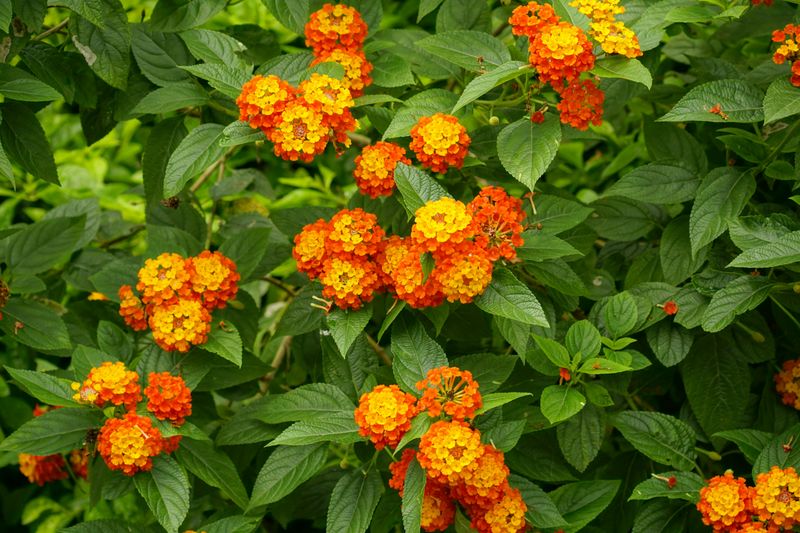
Lantana is basically built for southern summers.
This tropical plant thrives in punishing heat, shrugs off drought once established, and produces clusters of tiny blooms in stunning multicolor combinations of yellow, orange, red, pink, and purple.
Butterflies are completely wild about it, and once you see a healthy lantana covered in dozens of fluttering wings, you will understand why it has such a loyal following among gardeners.
May is the ideal time to plant lantana because it needs warm soil and warm nights to really hit its stride.
It performs best in full sun with well-drained soil and very little supplemental fertilizer.
Too much nitrogen encourages leafy growth at the expense of flowers, so hold back on heavy feeding.
In most of Tennessee, lantana is grown as an annual. Though gardeners in the warmer southern parts of the state may see it return from the roots after a mild winter.
Either way, the seasonal display it puts on is well worth the investment.
Lantana works beautifully in containers, raised beds, and garden borders.
It also resists deer, tolerates poor soil, and stays attractive even during the hottest and driest stretches of summer.