The 9 Vegetables New York Gardeners Are Quietly Planting Right Now For A July 4th Harvest
Picture this: your July 4th table loaded with fresh salads, crispy pickles, and grilled vegetables you actually grew yourself. And honestly?
Nothing at a cookout hits quite like saying “I grew that.” The good news is that you can make this happen every year with surprisingly little effort, even with a New York-sized garden. If you start planting right now, fast-growing vegetables will be ready to harvest right around Independence Day. Whether you have a sprawling backyard upstate or a few containers squeezed onto a Brooklyn fire escape, these vegetables are flexible enough to work in almost any space. ou do not need a greenhouse.
You do not need a fancy setup or any prior experience. All you need is good timing and a little New York determination. Your guests will ask how you did it, and you will smile and act like it was nothing.
Radishes
Speed is the superpower of the radish, and no other vegetable on this list proves itself faster.
From seed to table, most varieties are ready in just 22 to 30 days.
That means you can plant a row today and have crisp, peppery radishes ready well before the big day arrives.
For New York gardeners, radishes are one of the easiest wins around. They grow beautifully in containers as small as six inches deep, which makes them perfect for a Brooklyn balcony, a Manhattan windowbox, or a raised bed in a suburban backyard.
You do not need much space at all, a single pot or a short row in the ground will give you a generous harvest.
Drop seeds about half an inch deep and one inch apart in loose, well-drained soil.
Radishes love cool weather, so if your location gets warm quickly, plant them in a spot with morning sun and afternoon shade.
Water them consistently so the roots stay tender rather than woody and bitter.
Thin your seedlings to about two inches apart once they sprout, which helps each radish develop a full, round shape.
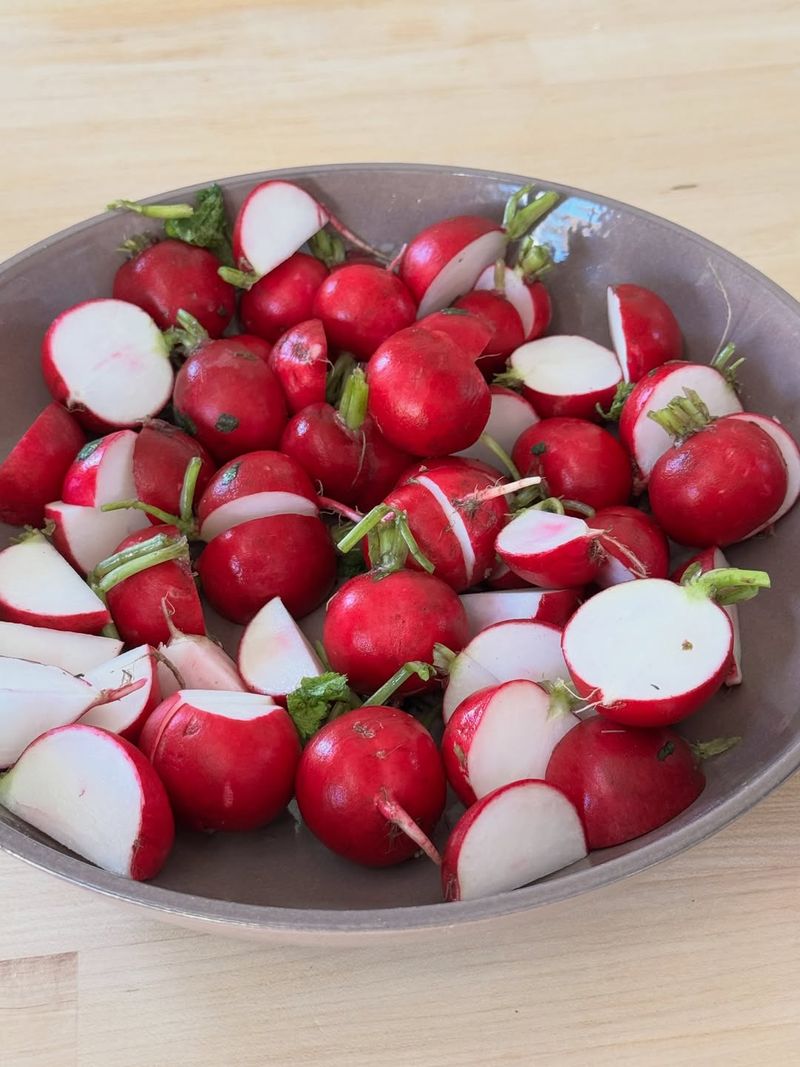
Harvest them when they reach about an inch in diameter for the best crunch.
Slice them thin over a green salad, add them to a veggie tray, or pickle them quickly for a satisfying tangy crunch.
They also look stunning on a red, white, and blue holiday platter thanks to their bold crimson color.
Radishes are proof that great things really do come in small, speedy packages.
Leaf Lettuce
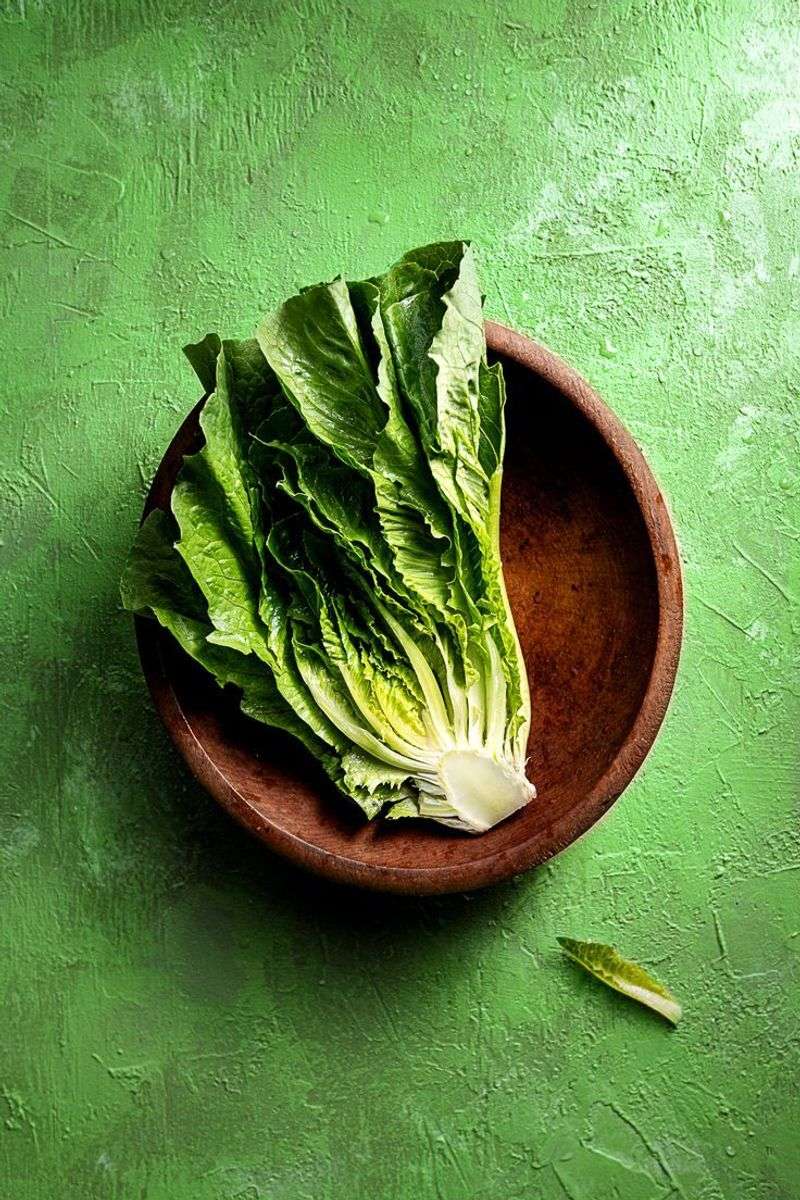
Leaf lettuce is the backbone of every great summer salad. Plant it now and you will be harvesting fresh leaves just in time for the holiday.
Unlike head lettuce, leaf varieties are ready to harvest in as little as 30 to 45 days.
You can even do a cut-and-come-again harvest, snipping outer leaves while the plant keeps growing.
Space is rarely a luxury in New York, and leaf lettuce understands that better than most. A shallow container just six to eight inches deep is all it needs, making it ideal for a Bronx rooftop, a Queens patio, or a windowsill with decent light.
Your Indiana Garden Changes Every Week. Your Plan Should Too.
Gardening in Indiana changes quickly throughout the season. Every Friday you’ll receive a simple weekly plan showing exactly what to plant, prune, fertilize, harvest, and protect so you never miss the right timing.
If you have a backyard garden upstate,a single short row will give you more leaves than you can eat in a sitting. Scatter seeds thinly across a prepared bed or container and cover them with just a light dusting of soil.
Keep the soil moist but not soggy, and watch sprouts appear within a week.
Leaf lettuce prefers cooler temperatures, so in warmer parts of New York, give it some shade during the hottest part of the afternoon to prevent it from bolting.
Mix red and green varieties together for a colorful salad that looks as festive as the holiday itself.
Add cherry tomatoes, sliced cucumbers, and a simple vinaigrette, and you have a side dish that steals the show.
Fresh homegrown lettuce has a tenderness and flavor that bagged grocery store greens simply cannot match.
Once you taste the difference, going back to store-bought will feel like a real step backward.
Planting lettuce now is one of the easiest decisions your garden will thank you for.
Spinach
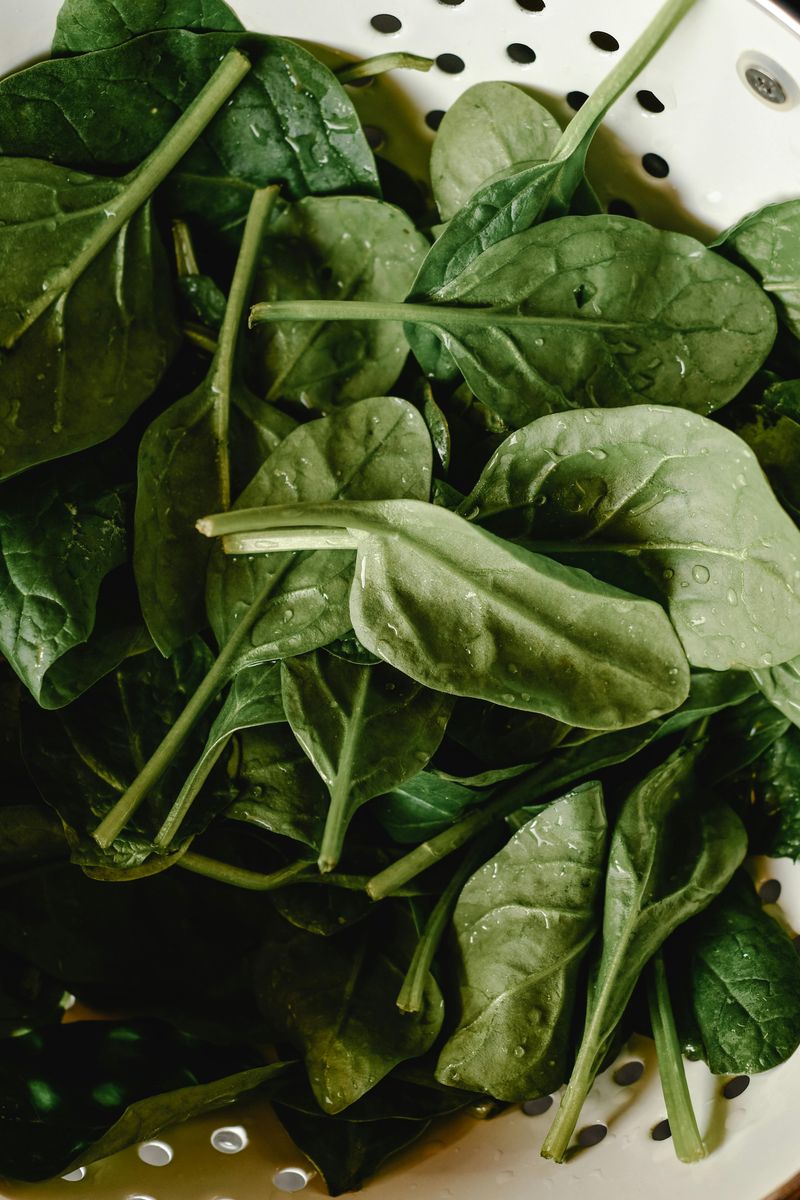
Spinach has a reputation for being the serious, no-nonsense vegetable of the garden, and honestly, it earns that title.
It is packed with iron, vitamins, and flavor, and it grows quickly enough to be on your holiday table if you plant it now.
Most spinach varieties are harvest-ready in about 37 to 50 days from seeding.
Whether you are gardening on a Harlem rooftop or a backyard in Westchester, spinach fits right in. It grows well in a pot that holds at least eight inches of soil, making it a solid choice for apartment balconies and small patios across the city.
If you have more room to work with, a short row in the ground gives you more than enough for the whole season. Sow seeds about half an inch deep and two inches apart in rich, moist soil.
Spinach does best in cooler weather, so choose a spot in your garden that gets morning sun and some afternoon protection from heat.
If your area tends to warm up fast, look for bolt-resistant varieties that handle rising temperatures a little more gracefully.
Once leaves are about three to four inches long, start harvesting the outer ones and let the center keep growing.
Fresh spinach wilts beautifully in warm pasta dishes, adds substance to salads, and blends seamlessly into dips and spreads.
A creamy spinach dip served at your gathering will disappear faster than the fireworks.
Spinach also freezes well if you end up with more than you can use fresh, so there is really no downside to planting a generous patch.
Grow it now and enjoy every single leaf.
Arugula
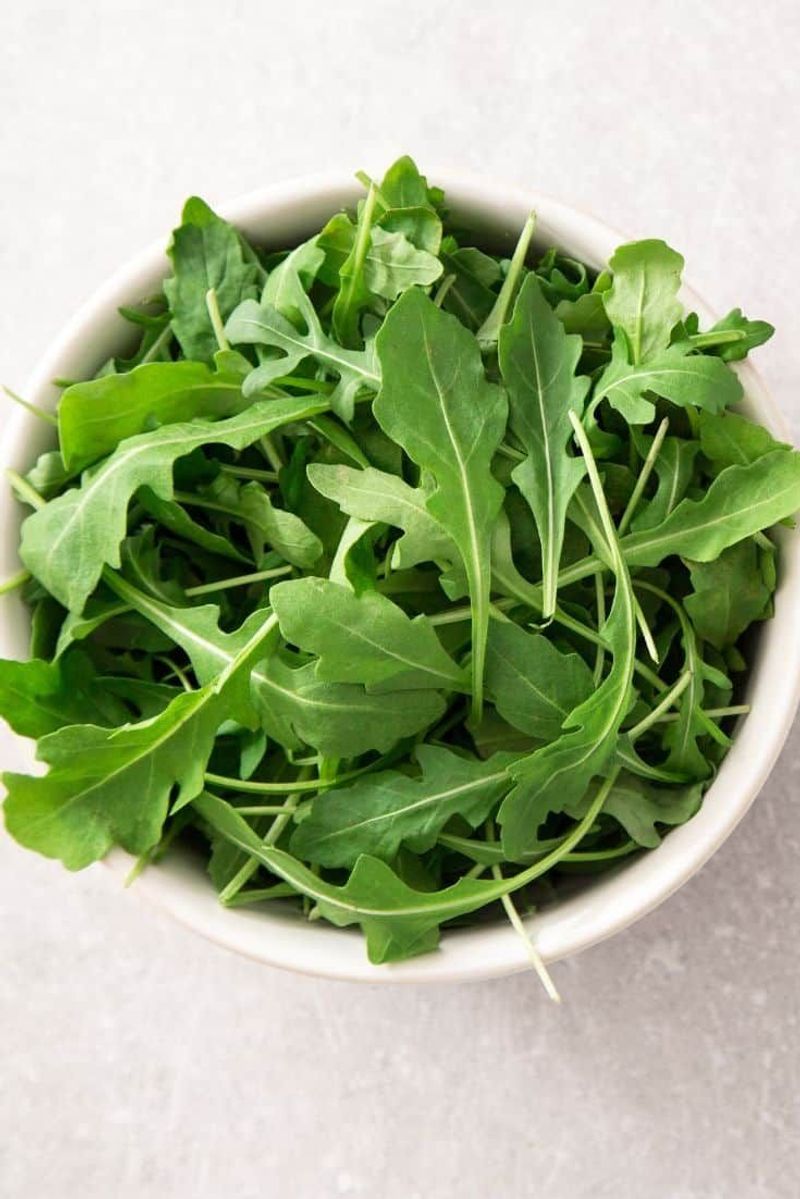
Arugula brings a peppery, slightly nutty bite to the table that makes plain salads feel suddenly sophisticated.
It is one of the fastest-growing greens you can plant, often ready to harvest in just 21 to 40 days.
First time growing it? You are in for a pleasant surprise.
Sprinkle seeds directly onto prepared soil and barely cover them with a thin layer of soil.
Keep the bed consistently moist and expect to see tiny sprouts within five to seven days.
Like other greens, arugula prefers cooler conditions, so pick a spot that avoids the harshest midday heat.
Harvest leaves when they reach about two to three inches long for the mildest flavor.
Larger leaves pack a stronger peppery punch, which some people absolutely love on pizza or in warm grain bowls.
For your July 4th spread, toss fresh arugula with shaved Parmesan, lemon juice, and olive oil. You have an elegant side salad ready in about five minutes.
Arugula also pairs beautifully with grilled meats, making it a natural fit alongside burgers and steaks at your cookout.
Fun fact: arugula has been cultivated and enjoyed around the Mediterranean for thousands of years, long before it became a trendy restaurant staple.
Bush Beans
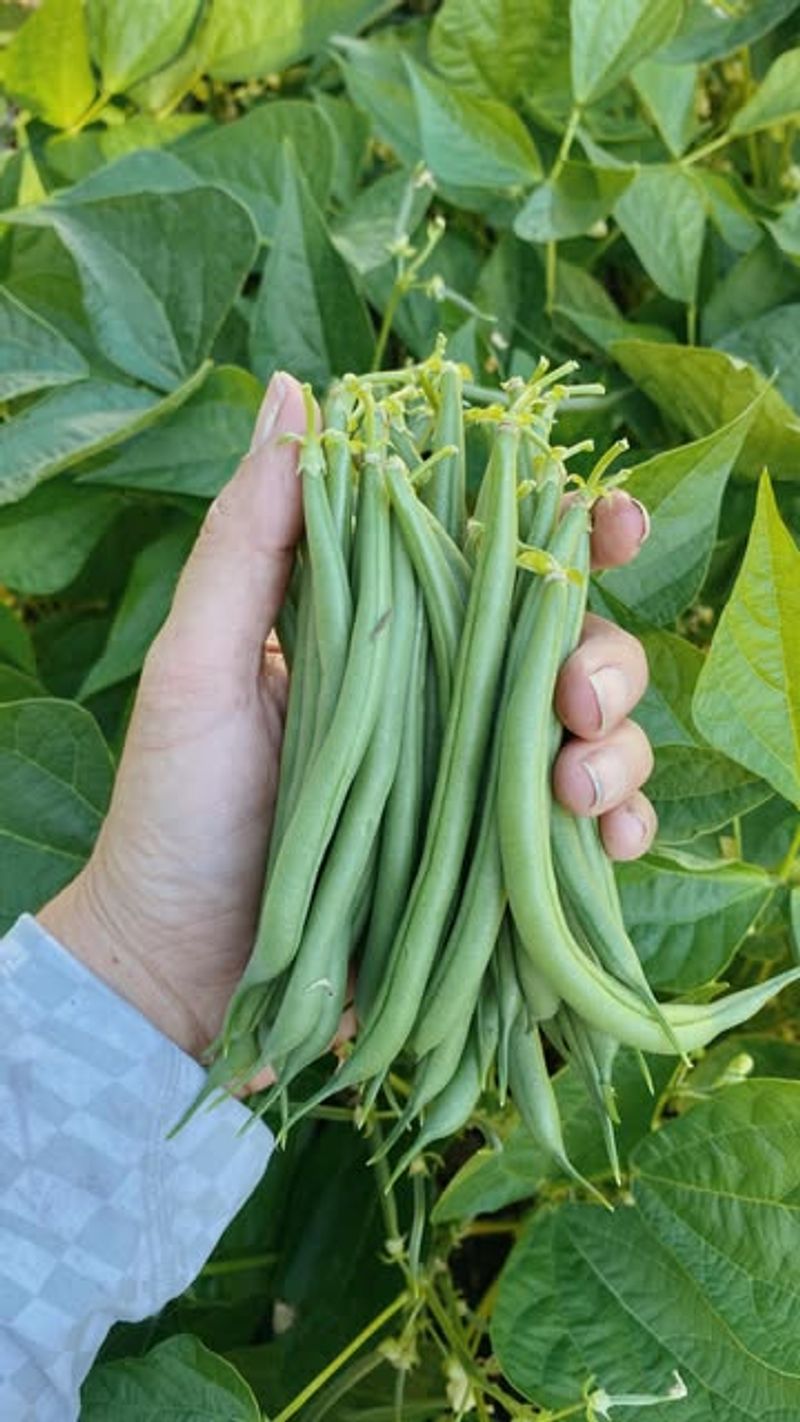
Bush beans are the kind of vegetable that rewards you generously without asking for much in return.
They grow without any staking or trellising, produce heavily, and go from seed to harvest in about 50 to 60 days.
Plant them now and you will be snapping fresh beans just in time for your cookout.
Sow seeds one inch deep and about three inches apart in full sun.
Bush beans love warm soil, so make sure temperatures in your area have settled and there is no more risk of a late frost before you plant.
Water at the base of the plants to keep foliage dry, which helps prevent common fungal issues.
Once pods feel firm and snap cleanly, they are ready to pick.
Harvest regularly to keep the plants producing, because leaving mature pods on the vine signals the plant to slow down.
Steam them lightly and toss with butter and sea salt, or blanch and serve cold on a veggie platter with dip.
Bush beans also grill beautifully in a foil packet with garlic and olive oil, which makes them a crowd-pleasing side dish at any outdoor celebration.
Few things feel more satisfying than walking out to your garden and picking dinner straight off the vine.
Beets
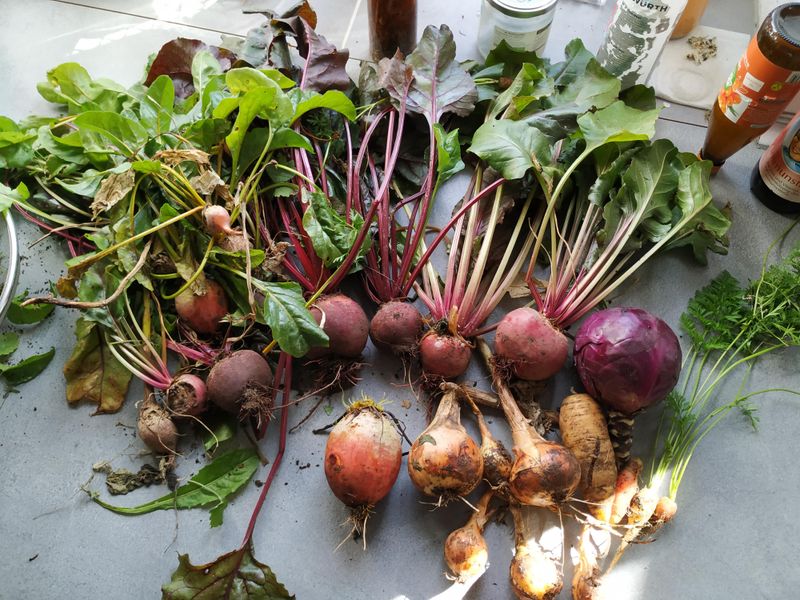
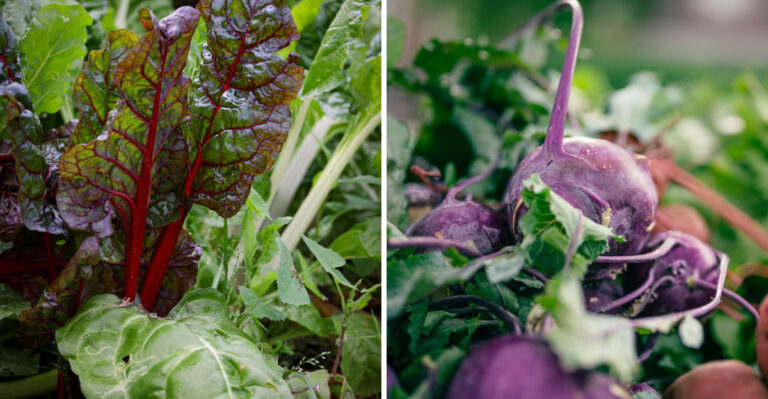
Beets are one of those vegetables that give you two harvests in one: the sweet, earthy root and the tender, nutritious greens on top.
Baby beets are typically ready in about 50 to 60 days. Plant seeds soon and they will be right on schedule for an Independence Day appearance.
Their deep jewel-red color makes them one of the most visually striking additions to any holiday table.
Beets are not the most obvious choice for a city garden, but do not write them off just yet. A good-sized pot with plenty of depth, at least twelve inches, gives roots enough space to develop properly, making them doable on a Brooklyn terrace or a Staten Island patio.
For those with garden beds upstate or in the suburbs, beets are one of the most rewarding things you can grow with minimal effort. Sow beet seeds about half an inch deep and two inches apart in loose, well-amended soil.
Beets prefer a sunny spot and consistent moisture to develop smooth, round roots.
Thin seedlings to about four inches apart once they are a few inches tall, and do not throw away those thinnings since they are delicious in salads.
Roast baby beets with olive oil and fresh thyme for a warm side dish, or slice them thin and serve raw over arugula with goat cheese and walnuts.
Pickled beets are another classic option that fits right into a holiday spread.
The greens can be sauteed with garlic just like spinach, giving you a bonus vegetable from the same plant.
Beets store well in the refrigerator for weeks, so even if you harvest a little early, they will hold beautifully until the big day arrives.
Baby Carrots
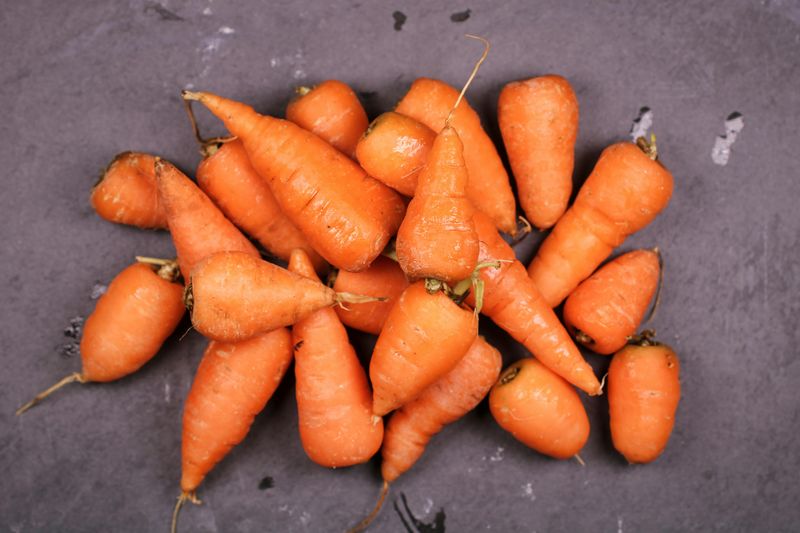
Baby carrots grown straight from your own garden taste nothing like the pre-packaged ones from the grocery store.
They are sweeter, crunchier, and have a fresh, earthy flavor that is really hard to describe until you try one.
Varieties like Parisian or Danvers 126 reach baby size in about 50 to 60 days. That makes them a realistic goal if you get them in the ground this week.
Sow carrot seeds thinly in loose, deeply worked soil. Rocks and clumps can cause roots to fork or twist, so take a moment to clear them out first.
Carrots need full sun and steady moisture, especially during the first few weeks after germination.
Thin seedlings to about two inches apart once they sprout so each carrot has enough room to fatten up properly.
Harvest when roots are about four to five inches long and the tops of the carrots are visible pushing up through the soil.
Serve them fresh on a crudite platter with hummus, or roast them with honey and rosemary for a warm side dish that feels both festive and homey.
Kids especially love pulling carrots out of the ground themselves, so if you have little ones in your household, let them help with harvest day.
Growing your own baby carrots is one of those small gardening moments that feels surprisingly magical every single time.
Cucumbers (Pickling Or Bush Varieties)
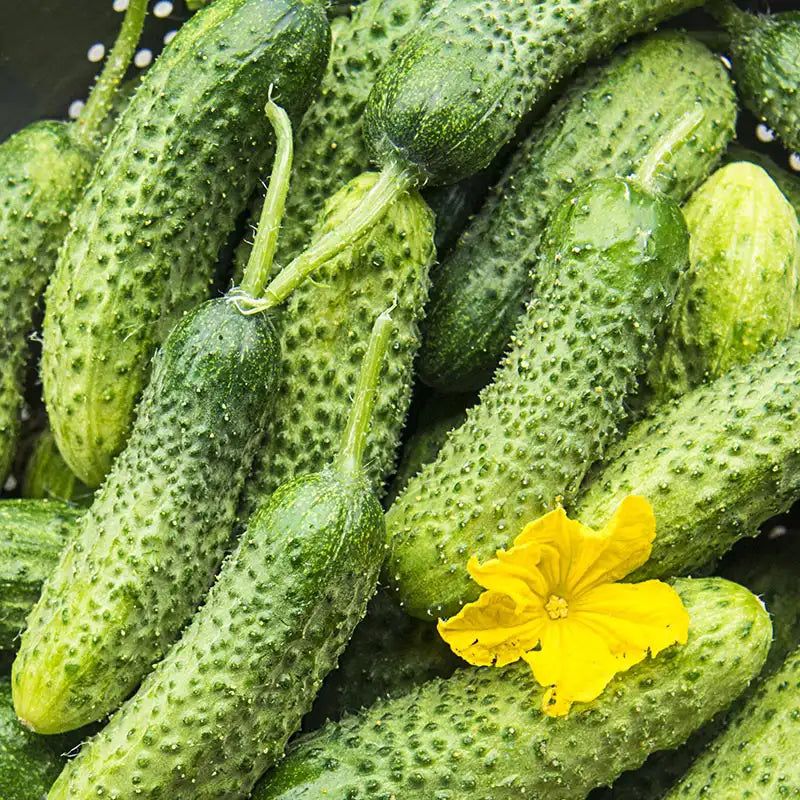
Cucumbers are practically synonymous with summer. Having a fresh homegrown batch ready for the holiday table is absolutely worth planning for.
Pickling varieties like National Pickling or bush types like Spacemaster are compact, fast-producing, and ready to harvest in about 50 to 60 days.
They thrive in warm weather, so timing is actually on your side.
Good news for New York gardeners: bush varieties like Spacemaster were designed with small spaces in mind. A generously sized pot with good drainage works well on a city balcony or rooftop, and they do not need a trellis to produce well.
If you have a backyard or raised bed outside the city, you will have more cucumbers than you know what to do with.
Plant seeds one inch deep in a sunny spot once the soil has warmed up nicely. Cucumbers are thirsty plants, so water deeply and consistently, especially once they start flowering.
Pickling cucumbers are best harvested small, around two to four inches long, for the crispest texture.
Whip up a quick refrigerator pickle with vinegar, dill, garlic, and salt, and they will be tangy and ready within 24 hours.
Sliced fresh cucumbers also shine on a veggie tray or tossed into a cold pasta salad alongside tomatoes and red onion. Serve your homegrown pickles in a mason jar at your cookout.
Guests will not believe those pickles came straight from your garden.
Zucchini
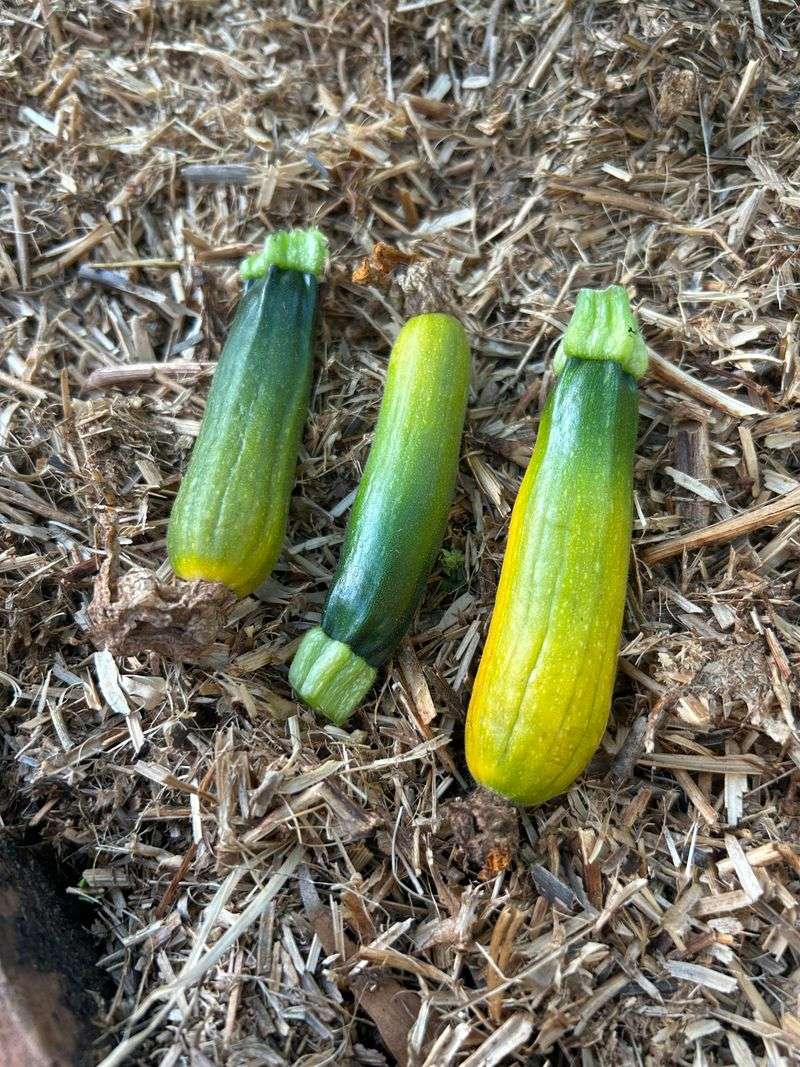
Zucchini is legendary among gardeners for one reason: once it starts producing, it does not stop.
This fast-growing squash goes from seed to harvest in about 45 to 55 days. Plant now and you will be in prime picking territory right around the holiday.
Just two or three plants will keep your kitchen well stocked for the entire summer season.
One honest note for New York apartment dwellers: zucchini needs more space than most vegetables on this list. It spreads two to three feet in every direction, which makes it a better fit for a backyard garden in Queens, a raised bed upstate, or a generous suburban patio.
If you are working with a small balcony, one compact bush variety in a large container can still work, but give it the biggest pot you have.
Plant seeds one inch deep in a sunny, well-drained spot, spacing plants about two to three feet apart. Zucchini loves heat and full sun, so choose the warmest corner of your garden for the best results.
Water deeply at the base of the plants and add a layer of mulch to hold moisture and keep roots cool during hot spells.
Harvest zucchini when it reaches about six to eight inches long for the best flavor and texture. Leaving them to grow too large makes them seedy and a bit tough, so check your plants every day once they start producing.
Slice and grill zucchini with olive oil and sea salt for a simple, crowd-pleasing cookout side.
Shred it into fritters, bake it into bread, or slice it thin for a fresh summer salad with lemon and Parmesan.
Zucchini is endlessly versatile, and the best part? Every bite tastes better when you grew it yourself.