Things You Should Never Add To Georgia Clay Soil No Matter What You Read Online
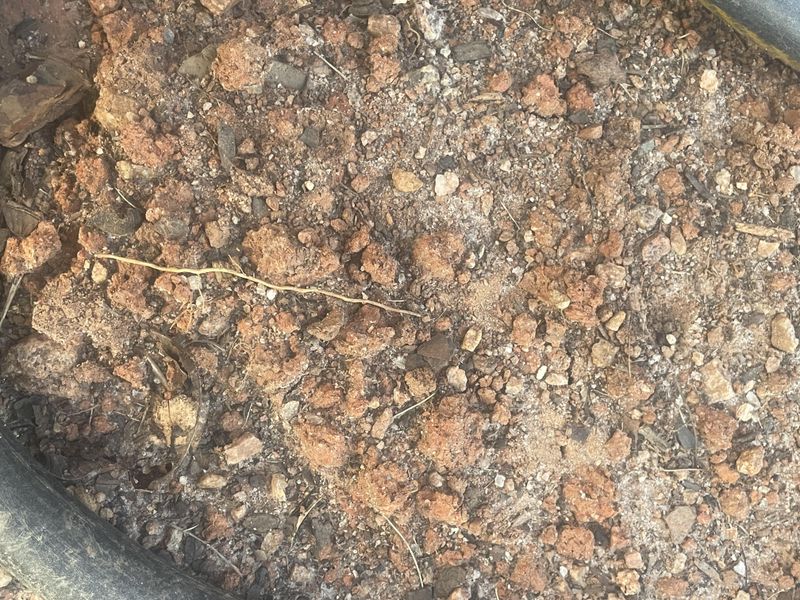
Georgia clay soil frustrates plenty of gardeners before the first plant even goes into the ground. Water sits too long, roots struggle to spread, and heavy soil becomes stubborn fast once heat dries everything out.
Online advice only makes things more confusing because many popular tips sound convincing at first glance.
Some soil additions actually create worse conditions instead of fixing the problem. Gardens may start draining poorly, hardening faster, or becoming even more difficult to work with over time.
Many homeowners do not realize the damage until plants begin struggling later in the season.
Healthy Georgia soil usually comes from patience and the right approach instead of quick internet fixes. Wrong materials can stay in the ground for years and keep causing problems long after they were added.
1. Sand Often Makes Heavy Clay Soil Even Harder Over Time
Mixing sand into clay sounds logical on paper, but in Georgia gardens, it can backfire badly. When coarse sand particles combine with fine clay particles, the result is something closer to a brick than loose, workable soil.
Concrete is literally made this way, and your garden does not need that kind of structure.
You would need to add enormous amounts of sand, roughly 50 percent or more of the total volume, to actually improve drainage. Most gardeners add a thin layer, which does almost nothing good and can actively tighten the soil structure over time.
Small amounts of sand fill the air pockets in clay without creating enough new space for water to move through.
Georgia summers are brutal, and compacted clay-sand mixes bake even harder under that heat. Roots struggle to push through, water pools on top instead of soaking in, and the whole bed becomes less productive than before.
It feels like progress when you are doing it, but the results tell a different story come July.
Organic matter like aged compost is a far better choice for loosening Georgia clay. Compost breaks down and feeds the microbial life that naturally opens up soil structure.
2. Fresh Wood Chips Can Tie Up Nutrients In Garden Soil
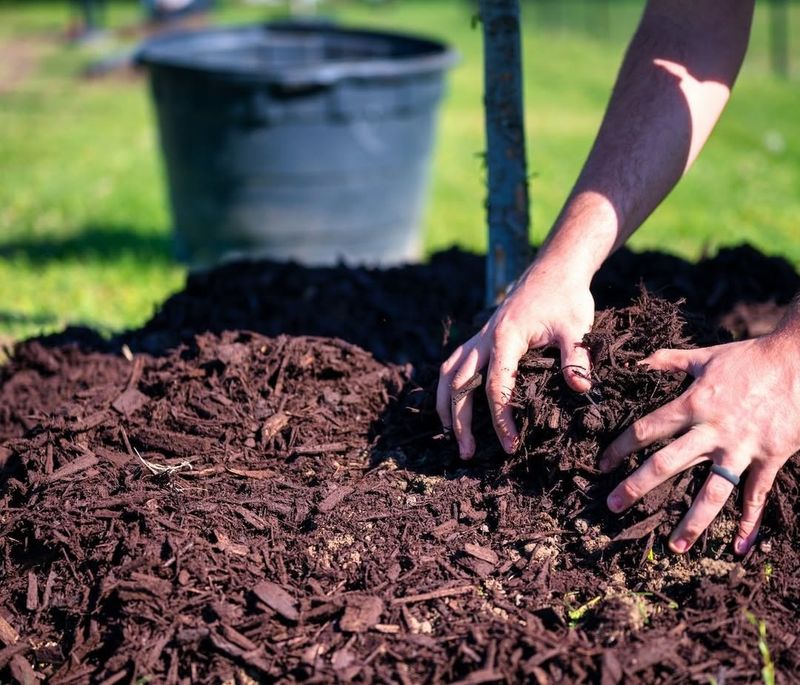
Fresh wood chips straight from the chipper look like a great deal, especially when a tree crew offers them for free. However, spreading them directly into Georgia clay soil or mixing them in can cause a nutrient problem that takes a long time to recover from.
Soil microbes that break down fresh wood need nitrogen to do that work, and they pull it right out of your soil.
That process is called nitrogen immobilization, and it can leave your plants struggling even when you have fertilized properly. Yellowing leaves, stunted growth, and poor fruiting are all signs that your soil nitrogen is tied up in decomposition.
In heavy Georgia clay, where drainage is already limited, this problem gets amplified quickly.
Fresh chips are fine as a top mulch on pathways or around established trees, where they sit on the surface and break down slowly without competing with plant roots. Never till them directly into clay beds or use them as a soil amendment.
Your Georgia Garden Changes Every Week. Your Plan Should Too.
Gardening in Georgia changes quickly throughout the season. Every Friday you’ll receive a simple weekly plan showing exactly what to plant, prune, fertilize, harvest, and protect so you never miss the right timing.
The difference between surface mulching and soil incorporation is enormous when it comes to nutrient availability.
Aged wood chips or fully composted wood material are much safer choices for Georgia gardeners. Look for chips that have been sitting in a pile for at least six months to a year.
3. Too Much Peat Moss May Create Drainage Problems In Clay
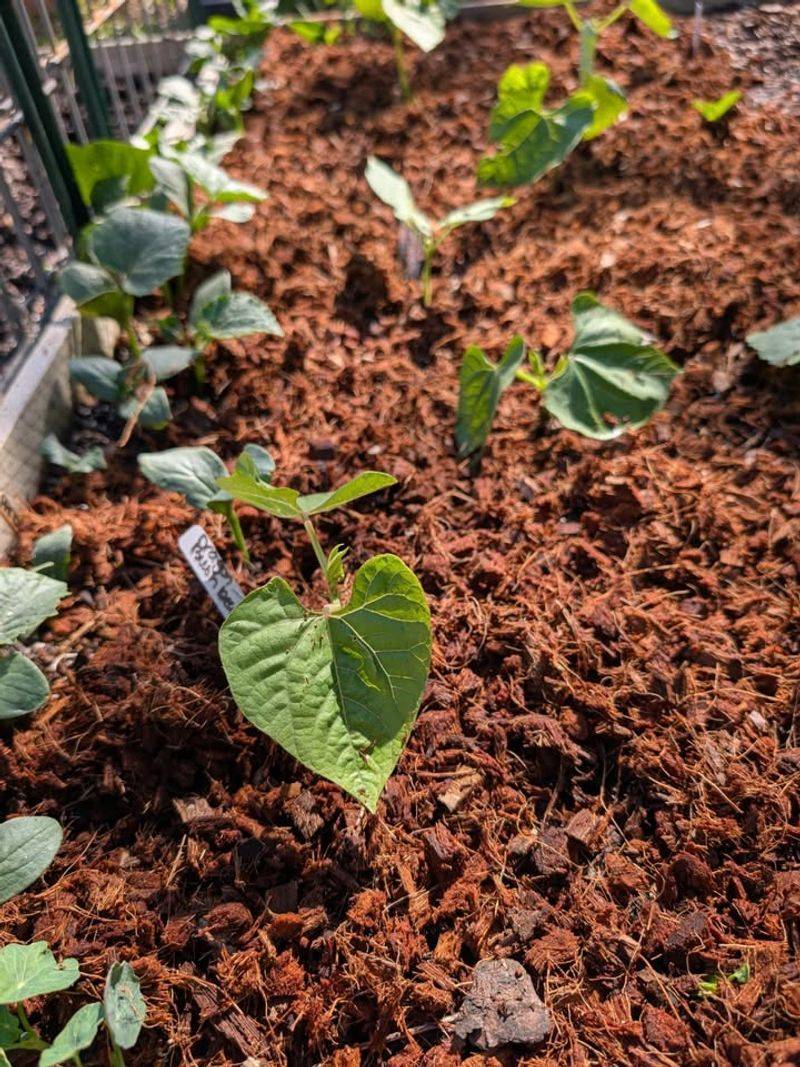
Peat moss has a reputation as a go-to soil amendment, and in sandy or loamy soils, it does solid work. However, in Georgia clay, using too much peat moss can actually make your drainage situation worse rather than better.
Peat is incredibly absorbent, and when it is already surrounded by dense clay that holds water, it becomes a sponge sitting in a bowl.
Heavy clay soil in Georgia already struggles to let water pass through at a reasonable rate. Adding thick layers of peat moss gives that water even more material to cling to.
After a typical Georgia thunderstorm, beds amended with excess peat can stay soggy for days, creating conditions that stress plant roots and encourage fungal problems.
There is also a sustainability angle worth mentioning. Peat moss comes from bogs that take thousands of years to form, and harvesting it is not considered an environmentally friendly practice.
Alternatives like aged compost or coir fiber offer similar water retention benefits with fewer downsides in clay-heavy soils.
If you do choose to use peat moss in your Georgia garden, keep the application rate modest and always blend it with other organic materials like compost.
4. Large Rocks At The Bottom Of Beds Reduce Proper Drainage
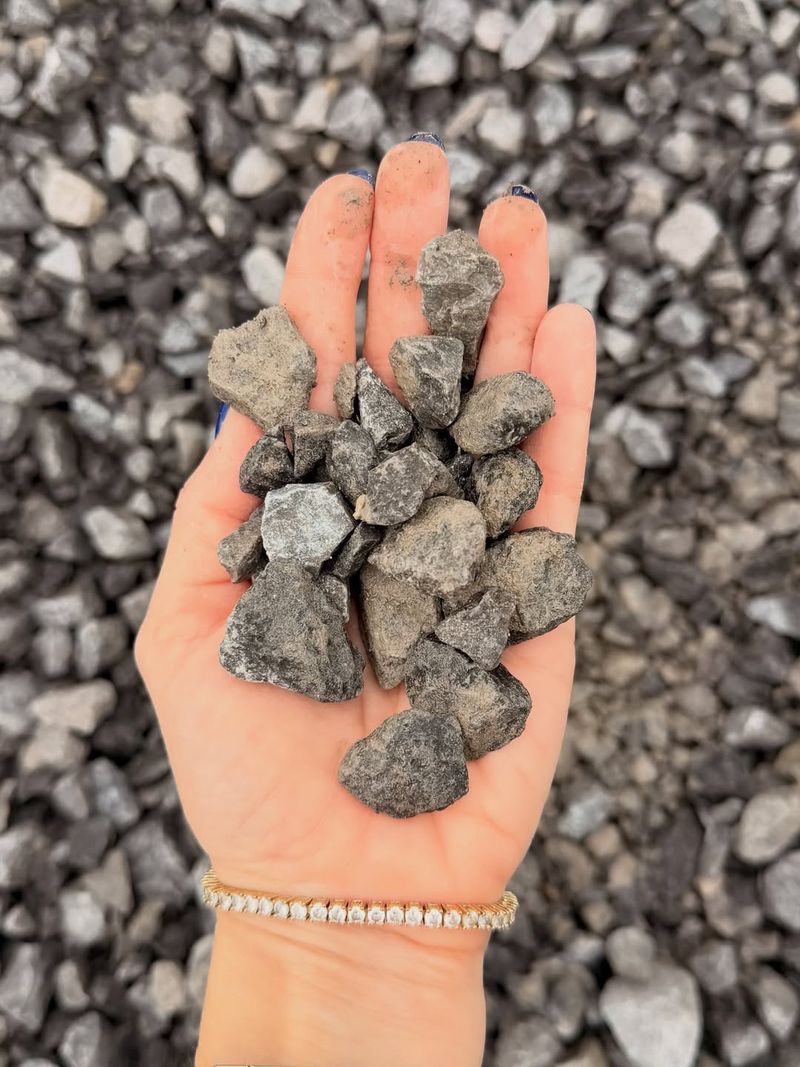
Somewhere along the way, the idea spread that placing large rocks or gravel at the bottom of a raised bed or container would help water drain out faster. Gardeners across Georgia have tried this trick, and many have been disappointed by the results.
Soil science actually shows the opposite effect, and it has a name: the perched water table effect.
Water moving downward through soil does not automatically pass into a layer of rocks below. Instead, it slows down at the boundary between fine soil particles and coarse rock, and it pools just above that layer.
In Georgia clay, which already holds moisture tightly, this creates a soggy zone right where your plant roots are growing.
Raised beds built over Georgia clay need a different approach entirely. Loosening the clay beneath the bed with a broadfork, adding a thick layer of compost on top, and building up the bed with quality mixed soil gives roots somewhere to grow without hitting a drainage barrier.
Skipping the rock layer is one of the easiest improvements you can make.
Drainage fabric or hardware cloth at the bottom of a raised bed serves a much better purpose than rocks. These materials keep soil in place and allow water to pass freely without creating a perched water table.
5. Wet Clay Soil Should Never Be Worked Too Aggressively
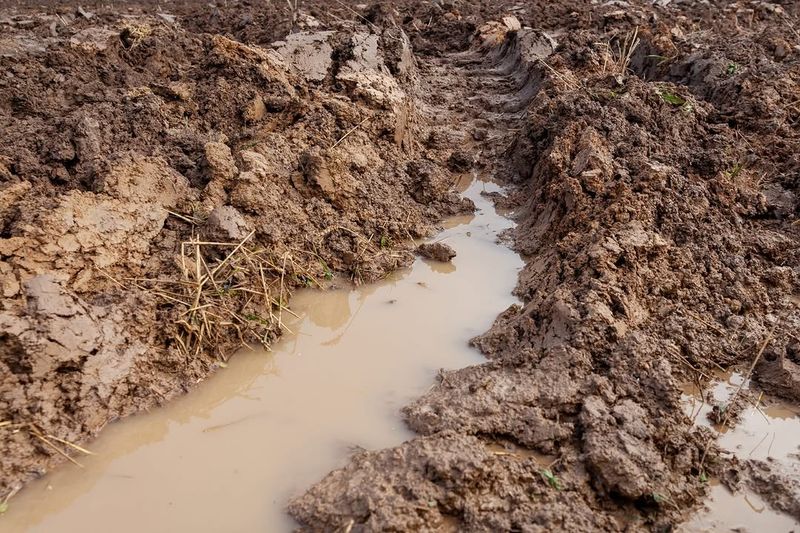
Working wet clay soil is one of the most damaging things you can do to your Georgia garden, and it happens more often than people realize. Clay particles stick together tightly when wet, and any tilling, digging, or walking on the surface while it is saturated smashes those particles into dense clumps.
Once that compaction sets in, it is extremely hard to undo.
A simple test can save you a lot of trouble. Grab a handful of soil and squeeze it into a ball, then open your hand and poke it with your finger.
If it holds its shape firmly and feels slick, the soil is too wet to work. Wait until it crumbles apart when poked before you start digging or amending.
Georgia gets rain in unpredictable bursts, especially in spring and late summer. Gardeners eager to get started after a rainy week sometimes head out too soon.
Even light foot traffic on saturated clay can create compaction layers several inches down that restrict root growth for the entire season.
Raised beds or stepping stone pathways help reduce this problem by keeping your weight off the soil in growing areas. Permanent bed layouts where you never step on the planting zone are especially valuable in Georgia gardens with heavy clay.
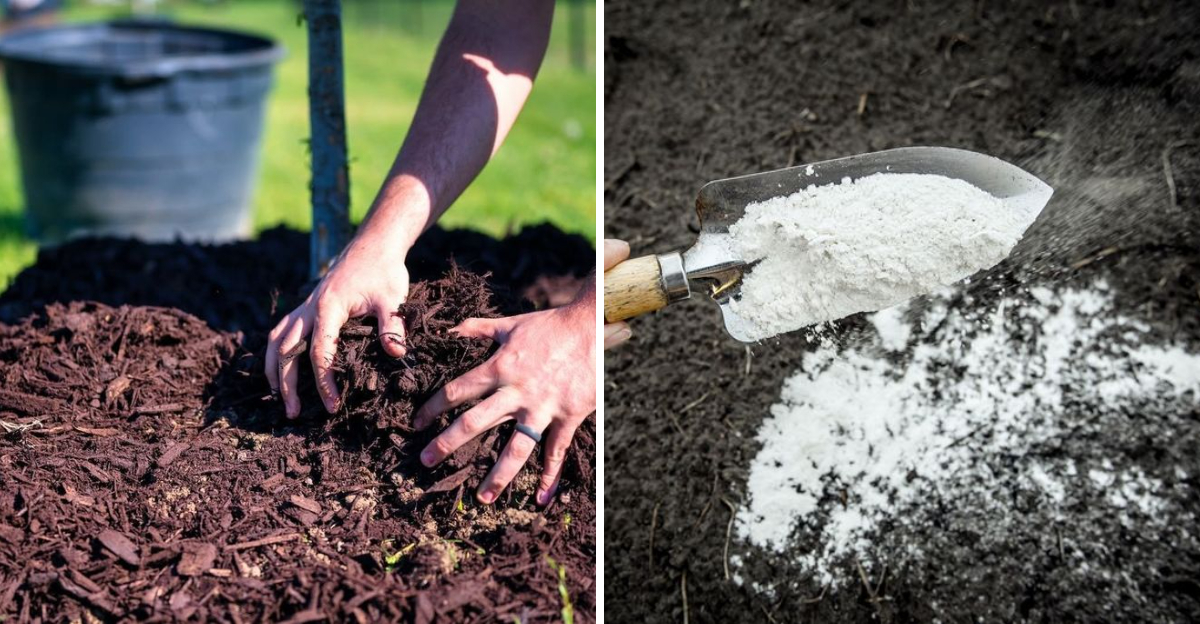
6. Excess Lime Can Cause Nutrient Problems In Clay Soil
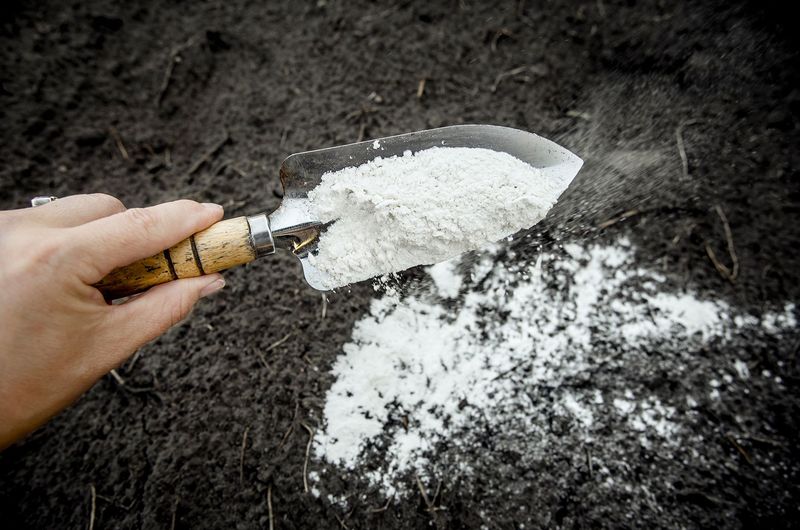
Lime is a legitimate tool for adjusting soil pH, and Georgia gardeners often need it because local clay tends to run acidic. However, adding too much lime without testing first creates a different set of problems that can be harder to fix than the original acidity.
Raising pH beyond the ideal range locks up nutrients that plants need to grow.
Phosphorus, iron, manganese, and zinc all become less available to plant roots when soil pH climbs too high. Georgia clay already has a complex nutrient balance, and overshooting with lime can trigger deficiencies that show up as yellowing leaves, poor flowering, or weak growth.
These symptoms are easy to misread, leading gardeners to add more fertilizer when the real issue is pH.
A soil test is the only reliable way to know how much lime your Georgia garden actually needs. Your local county extension office can test your soil affordably and give you a specific recommendation based on your crop type.
Guessing with lime is a gamble that rarely pays off in clay soil.
When lime is needed, apply it in fall so it has time to work slowly through the soil before planting season. Never apply large amounts all at once expecting immediate results.
Clay soil changes pH slowly, and patience combined with accurate testing will get you much further than pouring on extra lime every spring and hoping for the best.
7. Plastic Weed Barriers Often Trap Moisture In Heavy Clay Soil
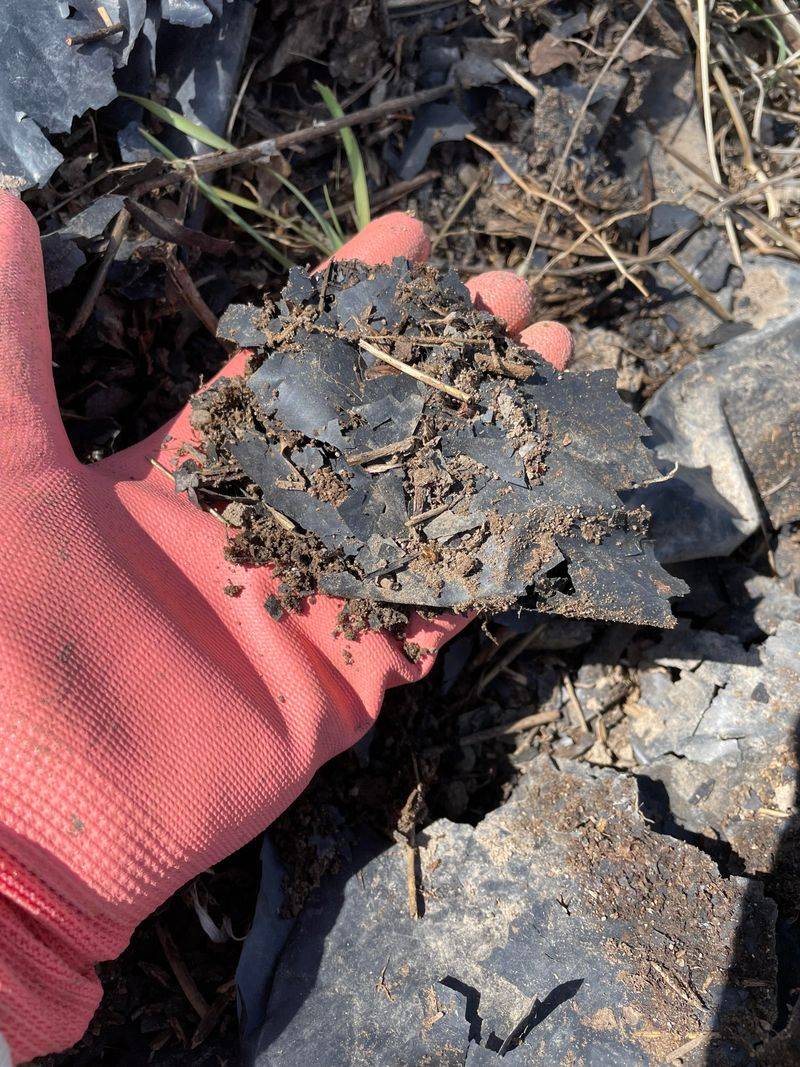
Plastic weed barriers feel like a smart solution when you are tired of pulling weeds every week. Plenty of Georgia gardeners have laid them down with high hopes, only to find their soil in worse shape a season or two later.
Solid plastic sheeting blocks air and water movement, and in clay soil that already struggles with both, this creates a suffocating environment beneath the surface.
Rainwater that cannot penetrate plastic runs off the bed entirely or pools at the edges. During Georgia summers, the heat trapped under black plastic can raise soil temperatures to levels that harm beneficial organisms living in the top few inches of soil.
Earthworms, fungi, and bacteria that naturally work to improve clay structure need air, moderate moisture, and reasonable temperatures to thrive.
Weeds also find a way through eventually, especially grassy ones that push through cut edges or seams. Once weeds are growing under or through the plastic, removing them becomes far more difficult than if you had never used the barrier at all.
The short-term convenience rarely holds up past the first full growing season.
Thick layers of organic mulch, like aged wood chips or straw, do a much better job suppressing weeds in Georgia gardens while still allowing water and air to reach the soil.