When To Harvest Leafy Greens In May In Georgia Before They Bolt
Leafy greens can change surprisingly fast in Georgia once May temperatures start climbing. Garden beds that looked fresh and productive earlier in spring may suddenly begin losing quality almost overnight.
Flavor, texture, and overall growth often shift quickly once warmer weather settles in more consistently.
Timing plays a huge role during this stage of the season. Waiting too long to harvest can leave plants tougher, more bitter, and much less enjoyable to use in the kitchen.
Early signs usually appear before bolting fully takes over, but they are easy to miss without paying close attention.
Good harvesting habits can help gardens stay productive much longer through late spring. Catching the right moment often makes the difference between tender, flavorful greens and plants that already passed their best stage.
1. Morning Harvests Help Greens Stay Crisp Longer
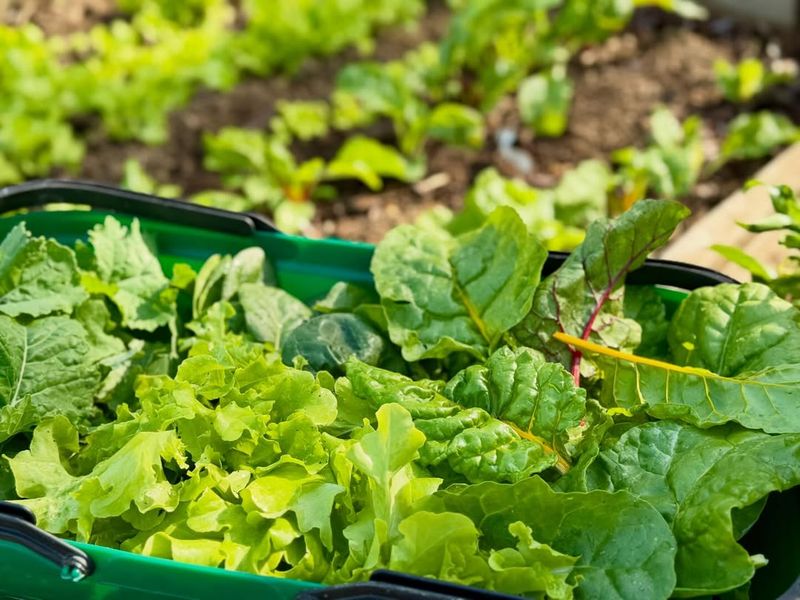
Cut your greens before 9 a.m. and you will immediately notice a difference in how crisp and flavorful they taste. Overnight, plants pull water back into their leaves, and that moisture is still locked in during the early morning hours.
Once the Georgia sun climbs higher and temperatures start pushing into the upper 70s and 80s, that moisture evaporates fast and leaves go limp.
Warm-weather harvesting in Georgia requires you to work with the clock, not against it. Greens picked at noon on a hot May day wilt within minutes of being cut, even if you rush them inside.
Morning-cut leaves, by contrast, can hold their texture for hours when stored properly in a cool refrigerator.
Bring a clean bowl or a damp cloth bag to the garden when you go out to harvest. Placing freshly cut leaves directly onto a dry surface in warm air speeds up wilting.
A quick rinse in cold water right after picking can also help restore any slight limpness you notice.
Gardeners across Georgia who grow spinach, butter lettuce, and arugula in spring consistently report better results when they make morning harvesting a habit.
2. Loose Outer Leaves Can Be Picked Earlier Than Full Heads
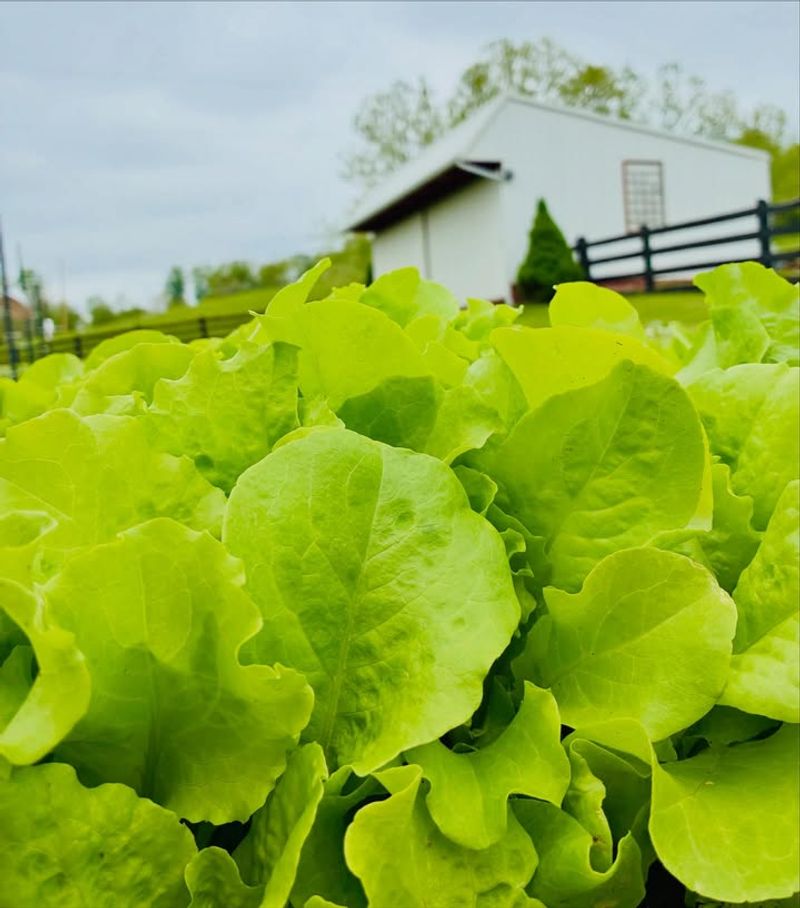
Outer leaves on loose-leaf varieties are almost always ready before the center of the plant even thinks about maturing. Most Georgia gardeners wait too long, holding out for a full head, and by the time they harvest, the plant has already started sending up a flower stalk.
Picking outer leaves early and often is one of the smartest moves you can make in a May garden.
Loose-leaf lettuce, for example, grows from the center outward. Removing outer leaves does not slow the plant down.
Actually, it tends to redirect the plant’s energy back into producing new growth rather than into flowering. Varieties like Black Seeded Simpson and Oak Leaf respond especially well to this cut-and-come-again approach in Georgia’s spring climate.
Spinach behaves similarly. Snapping off the larger outer leaves while the inner ones are still small keeps the plant productive for several extra weeks.
Once you start seeing the center leaves growing upright and narrow rather than flat and broad, that is a sign the plant is shifting toward bolt mode, so harvest more aggressively at that point.
Your Georgia Garden Changes Every Week. Your Plan Should Too.
Gardening in Georgia changes quickly throughout the season. Every Friday you’ll receive a simple weekly plan showing exactly what to plant, prune, fertilize, harvest, and protect so you never miss the right timing.
Arugula and mustard greens also benefit from regular outer-leaf picking.
3. Rising Temperatures Often Cause Greens To Bolt Faster
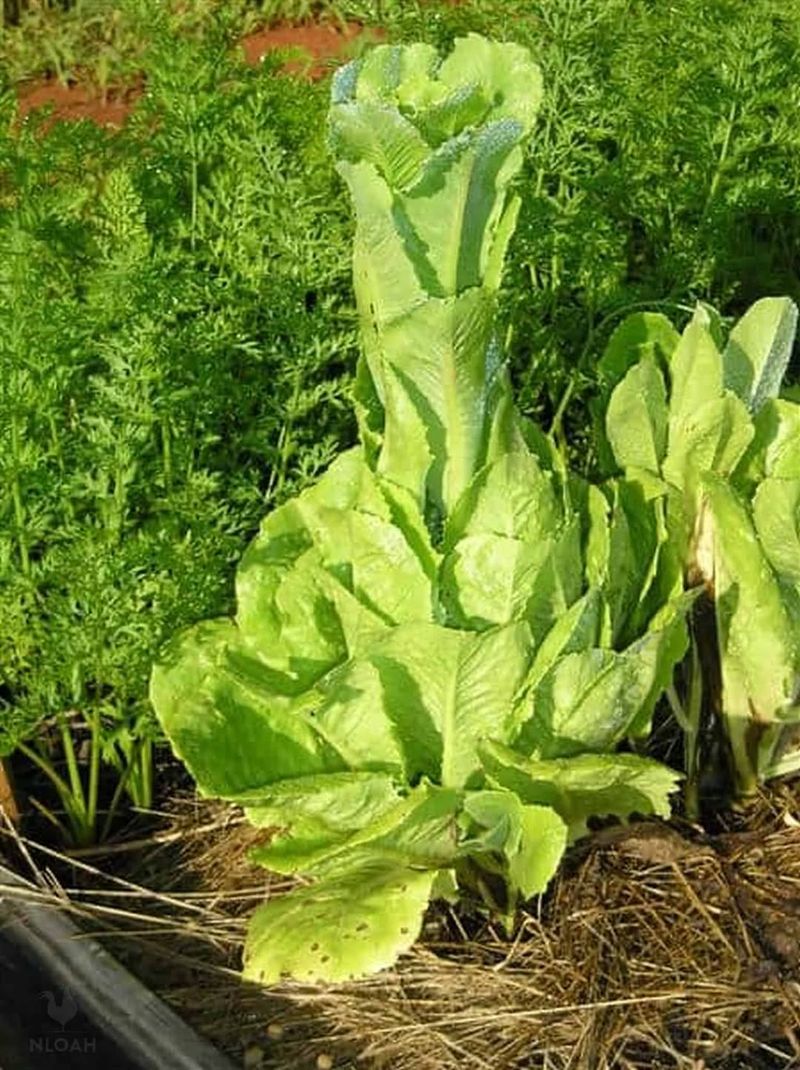
Bolting is basically the plant’s emergency response to heat. When temperatures stay consistently above 75 to 80 degrees Fahrenheit, cool-season greens interpret that warmth as a signal that summer is coming and shift their energy toward producing seeds.
In Georgia, that transition can happen surprisingly fast once May gets rolling, especially in the central and southern parts of the state.
Spinach is one of the most heat-sensitive greens grown in Georgia gardens. It can begin bolting within days of a warm spell that pushes daytime highs into the upper 70s.
Arugula and cilantro bolt even faster. Lettuce is slightly more forgiving depending on the variety, but even heat-tolerant types like Jericho or Muir will eventually send up a stalk when conditions stay hot long enough.
Watching the forecast closely in May helps you plan harvest windows. If a stretch of days above 80 degrees is coming, pick your greens before that heat wave hits rather than after.
Waiting even two or three extra days during a warm snap can push a plant from harvestable to bolted with little warning.
Gardeners in north Georgia near Gainesville or Dahlonega tend to get a slightly longer window than those closer to Augusta or Columbus, where May heats up earlier.
4. Bitter Flavor Usually Becomes Stronger After Bolting Starts
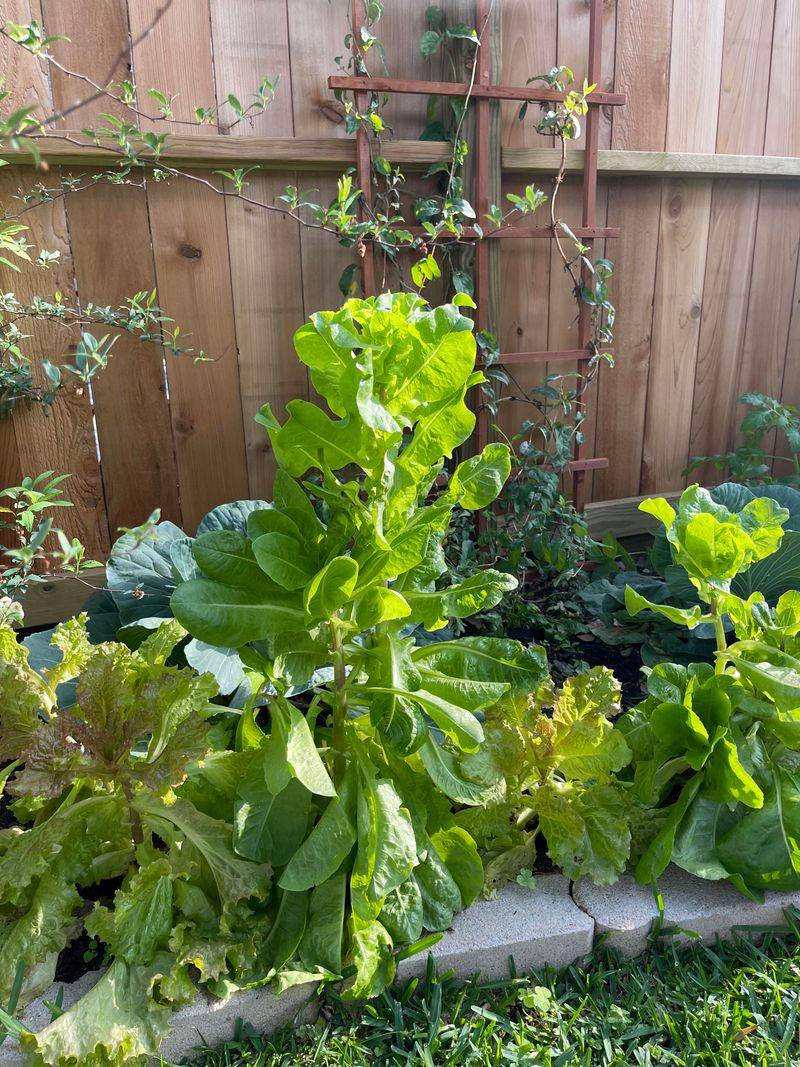
Bitterness in leafy greens is not random. Once a plant starts bolting, it produces compounds called glucosinolates and sesquiterpene lactones that make the leaves taste noticeably sharper and more unpleasant.
Arugula, which already has a peppery edge, can become almost too sharp to eat raw once it sends up a flower stalk. Spinach gets a metallic, almost sour edge that most people find off-putting.
Lettuce is a good example of how quickly this shift happens. A head of romaine that tastes mild and crisp on Monday can taste noticeably bitter by Friday if temperatures spiked mid-week.
The change is not always visible from the outside, which is why tasting a leaf before harvesting a full plant is a habit worth building in May.
Some greens are more forgiving than others once bolting begins. Kale and Swiss chard, for instance, do not bolt the same way cool-season greens do and tend to stay palatable longer into warm weather.
But traditional spring greens like spinach and butterhead lettuce have a very narrow window between peak flavor and bitter, tough leaves that most people would not enjoy eating fresh.
5. Frequent Harvesting Encourages Continued Leaf Production
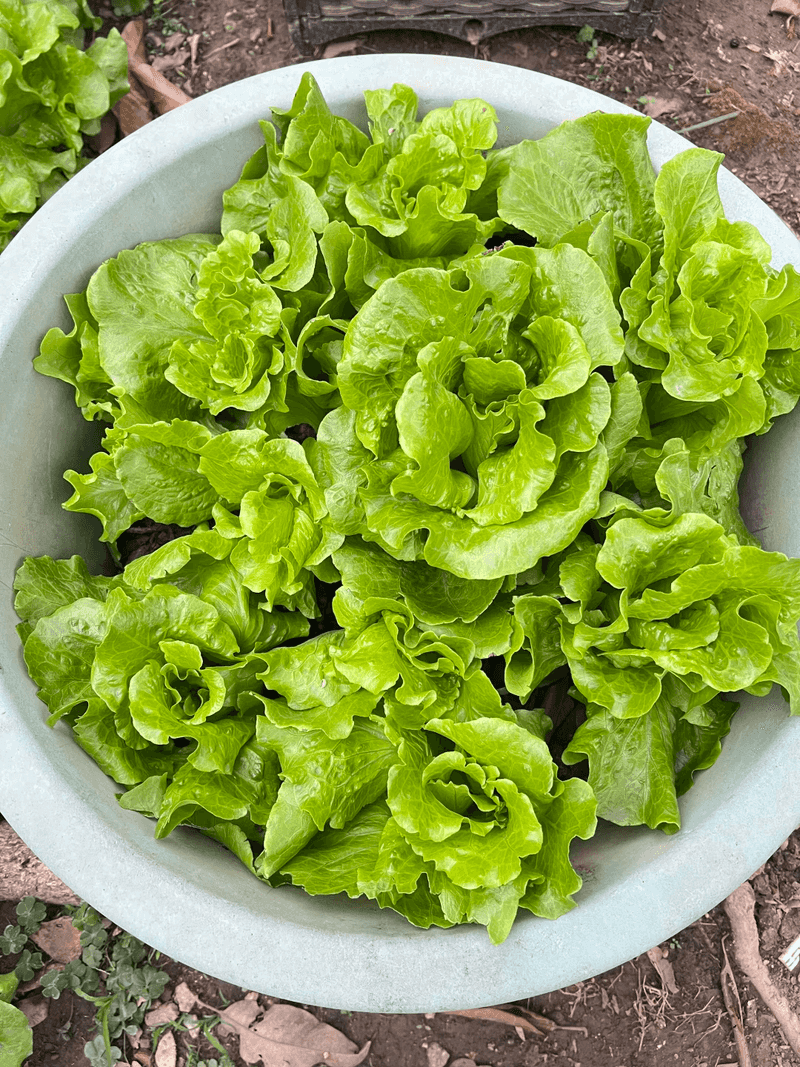
Leaving greens alone too long actually works against you. Plants that are not harvested regularly put their energy into maturing and eventually reproducing, which means bolting happens sooner.
Regular harvesting sends a message to the plant that it needs to keep producing leaves, which extends your growing window noticeably in Georgia’s short spring season.
A good rule of thumb for most leafy greens is to harvest every five to seven days once plants reach a usable size. You do not need to strip the plant bare each time.
Removing about one-third of the outer leaves at each harvest keeps the plant active and productive without stressing it. Spinach, loose-leaf lettuce, and mustard greens all respond well to this rhythm.
Consistent harvesting also improves air circulation around the plant, which matters more than most gardeners realize. Dense, overcrowded leaves trap humidity close to the soil, and in Georgia’s warm May air, that creates conditions where fungal issues can develop.
Thinning out outer leaves regularly keeps the canopy more open and the remaining leaves healthier overall.
Gardeners who harvest frequently often report getting two to three extra weeks of production compared to those who wait for plants to fully mature before picking.
6. Shade Cloth Can Slow Down Heat Stress In Late Spring
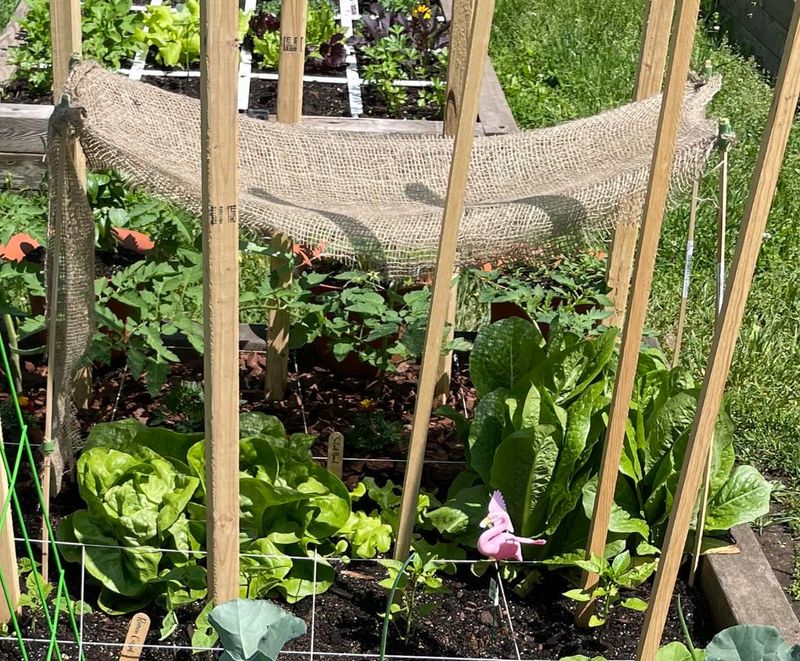
Shade cloth is not a magic fix, but it genuinely buys time when Georgia’s May sun starts beating down hard on cool-season greens.
A 30 to 40 percent shade cloth stretched over your garden beds can lower the temperature directly around your plants by several degrees, which slows the bolting process and keeps leaves tasting better for longer.
It is one of the more practical tools available to spring gardeners in the South.
Installation does not need to be complicated. Simple hoops made from PVC pipe or flexible conduit can hold shade cloth above a raised bed without touching the plants.
Draping it loosely is actually preferable to pulling it tight, since loose cloth allows more airflow underneath. Good airflow matters in Georgia because stagnant, humid air under a tight cover can create problems of its own, particularly with fungal leaf spots on moisture-sensitive greens like spinach.
Shade cloth works best when it is deployed before heat stress begins rather than after. Once a plant starts to bolt, reducing light and temperature helps slow the process but will not reverse it.
Watching the forecast and setting up shade cloth ahead of a warm stretch is more effective than reacting after you notice plants struggling.
7. Flower Stalks Signal That Leafy Greens Are Near The End
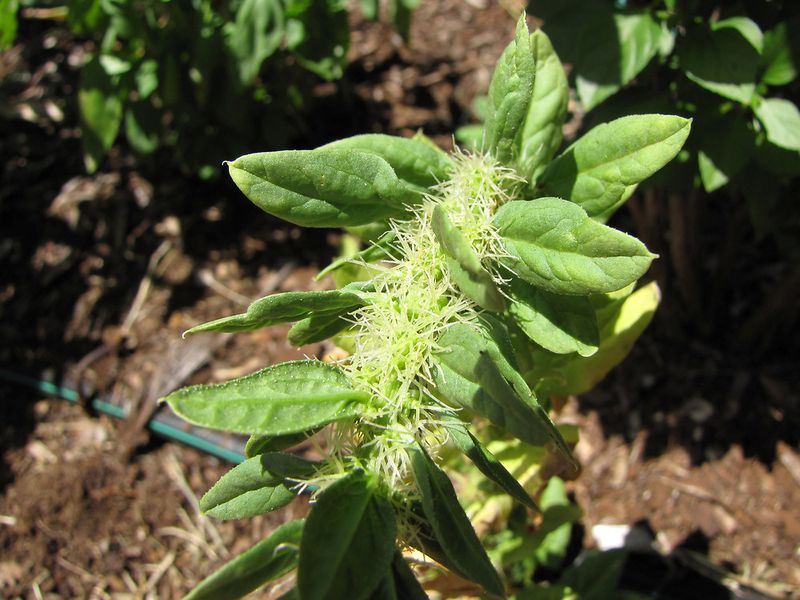
Spotting a flower stalk in the center of your spinach or lettuce is not a disaster, but it is a clear signal to act quickly. Once that stalk appears, the plant has committed to reproduction and most of its energy is going toward flowers and seeds rather than leaf growth.
Harvesting everything usable at that point is the smartest move rather than hoping the plant recovers.
Not all flower stalks mean the leaves are immediately inedible. Arugula flowers are actually edible and have a mild, peppery flavor that works well in salads.
Lettuce leaves can still be used for a day or two after a stalk first appears, especially if you cook them lightly rather than eating them raw. Spinach, however, tends to turn bitter faster once bolting starts, so move quickly when you see that stalk emerging.
Checking plants at the base of the center leaves is a useful early warning habit. Before a visible stalk appears, the center leaves often start growing upright and elongated rather than spreading outward in their normal flat pattern.
Catching this early sign gives you a short but valuable window to harvest before flavor declines significantly.