The Pennsylvania Citrus Watering Rules Gardeners Should Follow In May
Growing citrus in Pennsylvania is one of those gardening pursuits that requires a little more intention than most plants, and watering sits right at the center of getting it right.
May specifically is a month where citrus watering needs shift in ways that catch even experienced Pennsylvania gardeners off guard, and the consequences of getting it wrong during this window have a way of showing up weeks later when the connection to May’s watering habits isn’t always obvious.
Pennsylvania’s May weather is variable enough that relying on a fixed watering schedule without adjusting for actual conditions tends to create problems on both ends of the spectrum. Too much water during a wet May stretch leads to root stress that mimics drought symptoms.
Too little during a dry stretch and you’re setting citrus trees up for the kind of moisture deficit that affects fruit development for the entire season.
Understanding what Pennsylvania citrus actually needs from your watering routine in May makes everything that follows in the growing season significantly more manageable.
1. Water Only When The Top Soil Feels Dry
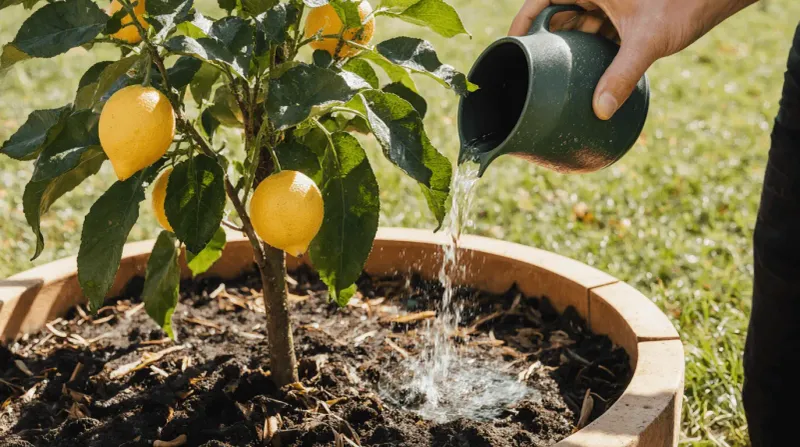
Many new gardeners make the mistake of watering their citrus trees on a fixed schedule, but citrus trees do not follow the calendar. They respond to what is actually happening in the soil.
Before you reach for the watering can, press your finger about an inch into the soil. If it feels dry at that depth, your tree is ready for water. If it still feels damp or cool, wait a day or two and check again.
Citrus trees grown indoors or in containers in Pennsylvania are especially sensitive to overwatering. Indoor environments tend to have less airflow and lower light levels, which means soil takes longer to dry out compared to outdoor garden beds.
Watering too often in these conditions can lead to soggy roots that struggle to absorb nutrients properly.
In May, Pennsylvania weather can be unpredictable. Some weeks bring warm sunshine, while others bring cool, cloudy days that slow down soil drying.
That is exactly why the finger test is so reliable. It takes the guesswork out of watering and gives you a direct reading of what your tree actually needs right now.
Getting into this habit early in the season helps you build a better sense of your tree’s rhythm. Over time, you will notice patterns based on temperature, sunlight, and pot size.
Staying responsive rather than routine is the smartest approach a Pennsylvania citrus gardener can take in May.
2. Water Deeply Instead Of Lightly
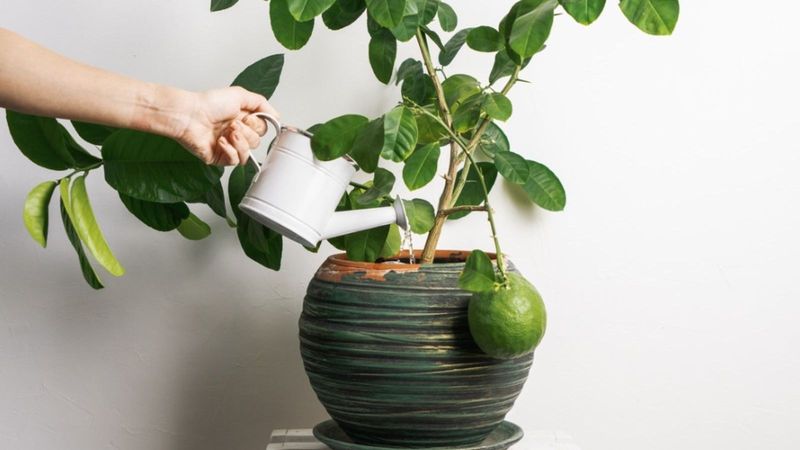
Shallow watering is one of the most common mistakes citrus tree owners make, and it can quietly weaken your tree over time. When you only wet the top layer of soil, roots have no reason to grow deeper.
They stay close to the surface, where they are more exposed to heat and dryness. Deep watering fixes this problem by encouraging roots to stretch downward in search of moisture.
To water deeply, pour water slowly and steadily into the pot until you see it flowing out of the drainage holes at the bottom. This tells you that moisture has traveled all the way through the root zone.
Your Pennsylvania Garden Changes Every Week. Your Plan Should Too.
Gardening in Pennsylvania changes quickly throughout the season. Every Friday you’ll receive a simple weekly plan showing exactly what to plant, prune, fertilize, harvest, and protect so you never miss the right timing.
In Pennsylvania, May temperatures can swing between cool mornings and warm afternoons, so giving your citrus tree a thorough drink helps it stay stable through those changes.
Deep watering also flushes out salt buildup that can collect in container soil over time. Fertilizer residue and mineral deposits from tap water can accumulate in the soil and affect nutrient absorption.
A good deep watering session every week or so helps rinse those salts away, keeping the soil environment healthier for your tree. After watering deeply, always allow the soil to dry out appropriately before watering again.
Watering deeply but less frequently is far better for citrus health than light, daily sprinkles. Pennsylvania gardeners who adopt this method often notice stronger growth, glossier leaves, and better fruit development heading into the summer months.
It is a simple change with a surprisingly big payoff for your citrus tree.
3. Always Empty Drainage Saucers
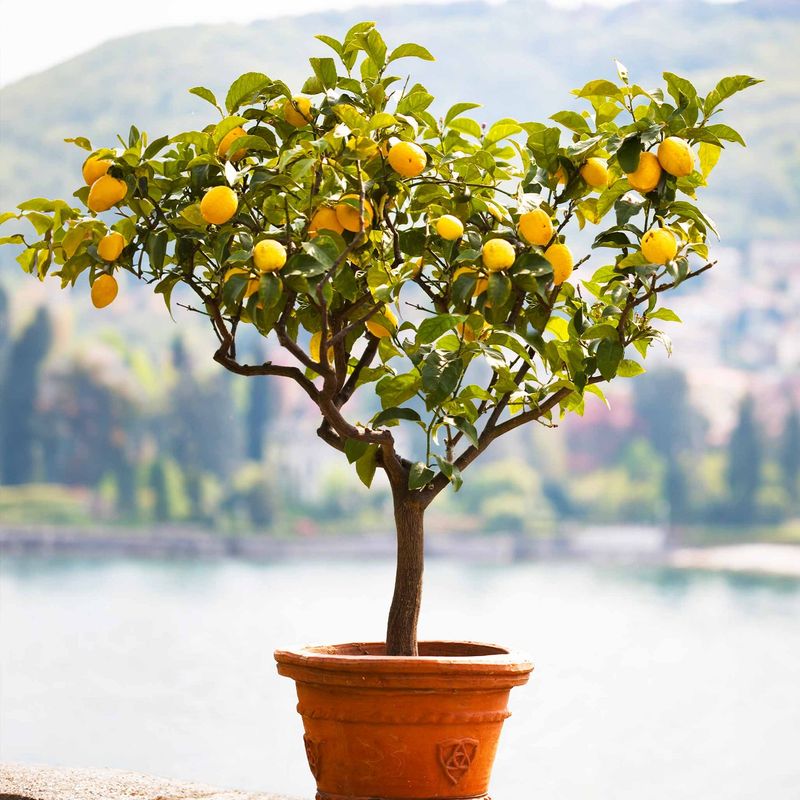
Picture this: you water your citrus tree carefully, feel good about your routine, and then leave the saucer sitting full of water underneath the pot for days.
That standing water might seem harmless, but it is actually one of the sneakiest problems for container citrus trees in Pennsylvania.
Roots sitting above a pool of stagnant water can absorb excess moisture even when the soil feels dry on top, leading to soggy root conditions that are hard to reverse.
Root rot is a fungal condition that thrives in wet, poorly drained environments. Once it takes hold, it can spread through the root system quickly and weaken the entire tree.
Signs of root rot include yellowing leaves, wilting despite moist soil, and a general lack of energy in the plant. Preventing it is far easier than trying to treat it after the fact.
Make it a habit to check and empty drainage saucers within 30 minutes to an hour after watering your citrus tree. In May across Pennsylvania, indoor humidity levels and moderate temperatures can slow evaporation, meaning water in saucers sticks around longer than you might expect.
If you use a saucer to protect your floors or patio, that is perfectly fine. Just do not let water pool in it for extended periods.
Some gardeners place small pebbles in the saucer to elevate the pot slightly above any collected water. That simple trick adds an extra layer of protection for your citrus roots and keeps air circulating beneath the container.
4. Adjust Watering During Rainy Weeks
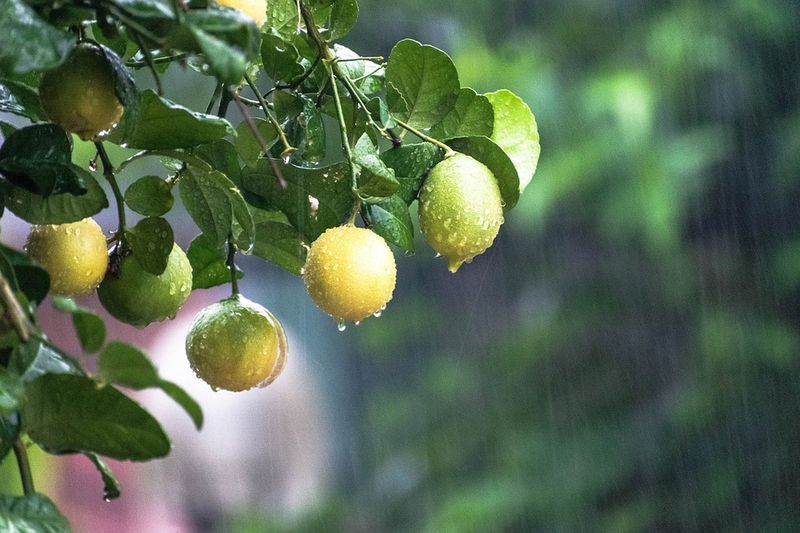
May in Pennsylvania is famously unpredictable. One week you might have bright sunshine and dry breezes, and the next week you could see several days of steady rain.
For outdoor potted citrus trees, those rainy stretches change everything about your watering schedule. Sticking to your usual routine during a wet week is a fast track to overwatered, struggling roots.
When rain is in the forecast for several days in a row, skip your regular watering session and let nature do the work. Even after the rain stops, check the soil before adding more water.
Potted citrus trees in Pennsylvania can hold moisture for longer than you might expect after a cool, cloudy stretch. The combination of lower temperatures and reduced sunlight slows down how quickly the soil dries out.
If your citrus tree lives on a covered porch or under an overhang, it may not receive much rainwater at all, even during wet weather. In that case, you may still need to water manually, but always check the soil first.
Moving a potted tree to catch some natural rainfall during a light shower can be a great way to give it a refreshing drink while also washing dust off the leaves. Just make sure it does not sit in a puddle afterward.
Staying flexible and observant during May is the key to keeping your Pennsylvania citrus tree properly hydrated without going overboard. Weather awareness is truly one of the most valuable tools in a citrus gardener’s toolkit this time of year.
5. Use Pots With Good Drainage Holes
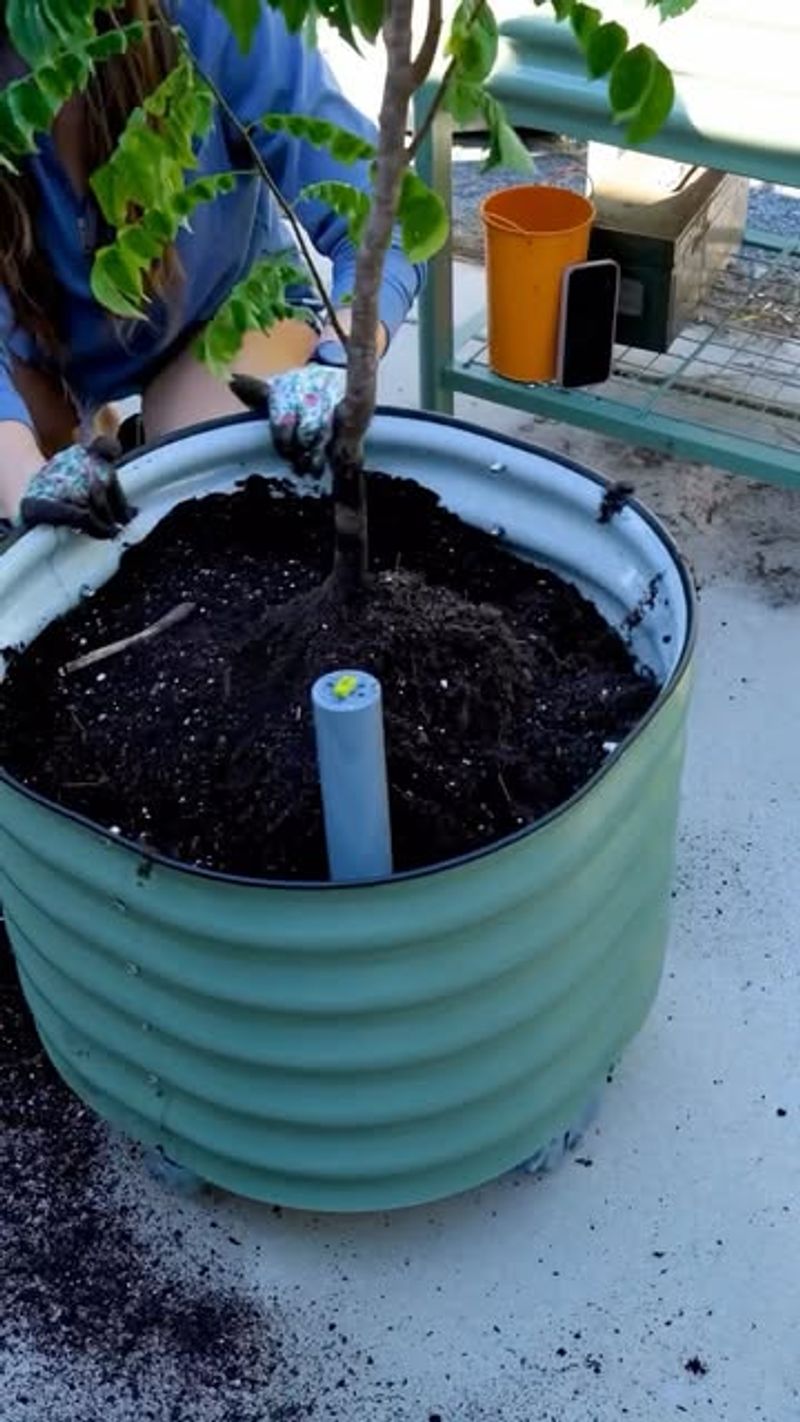
Not all pots are created equal, and when it comes to citrus trees in Pennsylvania, drainage is everything. A beautiful pot with no drainage holes might look great on your patio, but it turns into a water trap that holds excess moisture around your tree’s roots.
Citrus trees need their roots to breathe, and that simply cannot happen in soil that stays waterlogged for days at a time.
Good drainage holes allow excess water to escape freely after each watering session. This keeps the root zone at the right moisture level without letting it get too wet or too dry.
Terracotta pots are a popular choice among Pennsylvania citrus growers because they are porous and allow some moisture to evaporate through the sides, which helps prevent overwatering naturally.
Plastic and glazed ceramic pots hold moisture longer, so drainage holes become even more critical with these materials.
When shopping for a new pot or repotting your citrus tree this May, look for containers with at least two or three drainage holes at the bottom. Larger pots may need more holes to allow water to drain evenly across the root system.
If you fall in love with a decorative pot that lacks drainage, consider using it as a decorative outer sleeve and placing your citrus in a plain nursery pot with holes inside it. That way you get the look you want without sacrificing root health.
Proper drainage is one of the easiest and most impactful things a Pennsylvania gardener can do to support a thriving citrus tree all season long.
6. Water Early In The Day
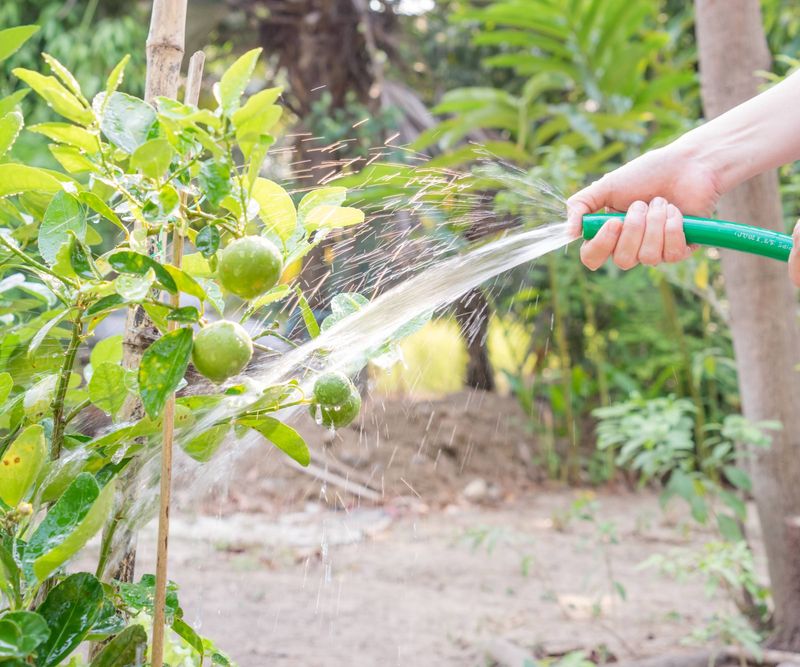
Timing your watering session might not seem like a big deal, but for citrus trees in Pennsylvania, the time of day you water can genuinely affect how well your tree handles heat, moisture, and stress throughout the day.
Morning watering is widely considered the best practice, and there are solid reasons behind that recommendation.
When you water early in the morning, the soil and leaves have the entire day to dry out under natural sunlight and airflow. Wet leaves that dry quickly are far less likely to develop fungal issues like powdery mildew or leaf spot.
In May, Pennsylvania mornings can be cool and fresh, which gives water time to soak into the soil before afternoon heat causes rapid evaporation. Your tree gets to absorb more of what you give it.
Evening watering is the habit to avoid. When you water at night, moisture lingers on leaves and in the top layer of soil for hours in the dark, creating a damp environment that welcomes fungal growth.
Midday watering during hot, sunny May afternoons is also less ideal because water evaporates from the soil surface quickly before roots can absorb it fully. Morning watering hits the sweet spot between effective absorption and healthy drying.
Even if your schedule is busy, try to carve out just five or ten minutes in the early part of the day to tend to your citrus tree.
Pennsylvania citrus growers who stick to morning watering often notice healthier foliage, fewer disease issues, and stronger overall growth heading into summer.