How To Build A Small Oregon Moon Garden For Night Pollinators
Most gardens are designed for daytime. You plant for the hours you’re outside enjoying your morning coffee or puttering around on a weekend afternoon.
But something interesting happens in an Oregon garden after the sun goes down. Moths start moving through the foliage. Bats dip low over the beds.
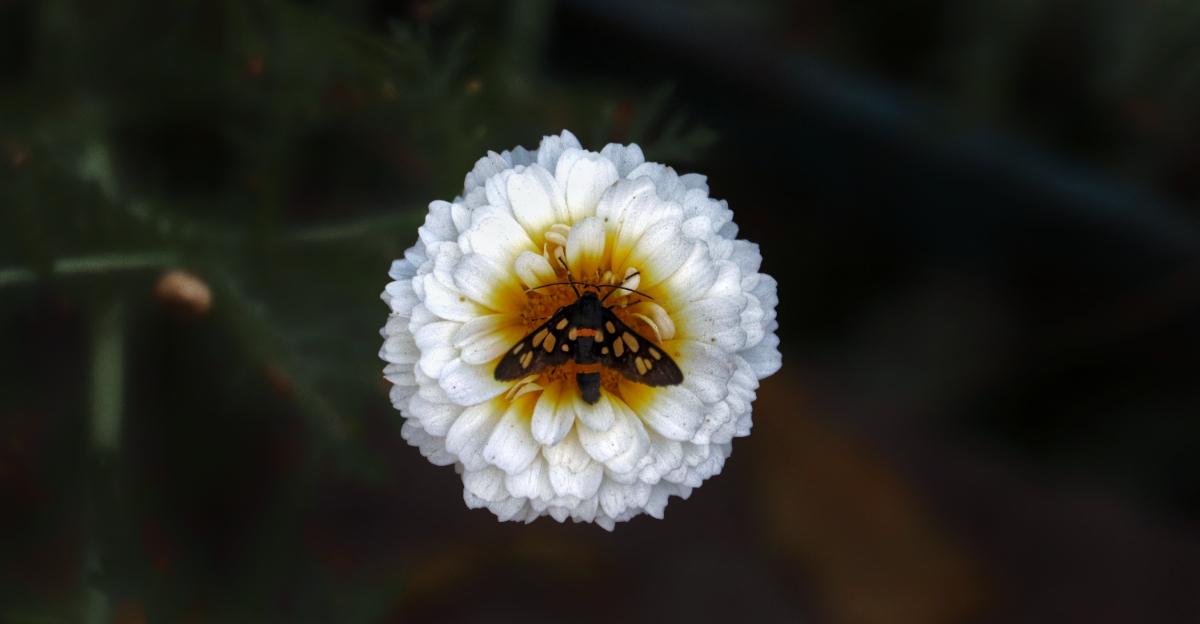
Night-blooming flowers open up and release fragrance that barely registers during the day. An entirely different ecosystem quietly comes to life, and most gardeners never even see it. A moon garden is designed around that after-dark world.
White and pale-colored flowers that glow in low light, night-blooming varieties that save their best performance for evening, and plants that attract the moths and nocturnal pollinators that do critical work while everyone else is asleep.
Building one doesn’t require a large space or a complicated design. A small dedicated corner of an Oregon garden is more than enough to create something genuinely magical that gives you a completely new reason to step outside after dark.
1. Pick A Spot With Evening Shade
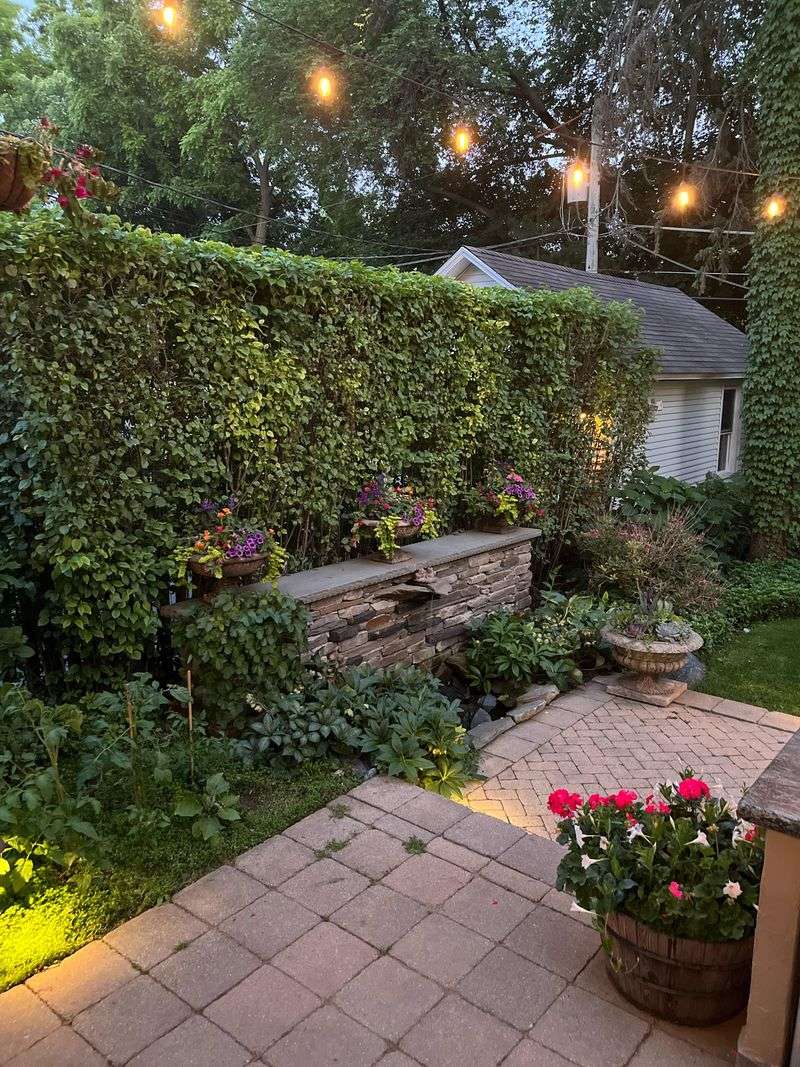
Finding the right spot is the first and most important step in building your Oregon moon garden. Many people think night gardens need full darkness, but that is not quite right.
What night pollinators actually love is a place that gets gentle shade in the late afternoon and opens up to soft moonlight after sunset.
Look around your yard or patio for a spot that is shaded from the harsh afternoon sun but still gets some light in the evening hours. South-facing walls or spots near fences work really well in Oregon because they hold warmth from the day and release it slowly at night.
That warmth helps fragrant flowers release their scent, which is exactly what moths and other pollinators are looking for.
Avoid placing your garden directly under dense tree canopies. Too much shade will block moonlight and make it harder for your plants to thrive.
A corner of your yard in Salem or Corvallis that gets morning sun and afternoon shade is a perfect starting point. Check the spot at different times of day before you start planting.
A few days of observation can save you a lot of trouble later on and help your moon garden truly shine.
2. Use White Flowers Moths Can See
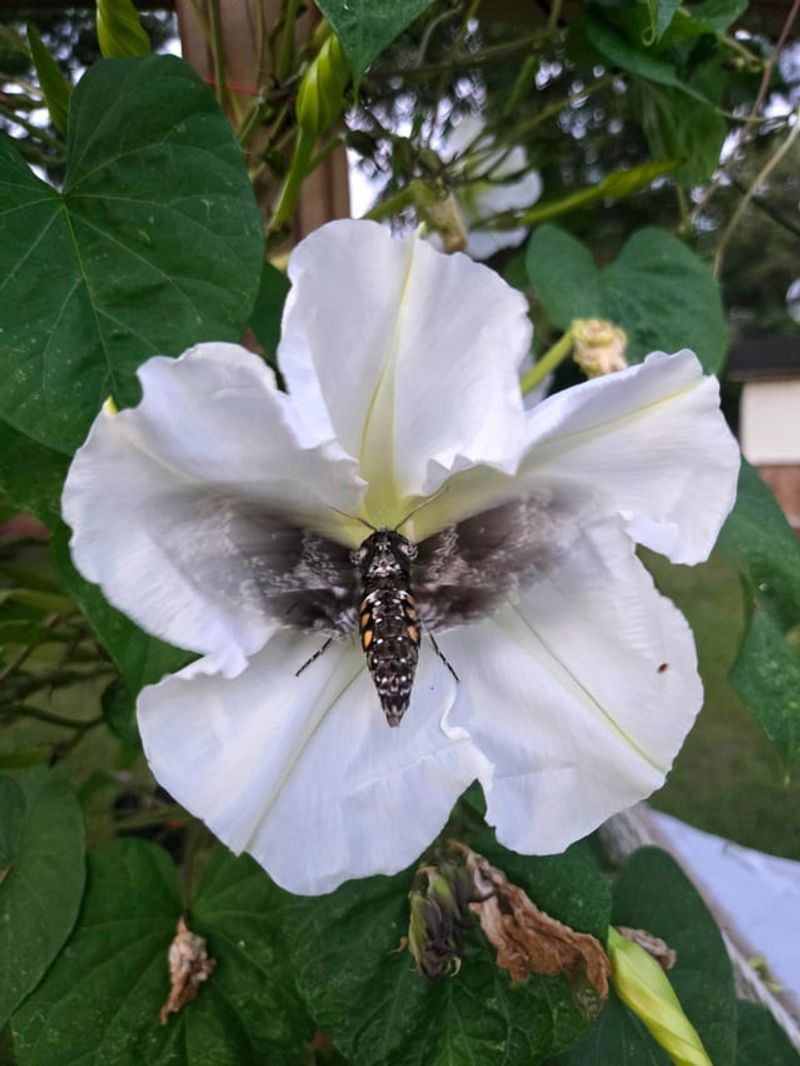
Moths have amazing night vision, and white flowers are like little beacons calling them in from across the yard. In Oregon, where evenings can be cool and misty, planting white blooms gives night pollinators a clear visual target even when the light is low.
White reflects moonlight beautifully, making your garden glow in a way colored flowers simply cannot match after dark.
Great white flower choices for Oregon moon gardens include white phlox, white nicotiana, and moonflower vine. Nicotiana, also known as flowering tobacco, releases a sweet scent at night that moths find almost impossible to resist.
Moonflower vines open their large white blooms right at dusk and stay open through the night, giving pollinators plenty of time to visit.
Your Oregon Garden Changes Every Week. Your Plan Should Too.
Gardening in Oregon changes quickly throughout the season. Every Friday you’ll receive a simple weekly plan showing exactly what to plant, prune, fertilize, harvest, and protect so you never miss the right timing.
Plant these flowers in clusters rather than spreading them out one by one. Groups of white blooms create a stronger visual signal and a bigger scent cloud that travels further on the breeze.
Along Oregon’s Willamette Valley, evening winds often carry garden scents for surprising distances. Stick with simple, open-faced flower shapes too.
Moths and beetles can access nectar much more easily from flat or cup-shaped blooms than from complex, layered flowers. Simple shapes equal more pollinator visits every single night.
3. Plant Evening Primrose Near The Edge
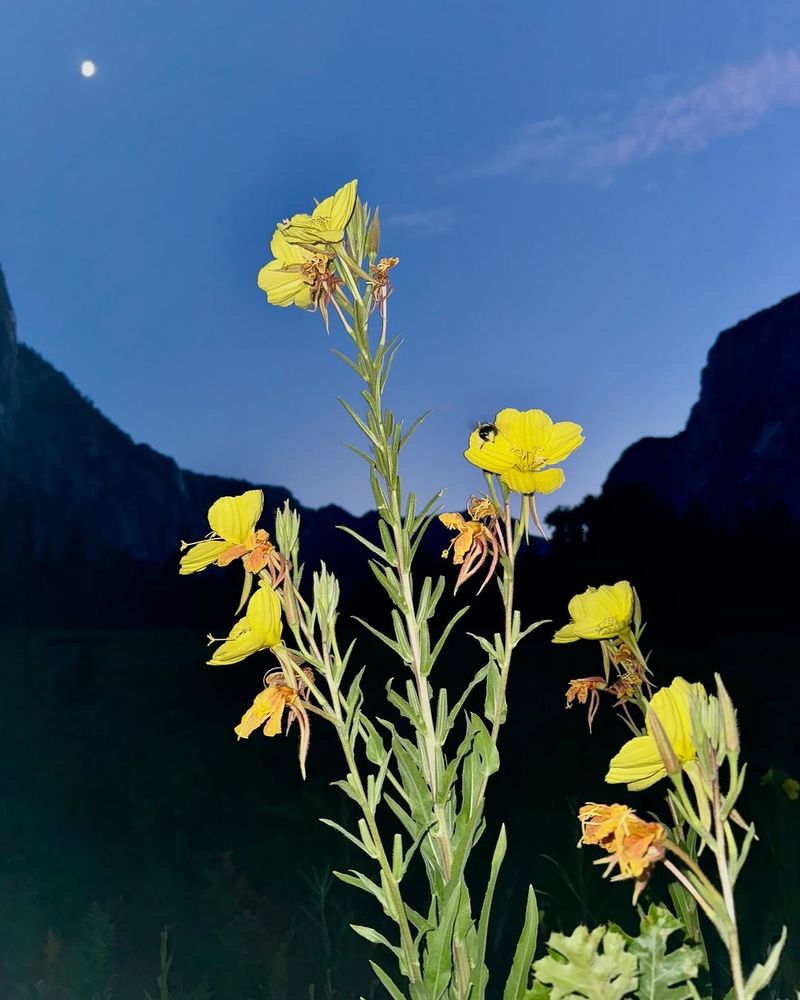
Evening primrose is one of those plants that seems almost made for moon gardens. It opens its bright yellow flowers right as the sun sets, releasing a sweet lemon scent that drifts through the cool Oregon air.
Placing it near the edge of your garden bed makes it easy for pollinators to find and for you to enjoy from a nearby bench or porch.
Oregon has native species of evening primrose that are especially well-suited to the local climate. These plants are tough, drought-tolerant once established, and do not need much fussing over.
They grow well in sandy or rocky soil, which makes them a great choice for garden edges where conditions can be a little rougher than in the center of a bed.
One fun fact about evening primrose is that its flowers only last one night. Each bloom opens at dusk, gets pollinated through the night, and closes by morning.
But do not worry, the plant produces new blooms continuously through the summer, so there is always something fresh opening each evening. Plant a small row of evening primrose along the front edge of your Oregon moon garden and watch it become one of the busiest spots for sphinx moths and other night visitors all season long.
4. Add Night-Scented Stock In Pots
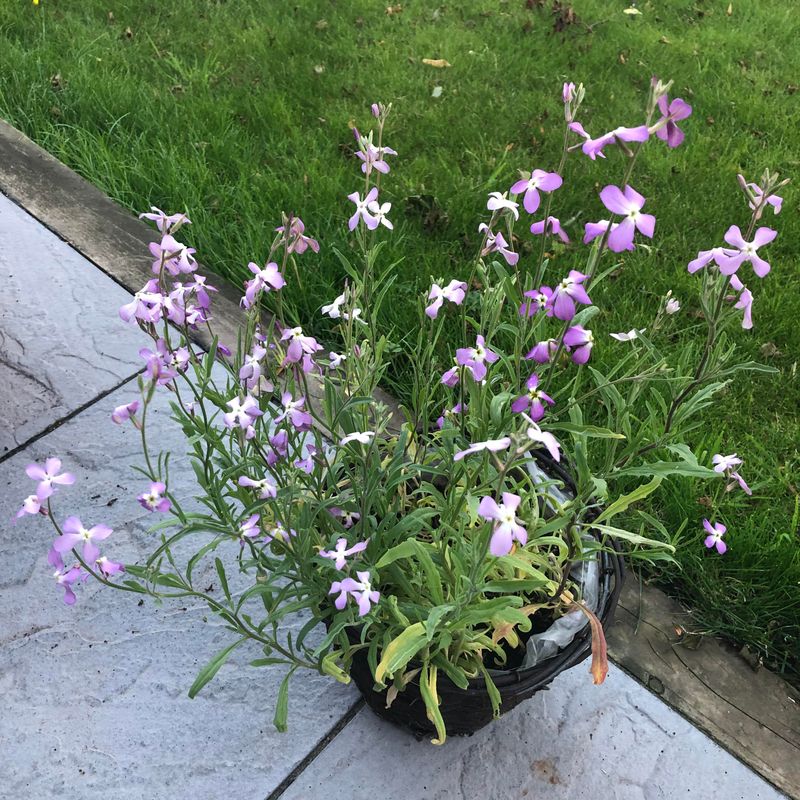
Not everyone has a big yard to work with, and that is perfectly fine. Night-scented stock is a fantastic plant for small spaces because it grows beautifully in containers.
You can place pots of it on a porch, balcony, or right next to a garden path in any Oregon town or city, from Ashland to Astoria.
During the day, night-scented stock looks pretty plain. The flowers actually close up and the plant can seem a little dull compared to other garden flowers.
But once evening rolls around, the blooms open wide and release one of the most powerfully sweet fragrances you will ever smell in a garden. It is almost like a switch flips at sunset, and suddenly the whole area smells incredible.
Moths are strongly attracted to this scent and will travel from surprisingly far away to find it. Use medium-sized pots with good drainage and a basic potting mix.
Water regularly but do not let the pots sit in standing water, especially during Oregon’s rainy spring season. Place several pots together to create a stronger scent concentration.
Grouping containers also makes the area look more intentional and welcoming. Refresh your pots each year since night-scented stock is an annual, but the effort is absolutely worth it for the nighttime pollinator activity it brings in.
5. Grow Pearly Everlasting For Native Moths
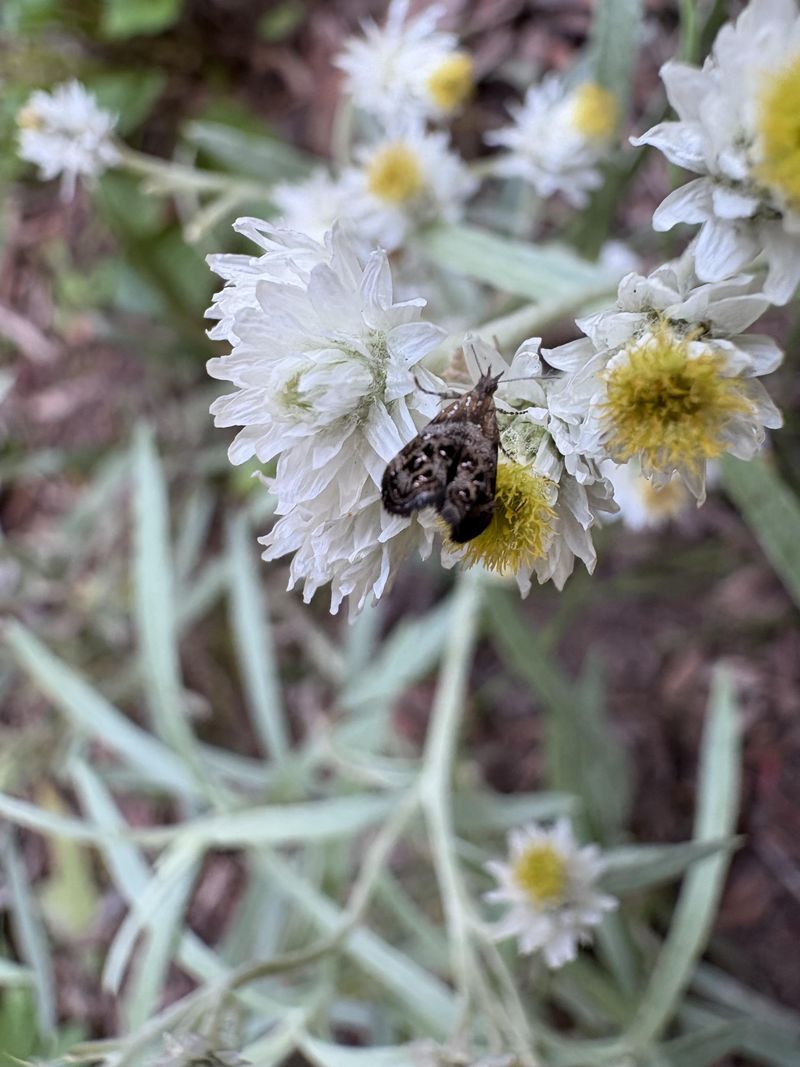
Pearly everlasting is a native Oregon wildflower that does something truly special in a moon garden. It serves as a host plant for the American lady butterfly and several native moth species, meaning these insects do not just visit the plant for nectar.
They actually lay their eggs on it and raise their young there. That makes it one of the most ecologically valuable plants you can add to your space.
The flowers are small, white, and papery, which fits perfectly with the moon garden aesthetic. They dry beautifully on the stem and keep their shape and color well into fall, giving your garden structure and interest even after the main blooming season ends.
In Oregon’s mild coastal areas, pearly everlasting can bloom from summer all the way into October.
Growing this plant from seed or transplant is straightforward. It prefers well-drained soil and full sun to partial shade, making it flexible enough for many different Oregon garden situations.
Avoid over-fertilizing because rich soil tends to make the plant grow too lush and leafy at the expense of flowers. Let it spread naturally over time since it forms gentle clumps that fill in gaps beautifully.
Supporting native moths with pearly everlasting is one of the most meaningful contributions your small Oregon moon garden can make to local ecosystems.
6. Keep Solar Lights Away From Blooms
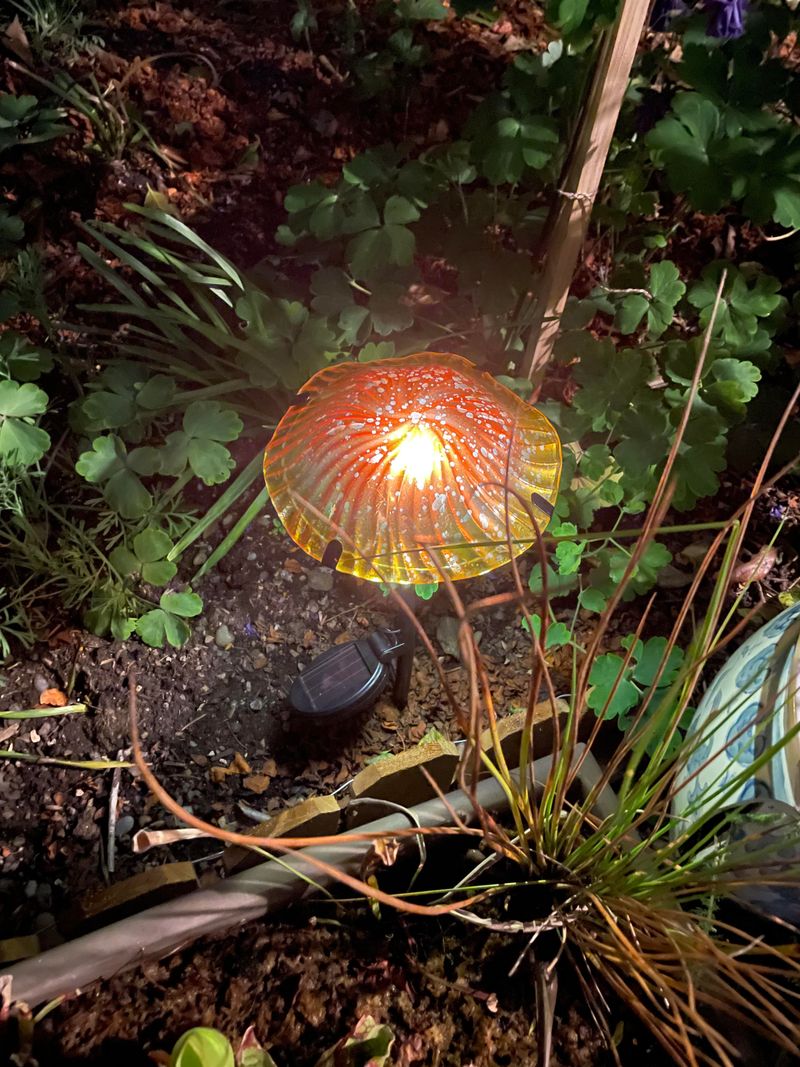
Lighting in a moon garden is a tricky subject that a lot of new gardeners get wrong. Solar lights seem like an easy, eco-friendly way to brighten up an outdoor space at night, but placing them too close to your flower beds can actually work against you.
Artificial light confuses and distracts night pollinators, pulling them away from the flowers they need to visit.
Moths in particular are strongly affected by light sources. They navigate using natural light from the moon and stars, so a bright solar light can throw them completely off course.
Instead of visiting your blooms, they end up circling the light fixture all night, wasting energy and missing out on the nectar your garden provides. This is especially important to consider in Oregon’s urban areas like Portland or Bend, where light pollution is already a challenge for nocturnal wildlife.
If you want some light in your moon garden, keep it subtle and indirect. Place low solar path lights along walkways or garden borders, pointing them downward and away from the flowers.
Warm amber-toned lights are much less disruptive to pollinators than cool white LEDs. The goal is to let the white flowers and the moon itself do the glowing.
A softly lit path leading to a dark, fragrant garden is both practical and pollinator-friendly at the same time.
7. Leave Some Bare Soil And Leaf Litter

Most gardeners are tempted to keep every inch of their garden neat and tidy, but night pollinators actually need a little mess to survive. Leaving small patches of bare soil and a layer of leaf litter in your Oregon moon garden creates critical habitat for ground-nesting bees, beetles, and moth pupae that spend part of their life cycle underground or beneath fallen leaves.
Many native moth species in Oregon overwinter as pupae buried just below the soil surface or tucked under leaf piles. If you rake everything away in fall or turn the soil too aggressively in spring, you may be removing next year’s pollinators before they ever get a chance to emerge.
A simple rule of thumb is to leave at least one corner of your garden bed untouched from October through April.
Bare soil patches do not need to be large. Even a small open area the size of a dinner plate gives ground-nesting insects a place to establish themselves.
Avoid using thick layers of wood chip mulch in these spots since it can prevent insects from digging in or emerging out. A naturalistic garden floor with some leaf litter, a few small sticks, and exposed earth is genuinely more valuable to Oregon’s night pollinator community than a perfectly manicured bed will ever be.