This Fast-Spreading Flower Is Quietly Filling Oregon Gardens With Color
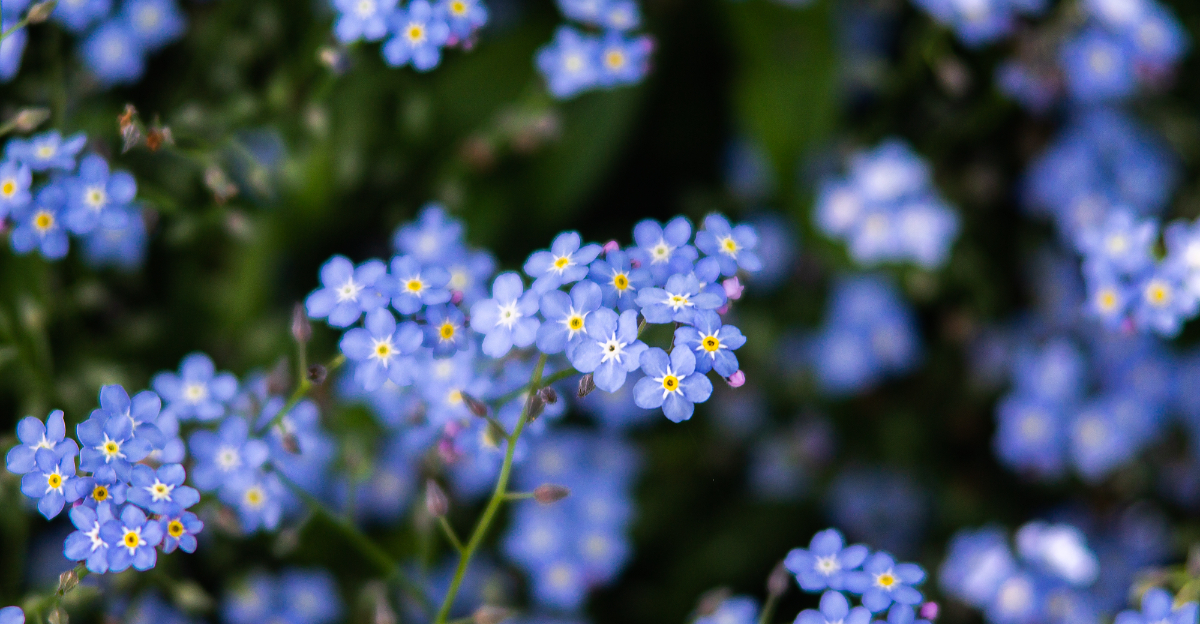
Some flowers do not need much encouragement to make themselves at home. Give them cool weather, damp soil, and one open patch of ground, and suddenly the garden looks like it planned a soft blue surprise.
Oregon’s spring conditions can make certain fast spreaders especially happy, which is great when you want easy color in bare spots.
It can also be a little surprising when those tiny blooms start popping up along paths, under shrubs, and near beds where you never planted them.
That is where forget me nots come in. They look delicate, but they are much bolder than their sweet name suggests.
These small flowers can fill space quickly and bring a dreamy cottage look without much effort.
Still, any plant that spreads this freely deserves a little attention. In the right spot, forget me nots feel charming. In the wrong one, they may get a bit too comfortable.
1. Forget-Me-Nots Spread Fast In Cool Oregon Gardens
Cool temperatures and rainy springs make this state one of the best places in the country for forget-me-nots to thrive.
These small flowers love mild weather. They do not need much warmth to get going, which gives them a big head start in early spring.
Most gardens in the Pacific Northwest stay moist and cool well into May. That is exactly the kind of weather forget-me-nots prefer. While other flowers are still waiting for warmer soil, these little plants are already blooming and spreading seeds.
Gardeners here often notice forget-me-nots popping up in spots they never planted them. That is not a mistake. The plant is simply doing what it does best, finding open ground and filling it in.
Once they get established in a yard, they tend to come back every year without any extra effort.
The coastal and valley regions of our state get a lot of rain, which helps seeds sprout quickly.
Even areas with partial shade and damp soil see fast growth. Forget-me-nots do not need full sun or perfect conditions to spread well.
For gardeners who want easy color without a lot of work, these flowers are a natural fit. They handle our wet winters better than many other annuals.
That ability to survive cool, wet conditions is a big reason why so many local gardens are slowly turning blue each spring.
2. Tiny Blue Flowers Fill Bare Spots Quickly
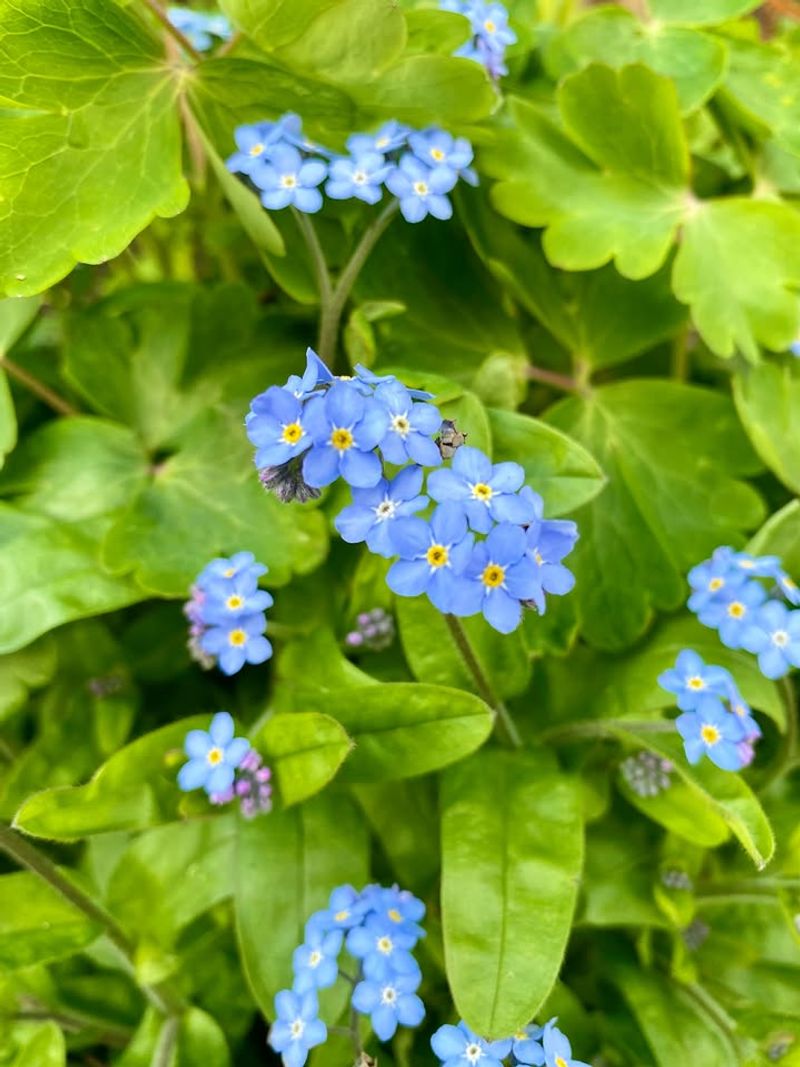
Bare spots in a garden are basically an open invitation for forget-me-nots. These plants are remarkably good at finding empty ground and covering it fast. A patch of bare soil in fall can look completely different by the following April.
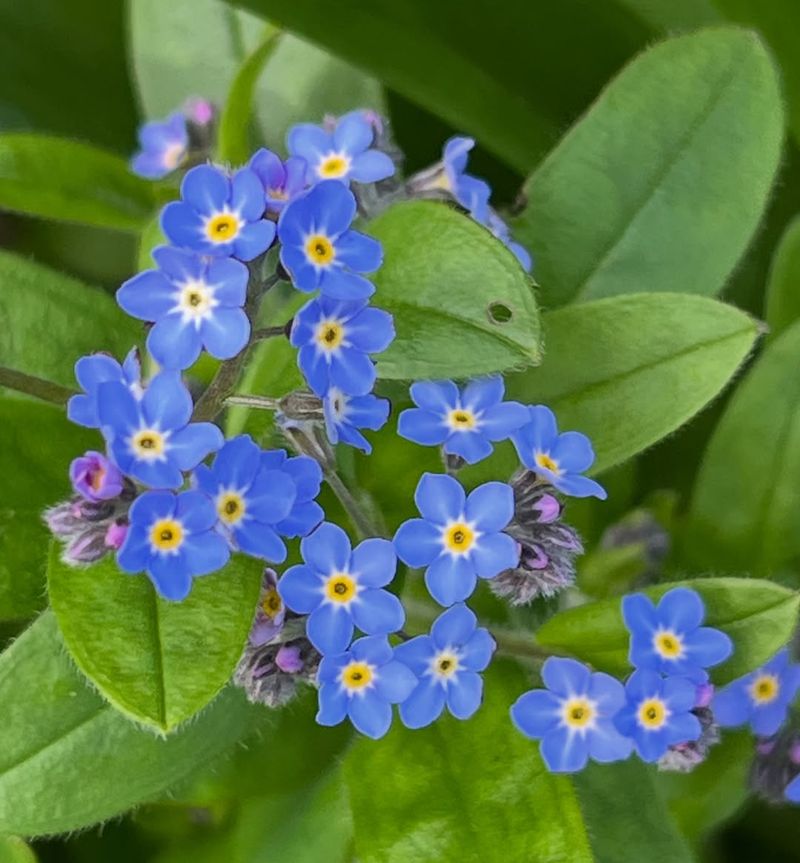
Each tiny flower has five petals and a bright yellow center. Up close, they look almost too perfect to be real. From a distance, a group of them blends into a soft blue haze that makes the whole garden feel alive.
What makes them so effective at filling space is their low, spreading growth habit. They do not grow tall.
Instead, they fan out sideways and form dense little clusters that crowd out weeds and cover the ground quickly.
Your Oregon Garden Changes Every Week. Your Plan Should Too.
Gardening in Oregon changes quickly throughout the season. Every Friday you’ll receive a simple weekly plan showing exactly what to plant, prune, fertilize, harvest, and protect so you never miss the right timing.
Gardeners who struggle with bare patches between larger plants often find that forget-me-nots solve the problem naturally. You do not need to buy ground cover or mulch every bare spot. Just let a few of these plants go to seed and watch what happens the following spring.
They also work well between stepping stones and along the edges of raised beds. Their small size means they fit into tight spaces without crowding out bigger plants nearby.
That flexibility makes them one of the most useful gap-fillers in any spring garden. Few flowers do the job so quickly and with so little effort from the gardener.
3. They Self-Seed Before You Even Notice
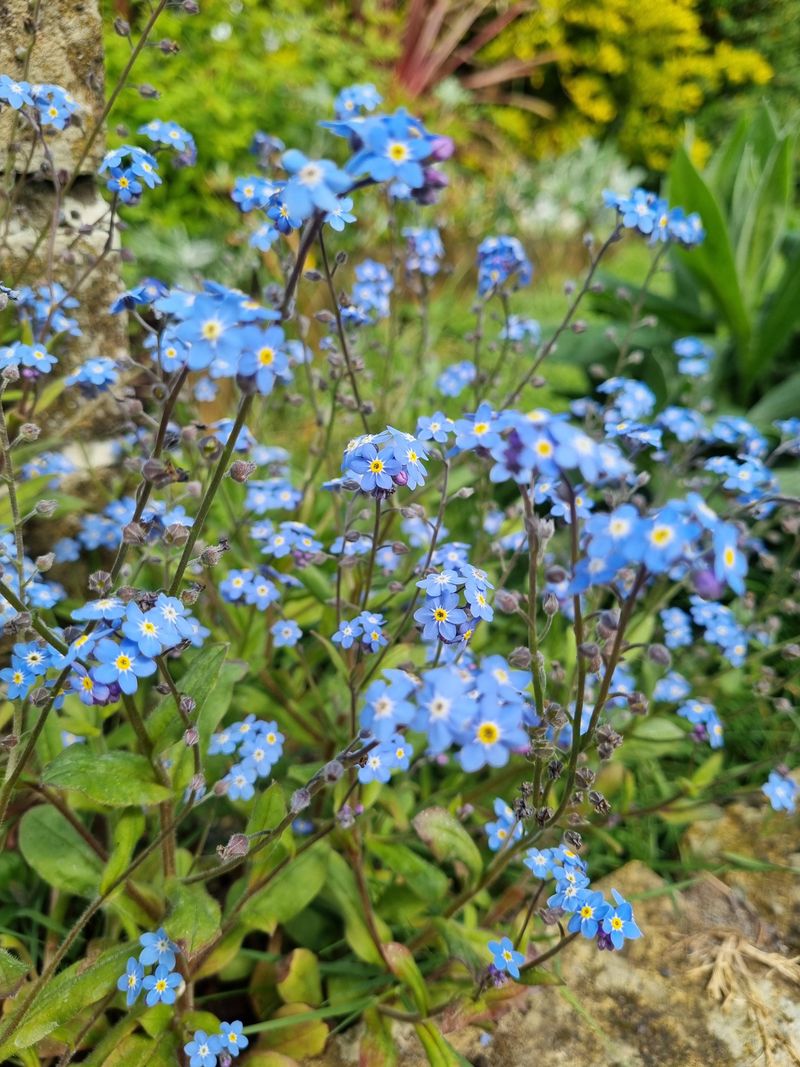
One of the most surprising things about forget-me-nots is how quietly they multiply. By the time their flowers start to fade, they have already dropped hundreds of seeds into the soil.
Most gardeners do not even realize it is happening until new plants appear the following year.
The seeds are tiny and lightweight. Wind, water, and even foot traffic can carry them across a yard. A single plant can spread its seeds several feet in every direction before the season ends.
Forget-me-nots are biennials or short-lived annuals, depending on the variety. That means they grow leaves one year and bloom the next, or they complete their whole life cycle in one season.
Either way, they are constantly producing seeds to keep the cycle going. Because they self-seed so efficiently, you rarely need to replant them.
Once they are established in a garden, they just keep coming back on their own. That makes them one of the most low-maintenance flowers you can have in a yard.
The only downside is that they can spread more than you planned. If you want to keep them in a specific area, it helps to remove the plants before the seeds fully ripen. But if you enjoy surprises in the garden, just let them do their thing.
You might find new clusters of blue flowers popping up in spots that look even better than where you originally planted them.
4. Moist Shade Is Where They Really Take Off
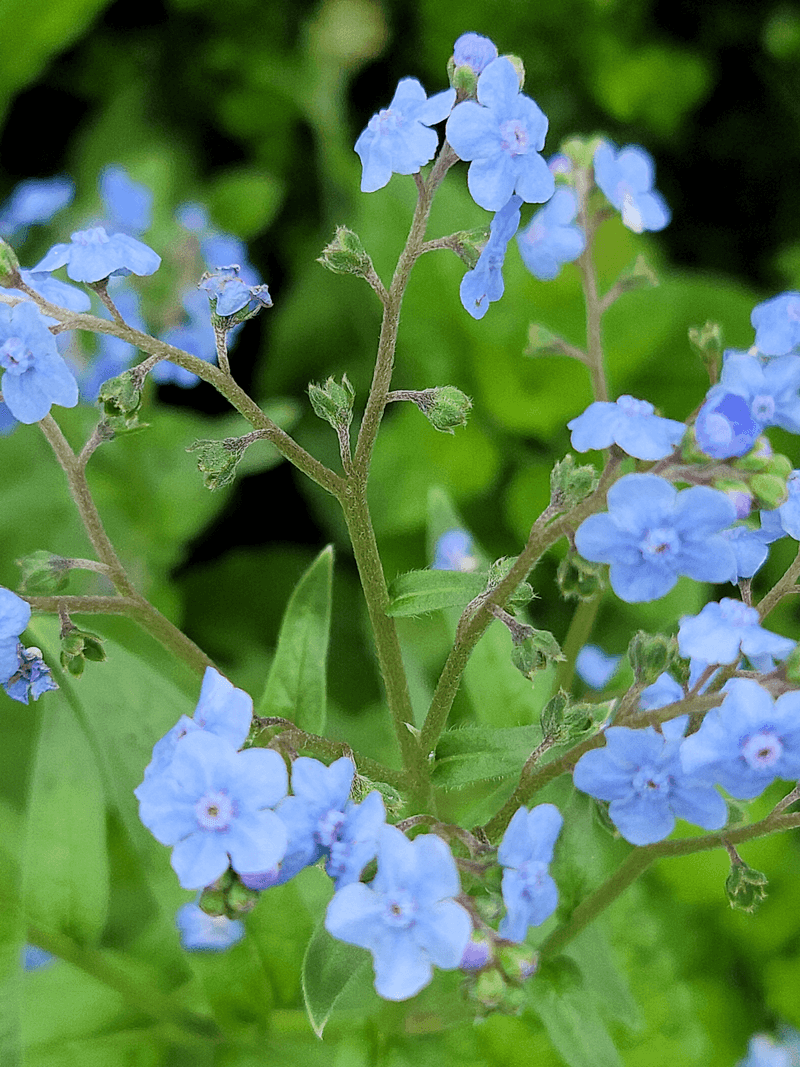
Most flowers struggle in shady, damp corners of a yard. Forget-me-nots do the opposite. They actually prefer those spots.
A shaded area with moist soil is basically their ideal home, and they grow thicker and faster there than almost anywhere else.
Under large trees where grass will not grow and other flowers give up, forget-me-nots move right in.
They tolerate low light well and do not need much direct sun to bloom. Even a few hours of morning light is enough to keep them happy and flowering.
This is one reason why they are so popular in woodland-style gardens. They look completely natural growing under ferns, hostas, and shrubs. Their soft blue color pairs beautifully with the deep greens of shade-loving plants.
Soil moisture plays a big role in how fast they spread. In dry conditions, they still grow but at a slower pace.
When the ground stays consistently damp, their seeds sprout faster and the plants fill in more quickly. Our state’s rainy season gives them a long window of ideal growing conditions.
If you have a shady spot in your yard that always looks bare and sad in spring, try scattering some forget-me-not seeds there in fall.
By April, that corner could be covered in blooms. It is one of the simplest ways to bring color into a part of the garden that most plants simply refuse to touch.
5. They Make Tree Bases And Borders Look Softer
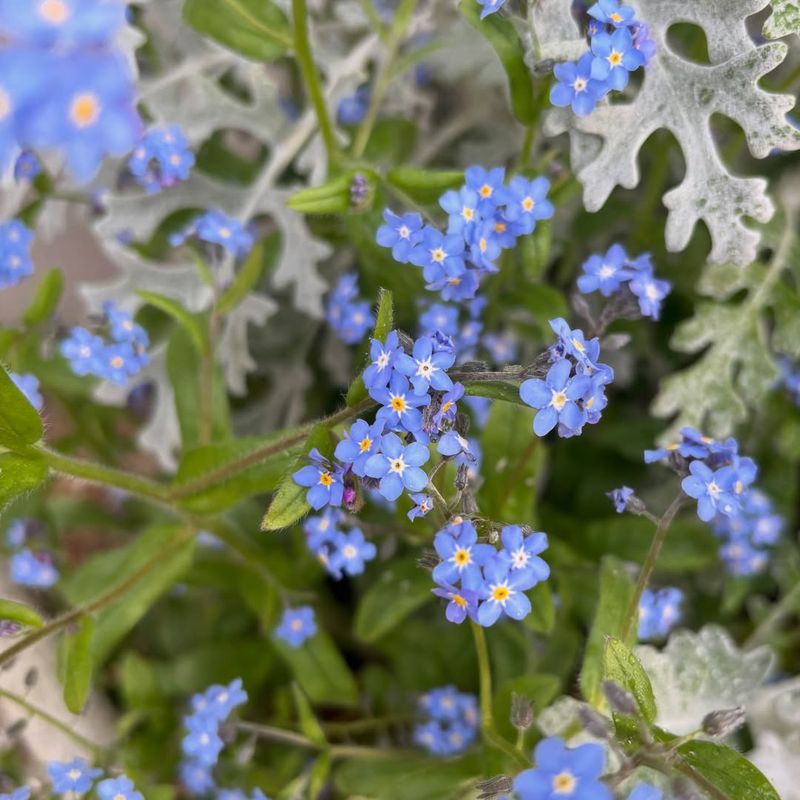
There is something a little harsh about a bare patch of soil around a tree trunk. It always looks unfinished, like the garden ran out of ideas.
Forget-me-nots fix that problem beautifully by filling in those awkward spaces with soft, flowing color.
Planting them around the base of trees is one of the most popular ways to use them in landscaping.
They create a natural-looking transition between the trunk and the rest of the garden. The effect is relaxed and effortless, like the flowers just decided to grow there on their own.
Along garden borders, they work just as well. A row of forget-me-nots along a fence or pathway adds a soft edge that makes the whole space look more intentional.
They blend easily with other spring flowers like tulips, daffodils, and bleeding hearts.
Their low height keeps them from blocking taller plants. They stay close to the ground, which makes them perfect for front-of-border planting. You get the color without losing the view of anything growing behind them.
Gardeners who want a more polished look can combine forget-me-nots with structured plants like boxwood or ornamental grasses.
The contrast between the tidy shapes and the loose, flowing blue flowers creates a really pleasing visual balance. It is an easy design trick that makes a garden look like a lot more thought went into it than it actually did.
6. A Few Plants Can Turn Into A Spring Carpet
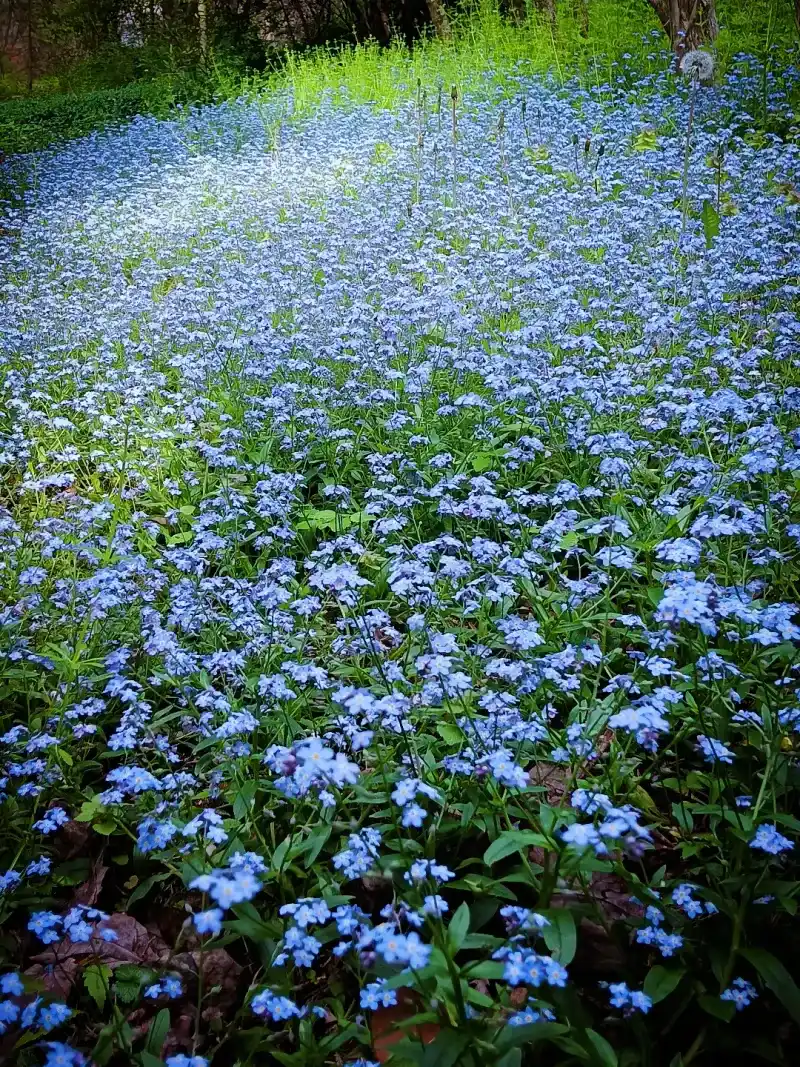
It only takes a handful of forget-me-not plants to completely transform a garden bed. Within two or three seasons, those few plants can multiply into a thick, low carpet of blue that covers the ground from edge to edge.
The math is simple: more seeds mean more plants, and these flowers produce a lot of seeds.
Gardeners who have seen this happen in their own yards often describe it as one of those happy accidents.
You plant a few, forget about them, and then one spring you walk outside to find the whole bed covered in blue. It is the kind of surprise that makes gardening feel magical.
The carpet effect works especially well when forget-me-nots grow beneath flowering trees like cherry or dogwood.
When the pink or white blossoms fall, they land on a bed of blue flowers below. The combination is stunning and requires almost no planning at all.
For gardeners who want the carpet look on purpose, the trick is to let the plants go to seed every year without clearing them out too early. The more seeds that fall, the denser the carpet becomes over time. Patience is the only real skill required.
Even in smaller yards, a patch of forget-me-nots can create a big visual impact. You do not need a large space to enjoy the effect.
A single raised bed or a small corner can look like a piece of a wildflower meadow when these little flowers really get going.
7. Pulling Extras Keeps Them From Getting Pushy
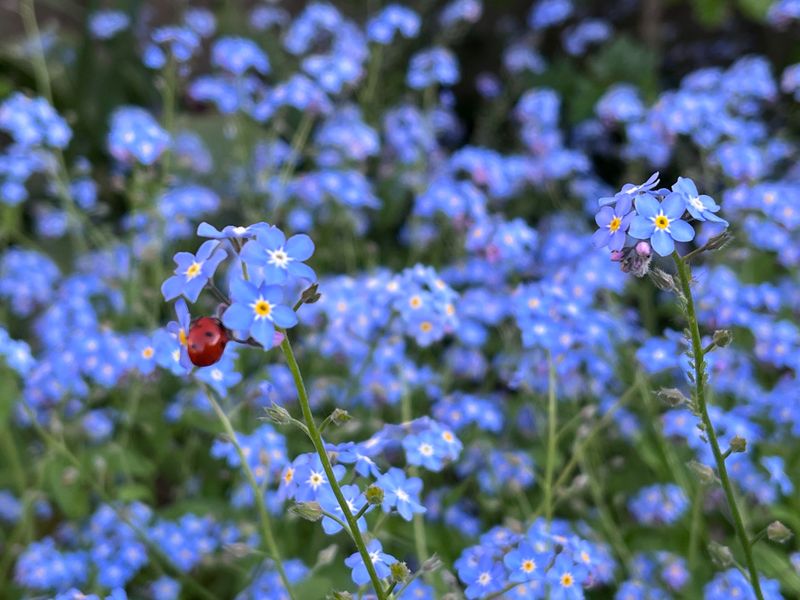
Forget-me-nots are friendly, but they can overstay their welcome if you let them. Once they start spreading freely, they can crowd out other plants and take over more space than you planned. A little management goes a long way in keeping them in check.
The easiest way to control them is to pull extra seedlings early in the season. When they are young, they come out of the ground without much effort. Waiting too long makes the job harder because the roots get deeper and the plants get bushier.
Another good strategy is to deadhead the flowers before they go to seed. Removing spent blooms stops new seeds from forming and slows down the spread significantly. You will not stop it completely, but you can keep the plants where you want them.
Some gardeners choose a designated area for forget-me-nots and simply weed them out everywhere else.
That approach gives you the beauty of the flowers without the chaos of uncontrolled spreading. It takes a bit of regular attention but is not hard to maintain.
Composting the pulled plants is fine as long as they have not gone to seed yet. If the seeds are already ripe, it is better to bag them up instead.
Tossing seedy plants into a compost pile can just spread them to wherever the compost ends up being used. A little awareness at the right time saves a lot of extra work later in the season.
8. Why This Sweet Flower Spreads Fast
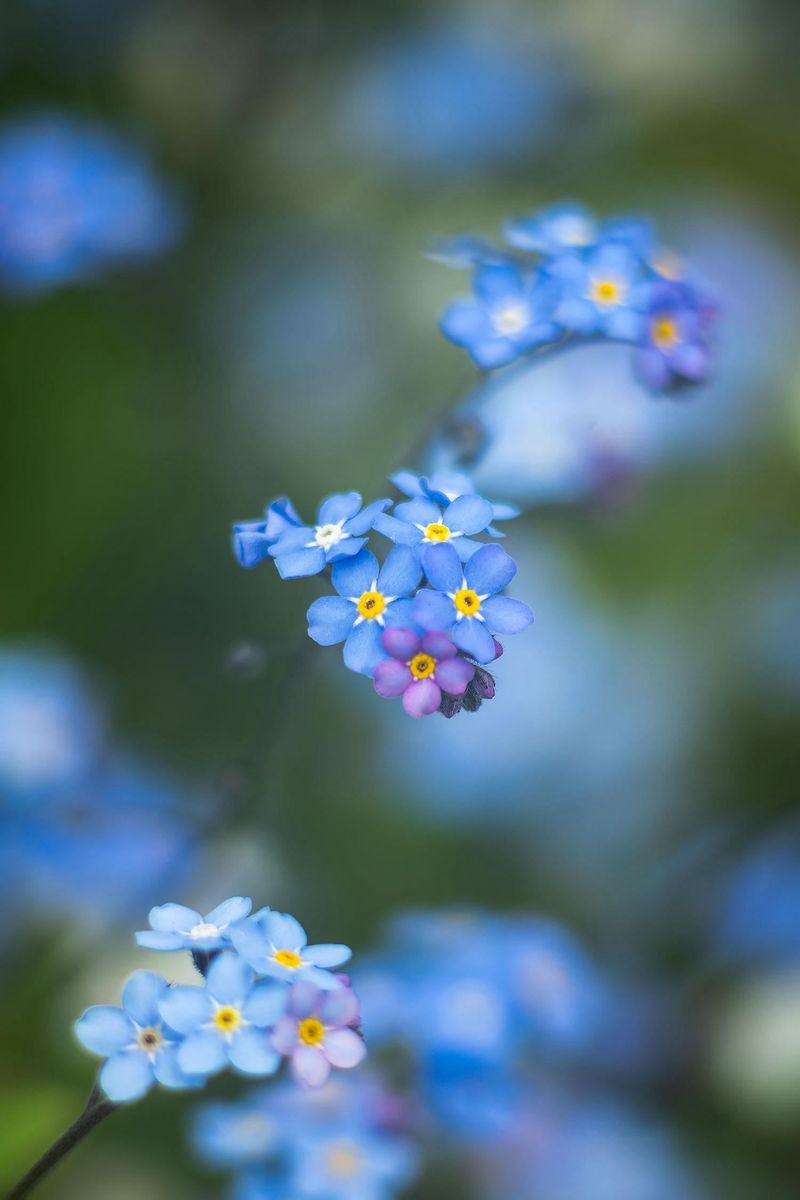
At first glance, forget-me-nots look too small and delicate to take over anything. But looks can be deceiving. Behind those tiny petals is a very efficient spreading machine that has been perfecting its strategy for thousands of years.
Each plant produces a large number of small, sticky seeds. Those seeds cling to clothing, animal fur, and garden tools. They also wash easily through soil with rain, which means they travel farther than you might expect from such a little plant.
The name forget-me-not actually comes from old European folklore. According to legend, a knight picking flowers by a river fell in and tossed the bouquet to his love, crying out not to forget him.
The story stuck, and so did the name. It is a sweet origin for a plant that is very hard to forget once it moves into your garden.
Their ability to bloom in cool weather also gives them a competitive edge. Most spring weeds and competing plants are slower to emerge.
Forget-me-nots get a head start and establish themselves before other plants have a chance to fill the same space.
Understanding why they spread so fast actually helps you work with them instead of against them.
You can direct their energy into areas where you want more color and limit them in spots where other plants need room. Once you know how they think, managing them becomes a lot less frustrating and a lot more fun.