Oregon Gardeners Are Burying Pipes In Raised Beds And Letting Worms Handle The Rest
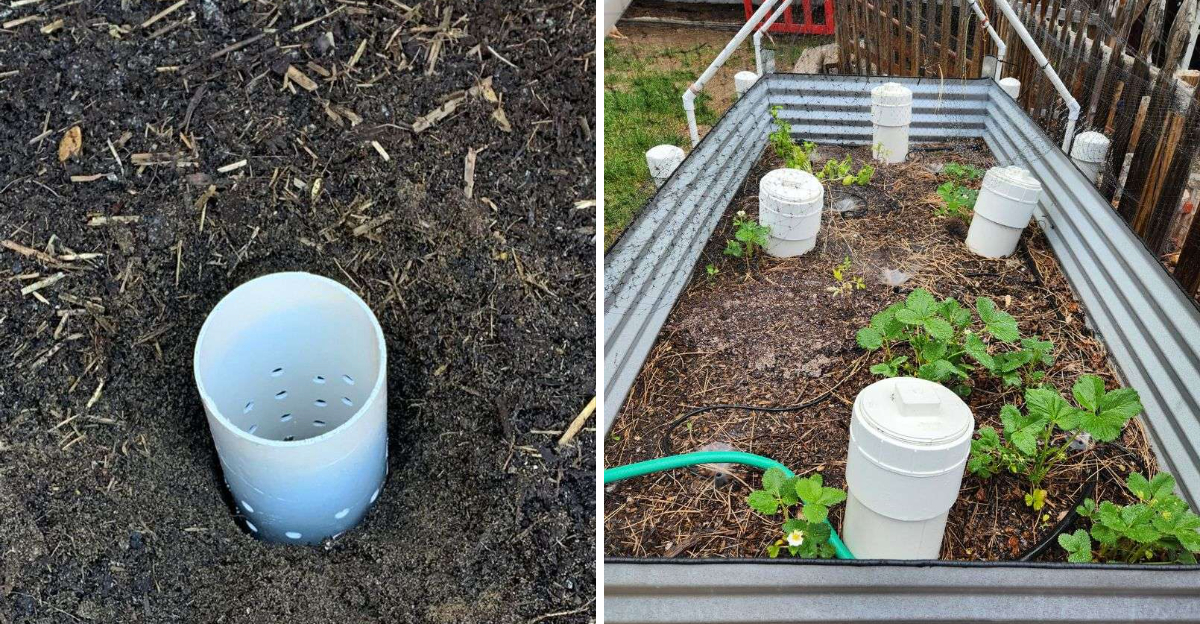
Raised bed gardeners in Oregon are very good at spotting a clever idea when they see one, and this one is delightfully weird in the best way. You bury a simple pipe in the bed, drop in kitchen scraps, and let worms take over the job underground.
That is it. No big compost pile, no turning, no complicated setup, and no need to babysit the process every weekend.
Pretty appealing, right? In Oregon, where home gardeners love practical ways to build better soil, this kind of low-fuss system fits right in.
It turns everyday food scraps into a steady underground food source for the bed while keeping the whole process tucked neatly out of sight. Honestly, anything that helps feed the garden while asking less of you deserves a closer look.
And if worms are willing to do the hard part, even better.
1. Worm Towers Feed Raised Beds From The Inside
Raised bed gardeners in Oregon often struggle with keeping soil rich and productive season after season. Buying compost every spring works, but it gets expensive and still requires effort.
A worm tower offers a different approach by placing the composting process right inside the bed itself, where plants need it most.
A worm tower is essentially a section of pipe buried vertically in the soil with holes drilled along the lower portion. Kitchen scraps go into the top of the pipe, and worms that already live in the surrounding soil enter through the holes to feed.
As they process the scraps, they leave behind nutrient-rich castings that spread gradually into the bed.
What makes this method appealing for Oregon gardens is how naturally it fits into a raised bed setup. The pipe takes up very little space, and it works quietly underground without any turning, mixing, or monitoring.
Gardeners who use worm towers often notice that the soil closest to the pipe becomes noticeably darker and more crumbly over a single growing season.
The system works best when the bed already has a healthy population of earthworms, which is common in Oregon raised beds that have been built with good organic matter.
Adding regular food scraps keeps worms active and well-fed throughout the growing season, which means they keep moving nutrients through the soil consistently and without much help from the gardener.
2. Using Buried Pipes To Recycle Kitchen Scraps
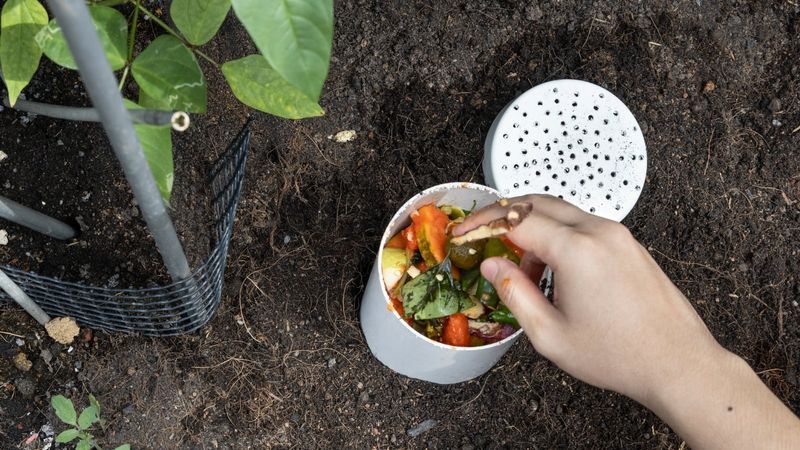
Food scraps that end up in the trash represent a missed opportunity for any gardener with a raised bed.
Vegetable peels, fruit scraps, coffee grounds, and eggshells all contain nutrients that soil organisms can use, and a buried pipe gives those scraps a direct path into the garden instead of the landfill.
The buried pipe acts as an in-ground feeding station. Scraps dropped into the top of the pipe sit in a moist, enclosed environment where worms and other soil organisms can reach them from below.
Over time, the organic material breaks down and the nutrients it contains move outward into the surrounding soil through worm activity and natural decomposition.
Your Oregon Garden Changes Every Week. Your Plan Should Too.
Gardening in Oregon changes quickly throughout the season. Every Friday you’ll receive a simple weekly plan showing exactly what to plant, prune, fertilize, harvest, and protect so you never miss the right timing.
Oregon gardeners who have limited outdoor space often appreciate this method because it eliminates the need for a separate compost bin. The pipe handles scraps on a small scale, continuously, without requiring a large dedicated area or regular maintenance.
It fits easily into a four-by-eight raised bed without crowding plants.
Not every kitchen scrap is a good fit for a worm tower. Cooked foods, oily items, meat, and dairy can attract pests and create unpleasant odors, so those are best left out.
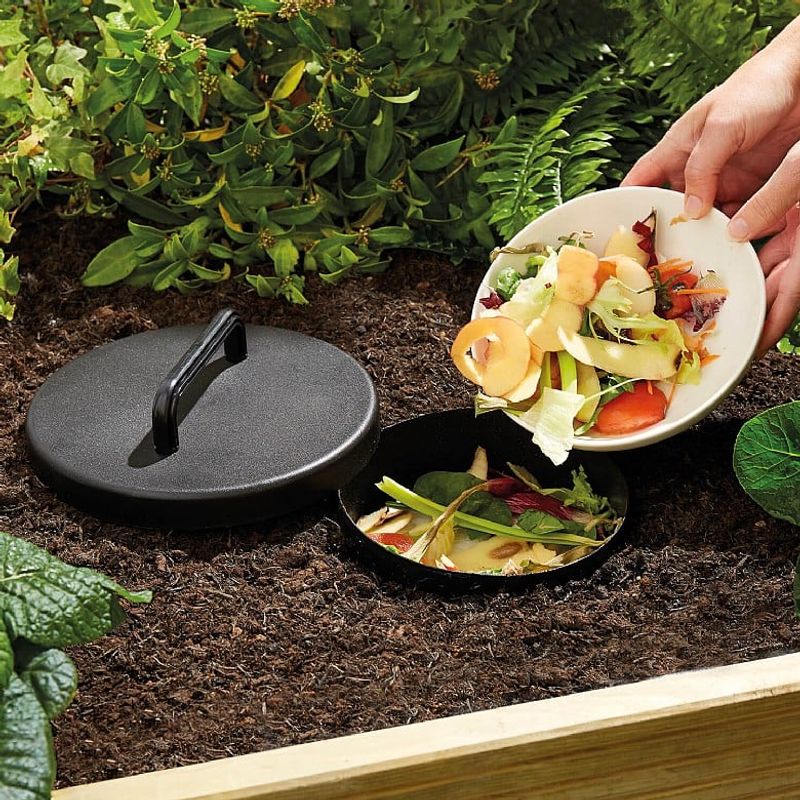
Raw fruit and vegetable scraps, crushed eggshells, tea bags, and coffee grounds tend to work well. Keeping a small container on the kitchen counter makes it easy to collect suitable scraps before heading out to the garden.
3. A Simple Pipe And Lid Are Enough To Get Started
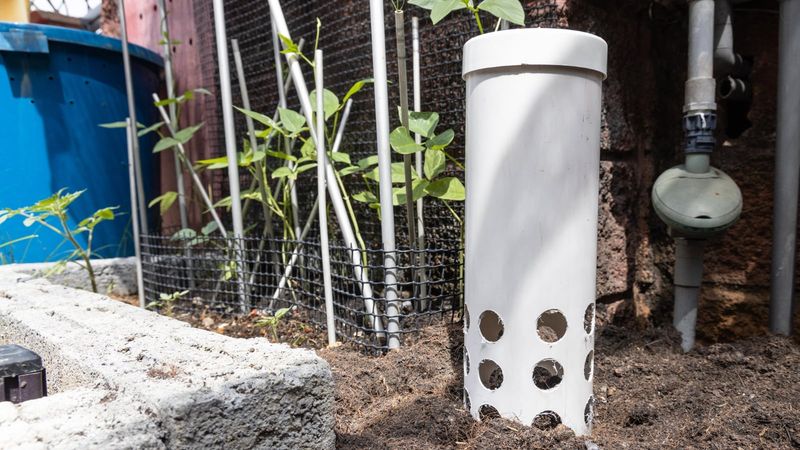
Getting started with a worm tower does not require special tools or expensive materials.
Most Oregon gardeners who build one for the first time find that the project takes less than an hour and costs very little, especially if they already have basic supplies on hand.
A standard four-inch diameter PVC pipe cut to about two feet in length works well for most raised beds. The bottom half of the pipe gets drilled with holes roughly half an inch in diameter, spaced a few inches apart.
These holes are what allow worms to enter and exit freely. A simple lid – whether a plastic cap, an upside-down pot, or a piece of board – covers the top to keep out pests and rain.
Installation is straightforward. The pipe is pushed or dug into the soil so that the drilled section sits below the soil surface, with several inches of pipe extending above the bed.
The soil is firmed around the outside to hold the pipe upright. Once it is in place, the first batch of scraps can go in right away.
Some Oregon gardeners use landscape fabric or fine mesh at the bottom of the pipe to help keep large debris from falling out, though this is optional.
The simplicity of the setup is one reason the method has caught on in backyard food gardens across Oregon, where gardeners tend to favor practical, low-cost solutions that actually work without a lot of fuss.
4. Drilled Holes Let Worms Move In And Out Freely
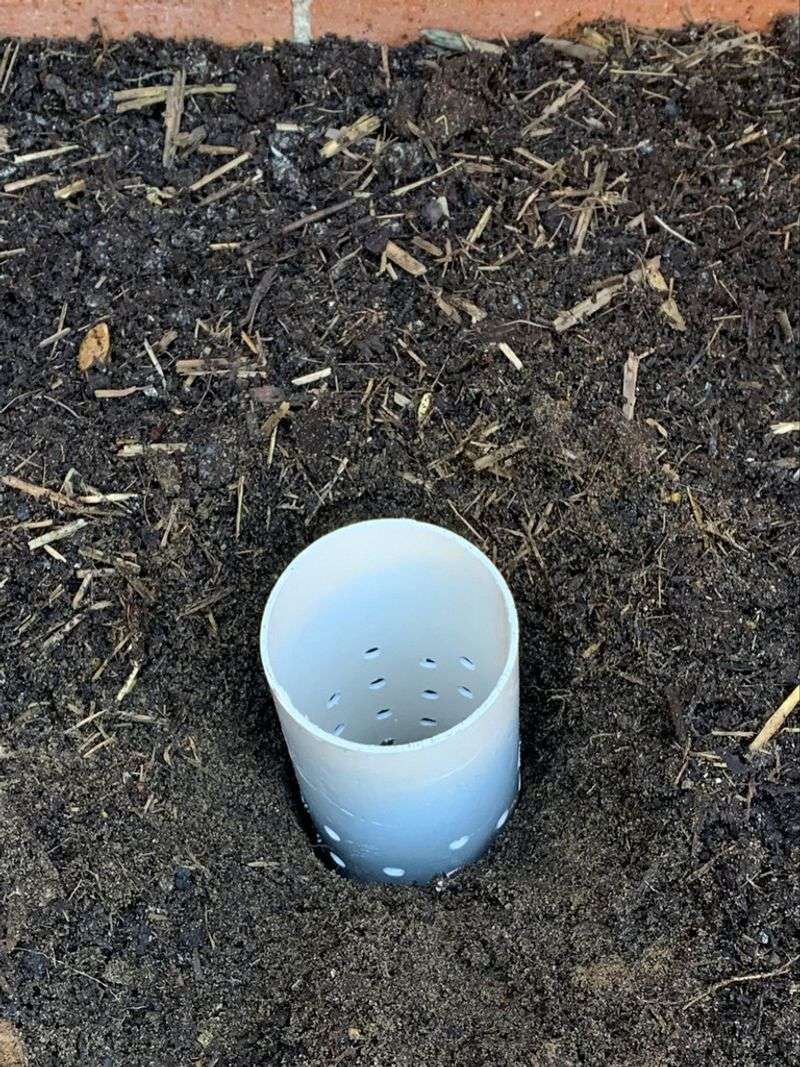
Earthworms are not passive participants in a worm tower system – they are the reason it works. Without a way for worms to enter the pipe, scraps would just sit and rot slowly without being processed into plant-available nutrients.
The drilled holes solve this by giving worms an open invitation to come and go as they please.
Holes drilled along the lower half of the pipe create entry and exit points that worms can navigate easily.
Research on earthworm behavior shows that worms move toward food sources through the soil, and a pipe filled with moist, decomposing organic matter gives them a strong reason to visit regularly.
Once inside, they consume the material and deposit castings both inside the pipe and in the surrounding soil as they travel back out.
The size and spacing of the holes matter somewhat. Holes that are too small may limit worm movement, while holes that are very large could allow scraps to fall out into the soil before they break down.
A diameter of around half an inch tends to strike a reasonable balance for most earthworm species found in Oregon garden beds.
In Oregon, raised beds that have been enriched with compost or aged wood chips tend to support larger worm populations, which means more visitors to the tower throughout the season.
Keeping the soil around the pipe consistently moist also encourages worm activity, since earthworms move more readily through damp soil than dry ground.
5. Kitchen Scraps Break Down Right Inside The Bed
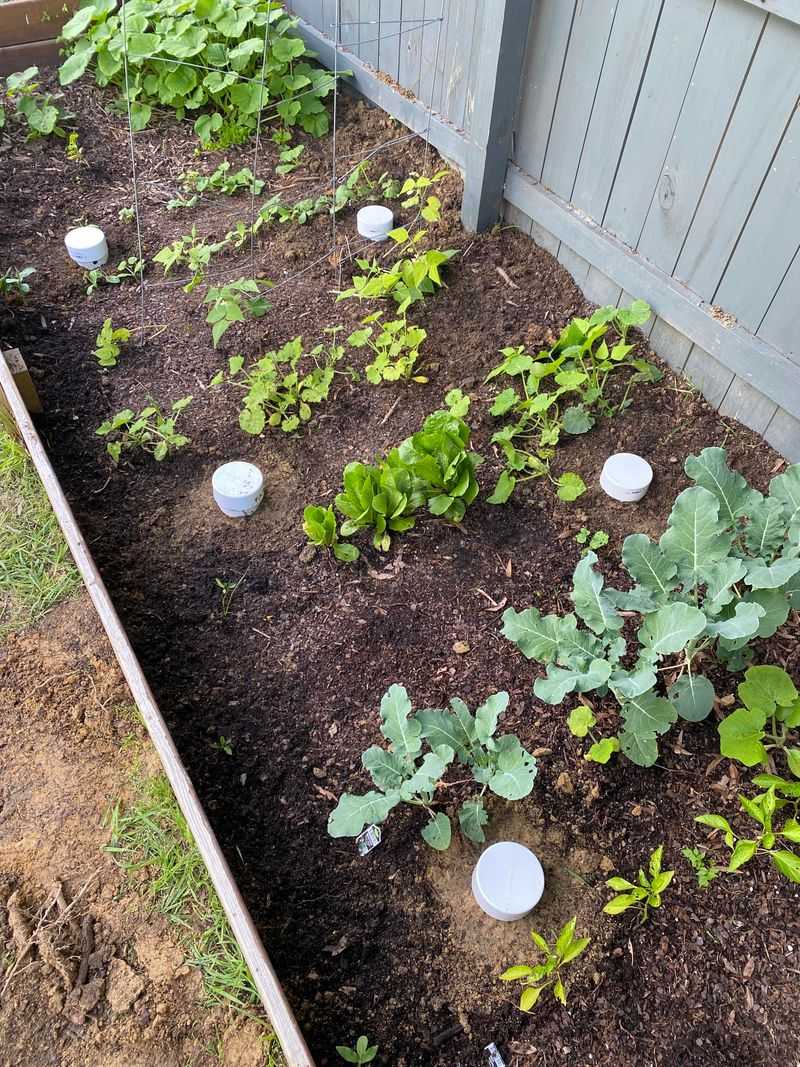
One of the most satisfying parts of using a worm tower is knowing that food scraps are breaking down just inches away from plant roots.
Rather than hauling waste to a compost pile across the yard, gardeners simply lift the lid, drop in the scraps, and replace the lid.
The work happens underground, out of sight.
Inside the pipe, the breakdown process starts quickly once worms begin feeding. Soft materials like banana peels, melon rinds, and wilted lettuce tend to break down faster than tougher scraps like corn cobs or thick vegetable stems.
Chopping or tearing scraps into smaller pieces before adding them can help speed things along, though it is not strictly necessary.
Moisture plays an important role in how quickly scraps decompose inside the tower. Oregon’s naturally rainy springs help keep the soil and pipe contents moist, which supports both worm activity and microbial breakdown.
During drier summer months, adding a small amount of water to the pipe along with the scraps can help maintain the right conditions for continued decomposition.
Layering scraps with a small amount of dry material such as shredded newspaper or dry leaves can help prevent the pipe from becoming too wet or developing odors.
This balance of wet and dry material mirrors what works well in traditional composting, and it keeps the environment inside the pipe hospitable for the worms doing the work.
Oregon gardeners who grow through the summer often find this seasonal adjustment easy to manage.
6. Worm Castings Spread Nutrients Through The Surrounding Soil
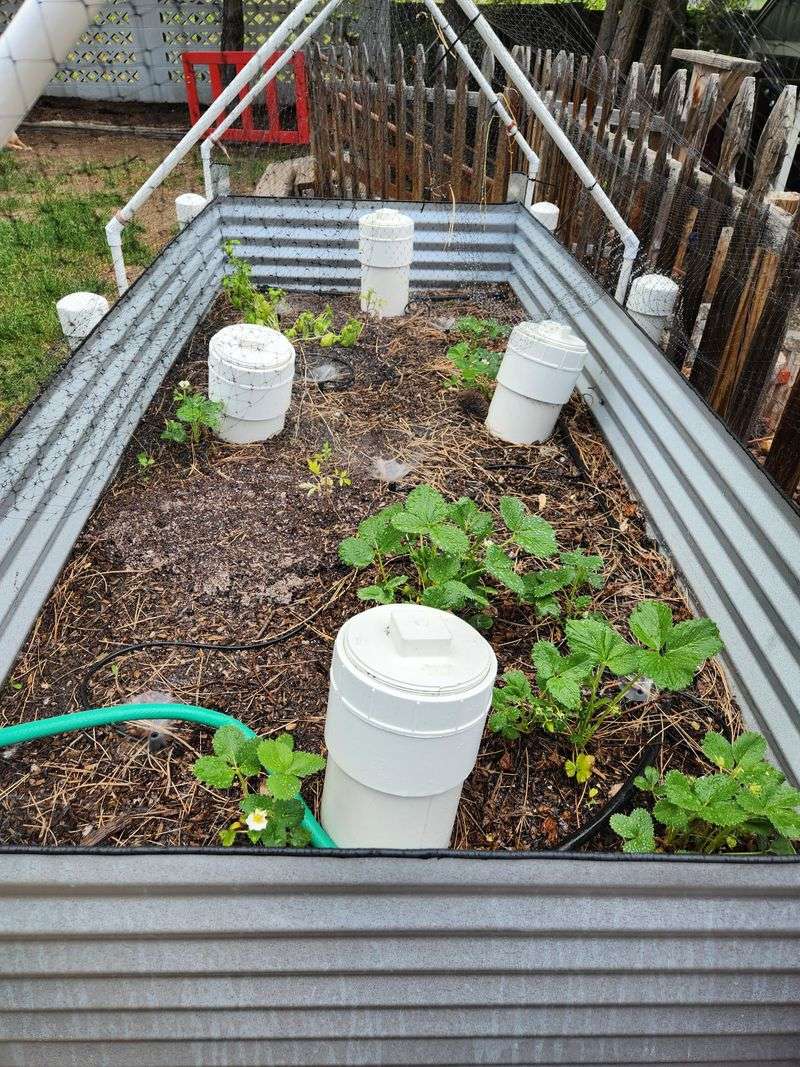
Worm castings are often called one of the most valuable things a gardener can add to soil, and a worm tower produces them continuously throughout the growing season.
As worms process organic material inside the pipe, they release castings both inside the tube and out in the surrounding soil as they travel.
Over time, this steady output builds up fertility in the area around the tower.
Castings are rich in nutrients that plants can take up relatively easily, including nitrogen, phosphorus, and potassium. They also contain beneficial microorganisms and compounds that support healthy soil structure.
The area around a worm tower often develops a noticeably different texture compared to the rest of the bed, becoming softer, darker, and more moisture-retentive as the season progresses.
The gradual, slow-release nature of castings is one reason gardeners in Oregon find worm towers so appealing for raised beds.
Unlike liquid fertilizers that can wash through quickly, castings release nutrients steadily as soil moisture and microbial activity move them outward.
Plants growing near the tower tend to benefit from this consistent, gentle feeding without risk of nutrient overload.
Rotating what goes into the tower through the season can help provide a broader range of nutrients.
Mixing fruit scraps, vegetable trimmings, coffee grounds, and crushed eggshells gives worms a varied diet, which in turn produces castings with a more balanced nutrient profile.
Oregon raised bed gardeners who track their soil over multiple seasons often report steady improvements in both plant health and overall soil quality near the tower.
7. One Or Two Towers Can Feed A Full Raised Bed
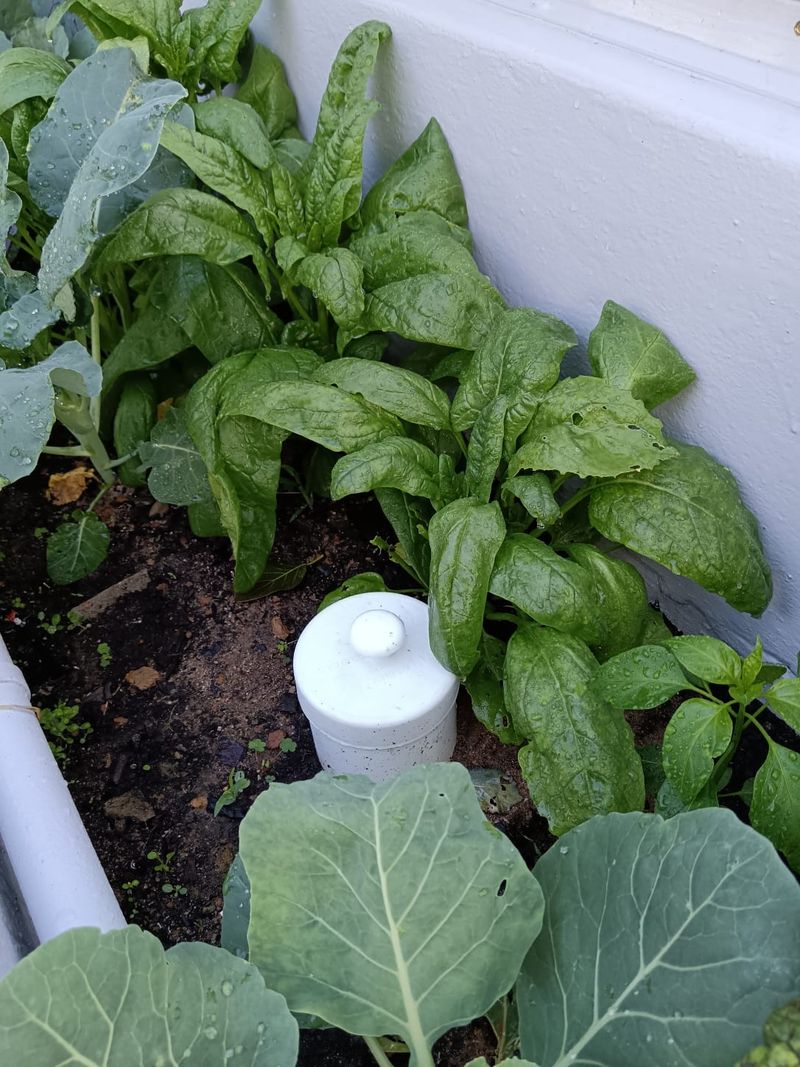
A common question from Oregon gardeners new to worm towers is how many pipes a single raised bed actually needs.
The answer depends on the size of the bed and how many kitchen scraps a household generates, but most standard four-by-eight raised beds do well with one or two towers placed thoughtfully within the space.
Placing a single tower near the center of a smaller bed allows worm activity to radiate outward in all directions, reaching plants on every side.
For longer beds or beds with heavy plantings, adding a second tower toward the opposite end can help distribute nutrients more evenly.
The goal is to keep the distance between the tower and the outermost plants reasonable, since worm movement and nutrient spread have natural limits.
Two towers also give gardeners flexibility when one pipe is full or when scraps are being added in larger quantities.
Alternating between towers allows each one time to process before receiving more material, which prevents the pipe from becoming overpacked and helps maintain good airflow and worm access inside.
Oregon raised bed gardeners who grow heavy-feeding crops like tomatoes, squash, or corn may find that two towers provide more consistent soil fertility support through the long growing season.
For beds planted with lighter crops like lettuce, herbs, or radishes, a single tower is often enough.
Starting with one tower and observing how plants respond over a season is a practical way to decide whether a second installation makes sense for a particular bed.