The Longest Blooming Perennials California Gardeners Are Planting This Year
California gardeners know a good bloomer when they see one, and a perennial that keeps flowering for months tends to earn instant respect. A quick spring show is nice, but a plant that holds color much longer feels like a better deal.
With California’s long growing season, more gardeners are choosing perennials that stay lively well beyond spring. That makes plenty of sense.
Warm weather lasts, sunny days add up, and gardens often need plants that can keep pace without constant replanting. Some perennials are especially good at that, bringing color for weeks and drawing in bees, butterflies, and hummingbirds along the way.
Pretty impressive for a plant that gets to come back and do it all again next year.
1. Autumn Sage Blooms Through California Heat
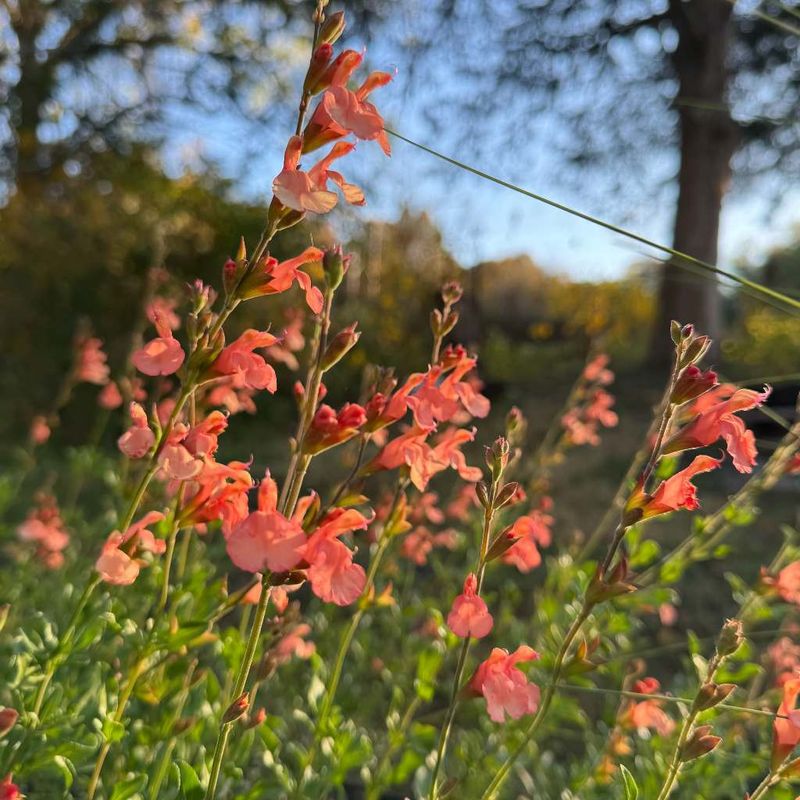
Fading summer borders can feel discouraging, but Autumn Sage is one of those plants that genuinely earns its place by refusing to quit.
Native to the borderlands of Texas and Mexico, this tough perennial has found a loyal following in California gardens because it blooms heavily in spring, takes a brief rest during the hottest inland afternoons, and then rebounds with fresh color in fall.
That long arc of flowering makes it one of the more reliable performers in a warm California landscape.
The tubular flowers come in shades of red, coral, pink, and white, and hummingbirds visit them consistently throughout the season.
Autumn Sage handles drought well once established, though a little summer water in hotter inland areas can encourage it to keep producing blooms rather than going fully dormant.
Cutting it back lightly after each flush of flowers helps trigger a new round of growth and color.
In mild coastal gardens, Autumn Sage may bloom nearly year-round with minimal care. Inland, the bloom season still stretches well beyond what most annuals can offer.
It fits naturally into pollinator beds, cottage-style borders, and water-wise landscapes, making it a smart choice for California gardeners who want reliable seasonal color with low maintenance demands.
2. Lantana Keeps Color Going For Months
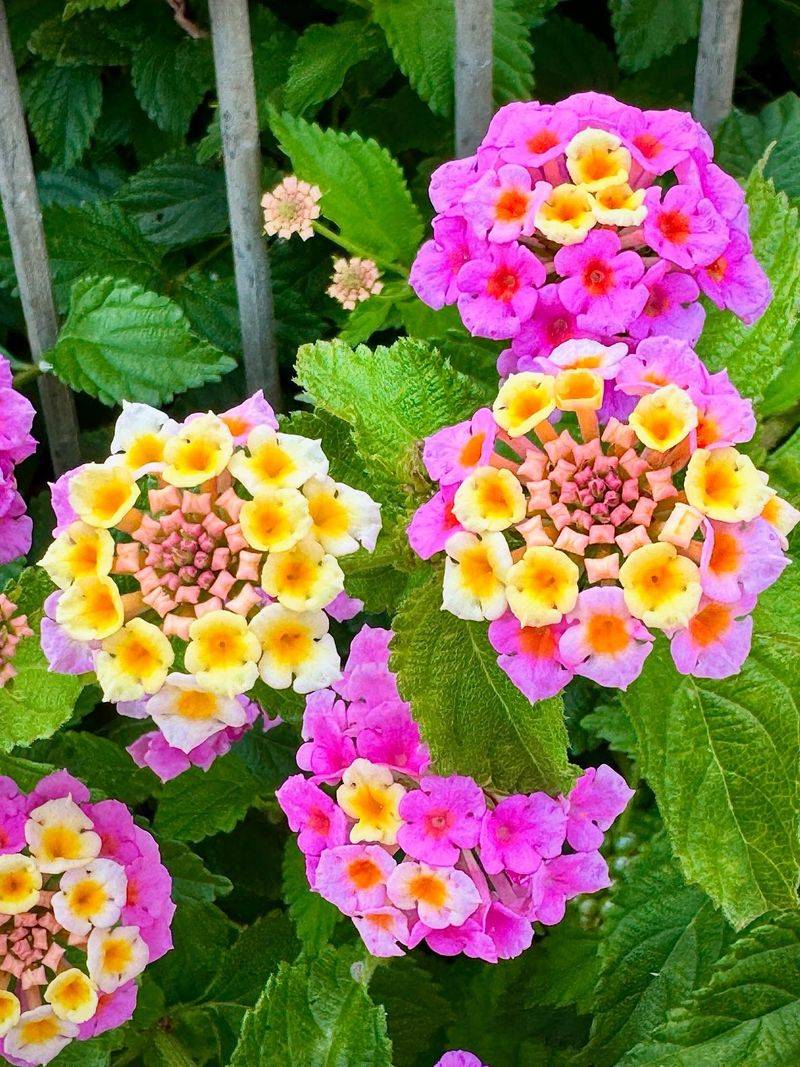
Walk past a sunny California garden bed in midsummer and there is a good chance you will spot Lantana doing exactly what it does best: filling the space with bold, clustered blooms in shades of orange, yellow, red, pink, and lavender.
Few perennials match Lantana when it comes to sheer staying power through hot, dry summers.
It thrives in full sun, tolerates poor soil, and keeps producing flowers from late spring well into autumn without much fuss from the gardener.
Butterflies are particularly drawn to Lantana, making it a natural fit for pollinator-friendly gardens across California.
The plant handles heat that would stress many other perennials, and once established, it rarely needs supplemental water in moderate coastal climates.
Inland gardeners may give it occasional summer irrigation to maintain steady blooming through the hottest stretches of the year.
One thing worth knowing is that Lantana can spread aggressively in some regions, so choosing sterile cultivars or non-invasive varieties is a sensible step. Light trimming during the season helps keep the plant tidy and encourages fresh flower production.
Your California Garden Changes Every Week. Your Plan Should Too.
Gardening in California changes quickly throughout the season. Every Friday you’ll receive a simple weekly plan showing exactly what to plant, prune, fertilize, harvest, and protect so you never miss the right timing.
For gardeners who want a low-effort, high-color perennial that performs reliably through California’s long warm season, Lantana is a strong contender.
3. Gaura Blooms Lightly For A Long Season
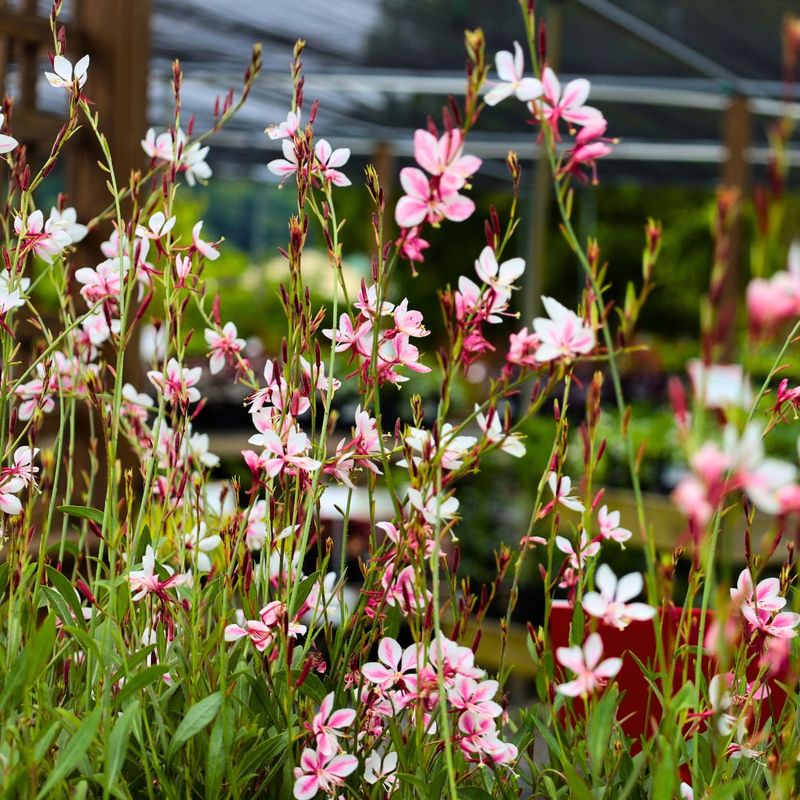
Some plants make a big, bold statement, and others bring something quieter and more graceful to a garden.
Gaura falls firmly into that second category, offering slender arching stems covered in small white or pink flowers that flutter in the breeze from late spring through early fall.
In California gardens, that kind of extended, airy bloom season adds texture and movement to borders that heavier plants cannot quite replicate.
Gaura is native to North America and has genuine drought tolerance once it settles into well-drained soil. It handles the heat of summers without wilting dramatically, and it continues producing flowers long after many spring perennials have finished.
The blooms open progressively along each stem, which is part of why the plant manages such a drawn-out flowering season rather than a single concentrated burst of color.
Gardeners who pair Gaura with bolder companions like Salvia or Echinacea often find that it softens the overall look of a border without competing for attention.
Cutting stems back by about a third in midsummer can refresh the plant and encourage a strong late-season flush.
In mild California climates, Gaura may even continue blooming into early winter, giving it one of the longer bloom windows of any perennial suited to California conditions.
4. Agastache Brings Long-Lasting Summer Color
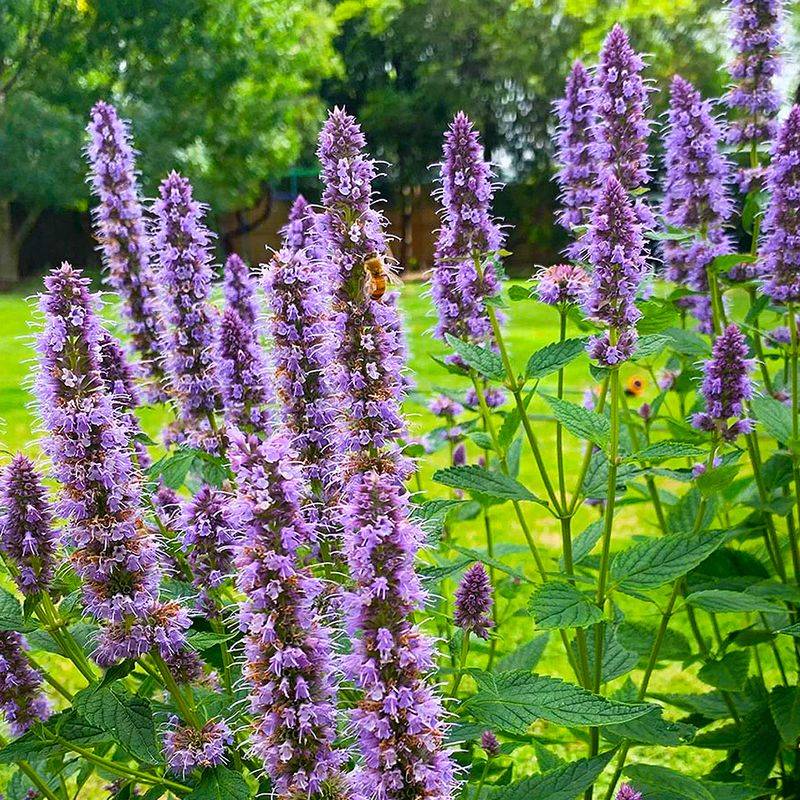
Buzzing with bee activity on a warm California afternoon, a well-established clump of Agastache is hard to walk past without stopping to watch.
Also known as hyssop or hummingbird mint, this perennial produces upright flower spikes in shades of purple, orange, pink, and blue that bloom from early summer and often hold on into fall.
That extended season of color and pollinator activity has made Agastache one of the more talked-about perennials in water-wise gardening circles.
The plant is well-suited to California’s dry summers because it is native to arid regions of the American Southwest and Mexico. Once established in full sun with good drainage, it needs relatively little supplemental water to keep performing.
The aromatic foliage adds a pleasant sensory element to the garden even when the plant is between bloom flushes, which is a bonus for gardeners who pay attention to the details of a border.
Deadheading spent spikes encourages Agastache to push out fresh ones, extending the bloom season noticeably into late summer and early fall.
Some cultivars, including those bred specifically for California climates, are particularly heat-tolerant and long-blooming.
Whether planted in a cottage border, a pollinator garden, or a xeriscape bed, Agastache delivers reliable color and wildlife value across a long growing season.
5. Coneflower Keeps Blooming Into Fall
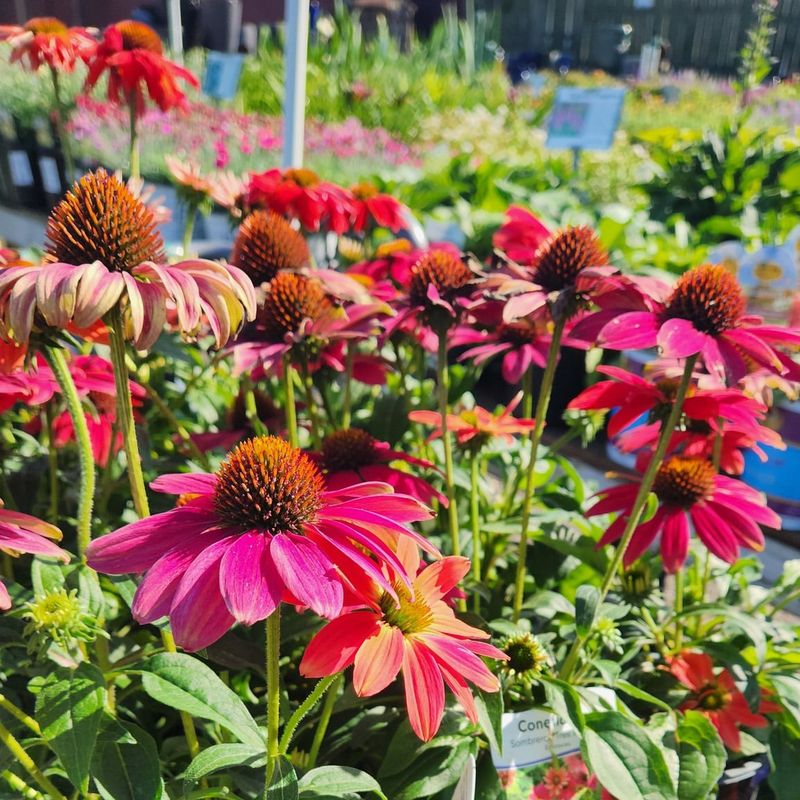
Few perennials have built a stronger reputation for long-season color than Echinacea, the familiar coneflower that begins blooming in early summer and keeps going well into fall in many California gardens.
The daisy-like flowers with their raised, spiky centers come in a wide range of colors now, from the classic purple-pink of the native species to warm oranges, creamy whites, and deep reds offered by modern cultivars.
That variety has made coneflower a go-to choice for gardeners designing colorful, season-long borders.
Coneflower handles heat and dry spells reasonably well, though it tends to perform best with moderate water during California’s hottest months. Full sun and well-drained soil are the two most important conditions for keeping it healthy and flowering.
Deadheading spent blooms encourages the plant to continue producing new flowers, while leaving some seed heads in place at the end of the season can attract birds and add winter structure to the garden.
Beyond its long bloom season, coneflower is a genuine pollinator magnet. Bees work the flowers heavily throughout summer, and the seed heads draw goldfinches as the season winds down.
In California gardens that aim to support wildlife while maintaining visual interest from June through October, coneflower consistently delivers on both counts with minimal fuss.
6. Kangaroo Paw Adds Bold Long-Lasting Color
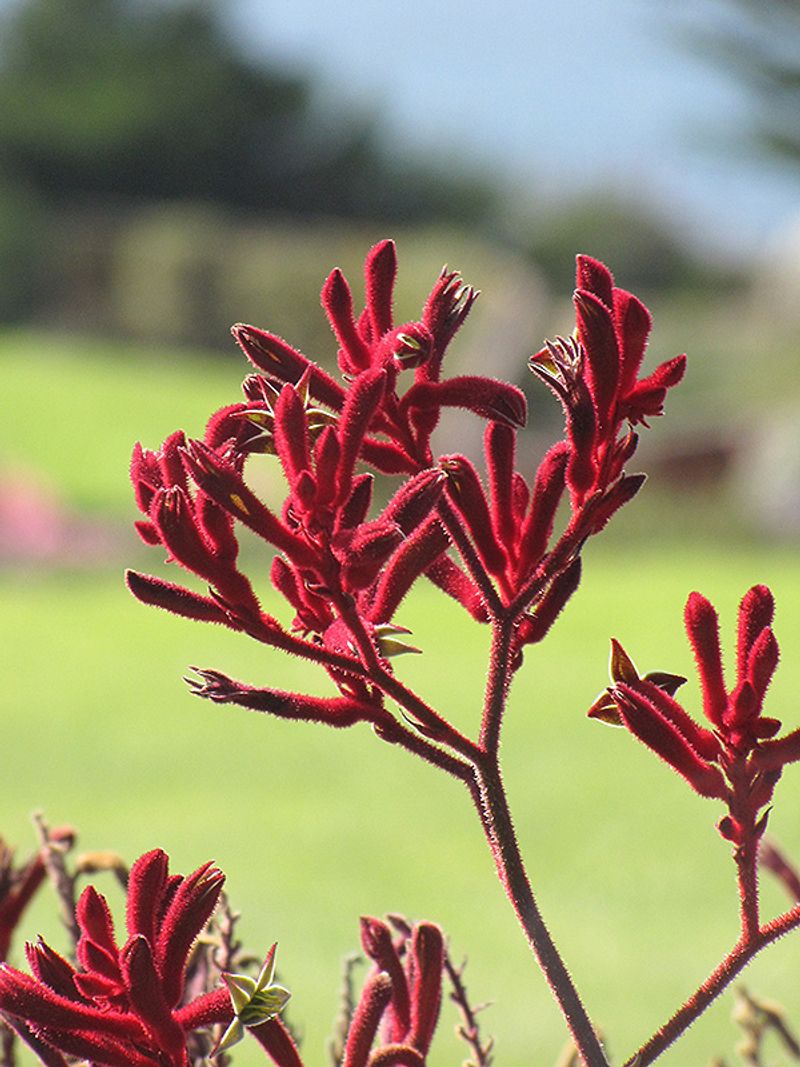
Originally from Australia, Kangaroo Paw has become a genuine standout in California gardens, and it is easy to see why.
The tubular flowers, which cluster at the tips of long arching stems and resemble a kangaroo’s paw in shape, come in striking shades of red, orange, yellow, pink, and green.
In California’s mild-to-warm climate, this plant can bloom for an impressively long stretch, often starting in late winter or spring and carrying color well into summer or beyond depending on the region.
Kangaroo Paw thrives in full sun and well-drained soil, and it handles dry summers with real resilience once established. Coastal and inland gardens alike can support it, though some varieties perform particularly well in Southern California’s warmer zones.
Hummingbirds are strongly attracted to the tubular flowers, making it a natural companion plant in pollinator-focused garden designs.
Removing spent flower stems at the base encourages the plant to send up fresh ones, which is one of the keys to keeping the bloom season extended through summer.
Newer hybrid varieties bred for California conditions tend to be more compact, more heat-tolerant, and longer-blooming than older selections.
For gardeners who want something bold, sculptural, and genuinely long-lasting, Kangaroo Paw is a plant worth knowing well.
7. California Fuchsia Shines Late In The Season
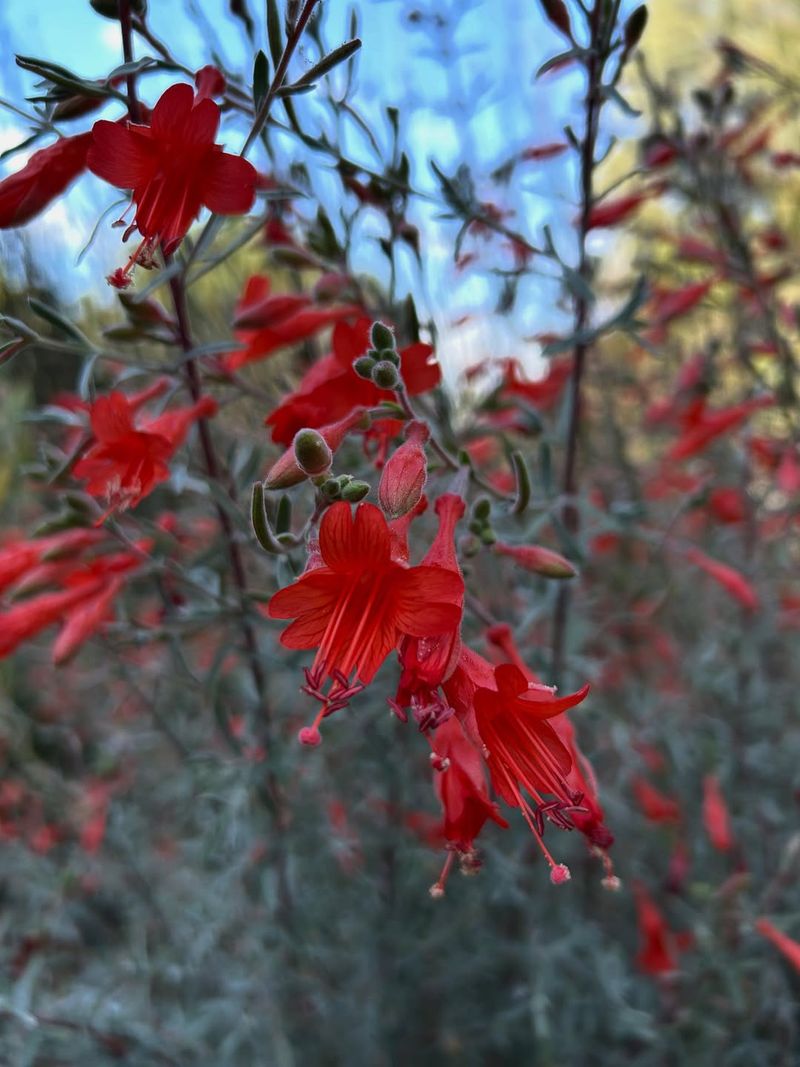
When most of the garden has settled into late-summer fatigue, California Fuchsia steps in with a burst of fiery red-orange that feels almost surprising.
Known botanically as Epilobium canum, this native is specifically adapted to the state’s dry summers and reliably saves its biggest show for late summer and fall, exactly when many other perennials have wound down.
That late-season timing alone makes it genuinely valuable in a well-planned garden.
The slender tubular flowers are shaped for hummingbirds, which visit them heavily during fall migration.
California Fuchsia spreads by rhizomes and can form attractive ground-covering drifts in sunny, dry slopes and borders, though gardeners should be aware that it may spread more than expected in irrigated garden beds.
In naturalistic and water-wise plantings, that spreading habit is often considered a benefit rather than a drawback.
Once established, California Fuchsia needs little to no supplemental water in most parts of California, making it one of the most drought-adapted perennials available for the state’s home landscapes.
Cutting it back hard in late winter encourages fresh, tidy growth and a strong bloom season the following fall.
For gardeners who want late-season color without extra watering, this native perennial is a reliable and regionally appropriate choice.
8. Foothill Penstemon Keeps Spring Color Going
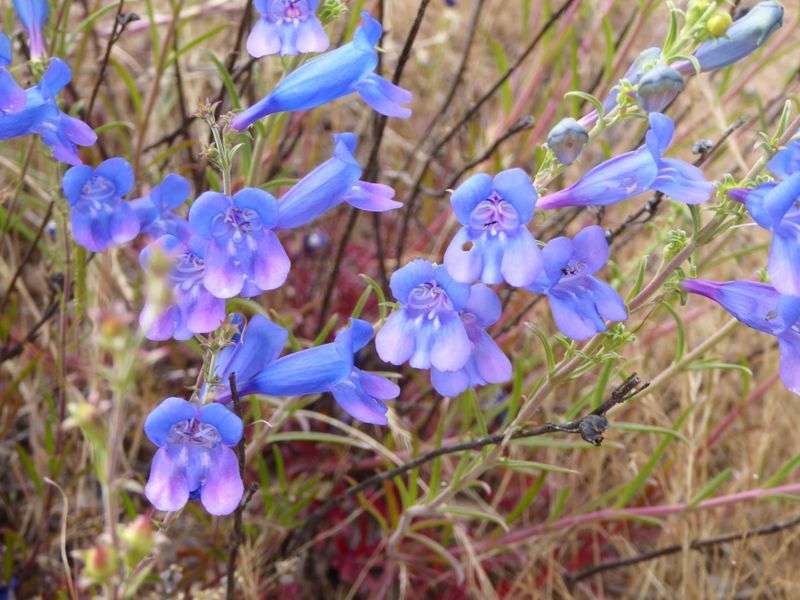
Spring color in a California garden often comes and goes quickly, but Foothill Penstemon has a way of stretching that season out in a way that feels genuinely satisfying.
This native plant produces upright stems lined with tubular flowers in shades of lavender, purple, and pink, typically starting in mid-spring and continuing into early summer with the right conditions.
In gardens that receive some afternoon shade or benefit from coastal cooling, the bloom season can extend even further into the warm months.
Foothill Penstemon is adapted to dry, rocky, well-drained soils and handles California’s summer drought without much supplemental irrigation once established.
It is a popular choice for native plant gardens, dry slopes, and water-wise borders where the goal is to support local wildlife while minimizing water use.
Hummingbirds and native bees are frequent visitors to the flowers, adding motion and life to the garden during its bloom period.
Cutting the spent flower stems back after the main bloom flush can encourage a second, lighter round of flowers later in the season. Avoid heavy summer irrigation, as Foothill Penstemon prefers to stay on the dry side once it has finished its main bloom cycle.
For gardeners building a regionally appropriate planting that bridges spring and summer with real color, this native penstemon is a thoughtful and practical choice.
9. Dianthus Adds Repeat Color In Mild Climates
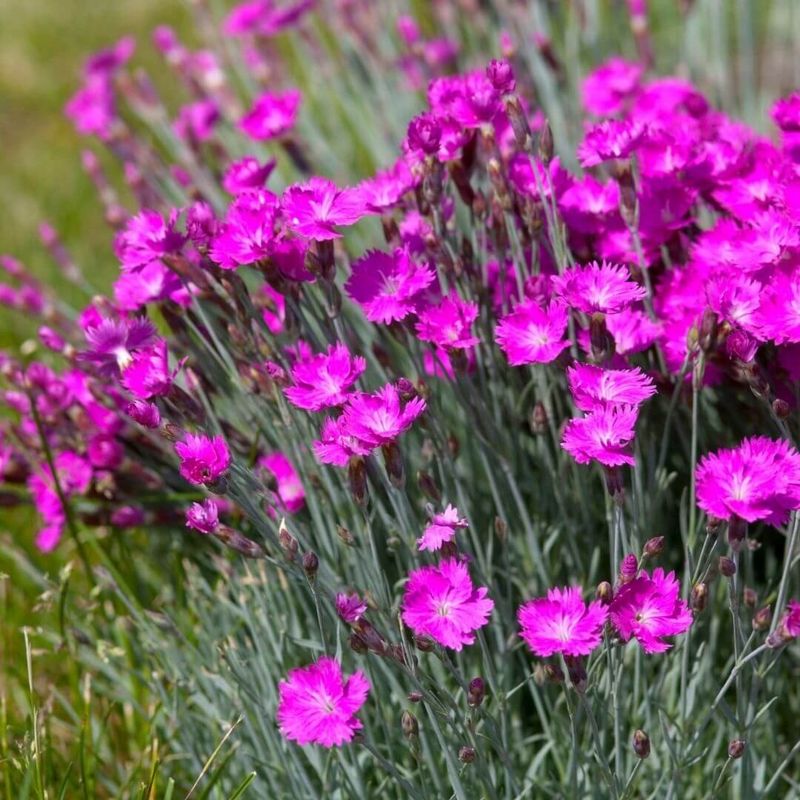
Cottage gardens across California’s milder coastal regions have long relied on Dianthus for its cheerful, fringed flowers and its willingness to bloom repeatedly through the year.
Unlike some perennials that offer a single seasonal flush, many Dianthus varieties bloom in spring, pause briefly during the hottest part of summer, and then return with fresh flowers in fall when temperatures ease.
That repeat-blooming habit gives gardeners a longer window of color than a straight spring perennial can provide.
The flowers come in shades of pink, red, white, and bicolor combinations, often with a spicy, clove-like fragrance that adds an extra sensory dimension to the garden.
Dianthus prefers full sun and excellent drainage, and it tends to struggle in heavy clay soils without amendment.
In well-prepared garden beds, it is a relatively low-maintenance perennial that rewards basic care with consistent performance across a long California season.
Deadheading spent flowers promptly is one of the most effective ways to encourage Dianthus to continue blooming rather than putting energy into seed production.
In the mildest parts of California, some varieties may bloom sporadically even through winter, making them particularly appealing for year-round garden interest.
For borders that need reliable, fragrant, repeat color without a lot of effort, Dianthus is a time-tested and genuinely charming option.
10. Black-Eyed Susan Blooms Through Summer And Fall
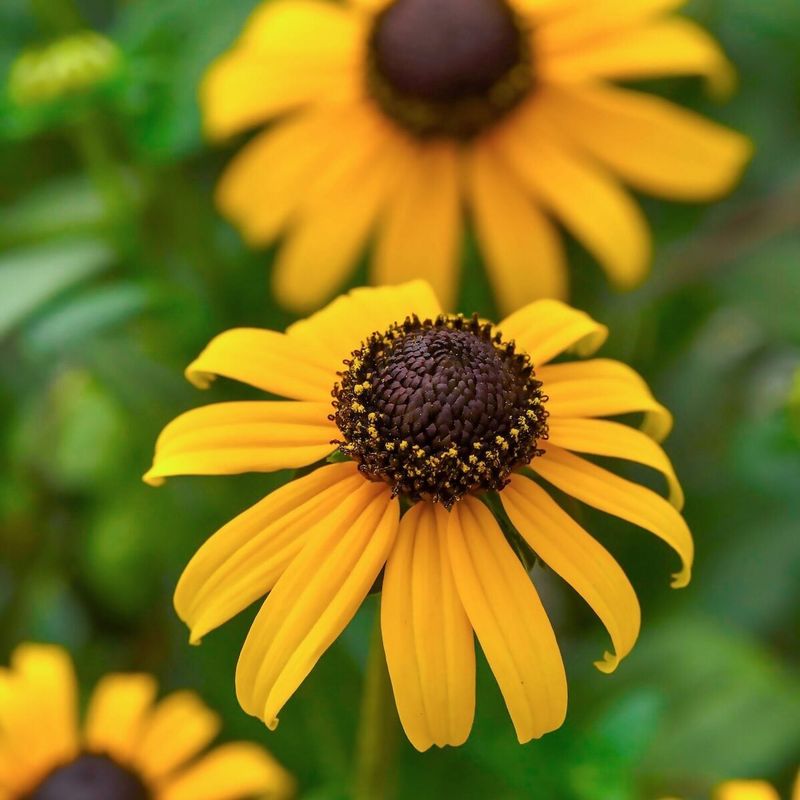
Golden and cheerful, Black-Eyed Susan brings a warmth to California gardens that feels like the best kind of late-summer afternoon.
Rudbeckia, as it is known botanically, produces bright yellow daisy-like flowers with dark brown centers from midsummer onward, and in many gardens it keeps blooming well into October.
That long run of color through the hottest and dryest part of the year is a big part of why gardeners keep coming back to it season after season.
Black-Eyed Susan handles full sun and moderate drought reasonably well, though it tends to bloom most generously with occasional deep watering during California’s dry summer months.
It grows well in a wide range of soil types, making it adaptable to the varied conditions found across California’s many gardening regions.
Bees and butterflies visit the flowers consistently, and the seed heads left at the end of the season attract finches and other small birds.
Deadheading during the bloom season encourages continuous flower production, but leaving the last round of seed heads intact provides wildlife value and adds structural interest to the winter garden.
Black-Eyed Susan works well in mixed perennial borders, meadow-style plantings, and informal cottage gardens across California.
Its combination of easy care, long bloom season, and pollinator appeal makes it one of the most reliable warm-season perennials available to gardeners.