What California Gardeners Should Never Plant Next To An Avocado Tree
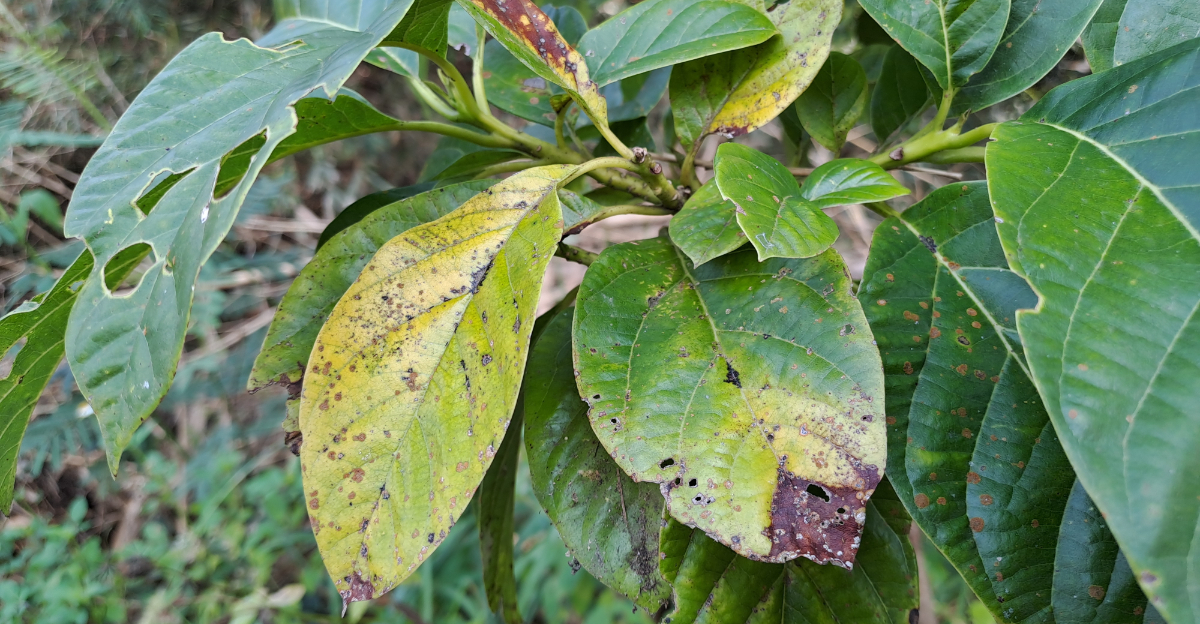
Avocado trees are one of the great rewards of gardening in California. Growing your own fruit is satisfying enough on its own, but an avocado tree that produces well is something else entirely.
The problem is that these trees have very specific ideas about their personal space, and the wrong plants growing too close can quietly undermine everything, from root health to fruit production, without ever making it obvious what went wrong.
Most gardeners focus on what an avocado tree needs directly. The right watering schedule, the right fertilizer, the right sun exposure.
Far fewer think about what’s growing nearby and how that affects the tree’s performance over time.
Certain plants compete aggressively for the shallow moisture avocado roots depend on. Others alter soil chemistry in ways this tree doesn’t tolerate well.
A few create disease pressure that spreads easily in California’s climate. Knowing what to keep at a distance is just as important as knowing how to care for the tree itself.
1. Lavender
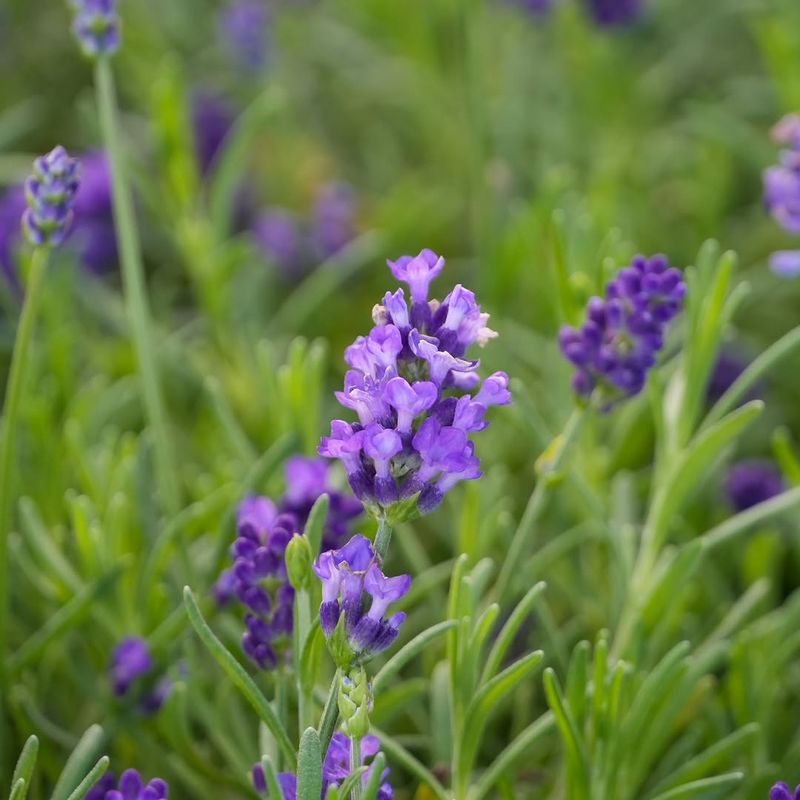
Lavender looks beautiful and smells amazing, but it is not the friendliest neighbor for your avocado tree. Here in California, lavender thrives in dry, well-drained soil with very little water.
Avocado trees, on the other hand, need consistent and careful moisture to stay healthy and productive.
When you plant lavender close to an avocado, you create a gardening conflict. Lavender’s roots spread out and compete aggressively for the limited nutrients in the soil.
That quiet underground battle can weaken your avocado over time.
Lavender also prefers slightly alkaline soil, while avocados do best in slightly acidic conditions. Planting them together can throw off the soil balance and make it harder for your avocado to absorb iron and zinc.
Those are nutrients it truly cannot do without.
California gardeners often learn this lesson the hard way after noticing yellowing leaves on their avocado trees. Keep lavender in a separate bed, ideally several feet away.
Both plants will actually perform better when they have their own space and soil conditions tailored to their needs. Give your avocado the right environment, and it will reward you generously.
2. Rosemary
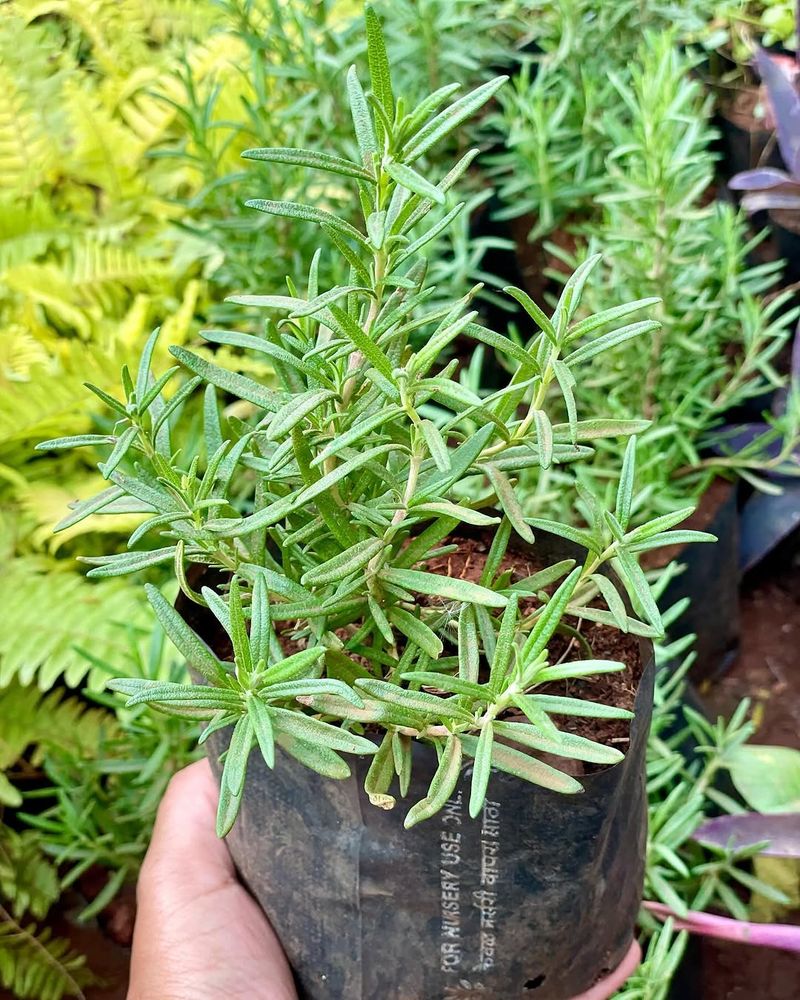
This wonderful flowering herb is tough and drought-tolerant and practically thrives on neglect. It loves hot, dry conditions and sandy, well-drained soil.
Those qualities make it a popular choice for California landscapes, but they also make it a poor match for avocado trees.
Avocado roots are surprisingly sensitive. They sit close to the soil surface and need steady moisture without becoming waterlogged.
Rosemary’s preference for dry soil means that if you water enough to keep your avocado happy, the rosemary may suffer root rot. If you water lightly to keep rosemary comfortable, your avocado will stress out quickly.
Beyond water needs, rosemary releases natural compounds from its roots and fallen leaves that can affect nearby plants. Some research suggests these compounds may slow the growth of neighboring vegetation.
That is the last thing you want happening in the root zone of a young avocado tree.
Your California Garden Changes Every Week. Your Plan Should Too.
Gardening in California changes quickly throughout the season. Every Friday you’ll receive a simple weekly plan showing exactly what to plant, prune, fertilize, harvest, and protect so you never miss the right timing.
In Southern California especially, where water management is already a challenge, mixing these two plants together creates unnecessary complications. Plant rosemary in its own sunny, dry corner of your yard.
Your avocado tree will breathe easier, and honestly, so will you when you stop trying to balance two very different watering schedules at once.
3. Sage
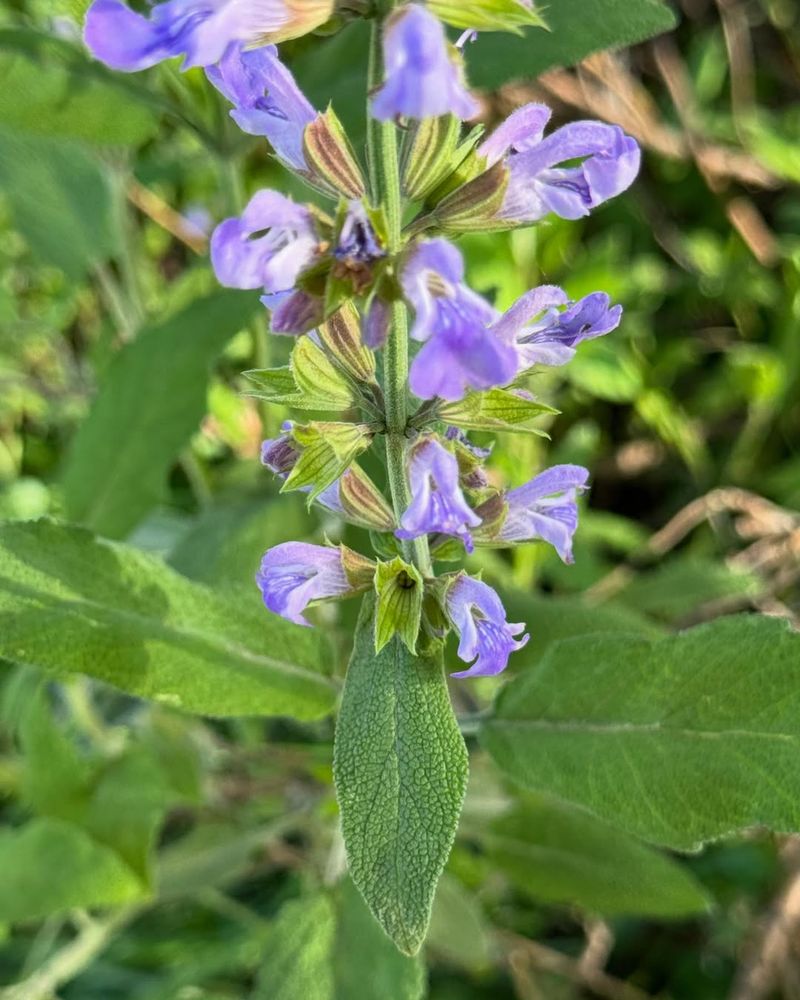
There is something wonderfully rustic about sage growing in a California garden. The silvery leaves catch the sunlight, and the earthy scent is hard to beat.
But planting it too close to your avocado tree is a decision you might regret come summertime.
Sage is built for drought. It comes from dry Mediterranean climates and does not appreciate regular watering at all.
Avocado trees need consistent irrigation, especially during warm California summers. Watering your avocado enough to keep it thriving will almost certainly cause sage roots to rot in the damp soil.
Another concern is root competition. Sage develops a surprisingly wide and fibrous root system that spreads through the topsoil.
Since avocado roots also stay near the surface, both plants end up fighting for the same layer of nutrients and moisture. That underground tug-of-war leaves both plants weaker than they should be.
Sage also prefers lean, low-nutrient soil. Avocados benefit from regular fertilization and rich organic matter.
Trying to meet both plants’ needs in the same patch of ground becomes a frustrating balancing act. Keep sage planted in a drier section of your California yard, away from any fruit trees, and everyone wins.
4. Thyme
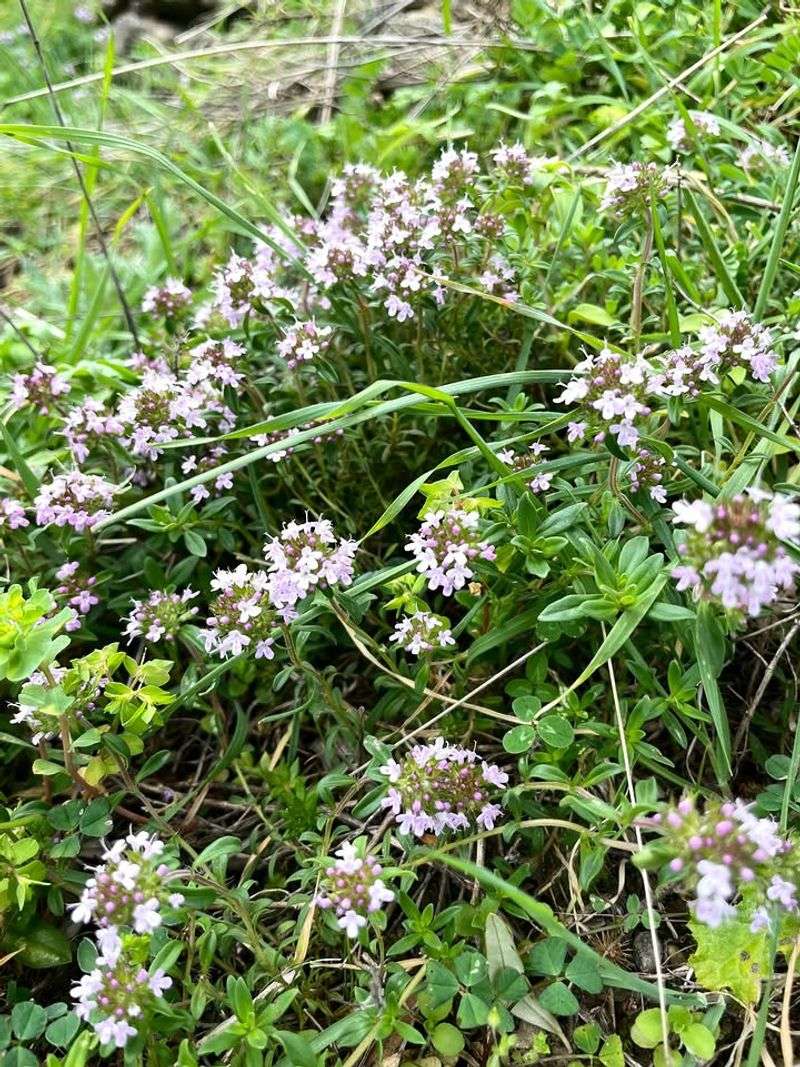
It stays low to the ground, looks tidy, and smells wonderful when you brush past it. Many California gardeners use it as a ground cover, which is exactly why it can become a problem near avocado trees.
When thyme spreads beneath an avocado, it forms a dense mat of roots right at the soil surface. Avocado roots need that top layer of soil to absorb oxygen, water, and nutrients.
A thick mat of thyme roots competing in that same zone puts real pressure on your avocado tree’s ability to feed itself properly.
Thyme also prefers very dry conditions between waterings. Keeping soil consistently moist for your avocado creates an environment where thyme struggles and may attract fungal issues that can spread to nearby roots.
That is a risk no California gardener wants to take with a productive avocado tree.
Beyond competition, thyme planted as ground cover can also trap moisture directly against the avocado trunk if it creeps too close. Excess moisture at the base of the trunk encourages rot and disease over time.
Keep ground covers like thyme at a safe distance and use mulch instead to protect your avocado’s root zone effectively.
5. Yarrow
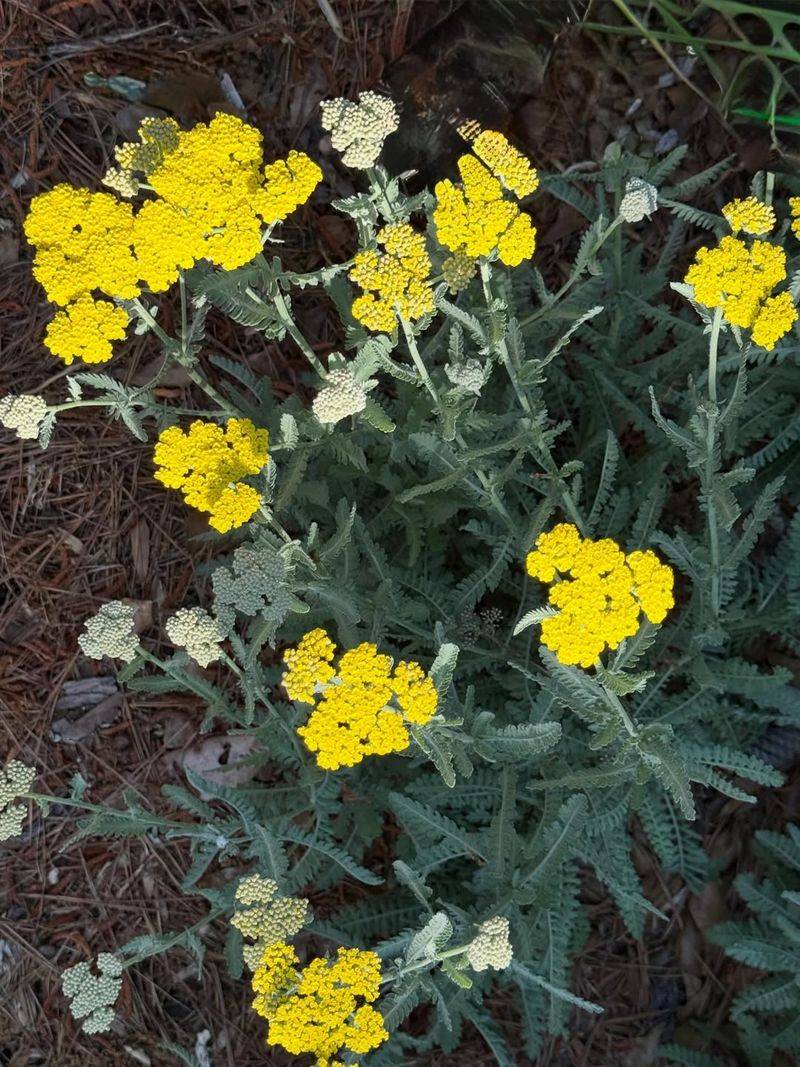
Yarrow has a reputation as a tough, cheerful wildflower that practically takes care of itself. It attracts pollinators, tolerates poor soil, and spreads easily across a California garden.
That spreading habit, however, is exactly what makes it a bad neighbor for avocado trees.
Yarrow is an aggressive spreader. Its roots creep outward steadily, and it can quickly colonize the area around your avocado tree before you even notice.
As it moves in, it competes for surface nutrients and moisture in the same root zone your avocado depends on most.
Yarrow also thrives in dry, nutrient-poor conditions. Avocado trees need the opposite: rich, well-amended soil with reliable moisture.
When these two plants share the same ground, meeting both their needs becomes nearly impossible without one of them losing out.
There is also the matter of soil chemistry. Yarrow can alter the microbial activity in the soil around it.
While that is sometimes considered beneficial in certain garden settings, it can interfere with the specific fungal relationships that help avocado roots absorb phosphorus efficiently. California gardeners who want strong, healthy avocado trees should keep yarrow well away from the drip line.
Plant it in a wildflower patch where it can spread freely without causing any trouble.
6. California Buckwheat
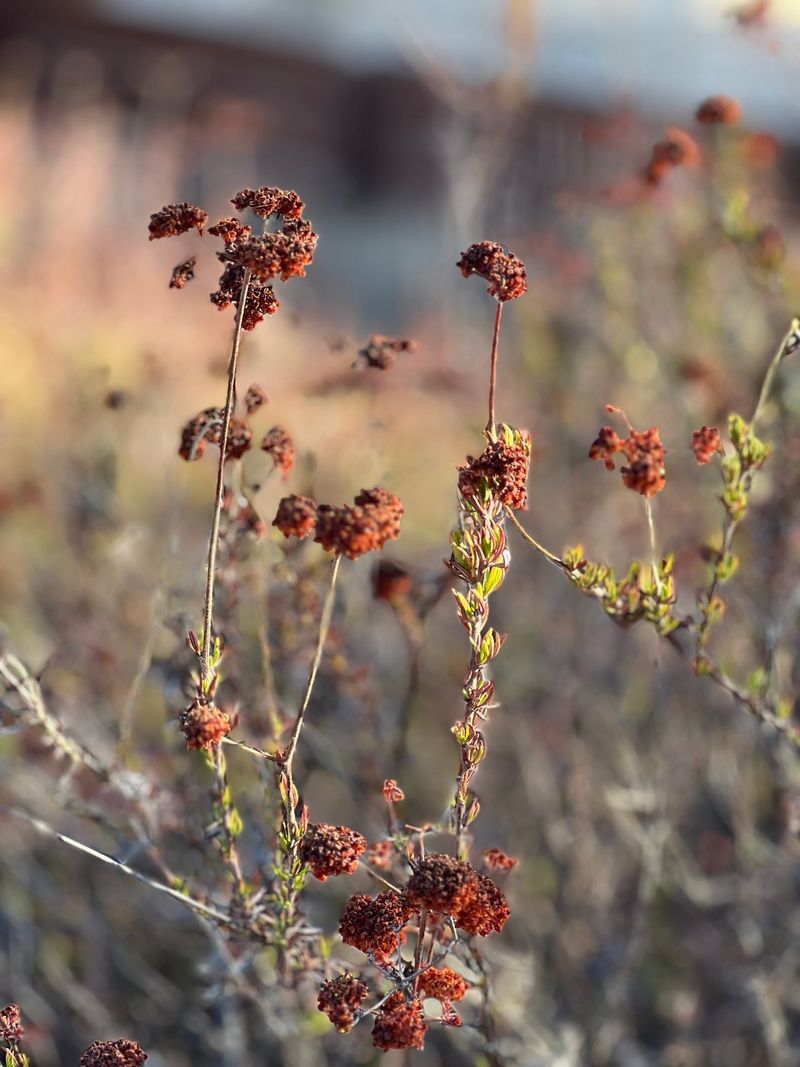
California buckwheat is a beloved native plant, and for good reason. It feeds pollinators, requires almost no water, and looks stunning when it blooms with clusters of white and rust-colored flowers.
Native plant gardeners across California adore it. But near an avocado tree, it creates a real mismatch.
The core issue is water. California buckwheat is deeply drought-adapted and actually performs better with little to no summer irrigation.
Avocado trees, especially younger ones, need regular deep watering throughout the warm season. Trying to water enough for your avocado while keeping the buckwheat comfortable is a losing game.
Overwatering California buckwheat will cause it to decline rapidly. Worse, the excess moisture in the shared root zone can invite Phytophthora root rot, which is one of the most serious threats to avocado trees in California.
Once that soil-borne pathogen takes hold, it is very difficult to manage.
California buckwheat also develops a dense woody root system that can compete with avocado roots for space and nutrients in the upper soil layers. While it is a fantastic plant for dry California hillsides or native gardens, keep it far from your avocado.
Give it a dry, sunny spot where it can truly shine without causing problems for your fruit trees.
7. Agave
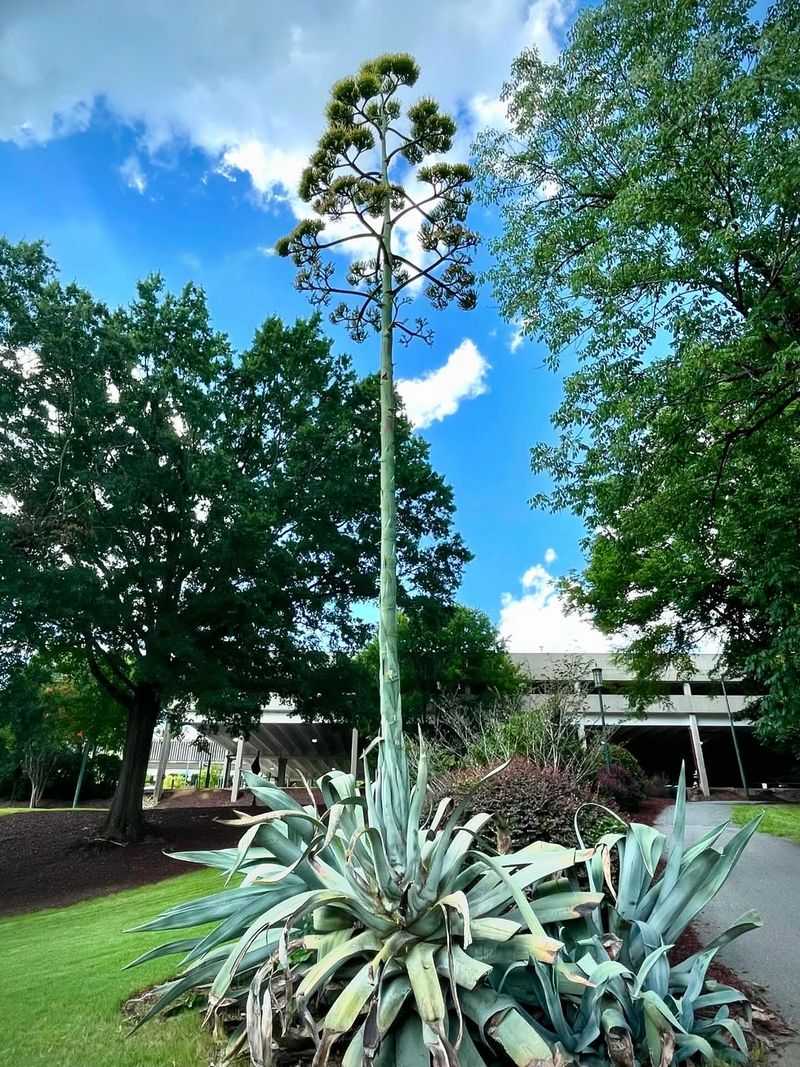
Few plants look as dramatic in a California garden as a large agave. Those bold, architectural leaves make a real statement.
But planting agave near your avocado tree is one of those garden decisions that looks great at first and causes headaches later.
Agave grows a deep, powerful taproot along with wide-spreading lateral roots. These roots compete directly with avocado roots for water and nutrients, especially during California’s dry summers.
Avocado trees are already working hard to stay hydrated in the heat, and a thirsty agave nearby only makes that harder.
Agave also modifies the soil chemistry around it over time. As its leaves break down, they can raise the pH of the surrounding soil.
Avocados need slightly acidic soil to absorb key nutrients properly. A shift toward alkalinity can cause nutrient deficiencies that show up as yellowing leaves and poor fruit production.
Then there is the physical danger. Agave leaves have sharp, rigid tips that can injure anyone working near the avocado tree.
Pruning, harvesting, or even just checking on your avocado becomes an uncomfortable task. In Southern California, where space is often limited, keeping these two plants apart protects both your tree and your hands.
Agave deserves its own showcase spot, not a crowded corner next to a fruit tree.
8. Aloe
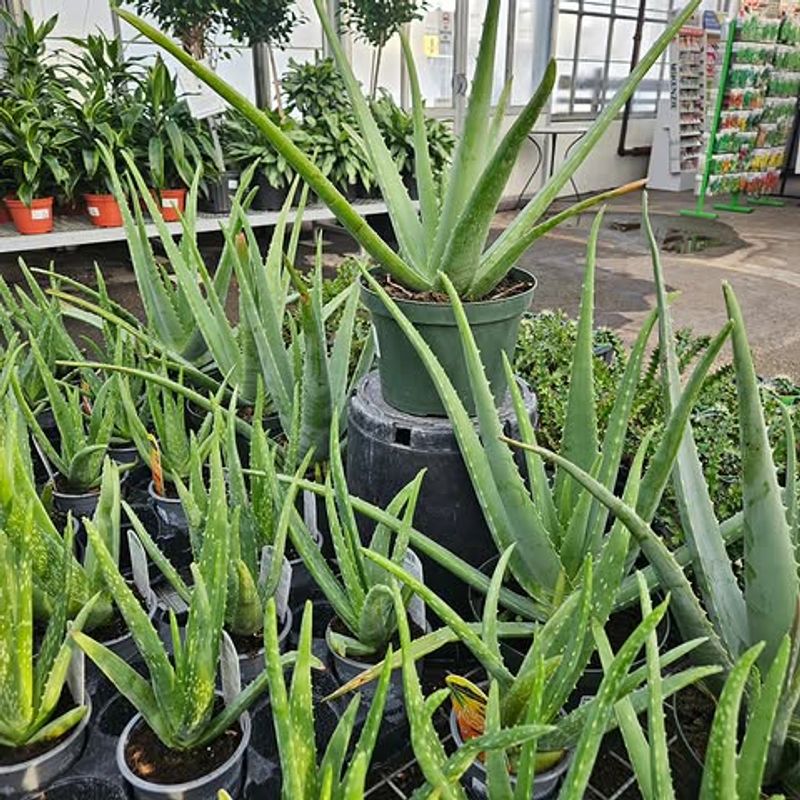
Now, aloe is one of the most popular plants in California gardens, and honestly, it earns that popularity. It is easy to care for, useful for minor burns, and looks great in pots or borders.
The problem starts when it gets planted too close to an avocado tree.
Aloe is a succulent, which means it stores water in its thick leaves and prefers to dry out completely between waterings. Avocado trees need consistent soil moisture to stay productive and avoid stress.
These two watering schedules are simply not compatible when the plants share the same root zone.
Regular irrigation for your avocado creates soggy conditions that aloe roots cannot handle well. Over time, the aloe may develop root rot, and that fungal activity in the shared soil can potentially spread to avocado roots.
That is a serious concern for California gardeners who have invested time and money in a healthy avocado tree.
Aloe also spreads by producing offshoots called pups, which can multiply quickly around the base of nearby plants. Before long, a single aloe plant becomes a cluster that crowds the avocado’s root zone.
Keep aloe in containers or in a separate dry garden bed. It will thrive with the right conditions and leave your avocado tree plenty of room to grow strong.
9. Cactus
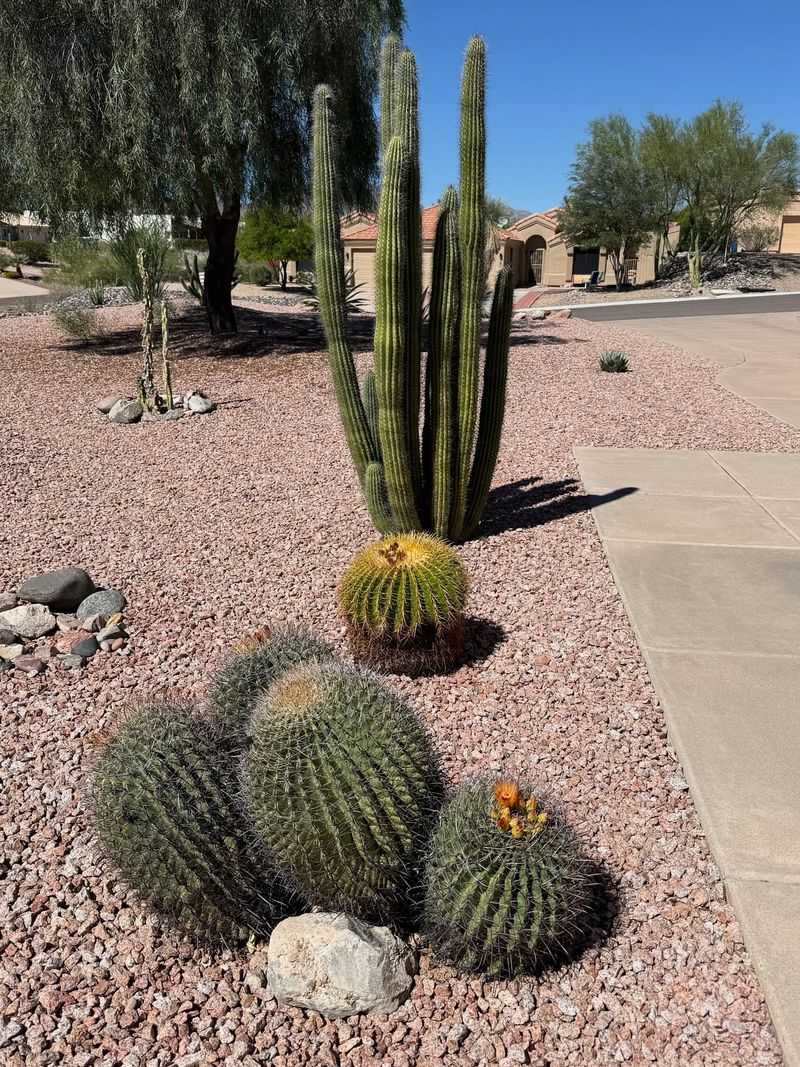
They are icons of the California landscape, especially in the southern and desert regions of the state. They are virtually indestructible, visually striking, and need almost no attention.
But placing them near your avocado tree is a combination that rarely ends well.
The water needs of cactus and avocado are about as different as two plants can get. Cactus survives on minimal rainfall and can go weeks without any supplemental irrigation.
Avocado trees need deep, regular watering to produce well and stay healthy. Watering your avocado adequately will almost certainly rot cactus roots sitting nearby in the same soil.
Cactus roots also spread wide and shallow, which puts them in direct competition with avocado roots. Both plants end up reaching for the same moisture and nutrients in the upper soil.
That competition stresses the avocado and can slow its growth noticeably over a single growing season.
The physical hazards are worth mentioning too. Working around a cactus while tending to your avocado tree is uncomfortable at best and genuinely painful at worst.
Spines can puncture skin easily, making routine care more difficult. California gardeners should enjoy cacti in a dedicated xeriscape area or in large containers on a patio.
That way, everyone gets what they need, and your avocado tree gets the undivided care it deserves.