Plant These In California This May To Build A Pollinator-Friendly Yard
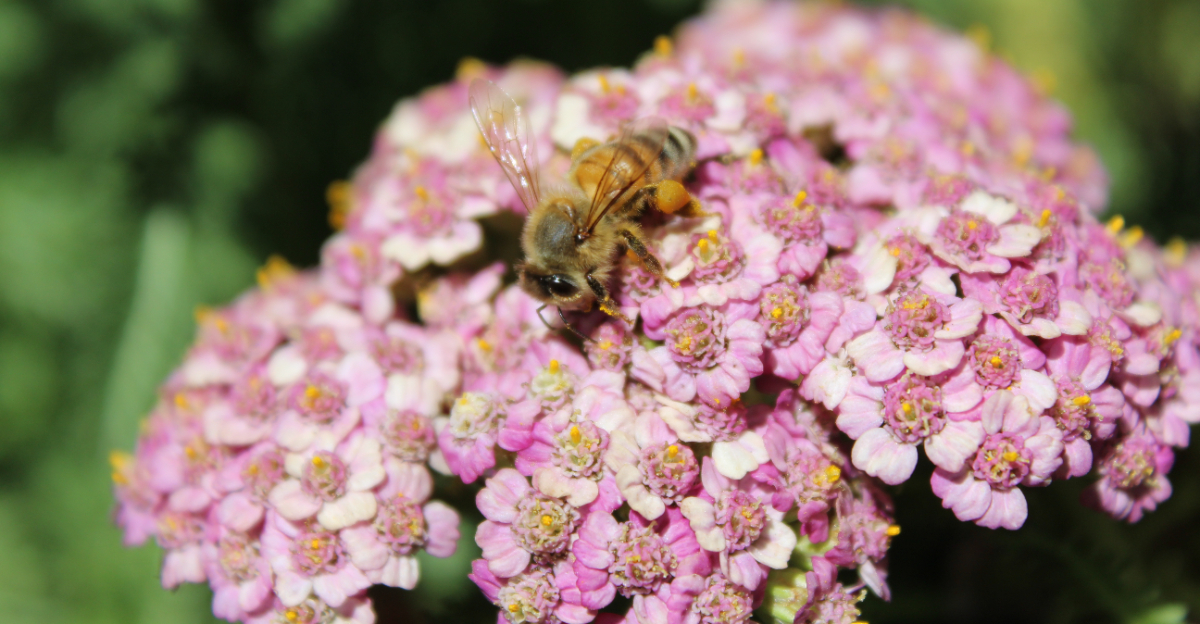
Something is happening in yards across California right now that most people are completely sleeping on. The bees are actively scouting for reliable food sources.
Butterflies are on the move. Hummingbirds are staking out territory. And the gardens that get planted this month are the ones that become the neighborhood hotspot for all of it.
Timing is everything with pollinators, and right now the window is wide open. Building a pollinator-friendly yard sounds like a big, complicated project but it really isn’t.
It starts with putting the right plants in the ground at the right time, and California’s warm soil and long growing season mean plants get established fast and start working even faster.
The payoff goes way beyond aesthetics too. More pollinators mean better harvests from fruit trees and vegetable gardens, a healthier local ecosystem, and a yard that feels genuinely alive in a way that a purely decorative garden never quite does.
Get something in the ground this month and the results will show up faster than you expect.
1. Start With California Poppies
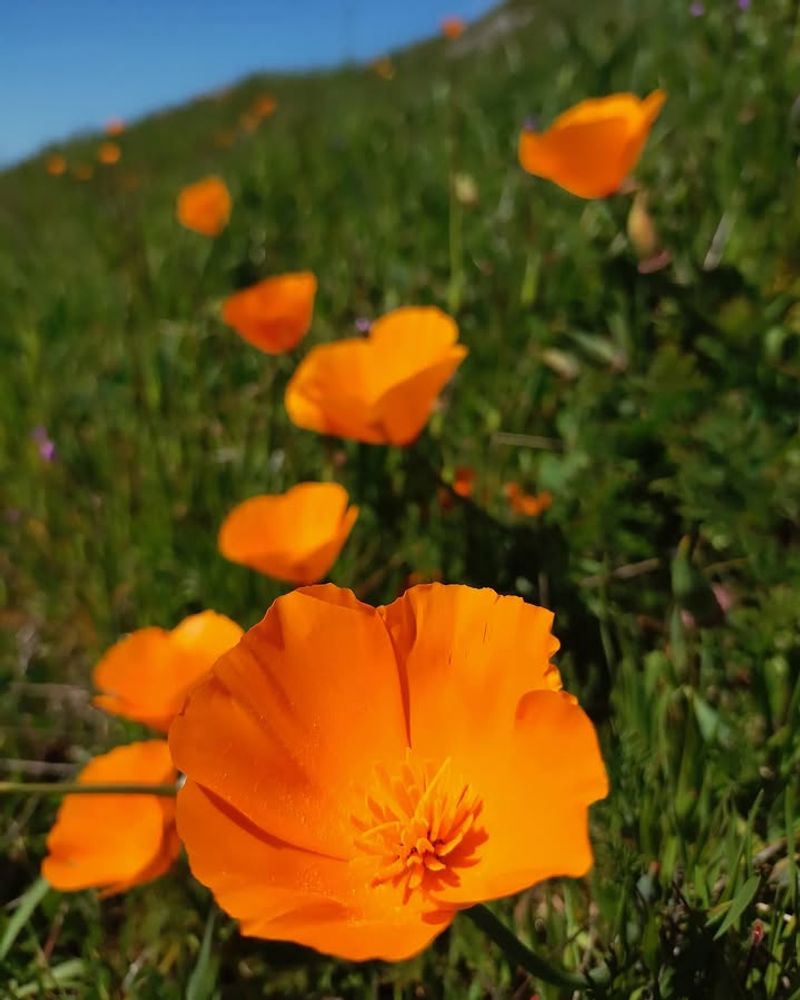
Few sights say “California” quite like a field of bright orange poppies swaying in the breeze. The California poppy is the official state flower, and it earns that title every single spring.
These cheerful blooms open wide on sunny days, giving bees easy access to pollen-rich centers.
Planting poppies in May is simple. Just scatter the seeds directly into a sunny spot with well-drained soil and let nature do the rest.
They actually prefer poor soil, which makes them one of the easiest plants you can grow. You do not need to water them much once they get going.
Bees absolutely love poppies. Native bees, especially, are drawn to the bright orange color and the generous supply of pollen.
You will notice activity around these flowers almost immediately after they bloom. Poppies also reseed themselves, so once you plant them, they tend to come back year after year.
That means less work for you and more food for pollinators every season. For any California garden, poppies are the obvious and rewarding starting point.
2. Add Bee-Loved Salvias
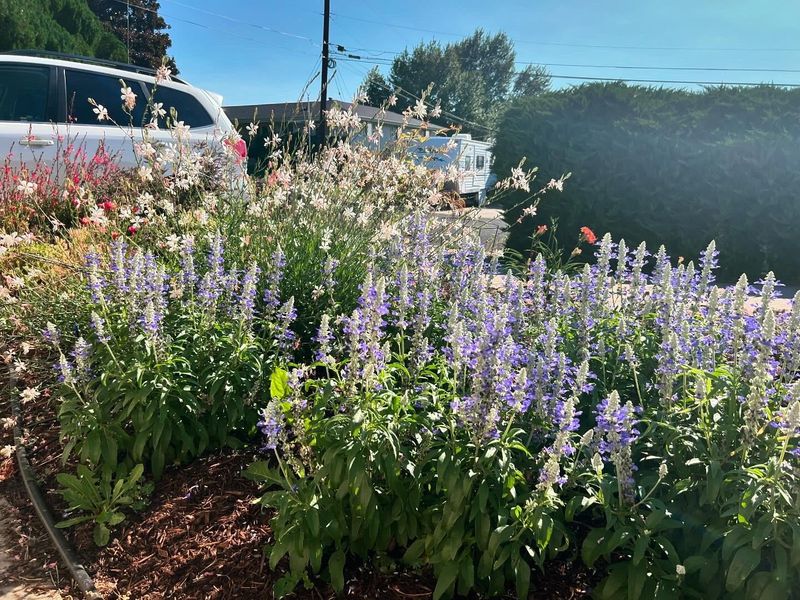
Walk past a salvia plant on a warm California morning and you will almost always hear buzzing. Salvias are among the most bee-friendly plants you can add to your yard, and they come in dozens of varieties that thrive across the state.
From deep purple to bright red, there is a salvia for every garden style.
May is a great time to plant salvia starts or transplants in California. They settle in quickly during the warm spring weather and can handle the dry summer heat that follows.
Most varieties are drought-tolerant once established, which is a huge bonus for water-conscious California gardeners.
Bees are not the only fans. Butterflies and even hummingbirds visit salvia blooms regularly.
The tubular flower shape is perfectly designed for long-tongued pollinators to reach the nectar inside. Try planting native salvias like Cleveland sage or black sage for the strongest impact on local wildlife.
Your California Garden Changes Every Week. Your Plan Should Too.
Gardening in California changes quickly throughout the season. Every Friday you’ll receive a simple weekly plan showing exactly what to plant, prune, fertilize, harvest, and protect so you never miss the right timing.
These plants also smell incredible, which makes them a joy to have near a patio or walkway. Adding salvia to your California garden is one of the smartest moves you can make this May.
3. Plant Milkweed For Monarchs
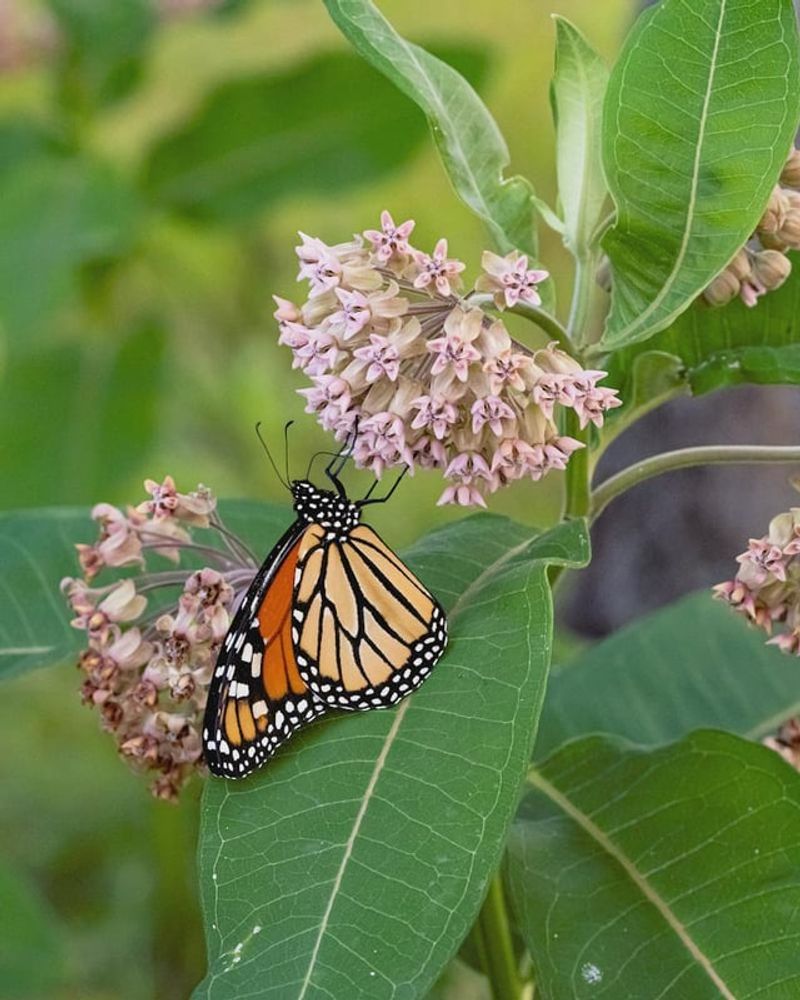
Monarch butterflies cannot survive without milkweed. It is the only plant where monarchs lay their eggs, and the only food their caterpillars can eat.
Planting milkweed in your California yard this May is one of the most meaningful things you can do for these iconic butterflies.
California has its own native milkweed species, including narrowleaf milkweed and showy milkweed. These are the best choices for your garden because they are adapted to local conditions and support the natural migration patterns of monarchs.
Avoid tropical milkweed if possible, as it can confuse monarchs and disrupt their migration cycle.
Beyond monarchs, milkweed attracts a wide range of pollinators. Bees, beetles, and other butterflies all visit the flowers for nectar.
The blooms are small but clustered together, making them easy for many insects to land on and feed from. Milkweed also grows fairly easily in California’s climate, especially in sunny spots with average soil.
Water it regularly until it gets established, then ease back as the season heats up. Your garden will become a true monarch waystation, and that is something to feel genuinely proud of.
4. Grow Yarrow For Tiny Pollinators
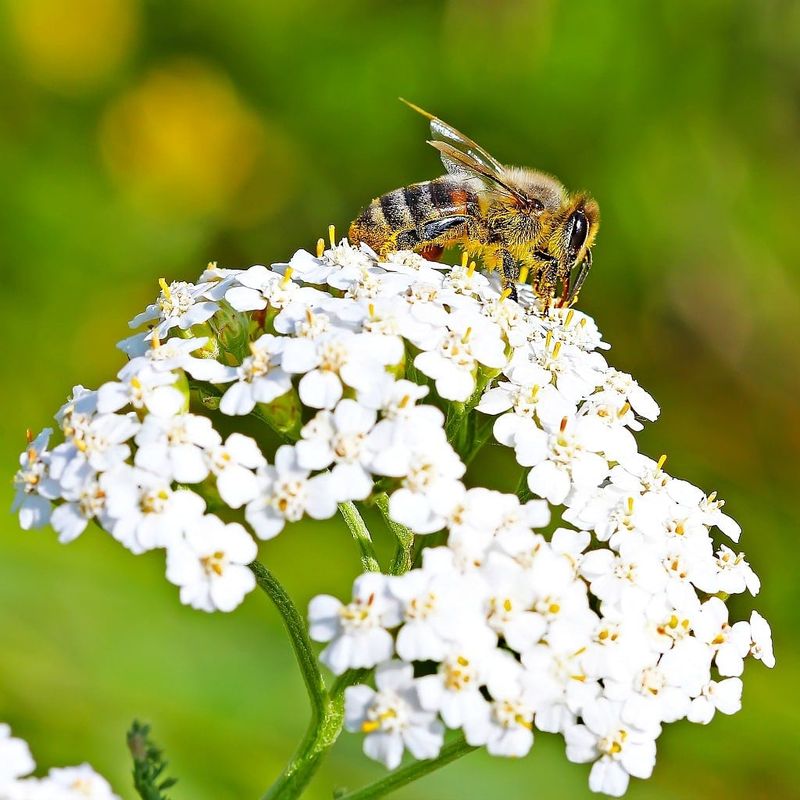
Not all pollinators are big and easy to spot. Tiny native bees, hoverflies, and small butterflies need flowers they can easily land on and feed from.
Yarrow is perfectly built for them. Its flat, wide clusters of small flowers act like a landing pad, giving smaller insects a stable place to feed.
Yarrow is a tough plant that handles California’s dry summers with ease. Once established, it needs very little water, which makes it a smart choice for eco-friendly gardens across the state.
It comes in shades of yellow, white, pink, and red, so you can mix colors for a lively, textured look in your garden beds.
Planting yarrow in May gives it time to establish before the intense summer heat arrives. Choose a sunny spot with well-drained soil and space the plants about a foot apart.
Yarrow spreads over time, filling in gaps and creating a dense, pollinator-friendly patch. It also blooms for a long stretch of the season, which means consistent food for insects throughout summer.
Snipping off spent flower heads encourages fresh blooms to keep coming. Yarrow is a reliable, low-maintenance choice that tiny pollinators in California will thank you for.
5. Tuck In Hummingbird Mint
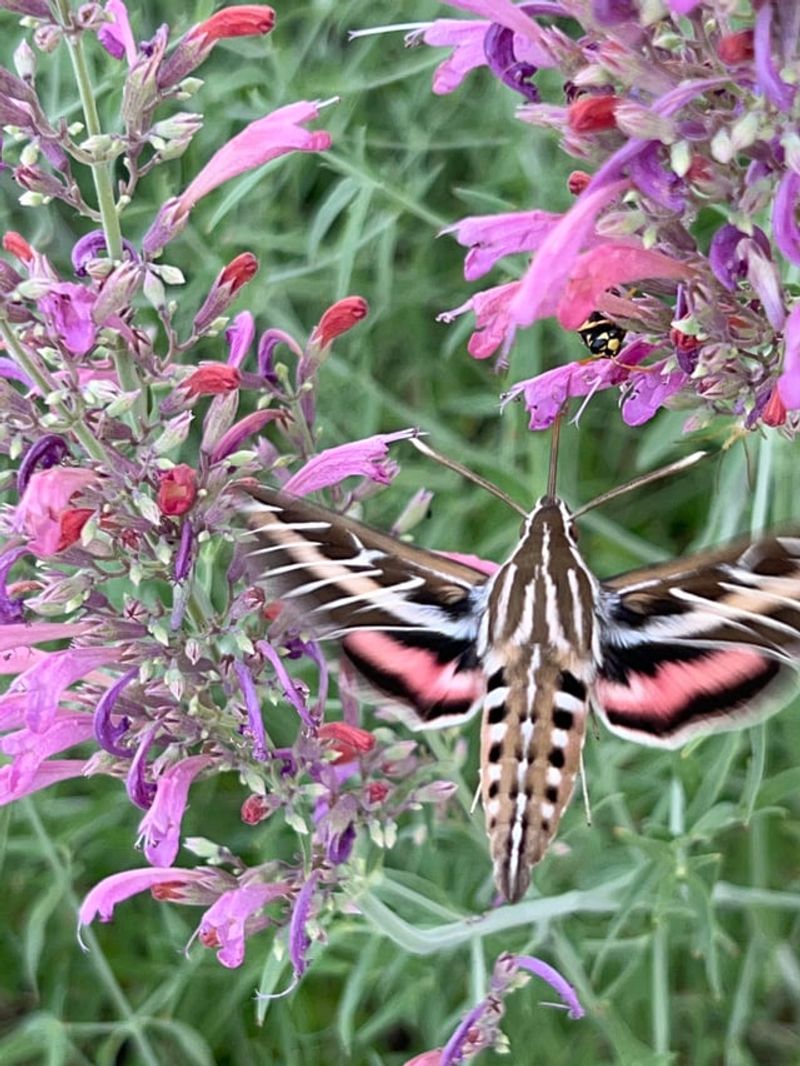
There is something magical about watching a hummingbird zip from flower to flower in your own backyard. Hummingbird mint, also known as agastache, makes that happen.
Its tall spikes of tubular blooms in shades of pink, orange, and purple are practically irresistible to hummingbirds and bees alike.
This plant is a fantastic choice for California gardens because it handles heat and drought remarkably well. Plant it in a sunny location with good drainage this May, and it will reward you with blooms that stretch from summer all the way into fall.
That long bloom time makes it one of the most valuable plants in a pollinator garden.
Hummingbird mint also smells wonderful. Brush against the leaves and you get a fresh, minty-herbal scent that many people find delightful.
It grows into a tidy, upright clump that fits nicely in garden borders, containers, or along pathways. Bumblebees are especially fond of this plant, and you will often see them clinging to the flower spikes and buzzing with excitement.
Deadheading spent blooms encourages the plant to keep producing new flowers all season. For a plant that delivers beauty, fragrance, and serious pollinator power, hummingbird mint belongs in every California yard.
6. Choose Buckwheat For Bees
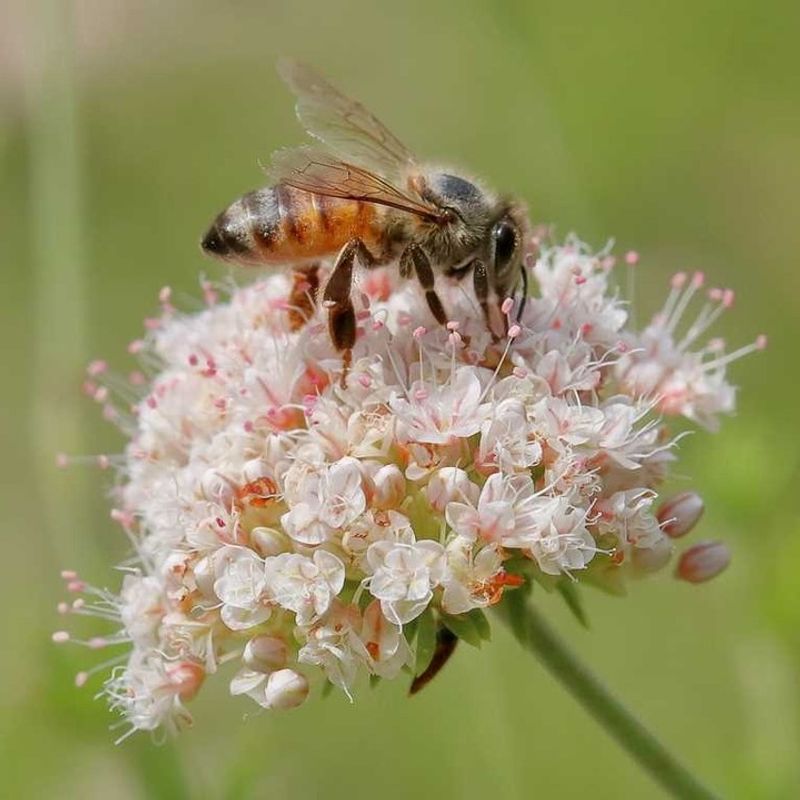
California buckwheat might not be the flashiest plant in the garden, but bees absolutely go wild for it. This native shrub produces dense clusters of tiny white to rosy-pink flowers that attract dozens of bee species, including many native bees that are found only in California.
It is a true workhorse for pollinator gardens.
One of the best things about buckwheat is how well it handles tough conditions. It thrives in dry, rocky, or sandy soil and needs very little water once it gets established.
For California gardeners dealing with summer drought, that is a major advantage. Plant it in a sunny spot in May and it will reward you with blooms that last well into summer and even fall.
Did you know that California buckwheat is also a host plant for several native butterfly species? That means it supports pollinators at multiple life stages, not just as adults feeding on nectar.
The dried flower heads turn a warm rusty-brown color in late summer, adding visual interest even after the blooms fade. Birds sometimes feed on the seeds too, giving you even more wildlife activity in your yard.
For a native, low-water, bee-magnet plant, buckwheat is a top pick this May.
7. Use Lavender For Summer Blooms
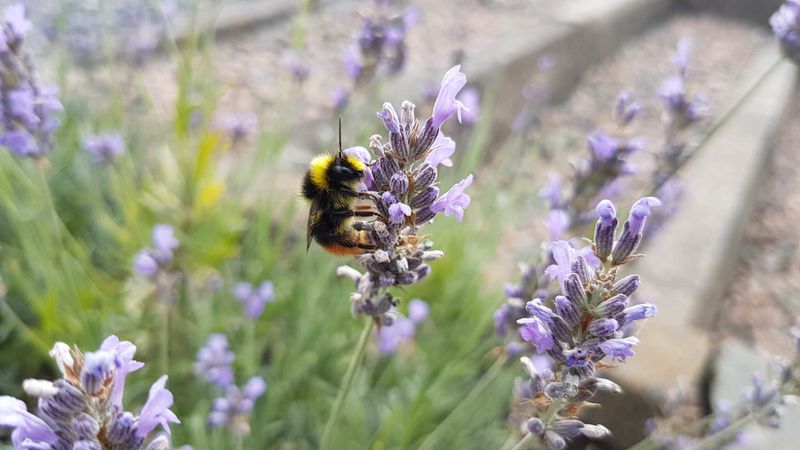
Lavender is one of those plants that feels like a warm summer afternoon all on its own. The scent alone is enough to make you slow down and enjoy your garden.
But beyond its lovely fragrance and soft purple spikes, lavender is a powerhouse for pollinators in California gardens.
Bees are absolutely wild about lavender. Honeybees, bumblebees, and native bees flock to it from the moment it starts blooming.
Butterflies and even some beetles visit the flowers too. Planting lavender in May gives it time to settle in and start producing blooms just as summer gets underway, giving pollinators a steady food source right when they need it.
Spanish lavender and English lavender both do well across many parts of California. Choose a sunny spot with excellent drainage, as lavender strongly dislikes wet roots.
Once established, it is remarkably drought-tolerant, which suits California’s dry summers perfectly. Trim plants lightly after the first flush of blooms to encourage a second round of flowers.
Lavender also pairs beautifully with other plants on this list, like salvia and yarrow, creating a layered, colorful garden bed that pollinators will visit all season long. It is a classic choice that never disappoints.
8. Add Penstemon For Hummingbirds
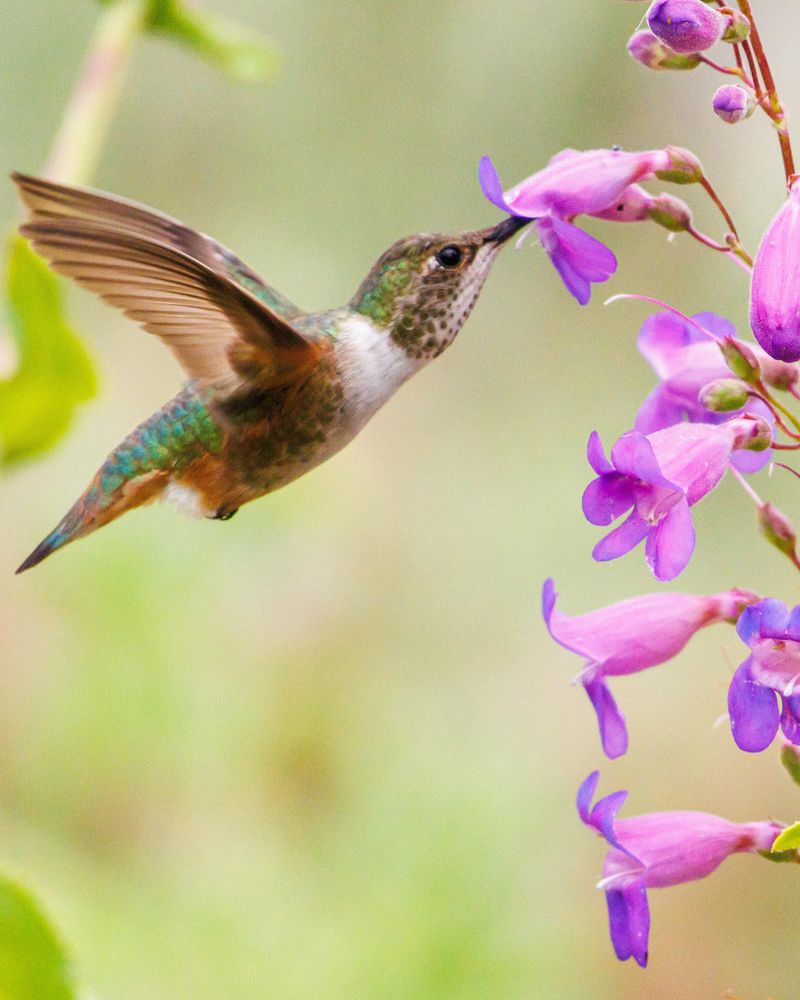
Hummingbirds have a serious weakness for penstemon. The tubular, bell-shaped flowers are perfectly shaped for a hummingbird’s long bill, and the bright red and pink colors act like a neon sign that says “nectar here.” If you want more hummingbirds in your California yard, penstemon is one of the surest ways to get them.
California has several native penstemon species, and they are all excellent choices for a pollinator-friendly garden. Foothill penstemon and scarlet bugler are two popular options that grow well across much of the state.
They prefer full sun and well-drained soil, and they handle dry conditions without much fuss once they are established.
Bees also visit penstemon flowers regularly, especially bumblebees that are large enough to push past the flower’s opening to reach the nectar inside. That makes penstemon a two-for-one plant that supports multiple types of pollinators at once.
Plant penstemon starts in May and water them consistently for the first few weeks while the roots get settled. After that, they are pretty self-sufficient.
The blooms typically appear in late spring and early summer, giving you a beautiful show right when pollinators are most active across California. Few plants deliver this much wildlife value with this little effort.
9. Plant Sunflowers For Big Impact
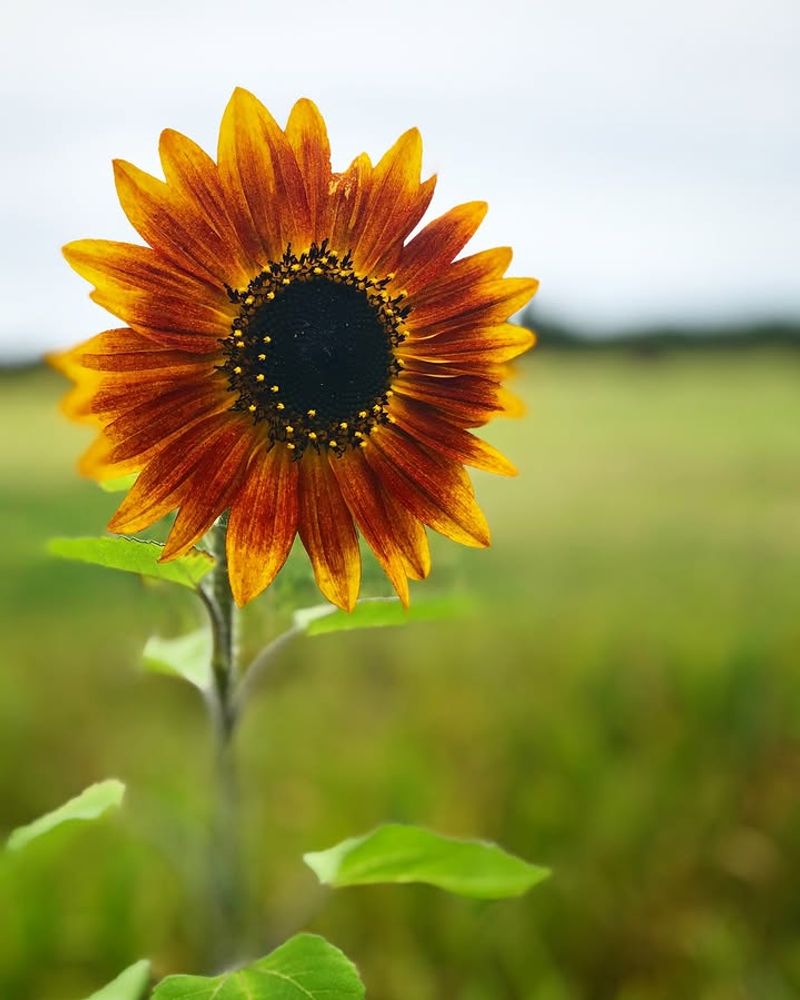
Nothing grabs attention in a garden quite like a sunflower. Those big, golden heads turn toward the sun and bring a burst of cheerful energy to any yard.
But sunflowers are not just pretty faces. They are one of the most generous pollinator plants you can grow, offering huge amounts of pollen and nectar to bees, butterflies, and other insects.
Bees go absolutely wild for sunflowers. A single large sunflower head can support dozens of bees at a time, all working their way across the disk florets in the center.
Planting sunflower seeds directly in the ground in May is easy and satisfying. California’s warm spring soil gets them sprouting quickly, and they grow fast once they get started.
Sunflowers also attract birds later in the season when the seeds ripen. Goldfinches and other seed-eating birds will flock to your garden in late summer, adding another layer of wildlife activity.
Try planting a mix of tall varieties and shorter branching types to extend the bloom season and create visual variety. Native sunflower varieties are especially valuable for California’s native bee populations.
Whether you have a large yard or a sunny corner, sunflowers make a bold and generous statement for pollinators all season long.
10. Finish With Verbena
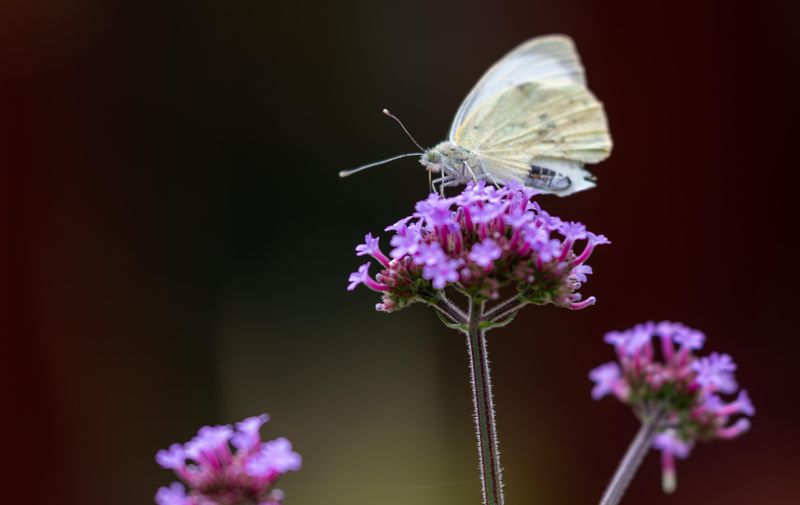
Verbena might be one of the most underrated plants in the pollinator world. Its clusters of small, flat flowers are perfectly sized for butterflies, small bees, and hoverflies to land on and feed from.
It blooms abundantly from late spring all the way through fall, giving pollinators a long-lasting food source across the California growing season.
California native verbena, like purple verbena or red verbena, is an especially smart pick because it is already adapted to local soil and climate conditions. These native varieties tend to be more drought-tolerant and require less maintenance than hybrid versions.
Plant verbena in a sunny spot with well-drained soil this May and it will quickly spread into a low, colorful carpet of blooms.
Verbena works beautifully as a ground cover, filling in spaces between taller plants and keeping weeds from taking over. It pairs wonderfully with lavender, penstemon, and yarrow, creating a layered garden that offers pollinators food at every height.
The bright purple and pink colors also add real visual punch to garden beds and containers. Butterflies, in particular, seem to seek out verbena above many other plants.
Ending your pollinator garden plan with verbena is a fitting finish that keeps the whole yard alive with activity well into the warmer months.