These Native Oregon Flowers Bring Pollinators Back Without Taking Over The Yard
Oregon gardeners often want two things at once: more pollinators and less garden chaos. Fair enough.
It is easy to fall for a flower that promises bees, butterflies, and loads of color, then realize it is trying to take over the yard by midsummer. That is why well-chosen native flowers can be such a smart pick.
Oregon has plenty of beautiful natives that bring in pollinators, add seasonal color, and still stay manageable in a home garden. Pretty great deal, honestly.
With the right choices, you can create a yard that feels lively, colorful, and full of movement without turning every weekend into a battle with overgrown plants.
In Oregon, where garden conditions can shift a lot depending on location, that kind of balance matters.
A flower that supports pollinators and stays well behaved earns its place fast.
1. Oregon Iris Brings Pollinators Without Spreading Wild
Few native flowers carry the quiet elegance of Oregon Iris, a plant that has graced Pacific Northwest meadows and woodland edges for centuries.
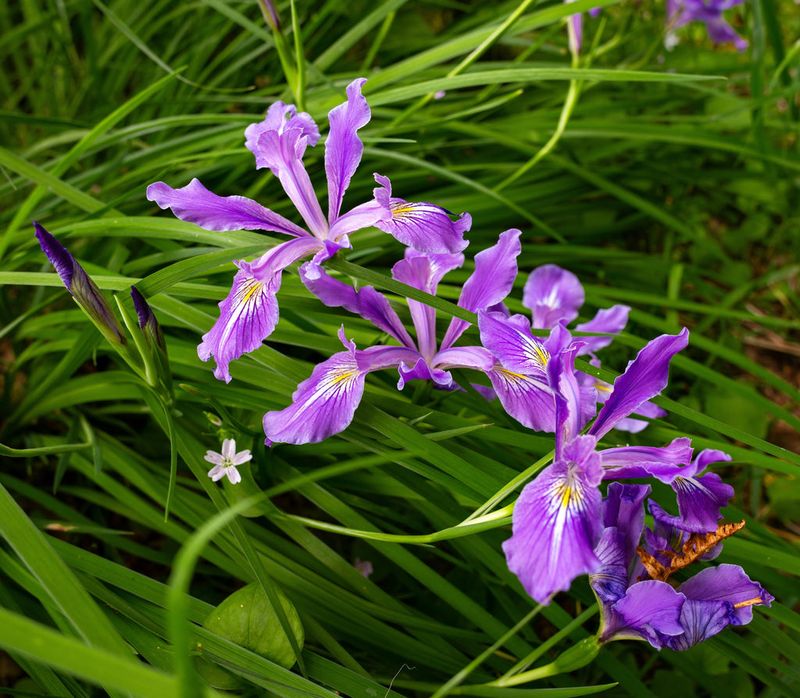
Known botanically as Iris tenax, this low-growing perennial produces striking blooms in shades of purple, violet, and occasionally white during mid to late spring.
Bumblebees are especially drawn to the flowers, using them as an early-season nectar source when food options are still limited.
One of the most appealing qualities of Oregon Iris for home gardeners is its relatively restrained growth habit. Unlike some spreading perennials, it tends to form tidy clumps that expand slowly over time rather than racing across a bed.
This makes it a reasonable choice for gardeners who want native planting without constant management.
Oregon Iris performs well in both sunny and lightly shaded spots, and it handles the dry summers common across much of western Oregon without much fuss once established.
It pairs nicely with other low-growing natives along borders or at the edge of a lawn.
Gardeners should give it good drainage and avoid overwatering, especially during summer dormancy, to keep plants healthy and looking their best season after season.
2. Western Columbine Adds Color To Shady Spots
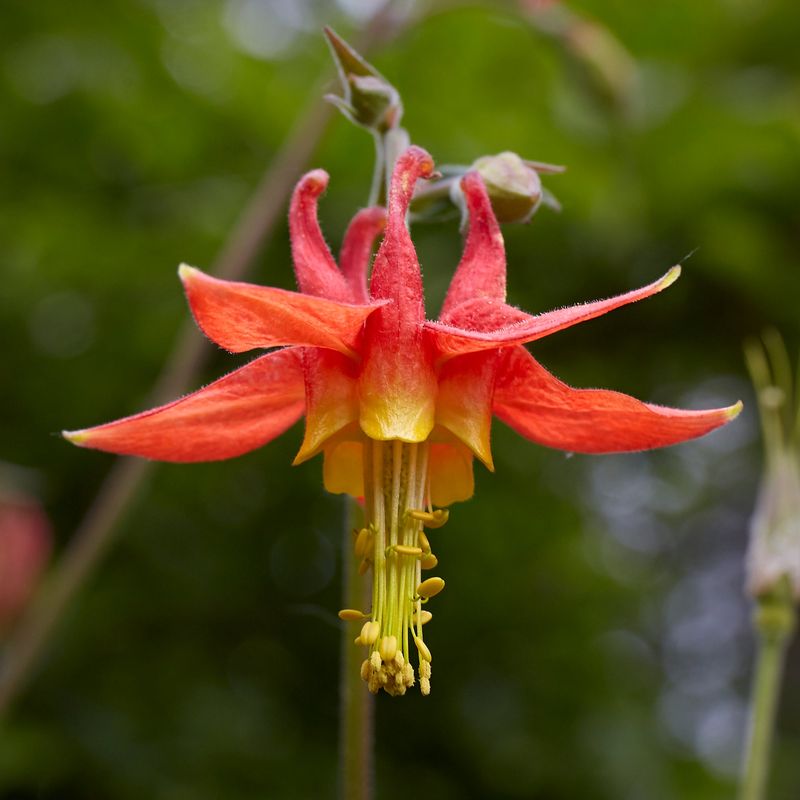
Shady corners of the yard often feel like lost space, but Western Columbine has a way of turning those overlooked spots into something genuinely beautiful.
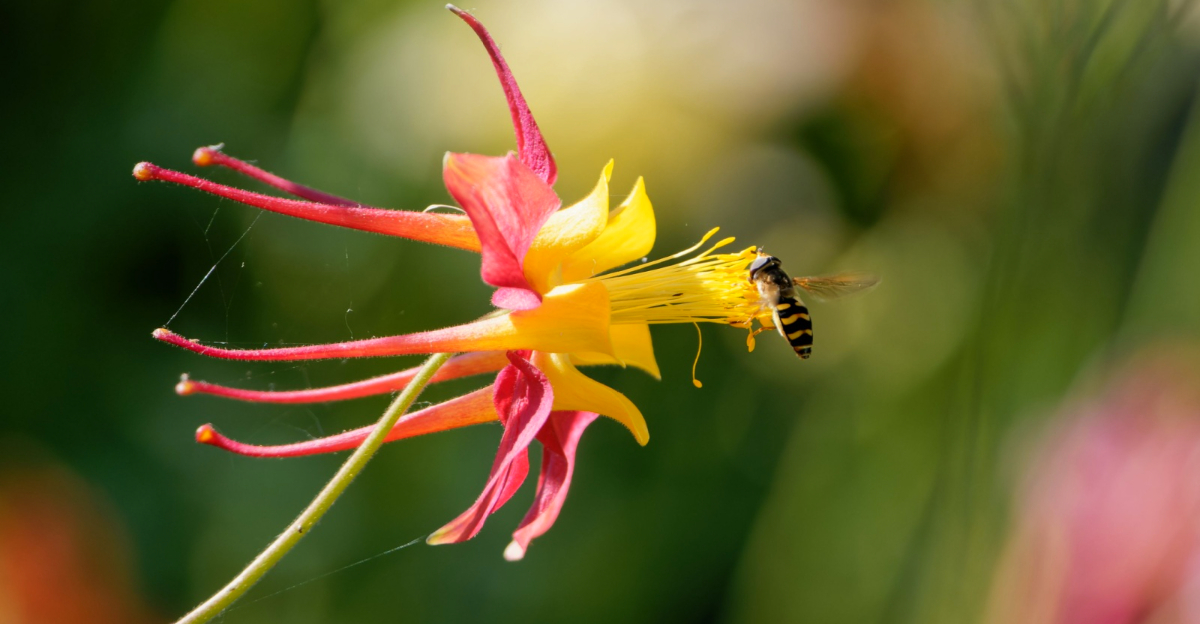
Aquilegia formosa produces nodding red and yellow flowers with distinctive spurred petals that hummingbirds find irresistible.
Bumblebees and other long-tongued native bees also visit the blooms, making this plant a reliable multi-pollinator flower for spring and early summer gardens.
Western Columbine is native to moist woodland habitats across Oregon, and it performs especially well along shaded borders, beneath deciduous trees, and near stream edges in home landscapes.
It tends to reseed itself gently, meaning new seedlings will appear nearby, but it rarely becomes overwhelming in a managed yard.
Pulling unwanted seedlings is straightforward, giving gardeners easy control over where it spreads.
The foliage has a delicate, lacy texture that adds visual interest even when the plant is not in bloom. Western Columbine typically reaches one to three feet tall, making it a good mid-layer plant in a woodland-style border.
Your Oregon Garden Changes Every Week. Your Plan Should Too.
Gardening in Oregon changes quickly throughout the season. Every Friday you’ll receive a simple weekly plan showing exactly what to plant, prune, fertilize, harvest, and protect so you never miss the right timing.
Oregon gardeners with moist, well-drained soil and partial shade will find this flower one of the more rewarding native plants to grow. It brings both wildlife value and real visual charm to the landscape.
3. Camas Brings Classic Oregon Spring Color
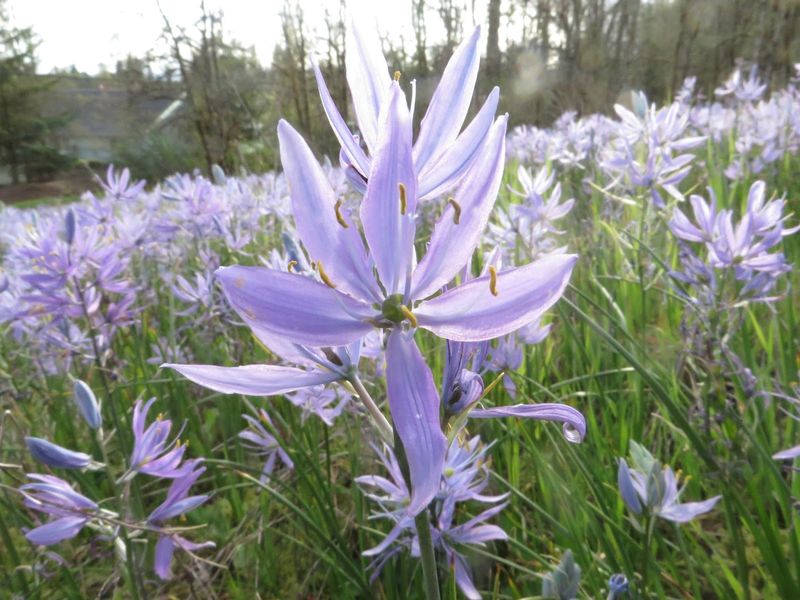
There is something deeply rooted about Camas in the Oregon landscape.
Camassia quamash has been part of Pacific Northwest ecosystems for thousands of years, and its tall spikes of blue-violet flowers remain one of the most striking sights in an Oregon spring garden.
Blooming in April and May, Camas attracts native bees, bumblebees, and various other pollinators that are actively foraging during those early weeks of the season.
For home gardeners, Camas works especially well in moist, low-lying areas where other plants might struggle.
It thrives in heavy soils that stay wet through winter and spring but dry out somewhat by summer, which mirrors its natural meadow habitat across much of western Oregon.
Planted in groups, the blue flower spikes create a bold seasonal display that few other native bulbs can match.
Camas spreads slowly through offsets and self-seeding, but it is not considered an aggressive spreader in typical home garden conditions.
Once established, it requires very little care, making it a low-maintenance option for gardeners who want reliable spring color with real habitat value.
Oregon gardeners should plant the bulbs in fall for blooms the following spring, and they should make sure to source bulbs from reputable native plant nurseries rather than collecting from wild populations.
4. Western Bleeding Heart Adds Native Woodland Charm
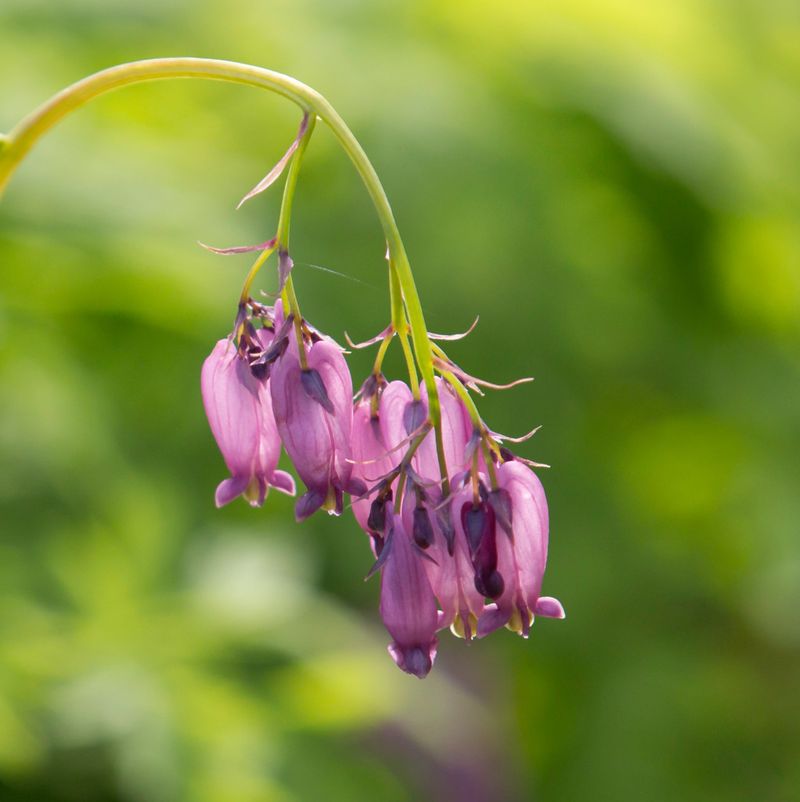
Walking through a shaded Oregon garden where Western Bleeding Heart is growing feels like stepping into a forest clearing.
Dicentra formosa produces clusters of rosy pink, heart-shaped pendant flowers above a mound of soft, ferny foliage that stays attractive even after blooms fade.
Native bumblebees are among the primary visitors to these flowers, and the plant provides valuable early-season nectar in shaded spots where other pollinator plants may not thrive.
Western Bleeding Heart is native to moist, shaded forests throughout western Oregon, and it adapts well to similar conditions in home gardens.
It spreads gradually through rhizomes and can form a loose groundcover over time, which some gardeners appreciate as a living mulch beneath trees or along shaded borders.
In smaller yards, a bit of thinning every few years will keep it contained without much effort.
One thing to keep in mind is that Western Bleeding Heart goes dormant in summer, especially in drier conditions, which means it may leave a gap in the garden later in the season. Pairing it with late-season shade plants can help fill that space.
Oregon gardeners working with moist, humus-rich soil and dappled light will find this plant reliably beautiful and genuinely useful for supporting native bee populations throughout spring.
5. Oregon Sunshine Brightens Dry Garden Beds
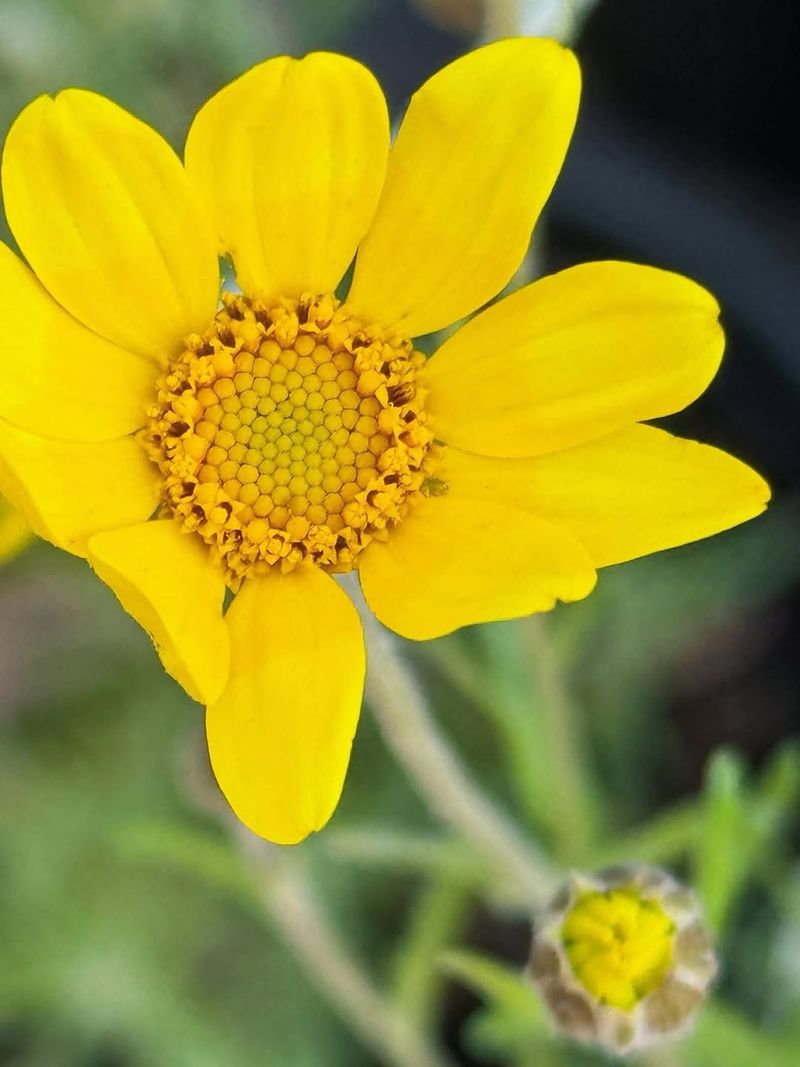
Dry, sunny garden beds can be some of the trickiest spots to plant, but Oregon Sunshine was practically made for them.
Eriophyllum lanatum is a cheerful, low-growing native perennial that produces masses of bright yellow, daisy-like flowers throughout late spring and into summer.
The blooms are a magnet for native bees, sweat bees, and small butterflies, making this one of the more productive pollinator plants for open, sunny beds in Oregon landscapes.
The silvery, woolly foliage is part of what makes Oregon Sunshine so well-suited to dry conditions.
That soft texture helps the plant retain moisture and reflect heat, allowing it to handle the dry summers that are common across much of Oregon without needing regular irrigation once established.
It typically grows six to twelve inches tall and spreads into a modest clump, which fits well in rock gardens, along sunny pathways, or at the front of a native border.
Oregon Sunshine does not tend to spread aggressively, and it can be easily divided if clumps get too large after several years. It prefers well-drained soil and will not perform as well in heavy, wet conditions.
For Oregon gardeners looking to brighten a hot, dry bed with something that genuinely supports pollinators, this plant offers reliable seasonal color without demanding much in return.
6. Checker Mallow Adds Color And Pollinator Appeal
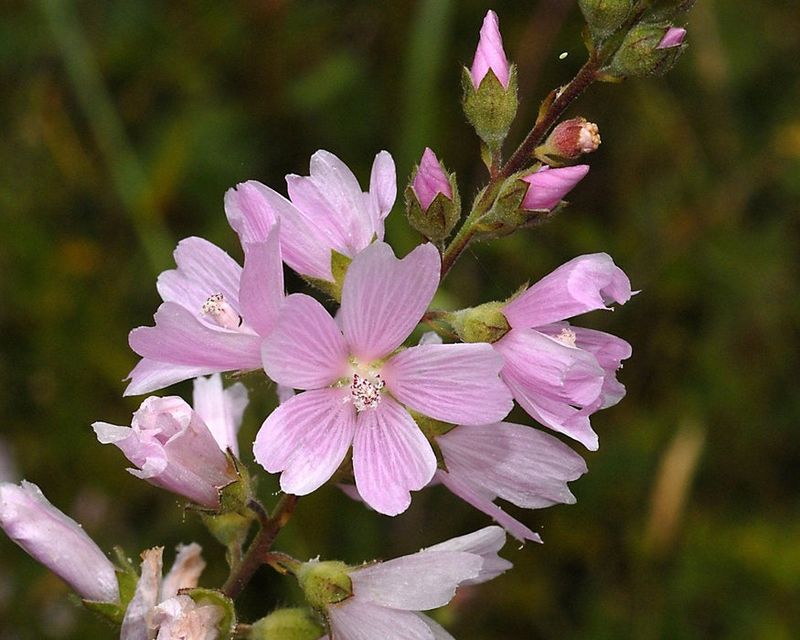
Tall, rosy-pink flower spikes rising above a sunny border have a way of stopping people in their tracks, and Checker Mallow does exactly that.
Sidalcea oregana is a native Oregon perennial that produces slender stems lined with small, cup-shaped pink flowers from late spring through midsummer.
Native bees, including specialist Sidalcea bees that depend almost entirely on mallow family plants for pollen, are frequent visitors to these blooms.
Checker Mallow grows naturally in moist meadows and along stream banks across Oregon, and it adapts well to garden conditions with moderate moisture and full sun.
In home landscapes, it typically reaches two to four feet tall, giving it a nice vertical presence without overwhelming smaller spaces.
It tends to form upright clumps rather than spreading laterally, which makes it easier to manage than some other meadow natives.
One practical consideration is that Checker Mallow may need supplemental water during Oregon’s dry summer months to keep it blooming and looking its best.
In consistently moist spots, it can reseed gently, but it is not considered a problem spreader in typical garden settings.
Oregon gardeners who enjoy tall, airy perennials with strong pollinator value will find Checker Mallow a rewarding addition to sunny borders, rain gardens, or naturalistic planting areas near water features.
7. Broadleaf Stonecrop Fits Small Sunny Spaces
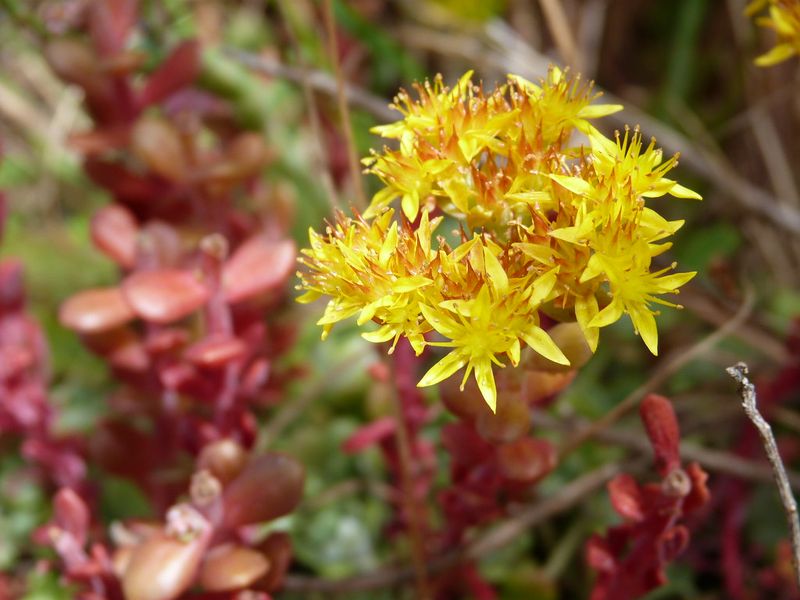
Not every native plant needs a large bed or a sprawling meadow to shine. Broadleaf Stonecrop, known botanically as Sedum spathulifolium, is a compact, mat-forming succulent native to rocky outcrops and sunny slopes throughout Oregon.
It produces clusters of small, bright yellow star-shaped flowers in late spring and early summer that draw in small native bees, sweat bees, and various flower flies looking for a quick nectar source.
The thick, fleshy rosettes of gray-green to powdery-blue foliage are attractive year-round, giving this plant ornamental value well beyond its short bloom window.
Broadleaf Stonecrop grows only a few inches tall and spreads slowly along the ground, making it a sensible option for rock gardens, green roofs, dry stone walls, and the edges of sunny pathways where other plants might struggle to establish.
Because it is native to dry, rocky habitats across Oregon, Broadleaf Stonecrop is highly drought-tolerant once established and requires very little maintenance.
It does best in well-drained, even gravelly soil and full sun, and it will not tolerate standing water or heavy clay.
For gardeners working with small, challenging sunny spots, this is one native plant that tends to quietly do its job without demanding much attention. It adds texture, color, and a bit of habitat value all at once.
8. Blue-Eyed Grass Brings Delicate Garden Color
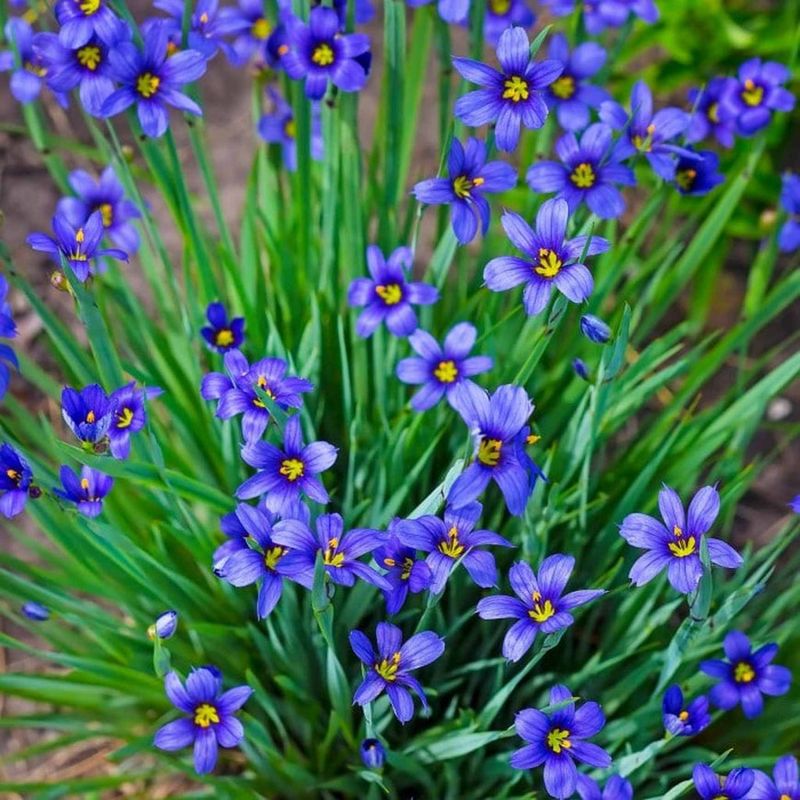
At first glance, Blue-Eyed Grass looks almost too delicate to be a serious garden plant, but this small native has more to offer than its modest size suggests.
Sisyrinchium bellum produces a flush of small, deep blue-violet flowers with bright yellow centers from spring into early summer, and those blooms attract small native bees and other beneficial insects in surprising numbers.
The flowers are short-lived individually, but the plant produces them steadily over several weeks.
Blue-Eyed Grass is not actually a grass at all but a member of the iris family, and its fine, grass-like foliage gives it a light, airy texture that works well in borders, meadow-style plantings, and container gardens.
It typically grows six to eighteen inches tall and forms small clumps that expand gently over time without becoming invasive.
In Oregon gardens, it tends to reseed modestly, which can help fill in a native planting area naturally.
This plant performs best in full sun to light shade with moderate moisture, though it handles Oregon’s dry summers reasonably well once established.
It fits nicely alongside other low-growing natives like Oregon Iris and Broadleaf Stonecrop in a mixed native border.
Gardeners who want a refined, understated native flower that still delivers meaningful pollinator support will find Blue-Eyed Grass a quietly satisfying choice for smaller garden spaces.
9. Farewell To Spring Adds Easy Native Color
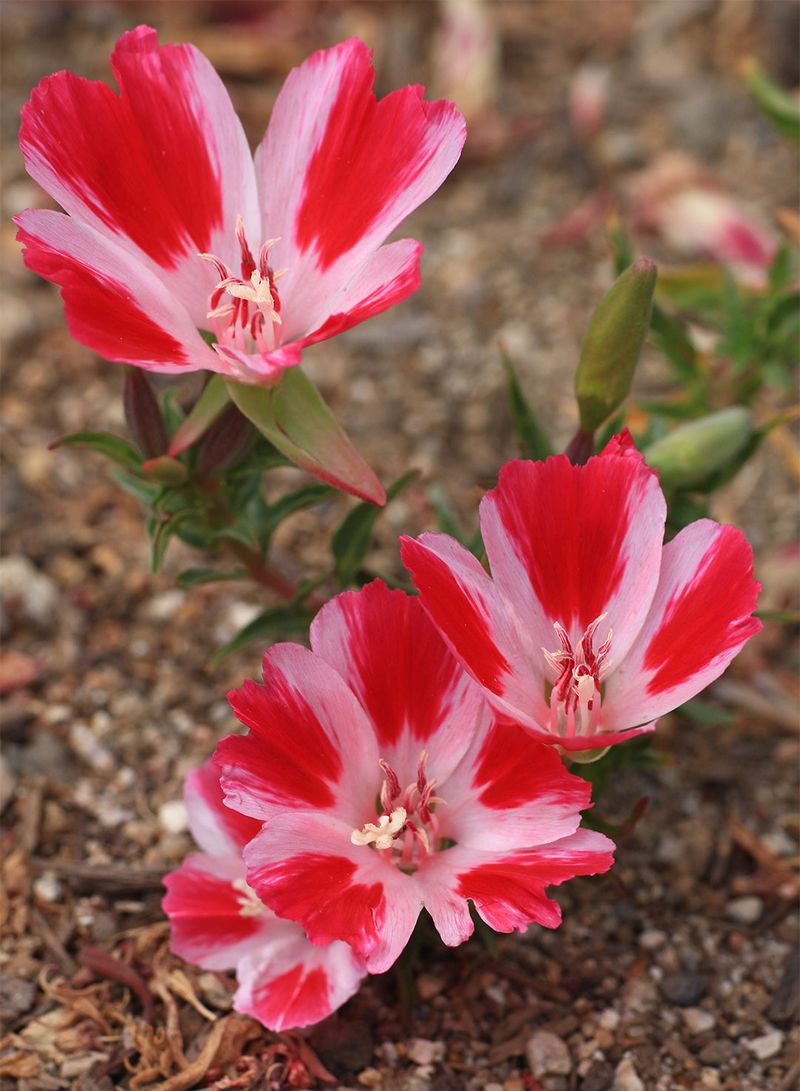
Late spring and early summer can feel like a gap in the Oregon garden calendar, and Farewell to Spring has a way of filling that window with real flair.
Clarkia amoena is a native annual that produces large, showy, cup-shaped flowers in shades of pink, lavender, and rose, often with contrasting petal markings that make each bloom look almost hand-painted.
Native bees, including specialist Clarkia bees, are drawn to the flowers for both pollen and nectar.
Because it is an annual, Farewell to Spring completes its life cycle in a single season, which means it does not spread vegetatively or form persistent clumps.
It does reseed, and in favorable conditions a few seedlings will return the following year, but it is easy to manage and rarely becomes a nuisance.
This makes it one of the more carefree native plants an Oregon gardener can add to a sunny bed or open border.
Sowing seeds directly into well-drained soil in fall or early spring gives the best results, as the seeds benefit from cool, moist conditions to germinate well. Farewell to Spring thrives in full sun and handles dry conditions with ease once it is established.
For Oregon gardeners who want bold, cheerful native color in a spot that gets summer heat and limited water, this annual delivers a satisfying seasonal show without any complicated care routine.