What North Carolina Fescue Lawns Need In May Before Problems Get Twice As Hard To Fix
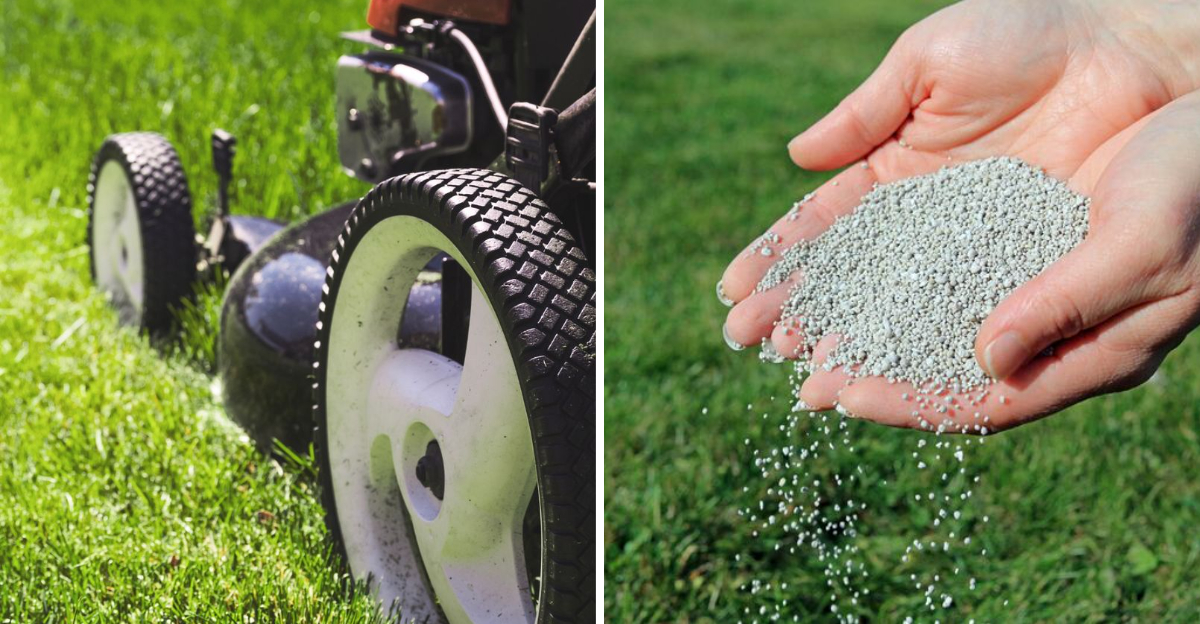
May is when tall fescue in North Carolina can look better than it really feels. The lawn is still green, the weather seems manageable, and it is easy to assume summer problems are a long way off.
They are not. This is the month when mowing, watering, and fertilizer choices start catching up with the lawn.
A few smart moves now can help fescue handle heat better later. A few bad ones can make summer much rougher.
In North Carolina, May lawn care is less about making grass look impressive for the weekend and more about helping it stay steadier once real heat arrives.
1. Higher Mowing Helps Fescue Handle Rising Heat Better
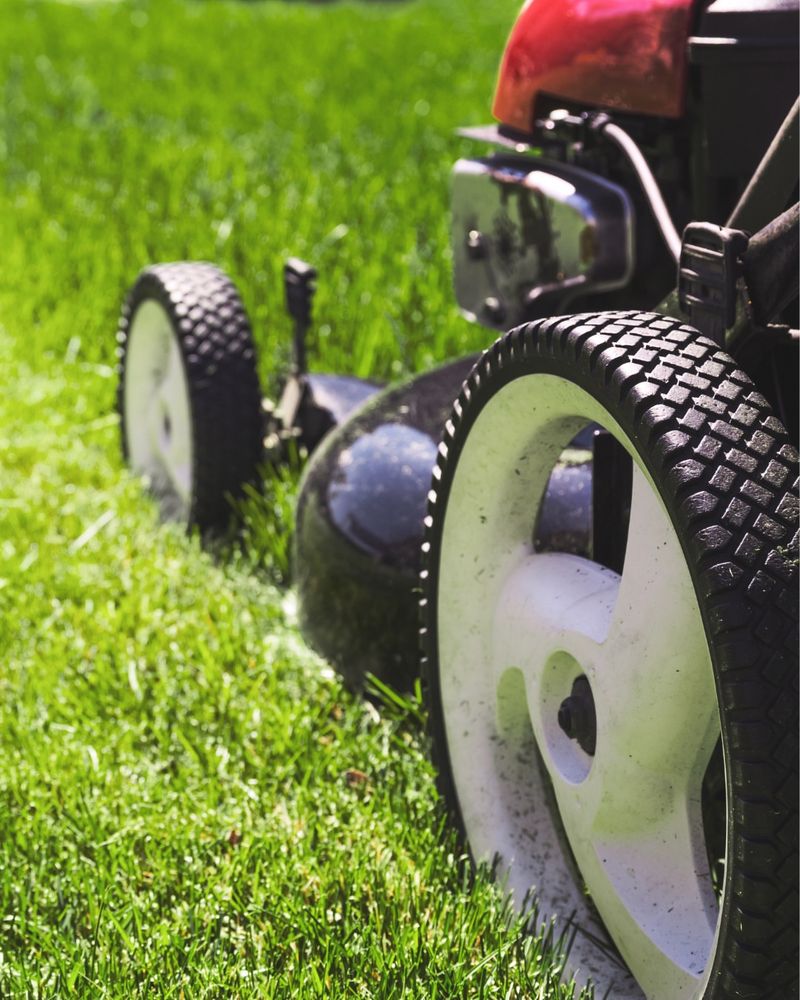
Raising the mower deck a notch or two in May is one of the simplest things North Carolina homeowners can do to help their tall fescue lawns hold up through summer.
Most turfgrass specialists recommend keeping tall fescue at around three and a half to four inches during the warmer months, and May is the right time to start moving in that direction.
Taller grass shades the soil beneath it, which helps slow moisture loss on warm days.
When fescue is cut too short heading into summer, the crowns of the grass plants get more direct sun exposure, and the soil dries out faster between rain events.
In North Carolina, where May temperatures can swing between comfortable and surprisingly warm within the same week, that extra blade length can make a real difference.
Taller turf also tends to develop a slightly deeper root system, which gives the grass a bit more ability to pull moisture from the soil during dry stretches.
Some homeowners keep mowing at their early spring height out of habit, not realizing that what worked in March can actually work against fescue in May and June.
Adjusting mowing height now, before the heat really settles in, is a low-effort way to give fescue a better foundation heading into the harder months of summer across North Carolina.
2. Scalping In May Can Set The Lawn Back Fast
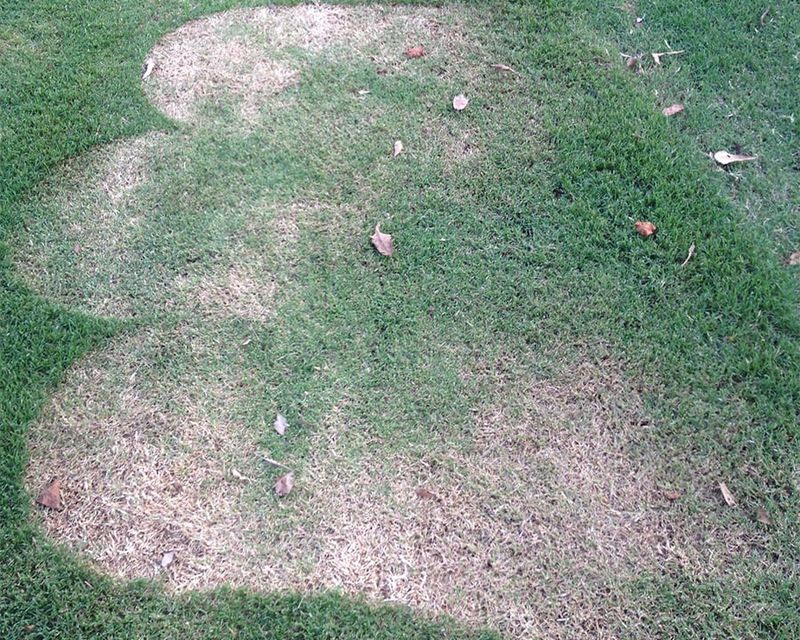
Cutting fescue too short in May is one of those habits that seems harmless in the moment but tends to show up as real trouble by June.
Scalping, which means removing more than one-third of the grass blade in a single mow, puts immediate stress on tall fescue at a time when the plant is already starting to shift its energy reserves.
North Carolina lawns that get scalped in May often thin out noticeably as summer heat builds.
The one-third rule is a useful guide for a reason. When more than a third of the blade gets cut at once, fescue has to redirect energy away from root development just to regrow its leaf tissue.
That recovery process takes time and resources the plant could otherwise use to build the root depth it needs for summer survival.
In shaded North Carolina lawns, where fescue is already working harder to photosynthesize, scalping can leave thin or bare patches that are difficult to fill until fall seeding season.
Your North Carolina Garden Changes Every Week. Your Plan Should Too.
Gardening in North Carolina changes quickly throughout the season. Every Friday you’ll receive a simple weekly plan showing exactly what to plant, prune, fertilize, harvest, and protect so you never miss the right timing.
Homeowners sometimes cut short because they want to stretch time between mowing sessions, which is understandable. But in May, that shortcut can mean a noticeably weaker lawn by July.
Mowing a little more frequently at the right height tends to produce far better results than cutting low and hoping fescue bounces back before the heat settles in across North Carolina.
3. Watering Deeply Matters More As May Turns Warmer
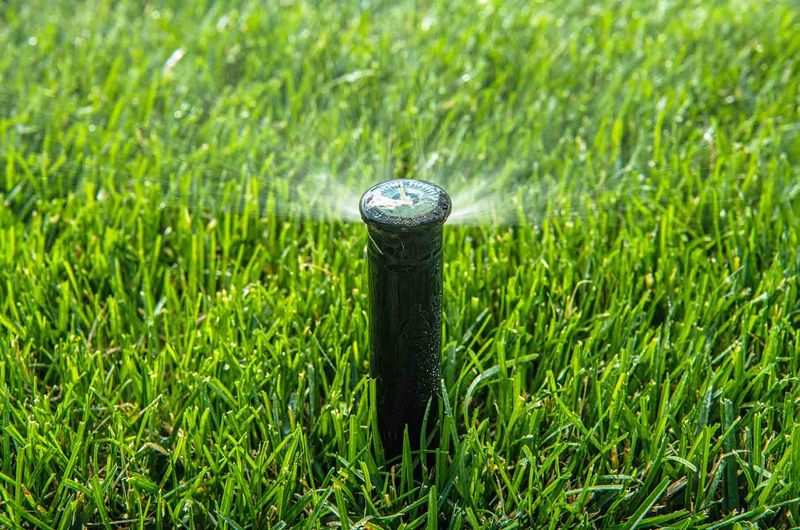
Frequent shallow watering is one of the most common mistakes fescue homeowners make as spring transitions into early summer in North Carolina.
Light watering every day or two encourages grass roots to stay near the surface, where they are most vulnerable when the soil heats up.
Watering deeply and less often trains roots to follow moisture further down into the soil profile, which gives fescue a better shot at handling dry spells.
A general guideline from turfgrass research suggests that tall fescue needs roughly one inch of water per week during active growth, either from rainfall or supplemental irrigation.
In May, North Carolina can receive decent spring rainfall, but dry stretches happen often enough that having a consistent watering routine matters.
Early morning watering tends to work better than evening watering because wet grass sitting overnight can invite fungal issues, which are already more common once temperatures warm.
Deep watering means letting water soak several inches into the soil rather than just wetting the surface. A simple way to check is to push a screwdriver or probe into the lawn after watering.
If it slides in easily to about six inches, the moisture has reached a useful depth.
Getting into this habit in May, before the lawn is already stressed and dry, puts fescue in a much stronger position when the hotter, drier weeks of a North Carolina summer finally arrive.
4. Heavy Spring Fertilizing Can Create More Trouble Than Help
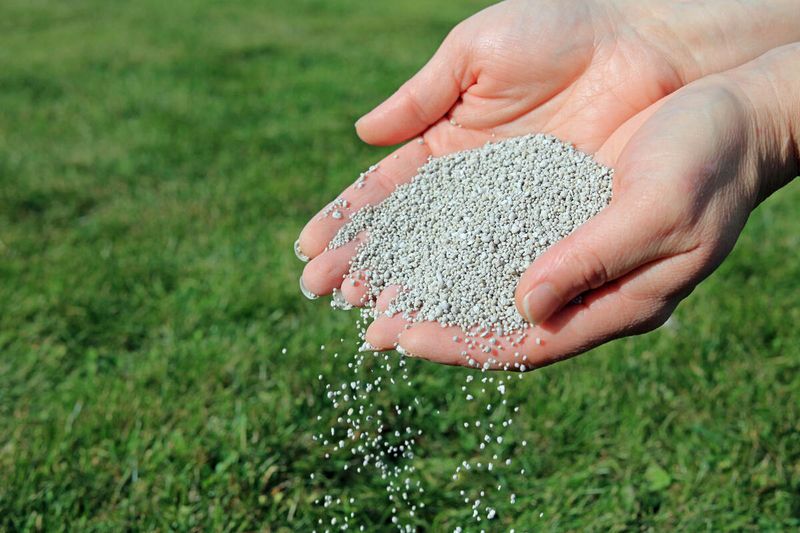
Reaching for a heavy nitrogen fertilizer in May feels productive, but for tall fescue in North Carolina, it tends to create more problems than it solves. Fescue is a cool-season grass, which means its most productive growth happens in fall and early spring.
By May, as temperatures climb and days lengthen, the grass is already starting to slow down and conserve energy rather than push aggressive new growth.
Applying a high-nitrogen fertilizer in late spring can force a flush of tender new top growth at exactly the wrong time.
That soft new growth is more susceptible to heat stress, drought stress, and fungal disease pressure, all of which increase as May turns toward June across North Carolina.
Heavy fertilizing can also push fescue into burning through soil moisture faster, making dry spells feel worse than they would otherwise.
If a light feeding seems necessary in May, a low-nitrogen, slow-release product applied at a reduced rate tends to be a more measured approach.
Many turfgrass specialists suggest holding off on significant nitrogen applications for tall fescue until the fall fertilizing window, when cooler temperatures support healthy root and shoot development more naturally.
North Carolina homeowners who skip the heavy spring fertilizer and focus instead on mowing and watering often find their fescue holds its color and density through summer with less effort than expected.
5. Broadleaf Weeds Are Easier To Tackle Before Summer Stress Builds
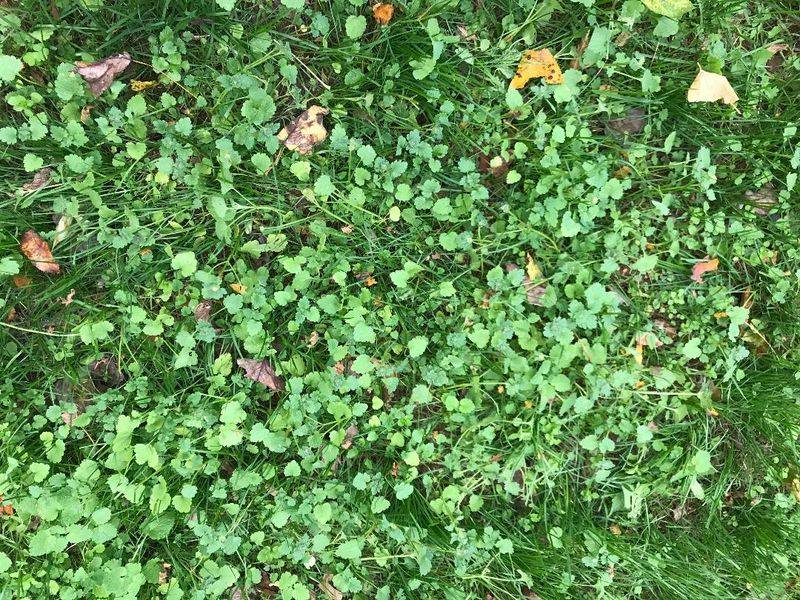
Weeds like dandelions, clover, and wild violet tend to be fairly visible in May, and that visibility actually works in the homeowner’s favor.
Broadleaf herbicides applied in late spring, when weeds are actively growing and temperatures are still moderate, generally work more effectively than applications made during summer heat.
North Carolina lawns that get a targeted broadleaf treatment in May often look noticeably cleaner by the time summer arrives.
Waiting too long matters here. Once summer heat sets in, applying broadleaf herbicides to a fescue lawn becomes riskier because the grass itself is already under heat and drought stress.
Some herbicide labels recommend avoiding applications when temperatures are above certain thresholds, and for good reason, since stressed turf can be more sensitive to chemical treatments.
Getting ahead of weeds in May, while both the weeds and the grass are in a more resilient state, tends to produce better results with less risk.
Spot treating individual weed patches rather than broadcasting herbicide across the entire lawn is often a more practical approach for most North Carolina home lawns.
It uses less product, reduces the chance of fescue sensitivity, and targets the actual problem areas.
Keeping the mowing height up also helps fescue shade out smaller weeds naturally over time, which means good mowing habits and weed control can actually work together heading into summer.
6. Spring Seeding Usually Leads To More Summer Problems
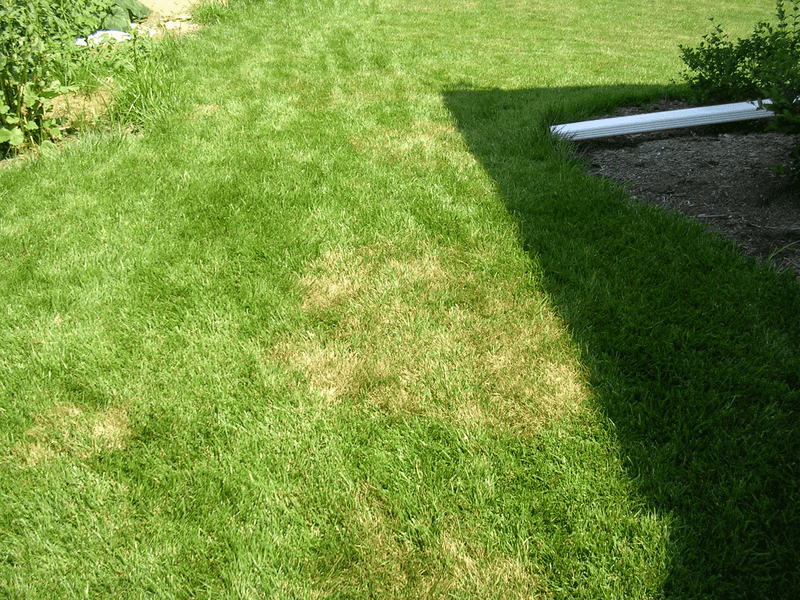
Patchy spots in a fescue lawn are hard to ignore, and the temptation to throw down some seed in May is completely understandable. But tall fescue seeded in late spring in North Carolina faces a very difficult road.
Seeds that germinate in May produce young seedlings that have only a matter of weeks to establish before summer heat arrives, and those shallow-rooted seedlings tend to struggle badly once temperatures climb.
Fall is the recommended seeding window for tall fescue in North Carolina, typically from mid-September through October. Cooler temperatures and more reliable rainfall give new seedlings the time they need to develop real root systems before winter.
Spring-seeded fescue simply does not have that same runway.
The seedlings that manage to sprout in May are often thin and fragile by July, which can leave patchy areas looking worse than they did before seeding.
Holding off until fall and focusing May energy on keeping existing turf as healthy as possible tends to be the more effective strategy.
Watering bare spots to limit soil erosion, avoiding foot traffic on thin areas, and keeping the mowing height consistent can help protect what fescue is already there.
North Carolina homeowners who resist the urge to seed in spring and wait for the fall window often end up with much better establishment and far fewer summer setbacks in their lawns.
7. Grass Clippings Can Help Feed The Lawn Naturally
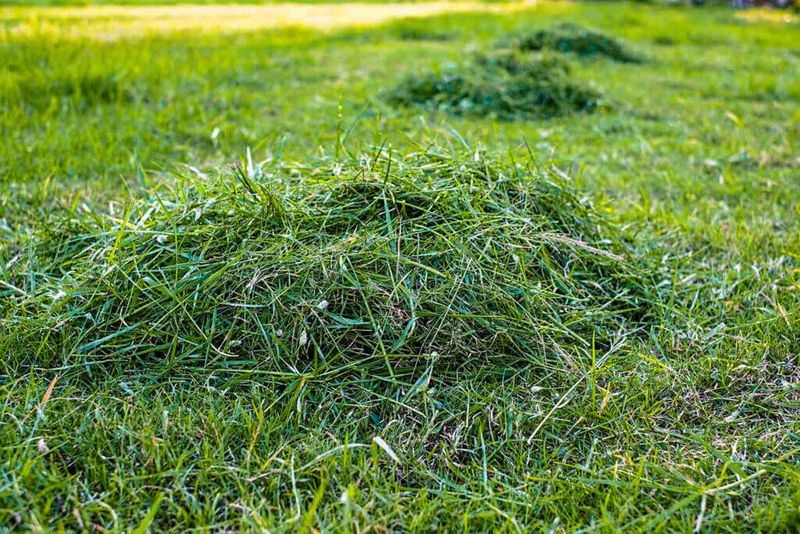
Leaving grass clippings on the lawn after mowing is something many homeowners avoid out of habit, but those clippings actually carry real value for tall fescue.
When mowing is done at the right height and on a regular schedule, the clippings left behind are small enough to filter down through the turf canopy and decompose relatively quickly.
As they break down, they return a portion of nitrogen and organic matter back into the soil.
Research from turfgrass programs suggests that returning clippings over the course of a growing season can contribute a noticeable amount of nitrogen to the lawn without any additional fertilizer input.
For North Carolina fescue lawns in May, when adding heavy fertilizer is generally not recommended, this natural nutrient return is a low-risk way to support the grass without pushing excessive growth.
It also helps improve soil organic matter over time, which can support better moisture retention.
The main thing to avoid is mowing when the grass is too long or wet, which produces thick clumps of clippings that sit on the surface and can smother the turf beneath them.
Mowing regularly at the right height and letting clippings disperse naturally tends to work well for most North Carolina home lawns.
A mulching mower blade makes this process even more efficient by chopping clippings into finer pieces that settle into the turf more easily.
8. May Care Is Really About Reducing Summer Stress
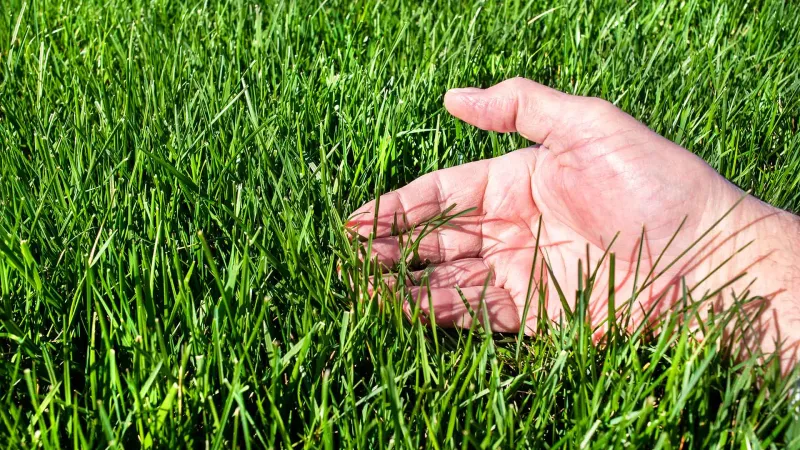
When you step back and look at everything fescue needs in May, a clear theme emerges.
Almost every good practice this month, whether it is mowing higher, watering deeply, holding off on heavy fertilizer, or tackling weeds early, comes back to the same goal of reducing the stress the grass will face when North Carolina summers get serious.
May is the setup month, and how a fescue lawn is treated now shapes what it looks like in late July.
Tall fescue is naturally more vulnerable to summer heat than warm-season grasses like bermuda or zoysia, which are better suited to North Carolina’s hottest months.
Fescue survives summer in North Carolina partly through careful management and partly through good fortune with rainfall and temperatures.
Homeowners who give it the best possible foundation in May tend to see it come through summer in better shape, though local conditions, shade, soil type, and drainage all play a role in the outcome.
The lawns that tend to look the worst by August are often the ones where May care was skipped or rushed.
Not because one bad month causes irreversible damage, but because the small stresses that build up from poor mowing, shallow watering, or mistimed fertilizing add up quickly once heat and humidity arrive.
Treating May as a preparation month rather than a maintenance month is a shift in thinking that can make a real difference for North Carolina fescue lawns.