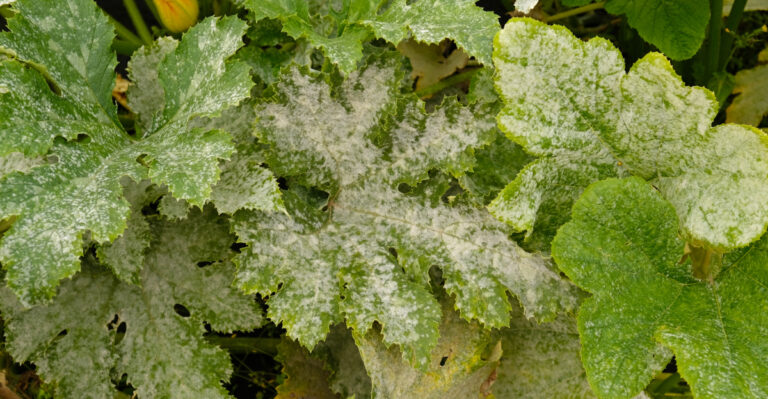
Beat The Heat With 7 Tomato Growing Secrets Straight From Missouri Gardens
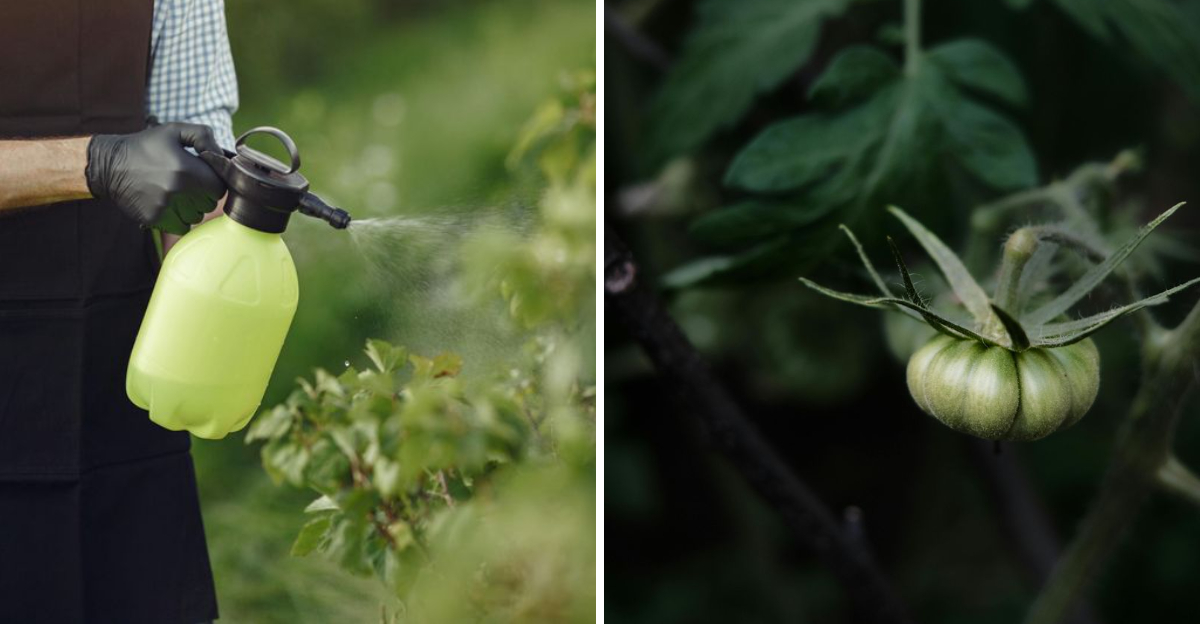
Missouri summers don’t ease you in. They show up like an uninvited guest who cranks the thermostat, refuses to leave, and somehow makes everything sticky. One week your tomato plants look like a gardening magazine cover. The next?
They’re drooping, gasping, and quietly giving up on life. Tomatoes are dramatic, sure, but they’re also surprisingly resilient when you figure out what they’re actually asking for. Gardeners across the state have spent years figuring out exactly what these plants need to survive the brutal heat and still deliver a harvest worth bragging about.
Are you growing in a backyard plot in Kansas City? Or a raised bed in St. Louis?
Either way, these tips come straight from real Missouri gardens, tested through real summers. And guess what? Some of these secrets are surprisingly simple! Others take a little more planning, but the payoff is absolutely worth it. So let’s get into it, because your plants have been waiting long enough.
1. Water Deep, Not Often
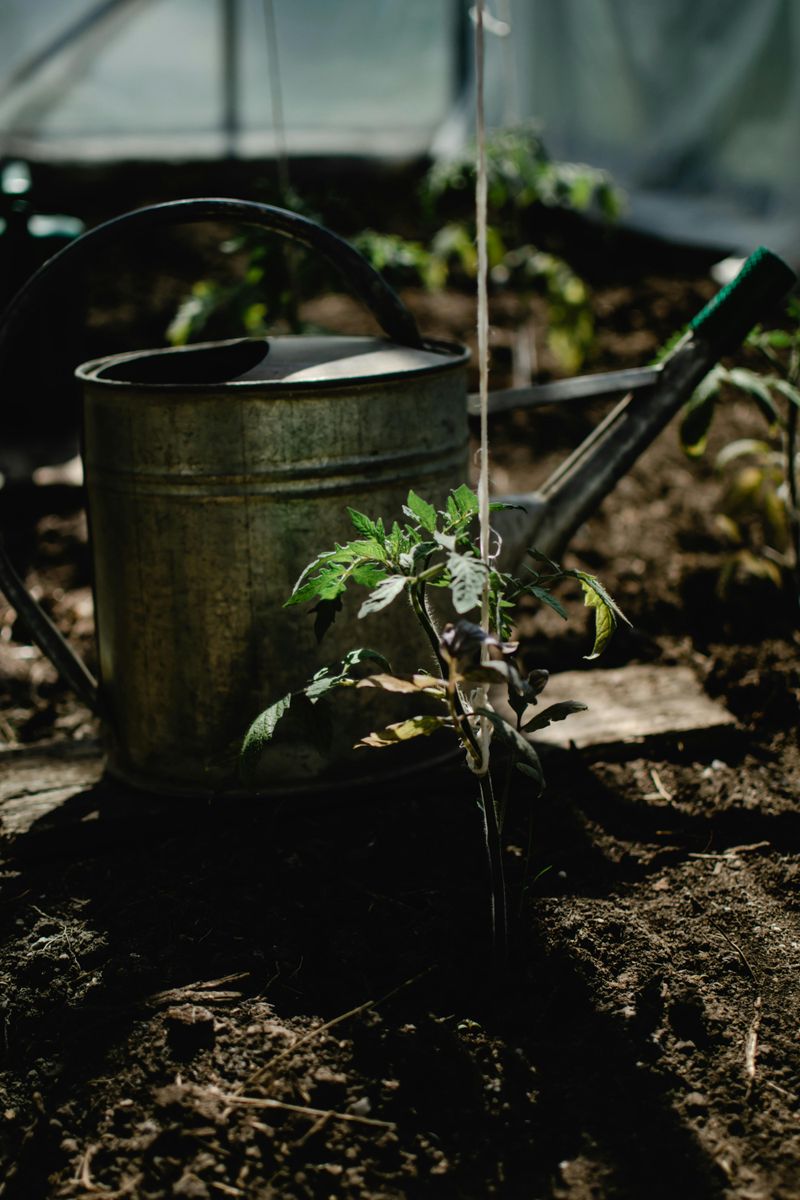
Are you accidentally training your tomato roots to be lazy?
If you’re giving your plants a little drink every single day, you’re basically teaching their roots to stay lazy and shallow.
And in a Missouri summer, shallow roots don’t stand a chance against soil that turns to dust by noon.
That means your plants are constantly stressed, even if they look okay from the outside.
Deep watering, done less often, encourages roots to grow down into cooler, more stable soil.
Aim to water slowly and thoroughly, letting moisture sink at least six to eight inches below the surface.
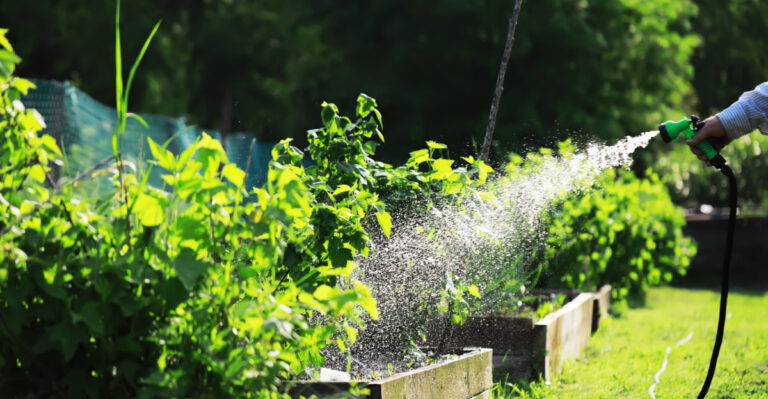
A soaker hose or drip line works great for this because it delivers water right where it matters most, directly to the root zone.
In Missouri, during peak summer heat, watering deeply two or three times a week is usually more effective than a quick sprinkle every morning.
Think of it like training an athlete.
The challenge is what builds the strength, and your tomato roots respond the same way when they have to reach for moisture.
Check your soil before watering by pushing your finger two inches in. If it still feels damp, hold off another day.
Consistent deep watering also reduces the risk of blossom end rot and cracking, two problems that love showing up during uneven dry and wet cycles.
Mulching around the base of your plants with straw or wood chips slows evaporation and buys your roots precious time between waterings.
A few inches of straw or wood chip mulch acts like a blanket for your soil, holding moisture in even on the hottest Missouri afternoons.
Your plants will reward that patience with stronger stems and steadier fruit production all season long.
Once you shift to this rhythm, you may be surprised how much more resilient your garden feels.
2. Mulch Heavily Around The Base
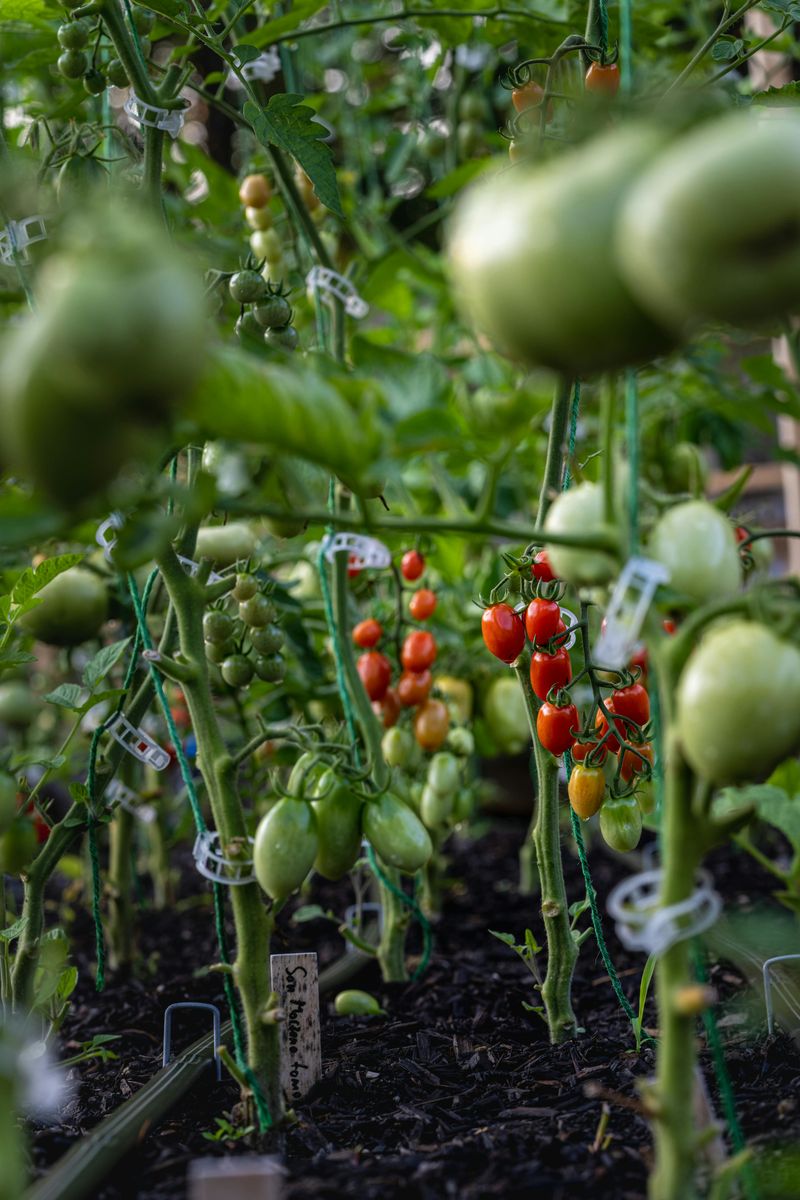
Is your tomato plant sitting on bare soil this July?
If so, it is already working twice as hard as it needs to.
Your Missouri Garden Changes Every Week. Your Plan Should Too.
Gardening in Missouri changes quickly throughout the season. Every Friday you’ll receive a simple weekly plan showing exactly what to plant, prune, fertilize, harvest, and protect so you never miss the right timing.
Exposed soil heats up fast, dries out faster, and evaporates moisture so quickly your roots are basically chasing water that’s already gone.
Exposed soil heats up fast, dries out faster, and evaporates moisture so quickly your roots are basically chasing water that’s already gone.
A thick layer of mulch changes all of that in one simple step.
Straw is a favorite among Missouri gardeners because it’s cheap, easy to find, and does an excellent job of keeping the ground cool and moist.
Wood chips and shredded leaves also work well, especially if you have them on hand from yard cleanup.
Apply mulch at least three to four inches deep, keeping it a couple of inches away from the main stem to avoid rot.
Beyond holding moisture, mulch also helps suppress weeds that compete with your tomatoes for water and nutrients.
On really hot afternoons, you can almost feel the temperature difference between mulched and bare soil if you press your hand to each surface.
Gardeners across Missouri have noticed that mulched plants bounce back faster after heat spikes and need less frequent watering overall.
Think of mulch as a shady umbrella your tomatoes didn’t know they desperately needed.
It is basically a spa day for soil, minus the cucumber water and candles.
Once you try it, bare dirt starts looking a little irresponsible.
3. Shade Cloth During Peak Hours
Is the sun quietly sabotaging your tomato plants?
Past 95 degrees, it just might be.
Blossoms drop before they set.
Leaves scorch at the edges.
What started as a perfect sunny garden turns into a heat trap your tomatoes cannot grow their way out of.
Did you know too much sun can actually stop your tomatoes from producing?
Once the thermometer hits 95 degrees, blossoms give up and drop. Leaves burn at the edges.
The sun that grew your plants into giants is now the same sun standing between you and a full harvest.
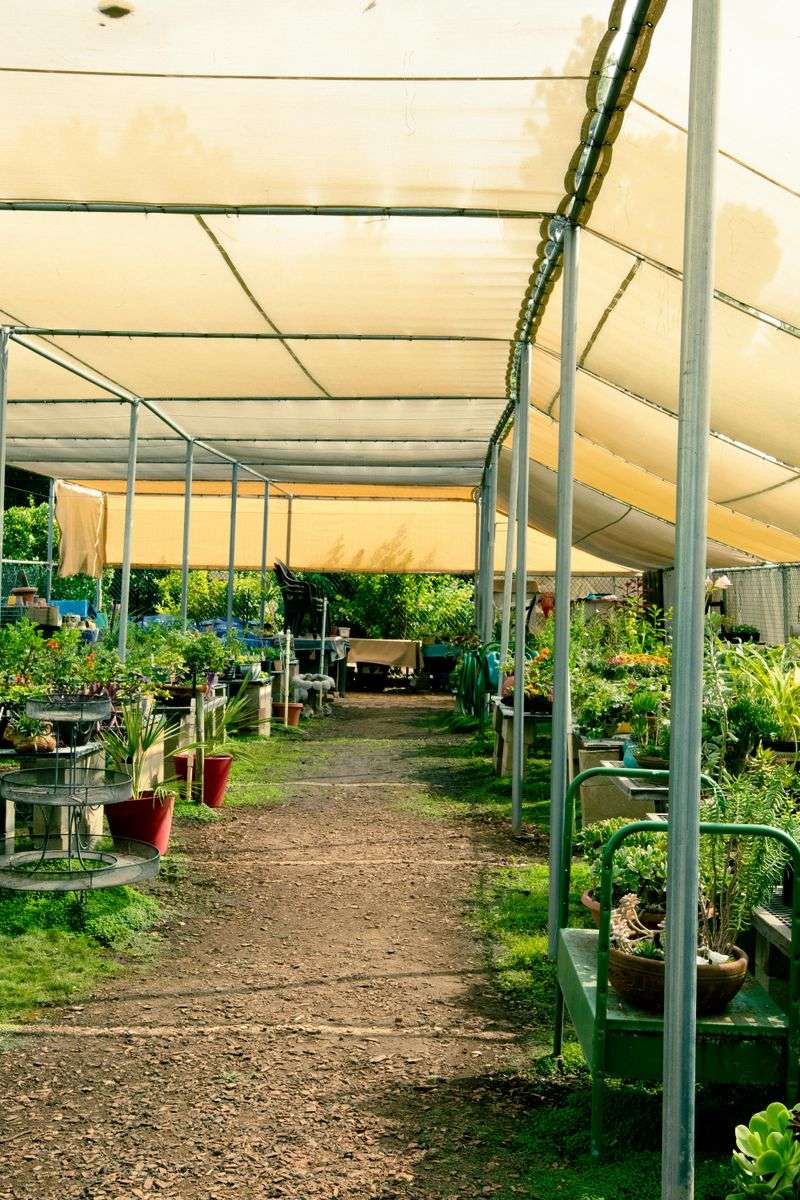
A shade cloth stretched over your plants during the hottest part of the day makes a real difference without blocking the light your plants still need.
A 30 to 40 percent shade cloth is the sweet spot for most Missouri gardens.
It cuts the intensity of afternoon sun without leaving your plants in the dark during morning hours when they are actively growing.
You can find shade cloth at most garden centers or online, and it attaches easily to stakes, T-posts, or a simple wooden frame.
The key is timing. Put the cloth up around noon and take it down by late afternoon when the sun angle drops and temperatures ease.
Some gardeners in Missouri leave it up all day once July hits and report better fruit set and fewer heat-stressed leaves as a result.
It feels a little extra at first, but once you see tomatoes setting fruit through a heat wave instead of dropping blossoms, you’ll wonder why you waited so long to try it.
4. Pick Off Blossoms During Heat Waves
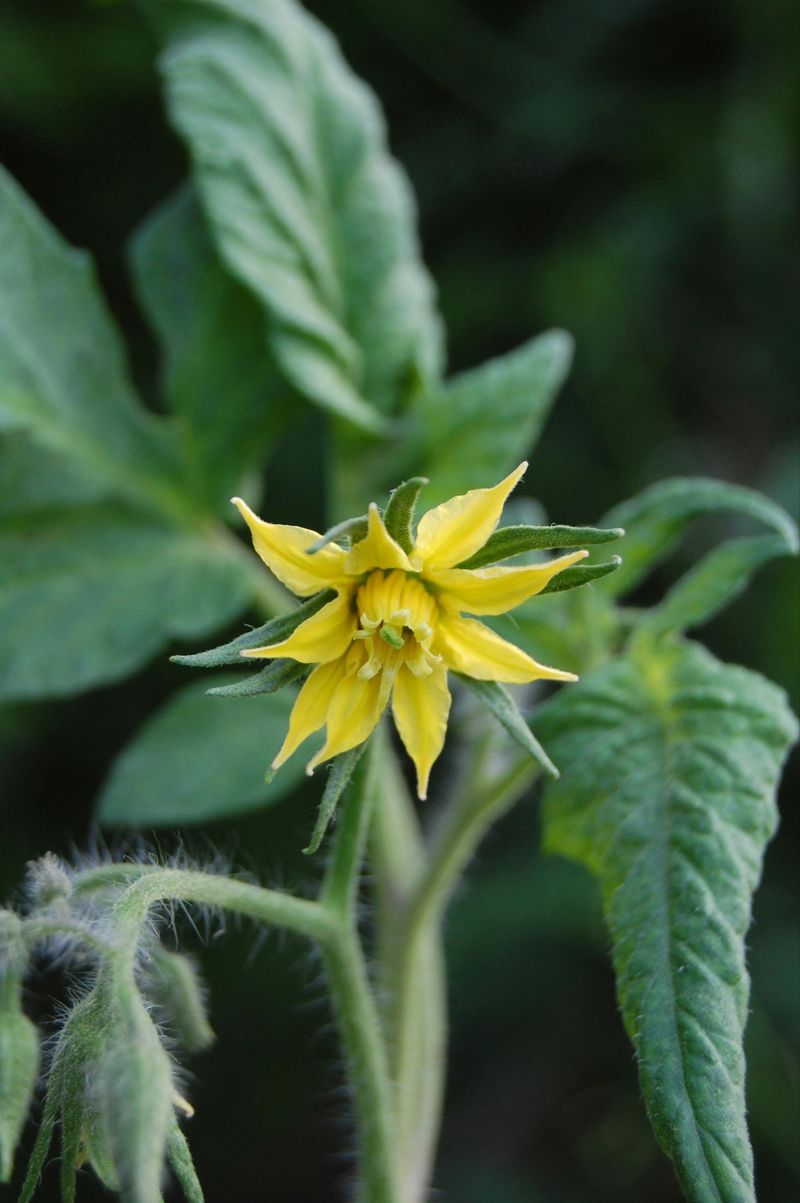
Pinching off blossoms feels completely backwards the first time you do it.
You spent weeks waiting for those little yellow flowers to appear, and now someone is telling you to pull them off on purpose.
But during a serious heat wave, that is exactly what experienced Missouri growers recommend.
When temperatures stay above 95 degrees for several days in a row, tomato plants cannot successfully pollinate or hold onto developing fruit.
Blossoms drop on their own, and the energy the plant spent producing them goes to waste.
By removing blossoms before they fail, you redirect that energy toward root health, leaf strength, and overall plant recovery instead.
Once cooler temperatures return, even just dropping back into the upper 80s overnight, new blossoms will appear and fruit set will happen more reliably.
The plants come out of the heat wave in better shape because they were not draining resources on a process that was never going to succeed anyway.
Missouri gardeners who practice this technique often see a strong second flush of blossoms in late summer when evening temperatures settle down.
It takes a little nerve the first time, but the logic is solid and the results speak for themselves.
It feels wrong at first, like you are breaking garden rules on purpose.
But your tomatoes will actually benefit from the change.
Think of it as helping the plant focus on what really matters right now.
And it will reward you later when conditions improve.
5. Feed With Calcium To Prevent Blossom End Rot
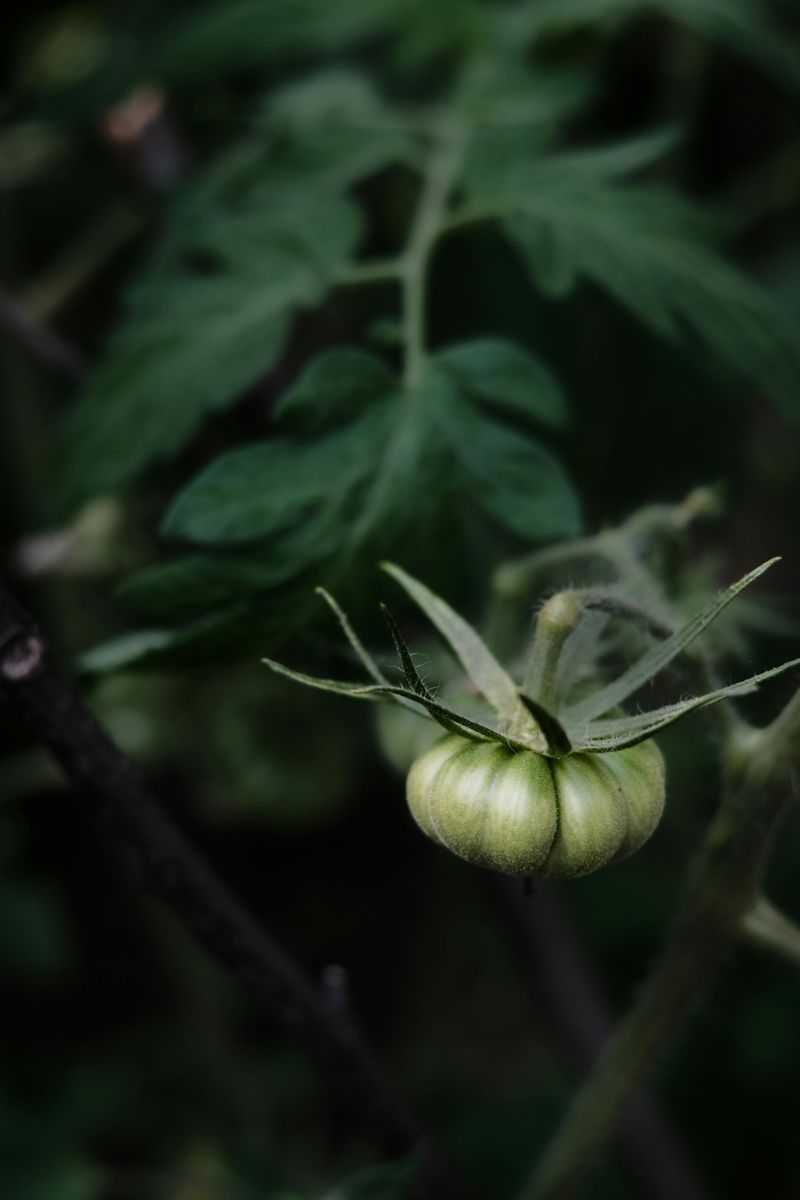
It starts so well. The plant looks healthy.
The tomato grows bigger every day.
You’re already planning what you’ll make with it.
Then you flip it over. Dark patch.
Sunken bottom. Ruined.
Blossom end rot doesn’t care how hard you worked and Missouri summers give it every opportunity to show up.
The good news is that this problem is almost always preventable with the right feeding approach.
Despite the name, blossom end rot is not usually caused by a lack of calcium in the soil.
It happens because inconsistent watering prevents the plant from absorbing the calcium that is already there.
But adding calcium directly through foliar sprays or soil amendments gives plants a backup supply during stressful stretches when uptake is naturally reduced.
Calcium sprays made specifically for vegetables are widely available and easy to apply.
Some Missouri gardeners also mix powdered eggshells or agricultural lime into the soil before planting to build up long-term calcium levels.
The most important step is pairing any calcium feeding with steady, deep watering so the nutrients actually move through the plant.
Start feeding early in the season before you see any symptoms, because by the time that dark spot shows up, the damage is already done.
Steady nutrition and steady moisture together are the real solution.
6. Plant A Sacrificial Companion

Companion planting has been helping gardens thrive for centuries, and at this point it has more than proved its worth.
But the sacrificial companion strategy is the sneaky, clever cousin nobody talks about enough.
It takes the whole idea one step further by giving certain plants one very specific and unglamorous job. Stand here, block the heat, and do not complain about it.Your tomatoes get the protection.
The companion gets the glory of being useful.
The idea is straightforward.
Tall plants like sunflowers, corn, or pole beans are placed on the southwest side of your tomato rows, directly in the path of the brutal afternoon sun.
That positioning is everything.
Morning sun hits your tomatoes from the east, which is exactly what they need for steady growth.
But afternoon sun from the southwest is where the real damage happens, pushing temperatures past the point where tomatoes can set fruit or hold their blossoms.
The sacrificial companion steps in and absorbs that punishment instead.
Sunflowers are a favorite choice among Missouri gardeners because they grow fast, stand tall, and do an excellent job of casting afternoon shade without spreading into your tomato space.
It is like giving your tomatoes a personal bodyguard that does not ask questions.
The sunflowers take the heat so your tomatoes can keep their cool.
Corn and beans join in like a quiet little team working behind the scenes.
And somehow the garden feels smarter, just because everything is standing in the right place.
7. Epsom Salt Foliar Spray
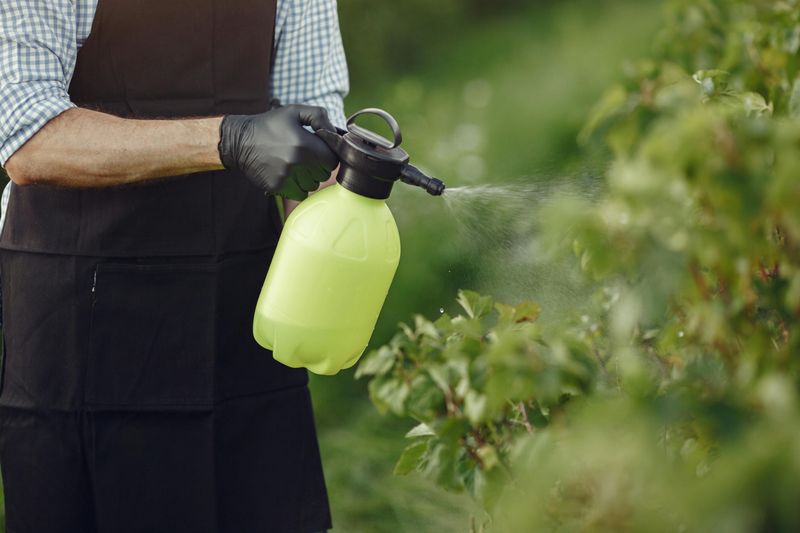
Epsom salt has earned its place in the garden shed, and if Missouri tomato growers have anything to say about it, the stuff actually delivers.
The magnesium in Epsom salt supports chlorophyll production and helps plants absorb other nutrients more efficiently, especially during heat stress when nutrient uptake can slow down.
Use Epsom salt only if a soil test or clear deficiency points to low magnesium.
A foliar spray gets that magnesium into the plant fast, bypassing the soil entirely.
Mix one tablespoon of Epsom salt into one gallon of water and spray it directly onto the leaves of your tomato plants.
Do this in the early morning so the solution can absorb before the sun gets intense and causes any leaf burn.
Once every two weeks during peak summer is usually enough to see a noticeable improvement in leaf color and overall plant vigor.
Yellowing lower leaves and slow growth during hot stretches are often signs that your plants would benefit from a magnesium boost.
This spray is not a cure-all, but it is a low-cost, low-effort way to support your plants during the toughest weeks of a Missouri summer.
Gardeners who combine it with deep watering and proper mulching often report greener, more productive plants that hold up better as temperatures stay stubbornly high through August.
It is not magic, but it sometimes feels like your tomatoes just had a very good green smoothie.
And if your plants suddenly look happier, do not be surprised if they start acting like they knew this trick all along.