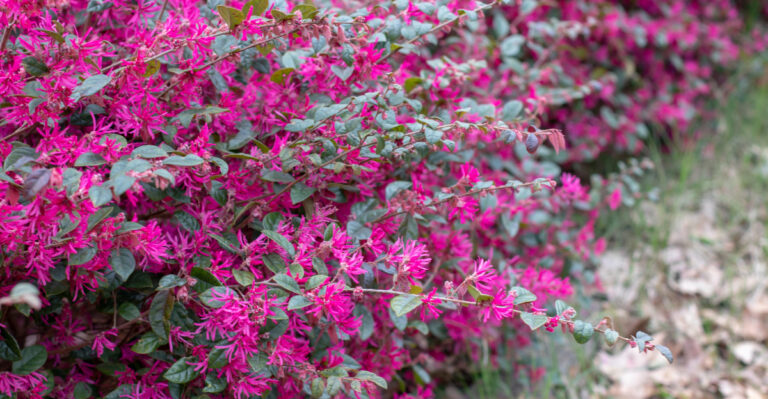
Skip Boxwood Along Your North Carolina Driveway And Plant These Native Shrubs Instead
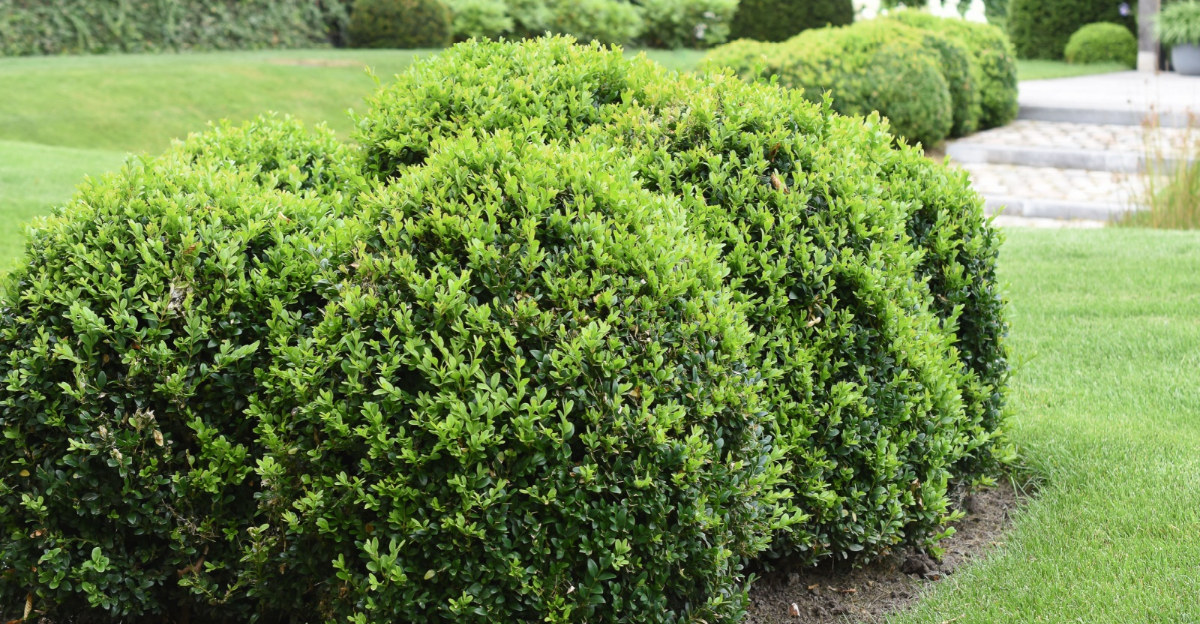
Boxwood has been the default driveway-edge shrub in North Carolina for years. It is neat, familiar, and very serious about looking tidy.
Still, not every front yard needs that same clipped, predictable look. Some small native shrubs can bring just as much structure with a lot more character.
They add seasonal color, softer texture, and a more natural feel that works beautifully along a driveway. That kind of charm is hard to ignore.
The tricky part is that truly small native shrubs are not as easy to find as many gardeners expect. The good ones are out there, though, and they can make a driveway border feel fresher, more interesting, and a lot less like every other yard on the block.
1. Dwarf Fothergilla Keeps It Small And Colorful
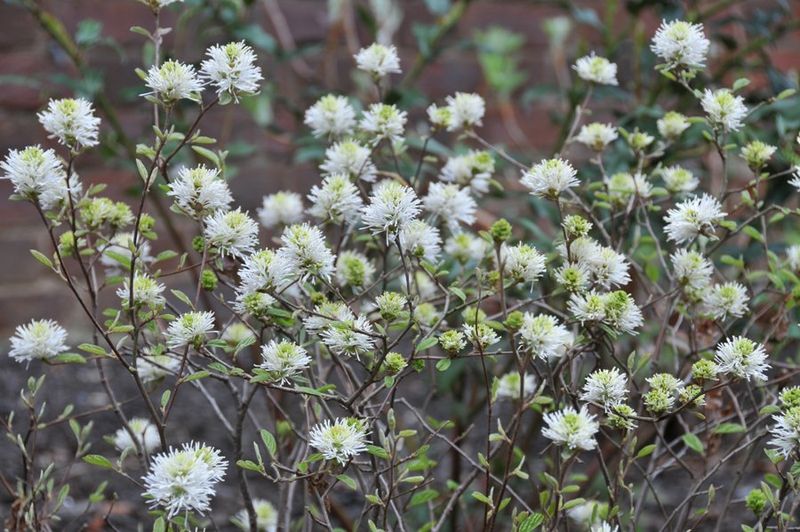
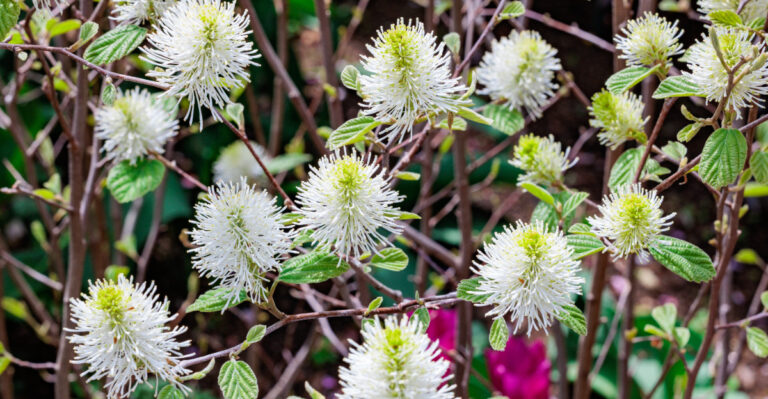
Few native shrubs pack as much seasonal interest into such a small frame as Dwarf Fothergilla.
Bottlebrush-shaped white flowers appear in early spring before the leaves even open, giving the plant a soft, almost delicate look that feels right at home along a front-yard driveway edge.
The honey-like fragrance those blooms carry is a welcome bonus that most people do not expect.
In North Carolina, Dwarf Fothergilla typically tops out somewhere between two and three feet tall and wide, which makes it genuinely useful in narrow planting strips where larger shrubs would crowd the pavement or block sightlines.
It prefers moist, acidic, well-drained soil and performs best with at least partial sun.
Reflected heat from a driveway surface can stress the plant in hotter parts of North Carolina, so some afternoon shade is worth considering in warmer regions.
Fall is where this shrub truly earns its place. The foliage shifts into a mix of orange, red, and yellow that rivals almost anything else you could plant near a driveway.
Because the color can vary from plant to plant, choosing a named cultivar gives you more predictable results. Cultivars like ‘Blue Shadow’ offer blue-green summer foliage that adds even more visual contrast against concrete or asphalt.
For North Carolina gardeners who want a compact native shrub that works through three seasons without demanding much attention, Dwarf Fothergilla is a strong and reliable option worth serious consideration.
2. Sand Myrtle Keeps The Edge Evergreen
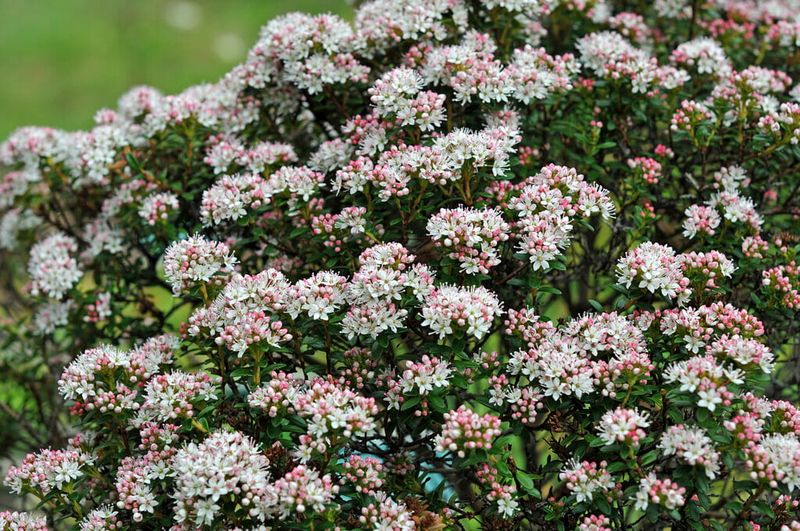
One of the most common reasons North Carolina gardeners reach for boxwood is the desire for year-round green structure along a driveway, and Sand Myrtle answers that need from a native plant perspective.
This low-growing evergreen shrub holds its small, leathery leaves through winter, providing the kind of consistent visual structure that makes a driveway border look intentional even in the middle of January.
Sand Myrtle typically grows somewhere between one and two feet tall, forming a dense, fine-textured mound that fits naturally into narrow planting strips along pavement.
In late spring, the plant covers itself in small white to pale pink flowers that are delicate and numerous enough to make a real impression.
The bloom period does not last long, but the display is worth anticipating each year, and the evergreen foliage earns its keep across every other season.
Your North Carolina Garden Changes Every Week. Your Plan Should Too.
Gardening in North Carolina changes quickly throughout the season. Every Friday you’ll receive a simple weekly plan showing exactly what to plant, prune, fertilize, harvest, and protect so you never miss the right timing.
In North Carolina, Sand Myrtle is native to the Sandhills region and performs best in well-drained, acidic, sandy soils with full sun exposure.
Those conditions mirror what is often found along sun-exposed driveway edges in the eastern and central parts of the state, making this shrub a particularly sensible fit in those areas.
It has a reputation for being somewhat slow to establish, so patience during the first season or two is worthwhile. Once settled in, it tends to be a low-maintenance, long-lived plant.
Gardeners looking for a genuinely small native evergreen that can anchor a driveway border with quiet reliability will find Sand Myrtle a compelling and underused option.
3. New Jersey Tea Makes A Neat Native Edge
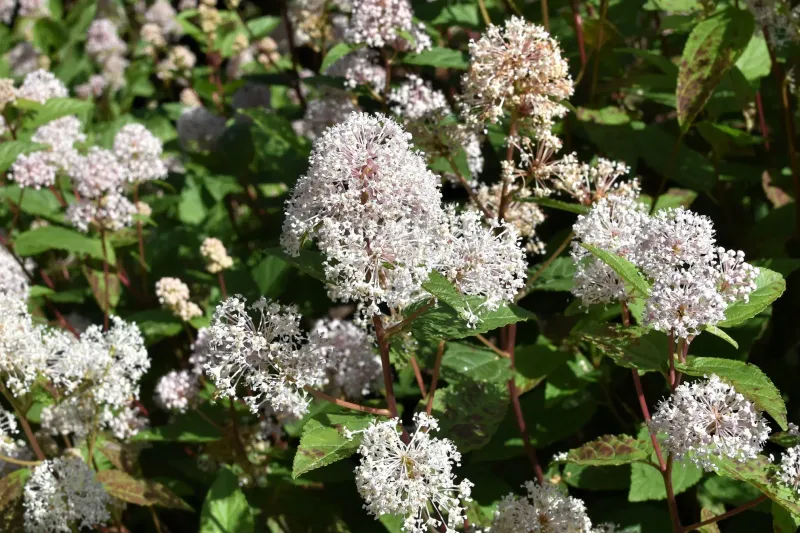
Along a sun-drenched driveway edge where shallow soil and dry spells are common challenges, New Jersey Tea brings a quiet toughness that few gardeners fully appreciate until they try it.
This low-growing native shrub typically reaches about three feet tall and wide at maturity, giving it a naturally tidy profile that fits well in narrow beds along a driveway without constant pruning to keep it in check.
In early summer, New Jersey Tea covers itself in clusters of small, creamy white flowers that attract native bees and butterflies in impressive numbers.
For North Carolina homeowners who want a driveway border that also supports local pollinators, this shrub does that work quietly and consistently.
The flowers are not showy in the way that large blooms are, but up close they have a delicate texture that adds real charm to a planting strip.
One of the most practical qualities of New Jersey Tea is its drought tolerance once established.
The deep root system this shrub develops allows it to handle dry summer stretches that would stress less adapted plants, which matters in North Carolina landscapes where summer rainfall can be unpredictable.
It grows best in full sun to light shade and prefers well-drained soils, making it a reasonable fit for the fast-draining conditions often found along paved edges.
Gardeners should allow enough room for the roots to establish without disturbance, as New Jersey Tea can be slow to settle in but rewards patience with reliable, low-maintenance performance over time.
4. Cedarglade St. John’s Wort Brightens The Border
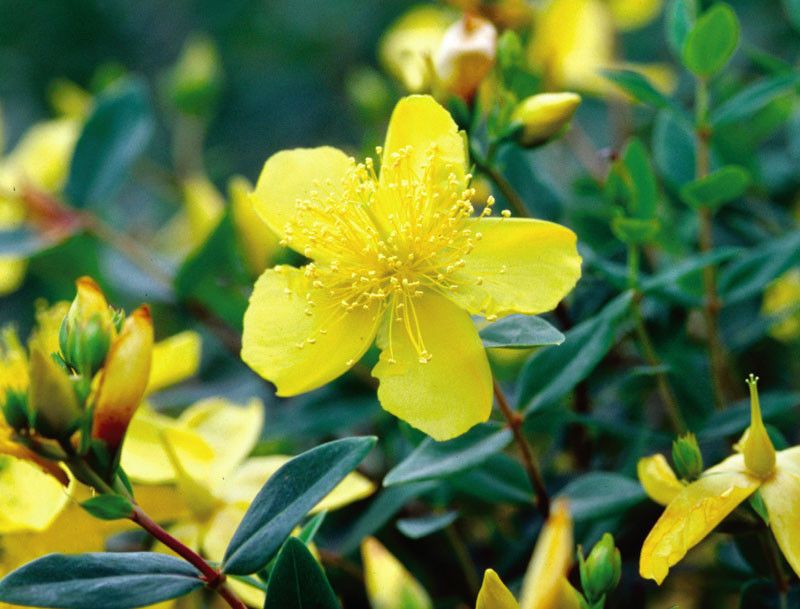
Bright yellow flowers along a driveway edge have a way of making the whole front yard feel more welcoming, and Cedarglade St. John’s Wort delivers that cheerful color without growing into a sprawling mess.
This compact native shrub typically stays under three feet in height, and its upright to slightly mounding form gives it a tidy presence that works well in defined planting beds near pavement.
The blooms appear in summer, which is a useful time for color in North Carolina landscapes when many spring-flowering shrubs have already finished. The flowers are a warm, clear yellow that shows up well against both light and dark paving materials.
Pollinators, particularly native bees, visit the flowers regularly, adding a layer of ecological value that a clipped boxwood hedge simply cannot offer.
Cedarglade St. John’s Wort performs best in full sun and adapts reasonably well to lean, well-drained soils, including rocky or dry conditions.
That tolerance for poor drainage and sun exposure makes it a practical candidate for the challenging strip of ground between a driveway and a lawn or foundation bed.
In North Carolina, sites with good air circulation and direct sun tend to bring out the best performance. The foliage has a fine texture that gives the plant a somewhat refined look even when it is not in bloom.
Gardeners who want summer color from a genuinely small native shrub that fits a tight driveway border without requiring frequent cutting back will find this one worth planting.
5. St. Andrew’s Cross Stays Easy To Place
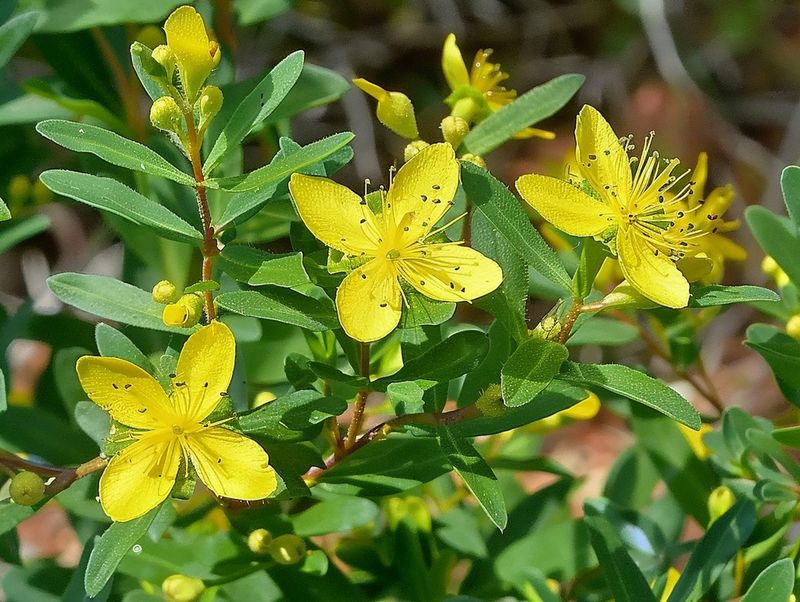
Not every driveway border calls for an upright shrub, and that is exactly where St. Andrew’s Cross earns its place.
This low, spreading native shrub typically stays under two feet tall while spreading a bit wider, creating a ground-hugging layer of fine-textured foliage that softens the hard edge where a driveway meets a planting bed.
The overall form is relaxed and natural, which works well in landscapes that aim for a less rigid look than clipped boxwood provides.
The flowers are small but distinctive, with four yellow petals arranged in the shape of a cross, which gives the shrub its common name.
Blooms appear in summer and continue over a fairly long period, attracting small native bees and other beneficial insects.
The foliage is semi-evergreen in parts of North Carolina, meaning it may hold some leaves through mild winters before flushing new growth in spring, though this can vary depending on how cold the season runs.
St. Andrew’s Cross grows well in full sun to partial shade and handles dry, sandy, or rocky soils with reasonable ease once established. Those qualities make it a sensible choice for the lean, fast-draining soil conditions that often develop along paved driveway edges.
In North Carolina, it tends to perform best where drainage is good and competition from aggressive neighboring plants is kept in check.
Spacing plants about two to three feet apart allows them to knit together into a low, cohesive edge without crowding each other or spilling onto the pavement in an unmanageable way.
6. Dwarf Huckleberry Adds Low Native Charm
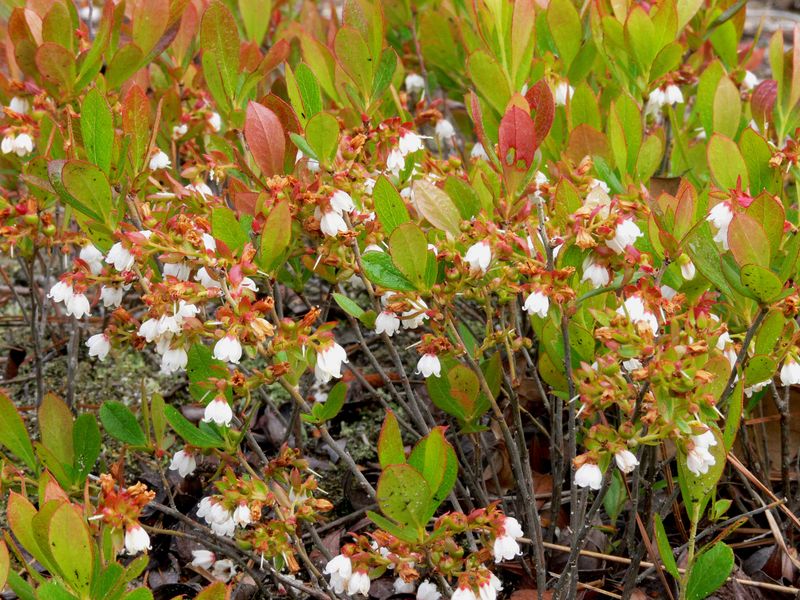
Tucked along a partially shaded driveway border in North Carolina, Dwarf Huckleberry has a quiet, understated charm that takes a little time to appreciate but tends to grow on gardeners quickly.
Unlike some native shrubs that push for attention with large blooms or bold structure, this one earns its spot through consistently good foliage, reliable fall color, and a genuinely compact form that rarely needs intervention to stay tidy.
Dwarf Huckleberry typically reaches about one to two feet in height, spreading slowly by underground stems to form a low, dense colony over time.
That gradual spreading habit can be an asset along a driveway edge where a continuous, low border is the goal, though it is worth giving the plant room to move without crowding adjacent plantings or encroaching on the pavement edge.
Small, urn-shaped flowers appear in spring and give way to dark blue-black berries that birds find appealing.
Fall foliage is one of the highlights, as the leaves shift to shades of red and orange that add warmth to the front yard during the cooler months.
Dwarf Huckleberry grows best in acidic, well-drained to moderately moist soils and tolerates partial shade well, which makes it a reasonable option for driveway edges that receive filtered light or sit beneath a tree canopy.
In North Carolina, it is most at home in the Piedmont and Mountain regions, where the soil chemistry and moisture patterns tend to suit it well. Full sun sites with dry soil are generally less favorable for consistent performance.