Why Spring Rain In Michigan Does More Damage To New Seedlings Than Gardeners Expect
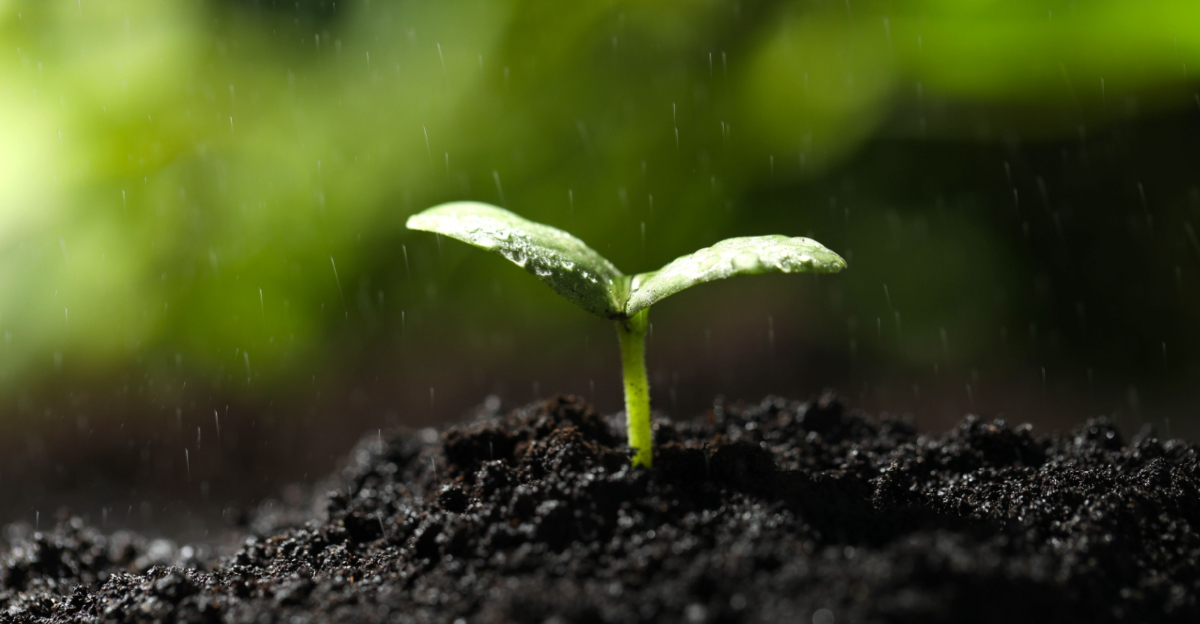
Spring rain in Michigan has a way of making gardeners feel relieved. The beds get soaked, the soil darkens, and everything suddenly looks like it got exactly what it needed.
It feels productive, hopeful, and very spring. Then the seedlings start looking a little off, and the mood changes fast.
That is the tricky part. New seedlings are not nearly as tough as established plants, and a stretch of cool, rainy weather can create more trouble than many gardeners expect.
Wet soil can stay cold, roots can struggle, and tiny stems can run into problems long before the garden looks obviously soggy. Even a bed that seems fine on the surface can be working against young plants underneath.
Michigan gardeners who understand that difference early in the season have a much better shot at keeping seedlings strong while spring weather does its unpredictable thing.
1. Heavy Rain Can Crust The Soil Around New Seedlings
Walking out to a soggy Michigan garden the morning after a heavy spring rain, most gardeners feel relieved. The beds are soaked, the soil looks dark, and new seedlings seem well watered.
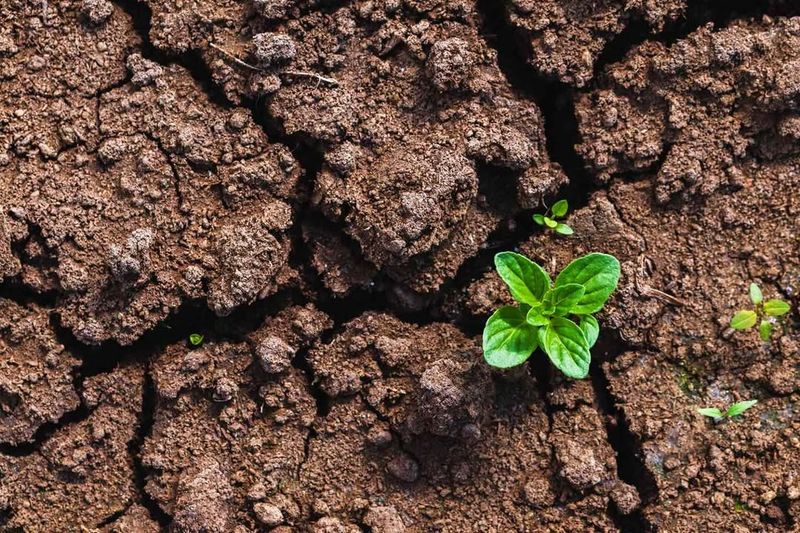
But once the surface dries, something less helpful can happen. The fine soil particles that rain loosens and moves around can settle into a dense, hard layer right at the soil surface, forming what gardeners and soil scientists call a soil crust.
Soil crusting is a real concern in Michigan gardens, especially in clay-heavy or fine-textured soils that are common across many parts of the state.
When raindrops hit bare soil at any speed, they break apart the surface structure and cause particles to pack tightly together as the water drains or evaporates.
The result is a firm, sealed layer that can make it much harder for emerging seedlings to push through.
Seedlings like lettuce, carrots, beets, and onions are especially vulnerable because their shoots are thin and fragile. A crust that forms just after germination can trap seedlings beneath the surface before they ever reach sunlight.
Gardeners may notice uneven emergence or bare patches where seeds simply could not push through.
Covering seed beds with a thin layer of fine compost or row cover fabric before heavy rain can reduce crusting.
Gently loosening the surface with a hand tool after rain, without disturbing seeds, can also help seedlings emerge more successfully in Michigan spring conditions.
2. Saturated Soil Can Suffocate Tender Young Roots
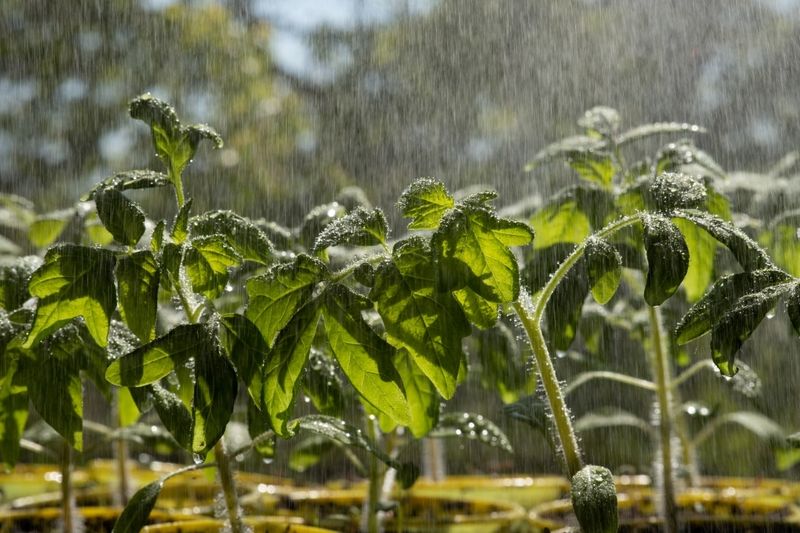
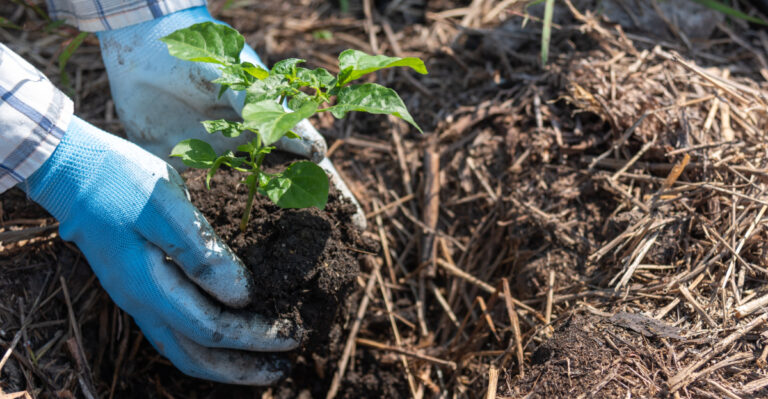
Soggy garden beds after several days of Michigan spring rain can look productive from a distance, but underground, something stressful may be happening for young seedlings. Roots need oxygen just as much as they need water.
When soil stays saturated for extended periods, the air spaces between soil particles fill completely with water, leaving roots with little access to the oxygen they need to function.
Young seedlings are especially sensitive to this kind of stress because their root systems are small and still developing. Mature plants often have deeper, more established roots that can sometimes tolerate short periods of wet soil.
Your Michigan Garden Changes Every Week. Your Plan Should Too.
Gardening in Michigan changes quickly throughout the season. Every Friday you’ll receive a simple weekly plan showing exactly what to plant, prune, fertilize, harvest, and protect so you never miss the right timing.
New seedlings planted in spring Michigan beds have not yet built that kind of resilience, making them much more vulnerable during rainy stretches.
Signs that roots may be struggling in saturated soil include leaves that look pale, yellow, or wilted even though the soil is clearly wet.
Gardeners sometimes mistake this wilting for drought stress and add more water, which can make the situation worse.
Understanding that wilting in wet soil often points to root oxygen stress rather than thirst is an important distinction.
Improving drainage before planting is one of the most practical steps Michigan gardeners can take. Raised beds, added compost, and avoiding working wet soil can all help.
Letting beds drain and firm up before transplanting also gives young roots a better chance of establishing without spending their early days in waterlogged conditions.
3. Spring Rain Can Raise The Risk Of Damping Off
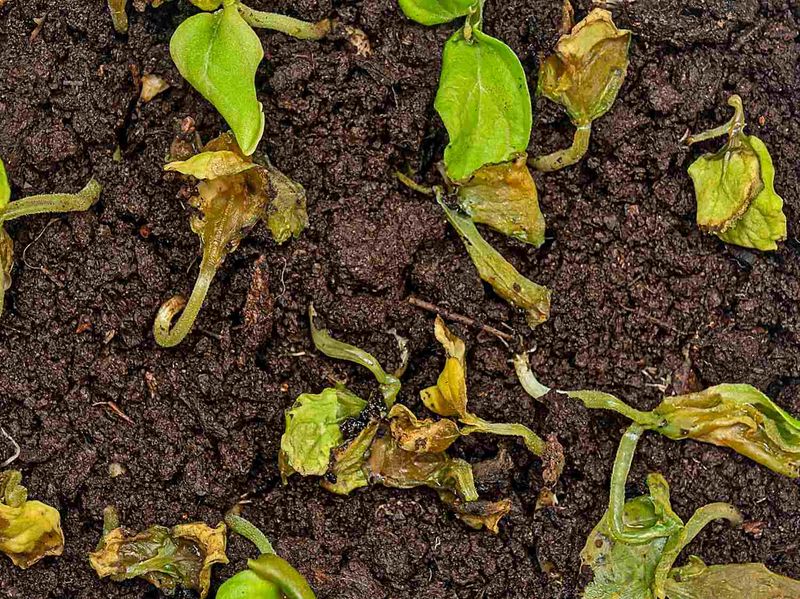
Gardeners who start seeds indoors and carefully tend to each tray sometimes carry their seedlings outside in spring, only to watch them collapse at the soil line within days of a rainy stretch.
That sudden collapse is one of the most recognizable signs of damping off, a condition caused by several soil-dwelling fungal and water mold organisms that thrive in cool, overly wet conditions.
Michigan springs create conditions where damping off pressure can increase noticeably. Cool temperatures, wet soil, and limited airflow around seedlings give the organisms responsible for damping off exactly the environment they prefer.
The problem tends to show up quickly, sometimes within just a few days of a rainy period, and it can affect seedlings that looked perfectly healthy just before the rain arrived.
Vegetable seedlings like tomatoes, peppers, cucumbers, and squash are commonly affected, though flower seedlings and herbs can also show symptoms. The stem near the soil surface becomes soft and pinched, causing the plant to fall over.
Once a seedling reaches that stage, recovery is unlikely. Nearby seedlings in the same bed can also be affected if conditions remain wet.
Reducing risk starts with good soil drainage and avoiding overwatering during rainy weeks.
Thinning seedlings to improve airflow, using well-draining seed-starting mix, and not planting out too early in cold Michigan soil can all lower the chances of damping off becoming a problem in spring garden beds and transplant trays.
4. Soil Splash Can Spread Problems Onto Young Seedlings
Rain hitting bare soil in a Michigan garden does more than compact the surface. Every raindrop that strikes unprotected ground sends a tiny spray of soil particles outward and upward, sometimes reaching the lower leaves and stems of nearby seedlings.
That soil splash might seem harmless, but it can carry fungal spores, bacteria, and other organisms from the ground directly onto plant tissue.
Young seedlings are particularly exposed to this kind of splash because they sit low to the ground and have thin, soft tissue that is easier for pathogens to enter.
Mature plants develop tougher stems and leaves over time, but in the early weeks after germination or transplanting, seedlings in Michigan spring beds have very little natural protection against what rain can carry upward.
Gardeners may notice brown or dark spots developing on lower leaves after a rainy stretch, or a general decline in seedlings that had been doing well.
While not every soil splash event leads to disease, repeated exposure during a wet spring increases the chances that something harmful finds its way onto vulnerable plant tissue.
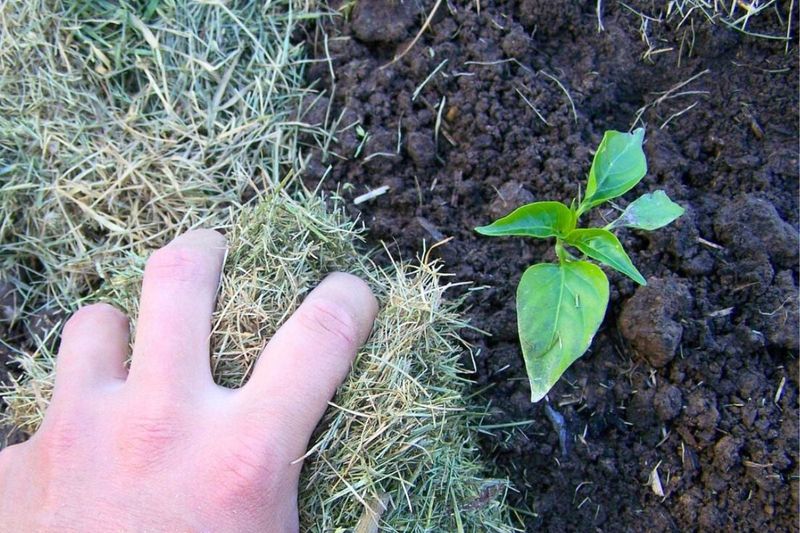
Mulching around seedlings with straw, shredded leaves, or wood chips is one of the most effective ways to reduce soil splash.
A thin layer of mulch acts as a buffer between falling rain and the soil surface, dramatically cutting down on how much soil gets airborne.
For Michigan gardeners planting in spring, mulching early rather than waiting can offer meaningful protection during rainy weeks.
5. Cold Wet Weather Can Slow Seedling Growth Fast
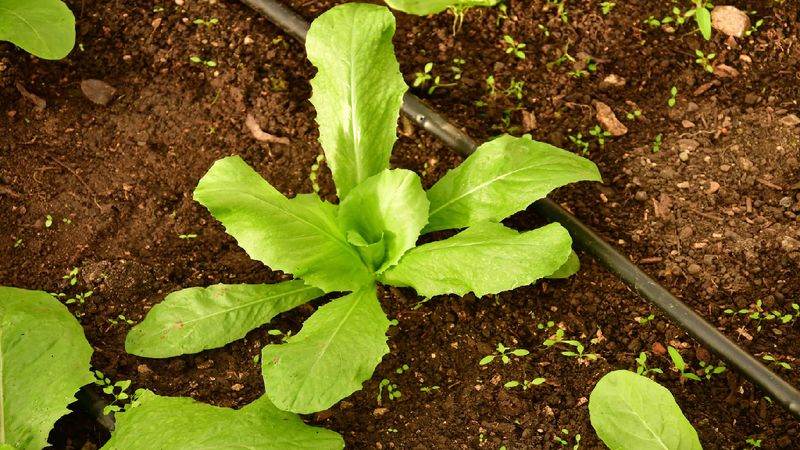
Most Michigan gardeners know that spring weather can be unpredictable, but the combination of cold temperatures and persistent rain creates growing conditions that are genuinely hard on new seedlings.
Even when seeds have germinated and small plants are showing their first true leaves, a stretch of cold, wet days can put growth nearly on hold and leave seedlings looking pale, small, and stressed.
Soil temperature plays a big role in how quickly seedlings develop.
Many common vegetable crops, including tomatoes, peppers, basil, and cucumbers, prefer soil temperatures well above what Michigan spring soil typically offers during rainy stretches.
When soil stays cold and saturated, root activity slows significantly. Nutrients that roots would normally take up become harder to access, which shows up as pale or yellowish leaves and stunted growth above ground.
Cold wet conditions also slow the beneficial microbial activity in soil that helps break down organic matter and make nutrients available to roots.
In Michigan springs with extended rainy periods, seedlings can sit without making much visible progress for days or even a week or more.
Gardeners sometimes worry that something is wrong with the plant itself when the real issue is simply the conditions around it.
Covering seedling beds with row cover fabric during cold rainy stretches can trap a small amount of warmth and protect plants from the worst of the weather.
Waiting until soil temperatures are consistently appropriate for the crop before transplanting is also one of the most reliable ways to avoid cold-weather setbacks in Michigan spring gardens.
6. Low Spots In Michigan Beds Can Leave Seedlings Struggling
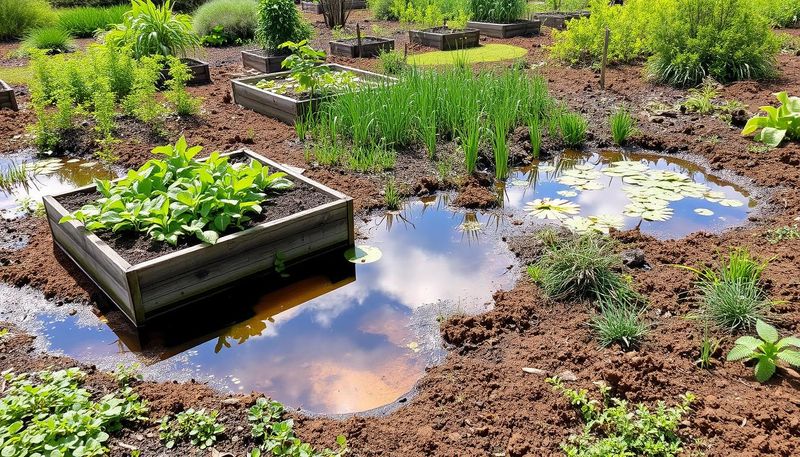
Not every corner of a Michigan garden drains at the same rate. Low spots in garden beds, areas where the soil dips slightly or where water naturally flows and collects, can hold moisture for far longer than the rest of the bed after a spring rain.
What looks like a uniform garden space during dry weather can reveal itself as a patchwork of wet and dry zones after a few days of steady rain.
Seedlings planted in those low areas face compounding challenges. The soil around them stays saturated longer, reducing root oxygen for extended periods.
Damping off organisms have more time to become active. Soil crusting can be more severe when wet soil dries unevenly.
And in Michigan springs where rain can return every few days, low spots may barely dry out between storms before the next soaking arrives.
Gardeners often notice that seedlings in certain parts of the bed look noticeably worse than others planted at the same time, with the same seeds, in the same row. The difference frequently comes down to drainage and elevation within the bed.
Even a few centimeters of difference in soil level can change how long roots sit in saturated conditions.
Addressing low spots before planting is the most effective approach. Adding compost or topsoil to raise those areas, redirecting water flow with small berms, or converting problem areas to raised beds can all help.
Michigan gardeners who map out where water pools after rain are better positioned to plant seedlings in spots where spring conditions support rather than stress young plants.